Film review

Bringing Up Baby

1938 · Directed by Howard Hawks · 1h 42m · MPA NR

In a sentenceCary Grant attempts a sensible conversation with Katharine Hepburn, which turns out to be harder than managing a leopard

ComedyRomance

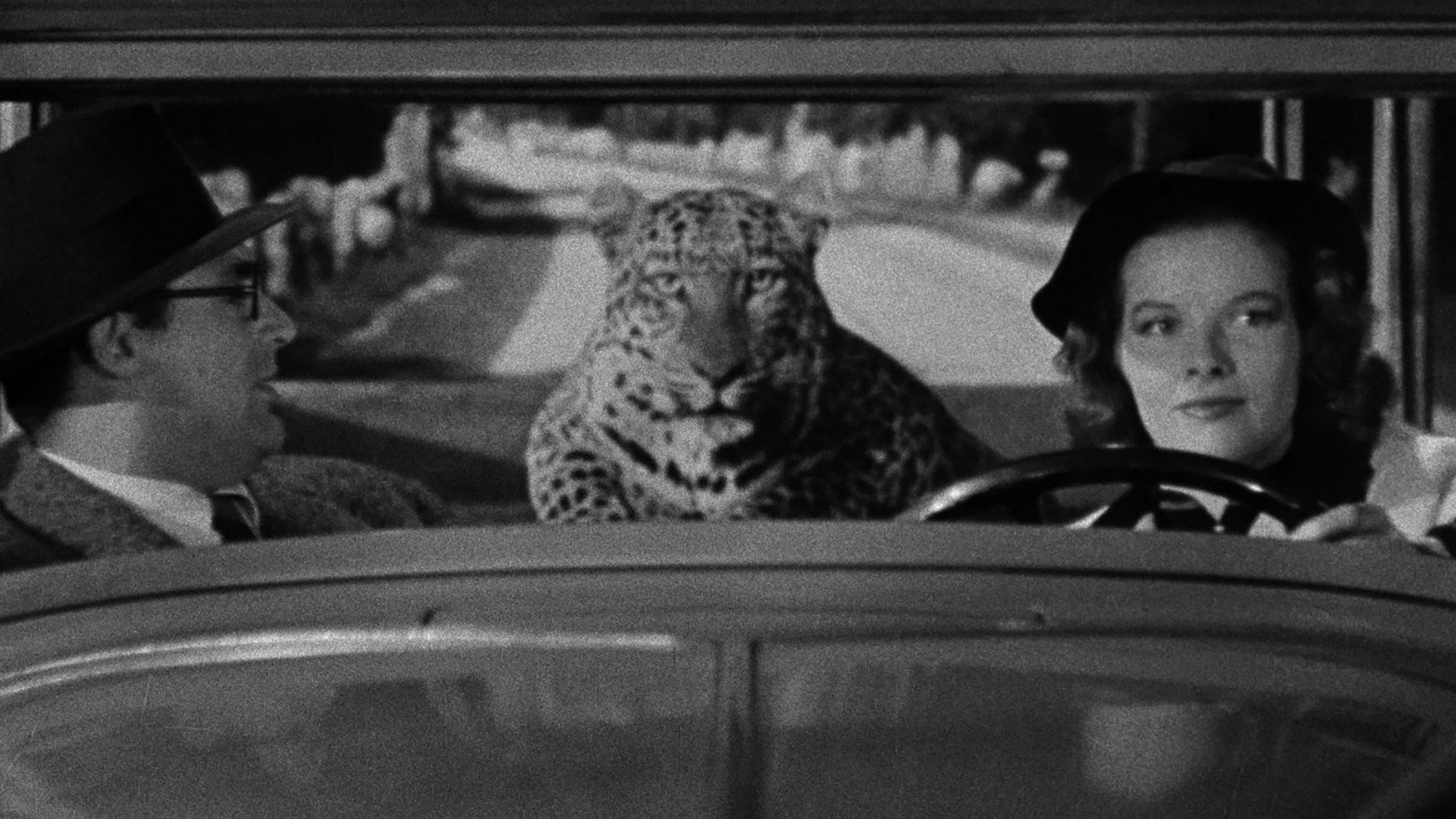
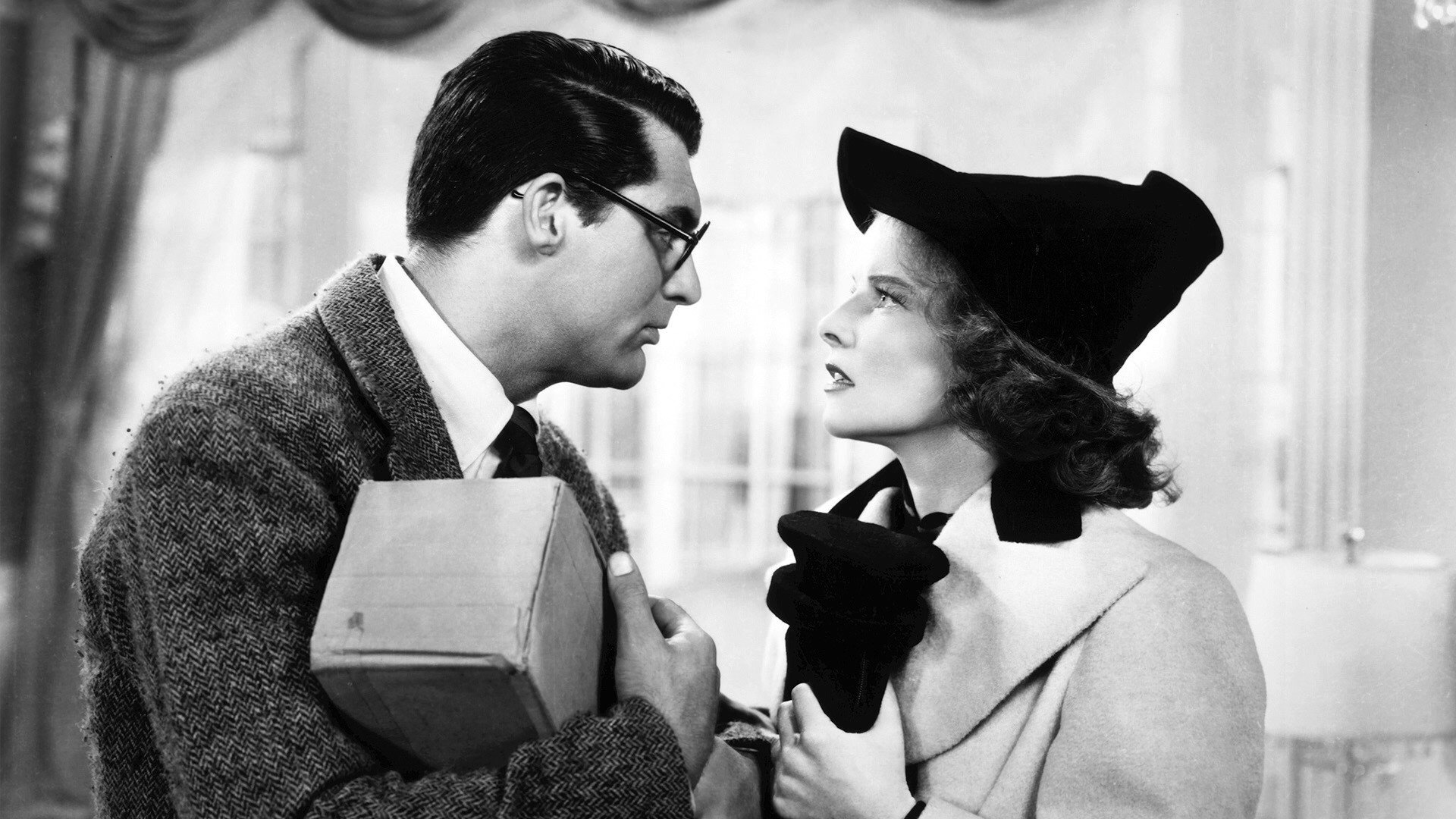
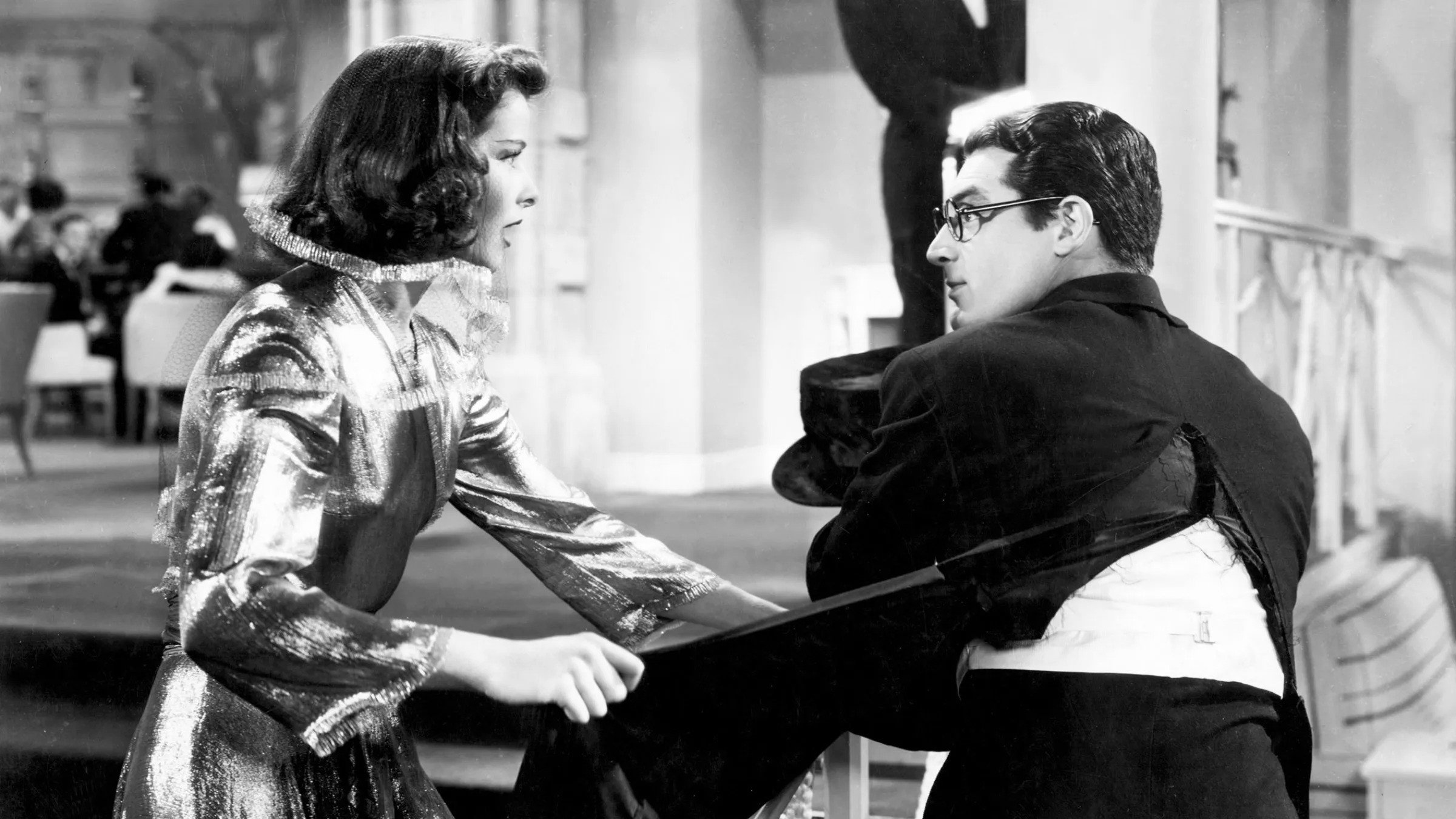
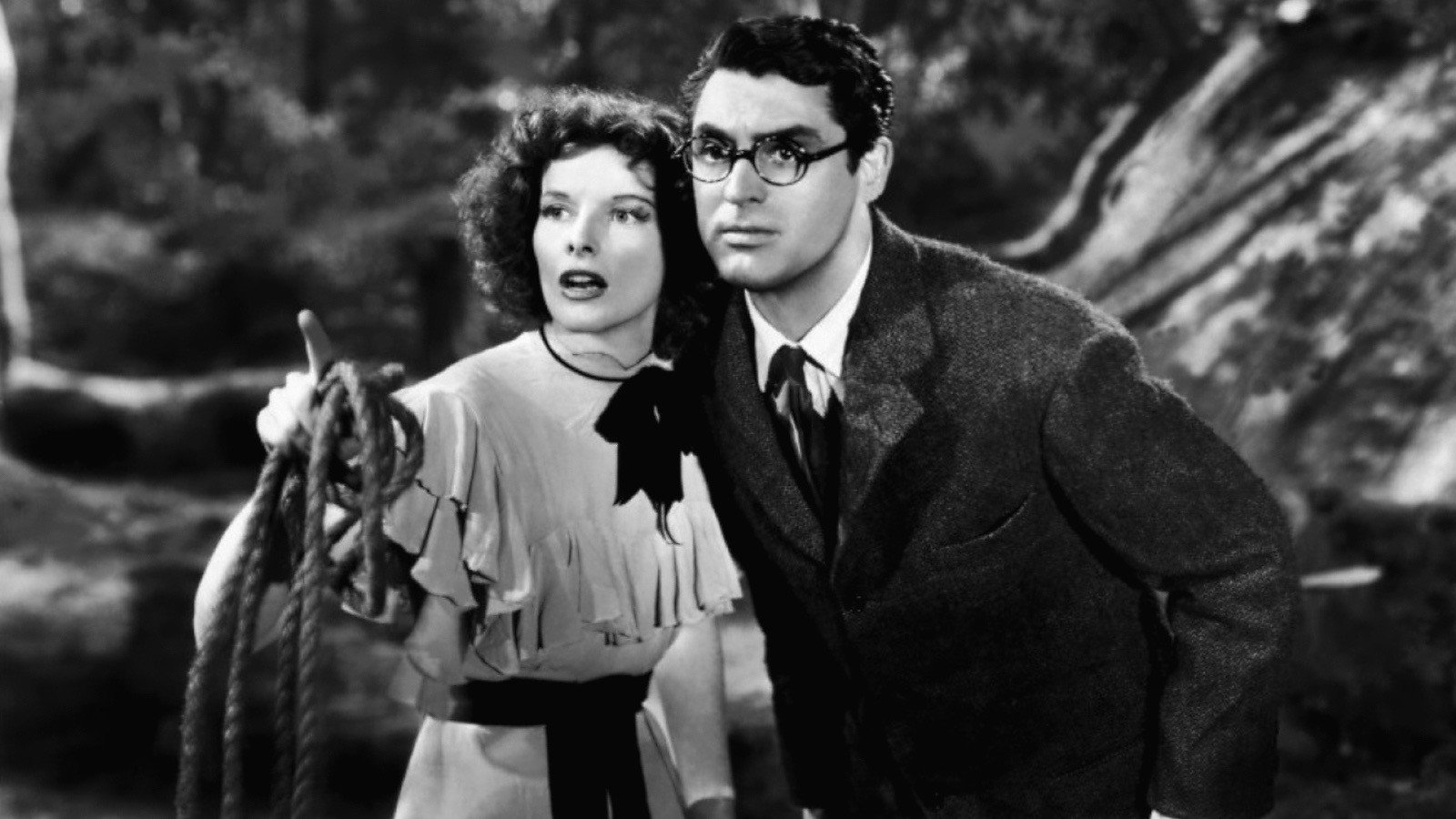
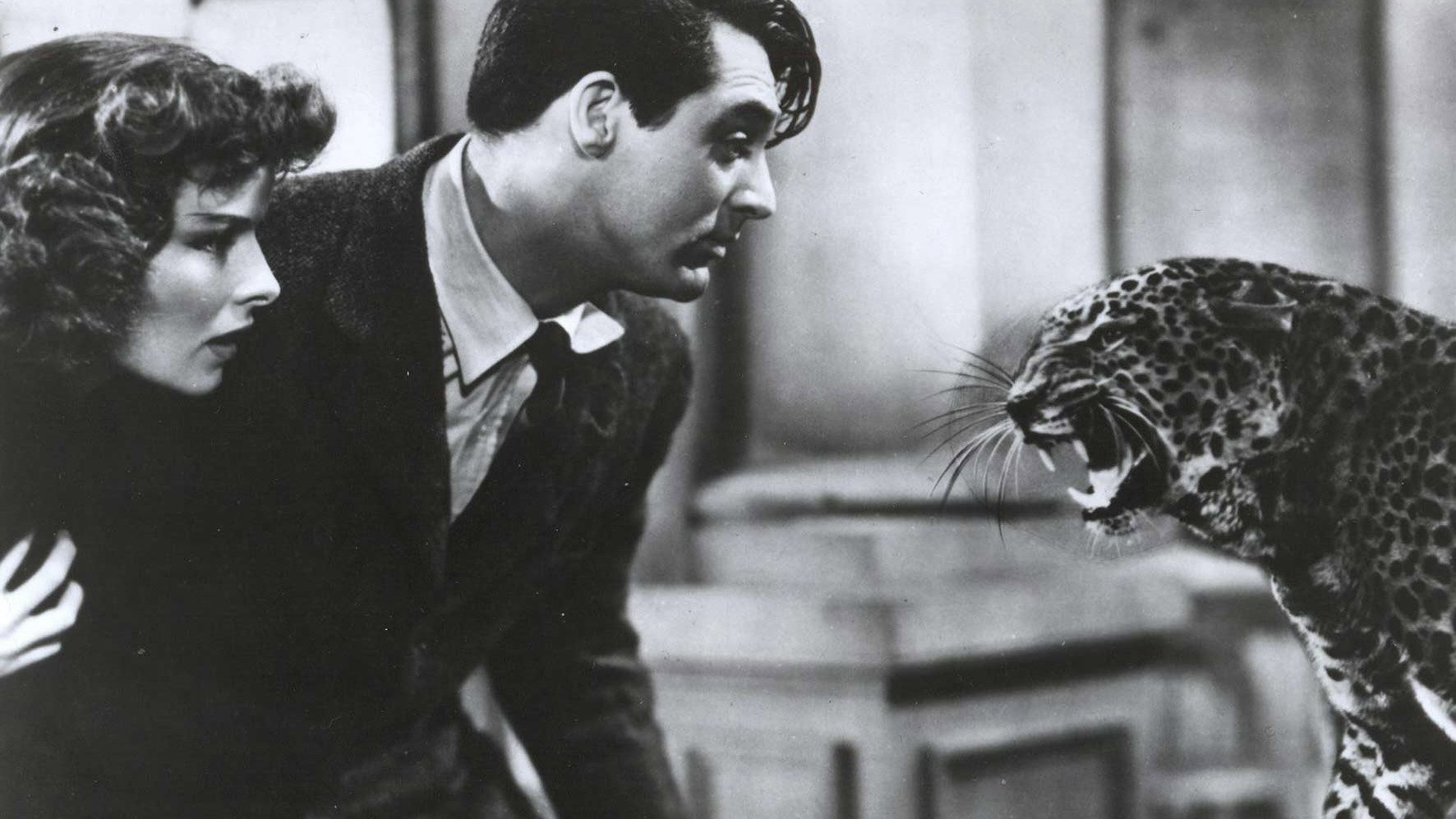
David (Cary Grant), a mild-mannered scientist, encounters Susan (Katharine Hepburn), an heiress with a leopard and an interest in him. He tries to keep their dealings sensible; she pursues romance with little regard for his composure. Their acquaintance becomes a succession of interrupted conversations, misunderstandings and physical mishaps, with the leopard adding another practical complication. The surrounding company includes Alice Swallow (Virginia Walker). David struggles to make himself heard as Susan presses on, and his attempts to restore order give her still more occasions to keep him occupied.

Plays from YouTube when you press play; nothing loads from them until then.

Fi1m review

Howard Hawks’s farce is fast, funny and unusually ruthless about romantic pursuit. Cary Grant and Katharine Hepburn make the confusion precise, though the film gives us less breathing space than their performances occasionally deserve.

Bringing Up Baby is a fine farce, provided we are ready for a romance in which getting a word in counts as a considerable achievement. Howard Hawks sends a mild-mannered scientist into the company of an heiress whose leopard is only one of his difficulties. The aim is to keep a courtship moving through interruptions, misunderstandings and physical mishaps without stopping to explain why these people belong together. The film is sufficiently funny to get away with that, although its refusal to pause becomes wearing.

Cary Grant plays David as a man still expecting a reasonable explanation after reasonable explanations have stopped being useful. His attempts to finish a sentence are funny because he keeps treating interruption as an accident that can be corrected. The physical mishaps disturb that composure without making David seem too foolish to care about. We laughed at his bafflement, then felt rather sorry for him: Susan’s confidence leaves him so little room to say what he wants.

Katharine Hepburn does not ask us to find Susan considerate. She plays the heiress’s certainty without softening it into a charming little eccentricity, and that makes the pursuit funny and faintly alarming. The speed with which the two actors respond to each other makes the attraction credible, even when Susan’s behaviour ought to end the conversation. Much of the comedy depends on her continuing to talk when David needs her to stop.

The screenplay by Hagar Wilde and Dudley Nichols gives those interruptions a clear purpose. Each exchange makes it harder for David to regain control, so the fast talking does more than advertise how clever the writers are. George Hively’s editing preserves the actors’ timing while maintaining a pace that gives us little opportunity to settle. Crucially, the physical comedy remains legible beside the overlapping dialogue. We can follow the mishaps and still catch the innuendo, which is a good deal more difficult to arrange than the film makes it look.

Russell Metty’s photography has more shadow than this much comic bustle might lead us to expect. The darker areas of the image give the romance a faintly troubling look, and stop the leopard business feeling entirely harmless. We scarcely notice Roy Webb’s music beside the overlapping voices, which seems right for a film so dependent on people failing to listen. The photography and cutting do their work without asking the actors to slow down and let us admire it.

At 102 minutes, the film could afford to lose a little of its repeated confusion. Once another sensible exchange has become impossible, we occasionally want the next scene to offer something other than a further interruption. That is a real limitation, though it hardly cancels the precision of the performances. As screwball comedy, it asks us to accept people behaving badly and then earns that permission through timing and physical invention. Choose it when fast talk sounds like pleasure; a need for peace and quiet is a good reason to leave it for another evening.
Critical consensus AI synthesised

89
Positive
12
Mixed
0
Negative
0

The reviews are unanimously positive, with praise concentrated on Cary Grant and Katharine Hepburn’s chemistry and Howard Hawks’s control of the farce. Most critics find the mismatched leads equally adept at physical mishaps, sexual innuendo and overlapping dialogue. Hawks’s pacing draws repeated admiration: the absurd situations accumulate quickly, but the comic timing remains precise. Across the reviews, Bringing Up Baby stands as a defining screwball comedy whose speed and eccentricity retain their appeal.

The differences concern emphasis more than approval, though enthusiasm ranges from warm appreciation to full marks. Variety notes some slackening of pace amid its praise for both leads. The New Yorker stresses the romance’s aggression and unequal desire, finding something troubling beneath the comedy. Time Out likewise sees the couple’s unsettling dynamic as part of the film’s enduring attraction. These darker readings complicate the broader celebration rather than amounting to a rejection.

Radio Times
★★★★★ · Calum Baker
100

Despite flopping on release, this deft comedy has become a definitive screwball. Grant plays nicely against type as a mild-mannered scientist while Hepburn excels as the scatty heiress whose leopard sparks farce and romance; Hawks directs with zip through every silly set piece.

Read the full review →
Time Out
14 June 2011 · ★★★★★ · Joshua Rothkopf
100

The film is a perfect example of why directors can be wrong about what works; its nuttiness and shadowy cinematography make it risk-taking and romantic in ways modern Hollywood ignores. The couple’s dynamic is scary and unresolved, which is why it endures.

Read the full review →
Empire
1 January 2000 · Angie Errigo
95*

The critic calls it the definitive screwball comedy, with perfect eccentric characters, slapstick mishaps, sexual chemistry and rapid-fire dialogue from Hawks, Grant and Hepburn. She highlights the leopard antics, overlapping talk and comic timing as peerless, noting its later acclaim despite a poor initial box office.

Read the full review →
Little White Lies
30 June 2018 · Adam Scovell
90*

Hawks’s screwball is one of the first truly great sound comedies, filled with surreal madness and risqué double entendres. The two leads are its strongest element, perfectly matched in bringing out the innuendos and overlapping dialogue.

Read the full review →
The AV Club
15 February 2010 · Mike D'Angelo
90*

Hawks directs the quintessential screwball comedy with casual brilliance and underplayed absurdity. The critic singles out the gender role subversion and the iconic 'gay' line delivery for praise.

Read the full review →
The Guardian
29 October 2006 · Philip French
90*

The critic calls it Hawks's finest comedy and praises its beautifully shaped screwball farce with Cary Grant and Katharine Hepburn as the perfect mismatched pair. He singles out the inventive physical comedy, sexual innuendo and ensemble of eccentric characters for particular note.

Read the full review →

Cast

Stills

If you liked this, try…

The Awful Truth poster

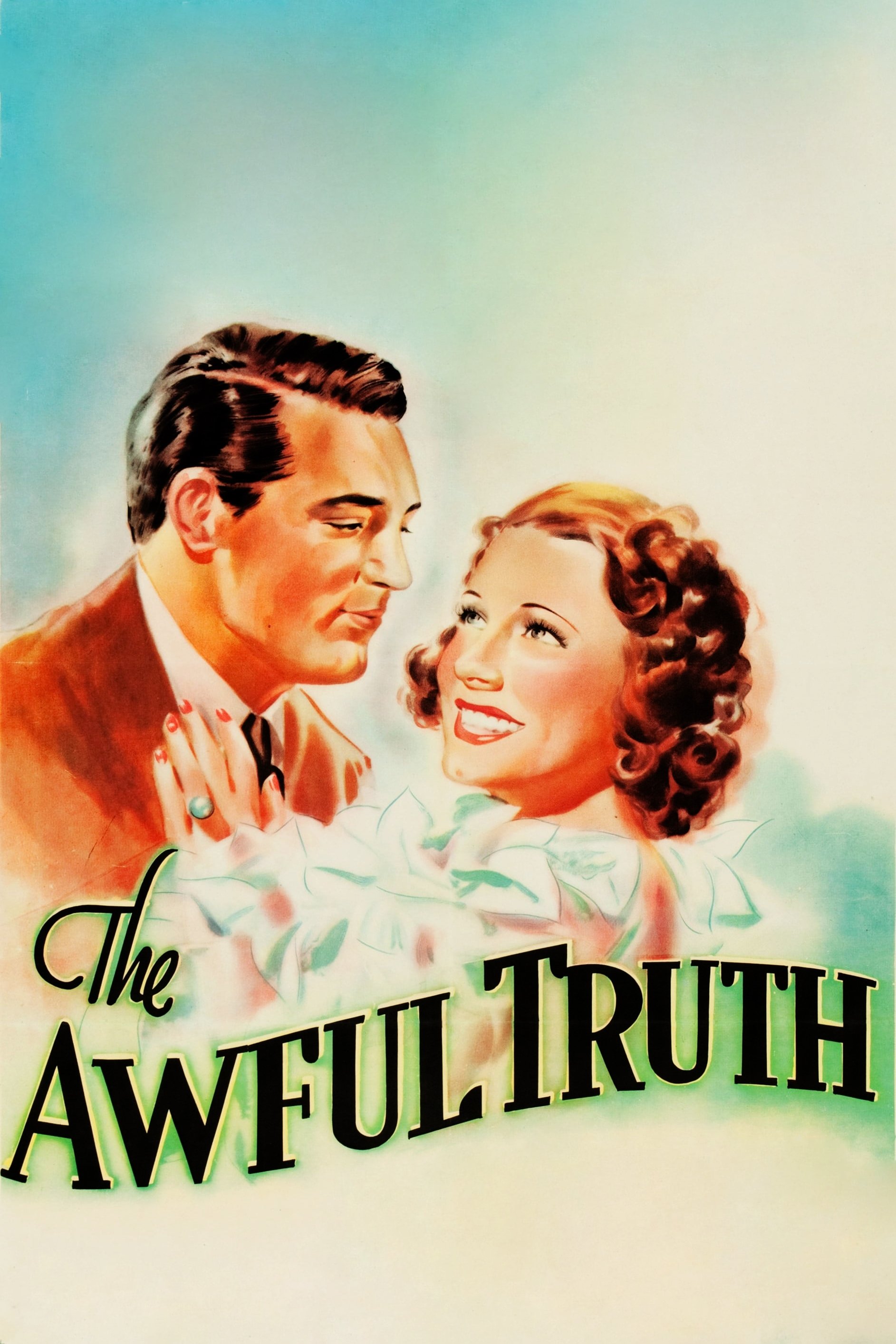
The Awful Truth

1937 · Cary Grant makes romantic embarrassment look effortless, though nobody escapes with dignity.

The Lady Eve poster

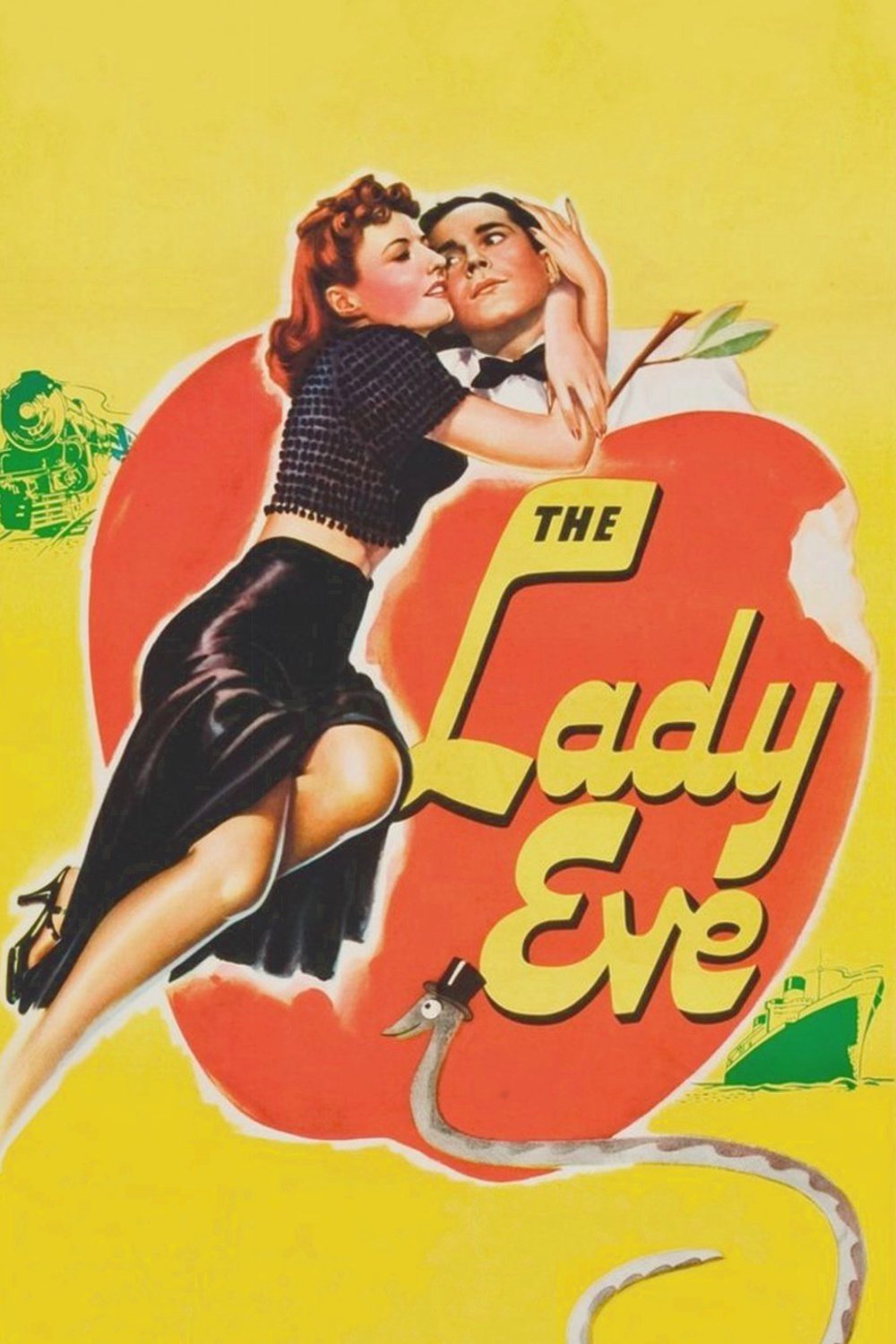
The Lady Eve

1941 · A confident woman makes a solemn man magnificently unsure of himself.

What's Up, Doc? poster

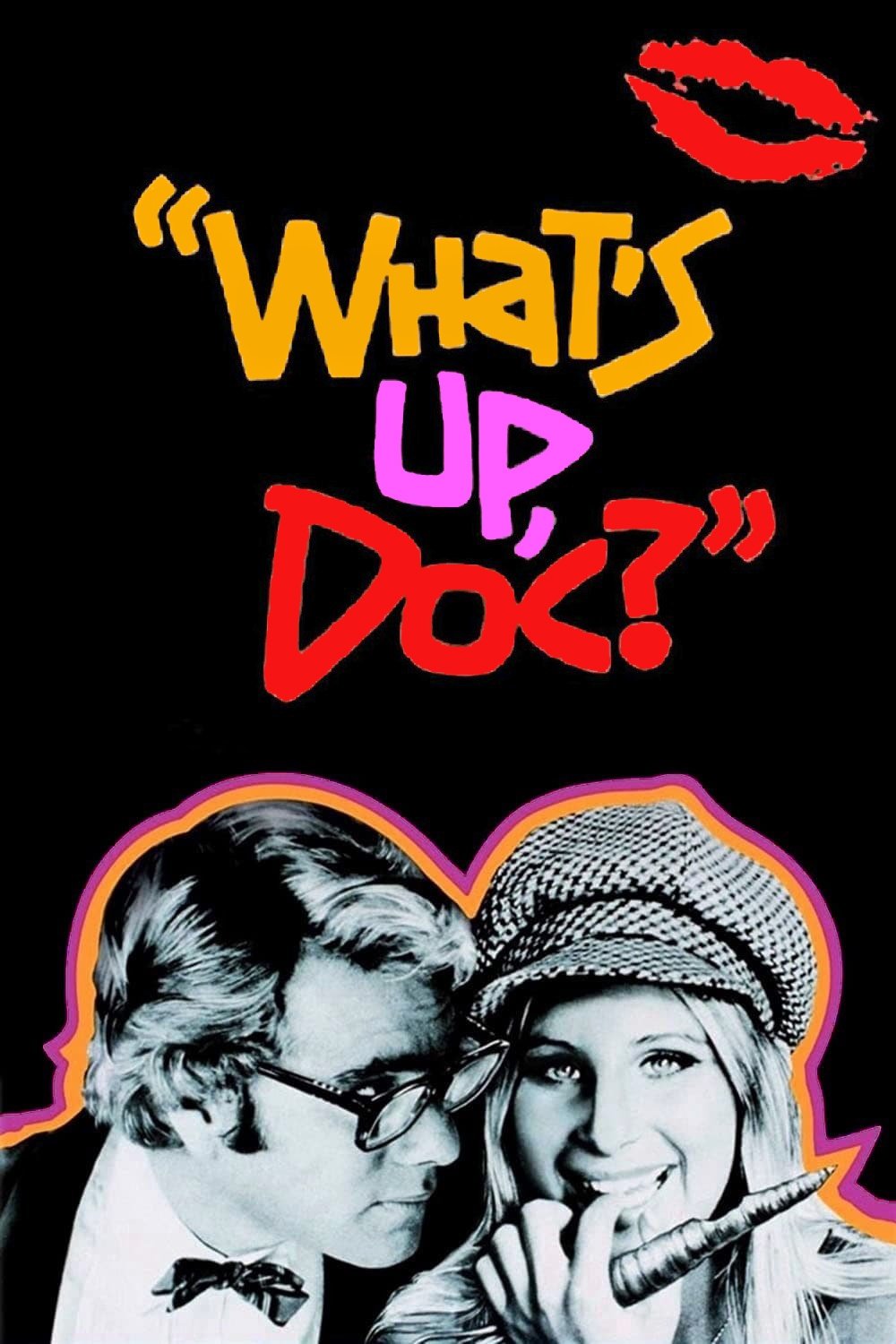
What's Up, Doc?

1972 · For more elaborate physical chaos and another scholar struggling to keep up.

Tampopo poster

Tampopo

1985 · Another comedy happy to let appetite and eccentric strangers interrupt everything.

Women on the Verge of a Nervous Breakdown poster84

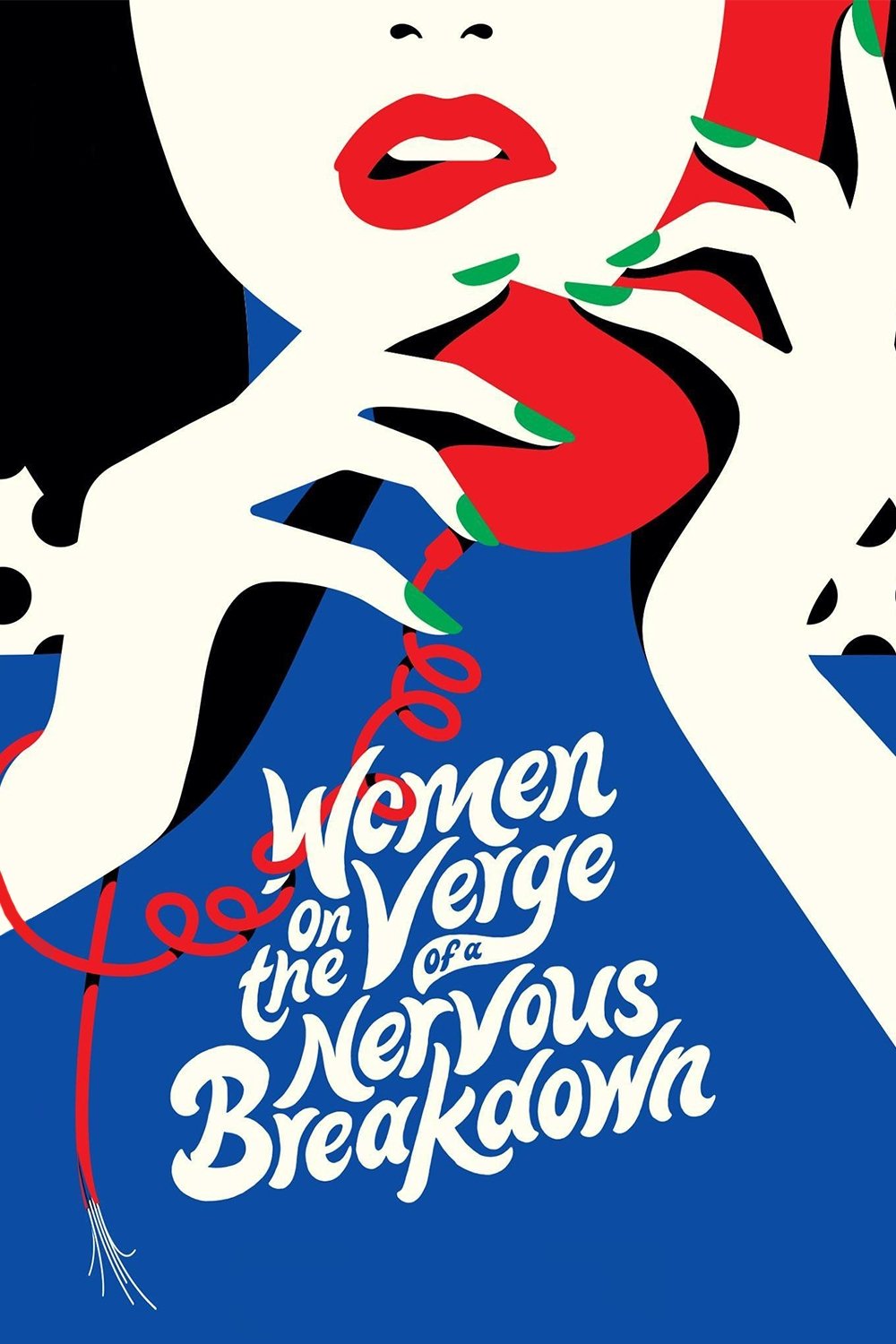
Women on the Verge of a Nervous Breakdown

1988 · Romantic distress produces mounting complications, with women firmly controlling the comic pace.