Film review

The Big Sleep

1946 · Directed by Howard Hawks · 1h 54m · MPA NR

In a sentenceBogart and Bacall could make an evasive answer sound like an invitation

MysteryCrimeThriller

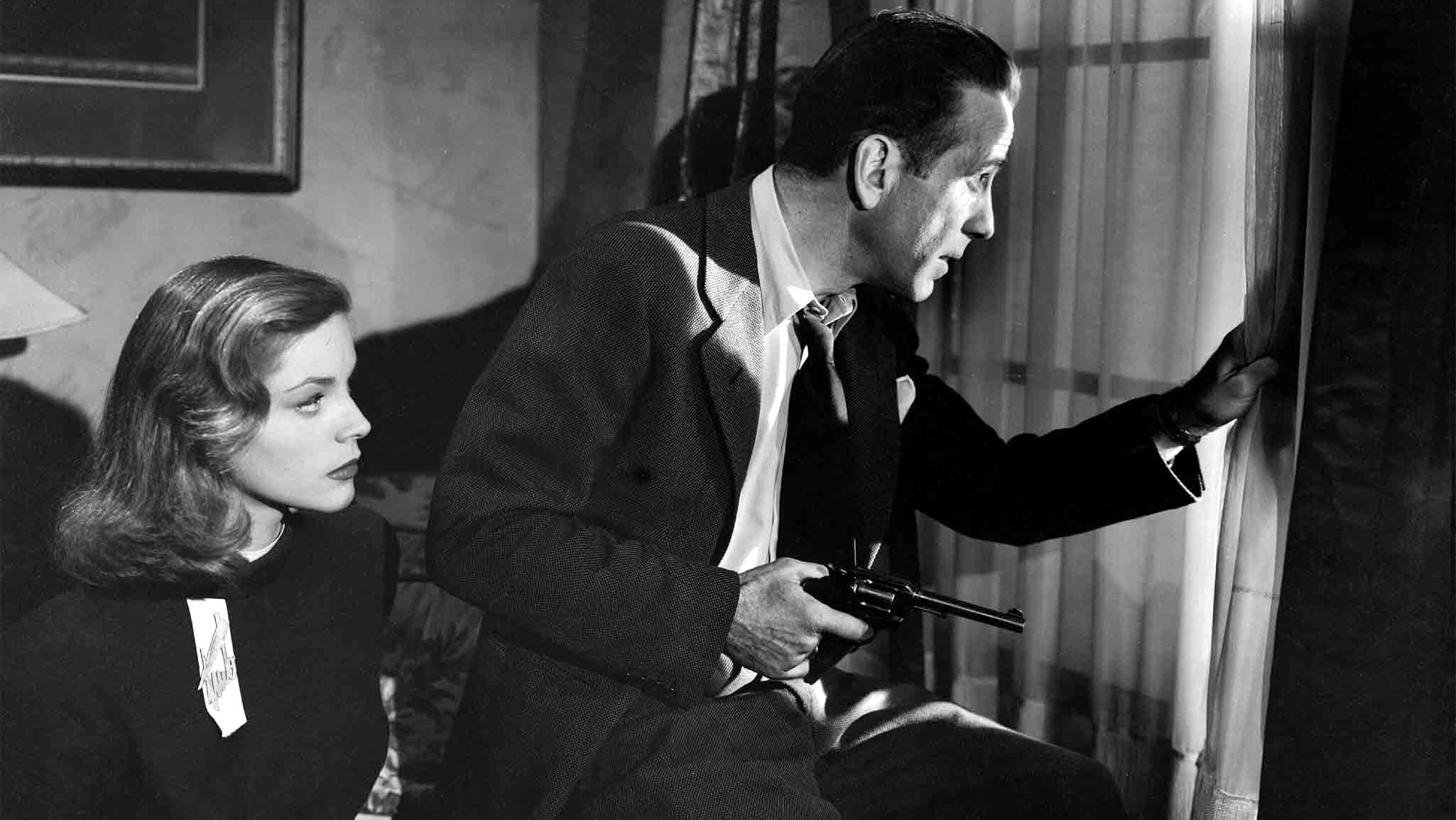
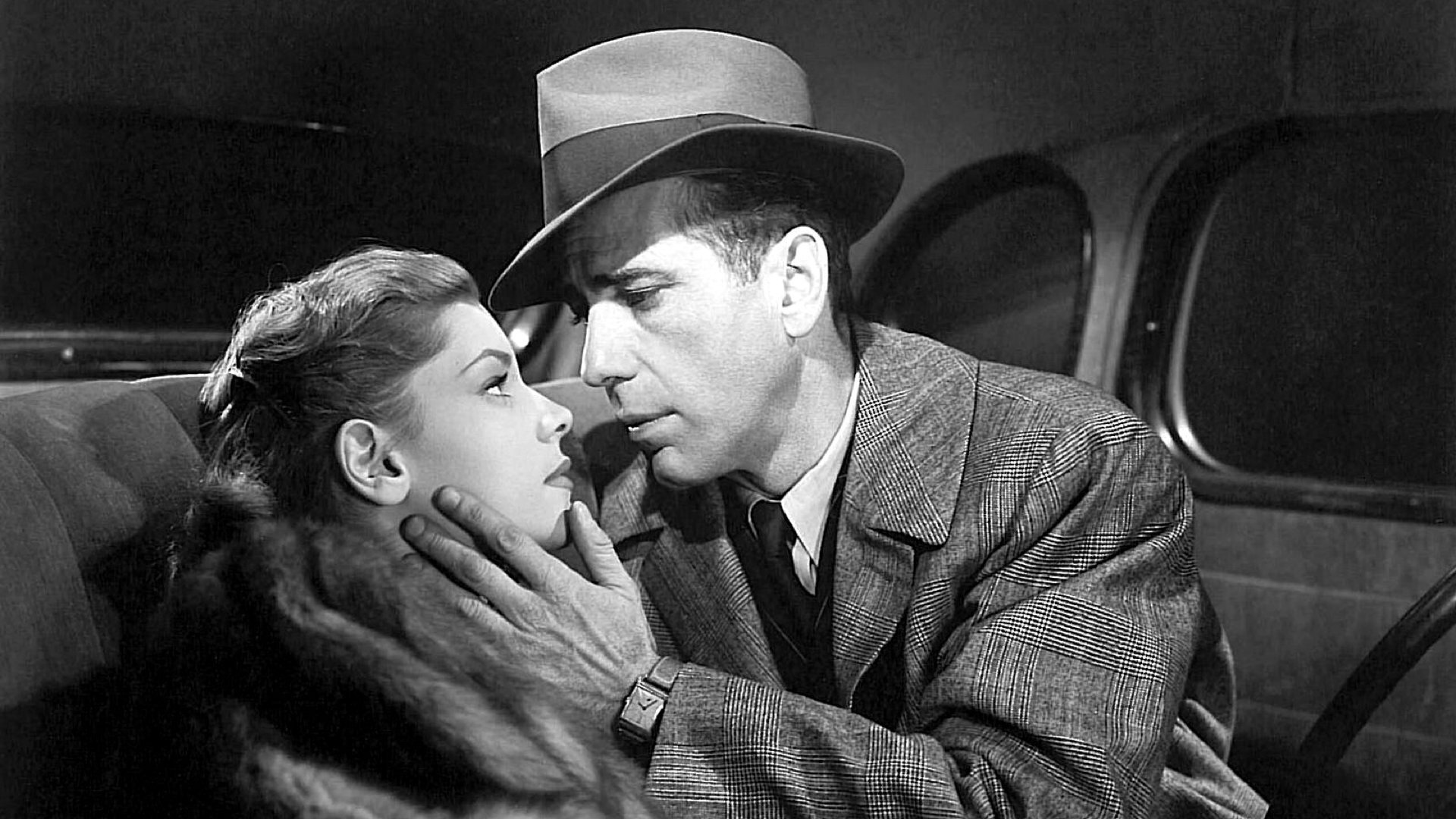
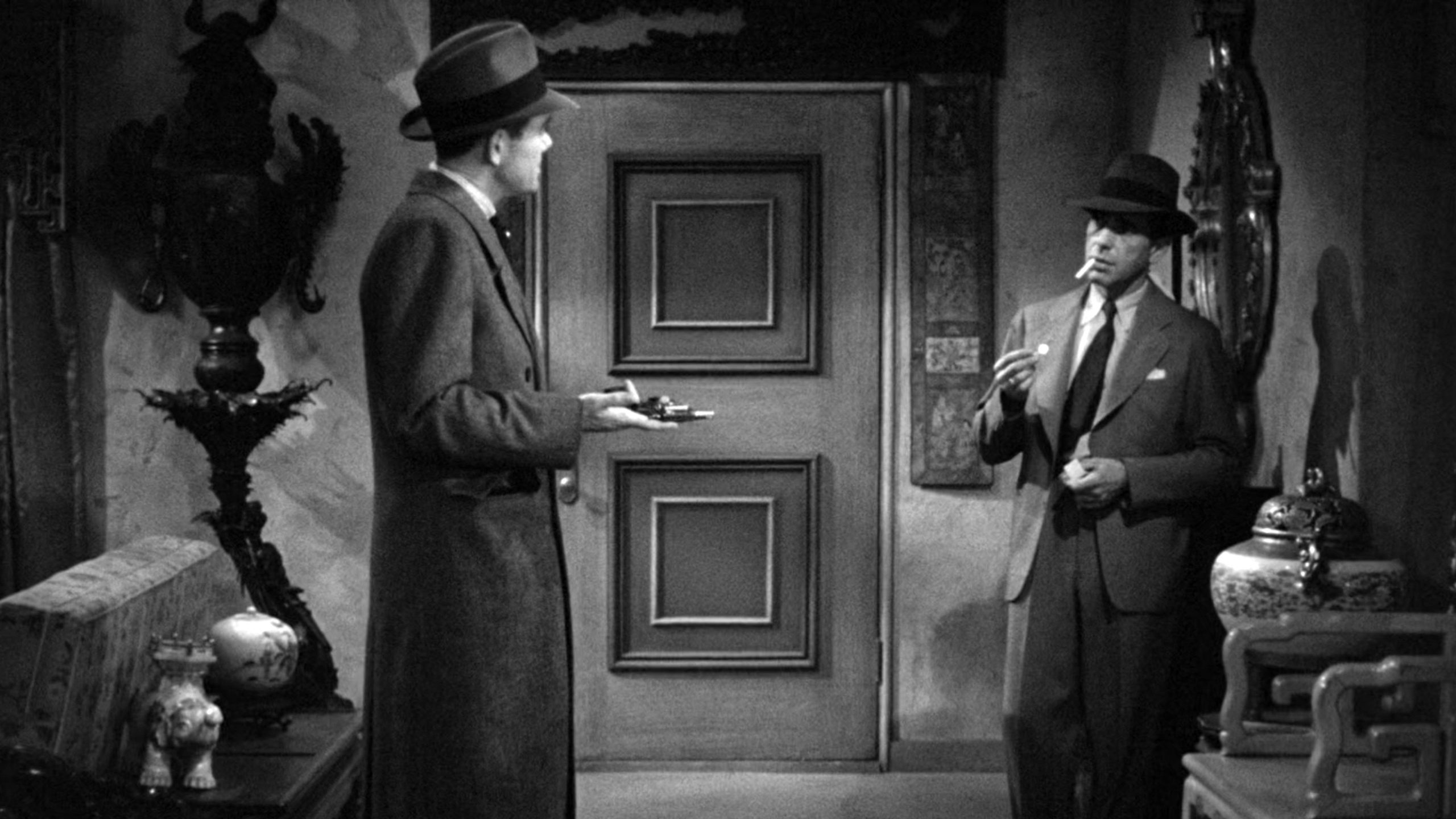
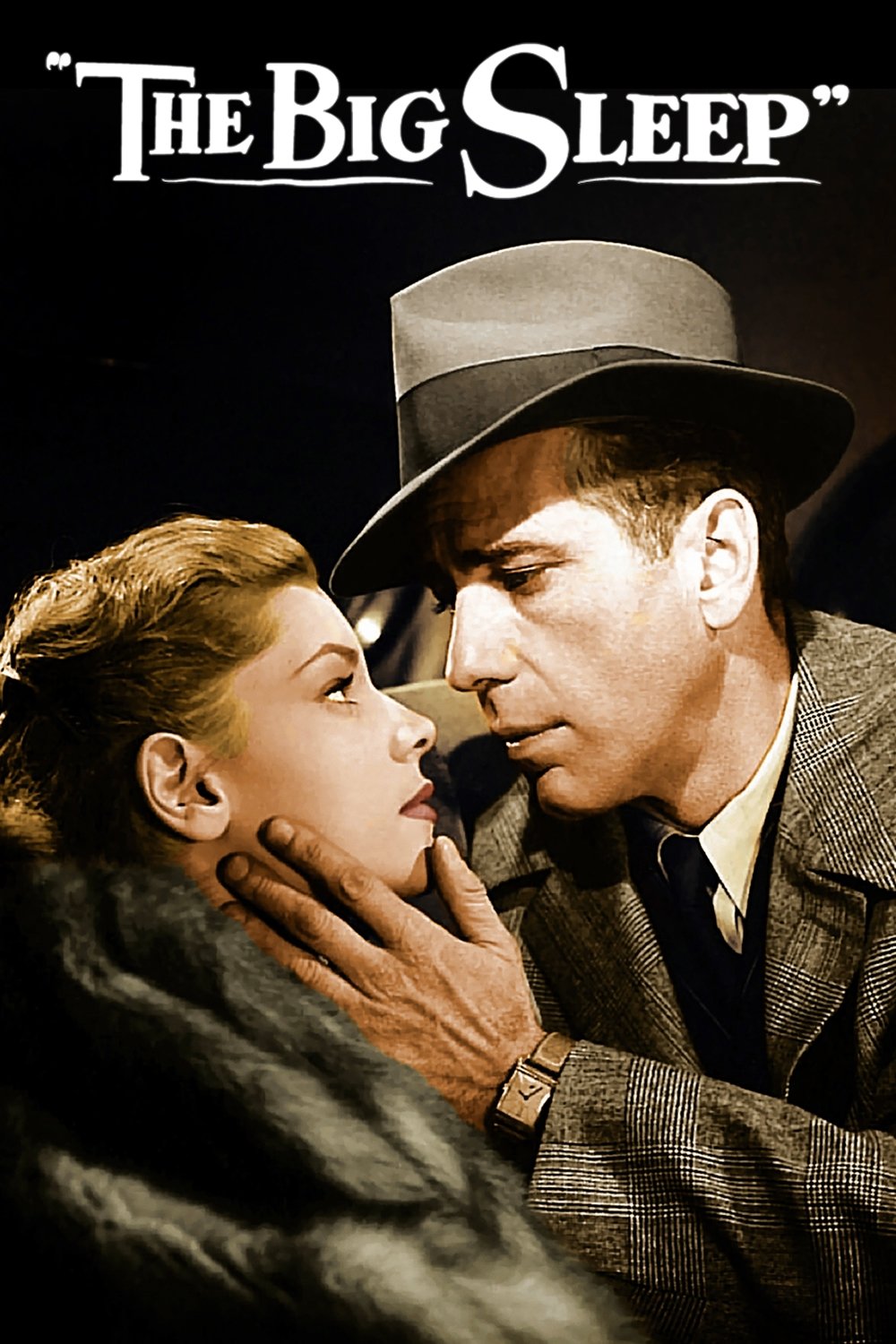
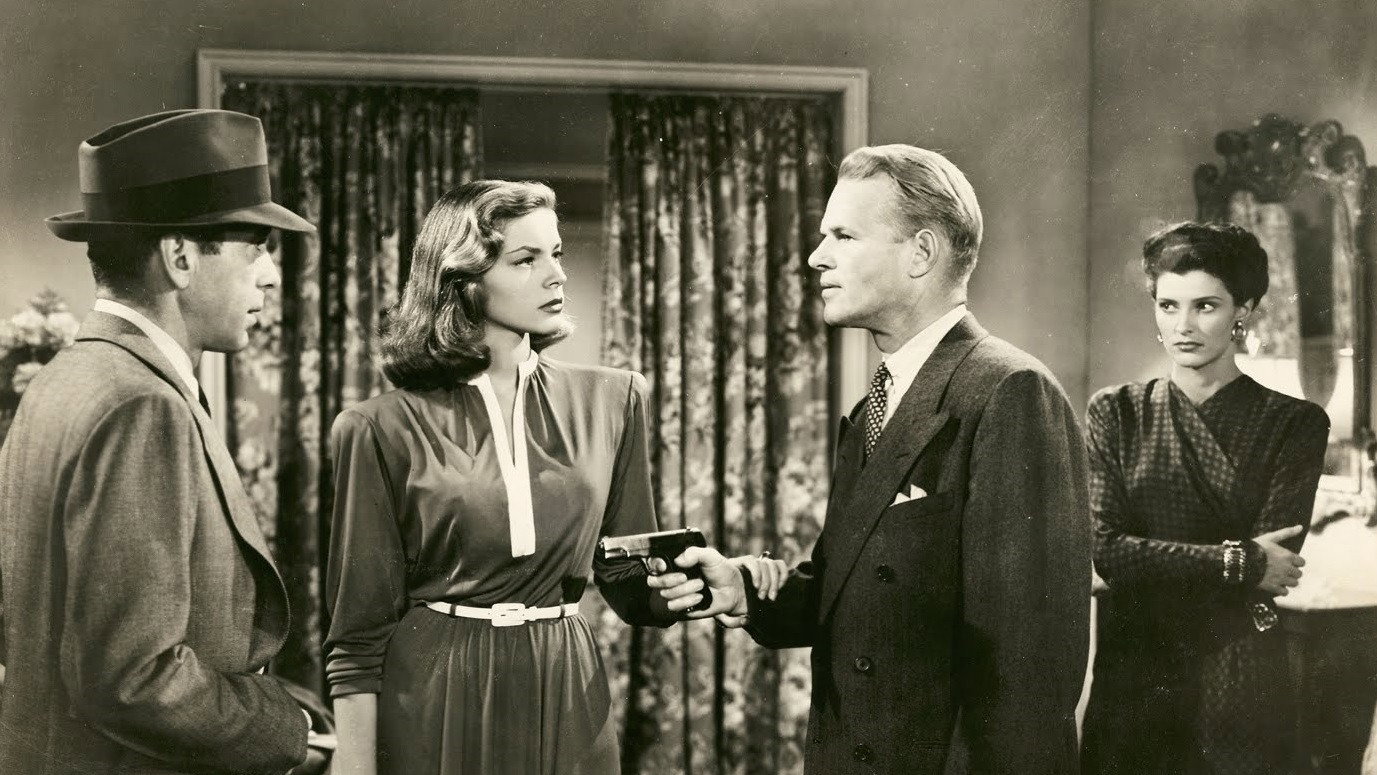
Philip Marlowe (Humphrey Bogart) seeks answers in a mystery involving General Sternwood (Charles Waldron), Vivian Sternwood Rutledge (Lauren Bacall) and Carmen Sternwood (Martha Vickers). The people he encounters have interests of their own, and conversations become contests over who gets to ask the questions. Vivian challenges him, and their attraction complicates his efforts to decide whom to trust. Marlowe has to make sense of competing accounts while dealing with people as ready to trade insults as information. Beneath the flirtation and verbal sparring, there is the threat of violence, and the possibility that an answer is another evasion.

Fi1m review

Howard Hawks makes a witty, charged thriller whose people are more compelling than its mystery. Humphrey Bogart and Lauren Bacall justify the evening, though the muddled plotting remains a fault, however good the company.

Howard Hawks makes The Big Sleep a thoroughly enjoyable thriller, provided we accept that its mystery is not satisfactorily explained. It is interested in how sharp people behave when nobody quite trusts anybody else. The story keeps arranging encounters, and those encounters are often so entertaining that we temporarily stop asking how they fit together. Adapted from Raymond Chandler’s novel, the film gives Humphrey Bogart and Lauren Bacall plenty of opportunity to challenge each other.

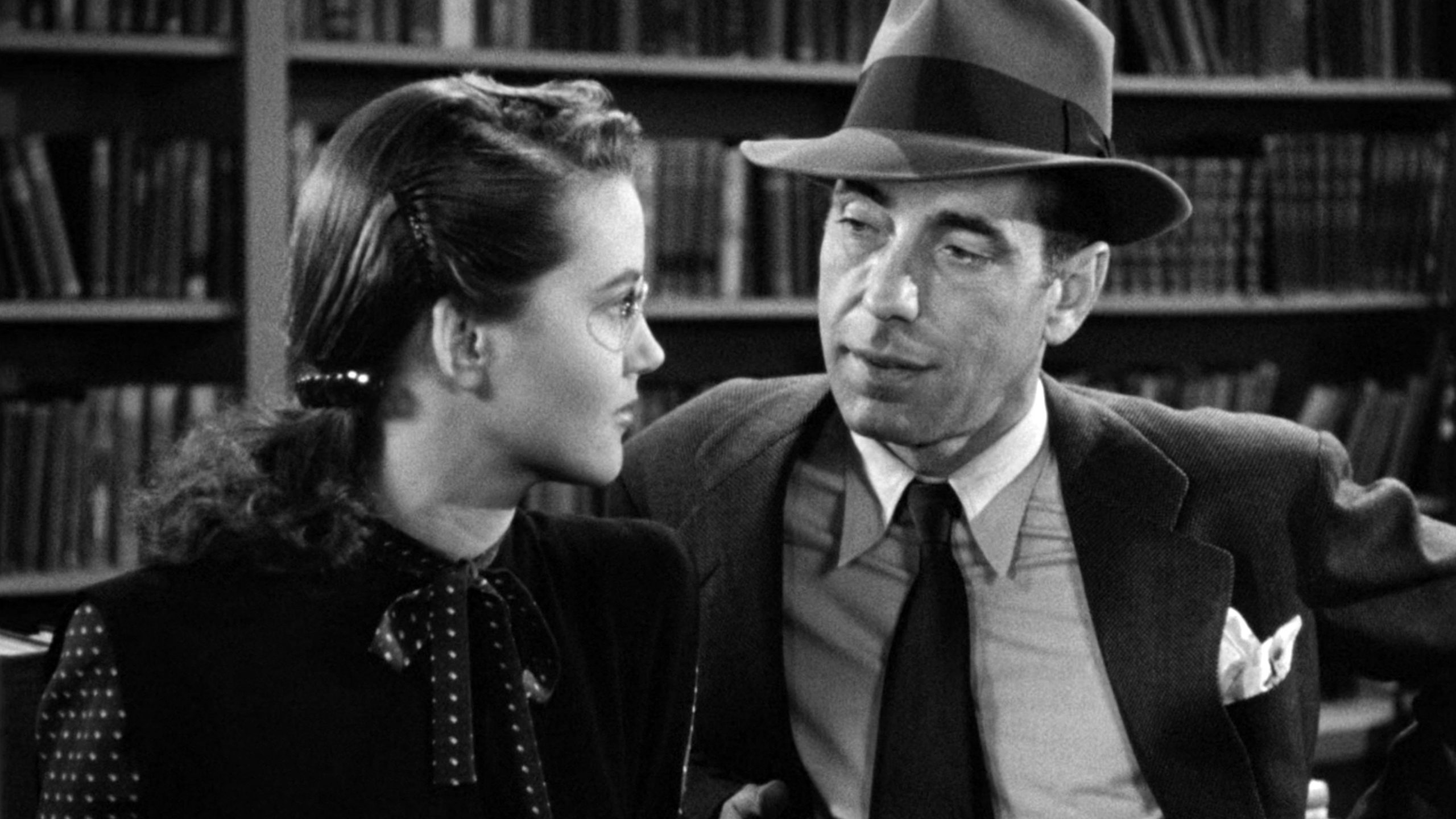
As Philip Marlowe, Humphrey Bogart gives the film a steadiness its storytelling badly needs. His insolence is funny because he does not wait for our approval, and his confidence makes following him agreeable even when following the investigation takes work. He can make a question sound like a small provocation without labouring the effect. We believe in his ability to handle the person in front of him, which helps carry us through the less persuasive connections between encounters.

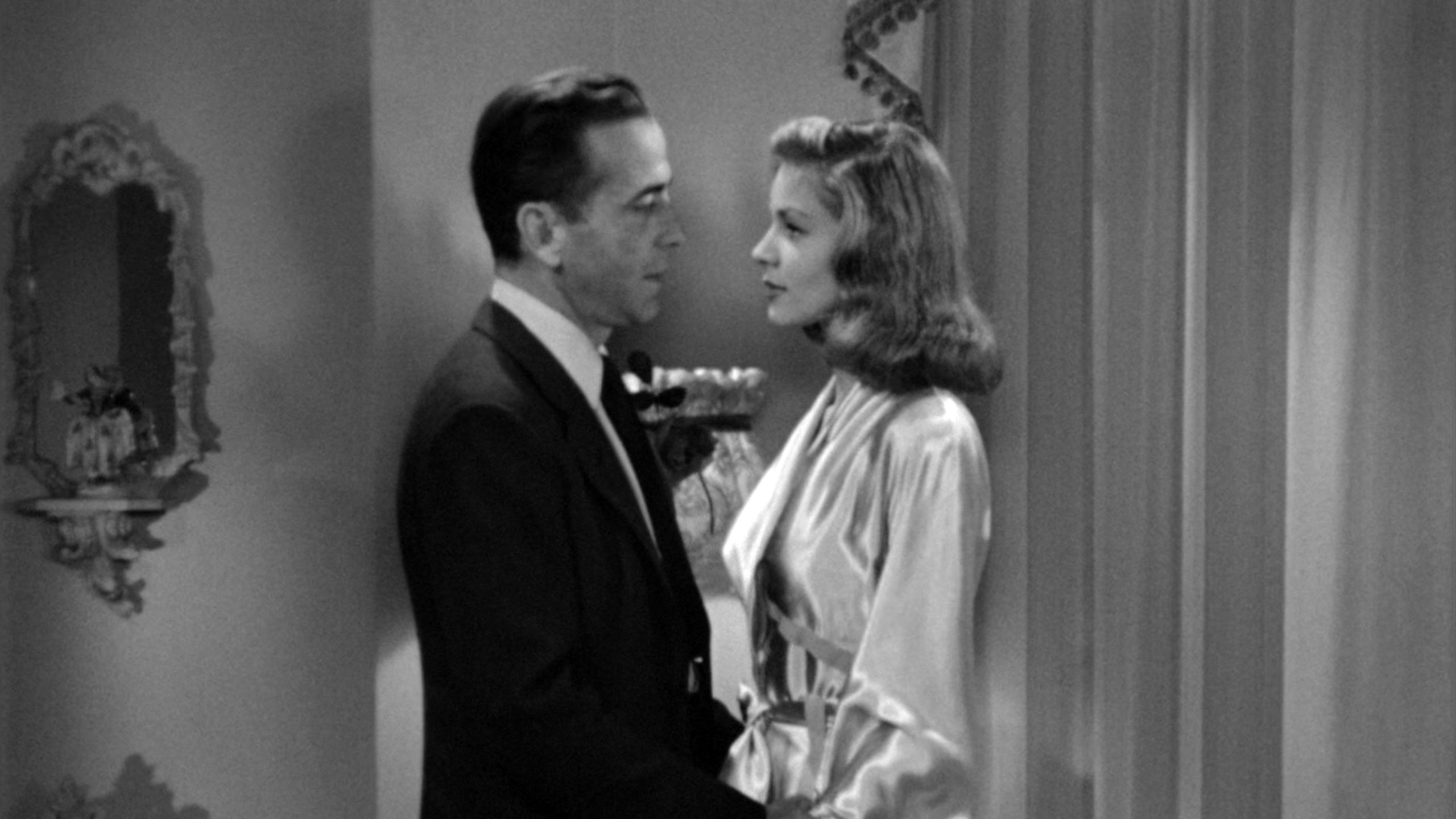
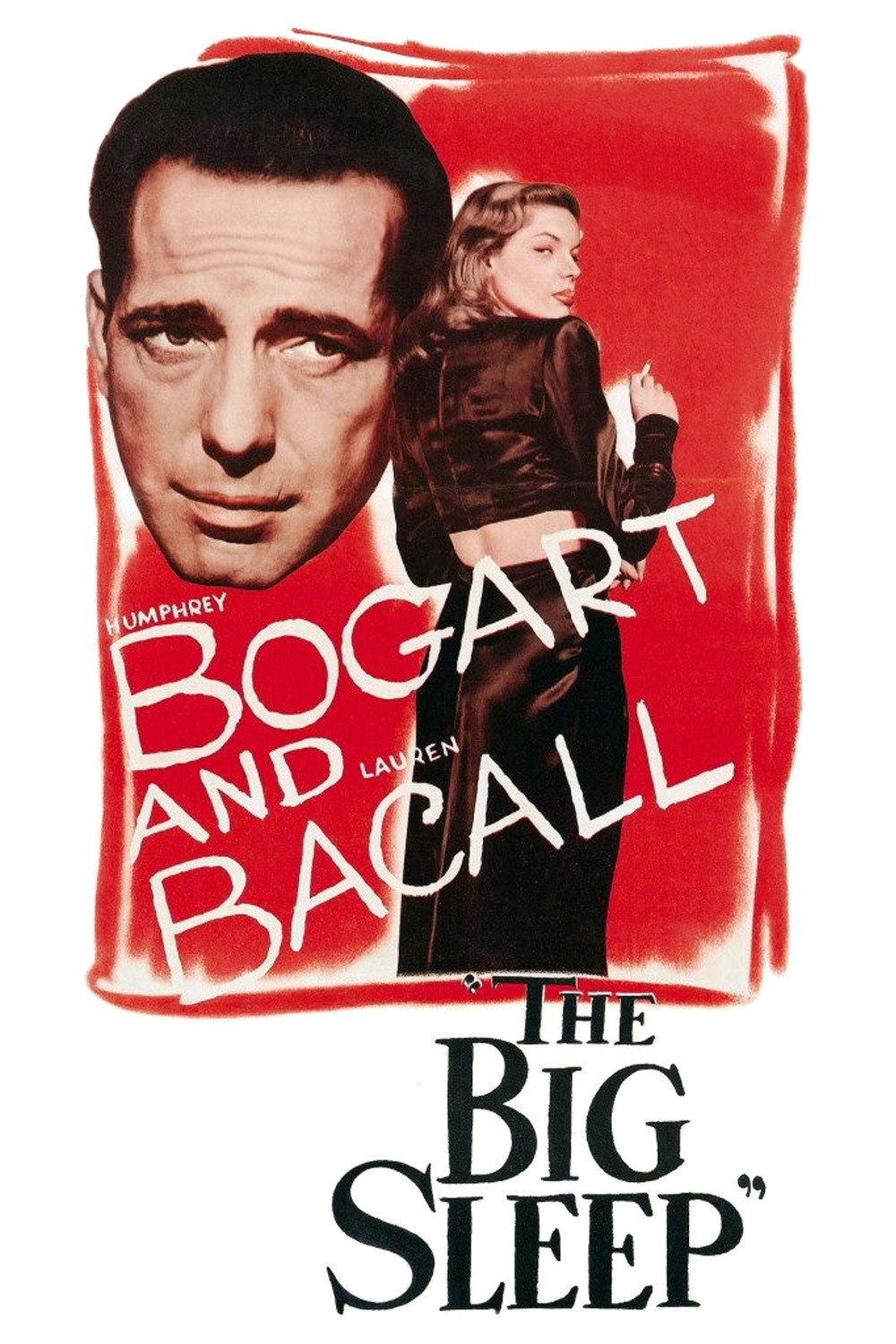
Lauren Bacall, as Vivian Sternwood Rutledge, gives him someone who can make a conversation difficult without making it tedious. The romantic sparring works because both performers seem alert to the possibility of being outdone; neither is simply waiting to deliver the next polished line. We laughed at their insolence towards each other, and at how little it discourages the attraction. The actors make that carefully written dialogue sound as though each has just thought of something the other deserves to hear.

Martha Vickers makes Carmen Sternwood disconcerting company, which is useful in a film whose leads make verbal combat so inviting. John Ridgely, as Eddie Mars, contributes a harder, less playful presence. The supporting cast gives the film people worth noticing rather than a queue of possible explanations. Even when the details of the mystery slip away, there is usually someone whose manner makes us want to hear what they will say next.

Sidney Hickox’s cinematography gives the faces enough weight for a look to compete with a line. That suits a film in which listening to someone can be as revealing as speaking. Christian Nyby’s editing keeps the exchanges quick without making them feel hurried, allowing the actors time to enjoy a challenge before answering it. Composer Max Steiner reinforces the suspense effectively, although the voices need little help holding our attention.

Jules Furthman, Leigh Brackett and William Faulkner receive the screenplay credit, and the dialogue earns its reputation for wit. The problem is that a succession of good exchanges cannot always tell us why one event follows another. Most critics accept the confusion for the sake of the performances and dialogue; we accept it too, but it sometimes reduces suspense by making the immediate stakes difficult to grasp. There are stretches when the film’s pace has to do the work that a clearer chain of events should have done.

The usual detective-film bargain is that close attention will eventually be rewarded with clarity. Here, listening closely pays off sooner, in the turns of a conversation and the pleasure of catching what a remark is doing besides answering a question. That makes it worth revisiting without pretending that the plot will necessarily become more satisfying on another viewing. If an unanswered question will keep us awake, there are tidier mysteries to choose.
Critical consensus AI synthesised

83
Positive
12
Mixed
0
Negative
0

The reviews are uniformly positive about The Big Sleep, with praise clustering around Bogart and Bacall’s chemistry and the sharp dialogue that gives their exchanges such charge. Most critics treat the detective story as secondary to the pleasure of watching these characters spar. Hawks’ direction also earns credit for sustaining suspense through individual scenes, while the supporting cast and lively women characters give the film interest beyond its central pairing.

The differences concern how much the tangled plotting matters. Eye for Film finds the structure unsatisfying and the events difficult to pin down, despite the energy and performances. Empire has reservations about its effectiveness as a Chandler adaptation. Time Out, by contrast, treats the dreamlike confusion as part of the attraction. The spread is therefore one of enthusiasm rather than outright dissent: critics agree on the pleasures, but differ over whether narrative confusion enriches them or is simply worth tolerating.

Time Out
27 December 2010 · ★★★★★ · Tom Huddleston
100

The review celebrates the film's tangled, dreamlike plot and crackling dialogue as a high point of Hollywood cinema, noting its subversive take on romance, violence and female sexuality. It praises the chemistry between Bogart and Bacall and the way Hawks uses the story as an excuse for memorable scenes and sharp wit.

Read the full review →
RogerEbert.com
22 June 1997 · Roger Ebert
95*

The critic celebrates the 1946 version as a great film noir whose witty, quotable dialogue and Bogart-Bacall chemistry make it enduringly popular despite its convoluted plot. He singles out the reshot scenes that enhanced the romantic banter and insolence between the leads.

Read the full review →
Empire
28 April 2006 · Kim Newman
85*

The film is less effective as a Chandler adaptation than some but remains a classic, wholly lovable movie; the critic praises its deployment of a picturesque supporting cast and visual/verbal pleasures over plot coherence.

Read the full review →
Sight and Sound
· John Pym
85*

The critic praises the film's ability to sustain an illusion of suspense and its memorable set-piece episodes despite the famously convoluted plot. It highlights the vivacious Hawksian women characters and the witty, literate dialogue as key strengths that have helped the film endure.

Read the full review →
The Independent
2 August 1995
80*

The critic highlights the re-release of the 1946 film in a sharp new print, praising the crackling dialogue between Bogart and Bacall that creates sparks and obscures the convoluted plot.

Read the full review →
Variety
31 December 1945 · Variety Staff
80*

The review praises Howard Hawks' direction for transferring Chandler's brittle characters to the screen with punch and providing a full load of rough, tense action. It highlights the smooth teaming of Bogart and Bacall along with the staccato pace and lusty romantic and physical action.

Read the full review →

Cast

If you liked this, try…

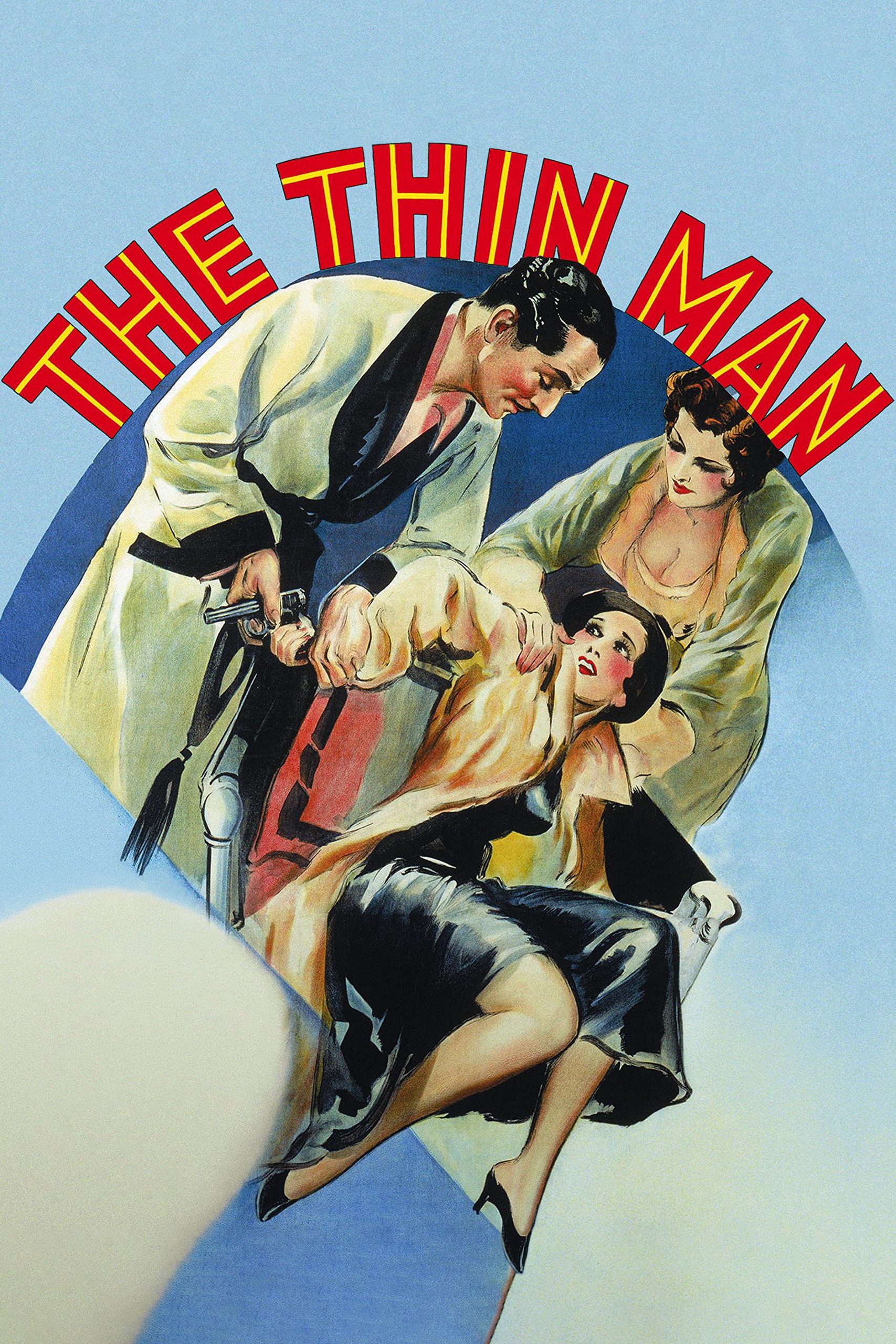
The Thin Man poster

The Thin Man

1934 · For verbal sparring between leads who make solving the case seem almost incidental

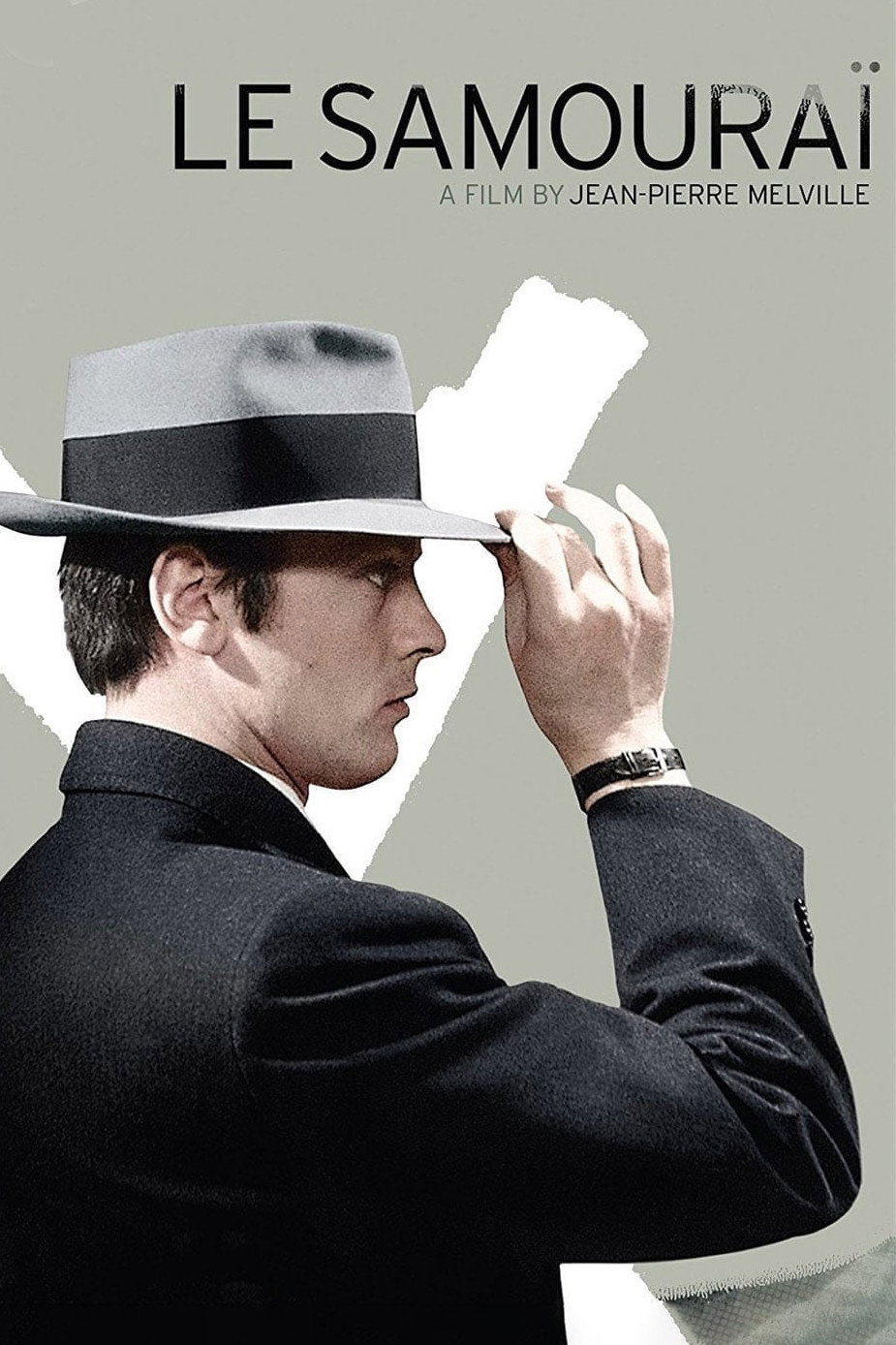
Le Samouraï poster

Le Samouraï

1967 · A cooler, quieter crime film for watching professionals think before they move

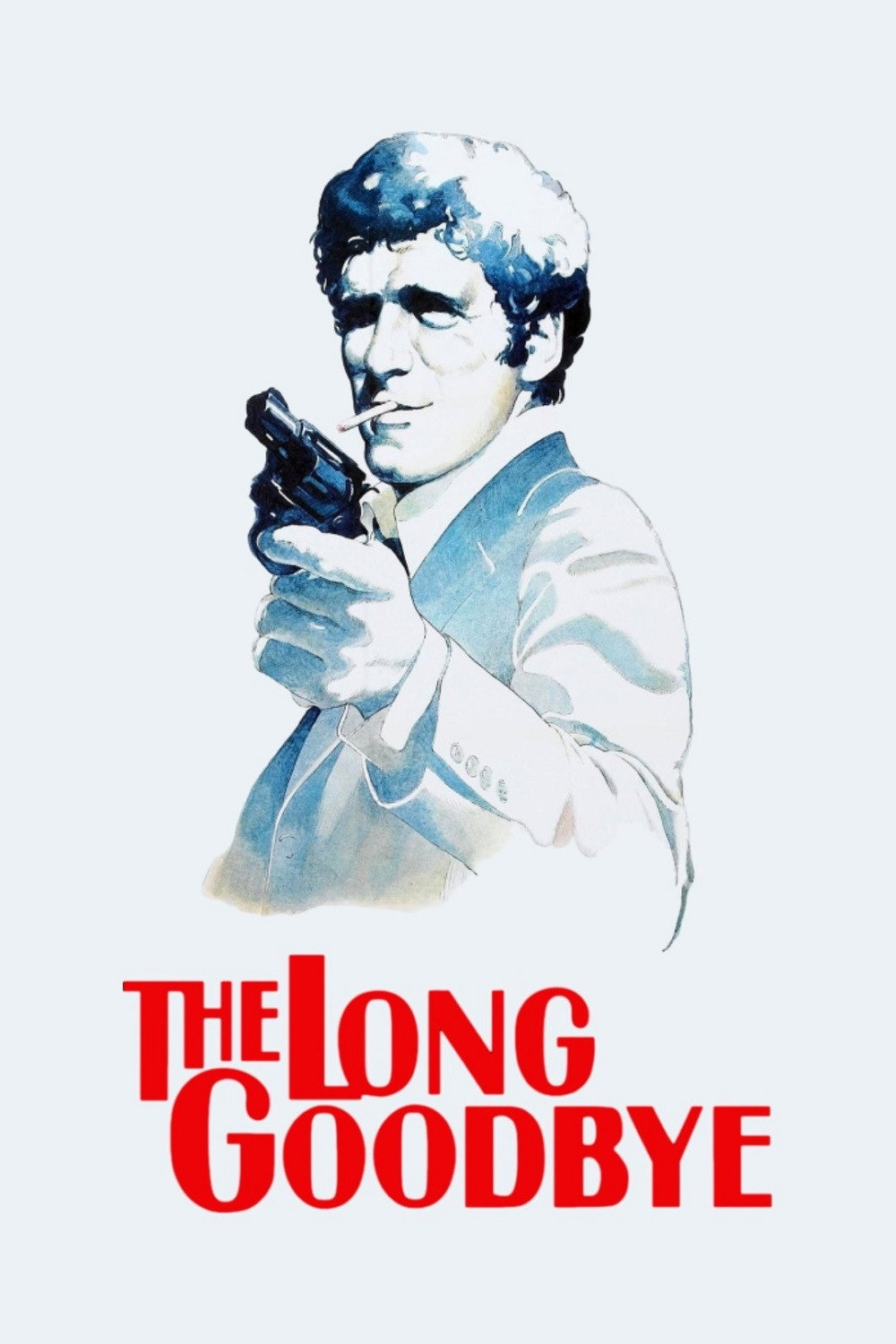
The Long Goodbye poster86

The Long Goodbye

1973 · Another encounter with Marlowe, with a looser rhythm and a more bruised mood

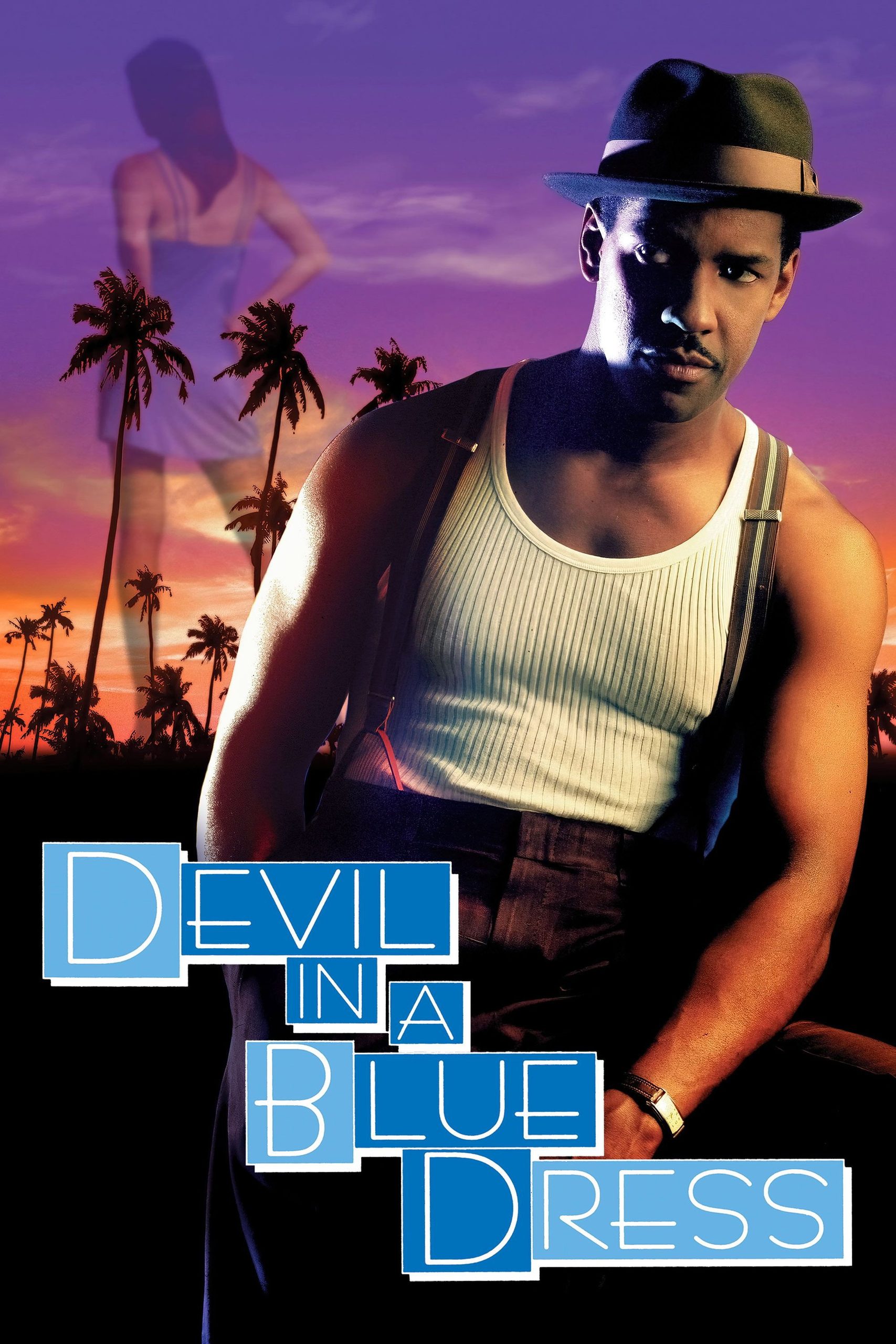
Devil in a Blue Dress poster

Devil in a Blue Dress

1995 · For a private investigation in which the detective has considerably less protection

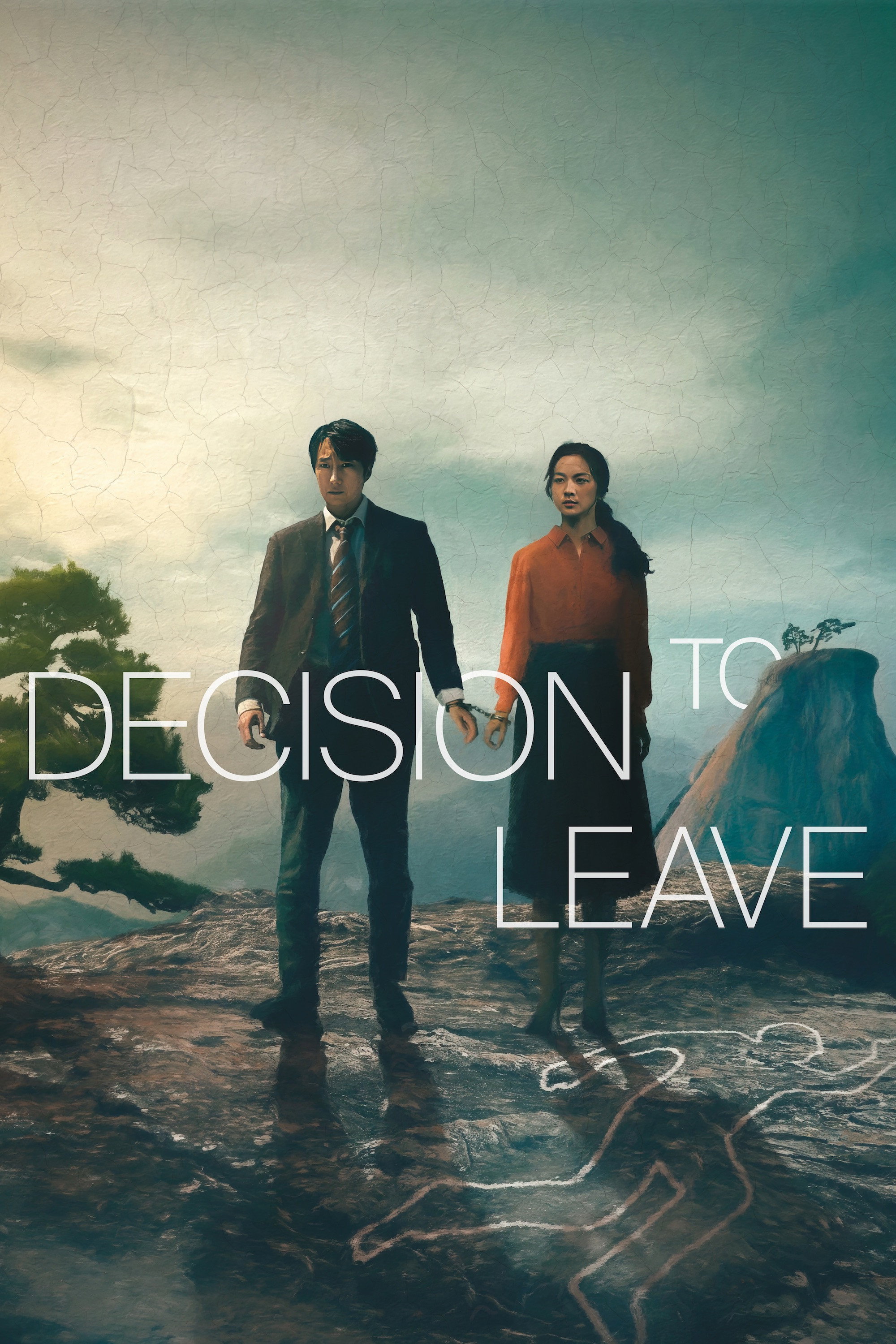
Decision to Leave poster

Decision to Leave

2022 · For an investigation made still more complicated by the investigator’s inconvenient attraction