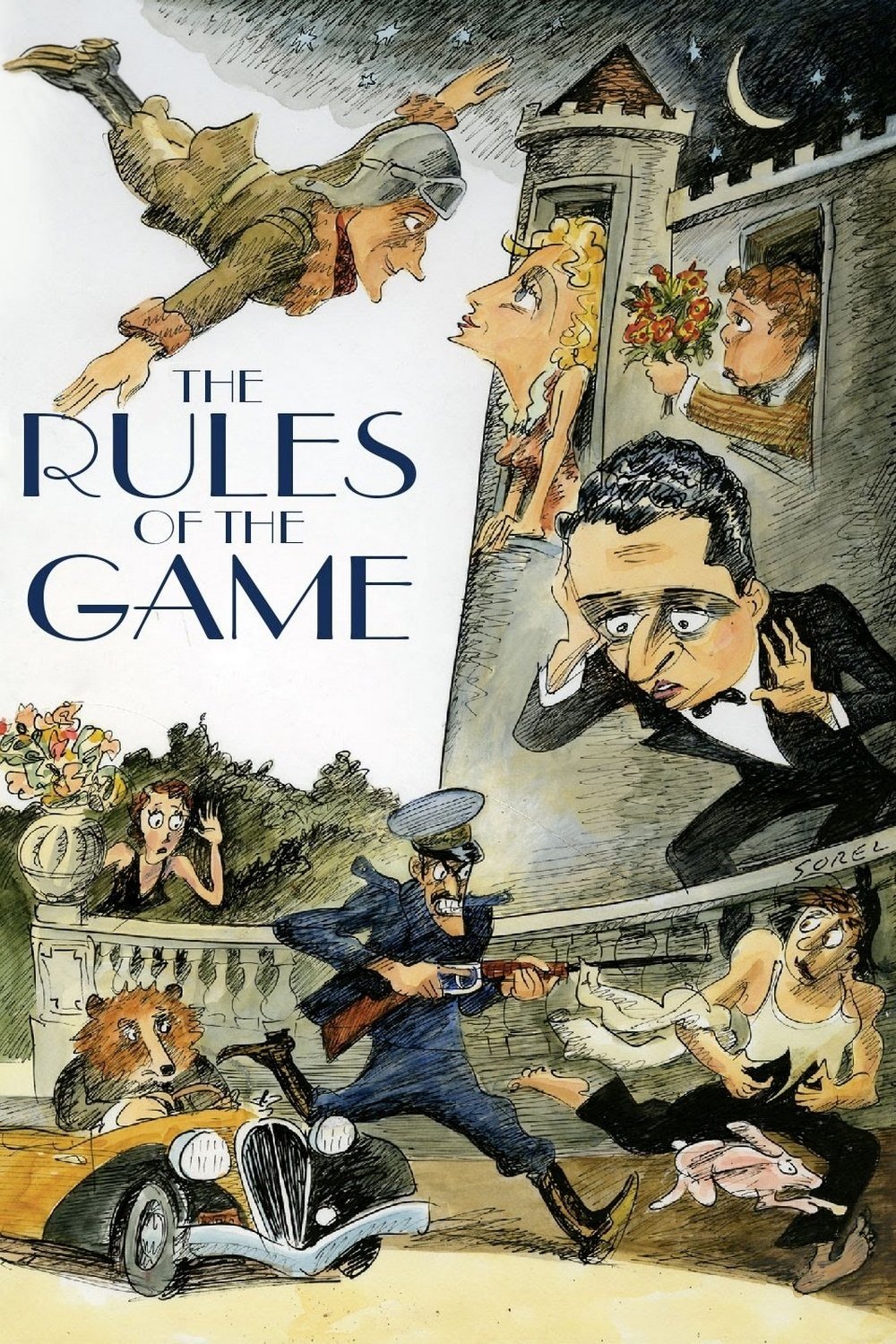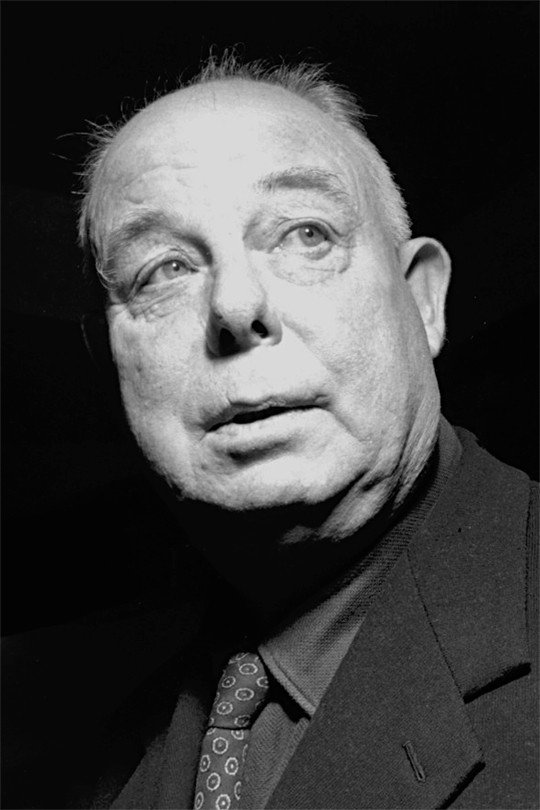
Jean Renoir gives selfish people enough warmth to make us uncomfortable about liking them. We recommend starting with The Rules of the Game, where his affection for a roomful of difficult people makes their behaviour harder to excuse.
Fi1m perspective
In The Rules of the Game (1939), someone can hold our attention without the people behind them disappearing into a blur. People with competing desires share the shot, and Renoir leaves us to decide where to look. The servants have wants of their own, rather than existing only to keep their employers’ affairs moving. It makes for absorbing social comedy, though the busy opening can make keeping track of everyone a chore.
His French films of the 1930s, including Grand Illusion (1937), preceded a spell in Hollywood during the 1940s. The River (1951), his first colour film, was shot in India and marked a post-war return to international production. Later work turned towards theatre and greater artifice, with The Golden Coach (1952) and French Cancan (1955). That shift has drawn criticism for leaving the earlier realism behind. We would not treat the departure as a fault in itself.
In The Rules of the Game, cinematography credited to Jacques Lemare, Jean Bachelet, Jean-Paul Alphen and Alain Renoir keeps action at different distances visible. Eugène Lourié’s production design makes the upstairs-downstairs division legible, helping us follow who belongs where. Marthe Huguet and Marguerite Renoir’s editing gives the long takes room, but keeps the conversations from dragging. We can look around these carefully organised scenes and feel we have noticed something for ourselves.
Renoir’s own Octave is crucial to the film’s warmth. Alongside Marcel Dalio’s ease as Robert and Nora Gregor’s reserve as Christine, he keeps the gathering from becoming a catalogue of faults. We laughed, then felt uneasy about how readily we liked him, because Octave’s warmth does not prevent him from causing trouble. Renoir’s affection never makes selfish behaviour harmless, and his actors give us reasons to stay interested in people we might sensibly avoid.
For a first encounter, we would choose The Rules of the Game. Stay with the crowded opening long enough for the people to become distinct. Give it an evening when nobody is also looking at a telephone.
Biography
Jean Renoir was a French film director, screenwriter, actor and producer. Born in Paris in 1894, he was the son of the painter Pierre-Auguste Renoir. After studying philosophy and serving in the First World War, he entered the film industry in the 1920s.
Renoir directed more than forty films from the silent era to the late 1960s. His 1930s work, including Grand Illusion (1937), La Bête Humaine (1938) and The Rules of the Game (1939), is associated with poetic realism and the Popular Front. He also appeared as Octave in the latter film, which he wrote, directed and produced.
Later films include The River (1951) and French Cancan (1955). Renoir became a US citizen after leaving France during the Second World War and wrote the memoir Renoir, My Father (1962).