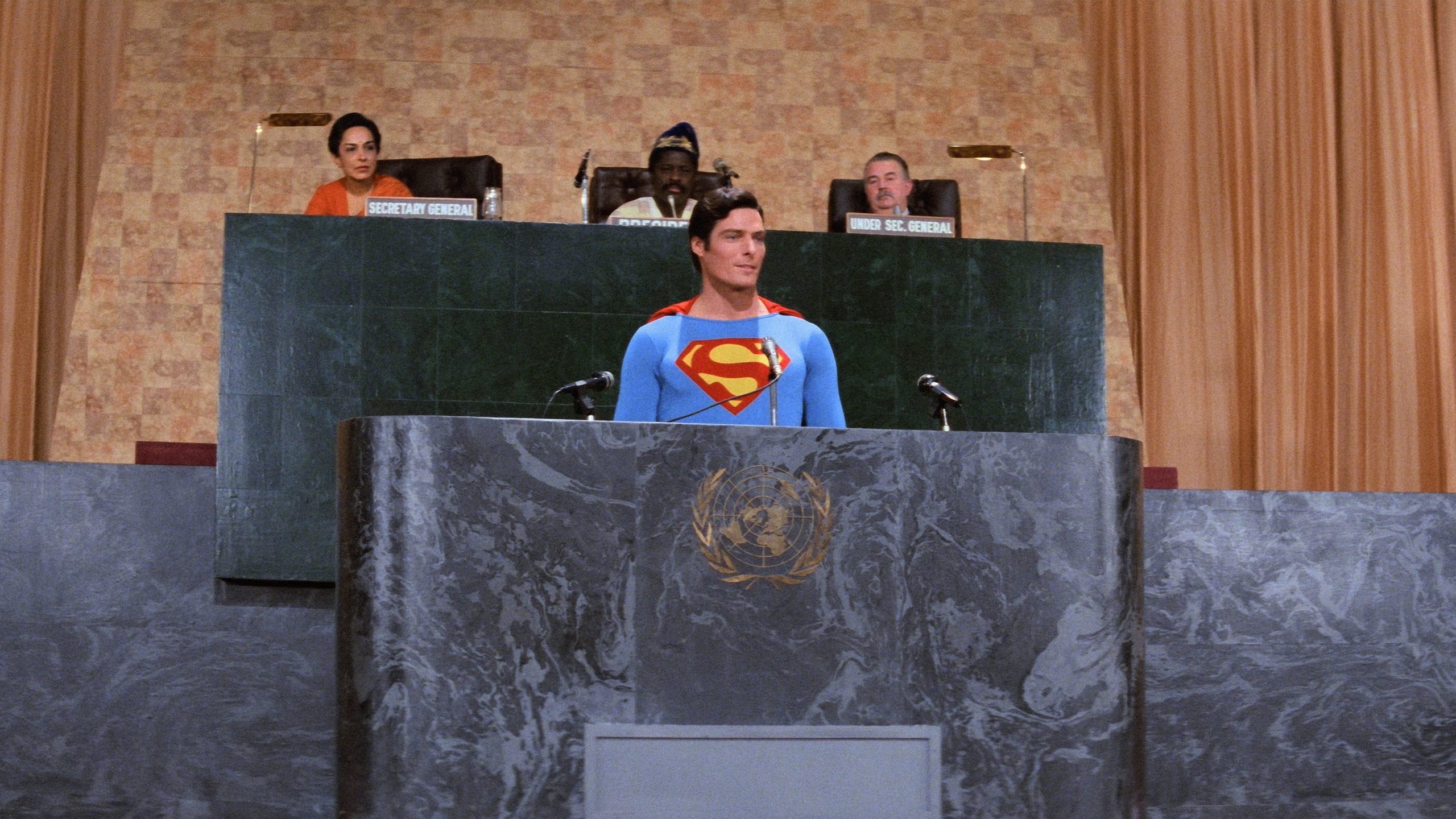
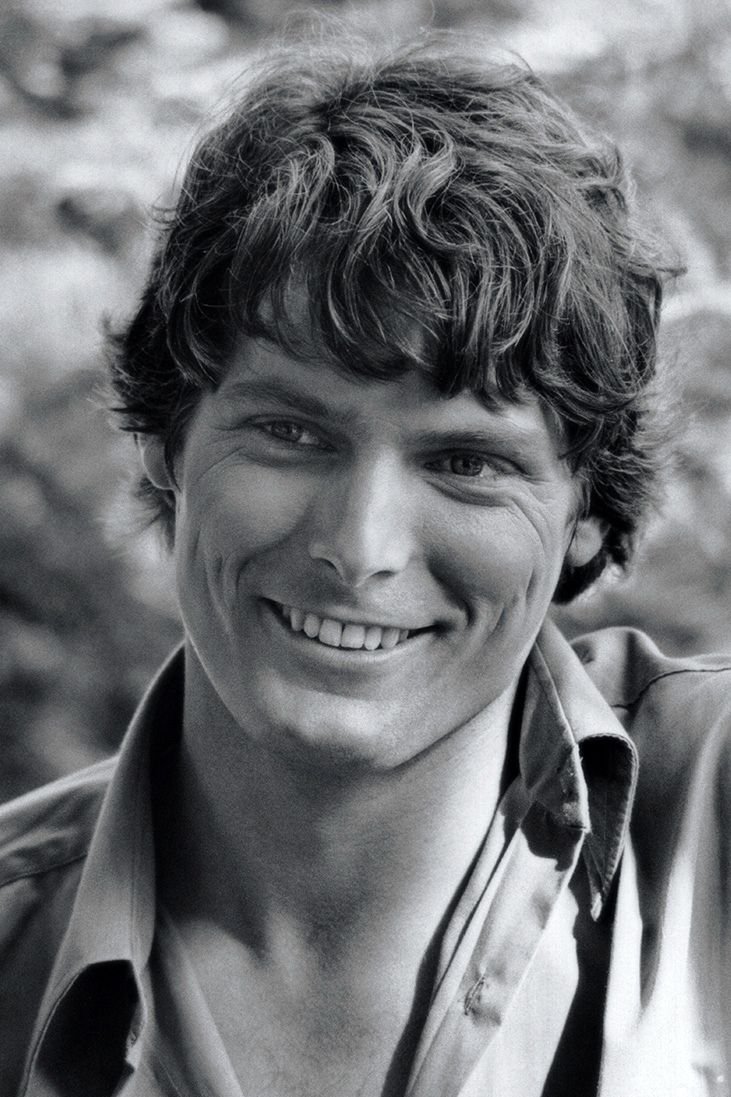
Christopher Reeve is a likeable Superman in a poor sequel that cannot make its anti-nuclear mission compelling. Weak effects, muddled storytelling and tired romantic comedy leave Sidney J. Furie’s film with little to offer.
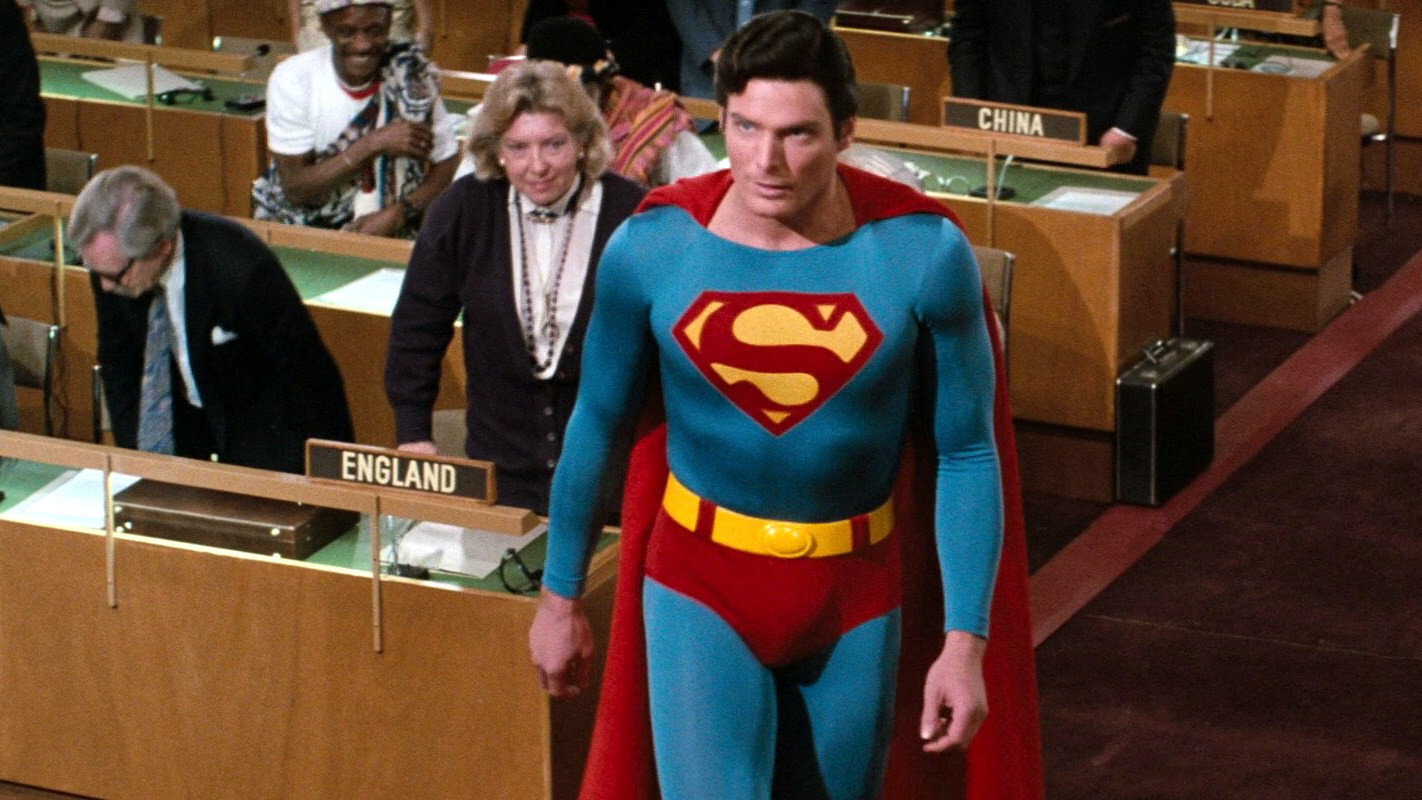
Superman IV: The Quest for Peace gives its hero a problem worth his attention: nuclear disarmament. Sidney J. Furie directs a poor, dispiriting adventure in which that concern keeps getting lost among weak action and laboured comedy. Christopher Reeve shares the story credit with Lawrence Konner and Mark Rosenthal, who also wrote the screenplay. There is something appealing about asking Superman to prevent mass destruction, rather than simply arrive once it has started. The trouble is that the film cannot turn the wish for peace into a story with enough interest to sustain 90 minutes.
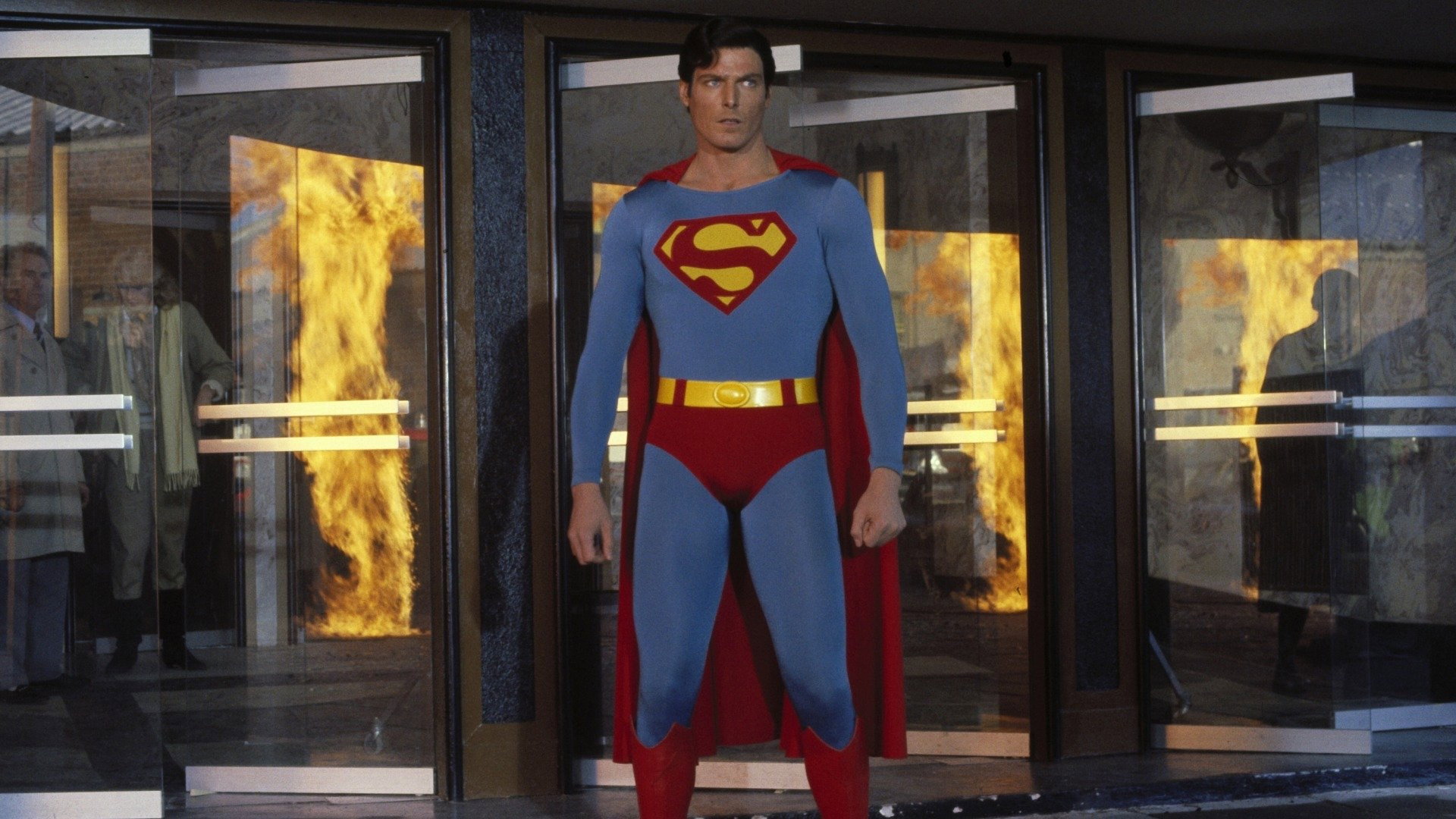
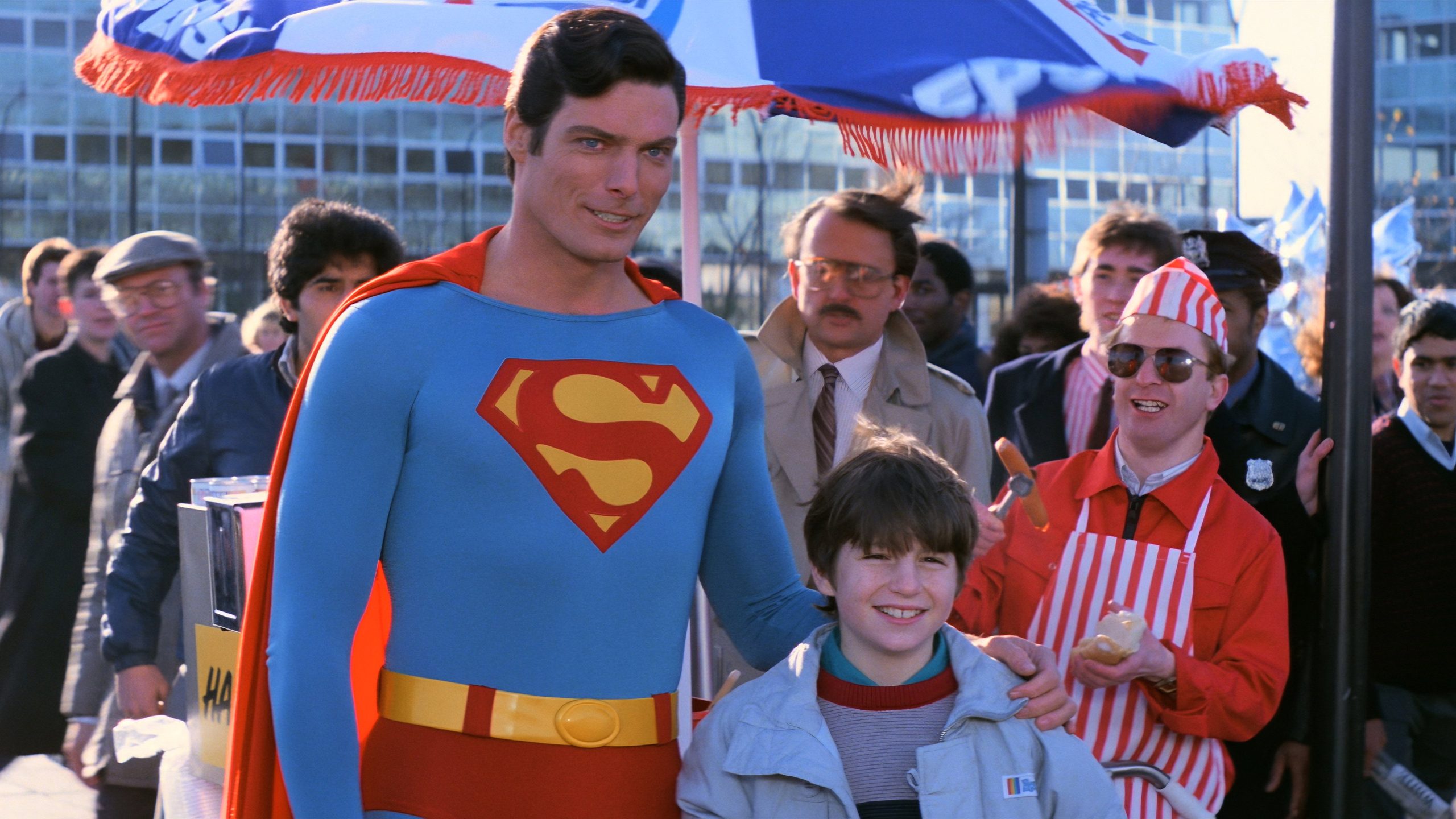
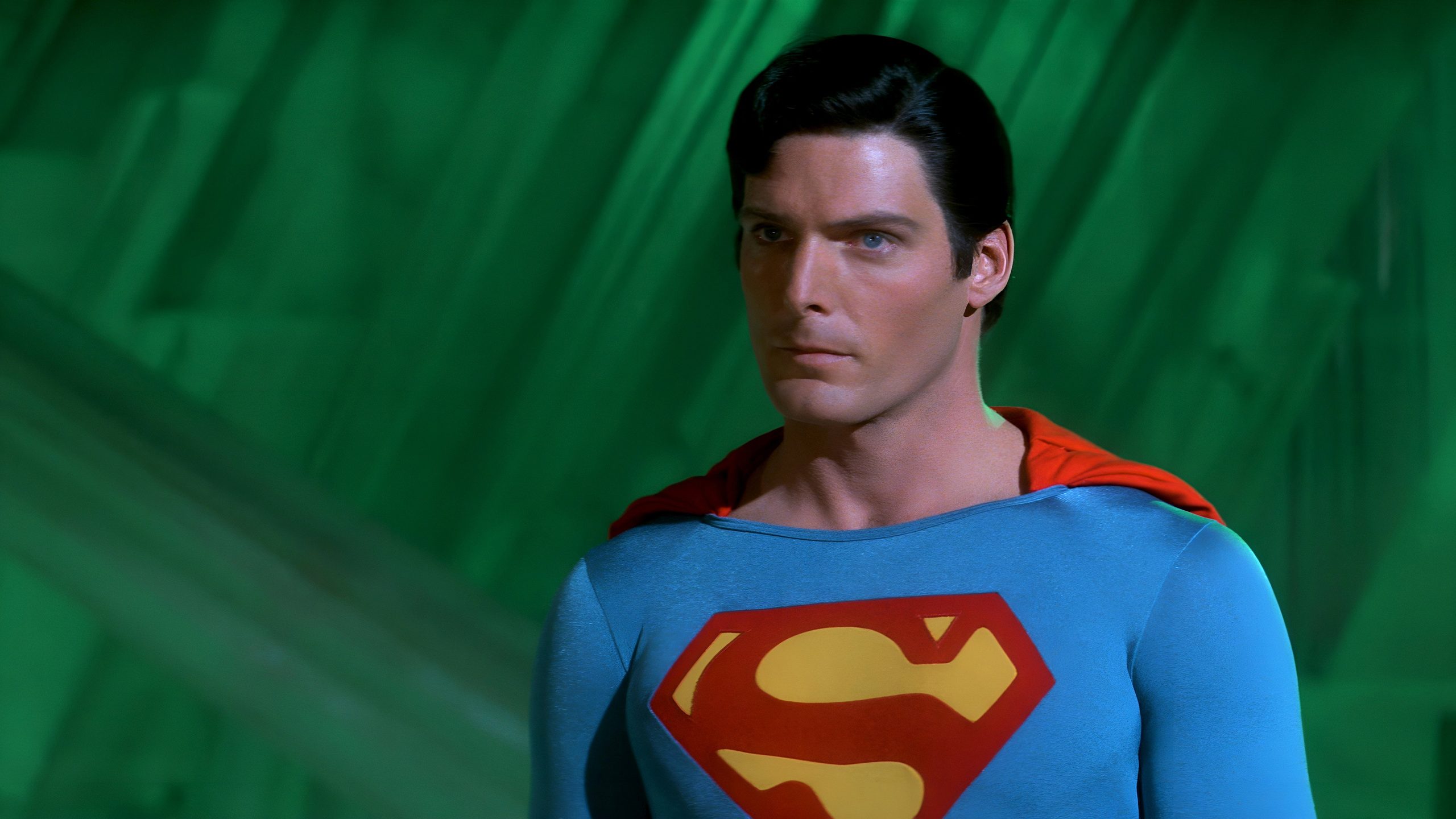
Reeve provides the strongest reason to persevere, giving Superman enough decency to make the undertaking seem sincere. He does not need to insist on the character’s goodness, and that restraint helps when the writing grows solemn. The screenplay by Lawrence Konner and Mark Rosenthal is much less persuasive about what its hero should actually do with his power. It introduces a subject that needs thought, then seems impatient to get back to the ordinary business of villains and fights. Reeve keeps the hero sympathetic, even when there is little dramatic interest in what he is saying.
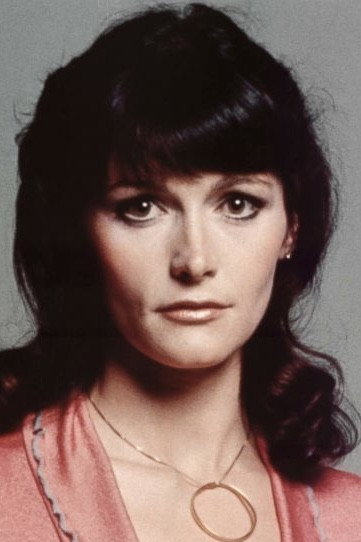
The romantic material is worse, because it asks for lightness from a film that can barely keep moving. Margot Kidder plays Lois Lane, while Reeve has to manage the quick changes demanded by Clark’s double identity. We were bored by the costume-changing routine: the business of getting the right man into the right clothes takes precedence over any pleasure in the company. A secret identity ought to make a comedy more complicated without making it more laborious. Here we wait for the changing to stop.
Ernest Day’s cinematography has little chance of making the flight convincing when the effects so often advertise how it was assembled. Superman appears to have been placed against a background rather than to be moving through it. The repeated shots are especially damaging, because each return makes the shortcut harder to ignore. John Graysmark’s production design also struggles to give the action sufficient scale. We do not need vast sets, but we do need places that feel substantial enough for the danger to matter.
John Shirley’s editing moves abruptly between incidents without giving the adventure a persuasive rhythm. Individual scenes drag while the connections between them feel missing. Alexander Courage gives the action emphatic musical support, which makes its slackness more noticeable. The score keeps asking us to care about incidents that the film has scarcely bothered to connect. A superhero adventure can survive a weak plot if doing the impossible is still fun to watch, but here even the flying becomes a chore.
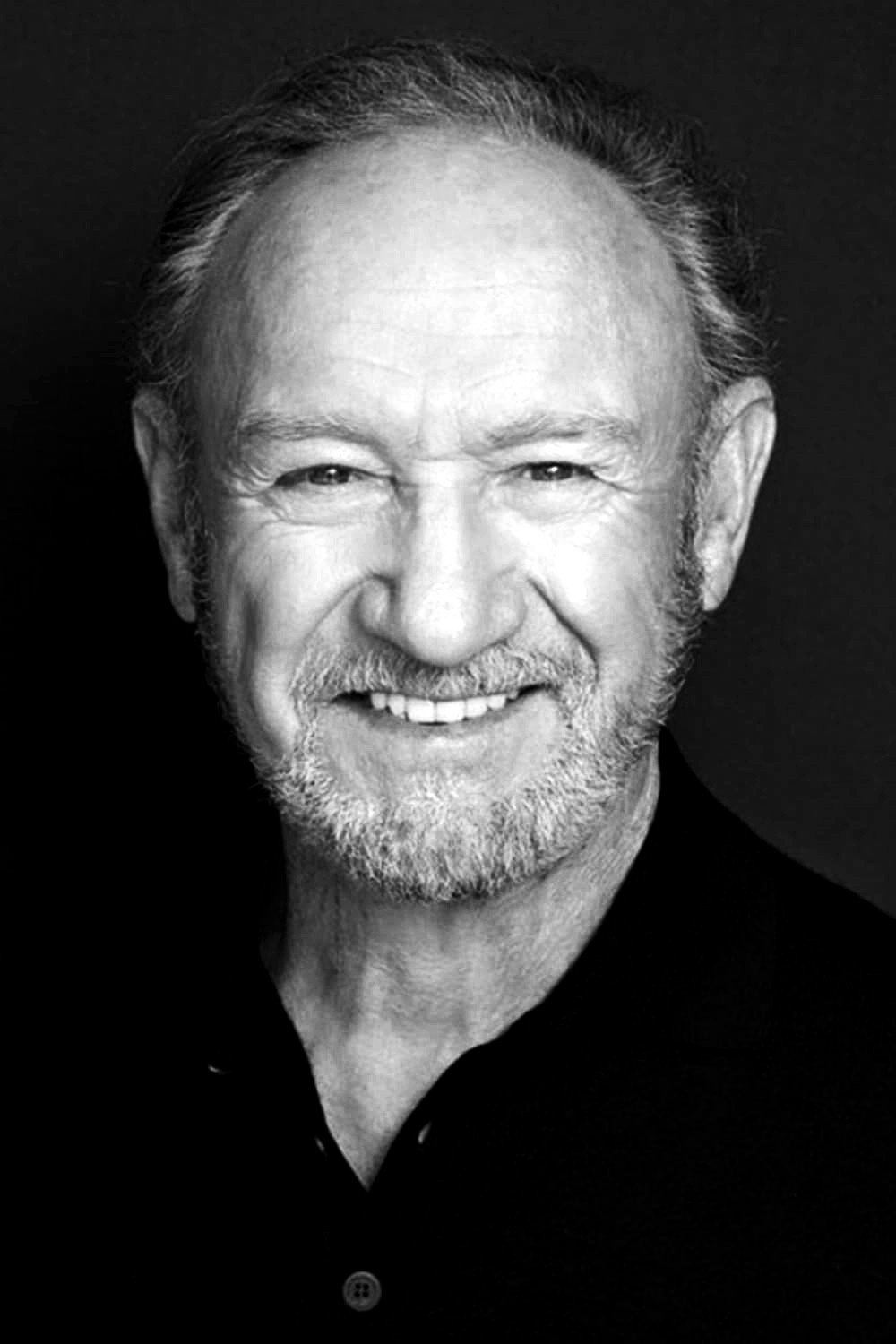
Gene Hackman gets some laughs as Lex Luthor, largely by approaching villainy as something worth enjoying. His pleasure in the role offers relief from the dutiful air elsewhere. Mark Pillow’s Nuclear Man provides a less rewarding threat, a character whose name does too much of the work of explaining why he belongs here. The film’s interest in nuclear danger deserves better than such an uninteresting opponent. Hackman can briefly enliven a scene, but cannot give the whole adventure a purpose.
There is no requirement for a Superman film to be politically sophisticated, and the wish to let its hero address nuclear weapons is not foolish. Furie simply never finds an engaging way to bring that wish together with the romance, comedy and action. Those coming for Reeve will find a performance that still respects the character. We would not recommend sitting through the rest for it.