Film review

Unforgiven

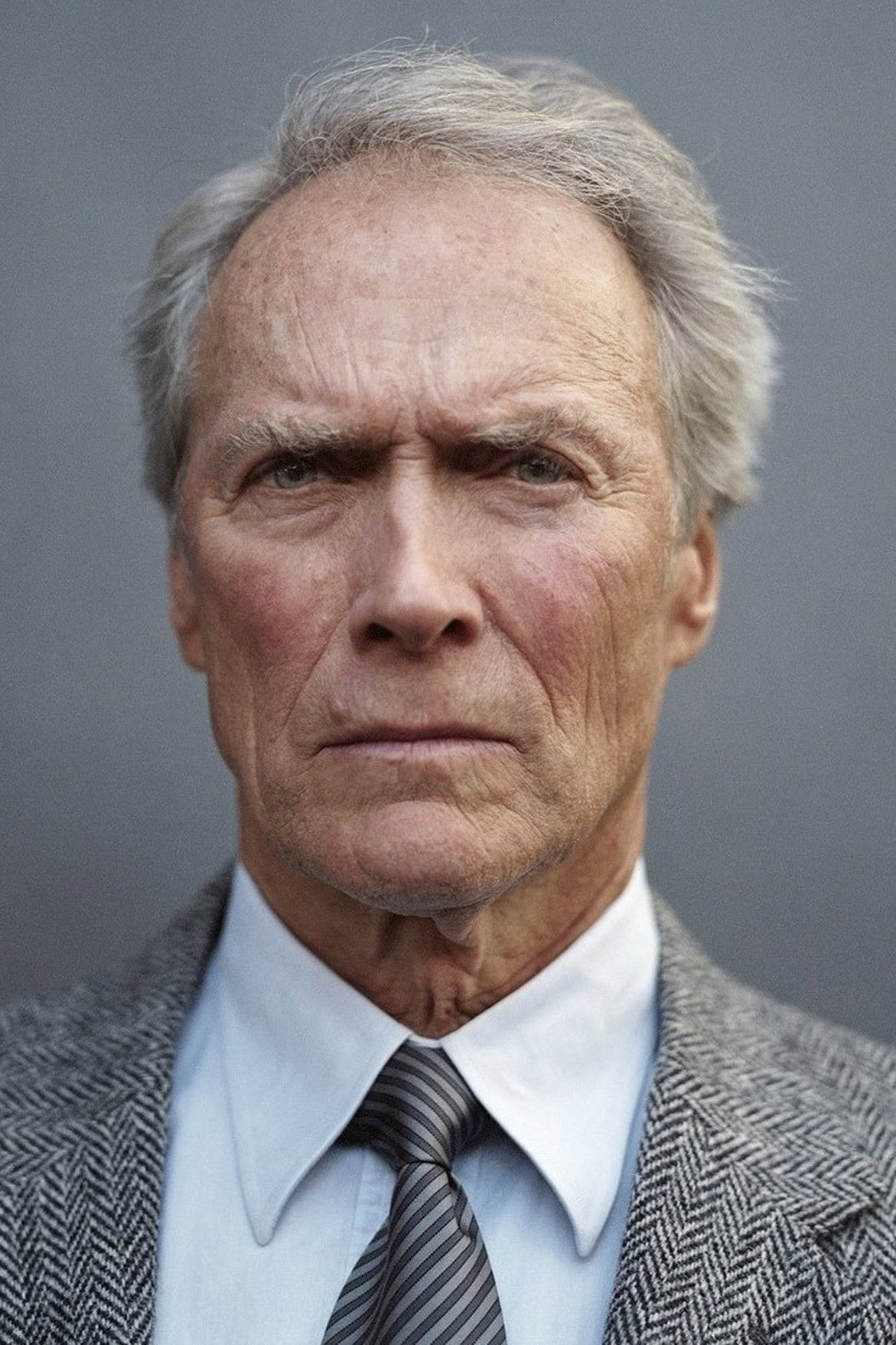
1992 · Directed by Clint Eastwood · 2h 10m · MPA R

In a sentenceWe would feel safer if Gene Hackman were not in charge of keeping the peace

Western

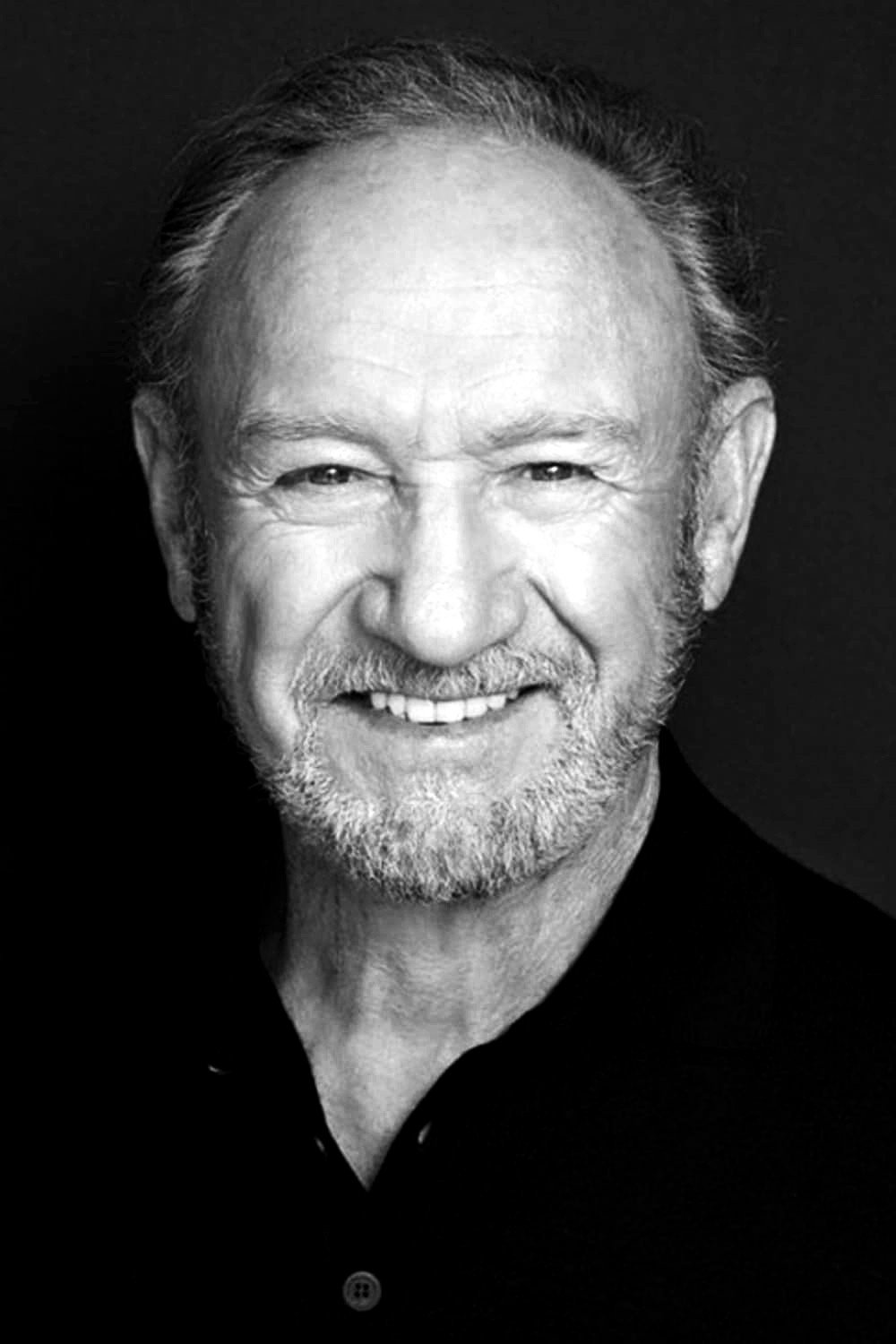
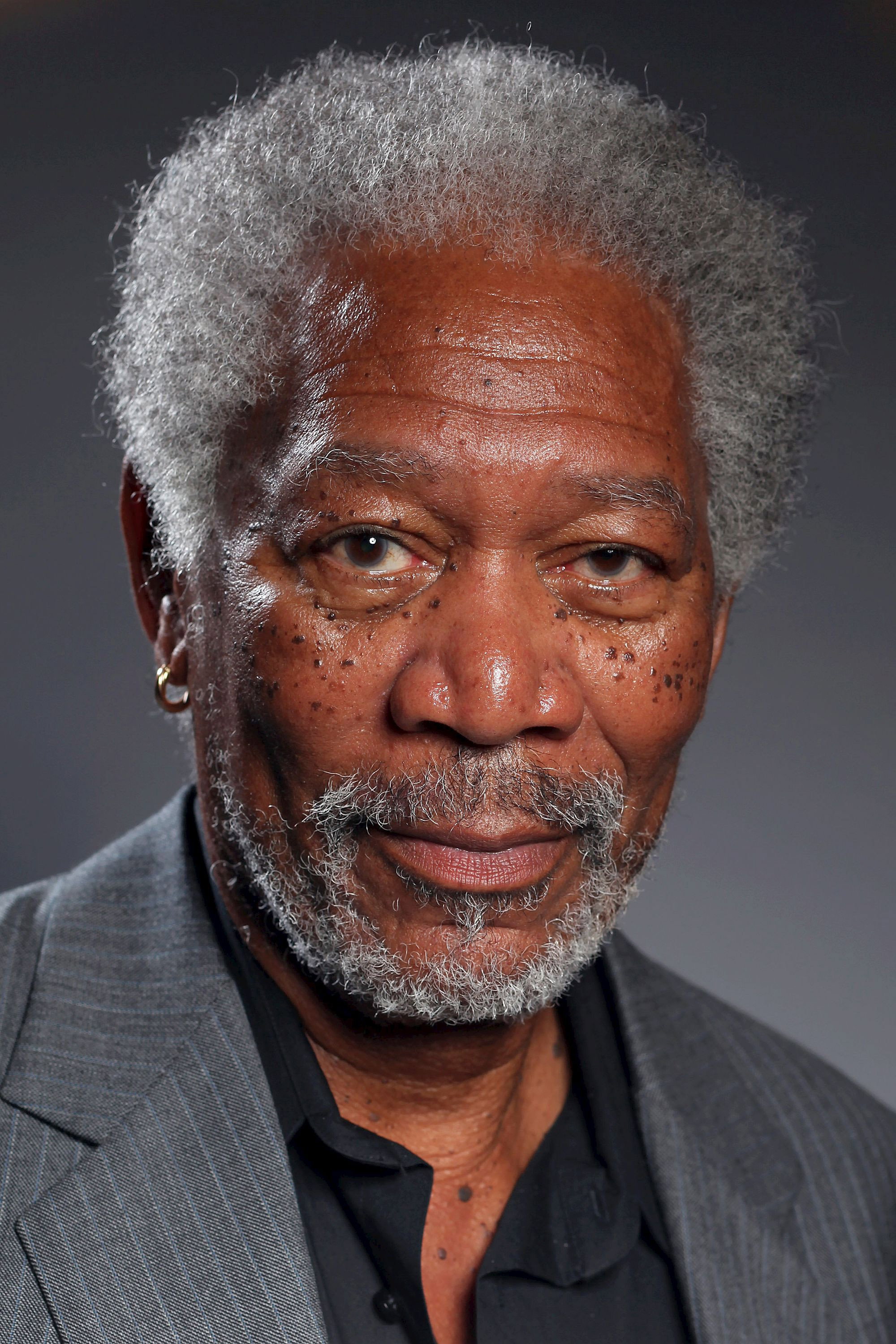
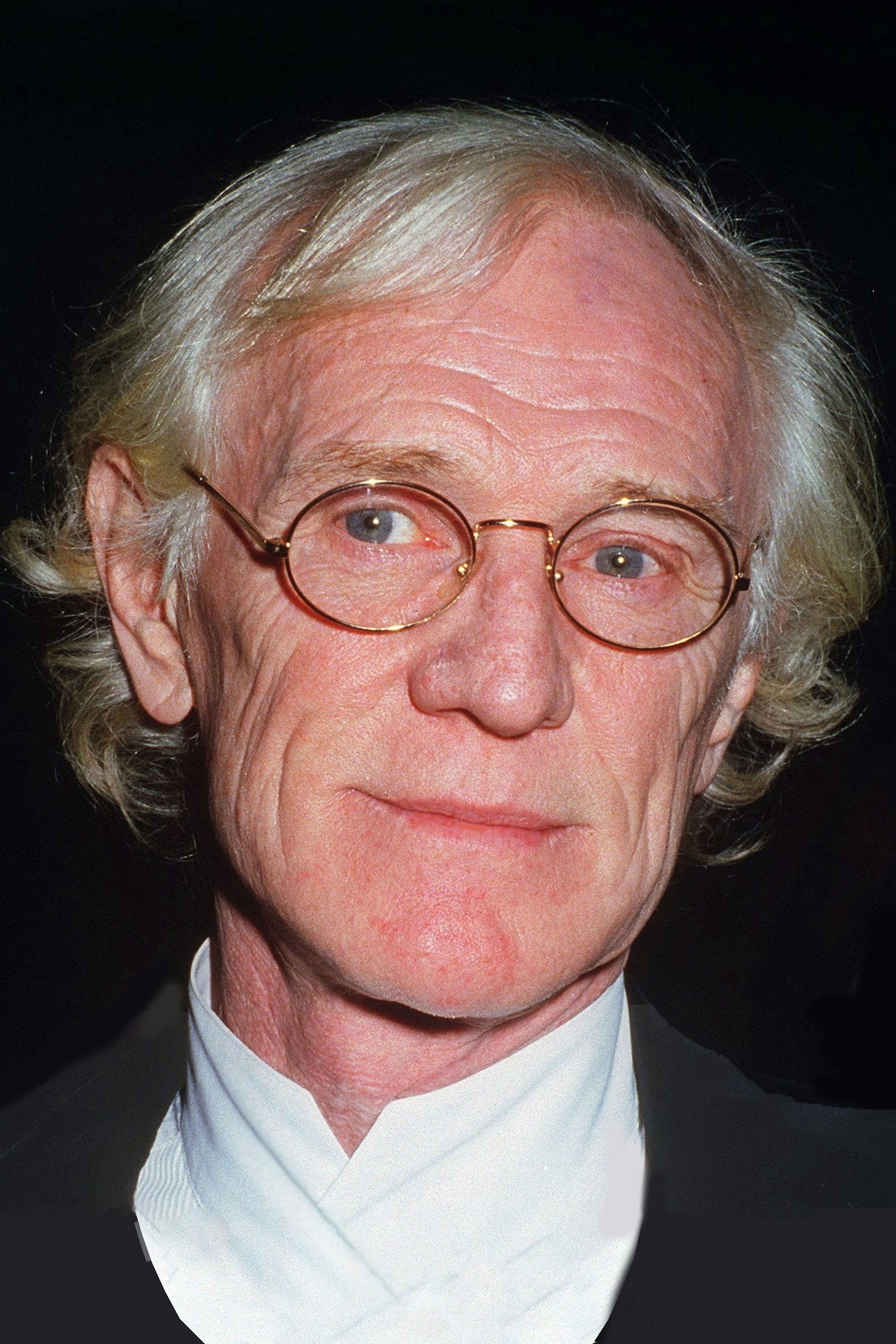
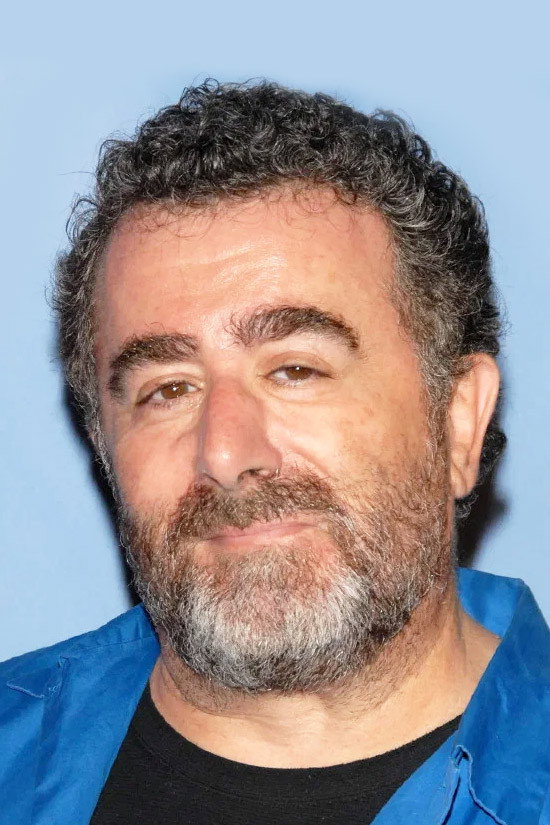
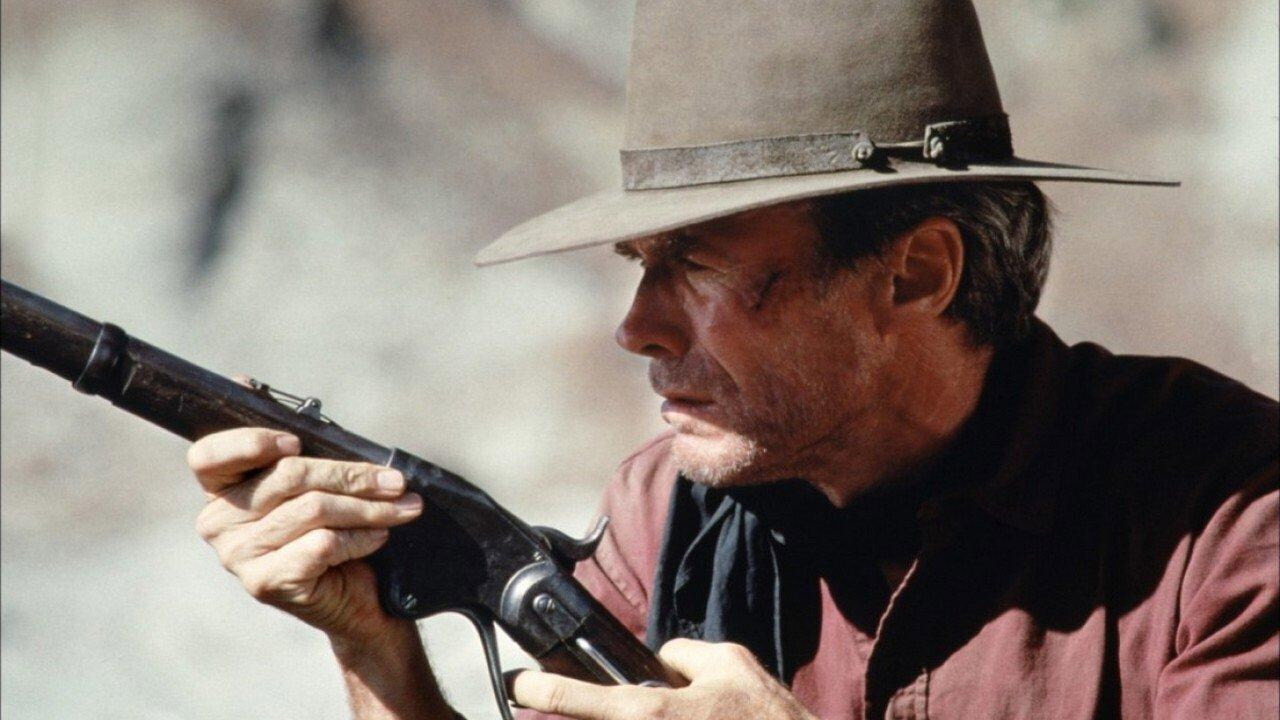
William Munny (Clint Eastwood) is a reformed gunman whose past remains difficult to escape. His story brings him into the company of Ned Logan (Morgan Freeman) and the Schofield Kid (Jaimz Woolvett), while sheriff ‘Little’ Bill Daggett (Gene Hackman) represents the law. Prostitutes press their own claims to justice in a West where men with weapons decide what counts as fair. English Bob (Richard Harris) and W.W. Beauchamp (Saul Rubinek) also figure in the disputes over violence and reputation. Directed by Eastwood and written by David Webb Peoples, Unforgiven examines what separates a gunman’s legend from the experience of killing.

Plays from YouTube when you press play; nothing loads from them until then.

Fi1m review

Gene Hackman’s sheriff is reason enough to see Clint Eastwood’s Unforgiven, a patient Western that makes killing difficult to cheer. We recommend it strongly, with a reservation about its lingering fondness for dangerous men.

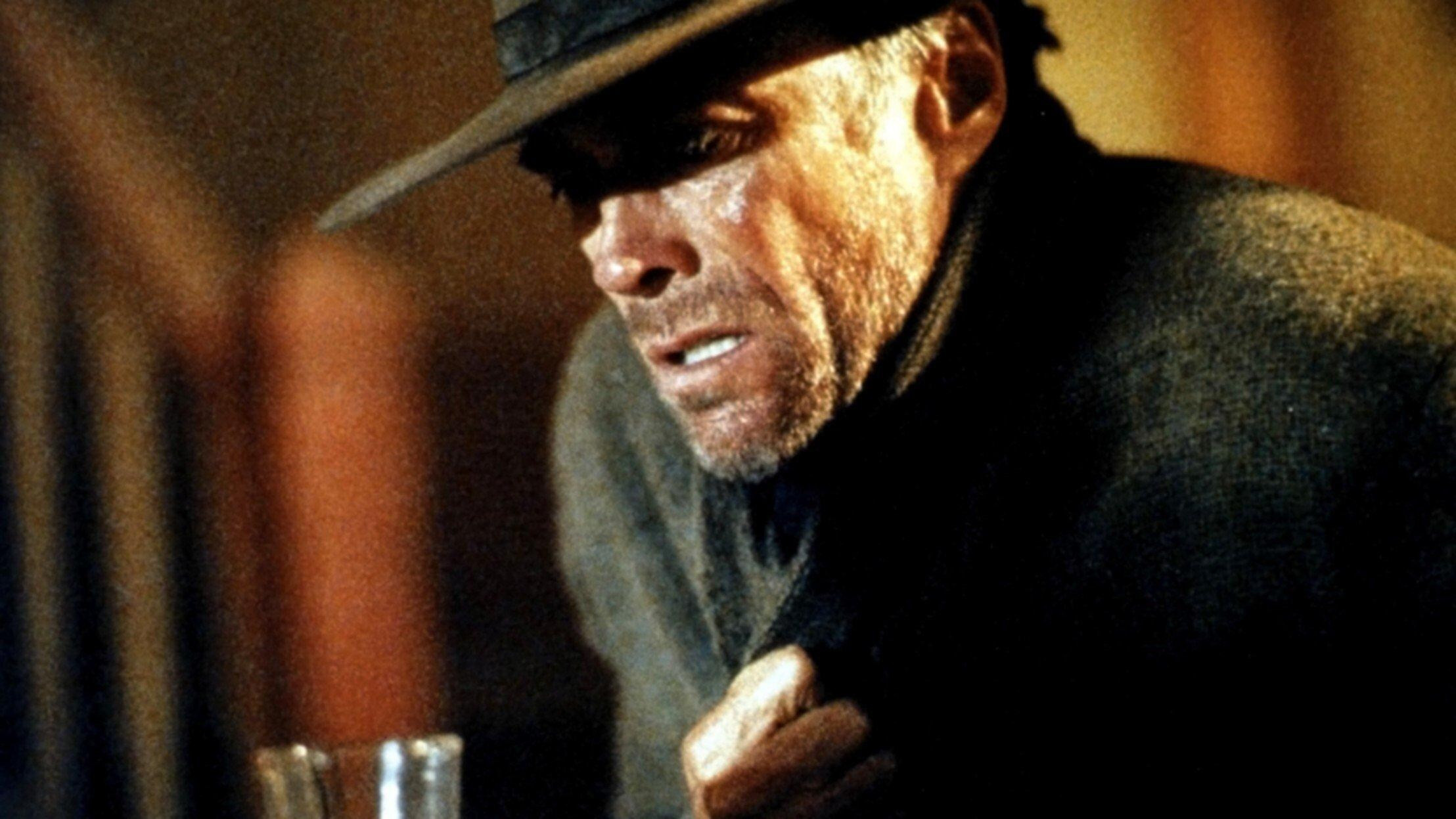
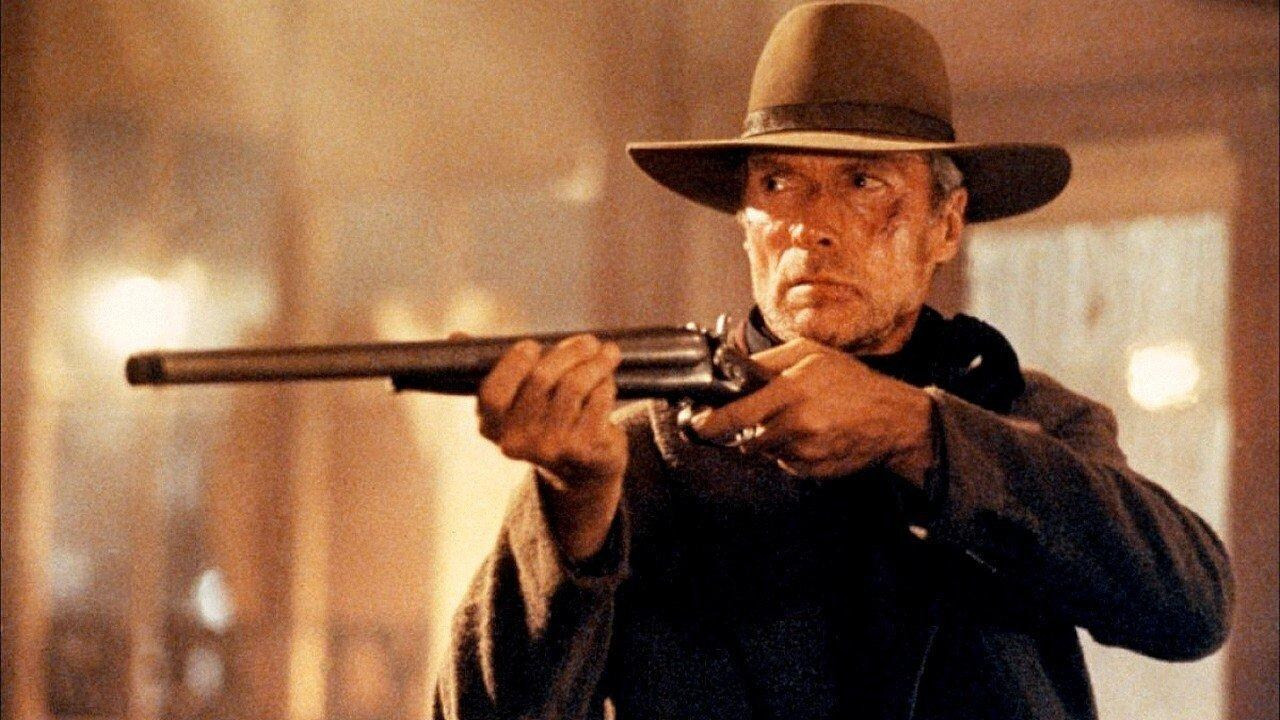
A reformed gunman is a useful starting point for a Western: the story can promise violence while allowing its hero to disapprove of it. Clint Eastwood makes that arrangement uncomfortable in Unforgiven, directing himself as William Munny. We would recommend it even to someone who usually avoids Westerns. David Webb Peoples’ screenplay is concerned with what killing does to people, and with how readily an audience accepts a killer once it has heard his explanation.

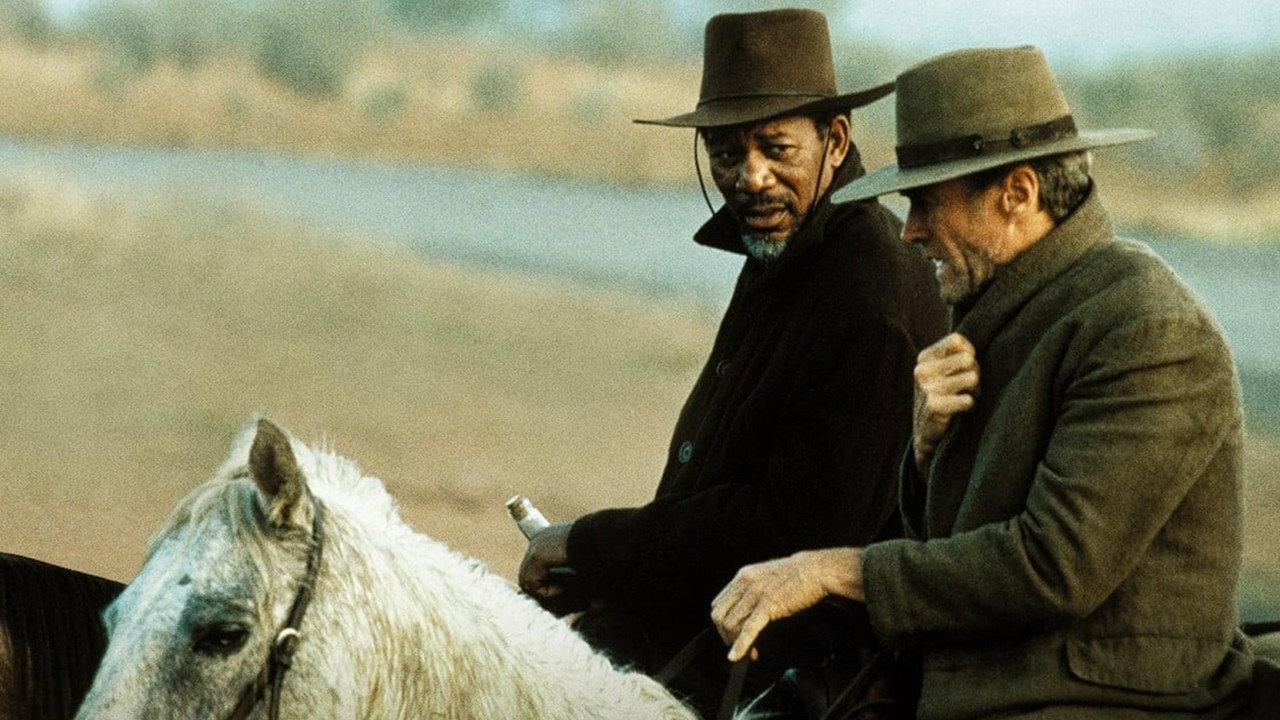
Eastwood’s Munny looks worn out, and the performance resists asking for sympathy simply on that basis. He lets the character look diminished, and does not rush to restore his dignity. Morgan Freeman’s Ned Logan brings a welcome ease to the company; we believe in him before we start assessing what he represents. Jaimz Woolvett’s Schofield Kid provides a less settled presence. The differences between them keep the conversations from sounding like a single lecture delivered by several actors.

Gene Hackman is the most disturbing presence as ‘Little’ Bill Daggett. We were frightened by his certainty: he makes the sheriff’s authority seem sufficient reason for whatever the sheriff chooses to do. Hackman’s ease in the role matters, because a visibly tormented man would be less convincing as someone accustomed to obedience. We can understand why people might accept him in charge, even as we dread what he might consider reasonable. His performance makes the distinction between enforcing the law and serving justice painfully clear.

Jack N. Green’s wide-screen photography gives the landscape room, and the violence looks grimmer against that expanse. The open country supplies little reassurance about the people occupying it. Henry Bumstead’s production design feels lived in, helping the cast seem at home in this unwelcoming West. Joel Cox’s editing gives the actors time to make confidence or hesitation register, although a few pauses feel overextended. Lennie Niehaus’s spare score is particularly well judged, leaving room for us to be disturbed instead of instructing us to get excited.

The film also takes the prostitutes’ claims to justice seriously, which stops its concern with male guilt from becoming self-pity. It is an important part of Peoples’ writing, and gives the story more to consider than whether a gunman can live with himself. The wronged women are entitled to ask what anyone intends to do for them. We value that insistence, even when the men’s fear and reputations command more attention.

Our reservation concerns the pleasure the film still takes in its gunmen. Eastwood is so compelling that the scrutiny of violence can begin to feel like another reason to admire the man capable of it. We caught ourselves admiring the danger, and we are not persuaded that the film always notices when it encourages that response. That is a real limitation, though it does not cancel the force of a Western which makes fear, ageing and the consequences of killing so difficult to brush aside.

Allow its 130 minutes an uninterrupted evening; its patience is worth meeting halfway. Anyone expecting brisk reassurance about good men with guns should choose something else. Watch Hackman closely, especially when it seems reasonable to let him have his way.
Critical consensus AI synthesised

89
Positive
7
Mixed
0
Negative
0

The reviews are strongly positive, with praise centred on Eastwood’s treatment of violence, justice and the western’s unreliable legends. Most critics find the film morally complex without becoming cynical, attentive to the cost of killing and the gap between heroic reputations and human behaviour. Performances are another point of agreement, with Hackman singled out repeatedly and Freeman also praised. The sombre direction, characterisation and attention to women’s perspectives give the familiar gunman story weight.

The differences concern how successfully the film questions the violence it also makes compelling. The Independent argues that Eastwood’s familiar violent persona weakens the critique, while The Times sees that tension as a central strength. Empire has smaller reservations about the lead character but remains enthusiastic about the craft and cast. The spread is between approval and emphatic praise, with disagreement focused on how far Eastwood escapes the myths he examines.

Radio Times
★★★★★ · David Parkinson
100

The critic declares it one of the finest films ever made in the genre, an Oscar-winning masterpiece. Eastwood depicts the west as an unforgiving place, with strong emphasis on character, cause and effect, understated feminism, the thin line between law and justice, and world-weary performances that redefine the western while paying tribute to Leone and Siegel.

Read the full review →
The Times
12 July 2024 · ★★★★★ · Kevin Maher
100

This is Clint Eastwood’s finest meditation on the allure and disease of American violence; the internal tension between deconstructing and celebrating the myth of the gunslinger makes the movie masterful and endlessly influential.

Read the full review →
The Guardian
20 September 1992 · Philip French
95*

The film is a masterpiece and the culmination of Eastwood's work in the genre, a magisterial fable of moral complexity that is realistic rather than cynical and a meditation on history and the American experience.

Read the full review →
Empire
· Angie Errigo
85*

The critic calls it a grand, dark, gripping final Western with complex themes on myth versus reality, excellent craftsmanship, gorgeous settings contrasted with grim violence, and strong performances from Hackman and Freeman. It is a must-see and highly satisfying for fans despite minor issues with the lead character.

Read the full review →
The Telegraph
21 December 2014
85*

Eastwood's Oscar-winning western merits being called an instant classic; it is a sombre, insightful, genre-reinventing work directed by a filmmaker acutely aware of the western’s history, its limitations and the dubious truths of its legends.

Read the full review →
The Independent
17 September 1992
70*

The critic finds Unforgiven a full-blooded modern western exploring justice and myth, with strong revisionist elements, women's perspectives, and standout performances, especially Hackman's. The final reel is faulted for reverting to Eastwood's familiar violent persona, undermining some of the film's achievements.

Read the full review →

Cast

Stills

Awards

Japan Academy Prize for Outstanding Foreign Language Film, 1994

Nominated
Japan Academy Prize for Outstanding Foreign Language Film

Academy Awards, 1993

Nominated
Best Actor
Nominated
Best Cinematography
Nominated
Best Production Design
Nominated
Best Sound
Nominated
Best Writing, Original Screenplay
Won
Best Director
Won
Best Film Editing
Won
Best Picture
Won
Best Supporting Actor

BAFTA Film Awards, 1993

Nominated
Best Direction
Nominated
Best Film
Nominated
Best Original Screenplay
Nominated
Best Sound
Won
Best Actor in a Supporting Role

Writers Guild of America Award for Best Original Screenplay, 1993

Nominated
Writers Guild of America Award for Best Original Screenplay

Dallas-Fort Worth Film Critics Association Award for Best Film, 1992

Won
Dallas-Fort Worth Film Critics Association Award for Best Film

Directors Guild of America Award for Outstanding Directing – Feature Film, 1992

Won
Directors Guild of America Award for Outstanding Directing – Feature Film

Golden Globes, 1992

Nominated
Best Motion Picture – Drama
Nominated
Best Screenplay
Won
Best Director
Won
Best Supporting Actor – Motion Picture

London Film Critics Circle Award for Film of the Year, 1992

Won
London Film Critics Circle Award for Film of the Year

Los Angeles Film Critics Association Award for Best Actor, 1992

Won
Los Angeles Film Critics Association Award for Best Actor

Los Angeles Film Critics Association Award for Best Director, 1992

Won
Los Angeles Film Critics Association Award for Best Director

Los Angeles Film Critics Association Award for Best Film, 1992

Won
Los Angeles Film Critics Association Award for Best Film

National Society of Film Critics Award for Best Actor, 1992

Nominated
National Society of Film Critics Award for Best Actor

National Society of Film Critics Award for Best Cinematography, 1992

Nominated
National Society of Film Critics Award for Best Cinematography

National Society of Film Critics Award for Best Director, 1992

Won
National Society of Film Critics Award for Best Director

National Society of Film Critics Award for Best Film, 1992

Won
National Society of Film Critics Award for Best Film

National Society of Film Critics Award for Best Screenplay, 1992

Won
National Society of Film Critics Award for Best Screenplay

National Society of Film Critics Award for Best Supporting Actor, 1992

Won
National Society of Film Critics Award for Best Supporting Actor

If you liked this, try…

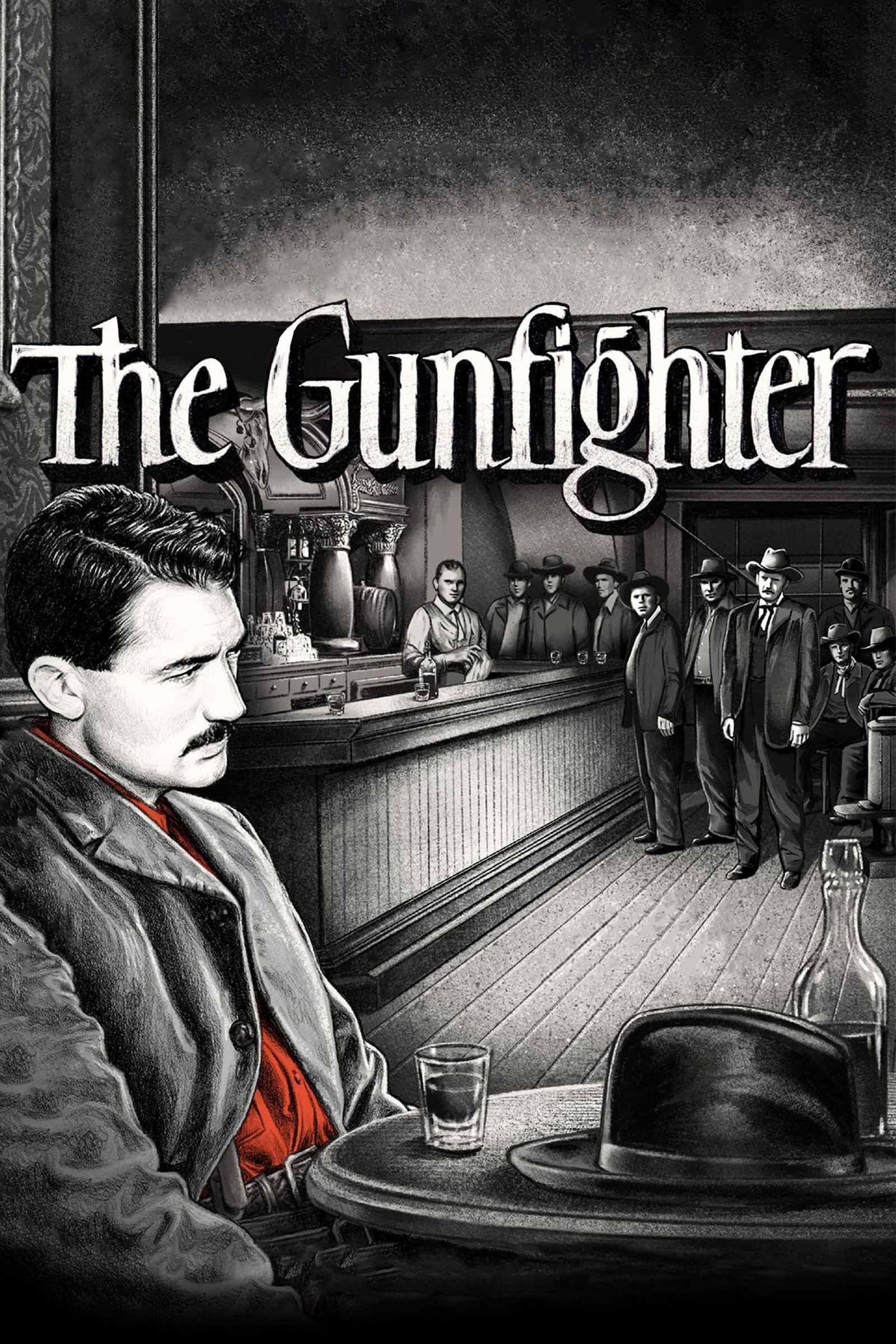
The Gunfighter poster

The Gunfighter

1950 · Another gunman discovers how little freedom a formidable reputation allows.

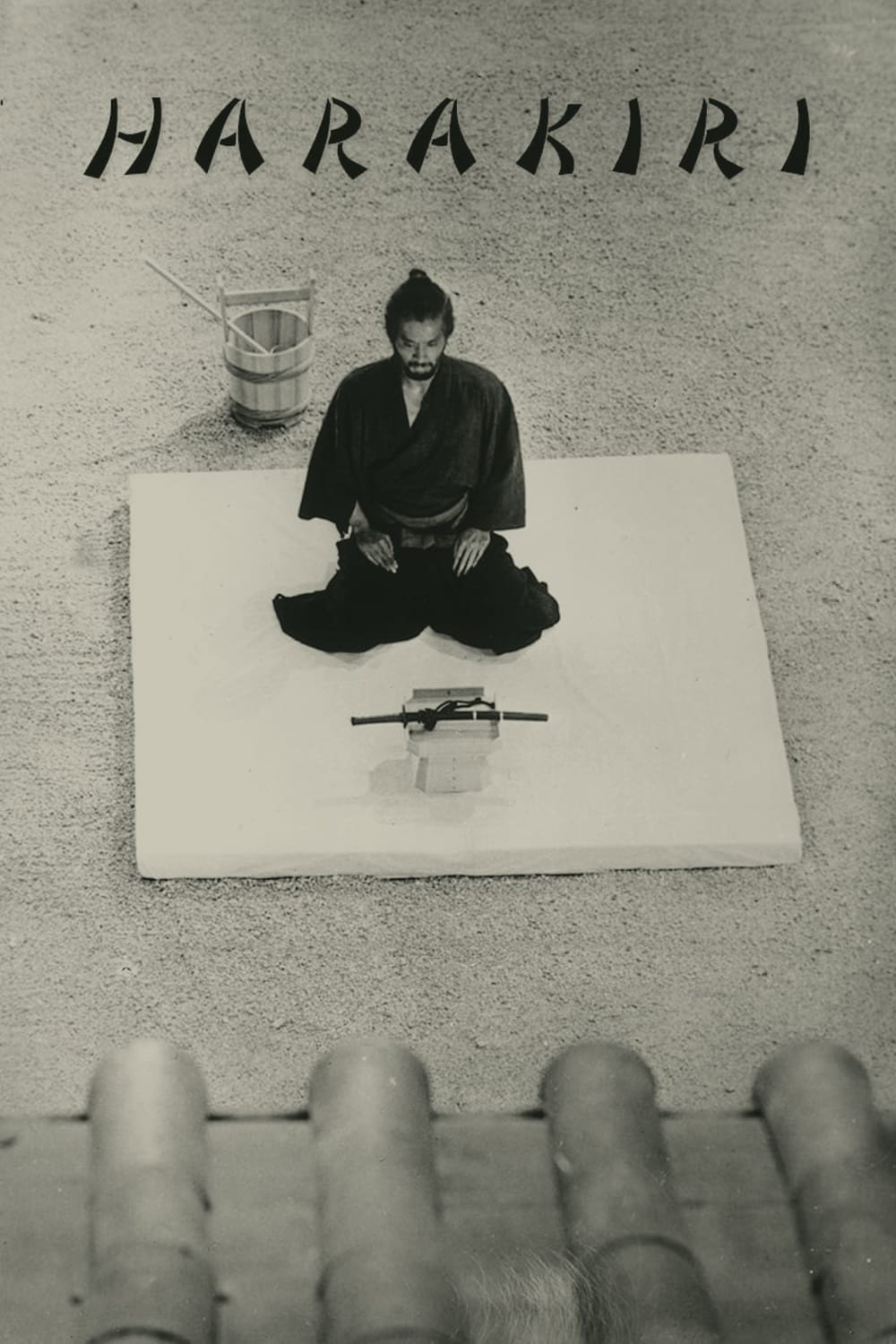
Harakiri poster

Harakiri

1962 · A samurai film equally suspicious of honour when powerful men define it.

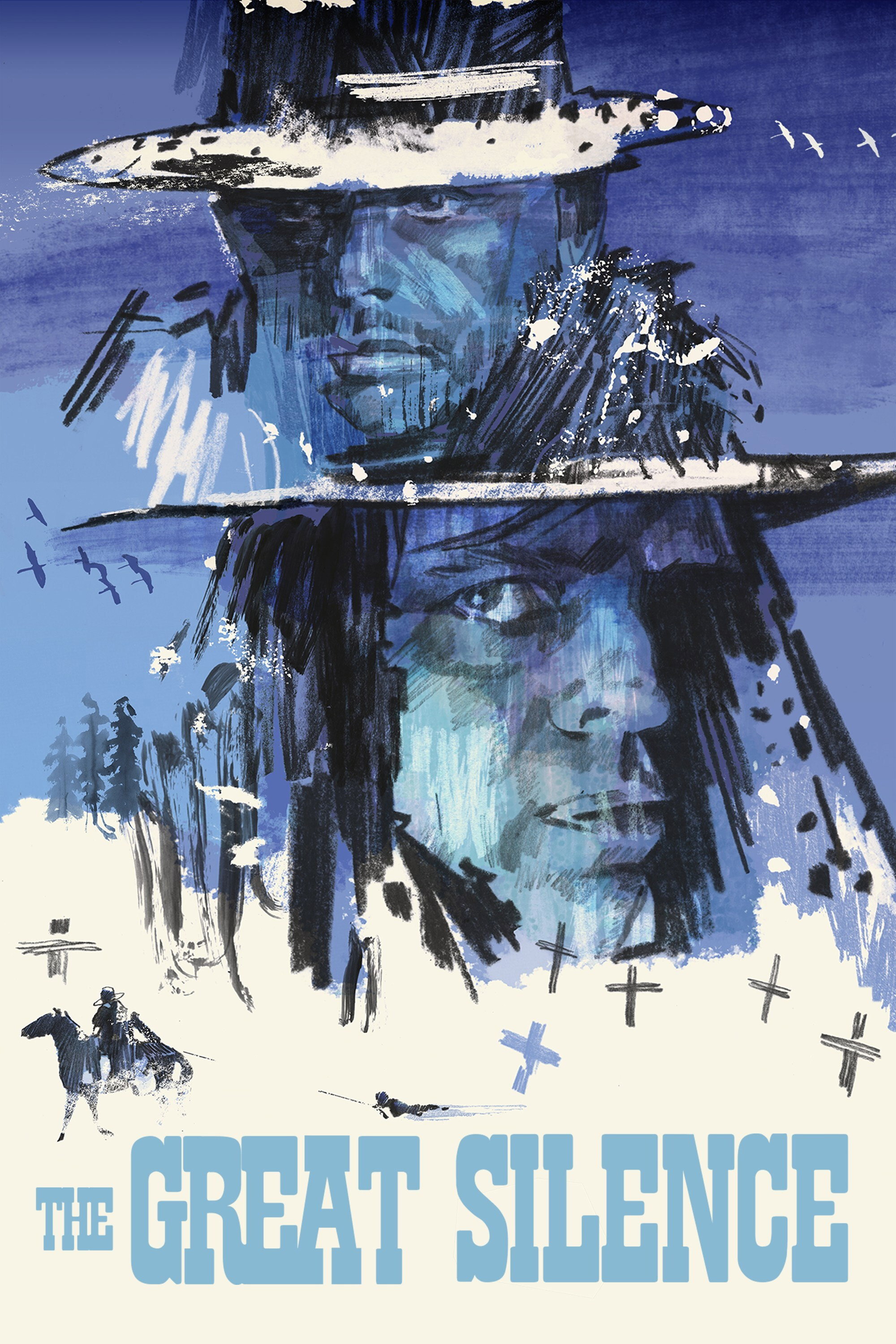
The Great Silence poster

The Great Silence

1968 · Snow replaces dust in a Western with even less faith in justice.

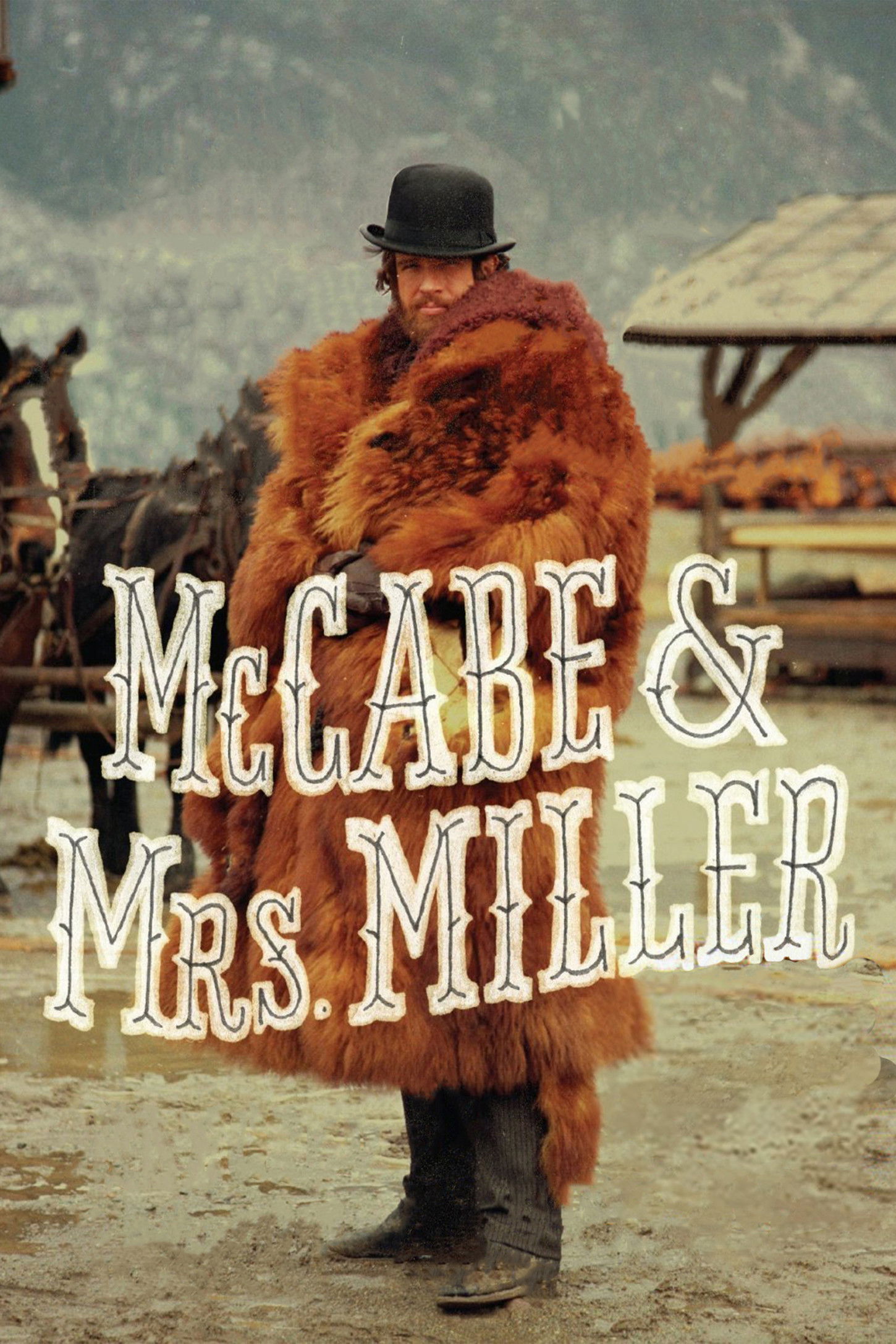
McCabe & Mrs. Miller poster

McCabe & Mrs. Miller

1971 · Frontier business and ordinary vulnerability leave little room for heroic gunmen.

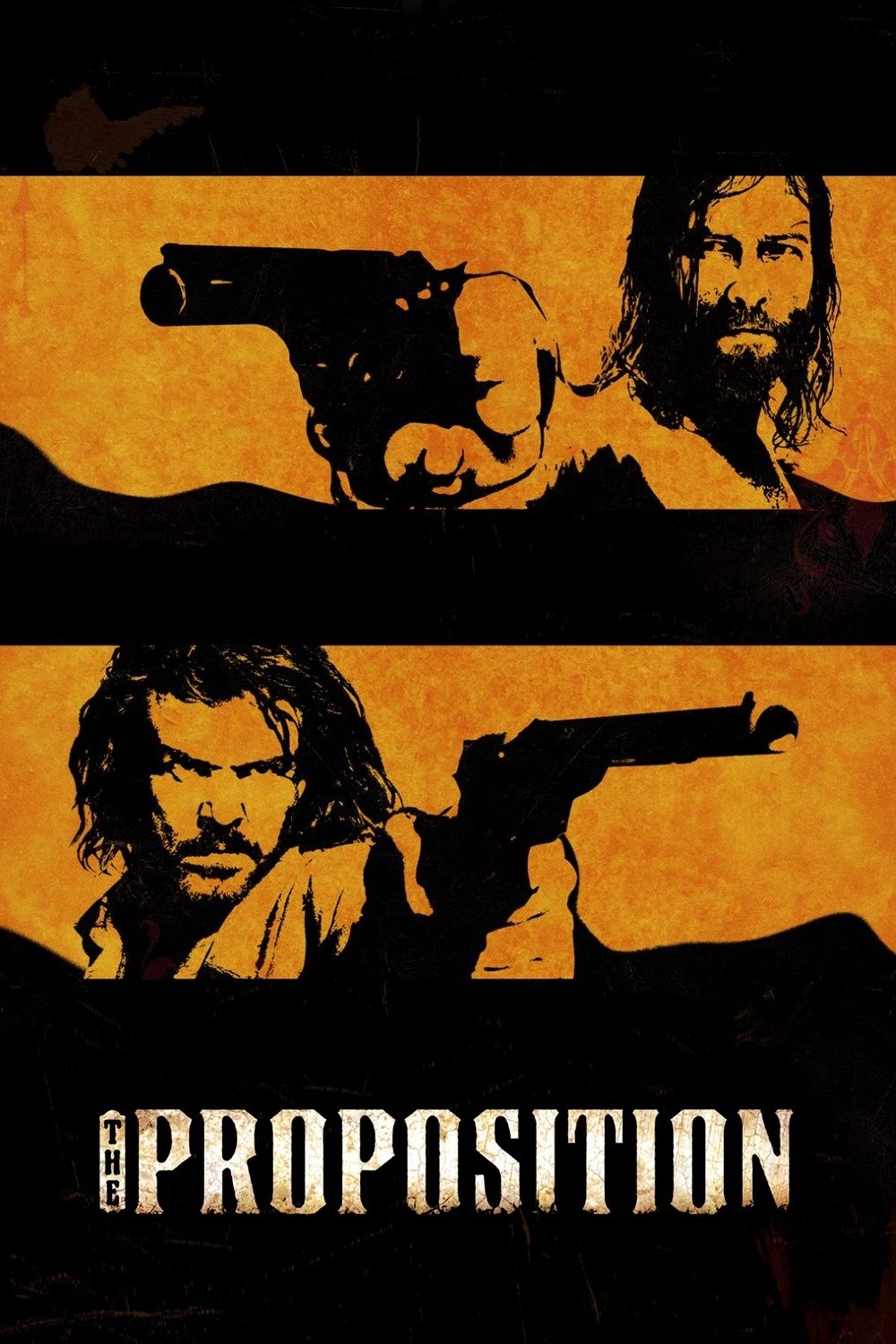
The Proposition poster

The Proposition

2005 · An Australian Western where keeping order provides ample cover for cruelty.