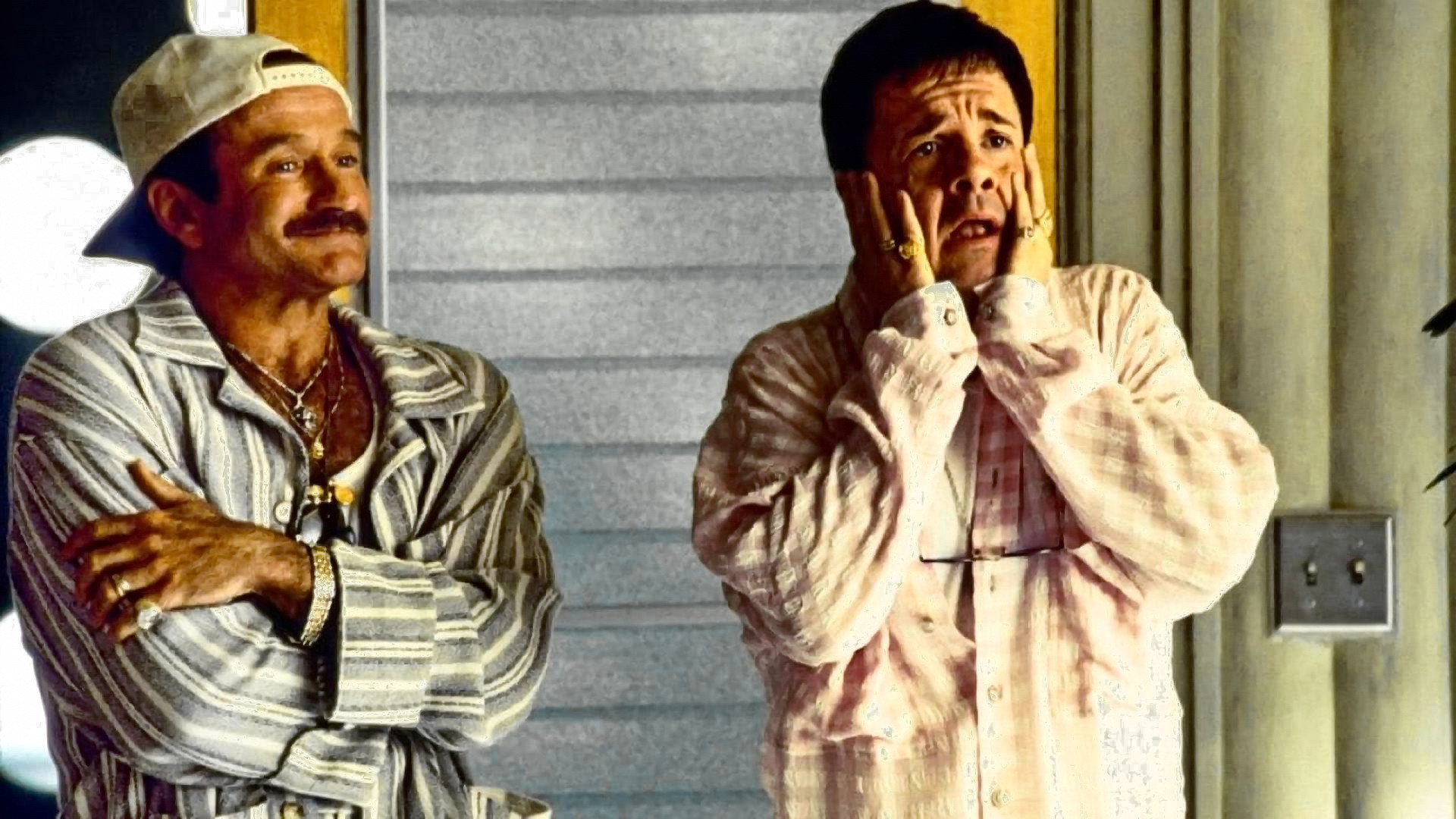
Mike Nichols’s farce is warm, funny and better acted than its cautious script quite deserves. Robin Williams and Nathan Lane make the fuss matter, though the eagerness to please takes some force out of the satire.
The Birdcage is a generous, well-played farce whose funniest people deserve a less cautious script. Mike Nichols directs Elaine May’s screenplay with an affection for embarrassment: these characters can make a small social adjustment feel like an undertaking requiring professional help. The comedy asks how much of themselves people are expected to suppress before others will find them acceptable. It is funny enough to recommend with confidence, although it sometimes seems too keen to keep everybody comfortable.
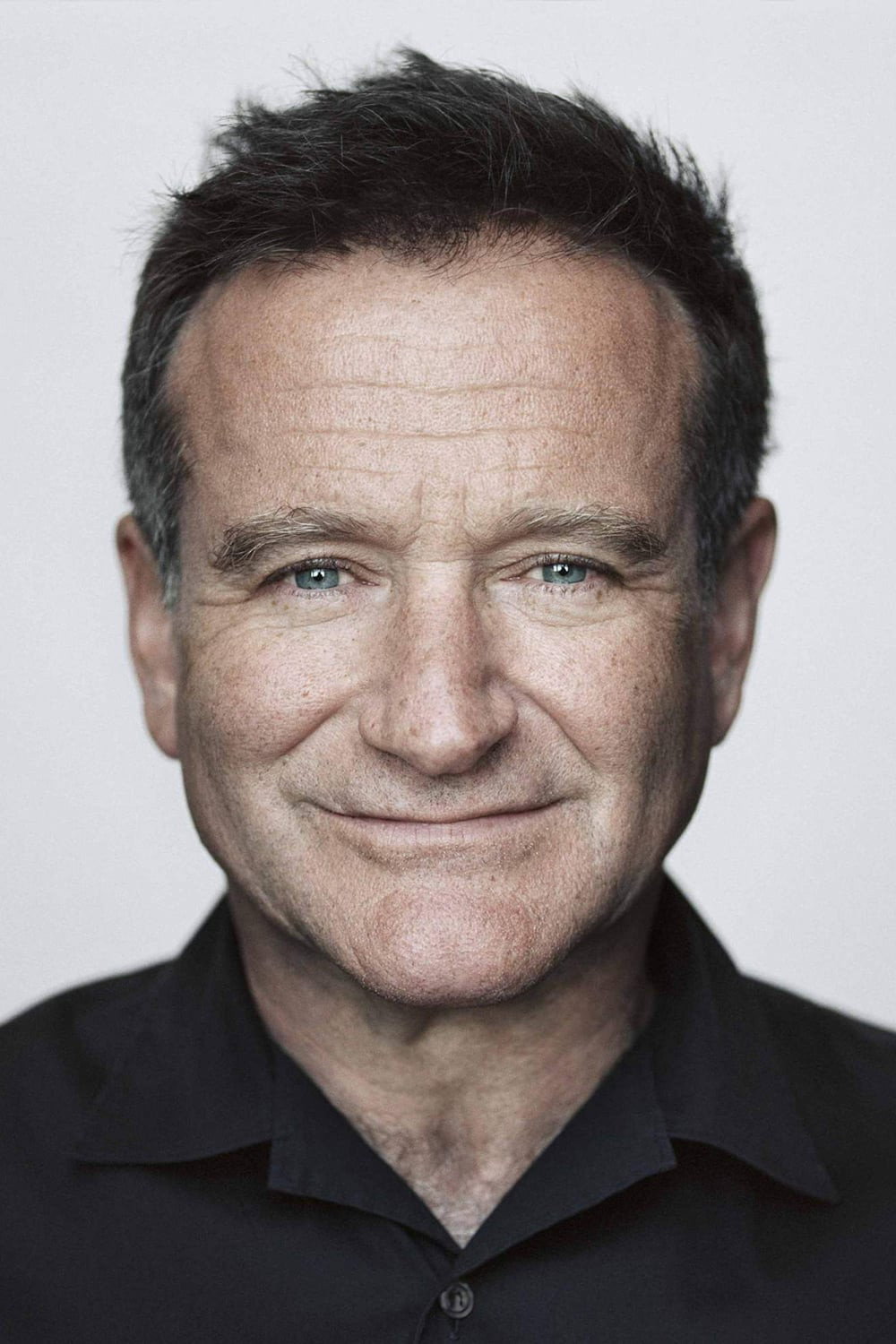
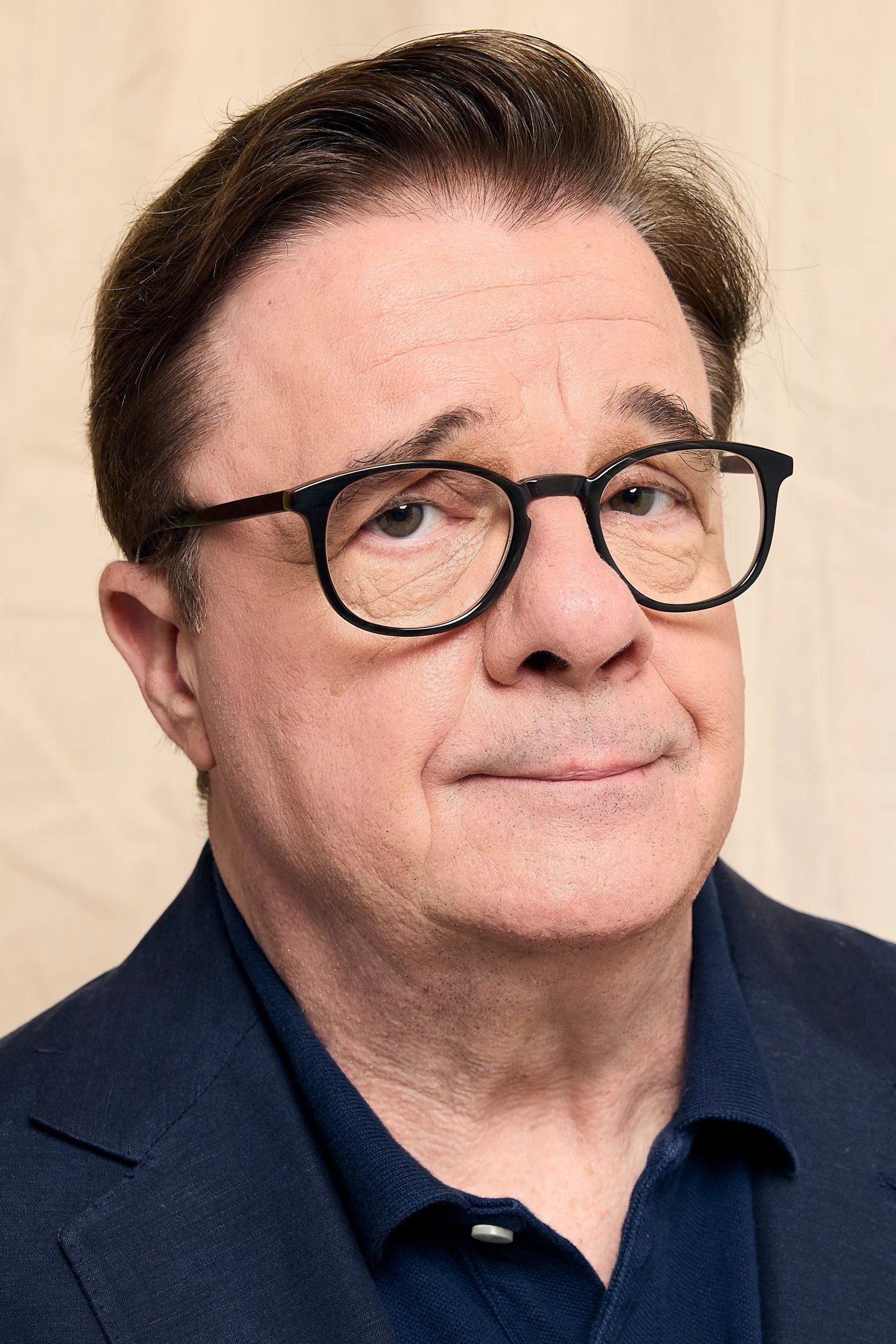
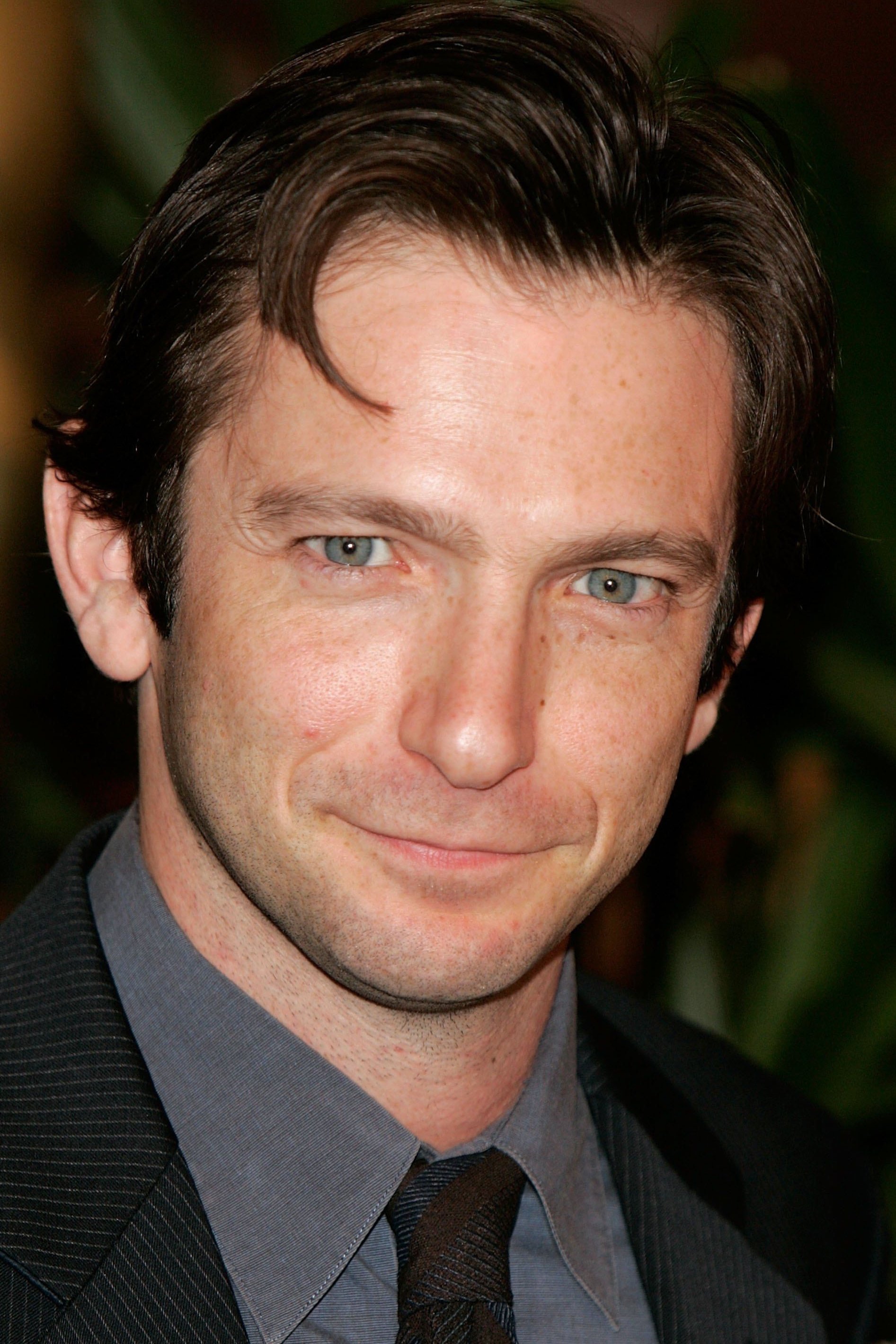
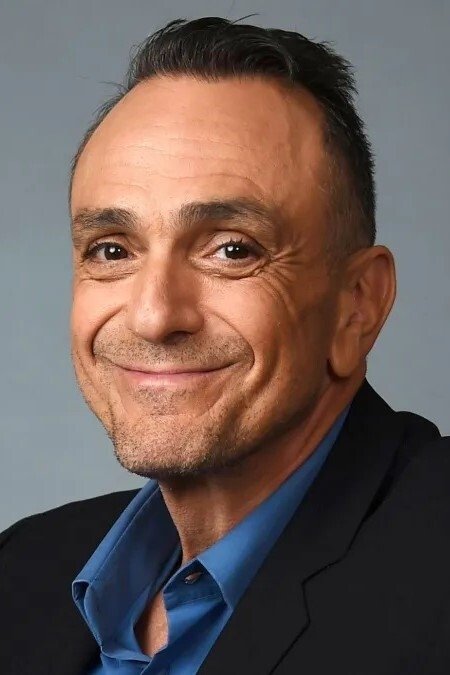
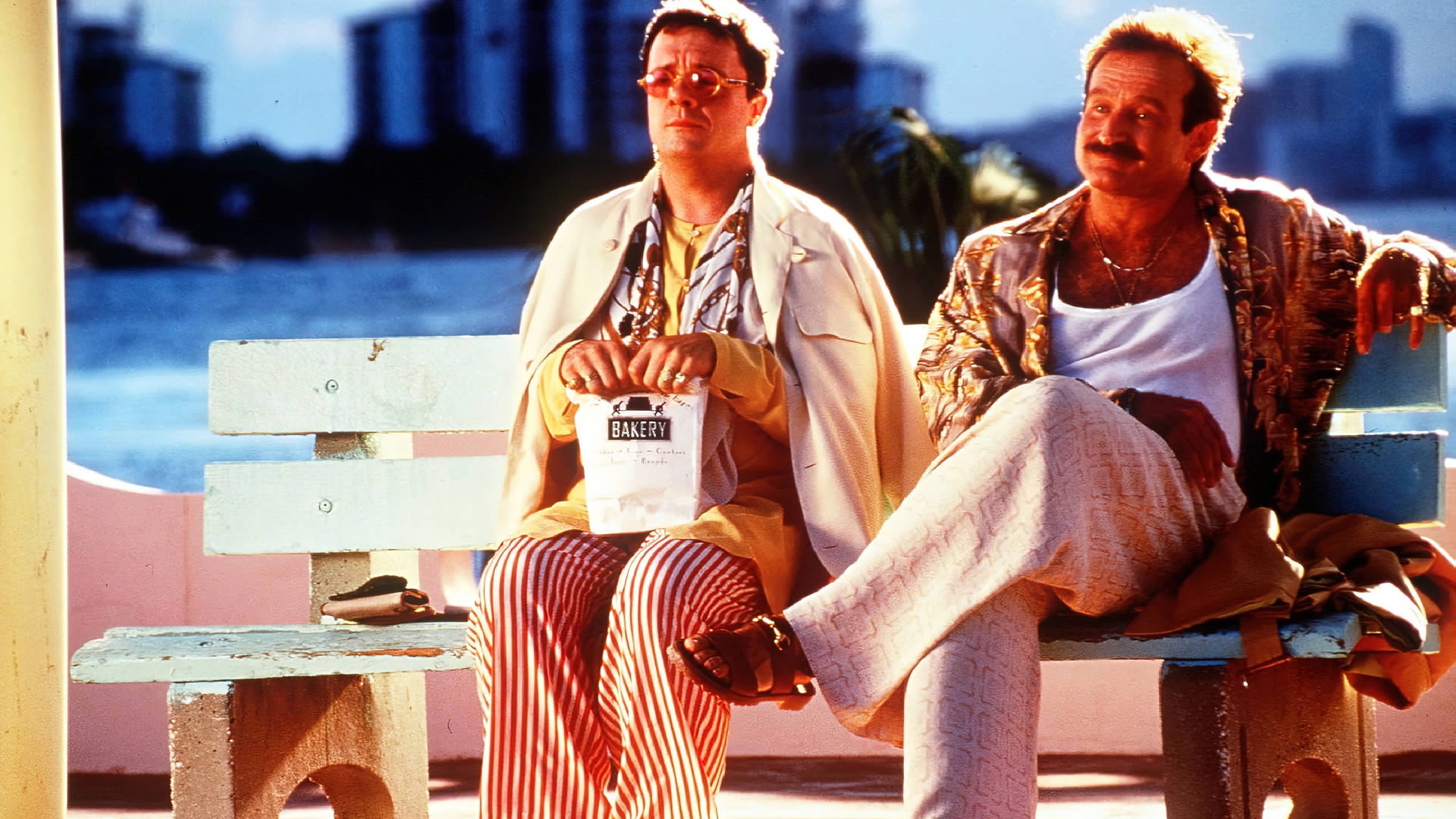
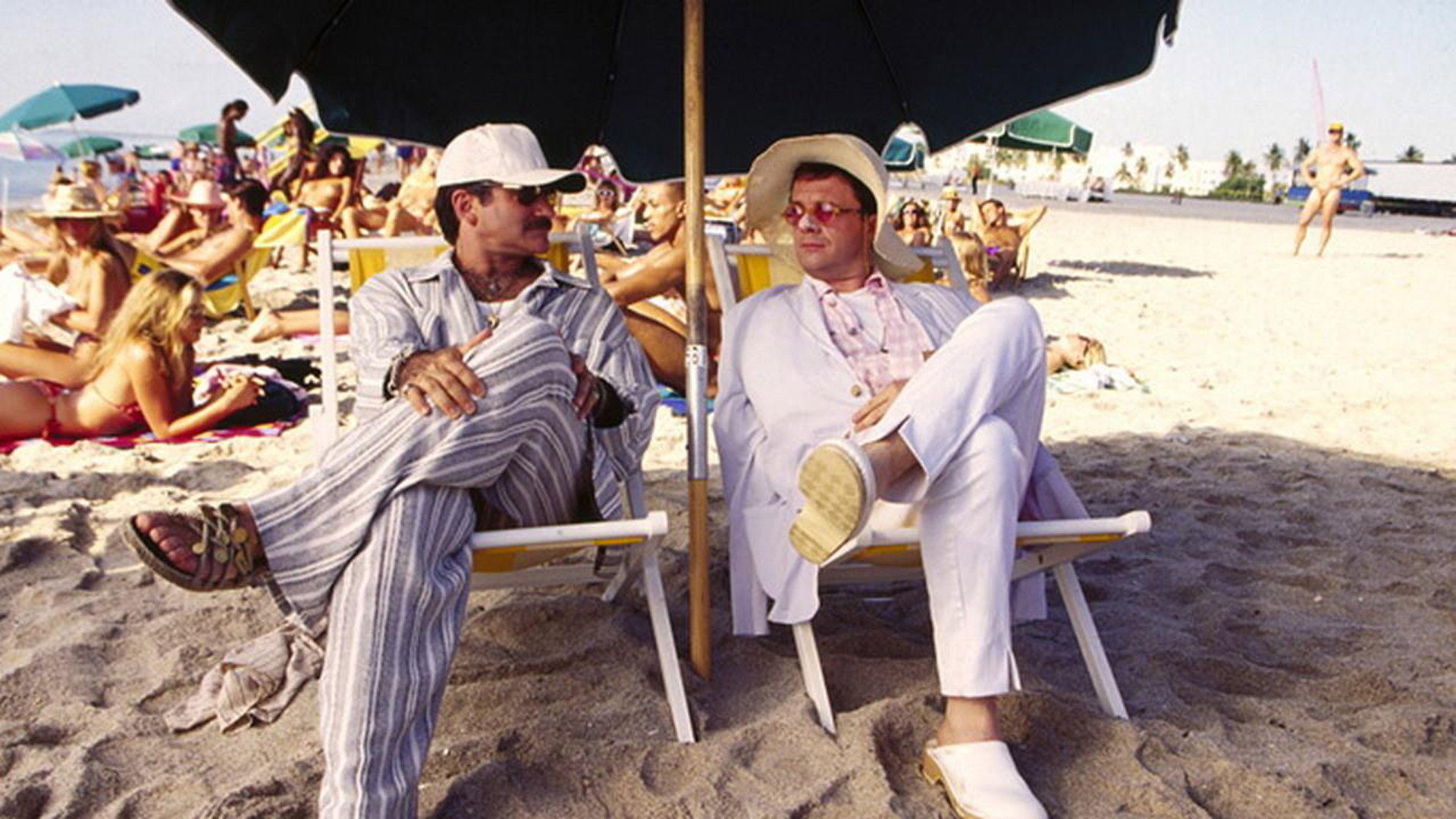
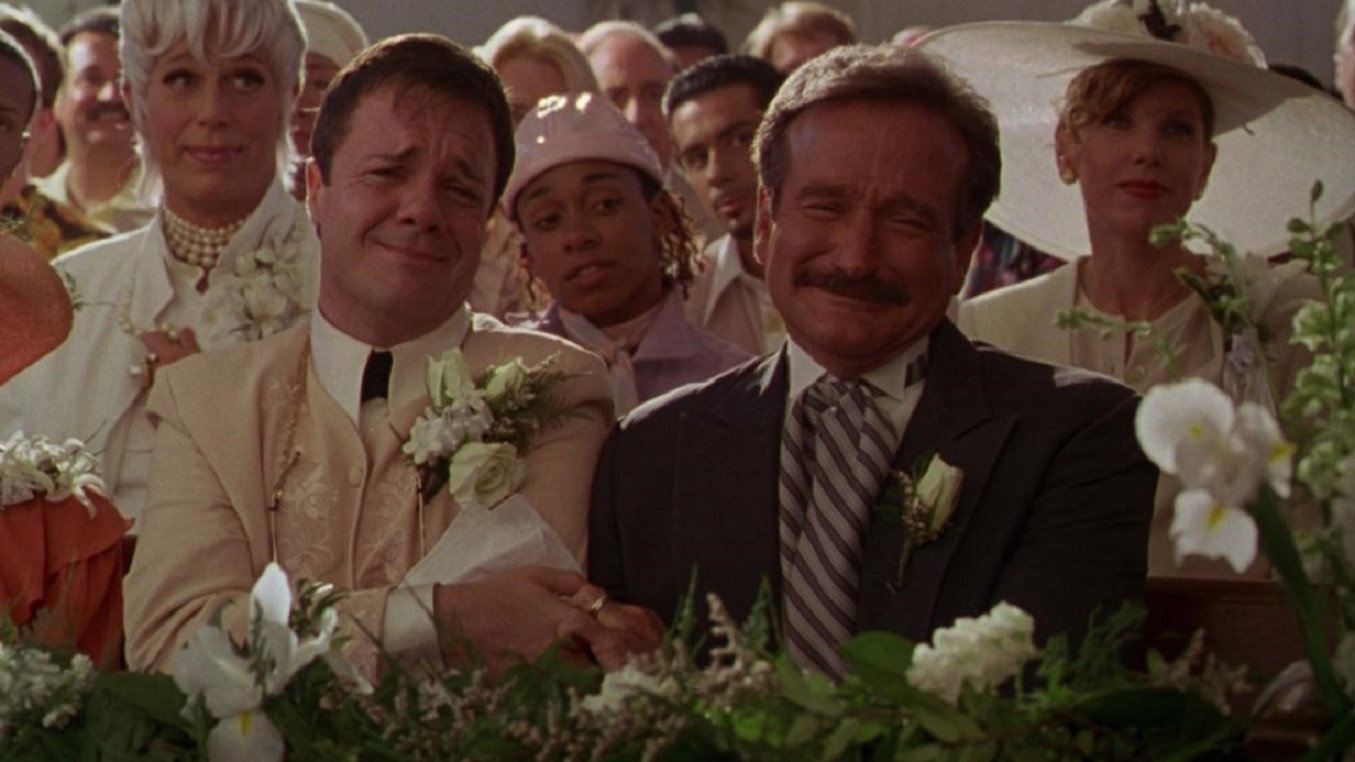
Robin Williams’s Armand Goldman is the performance that makes the rest possible. Williams reins himself in, making room for Nathan Lane’s Albert without seeming to surrender the scene. Lane can be exhausting, and Nichols occasionally lets a complaint continue after its comic usefulness has expired. But we laughed at Albert’s backstage breakdown, then felt protective of him. Lane lets the need for reassurance show through the fuss, so the scene has something at stake besides the next laugh.
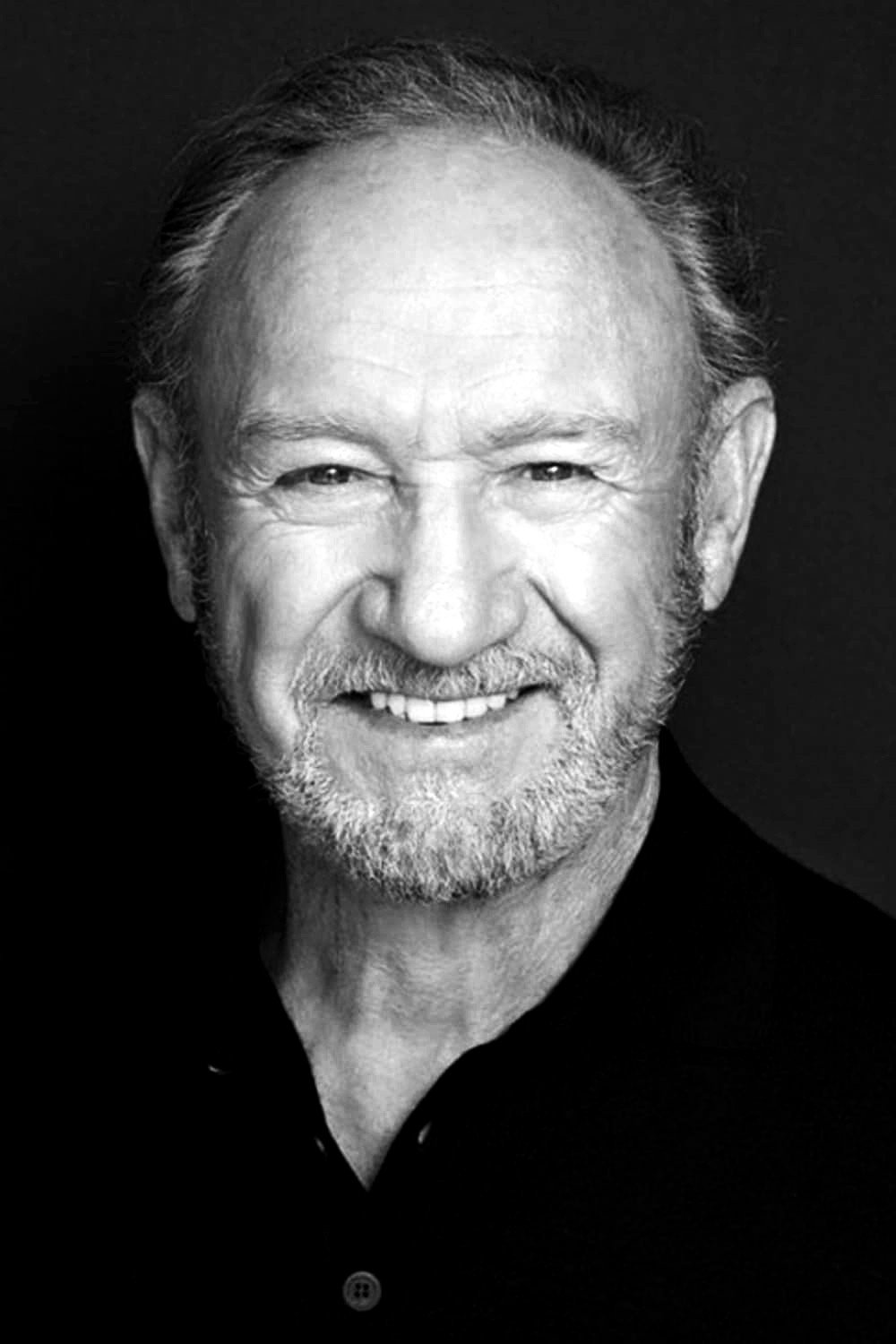
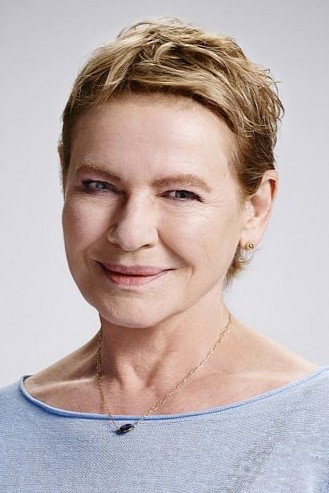
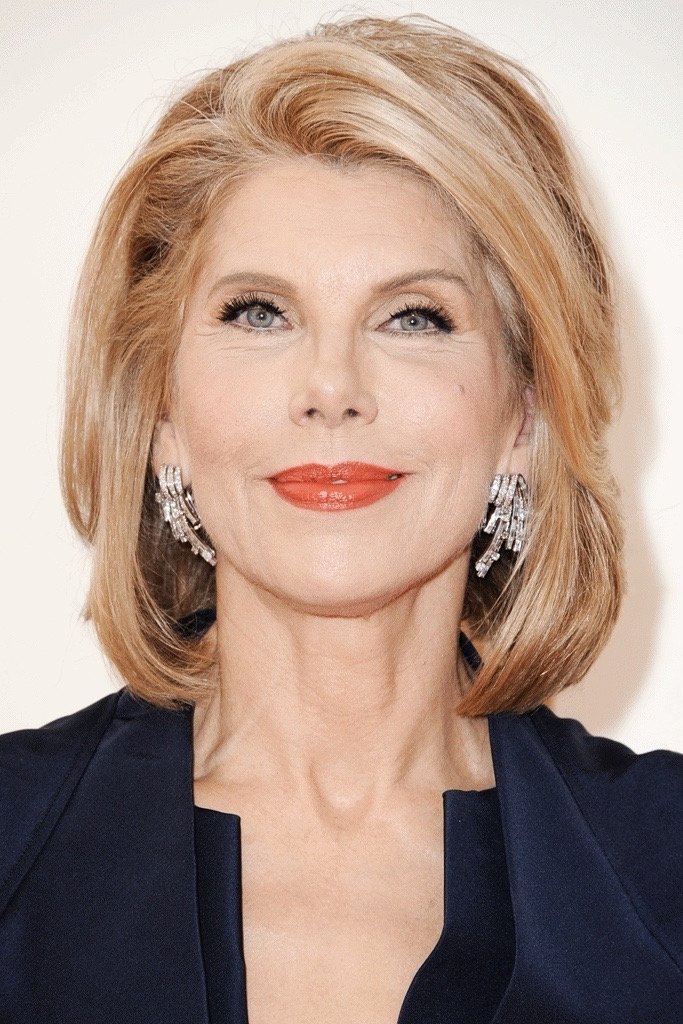
Gene Hackman, as Senator Kevin Keeley, understands how funny certainty can be when the person possessing it has no idea what is happening. He gives the impression of a man accustomed to being heard out, which makes the effort of waiting for him part of the joke. Dianne Wiest’s Louise Keeley is equally valuable: she keeps her reactions small enough that we have to pay attention. Nichols trusts both actors to get laughs without signalling that they have come prepared to be amusing.
Emmanuel Lubezki’s cinematography works best when there is room to watch one performer react to another. Bo Welch’s production design is cheerfully excessive, but the decoration seldom distracts us from the actors. The surroundings suit people accustomed to being noticed, and that helps the extravagance feel lived in. Arthur Schmidt’s editing is patient with a look, particularly when Williams is listening to Lane, and we often found the reaction funnier than the complaint.
Jonathan Tunick’s music is genial enough, though it contributes less to the film’s pace than the exchanges between the actors. May’s dialogue has an enjoyable sharpness, but the screenplay is sometimes slow to move beyond an already established embarrassment. At 119 minutes, the film gives us time to enjoy the company and also time to notice when a joke is being repeated. The writing is most persuasive when it allows Albert to be hurt, and least persuasive when keeping things pleasant becomes its chief concern.
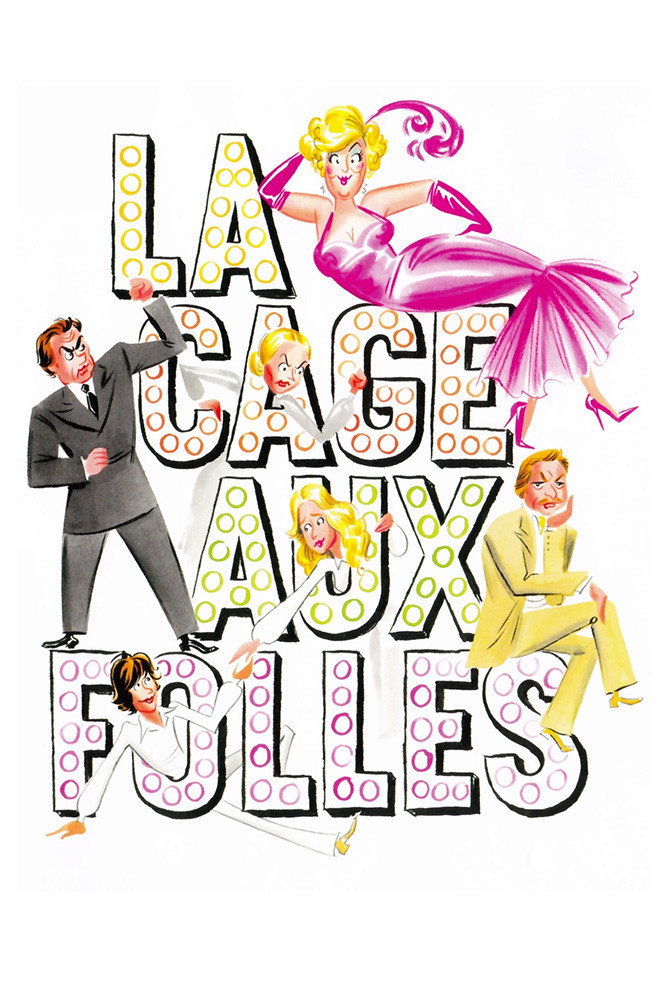
Most critics are less persuaded than we are, finding this remake of La Cage aux Folles too familiar and too willing to accommodate the attitudes it ought to challenge. We disagree about how much that costs it, because Williams and Lane make the characters’ discomfort matter even when the plot is predictable. The objection to conformity is harder to dismiss: the film wants acceptance without always confronting what is being asked of the people seeking it. Farce usually benefits from making things worse for everyone, and Nichols sometimes lets the pressure drop while he attends to their feelings.
We would choose it for Williams and Lane, with fair warning that the script sometimes wants approval as badly as its characters do. Anyone hoping for a sustained assault on conservative respectability should expect a gentler evening. Hackman is worth watching simply for the time he takes to finish a thought.