Film review

Some Like It Hot

1959 · Directed by Billy Wilder · 2h 03m · PG

In a sentenceJack Lemmon approaches wearing a dress with the concentration other actors reserve for playing kings

ComedyRomanceCrime

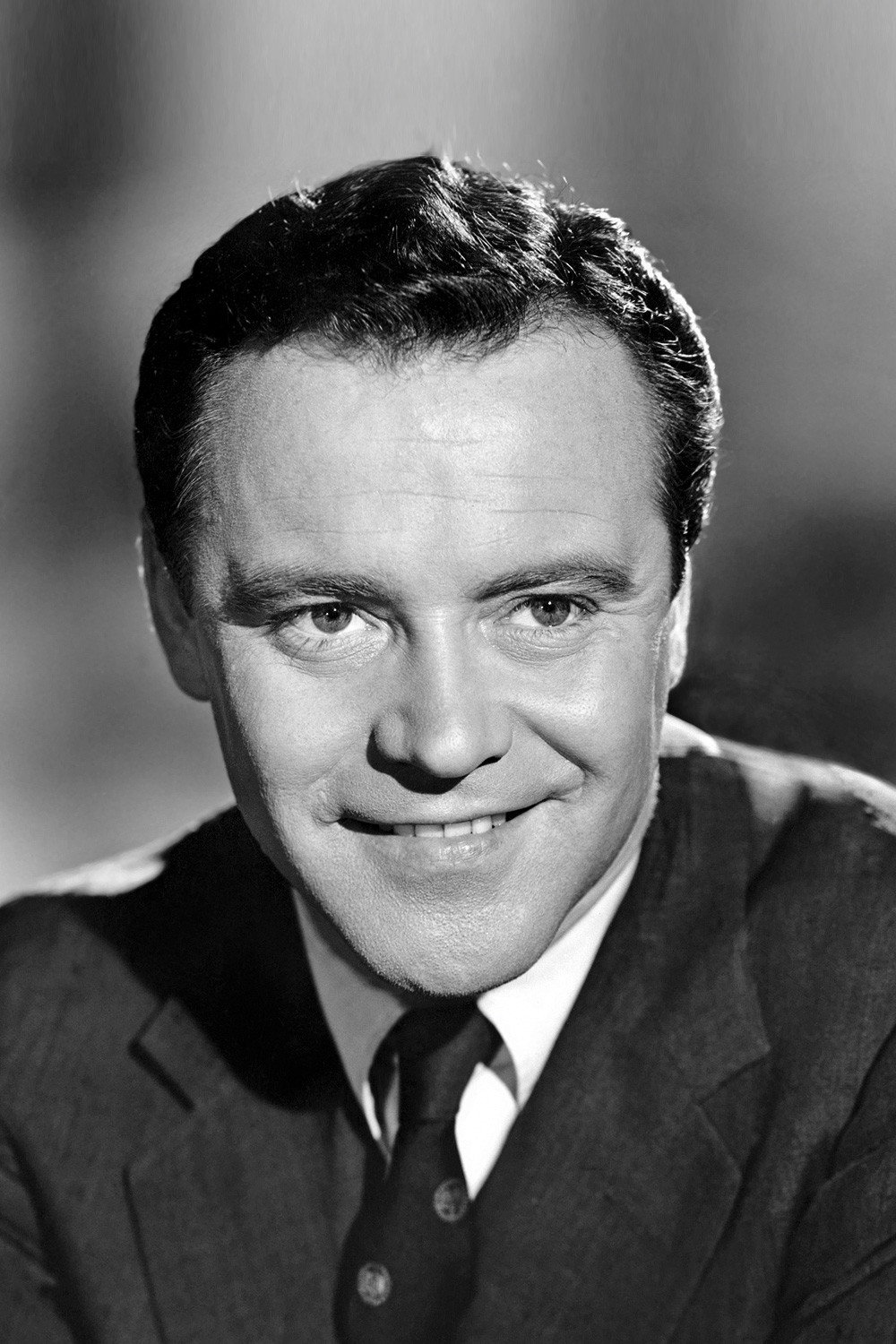
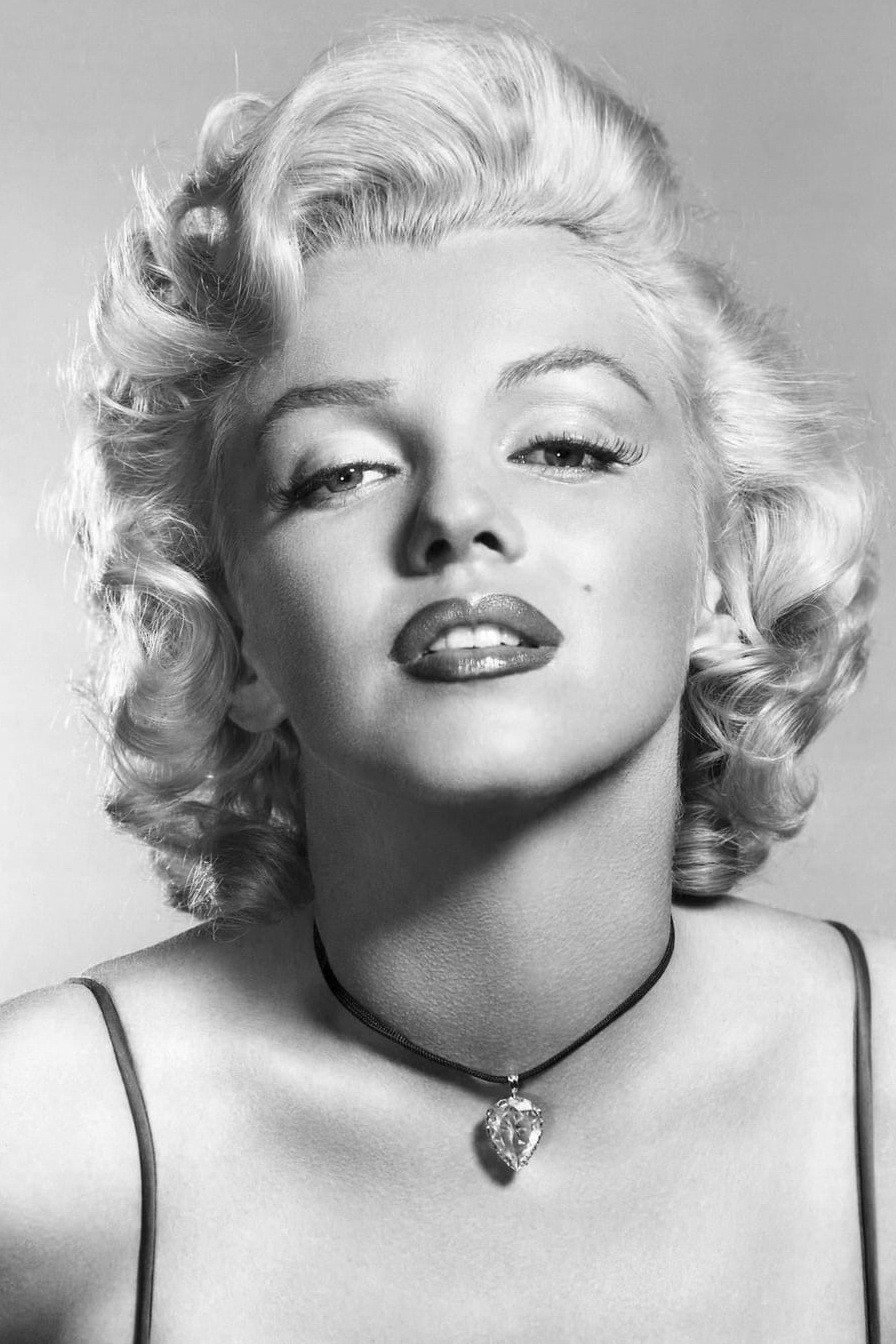
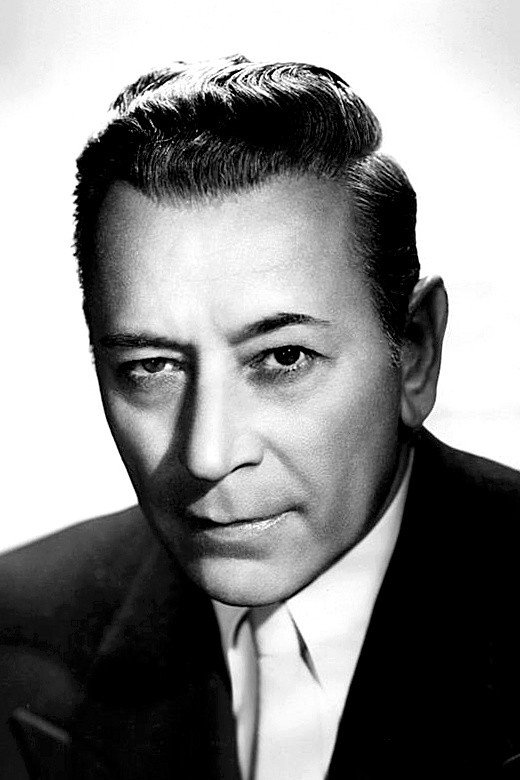
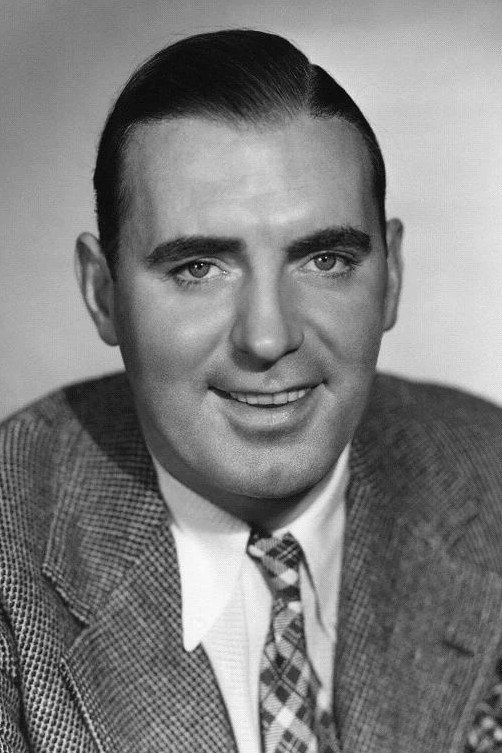
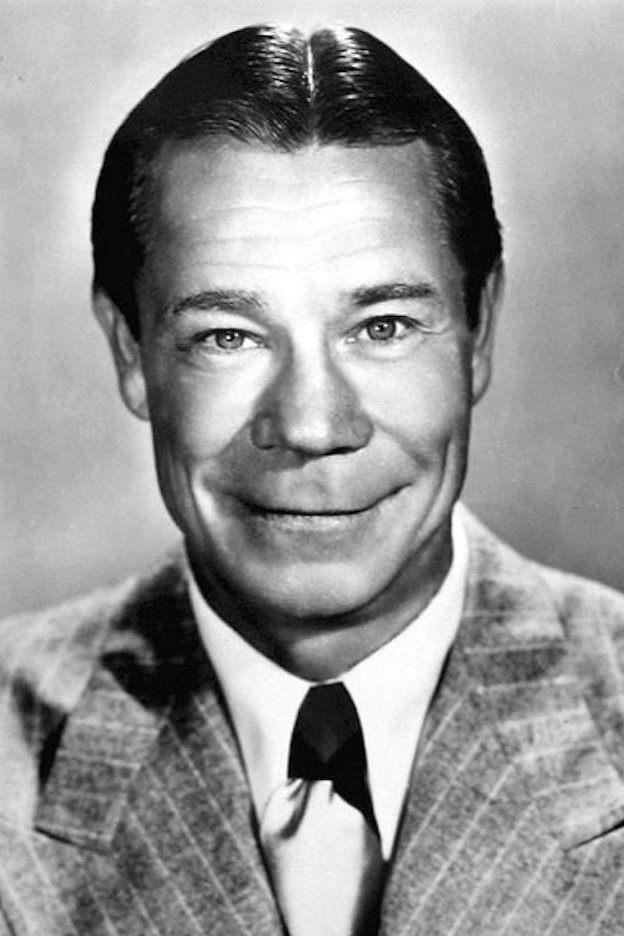
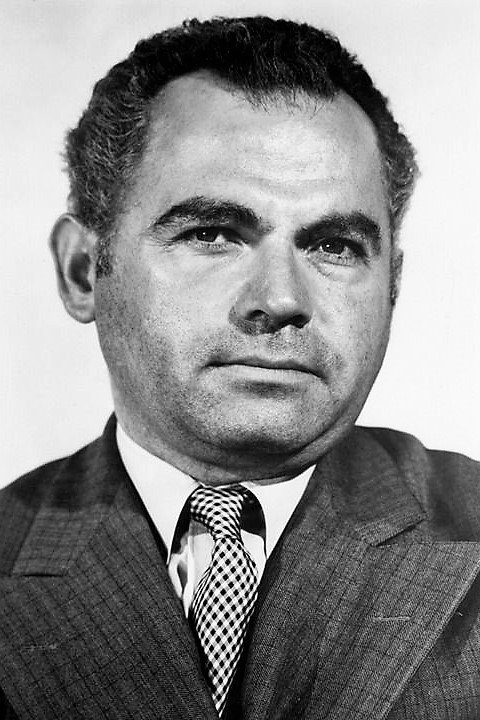
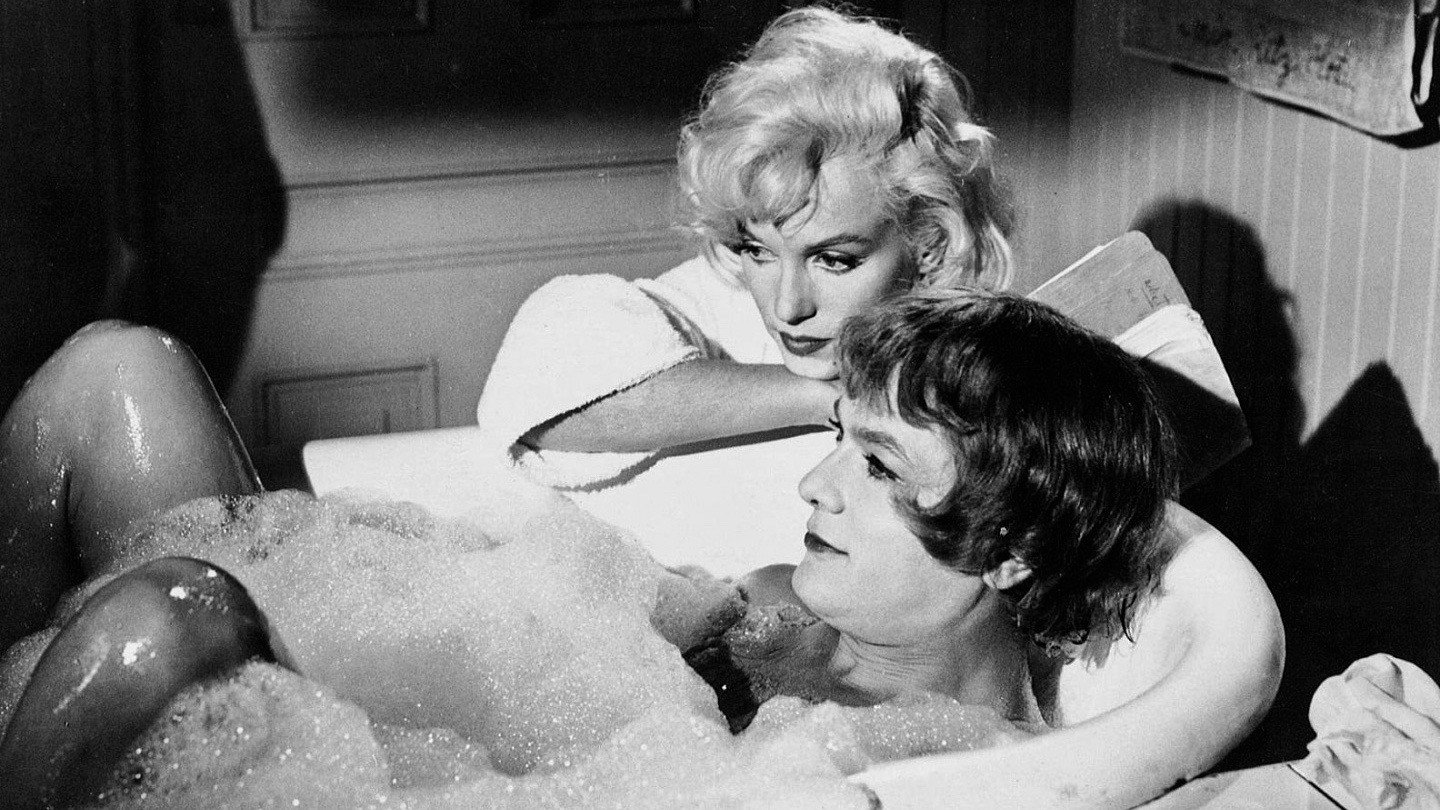
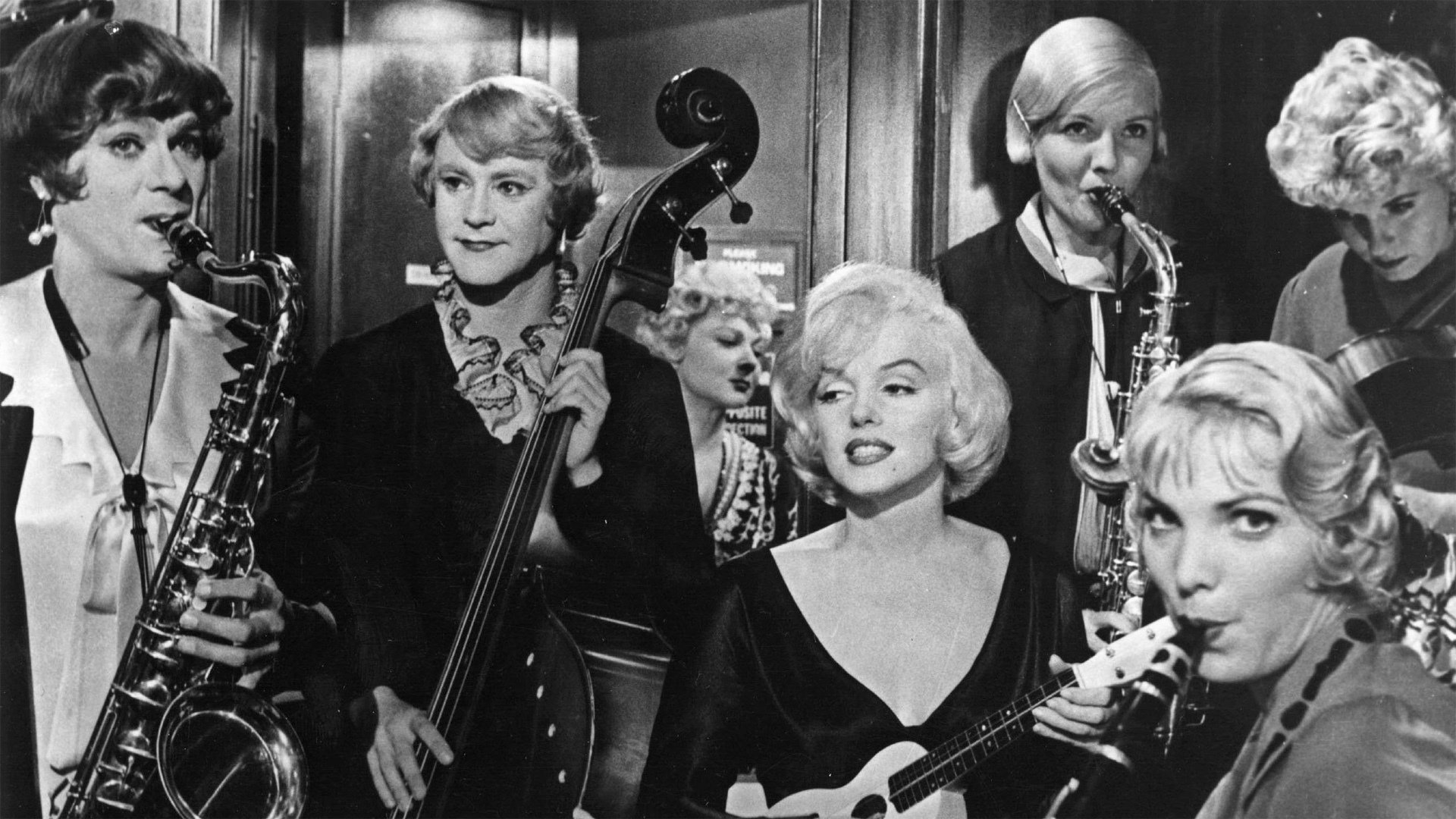
Joe (Tony Curtis) and Jerry (Jack Lemmon) are on the run from the Mob. To escape, they disguise themselves as women, taking the names Josephine and Daphne. Marilyn Monroe plays Sugar Kane Kowalczyk, whose presence complicates the business of keeping their identities hidden. As the pair try to remain unrecognised, attraction gives them reasons to risk being found out. Billy Wilder’s comedy brings crime, romance and mistaken identity together, with George Raft as Spats Colombo, Pat O’Brien as Detective Mulligan and Joe E. Brown as Osgood Fielding III.

Plays from YouTube when you press play; nothing loads from them until then.

Fi1m review

We would recommend Billy Wilder’s farce to almost anyone: the jokes are exact and the three leads make them seem spontaneous. The gangster business occasionally interrupts the pleasure of watching Tony Curtis, Jack Lemmon and Marilyn Monroe.

Some Like It Hot is a farce we would recommend to almost anyone, including those who suspect they have heard all its jokes already. Billy Wilder builds it around two men escaping the Mob in women’s clothes and allows desire to complicate a practical arrangement. His screenplay with Diamond understands how quickly a person can turn a temporary deception into a habit. It also trusts us to follow the deception without stopping to explain each new difficulty.

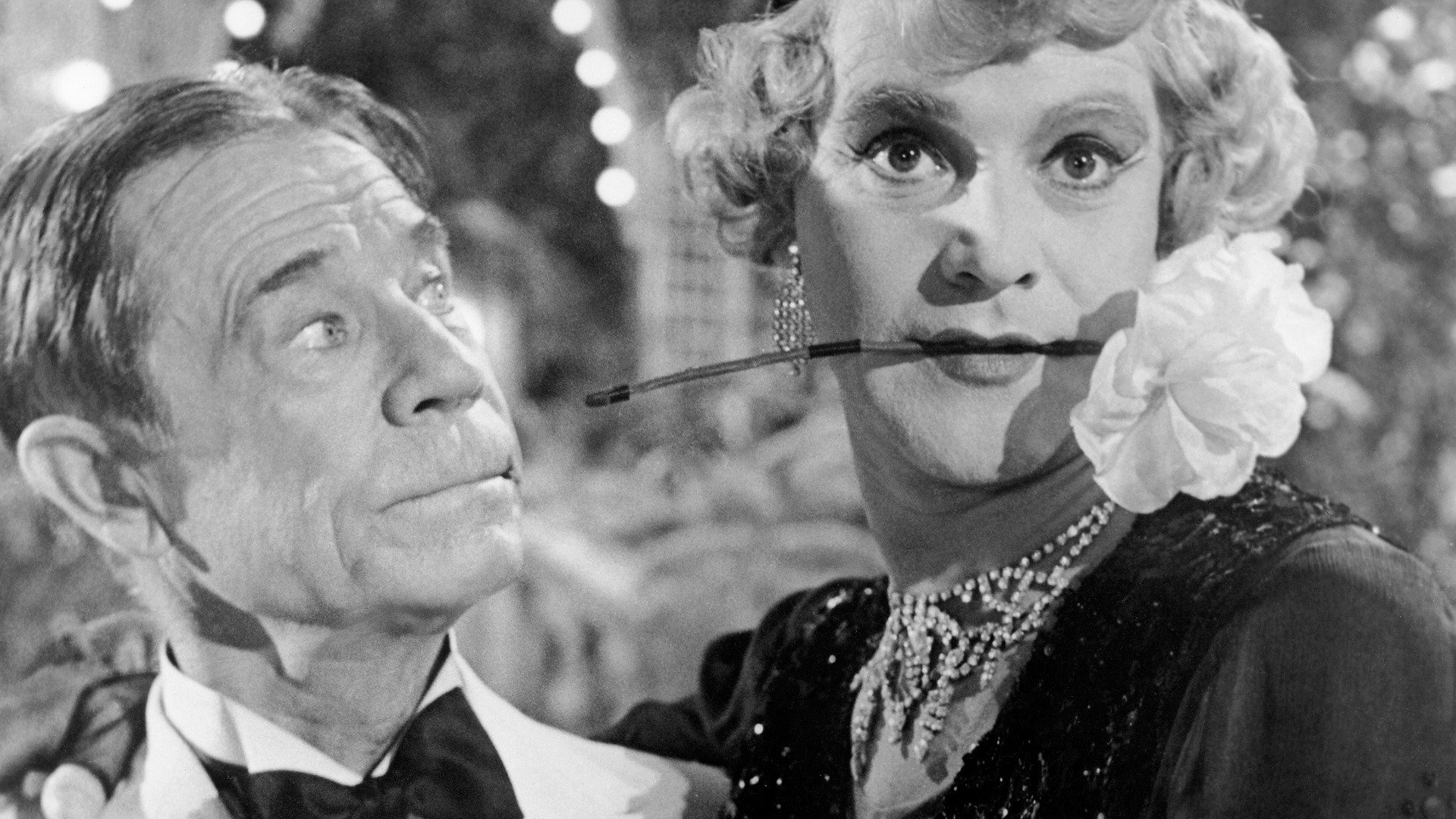
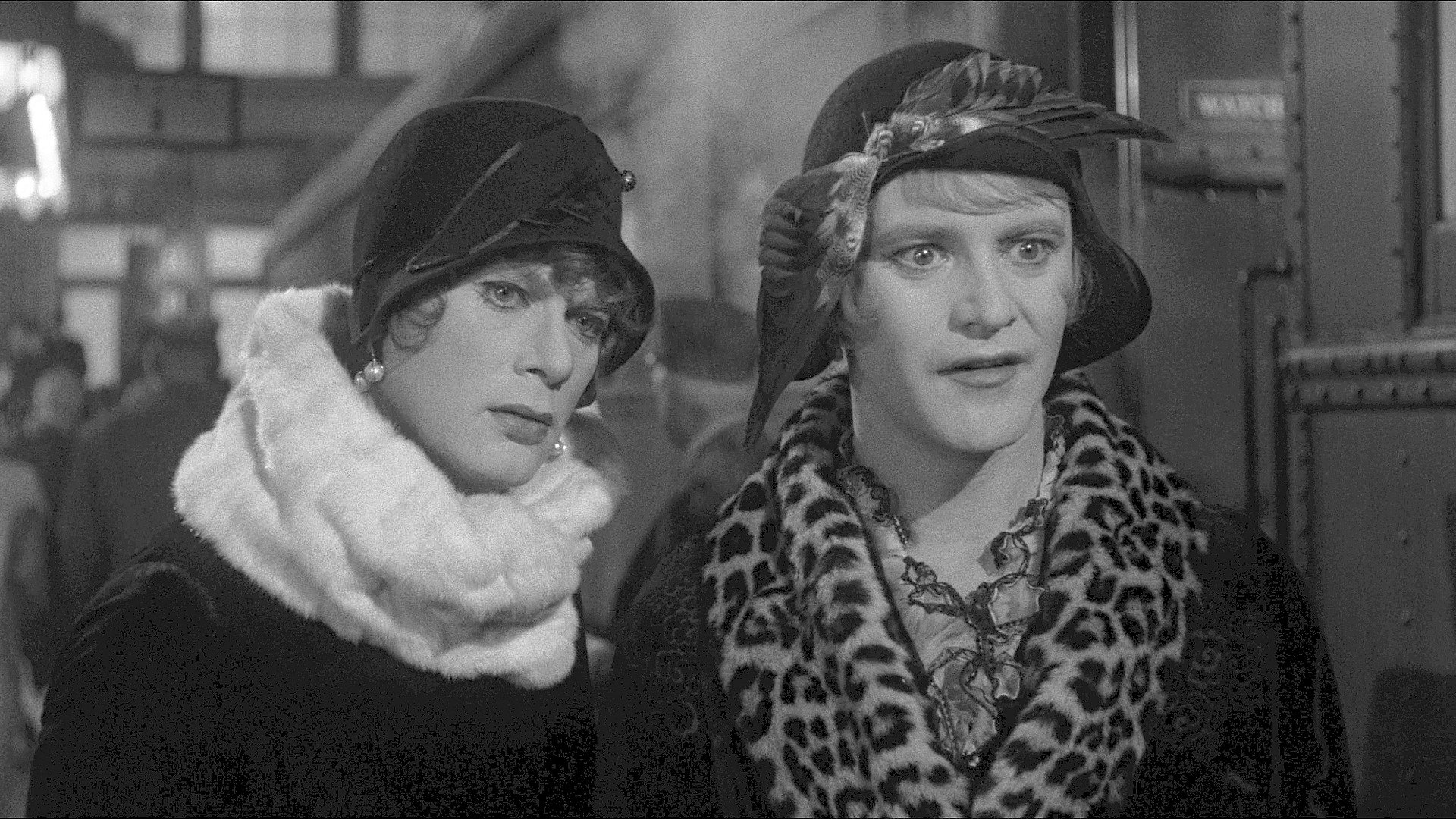
Tony Curtis’s Joe approaches Josephine as a problem to be solved, and Curtis makes his calculation quick enough to be funny. Jack Lemmon’s Jerry has far more trouble containing himself as Daphne; every adjustment seems to require his whole body. We laughed at the effort Lemmon puts into being Daphne, particularly when delight starts to get ahead of caution. His shifts from alarm to pleasure are so quick that the disguise never settles into a single joke. Curtis’s relative composure makes Lemmon’s agitation funnier.

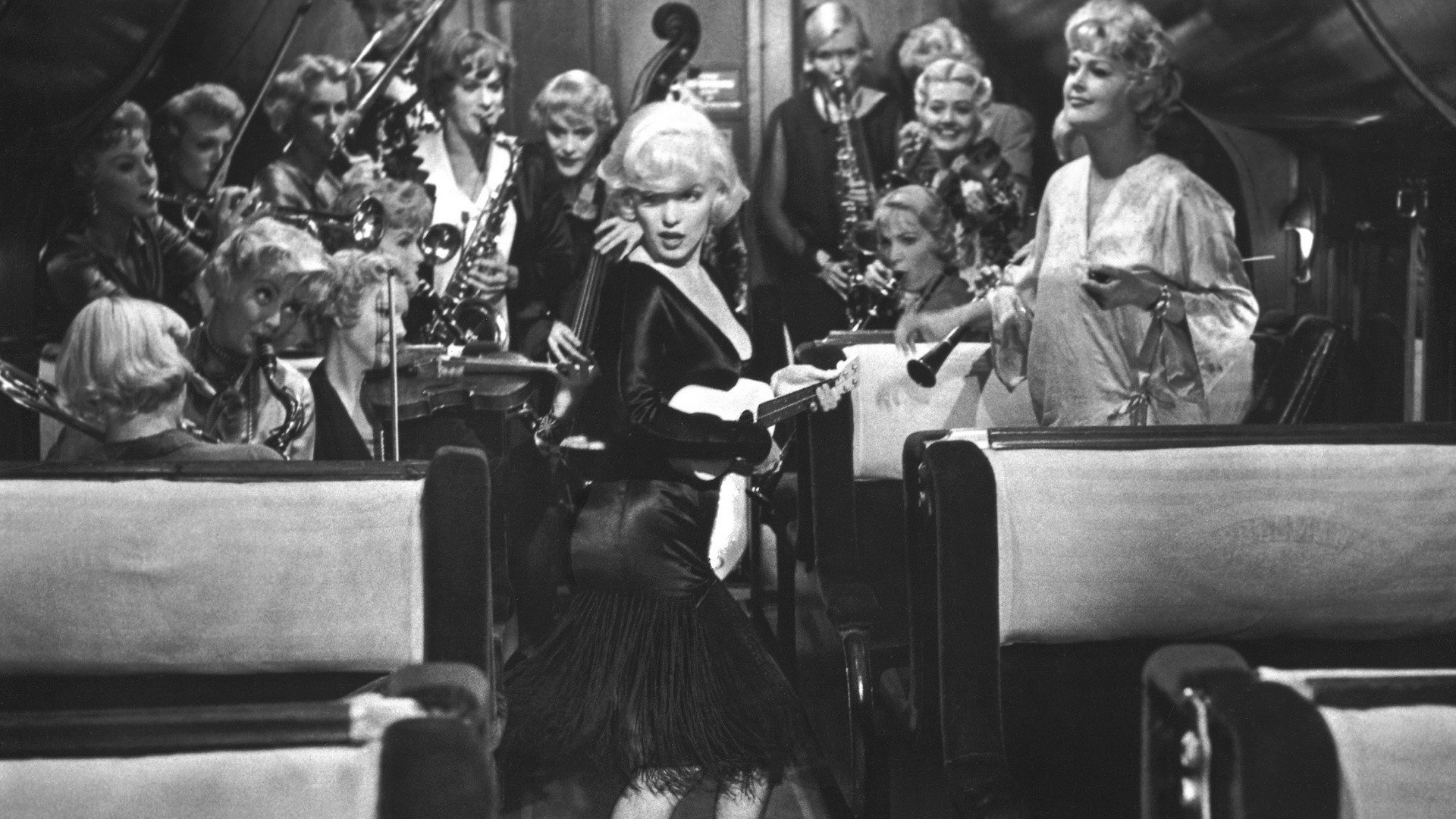
Marilyn Monroe’s Sugar Kane Kowalczyk gives this commotion somebody worth paying attention to. Monroe makes Sugar’s appeal obvious, then allows disappointment to trouble her delivery without slowing the comedy. She can make a line sound hopeful and doubtful within the same breath, which prevents the character from becoming merely a prize for clever lying. The film’s attention to her beauty can be insistent, but her comic timing keeps correcting any assumption that she is there just to be admired.

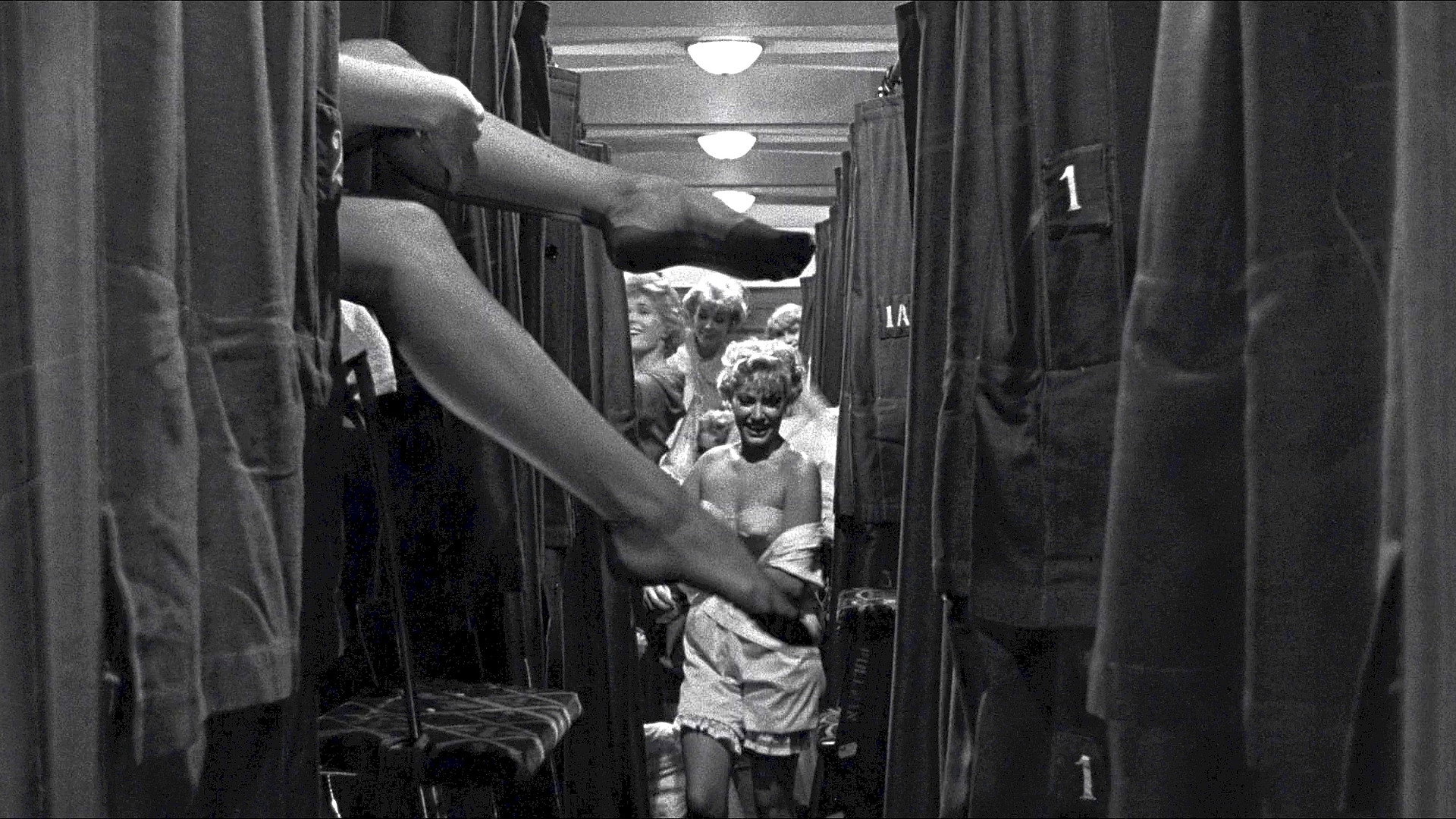
Charles Lang’s photography lets us study the performers’ faces, and it is particularly attentive to the small changes in Monroe’s expression. That attention helps keep Sugar present as a person even while the men are occupied with their own difficulties. Orry-Kelly’s dresses make walking convincingly part of the job, giving the actors a joke before either has spoken. Curtis’s careful self-control and Lemmon’s busier movements keep the costumes from having to supply every laugh.

Arthur P. Schmidt’s editing gives the actors time after the line, when a look can make the joke worse for the person receiving it. The reactions have room to develop, particularly when Lemmon seems to be thinking his way into fresh trouble. Adolph Deutsch’s score helps keep things moving, although the dialogue and faces could often sustain the pace on their own. At 123 minutes, the film needs that variation in how it gets a laugh.

The crime material is less consistently rewarding. George Raft gives Spats Colombo a welcome severity, but Wilder’s gangster business can feel like an interruption once the leads have established their rhythm. The danger gives Joe and Jerry a reason to persist with their disguises, which the farce certainly needs. These passages are simply broader and less surprising than the exchanges among Curtis, Lemmon and Monroe.

Many disguise comedies exhaust themselves asking how long the clothes will fool somebody. Wilder keeps finding humour in how people behave once they think the clothes have worked, and the three leads make that a richer question than it sounds. Save it for an evening when company has agreed on nothing except wanting to laugh.

Critical consensus AI synthesised

89
Positive
6
Mixed
1
Negative
0

Most critics greet Some Like It Hot with enthusiasm, with praise clustering around the lead performances, brisk pace and sustained comic invention. Jack Lemmon’s timing draws particular attention, while Marilyn Monroe is repeatedly singled out for combining sexual appeal with comic skill; Tony Curtis completes a widely admired trio. The reviews also celebrate the sharp dialogue and Billy Wilder’s handling of a cross-dressing farce whose play with sexual identity remains central to its appeal.

Reservations are limited but distinct, with the spread running from wholehearted praise to qualified enjoyment. The Guardian finds much of it hilarious but is uncomfortable with what it sees as insistent vulgarity. Sight and Sound questions the gangster sequences and finds some stylistic confusion, while The New York Times notes occasional lulls. These reservations rarely extend to the cast: even the more cautious responses praise the performers’ ability to keep the comedy moving.

Radio Times
★★★★★ · David Parkinson
100

The critic describes it as a crackling cross-dressing comedy with ideally matched leads Tony Curtis and Jack Lemmon escaping the Mob in drag. It singles out the hilarious performances and classic status, noting the famous final line that nobody’s perfect.

Read the full review →
Time Out
14 July 2014 · ★★★★★ · Cath Clarke
100

The review calls Billy Wilder’s 1959 comedy still perfect, highlighting its transvestite premise, two men living happily ever after, and the famous last line. It praises the lead performances by Jack Lemmon, Tony Curtis and Marilyn Monroe in this cross-dressing farce.

Read the full review →
Empire
1 January 2000 · Angie Errigo
90*

The critic calls it a scintillating comedy that delivers on every level despite its daring mix of elements. They single out the snappy pace, non-stop invention and gags, and standout comic performances and timing, especially from Lemmon.

Read the full review →
RogerEbert.com
9 January 2000 · Roger Ebert
90*

Ebert calls the film one of the enduring treasures of the movies, praising its inspiration, meticulous craft, and focus on sex disguised as a crime story. He singles out Marilyn Monroe's performance for particular acclaim, noting how she steals the film.

Read the full review →
Vulture
20 March 2020
90*

The piece celebrates the film as a perfect, endlessly beguiling comedy in service of the pleasure principle, singling out its bright sharp humor, memorable supporting turns, Orry-Kelly costumes, and Marilyn Monroe's embodiment of desire and sex appeal.

Read the full review →
The Guardian
16 May 1959
60*

The critic finds it a funny film with an odd, high flavour of humour that makes it a bit uncomfortable due to insistent vulgarity in the cross-dressing premise. The pace is fast, the humour often hilarious especially from Lemmon, and Monroe is singled out as irresistible.

Read the full review →

Cast

Stills

Awards

Academy Awards, 1960

Nominated
Best Actor
Nominated
Best Art Direction, Black and White
Nominated
Best Cinematography, Black-and-White
Nominated
Best Director
Nominated
Best Writing, Adapted Screenplay
Won
Best Costume Design, Black-and-White

If you liked this, try…

The Lady Eve poster

The Lady Eve

1941 · Barbara Stanwyck makes romantic deception look effortless, while the supposed sophisticate struggles.

La Cage aux Folles poster

La Cage aux Folles

1978 · A family visit turns respectable appearances into an exhausting and frequently funny occupation.

Victor/Victoria poster

Victor/Victoria

1982 · Stage disguises complicate attraction, with enough musical pleasure to justify the extra confusion.

Women on the Verge of a Nervous Breakdown poster

Women on the Verge of a Nervous Breakdown

1988 · Desire produces increasingly impractical behaviour, handled with brisk timing and sympathy for the desperate.

Saving Face poster

Saving Face

2004 · Romance and family expectations create another comedy generous towards people keeping awkward secrets.