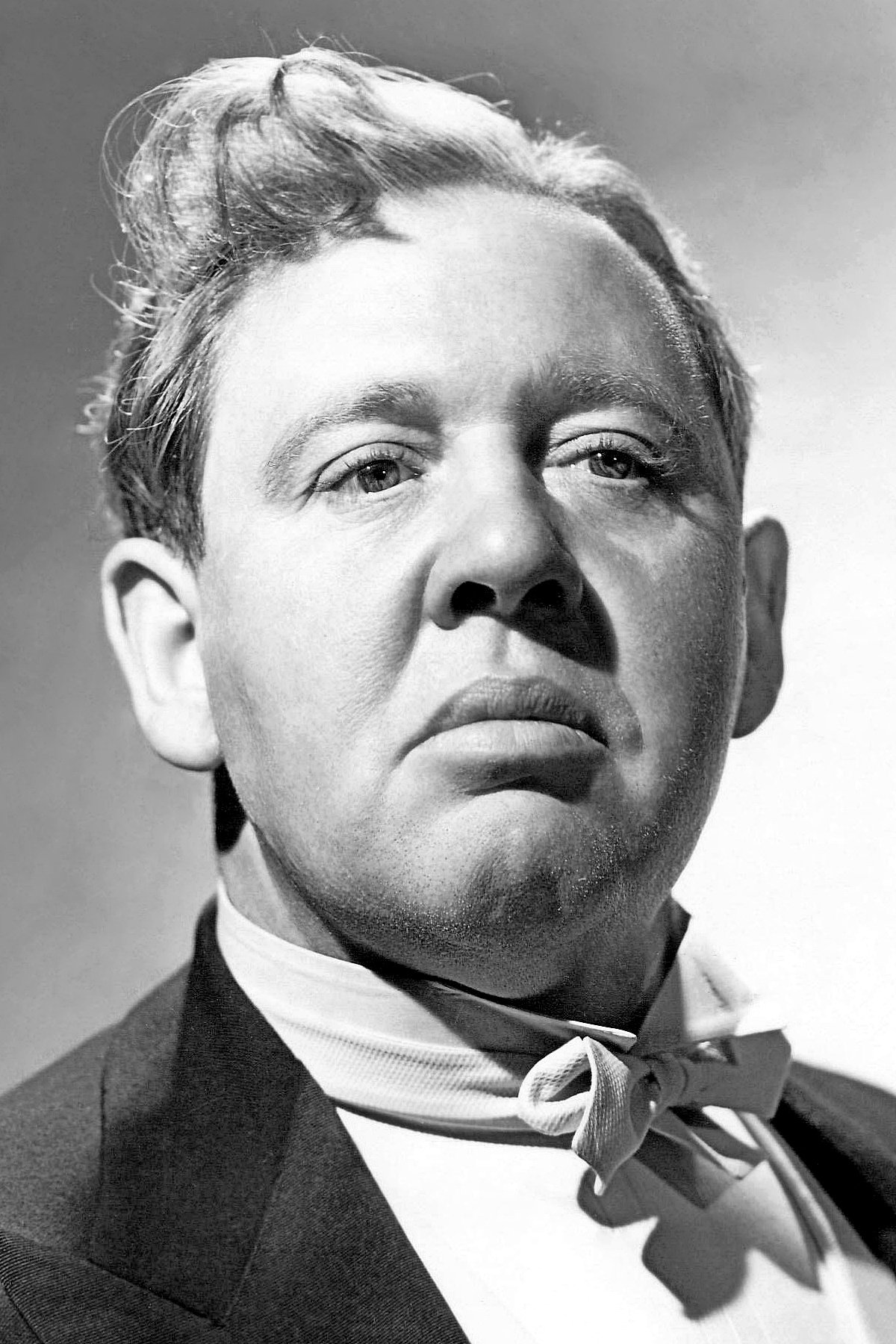
Charles Laughton makes vanity funny by letting us see the busy mind beneath the fuss. His acting can be overbearing, but give him a worthy opponent and the size of the performance becomes part of the pleasure.
Fi1m perspective
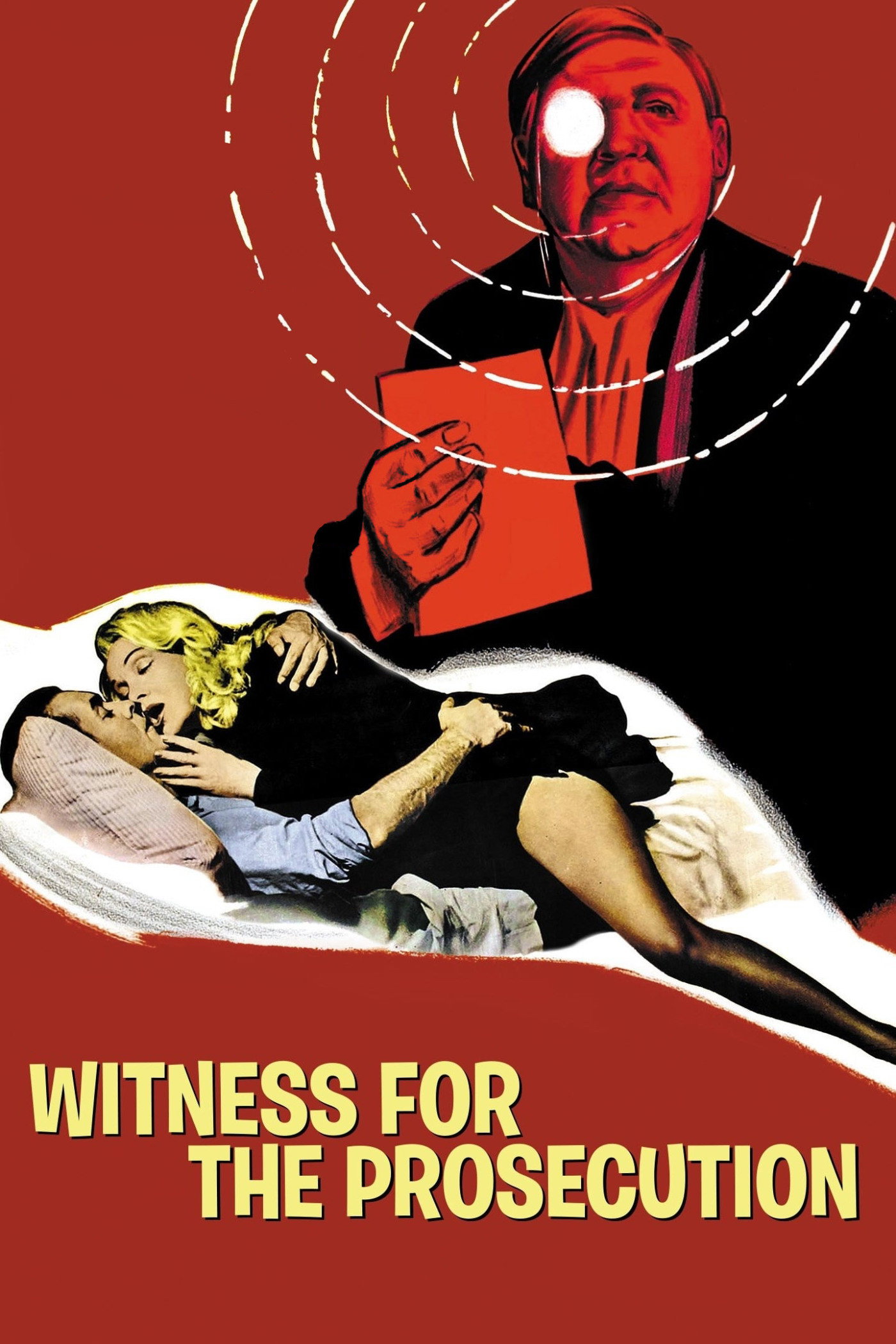
Sir Wilfrid expects people to enjoy his cleverness almost as much as he does. In Witness for the Prosecution (1957), Charles Laughton gives the barrister ample vanity without letting us forget that he can think. We laughed at his bickering with Elsa Lanchester's Miss Plimsoll because she refuses to treat his fussing as an achievement. The performance is broad, and occasionally presses too hard, but Billy Wilder makes good use of an actor who enjoys taking up room. For all the fuss, he is excellent company.
His breakthrough came as the king in The Private Life of Henry VIII (1933); Mutiny on the Bounty (1935) gave him Captain Bligh's authoritarian cruelty. By The Hunchback of Notre Dame (1939), his Quasimodo required a different kind of physical expressiveness. Kings, bullies and outsiders suited an actor willing to make feeling visible in exaggerated movement. That theatrical approach can reveal a character quickly, though it also invites the suspicion that the actor is enjoying himself more than the scene requires.
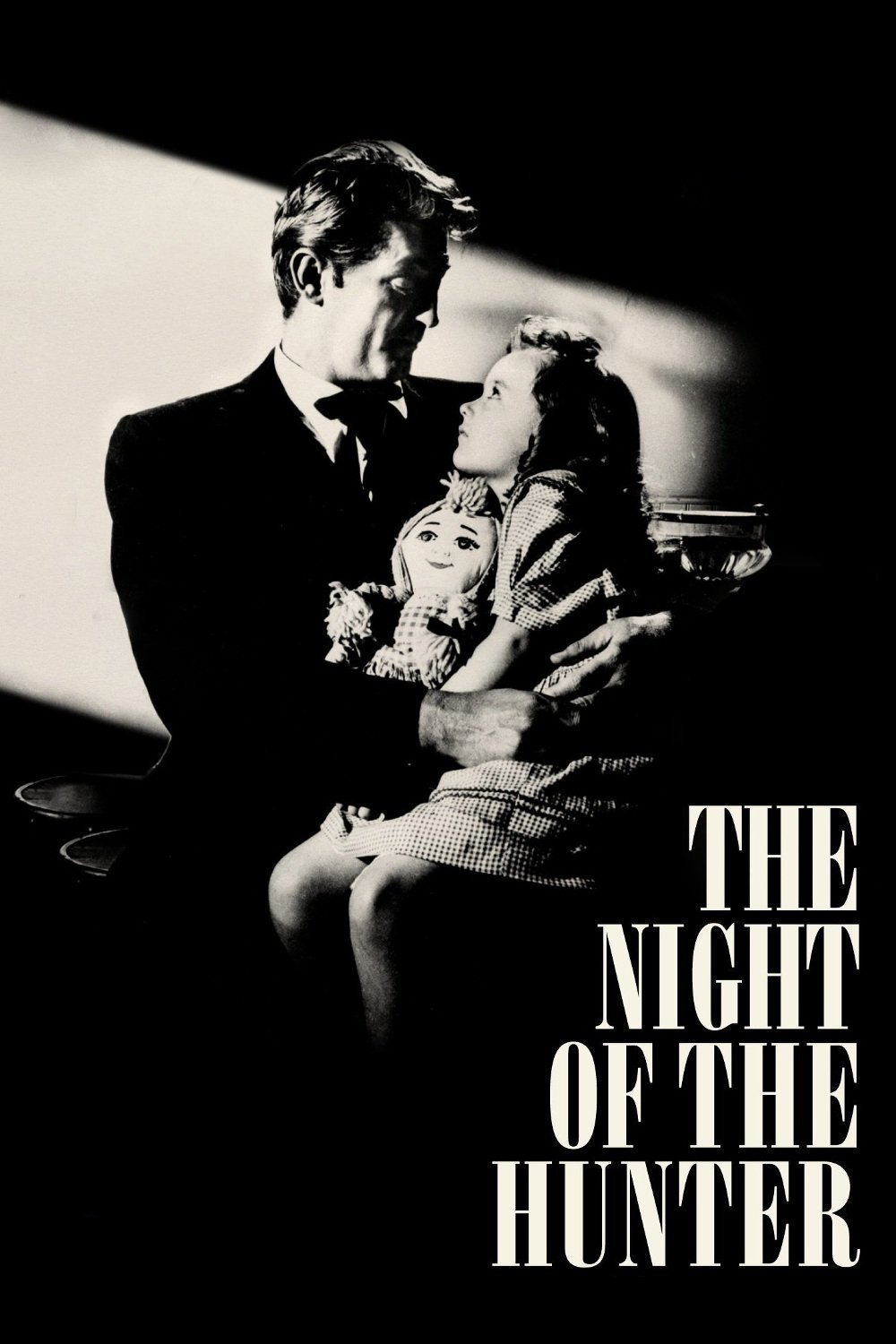
His only feature as director, The Night of the Hunter (1955), used expressionist images, silent-film techniques and a child's-eye perspective to create a fable. The turn behind the camera did not mean a retreat into understatement. It makes sense alongside his acting, which also relies on exaggeration to make feelings clear.
Back in Witness for the Prosecution, Wilder and fellow screenwriter Harry Kurnitz give his cleverness something to do: the arguing remains part of a case, not simply an excuse for comic display. Daniel Mandell's editing lets the exchanges land without allowing Sir Wilfrid's comedy to hold up the legal proceedings. Lanchester is equally important, giving her replies enough force to make him work for his laughs. The plotting occasionally asks too much of the characters, but the pleasure of listening to these people survives it. Start there, and notice how much of Laughton's success depends on someone being allowed to disagree with him.
Biography
Charles Laughton (1899–1962) was an English actor, director and screenwriter. He trained at the Royal Academy of Dramatic Art in London and made his professional stage debut in 1926. In 1927 he appeared in a play with Elsa Lanchester, whom he later married; the couple worked together until his death.
Laughton appeared in numerous British and Hollywood films, including Mutiny on the Bounty (1935) and The Hunchback of Notre Dame (1939). He directed and co-wrote the screenplay for The Night of the Hunter (1955) and played Sir Wilfrid in Witness for the Prosecution (1957). He also directed stage productions such as The Caine Mutiny Court-Martial.