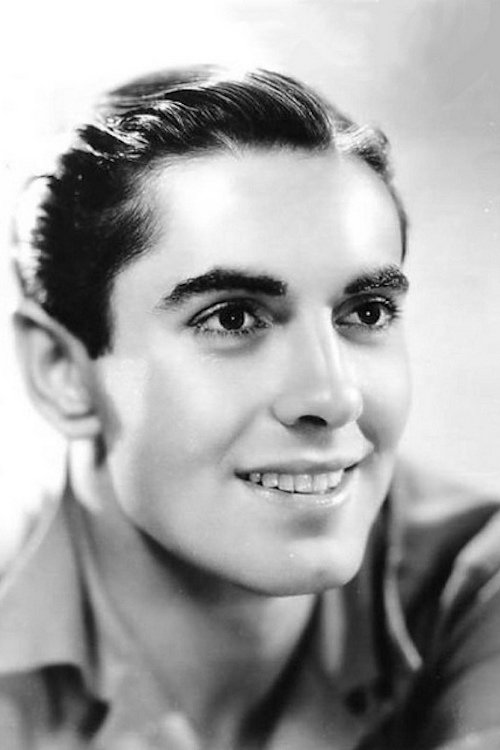
Tyrone Power makes charm look easy, and his later roles put that ease to better use. We find him most interesting when he gives us a reason to question the attractive man in front of us.
Fi1m perspective
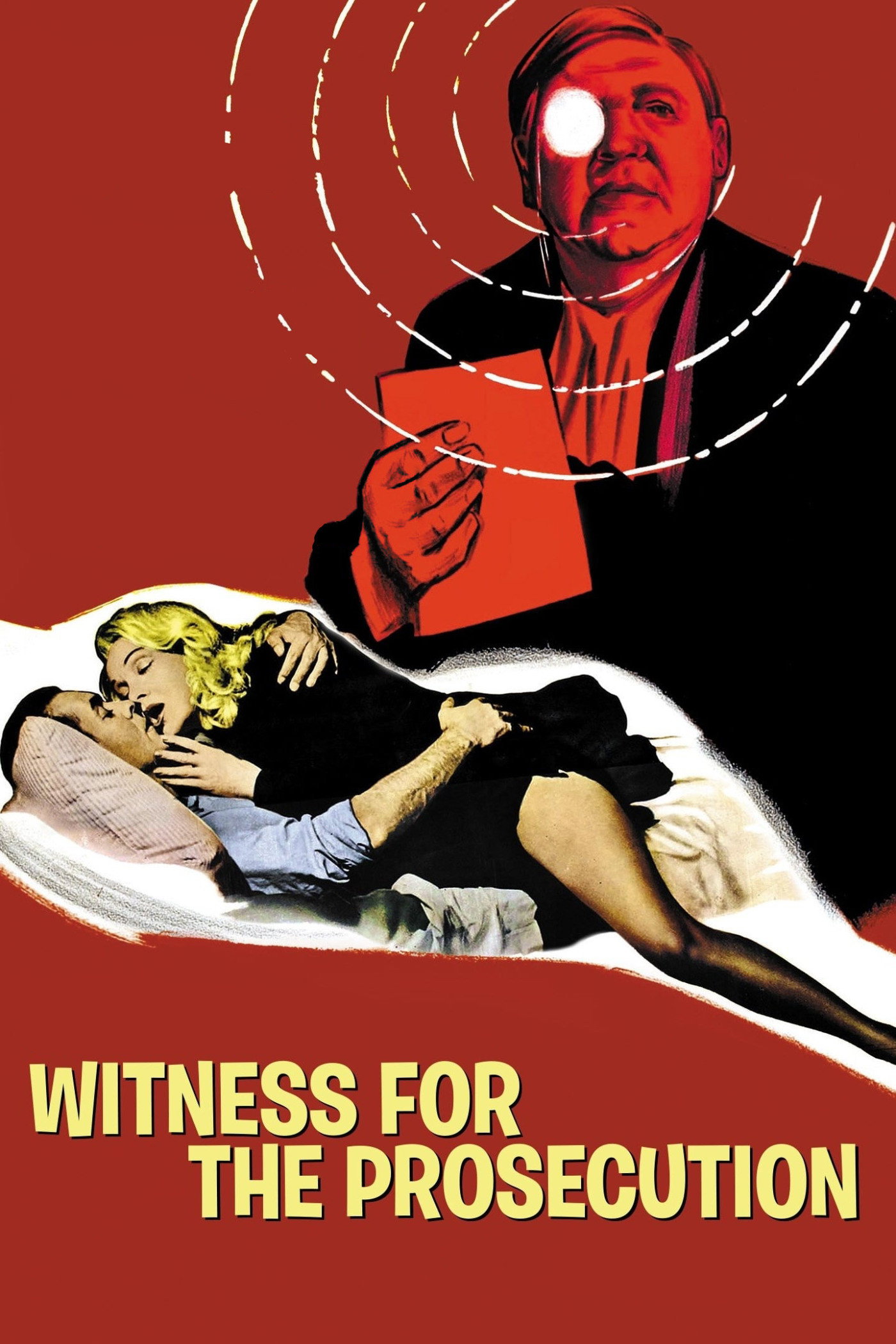
In Witness for the Prosecution (1957), Tyrone Power lets us examine Leonard Vole without insisting on how we should judge him. Vole's involvement in a murder case makes each word worth attending to, and Power keeps him interesting without challenging Charles Laughton for the largest performance. We were absorbed by that restraint, because it kept our attention on what Vole was saying. Billy Wilder gives him time to complicate a first impression. This is where we find Power most persuasive: being watched carefully, with charm no longer enough to settle the matter.
The earlier films gave that charm more straightforward employment. Lloyd's of London (1936) made him a star, and the romances and adventures that followed established a leading man whose warmth was as useful as his appearance. In The Mark of Zorro (1940), that ease extends to the swordplay, where physical grace is part of the pleasure. Fox's emphasis on his looks, however, could leave little room for dramatic depth. Some critics found him insufficiently involved in The Rains Came (1939), a useful warning against mistaking an easy screen presence for a fully developed performance.
After the war, he sought more substantial parts, with The Razor's Edge (1946) followed by the darker Nightmare Alley (1947). The latter gave him Stan Carlisle, an unsympathetic character well removed from the reassuring adventure lead. We would not dismiss the earlier work simply because these parts asked more of him, but they did give him more to do than be agreeable company. His appeal could now help a film make us uncertain about a character.
Wilder makes particularly good use of that in Witness for the Prosecution. Laughton's barrister has the more immediately rewarding part, while Marlene Dietrich's Christine is more absorbing even when her dialogue appears straightforward. Power does not have to be the most memorable person in the scene to help it work, and his restraint keeps us considering Vole's words. The plotting sometimes asks too much of these people, but the actors earn the attention it needs. Start here for Power, provided you are happy to watch him share the evening.
Biography
Tyrone Power was an American actor. Born Tyrone Edmund Power III on 5 May 1914 in Cincinnati, Ohio, he died on 15 November 1958 in Madrid, Spain. He came from a theatrical family: his great-grandfather Tyrone Power (1795–1841) was an Irish comedian and actor; his father, Tyrone Power Sr., was a stage and film actor; and his mother, Patia (Helen Emma Reaume), was a Shakespearean actress and drama coach.
Power began his career on stage before signing with 20th Century Fox in 1936. He appeared in numerous films, often in swashbuckling and adventure roles, including Jesse James (1939), The Mark of Zorro (1940), Blood and Sand (1941), The Black Swan (1942), The Razor's Edge (1946) and Nightmare Alley (1947). He served as a transport pilot in the US Marine Corps during the Second World War and continued stage work between films.
Later credits include The Long Gray Line (1955) and his performance as Leonard Vole in Witness for the Prosecution (1957). He died of a heart attack while filming Solomon and Sheba (1959).