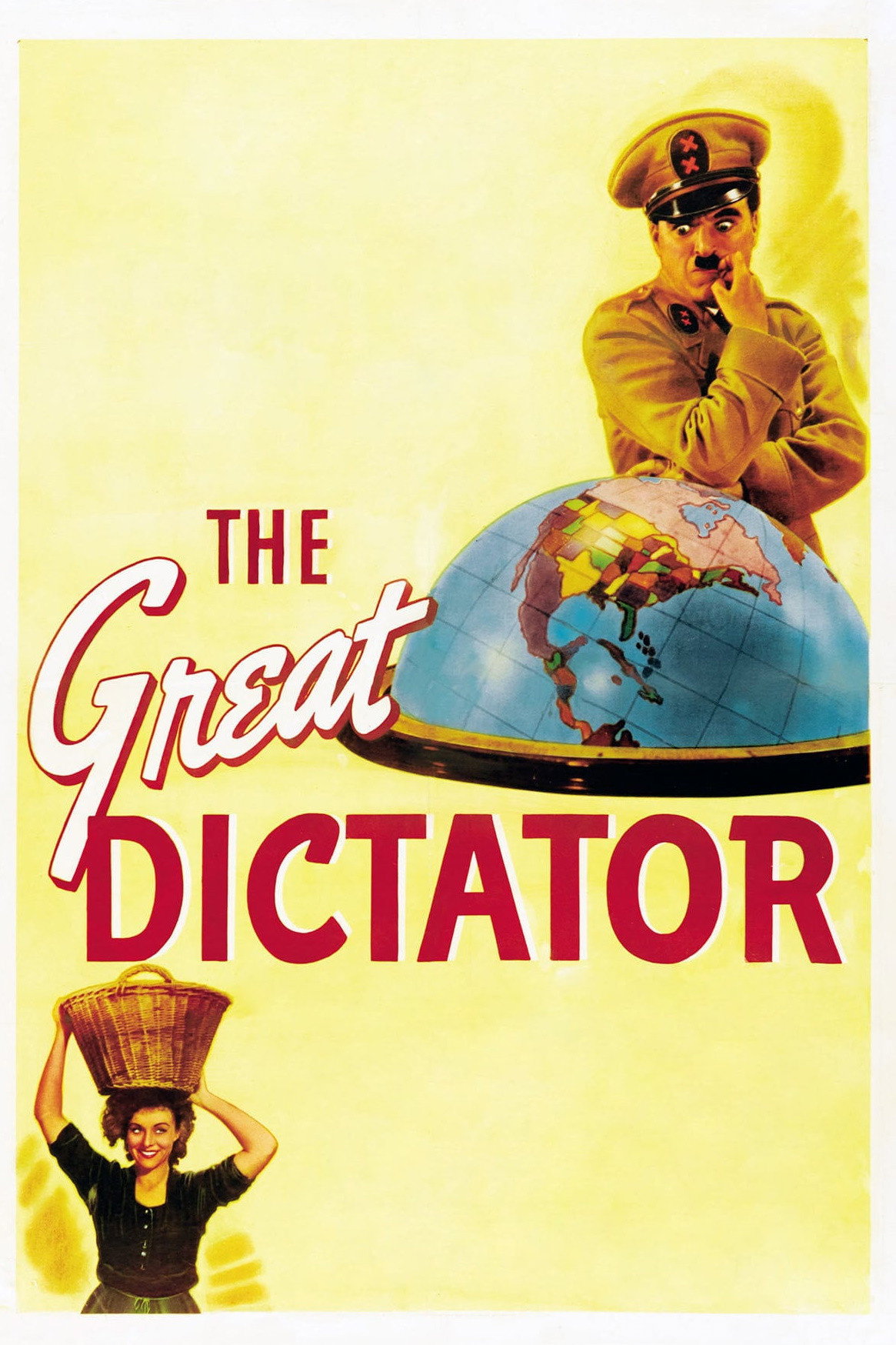
The critic finds the film’s comic inventiveness dazzling, especially moments like the gibberish speech and globe dance, while noting that the hero’s amnesia allows viewers to see fascism’s incremental rise. Some parody feels ham-fisted and the earnest ending speech inadequate given later historical knowledge.
The critic calls the film a scathing satiric masterpiece that deftly balances humor and horror, using theatrical staging and self-reflexive commentary on image and fascism to critique totalitarianism while urging action against it. The WWI prologue and globe sequence are singled out for their cinematic and symbolic power.
The critic highlights the film's daring satire on fascism and Chaplin's skillful dual role as the Jewish barber and dictator Hynkel. It praises inventive comic sequences such as the globe-balancing routine and the barber's shaving scene, while noting the poignant final speech and the film's enduring appeal despite a mixed original critical response.
The representation of Hitler is vaudeville goonery all the way, but minus the acid wit and inventive energy that Groucho Marx managed in Duck Soup. Cue for an impassioned speech about freedom and democracy calculated to jerk tears out of the surliest fascist, in a manner startlingly similar to Hitler's very own delivery.
The many subsidiary episodes tend to obscure the general outline of the film, but in spite of its shortcomings as a work of art The Great Dictator raises the cinema to a new level as a force in World Affairs. While the film runs, the tide of Chaplin's genius carries all before it in alternate waves of humour and pathos.
Chaplin alone could have dreamed of this approach to current events and swung the fantastic conglomeration into something successful. The balloon dance scene is one of the most delightful bits he has ever given, saving the picture with its child-like fantasy, though the final speech creates a wrench from detachment to direct exhortation.
The film is a superb accomplishment and perhaps the most significant ever produced, a lacerating fable of life under totalitarianism and a withering revelation of a dictator's weaknesses through inspired mimicry. It showcases Chaplin's courage, faith, and love for mankind despite some shortcomings.
Chaplin expresses utter contempt for dictators like Hitler and Mussolini through comedy, with a strong preachment especially in the six-minute final speech. The dual role and pantomime shine, though the shift to a serious ending is peculiar and somewhat disappointing.
The critic praises Chaplin's bold first talkie as a sharp sendup of Nazism and Hitler, highlighting the dual role of the Jewish barber and dictator along with the film's mix of physical comedy and pointed satire. They single out the final direct-to-camera speech calling for universal brotherhood and resistance to tyranny as especially powerful and still relevant.
Ordered by the weight we give each publication, then by score. Scores are normalised to 100; * means inferred from an unrated review. Summaries are ours, not quotations; follow the links for the reviews themselves. How we rate