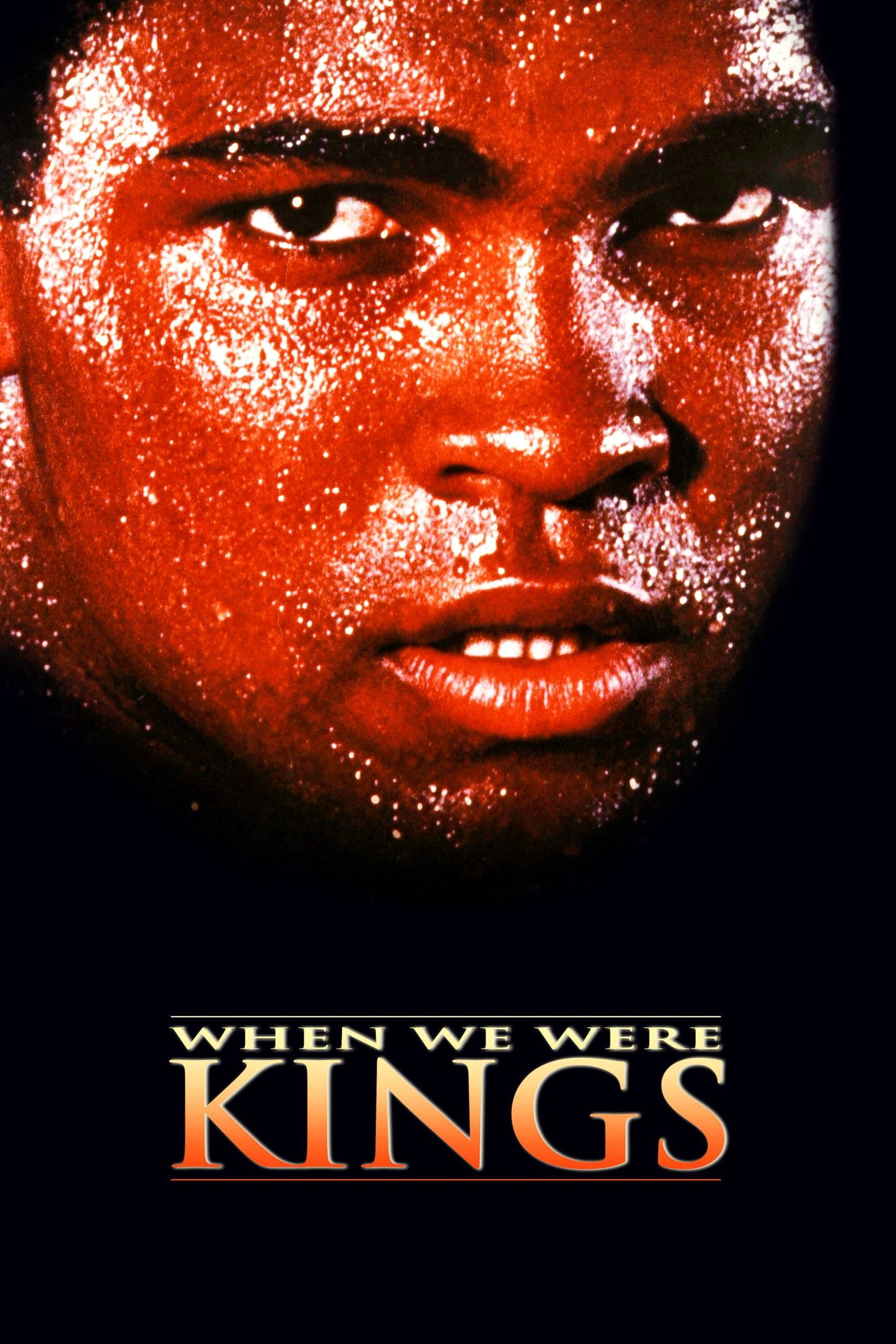
Leon Gast’s footage of Muhammad Ali in Kinshasa in 1974 sat unfinished for more than twenty years, and it is the best record of the man there is: funny, frightened and never quiet. The interviews added later only get in its way.
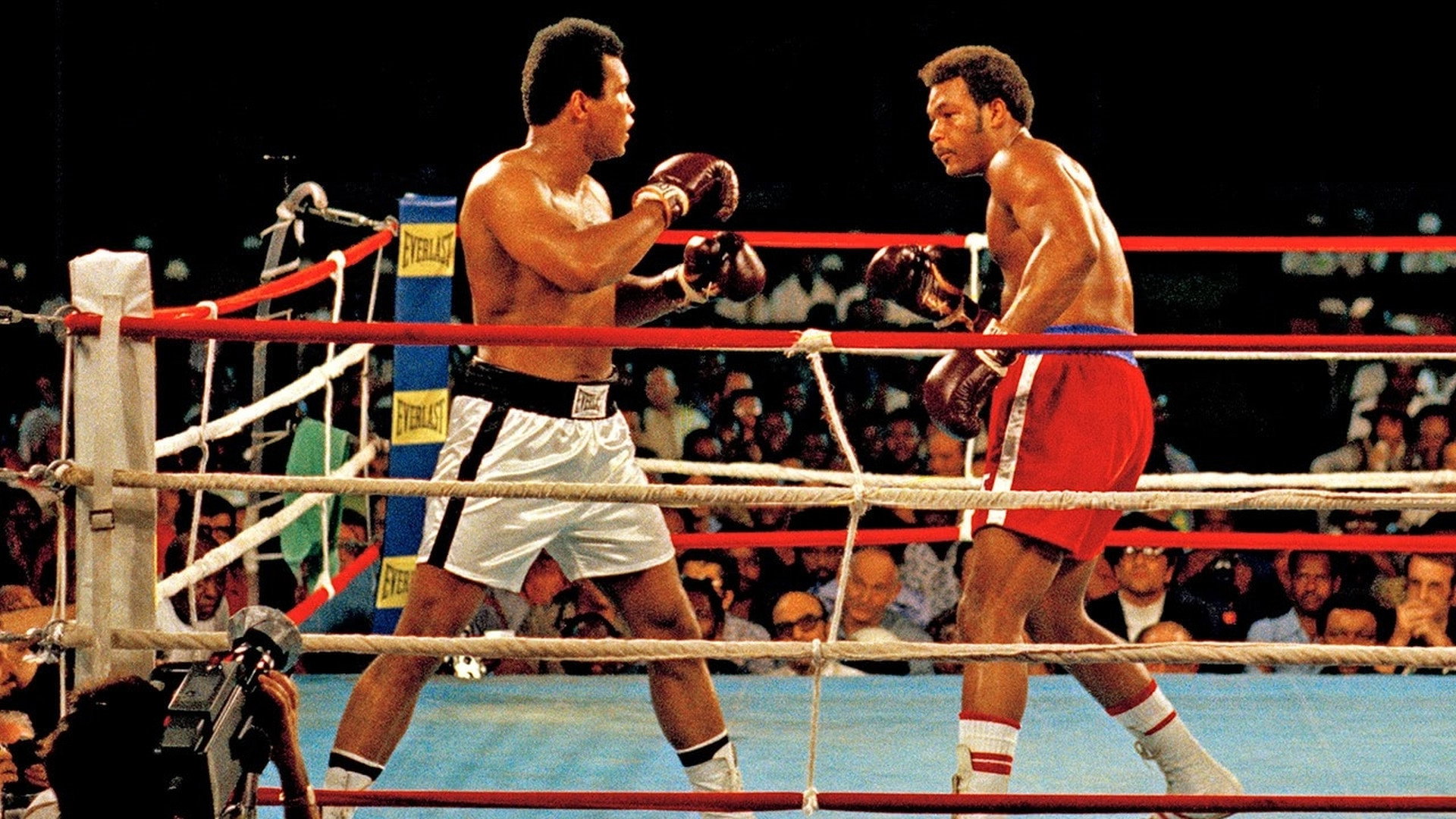
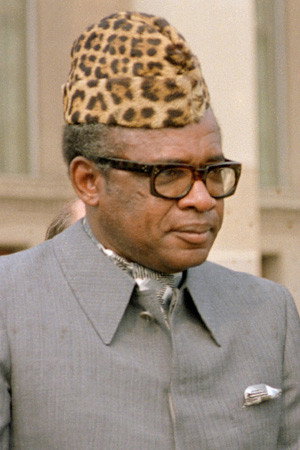
In the autumn of 1974 Leon Gast went to Kinshasa to film a music festival, a boxing match and whatever happened around them. He came home with the footage and could not finish the film, and When We Were Kings did not appear until 1996, twenty-two years after the event. The match was the Rumble in the Jungle. Muhammad Ali, 32 and written off, was fighting George Foreman, the heavyweight champion, who was younger, unbeaten and in the habit of ending fights early. Don King had put the fight together; Mobutu Sese Seko, president of Zaire, had paid to bring it to his country.
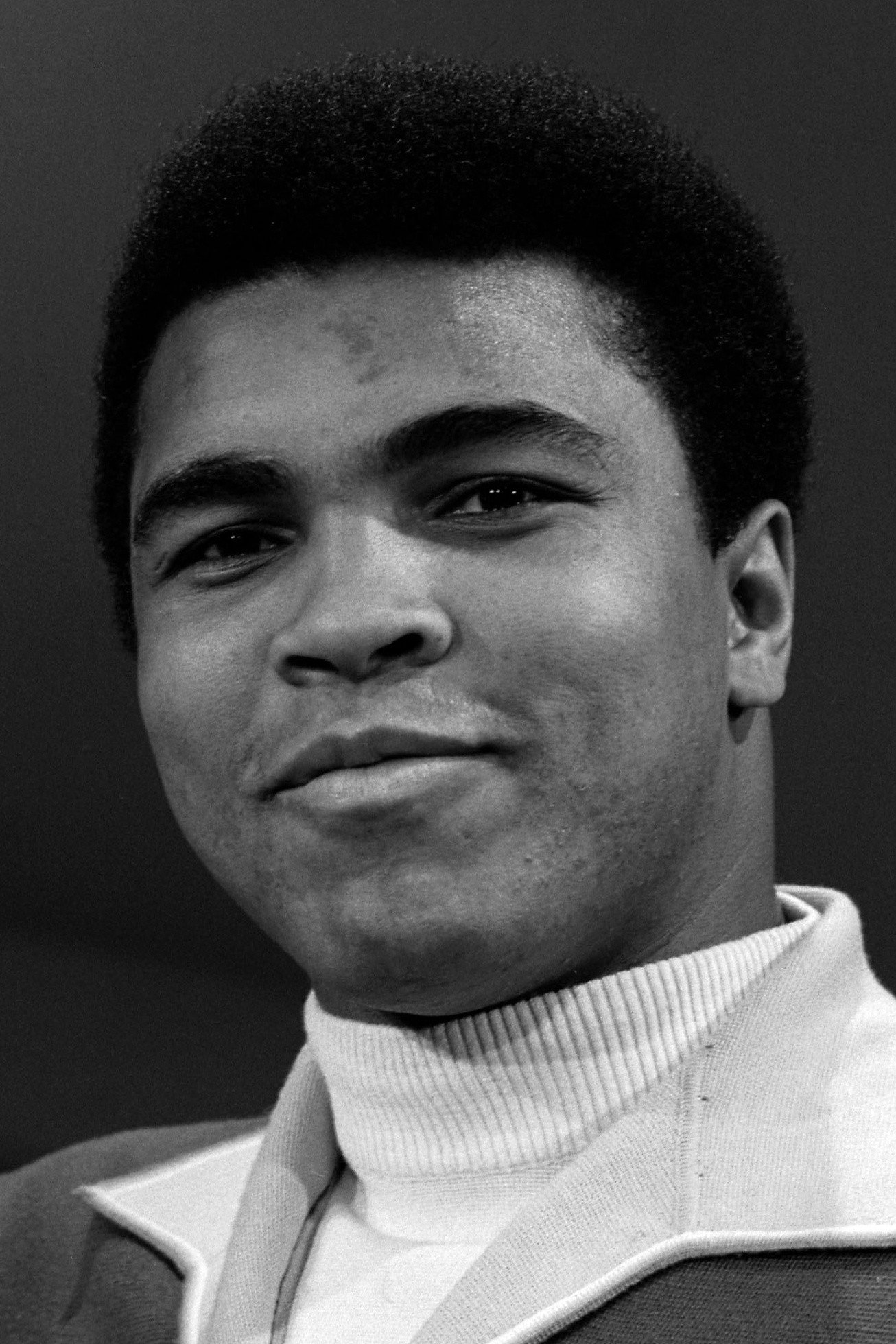
It is the best film about Ali we know of, because for most of its 89 minutes it gets out of his way. Gast has built it out of Ali talking: at press conferences, at his training camp, on the road at dawn, to anyone holding a camera. The talk is the film. Our reservations, which we will come to, are about the people Gast brought in years later to talk about the talk.
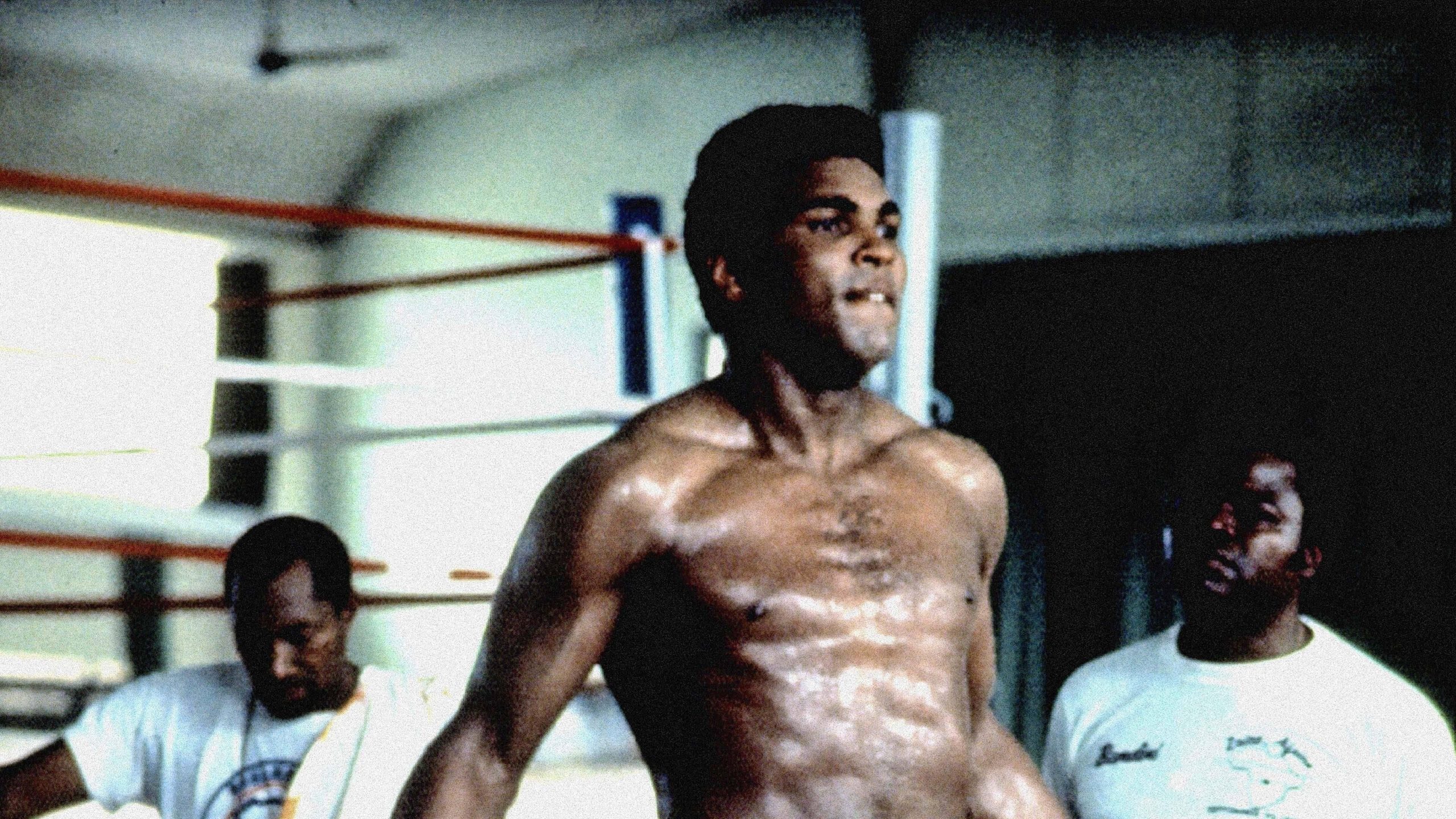
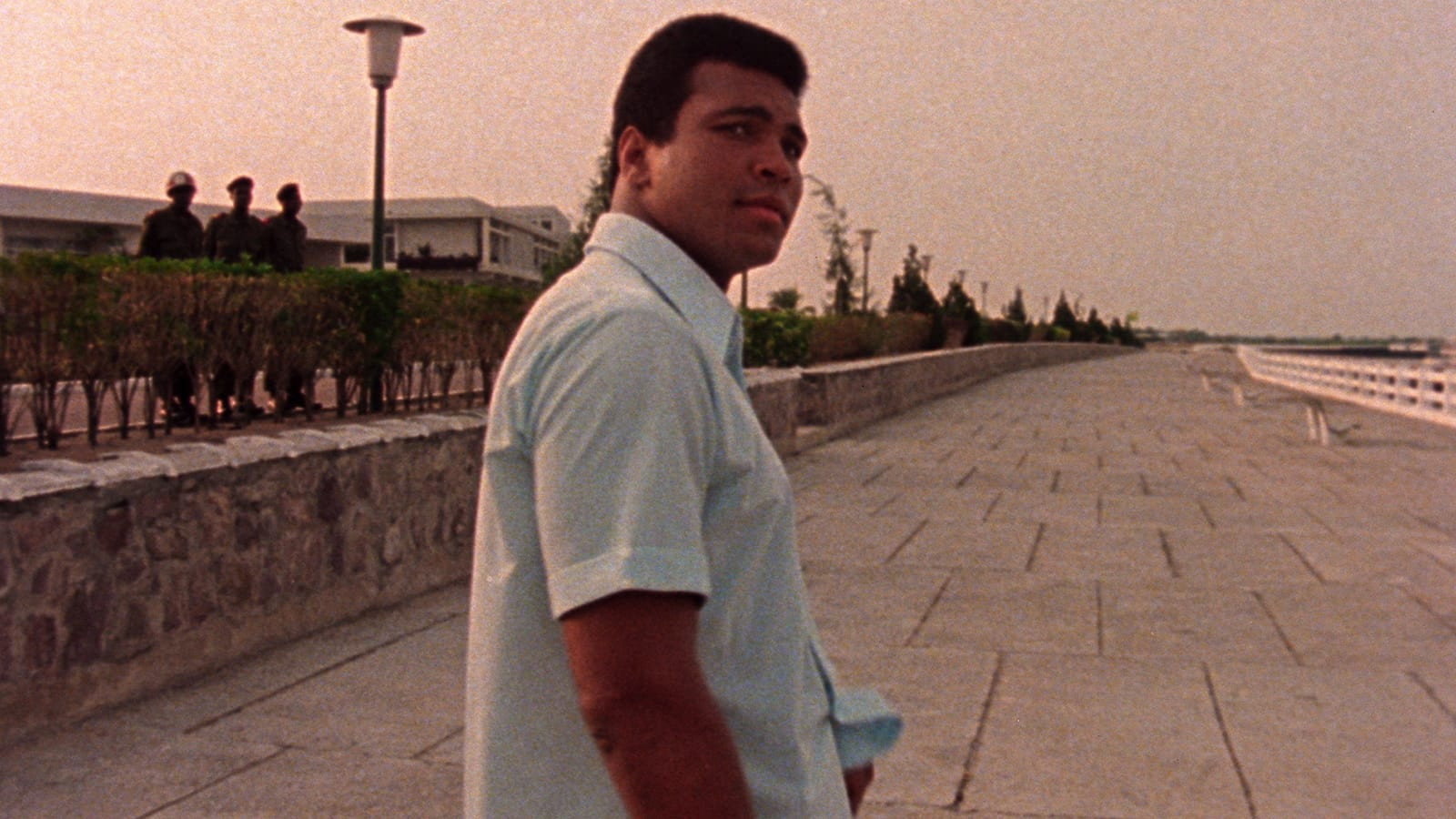
Five cinematographers are credited, Albert Maysles among them, and the footage looks like its period: grain, drifting focus, colours that run warm and slightly orange, a camera that is handheld, close and often being jostled. Nothing is composed and everything is alive. The sequence we will remember is Ali on a morning run with a crowd of Zairean children alongside him chanting “Ali, bomaye”, which the film tells us means “Ali, kill him”. We had seen the stills. Watching it move, with the feet on the road and the chant going in and out of time, we were moved more than we had expected to be, because a man about to be hurt by a bigger man is being carried along by people who have decided he is theirs.
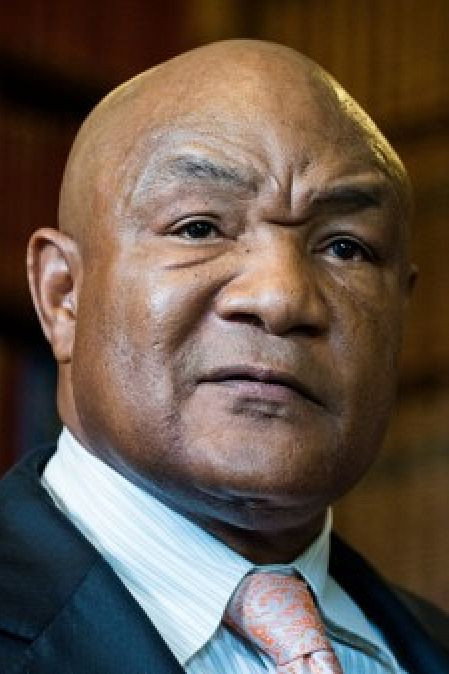
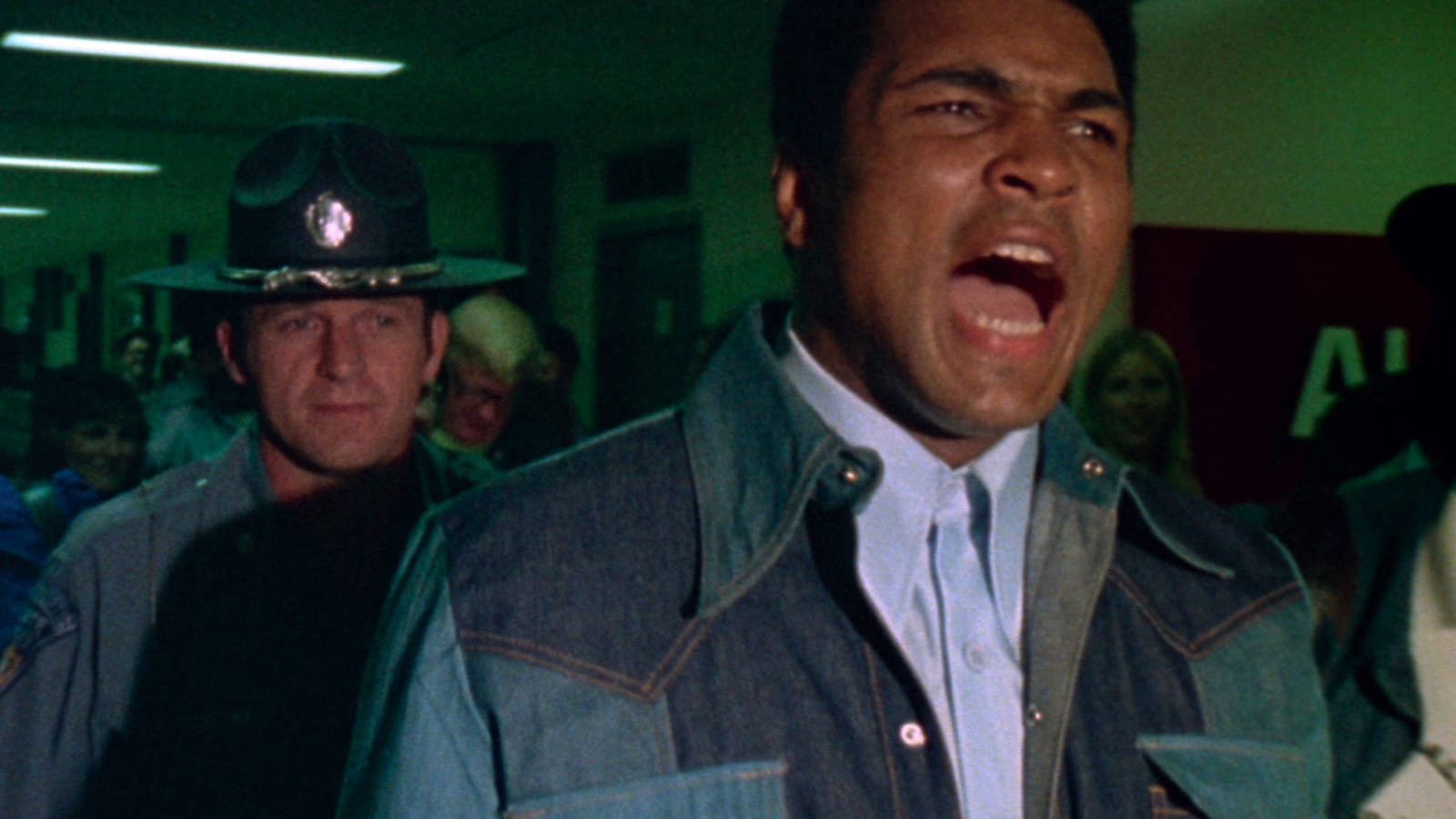
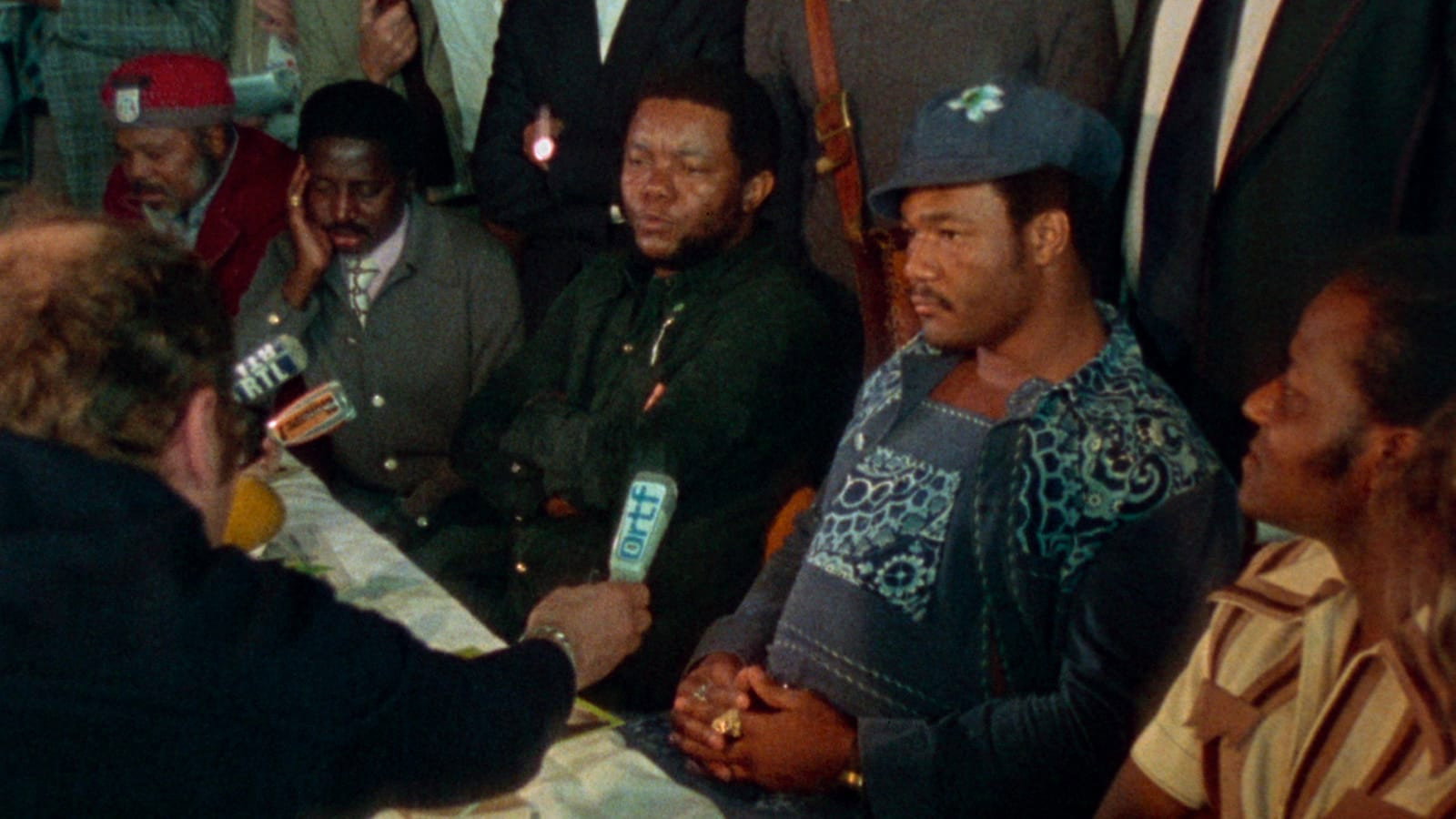
Ali fills the frame. He recites verse at reporters, he calls Foreman a mummy, he promises Zaire a miracle, and he never appears to be thinking about the fight at all. Foreman, by contrast, is barely there. He arrives with a dog, he hits the heavy bag until it folds, he says almost nothing, and the film treats his silence as menace rather than as a person. When the cut over his eye puts the fight back by more than a month, we get the delay from Ali’s side. We would have liked more of the other man.
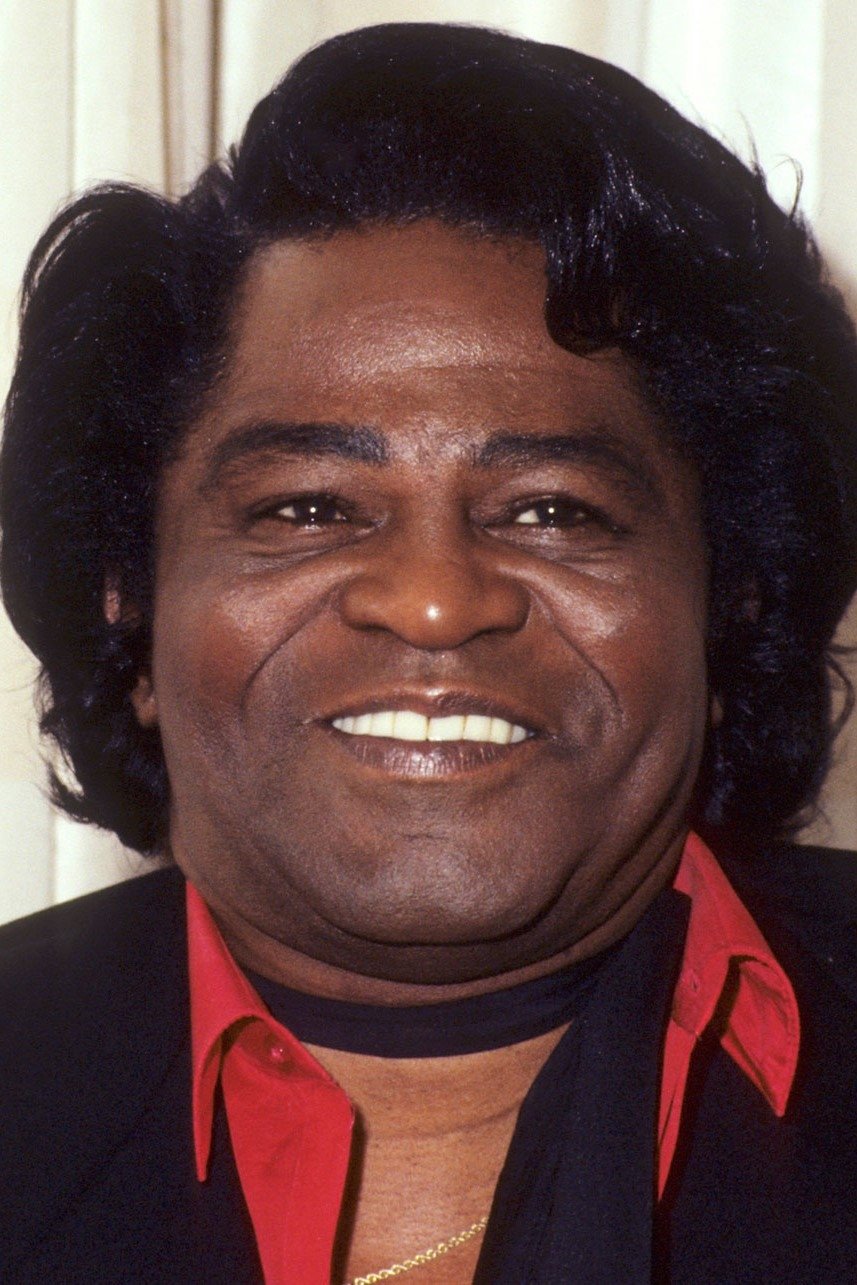
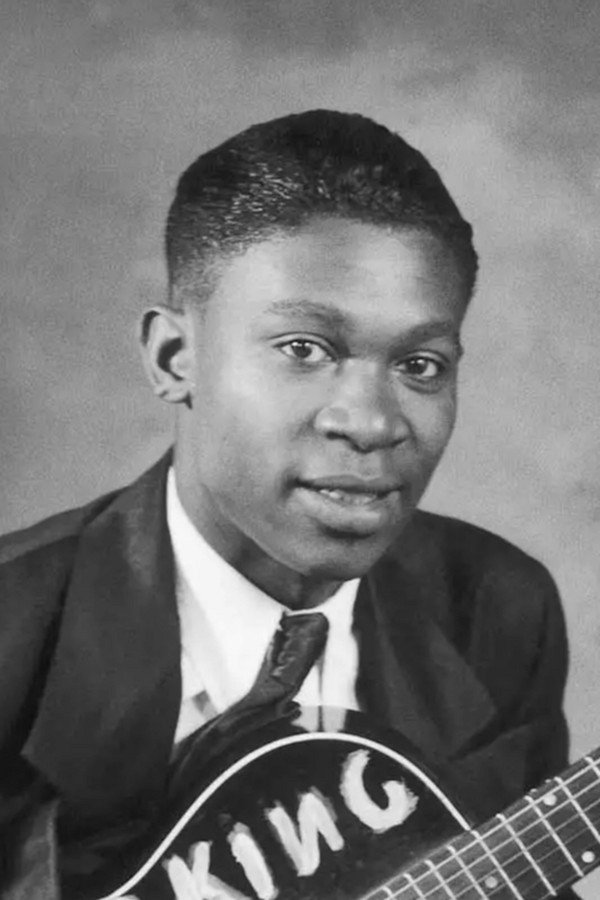
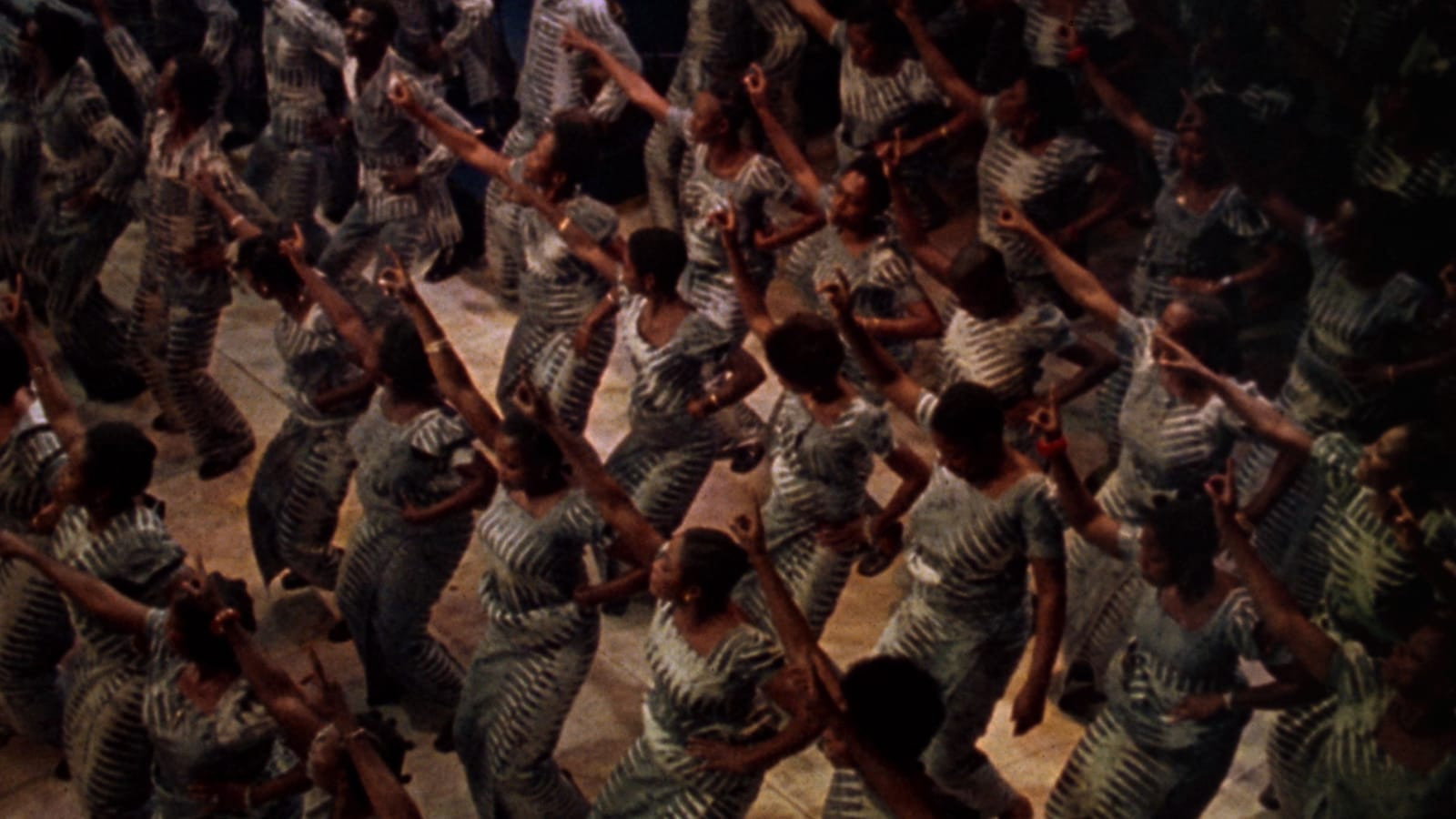
The delay is what makes this more than a boxing picture. The festival went ahead anyway, and Gast had James Brown, B.B. King and Miriam Makeba on the stadium stage with nowhere else to be. The editors, Keith Robinson, Taylor Hackford, Jeffrey Kusama-Hinte and Gast himself, cut the songs against the training so that the whole film moves at the speed of a set list. Brown, drenched and shouting, is worth the evening on his own. B.B. King sits down to play and the crowd goes quiet for him.
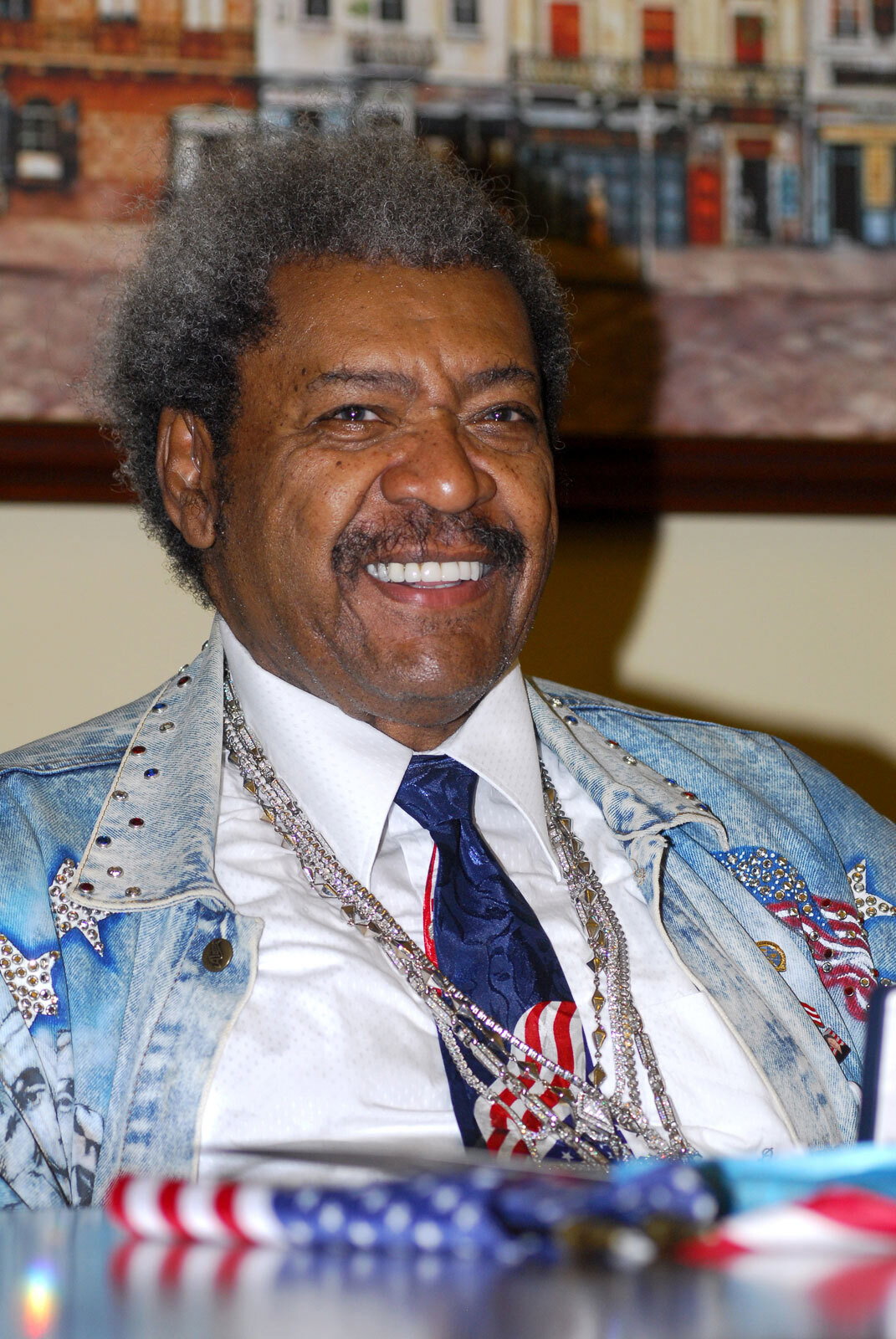
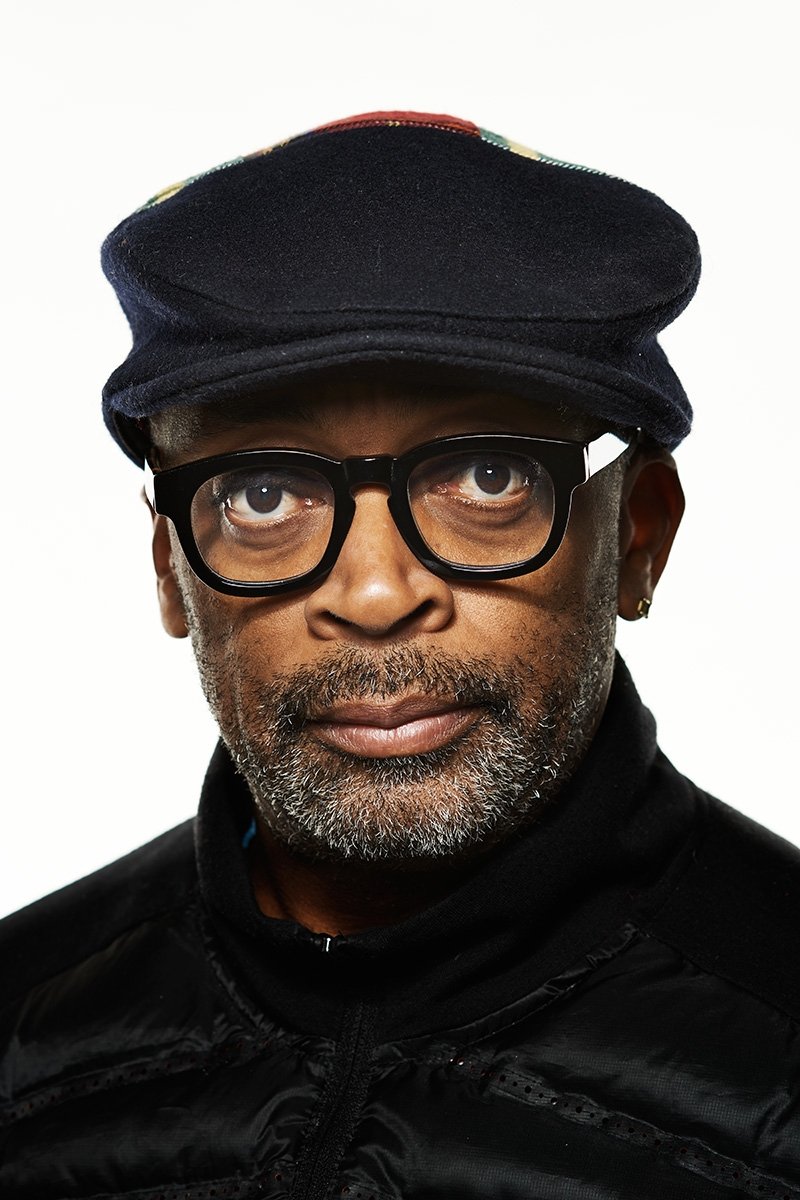
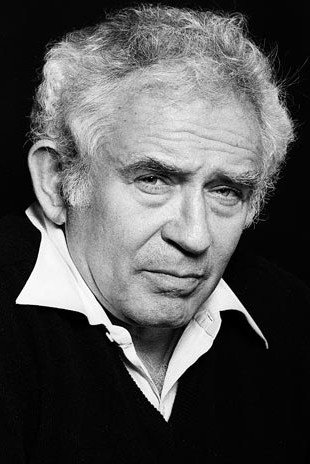
Then there are the interviews. Norman Mailer and George Plimpton, both of whom were in Kinshasa for the fight, were filmed two decades on, older and comfortable, and they narrate what we are already watching. Mailer is a good talker and has one or two things to say about fear that no boxer would say aloud; Plimpton is amiable and adds little. Spike Lee, who was a teenager in 1974, is there to tell us the fight mattered to Black America, which the footage has made plain without him. Each time Gast cuts from Kinshasa to a man in a chair the temperature drops, and we started counting the seconds until he went back. The film has also been criticised for treating Mobutu’s dictatorship and Don King’s part in the business lightly, and that is fair; both are shown, named and then set aside. King comes out of it looking like a rogue with good hair.
The fight itself we will not describe, and most readers will know how it went. What surprised us is how much of the tension survives the knowledge. Gast cuts the rounds against faces at ringside and in the corners as much as against the ring, and the crowd does half the work. Most sports documentaries tell you a man was great. This one lets him prove it in a bathrobe in front of a microphone, and then puts him in the ring. Certificate 12, 89 minutes, and the morning run alone is reason enough.