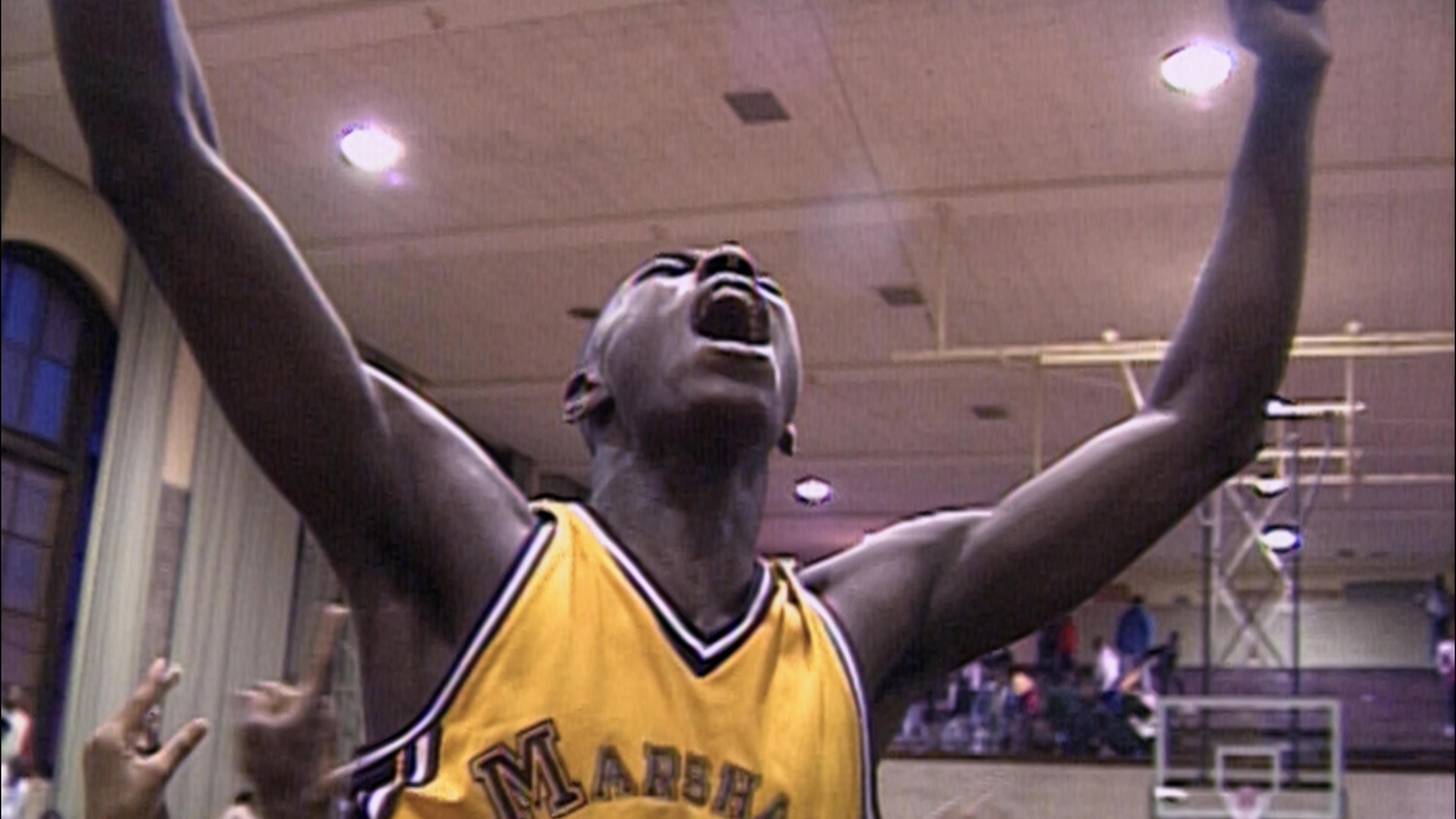
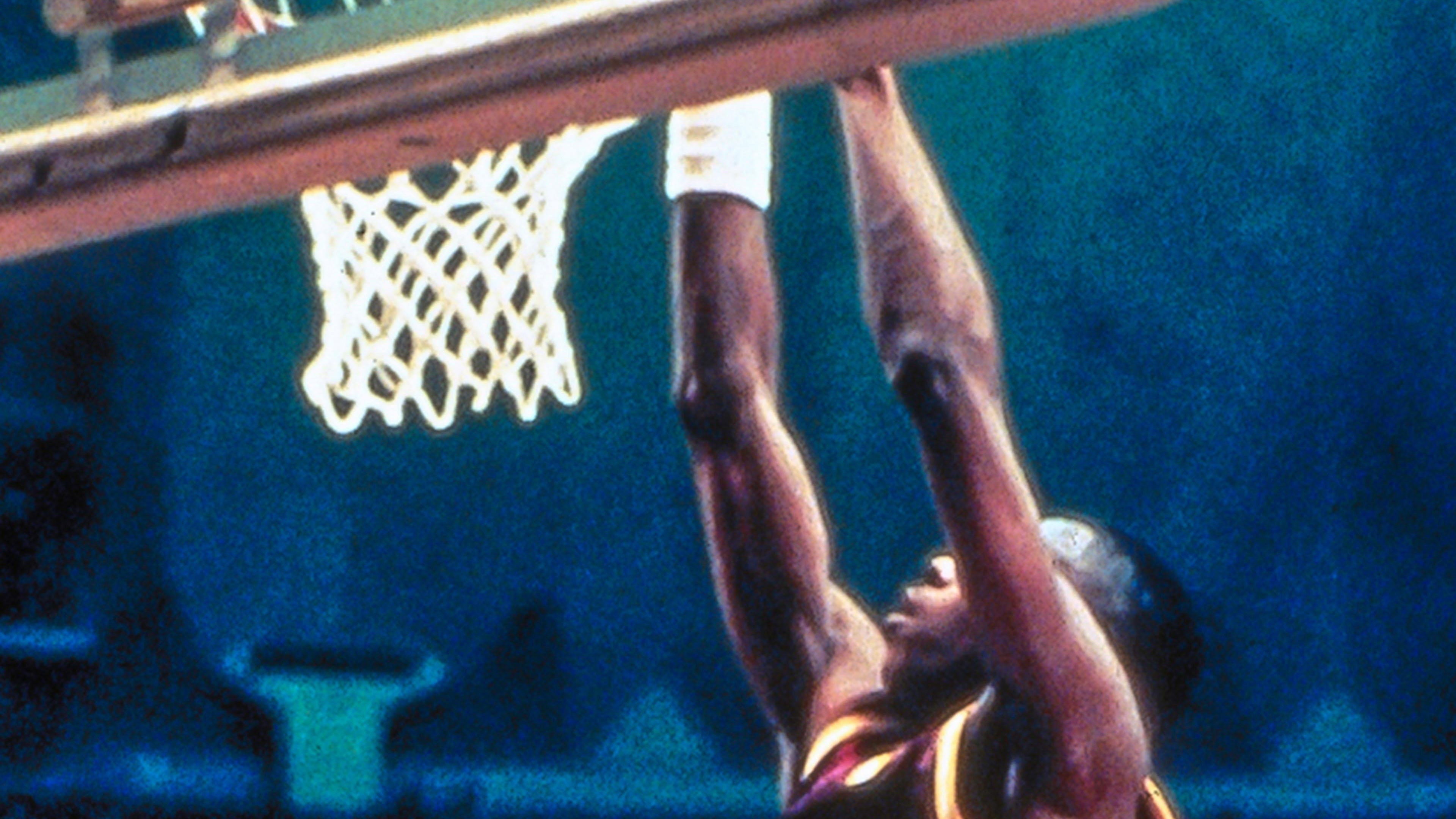
Steve James’s documentary about two young basketball hopefuls is worth all 174 minutes. Its patient attention to school and family makes it an exceptional film, even for those with no interest in the game.
The obvious question in Hoop Dreams is how far William Gates and Arthur Agee can go in basketball. Steve James gives that question enough weight to keep us watching, then gives us plenty of other things to worry about. The two Chicago teenagers have schoolwork, families and financial pressures to contend with, and the film refuses to treat those as interruptions before the next game. This is an unusually affecting documentary because it allows all of those things to matter, without requiring either boy to become an example of anything.
Peter Gilbert’s cinematography is valuable for its closeness to the families, particularly in the ordinary stretches away from the court. These passages give the adults’ concerns time to register, rather than using home life only to explain how badly a boy needs to win. We were unexpectedly moved by the attention paid to the boys’ mothers, whose worries have room alongside their sons’ hopes. The households begin to matter in their own right, and Gilbert’s unshowy work helps that happen.
Editors William Haugse, Frederick Marx and James have a considerable job keeping two developing lives clear without making them run in step. The boys’ fortunes diverge, and the cutting lets the comparison remain useful without insisting that every setback has a matching one elsewhere. At 174 minutes, there is time for school results and family concerns to register before the film asks us to care about another game. We seldom felt the length; the accumulated ordinary business is what gives the basketball its force.
Ben Sidran’s music helps the sporting passages retain their excitement, though it is less memorable than the family conversations. James’s narration is useful without becoming the main attraction; the film is at its strongest when we have enough information to follow the boys and space to make up our minds. Neither voice nor music seems determined to make every difficulty a crisis. The boys have enough pressures without the soundtrack adding to them, and the restraint serves them well.
The reservation is how readily the boys’ prospects can become a running assessment of who will make it. James shows the pressures surrounding them, yet he is less searching about the assumption that success in competition can put everything right. That is a familiar limitation of a sports documentary, and this film does not escape it altogether. The attention to families does much to counter it, because their needs cannot all be met by somebody getting better at basketball.
There is a familiar sports story available here: talent, hardship, the possibility of escape. What makes Hoop Dreams so good is the amount of everyday life James includes alongside it, and how much remains interesting without a match in progress. Recruitment, grades and money give athletic promise practical conditions that a training montage could never adequately explain. Give it a whole evening, rather than fitting it around other things. No prior enthusiasm for basketball is required.