Film review

Senna

2010 · Directed by Asif Kapadia · 1h 46m · MPA PG-13

In a sentenceA racing documentary that makes the sofa feel insufficiently equipped for corners

Documentary

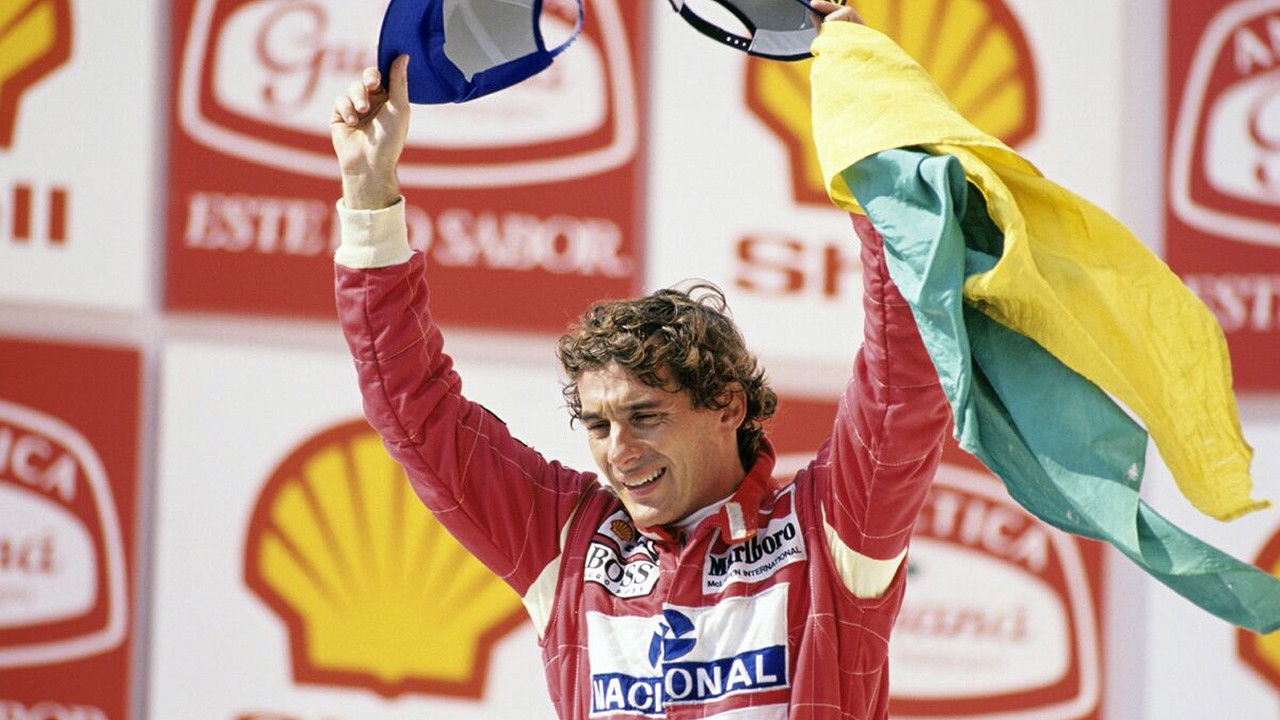
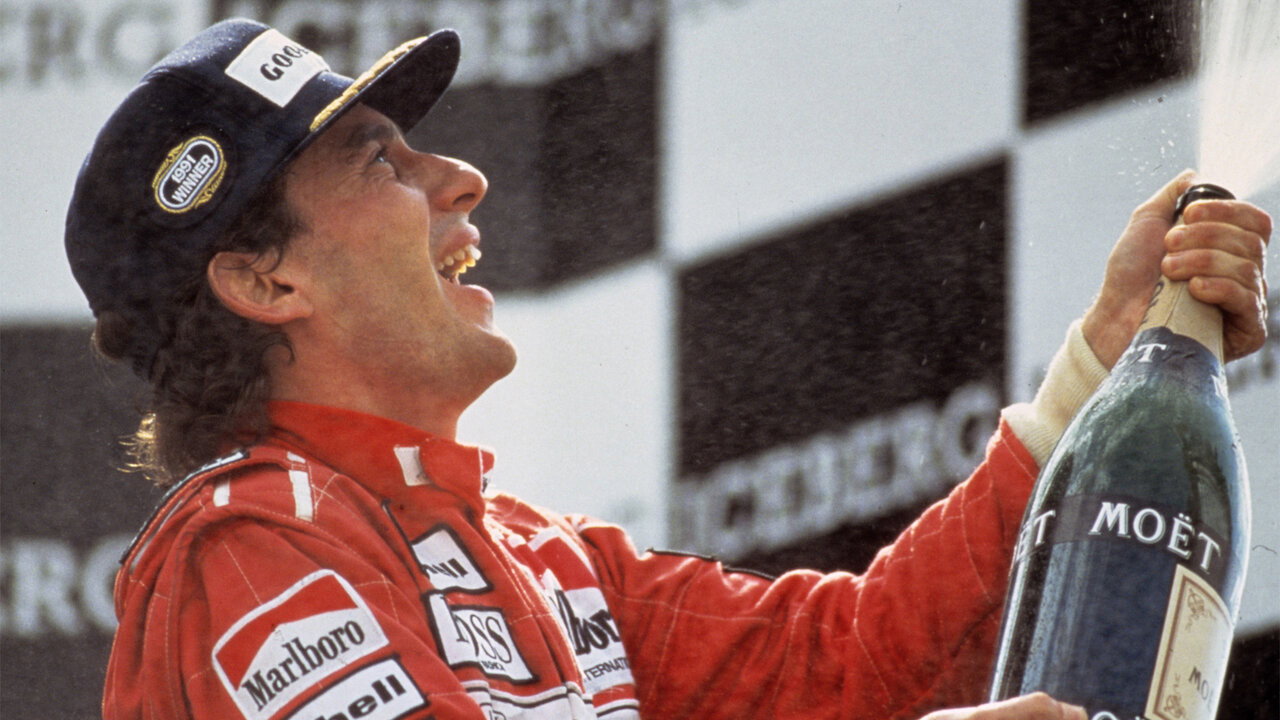
Asif Kapadia’s documentary follows Ayrton Senna through Formula One, using archive footage and recorded interviews to trace his racing career. Senna appears as himself in material that takes the story into the cars and into the disputes surrounding the sport. His rivalry with fellow driver Alain Prost gives the film its central contest, as competition on the track becomes entangled with the politics around it. Racing footage sits alongside the voices of people connected to Senna, building an account of the driver through the races he contests and the pressures he faces.

Fi1m review

Asif Kapadia makes archive footage feel urgent and frightening, even for those unmoved by racing. Senna is a gripping documentary, though its devotion to its subject makes it a less searching biography than it could be.

Asif Kapadia’s Senna builds its drama from the record of a racing career. It is an absorbing documentary, with one reservation worth stating early: its admiration for Ayrton Senna limits how closely it questions him. The racing, the rivalry with Alain Prost and the politics of Formula One give Kapadia plenty to work with. He makes the competitive stakes clear enough that ignorance of the sport is no obstacle to following it.

Writer Manish Pandey and editors Chris King and Gregers Sall arrange the archive footage with a sure sense of when to move on and when to let a moment settle. Audio interviews accompany the images, without cutting away to people sitting down to explain what we have just seen. The technique lets us watch the rivalry develop without continually reminding us that it belongs to the past. At 106 minutes, it has the pace of a well-told story rather than the dutiful coverage of a career checklist. The editors make each contest matter before asking us to follow its outcome.

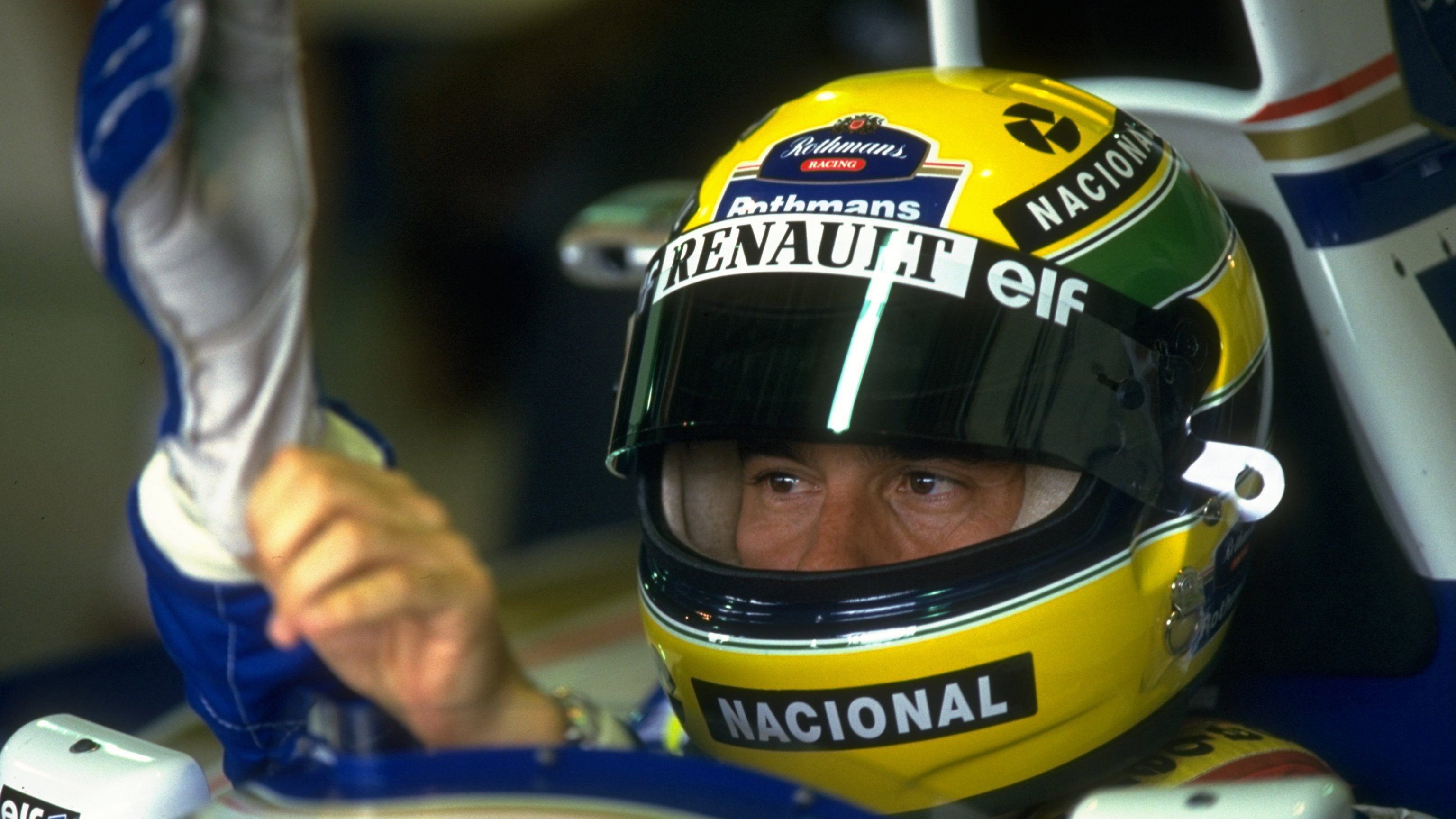
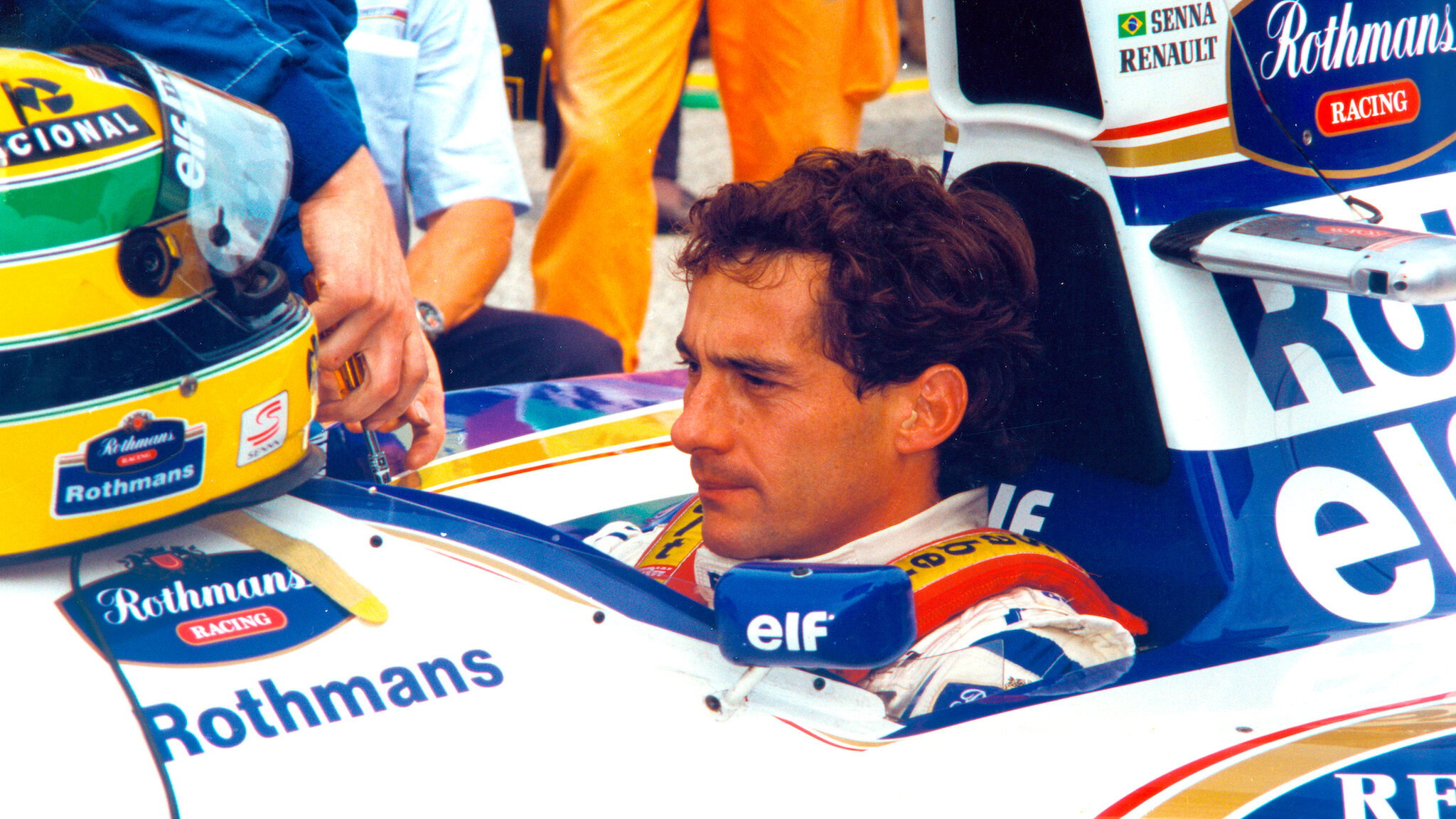
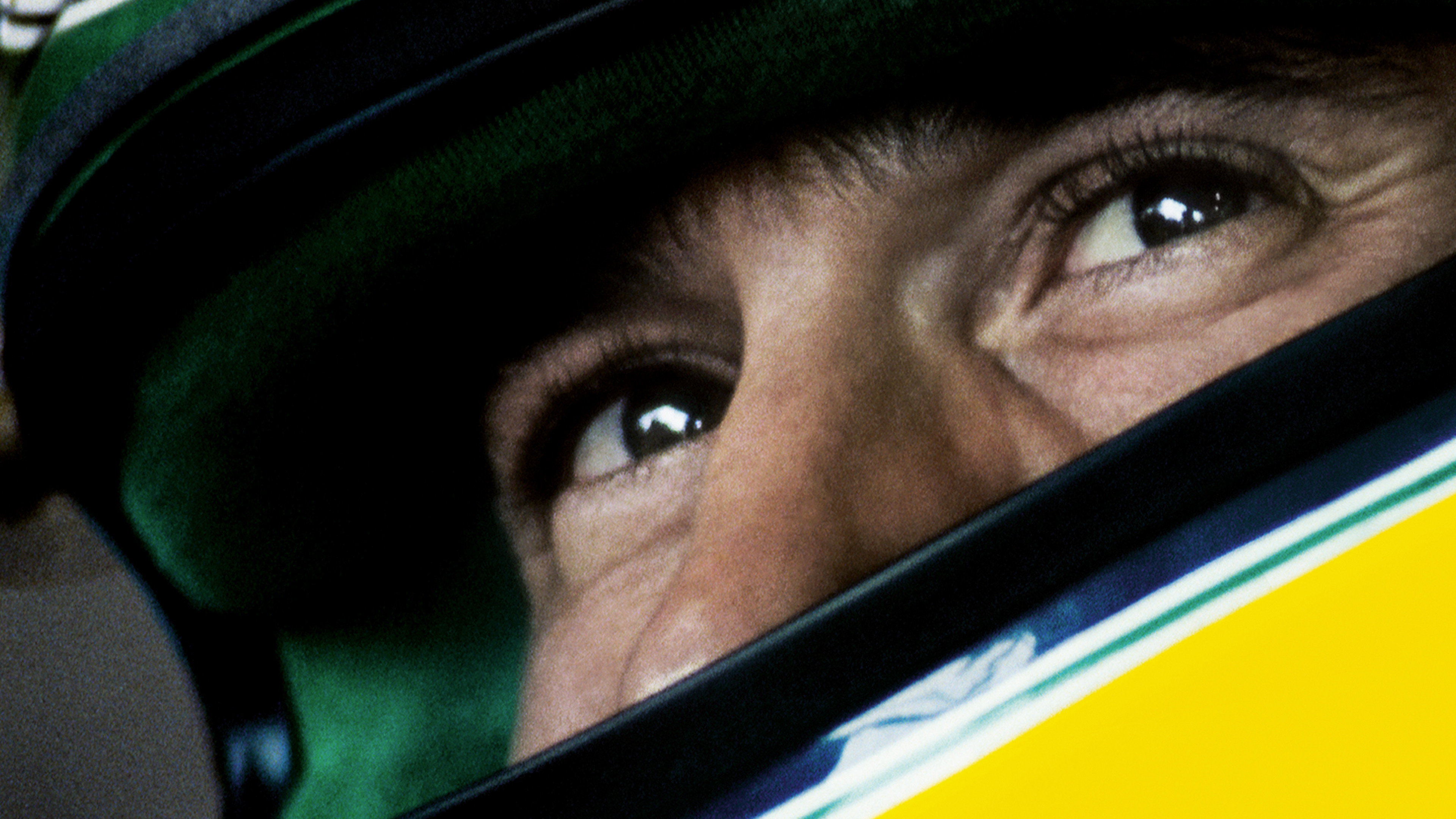
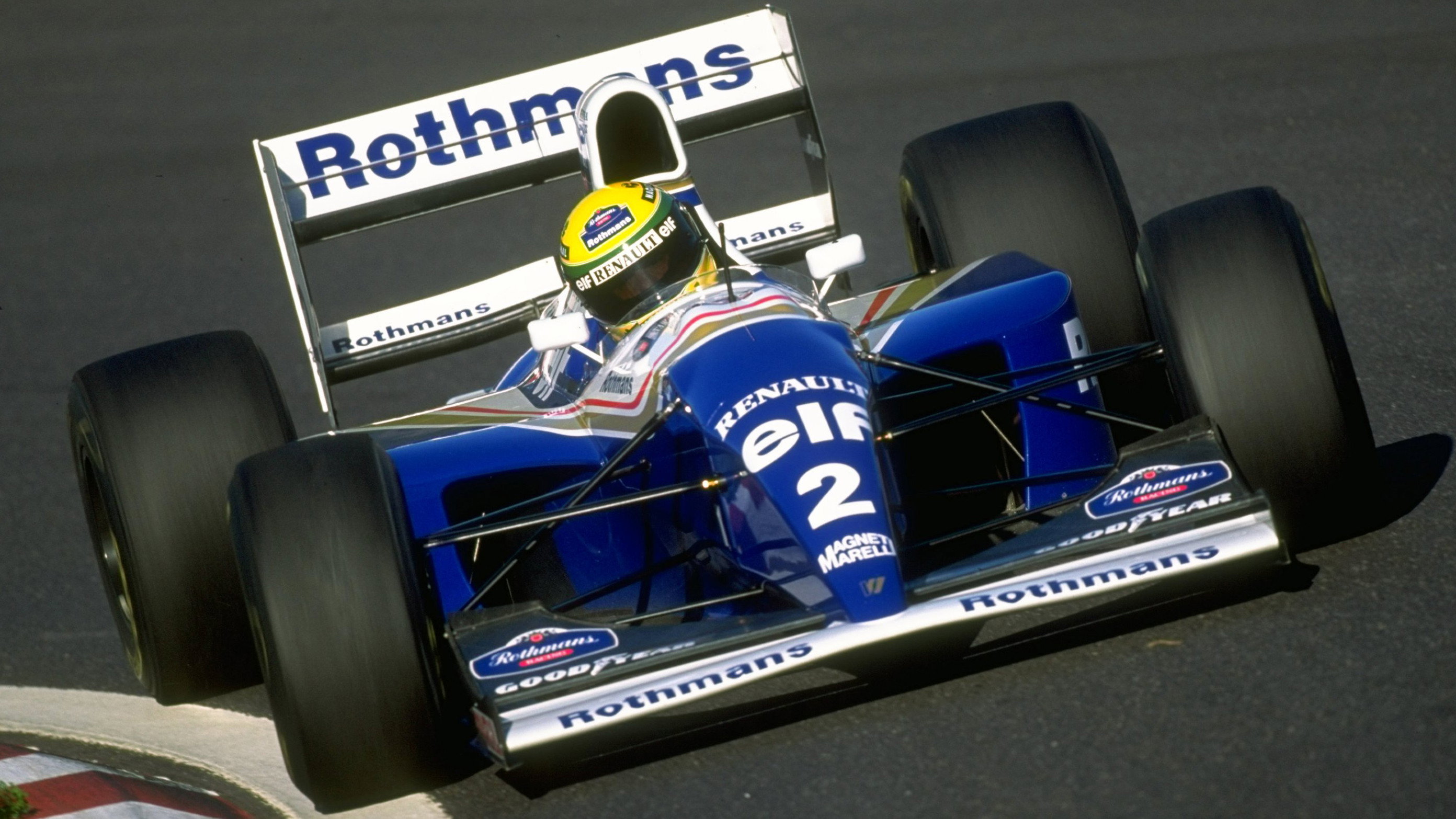
Jake Polonsky has the cinematography credit, though the images that stay with us are the archival views from inside the cars. The road arrives too quickly for comfortable inspection, and the camera denies us the reassuring distance of a spectator. We were frightened by how little time those images seemed to leave for a decision. That sensation makes Senna’s skill legible without requiring an expert to translate it, while keeping the physical danger close. These stretches are the strongest reason to give the film a large screen and our full attention.

Prost is essential to the film’s grip, because his rivalry with Senna makes each man’s determination easier to understand. Their antagonism gives the racing a personal consequence beyond a result, and Kapadia is alert to the friction between driving and managing a sporting career. But the film leaves us with too little room to consider Prost’s side on equal terms. Pandey and Kapadia favour a clear story about a remarkable competitor, and the selection of material too often settles the question of whom we should support.

Antonio Pinto’s music helps carry the film between the excitement of racing and its more reflective passages. It is effective accompaniment, sensitive to changes of pace without competing with the footage for our attention. Yet the warmth of the score also suits a film that is already reluctant to scrutinise its hero. We learn too little about Senna’s private relationships or why he needs to race so badly. The omissions matter because the man is compelling enough to make us want more than the public record offers.

The sporting documentary has an easy route to excitement: find a contest, identify the people to cheer and build towards a result. Senna earns its tension through the handling of the footage, particularly the way the racing puts us alongside its subject. That achievement is substantial enough to survive the film’s partiality, and its accessibility never feels like an excuse to turn the sport into a lesson. Allow for its loyalty to Senna, and see it even if the sport has never interested you.
Critical consensus AI synthesised

80
Positive
14
Mixed
3
Negative
1

Most critics find Senna absorbing and moving, with praise centred on the editing and the use of archive footage to build a clear, forceful narrative. The cockpit sequences draw particular attention for making the danger and skill of racing tangible, while the rivalry with Alain Prost gives the film dramatic momentum. Several reviews stress that its appeal extends beyond Formula One followers: the footage makes both the sporting stakes and Senna’s intensity accessible without requiring prior knowledge.

The reservations concern how much of the man emerges beyond the driver. Little White Lies finds the portrait too reverential and incomplete, while The Wrap argues that strong racing material cannot compensate for the lack of attention to personal motivations and relationships. The spread is broad, though firmly weighted towards praise. Even less persuaded critics tend to admire the footage; the disagreement is over whether compelling storytelling also provides enough understanding of Senna.

Radio Times
★★★★★ · Terry Staunton
100

Calls it powerful and engrossing, a fascinating biography from archive footage.

Read the full review →
The AV Club
11 August 2011 · A- · Alison Willmore
90

The critic praises the finely wrought documentary for drawing in audiences regardless of F1 interest through its archival footage approach and portrayal of Senna as both a talented racer and a melancholy figure devoted to his dangerous art.

Read the full review →
The Telegraph
14 October 2011 · Tim Robey
90*

The review praises this archive-driven documentary as a shattering and hypnotic portrait of Ayrton Senna that stays grounded while following his career race by race. It singles out the previously unseen cockpit footage and the strong narrative of his rivalry with Alain Prost for particular praise.

Read the full review →
Los Angeles Times
12 August 2011 · Kenneth Turan
85*

Kapadia brings a keen sense of drama and narrative drive to cull compelling footage from thousands of hours of archives, aided by key access from Senna’s family and Formula One. The result is a satisfying, unerring portrait of pure racing and its politics.

Read the full review →
The New York Times
11 August 2011 · Stephen Holden
80*

Kapadia’s documentary is a discreet hagiography of Senna that puts viewers in the driver’s seat with its racing footage while compressing a slice of Formula One history. It excels as an editing feat compiled from thousands of hours of archival material.

Read the full review →
Time Out
31 May 2011 · ★★★★ · Dave Calhoun
80

Praises it as a moving, energetic, rousing documentary with great use of archive footage and focus on the rivalry and drama.

Read the full review →

Cast

Stills

Awards

Sundance World Cinema Audience Award: Documentary, 2011

Won
Sundance World Cinema Audience Award: Documentary

If you liked this, try…

Hoop Dreams poster92

Hoop Dreams

1994 · Two young basketball players give another sporting documentary its absorbing human stakes.

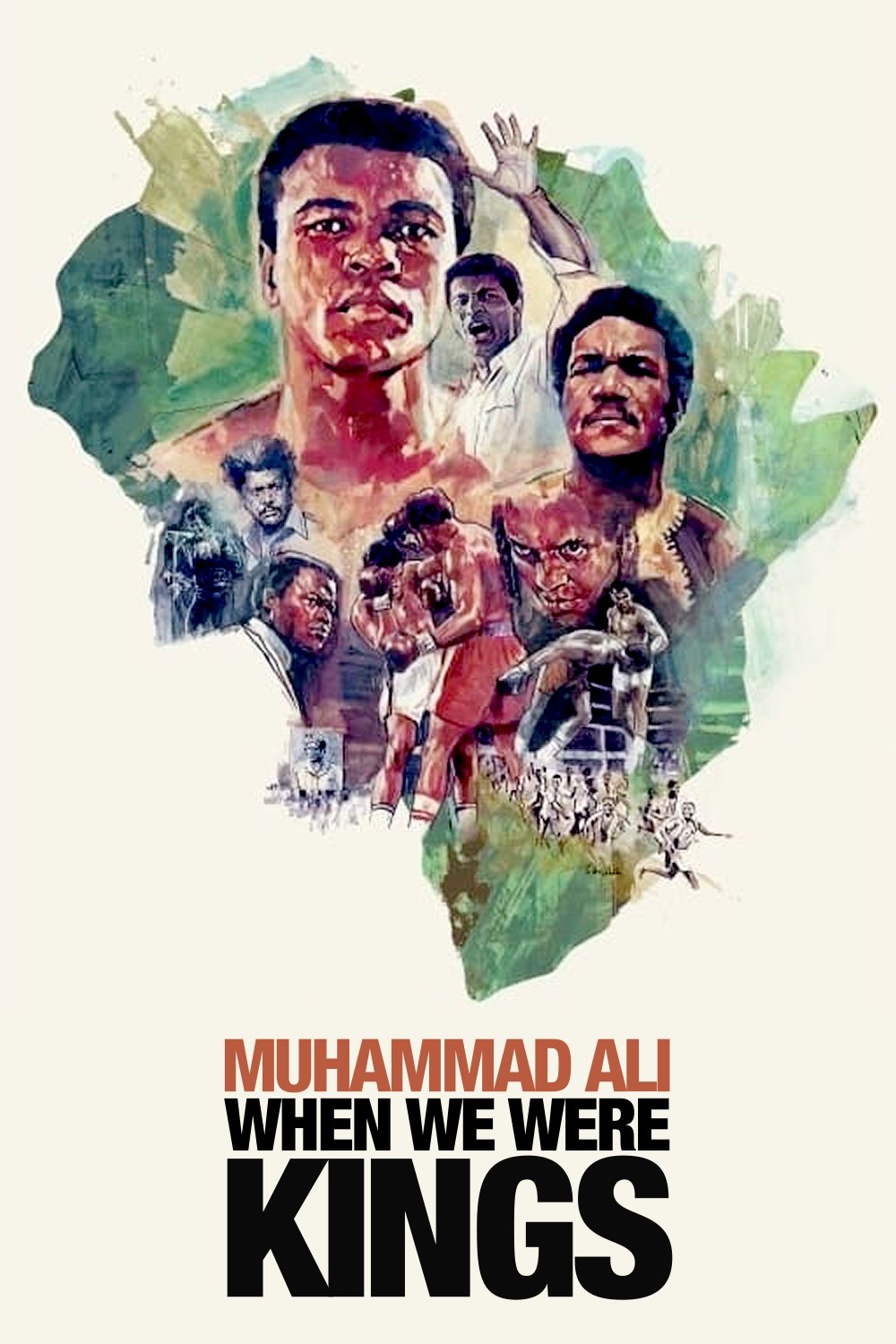
When We Were Kings poster

When We Were Kings

1996 · For another sporting rivalry shaped into gripping documentary drama through archive footage.

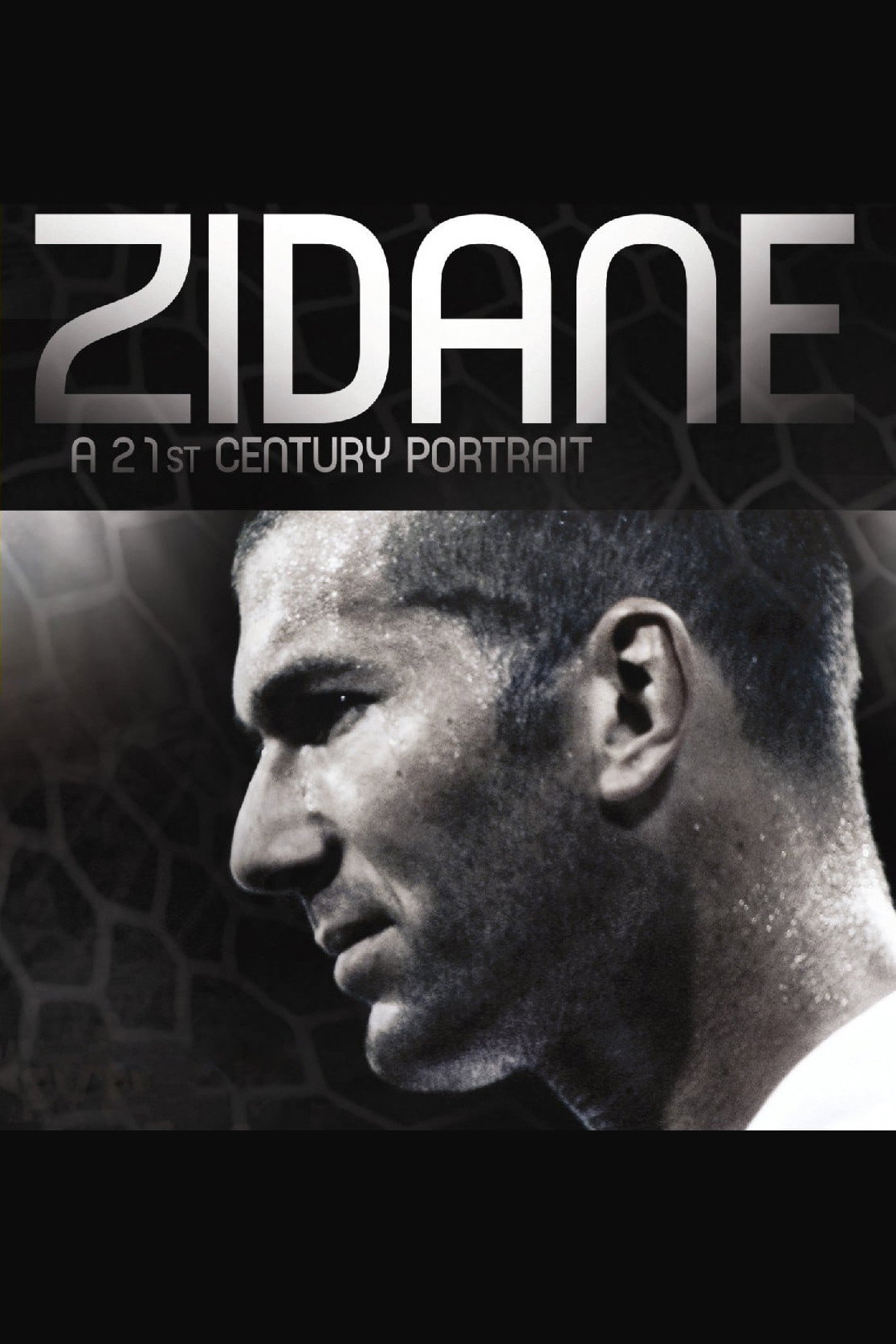
Zidane: A 21st Century Portrait poster

Zidane: A 21st Century Portrait

2006 · A closer study of sporting concentration, with the surrounding contest pushed aside.

The Great Ecstasy of Woodcarver Steiner poster

The Great Ecstasy of Woodcarver Steiner

1974 · Ski jumping filmed with an unease that admirers of *Senna* will recognise.

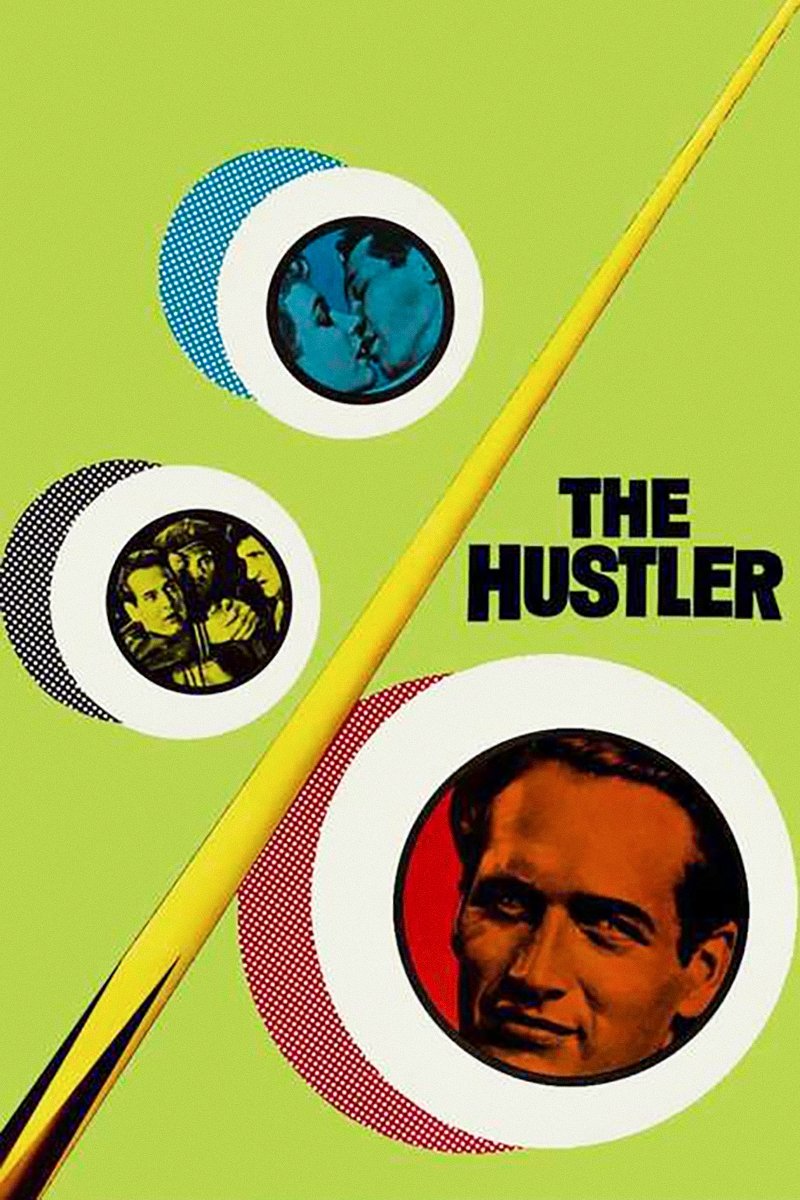
The Hustler poster

The Hustler

1961 · Competition, pride and self-destruction, with enough room for the people outside the contest.