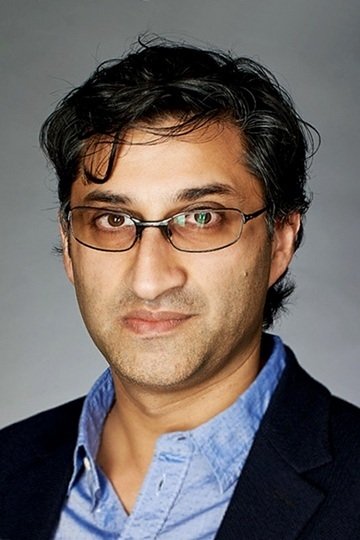
Asif Kapadia builds gripping documentaries from archive footage, bringing us close to people under pressure. We admire his dramatic clarity, though Senna shows how sympathy for a subject can limit the questions he asks.
Fi1m perspective
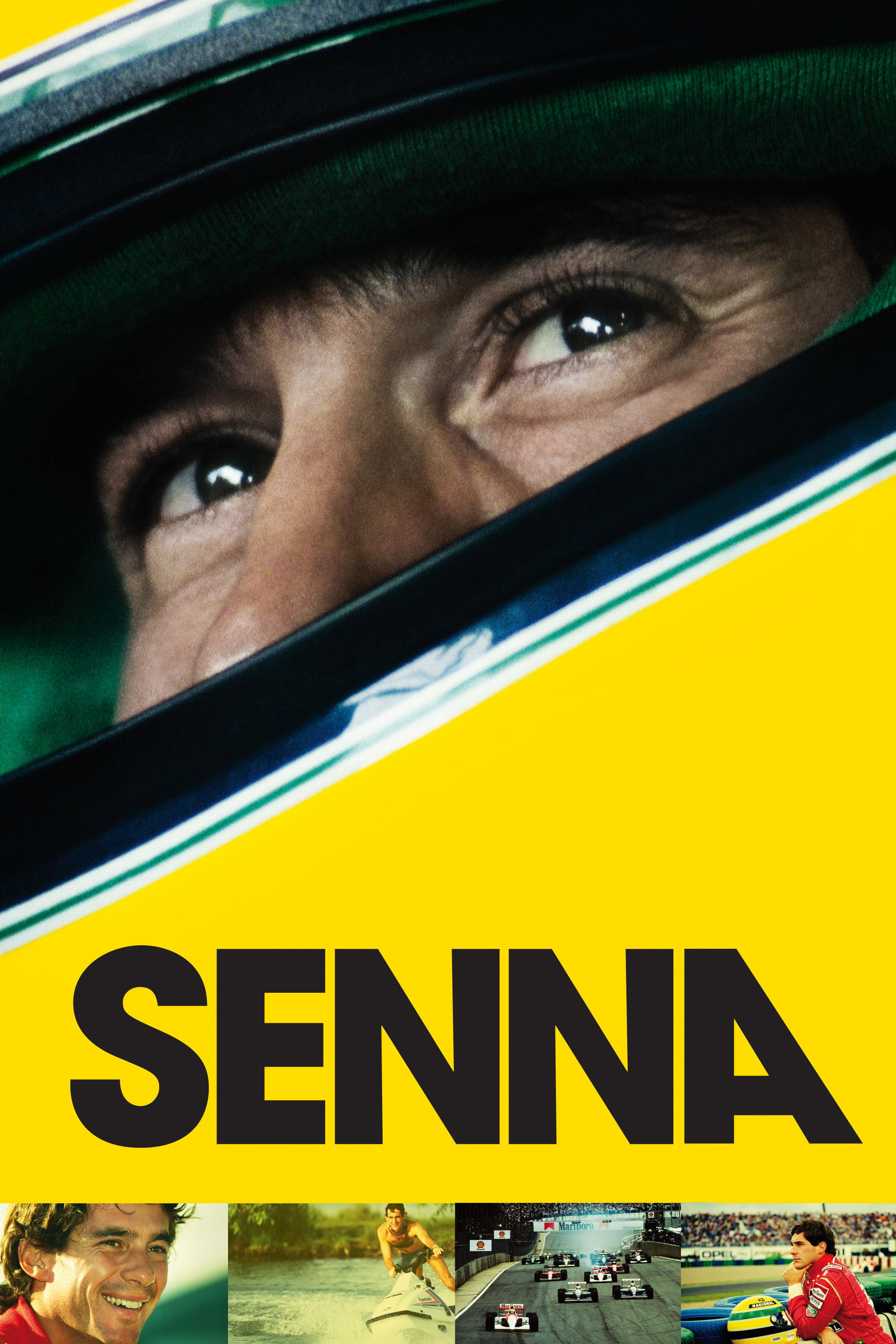
In Senna (2010), the racing matters because of the men contesting it, particularly Ayrton Senna and Alain Prost. Kapadia makes their rivalry clear without requiring us to arrive with an interest in Formula One. We were tense during the racing, because the rivalry had given us something to care about beyond who finished first. He gives us enough to follow the competition without making the film feel like homework.
That documentary method came after fiction: The Warrior (2001), his debut feature, followed by The Return (2006) and Far North (2007). With Senna, he shifted to stories assembled from archive, largely dispensing with on-camera interviews. Amy (2015) and Diego Maradona (2019) continued that approach, keeping close to the central subject through existing footage and recorded voices. Fame and the personal cost of success became recurring concerns.
Recurring collaborators include editor Chris King and producer James Gay-Rees. Choosing and ordering the footage do much of the work that a screenplay would do in fiction. By favouring the subject's own words and recorded voice, Kapadia keeps us close to their experience as events unfold. In Senna, the approach makes the friction between driving and managing a sporting career clear, without regularly stepping outside the story to explain it.
The cost is clearest in the treatment of Prost, who is essential to Senna's grip but gets too little room to put his side on equal terms. Kapadia's admiration for his central figure limits how closely he questions him. The selection of material too often settles whom we should support. That is a significant weakness in a biography, even when the racing and the rivalry are as absorbing as they are here.
With the hybrid fiction-documentary 2073 (2024), Kapadia takes archive material into a story of a dystopian future. It is a change of form from the biographical portraits, and a reminder that he began in fiction. Start with Senna, but keep a little room for Prost's version of events.
Biography
Asif Kapadia is a British filmmaker. Born in 1972 in the London Borough of Hackney, he trained at Newport Film School, the University of Westminster and the Royal College of Art.
He is best known for a trilogy of archive-based documentaries: Senna (2010), Amy (2015) and Diego Maradona (2019). Earlier feature films include The Warrior (2001) and Far North (2008). Later works include Ali and Nino (2016), 2073 (2024) and Federer: Twelve Final Days (2024).
Kapadia has received an Academy Award for Amy, multiple BAFTA awards and a Grammy. He is married to art director Victoria Harwood.