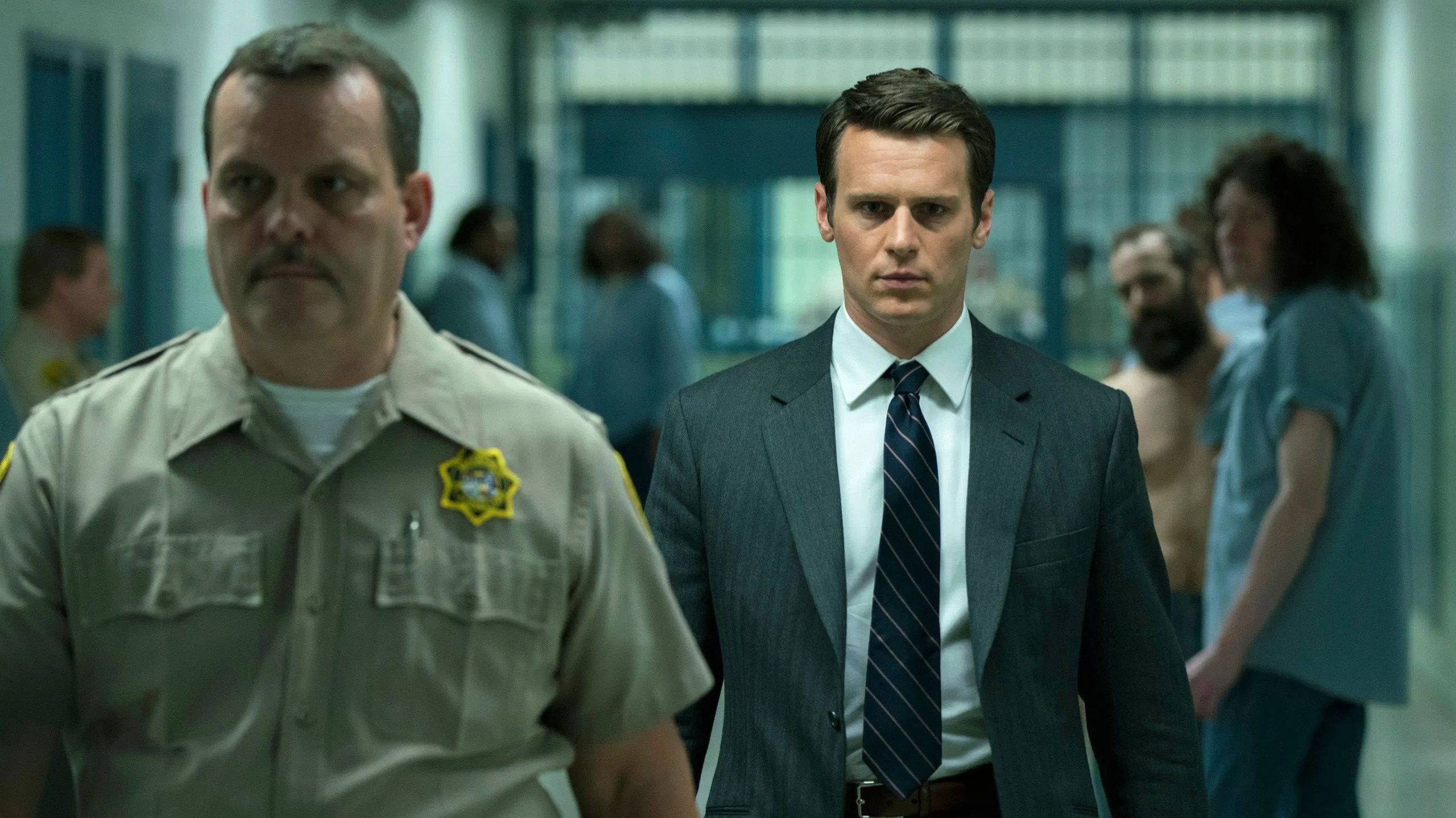
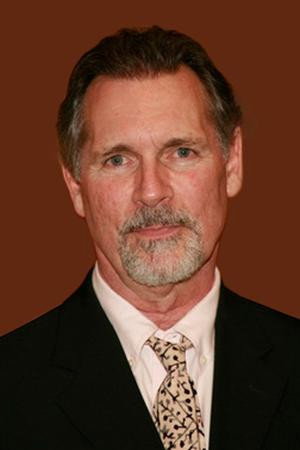
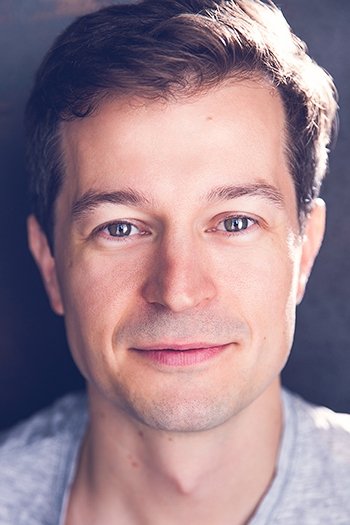
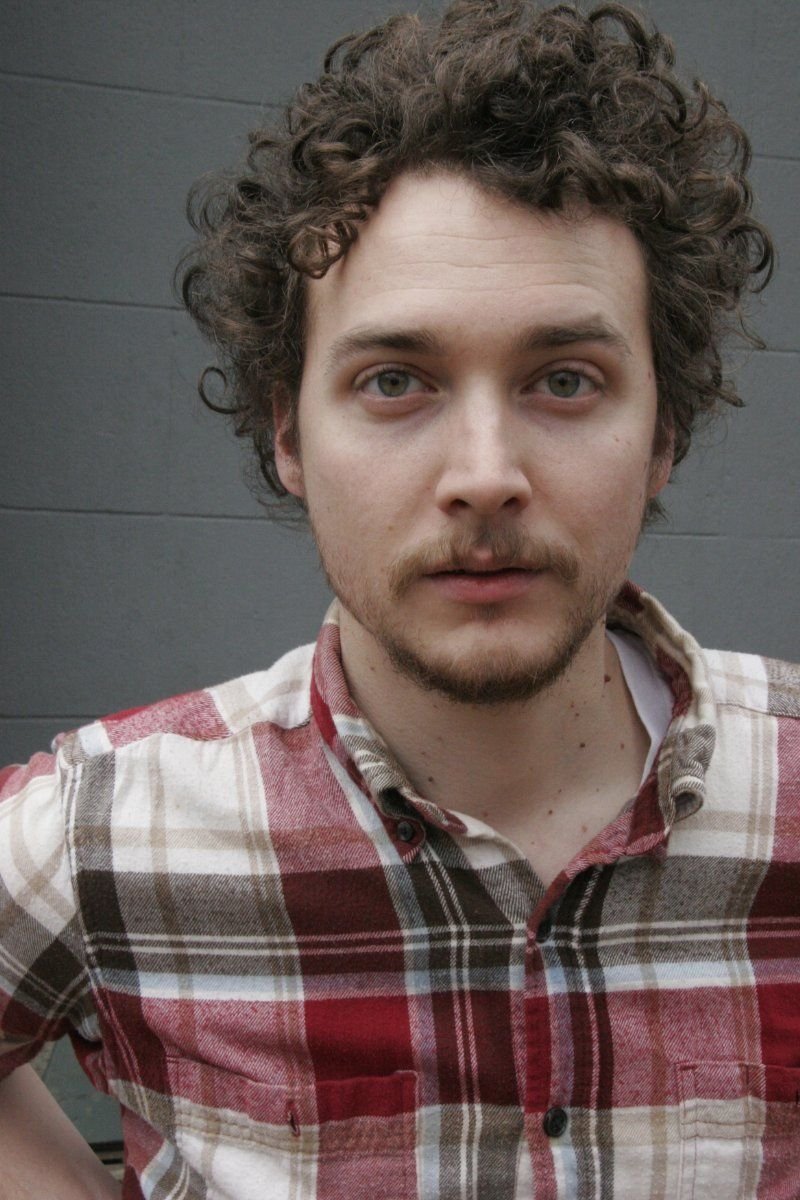
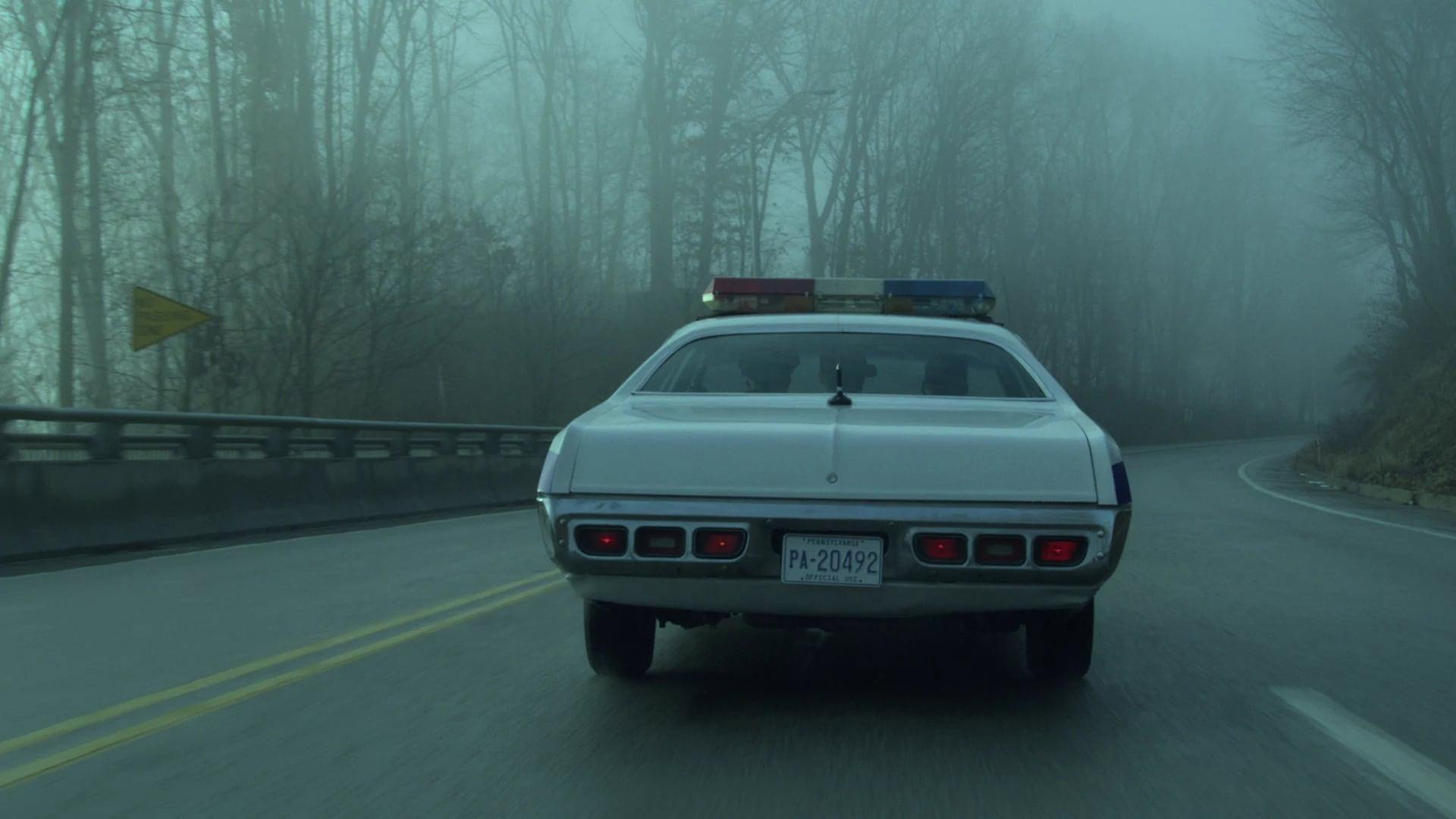
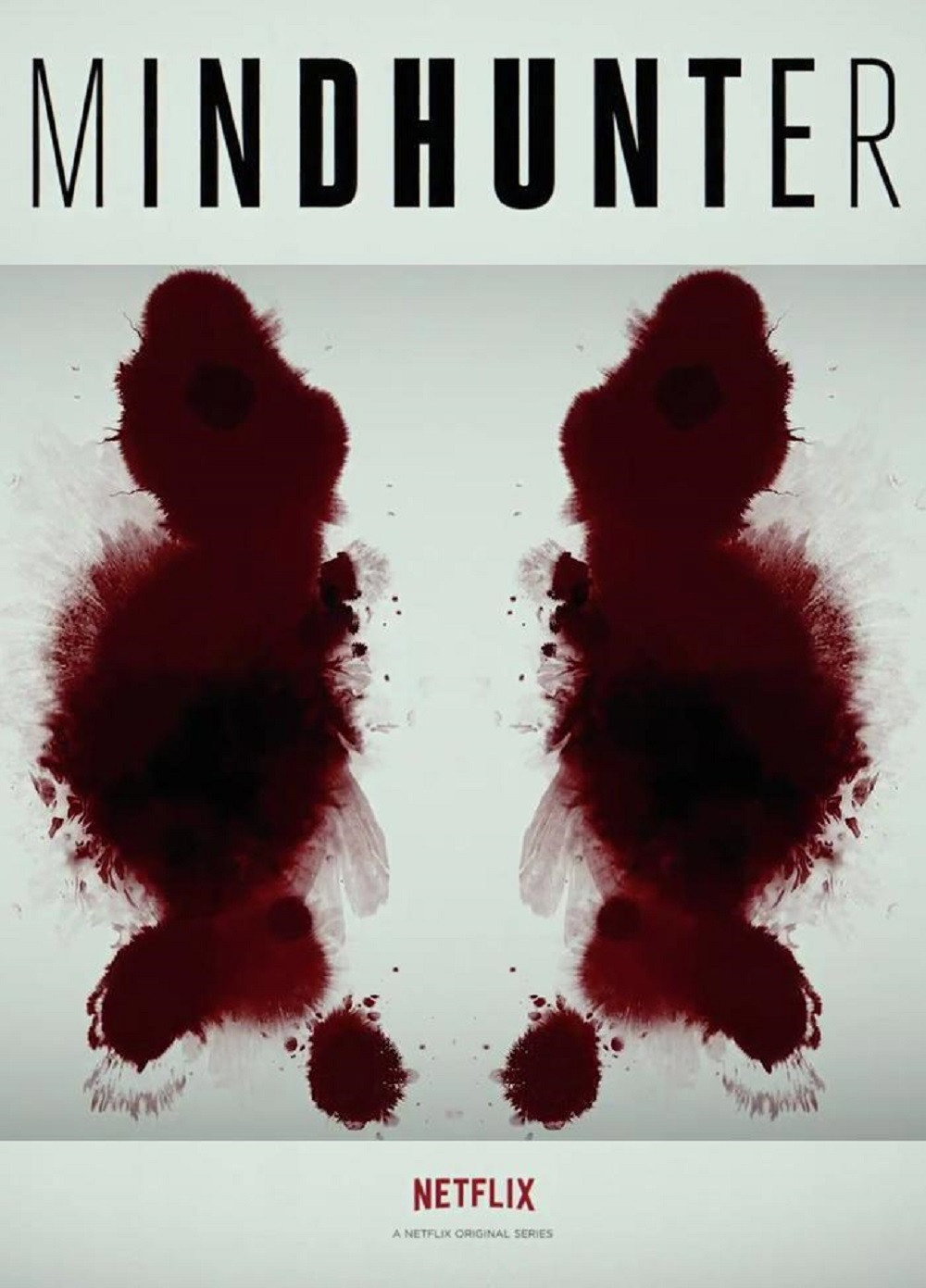
David Fincher’s series about the FBI agents who first sat down with serial killers and asked them why is cool, patient and nearly bloodless, and the interview scenes are as good as anything of their kind we have seen. The lead is thinner than the men he talks to.
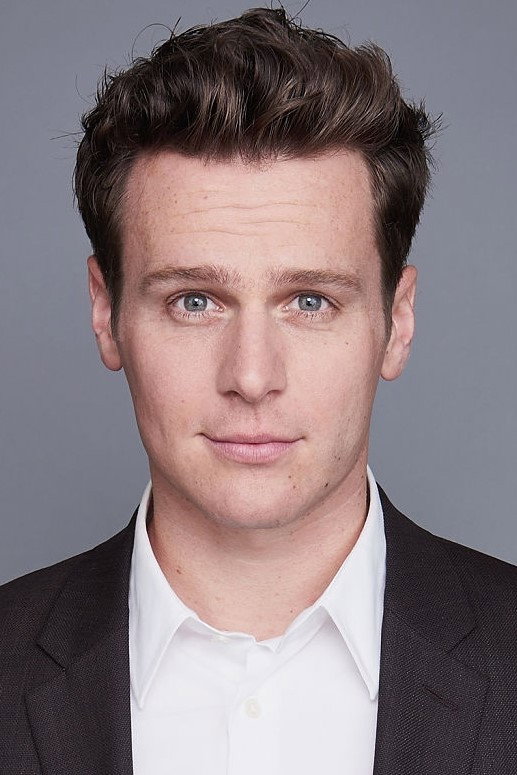
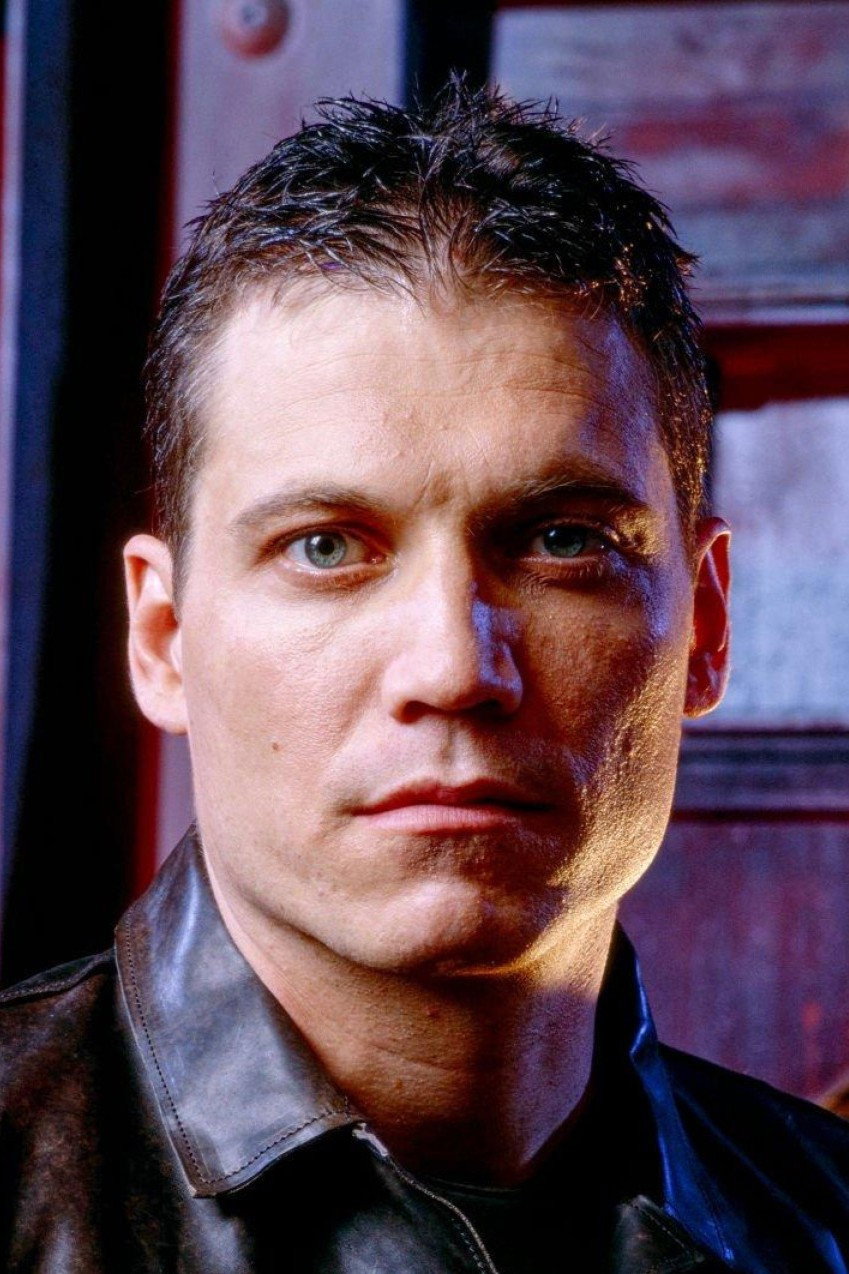
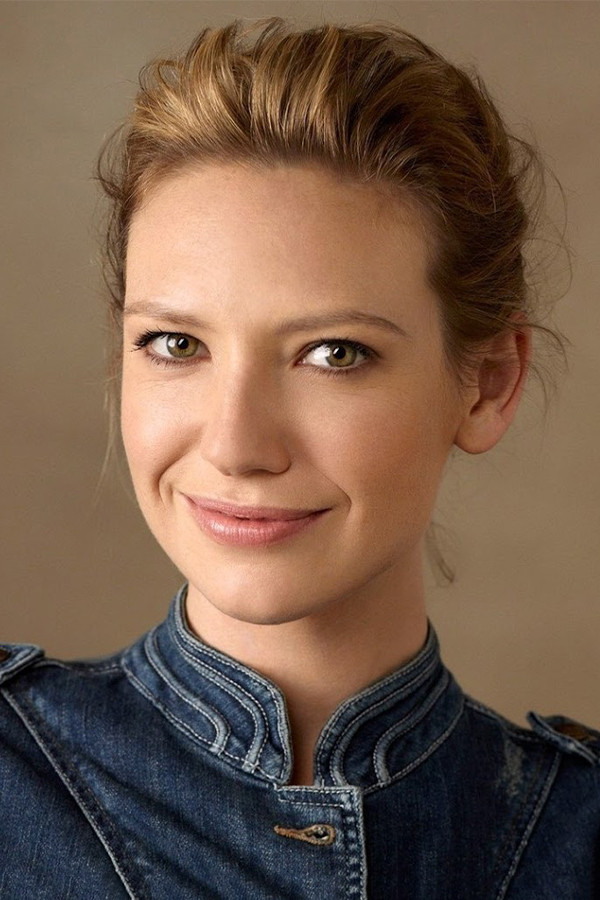
Holden Ford (Jonathan Groff) is an FBI hostage negotiator who talks a man out of a doorway in Braddock, Pennsylvania, and cannot talk him out of anything else. That failure sends him back to Quantico to teach, and then into a partnership with Bill Tench (Holt McCallany), a veteran who runs the Bureau’s road school, lecturing local police on psychology they do not believe in. Joe Penhall’s series is about how these two men, with the academic Wendy Carr (Anna Torv), begin sitting down with convicted murderers and asking them why. It is set in the late 1970s, before the phrase “serial killer” had settled, and a good deal of it is people in a basement arguing about what to call things.
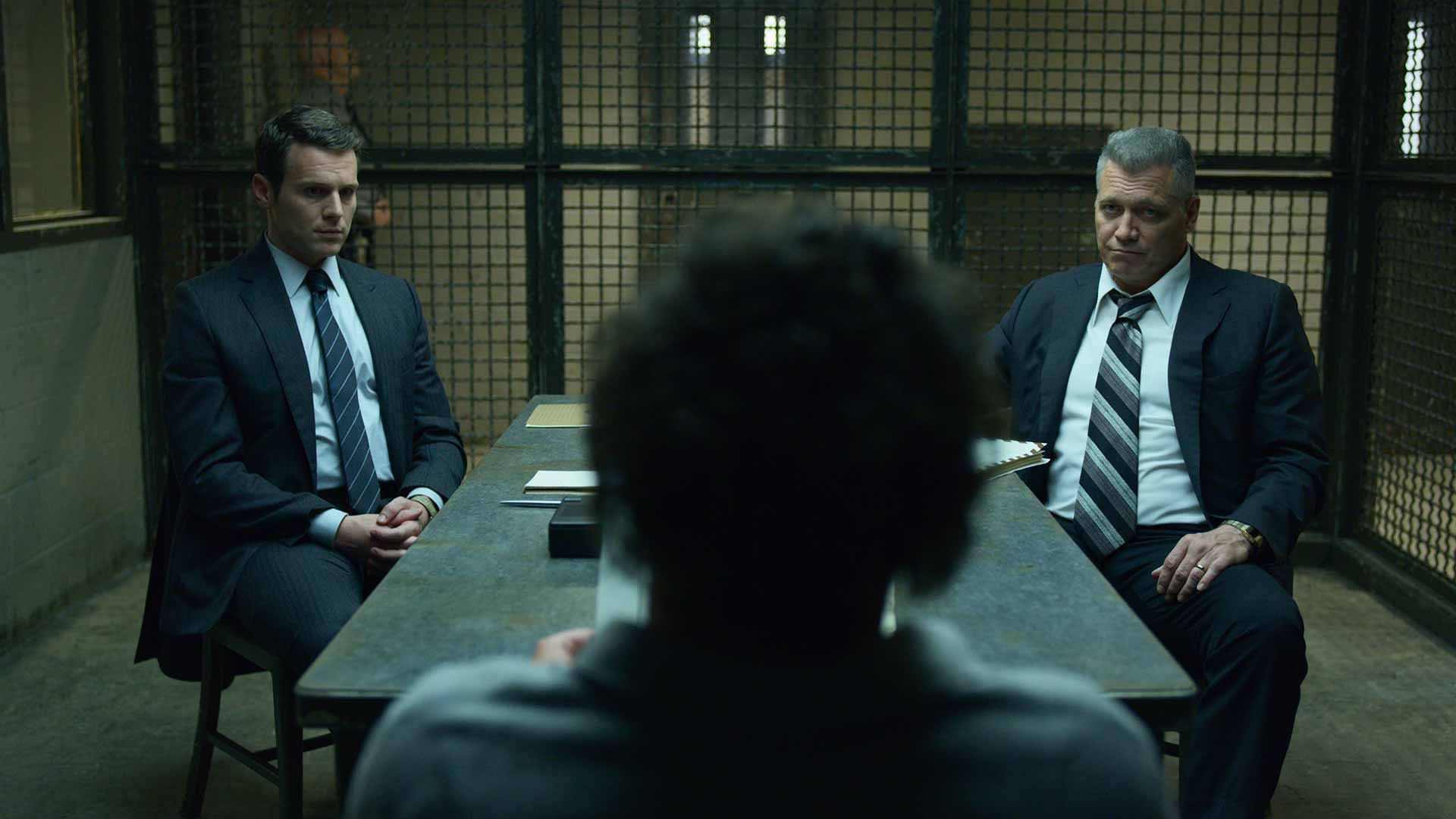
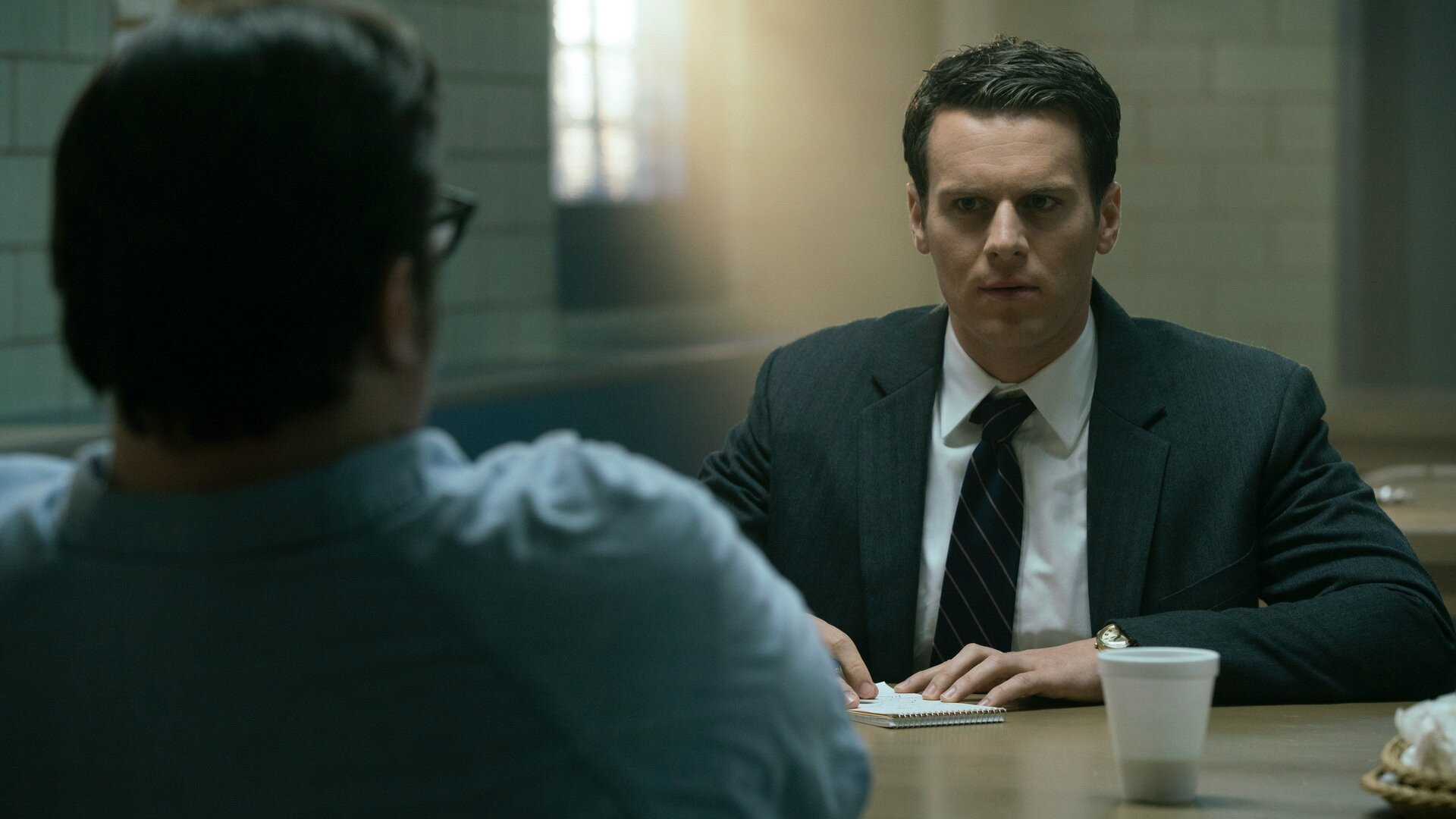
The interviews are the point and the best thing in it. The first is with Ed Kemper (Cameron Britton), who has killed his mother and several others in California and is happy to explain how. Britton plays him as an enormous, soft-voiced, faintly eager man with his glasses pushed up his nose, and Fincher, who directs the opening episodes, refuses to help us. He keeps the camera still and level, usually in a two-shot with a table between, and lets Kemper talk. We watched that first conversation with our arms folded and did not realise until it had finished that we had not moved. Nothing happened. A man offered another man an egg salad sandwich. It is the most frightening scene in the series, and there is no blood in it.
Erik Messerschmidt and Christopher Probst photograph it in the greens and browns of an office nobody has redecorated in a decade. Fluorescent light sits flat on faces; daylight, when it comes, is through motel curtains. Steve Arnold’s production design gives the unit a windowless basement at Quantico with a card table and a filing cabinet. Jennifer Starzyk dresses Holden in narrow suits and knitted ties, so he looks like a boy at a job interview, and Tench in wide lapels, so he looks like the furniture. Jason Hill’s score is a low pulse under the drives and stays out of the interviews. Kirk Baxter, Tyler Nelson and Byron Smith, among the editors, hold shots long past the point where television usually gets nervous.
The weakness is Holden. Groff plays him prim, curious and slightly pleased with himself, and the writing means him to be a man who learns from the murderers faster than from his colleagues. We are told this more often than we are shown it. Tench says he has gone too far; Carr says he has gone too far; Debbie Mitford (Hannah Gross), the sociology postgraduate he is seeing, says it with an eyebrow. The scenes with Debbie are the thinnest in the series. She exists to explain a textbook to him and to be disappointed. The scenes at the Tench house, with Stacey Roca as his wife Nancy, are quieter and better, because nobody in them is delivering a thesis.
Torv is the best thing the series keeps in reserve. Carr arrives as a consultant, stays, and Torv plays her with a stillness to match Britton’s, so that the two most controlled people on screen are on opposite sides of the argument. Cotter Smith’s Unit Chief Shepard wants the business kept in the basement and off the Director’s desk, and the series is honest that he is not entirely wrong. The first season runs ten episodes and finds its shape by the fourth. The second, nine episodes in 2019, is more confident, shifts the weight from Holden to Tench and Carr, and leaves a good deal open. Anyone who dislikes an unfinished sentence should know that going in.
Fincher’s Zodiac (2007) was also about men with files chasing a man who would not be caught, and the series has the same faith in paperwork. What it adds is the person across the table, under strip light in the second hour, asked about his childhood. Most critics have been warm to it and so are we; the talkiness a few hold against it is the point. It is an 18 certificate, earned almost entirely with words.