Michael Mann’s Manhunter is a gripping, coldly controlled thriller, with Brian Cox making restraint frightening. William L. Petersen is sometimes less compelling than the investigation around him, but the film’s unease lasts beyond its two hours.
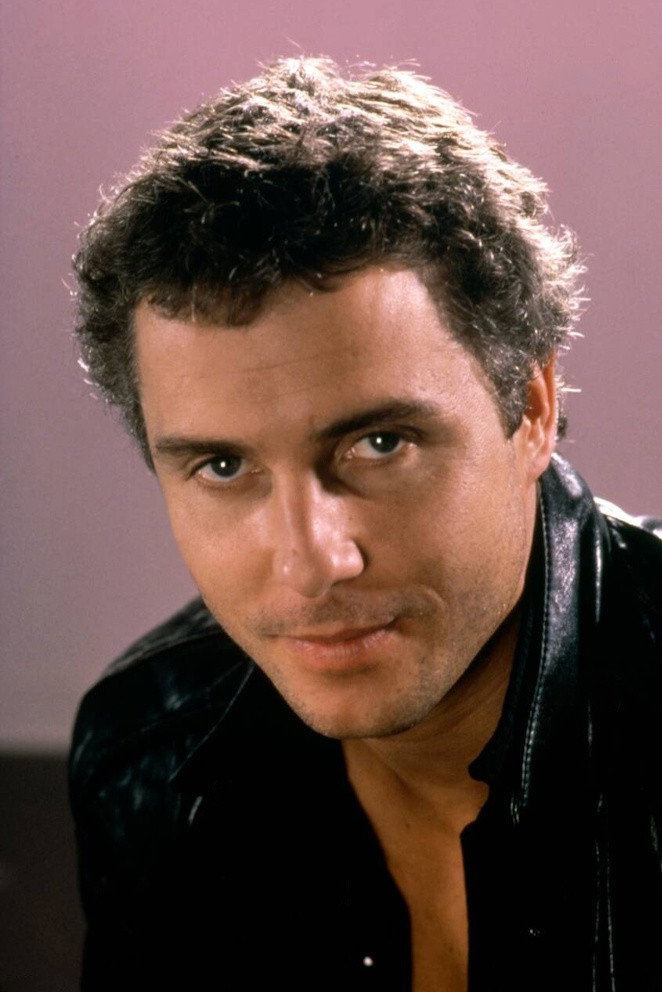
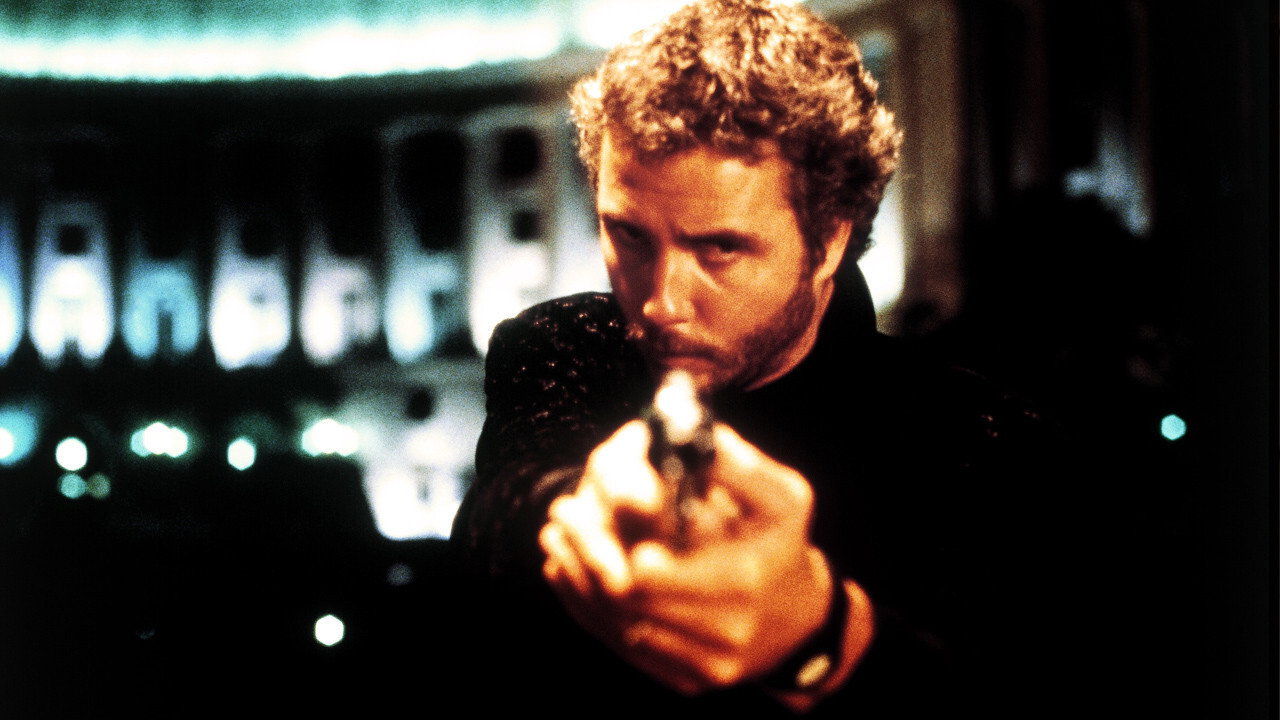
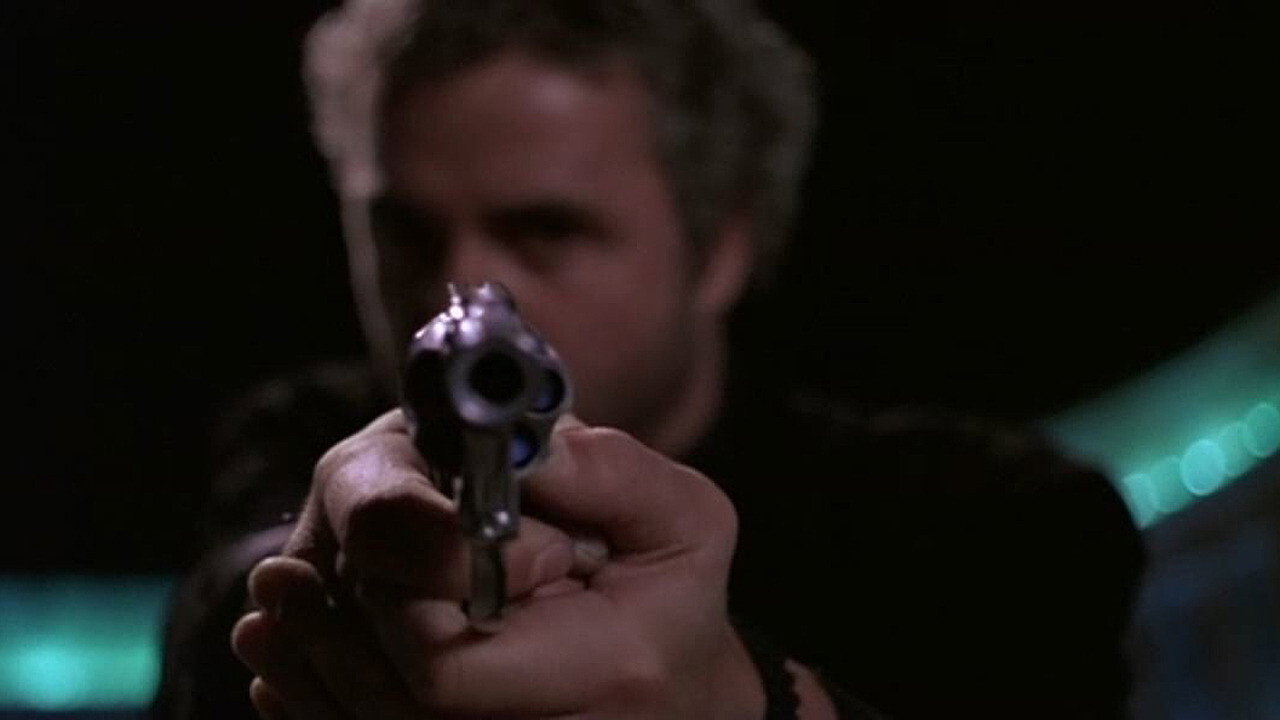
Michael Mann’s Manhunter is a crime thriller we recommend, with a warning about its chill. Mann, who also writes the screenplay from Thomas Harris’s novel, makes the effort to understand a serial killer feel like an unhealthy occupation. Will Graham, played by William L. Petersen, is the FBI profiler doing that work, and the pursuit asks us to study people we would rather avoid. The film is gripping because it makes that attention uncomfortable, even when the investigation itself offers the reassurance of a problem to be solved.
Brian Cox, as Dr. Hannibal Lecktor, is the strongest reason to stay with it. We were unnerved by him, because his restraint gives Lecktor an appalling air of self-control. Cox does little to announce the threat, leaving us to watch him more closely than seems sensible. His performance also gives the film something its handsome images cannot supply on their own: the feeling of another person deciding how much to let us know.
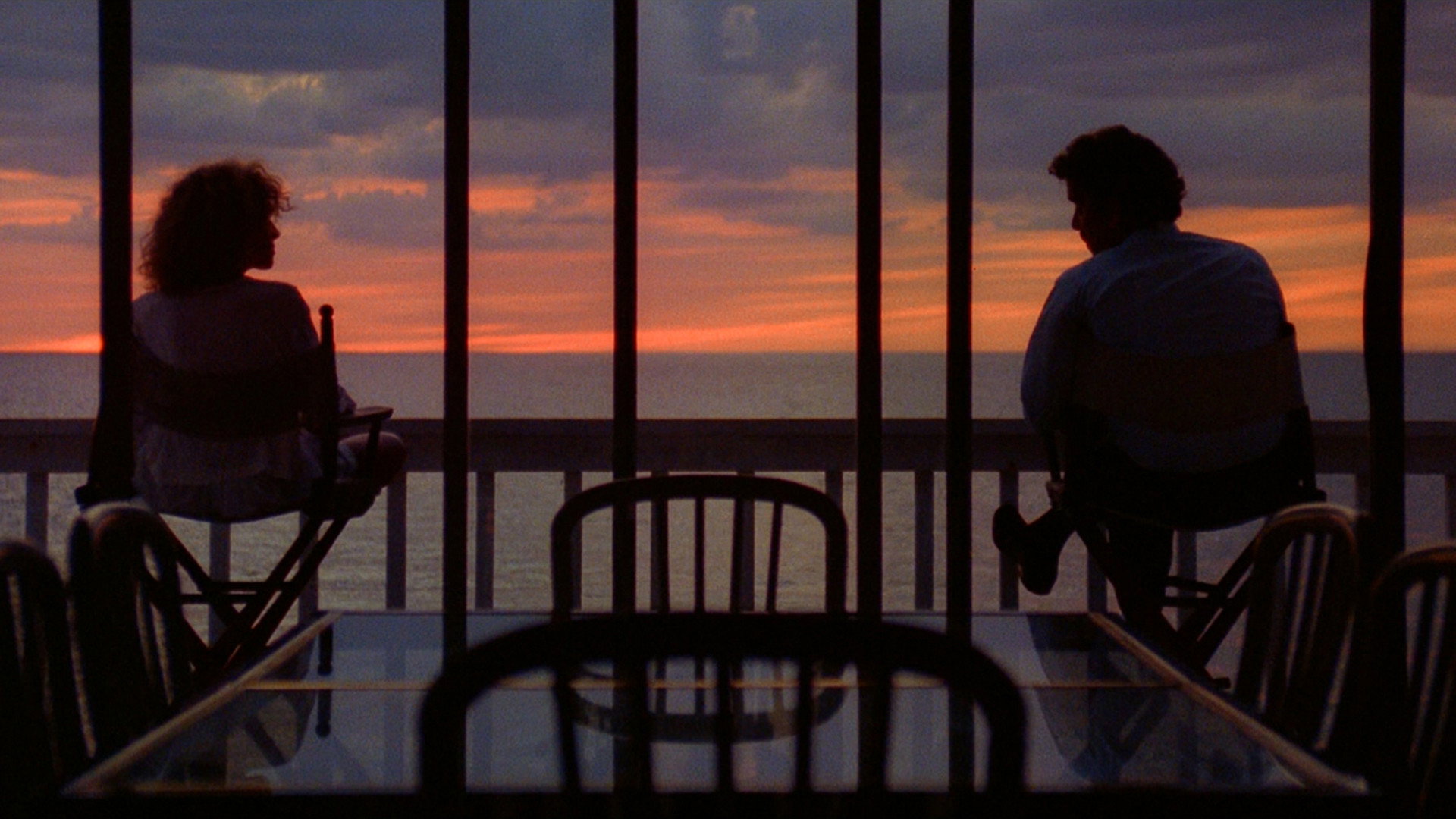
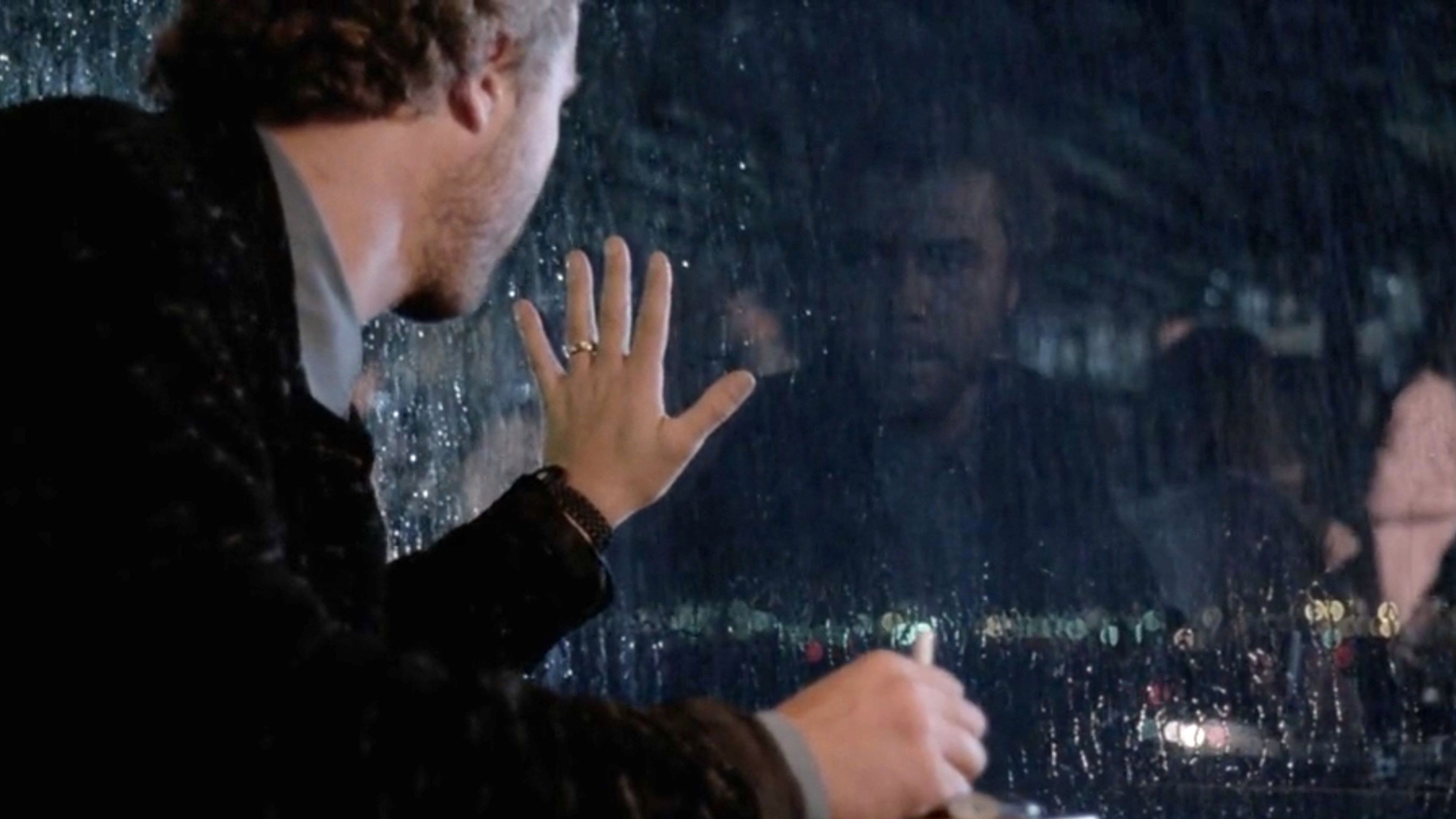
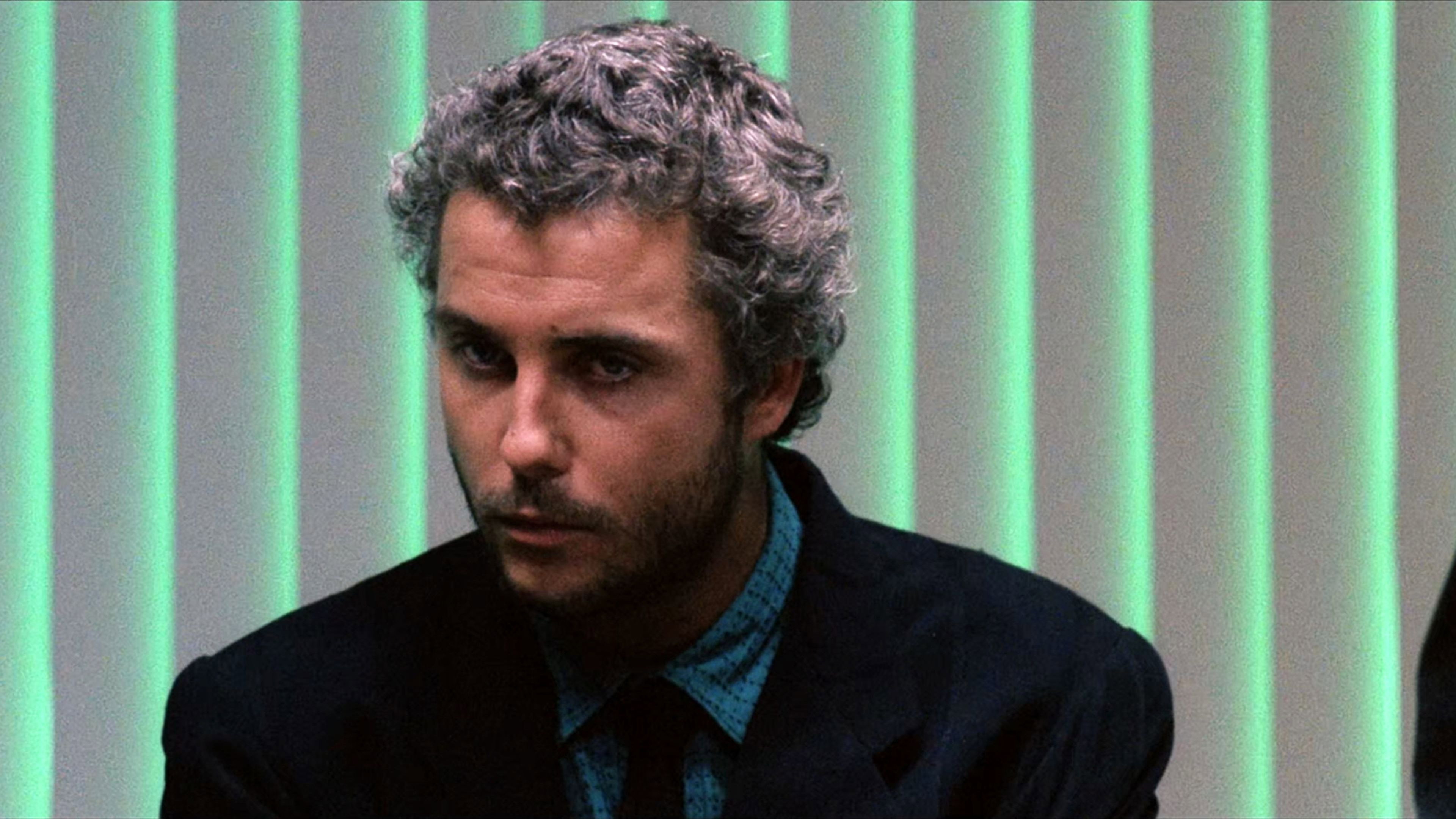
Dante Spinotti’s cinematography gives the pursuit a spare, controlled look, using contrasts in colour to make us uneasy. We are made aware of how carefully everything has been placed, which suits a story about scrutiny. Production designer Mel Bourne helps establish that ordered appearance, although the polish occasionally draws attention away from the people. It is a persuasive visual approach, though the precision sometimes keeps us at a distance from the people on screen.
Editor Dov Hoenig supplies the necessary forward movement, keeping the investigation brisk without making the film feel casual about its subject. That pace matters: too much lingering would make the visual severity tiresome. The music credited to Michel Rubini and The Reds is more insistent than we would like, sometimes pressing a tension that the performances have already established. Even then, Mann’s control of suspense holds, and the film does not need a constant supply of gore to keep us watching.
Petersen is our larger reservation, though he never sinks the film. His performance can seem stiff, and we occasionally have to accept Graham’s importance to the investigation without finding him especially interesting to watch. That is a weakness in a screenplay which asks us to follow his thinking so closely. Mann gives the pursuit enough urgency to carry us past it, but we could have used more warmth to make Graham’s involvement matter beyond his professional usefulness.
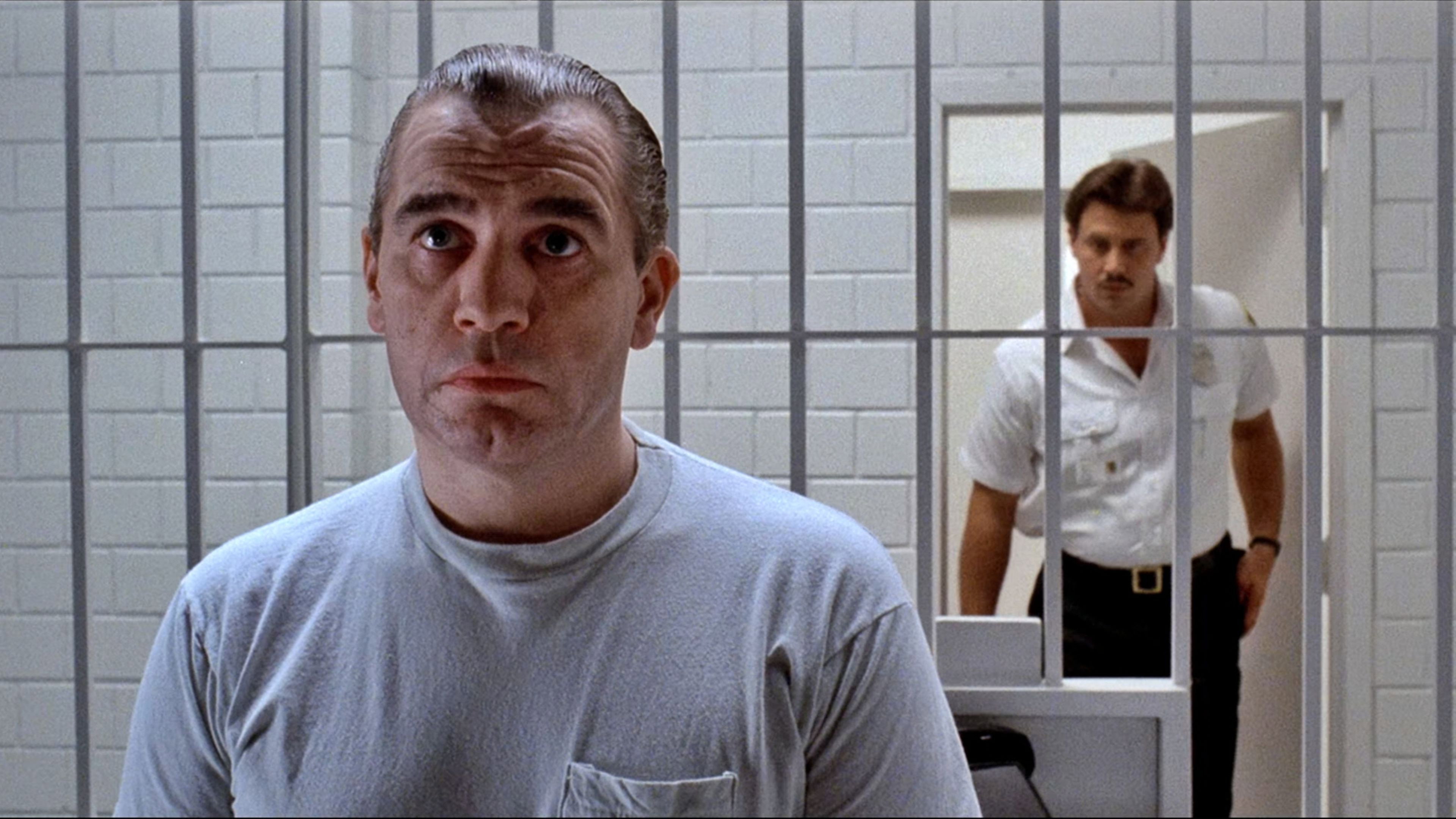
Tom Noonan’s Francis Dollarhyde helps prevent the threat from becoming merely a puzzle to be worked out. There is enough complication in his performance to make sustained attention disturbing, and Mann sustains that discomfort even while the investigation moves quickly. The interest in watching other people gives Manhunter a nastier edge than a straightforward chase. Within the serial-killer thriller, its achievement is to keep that looking troubling without leaning heavily on graphic violence.
At 120 minutes, the film has time to sustain its pressure without making grimness feel like an endurance test. We would not choose it for easy company, and its lack of warmth remains a limitation, however deliberate it may be. Still, the control of pace and the unsettling performances make it worth that discomfort. See it when a reassuring detective is the last thing the evening needs.