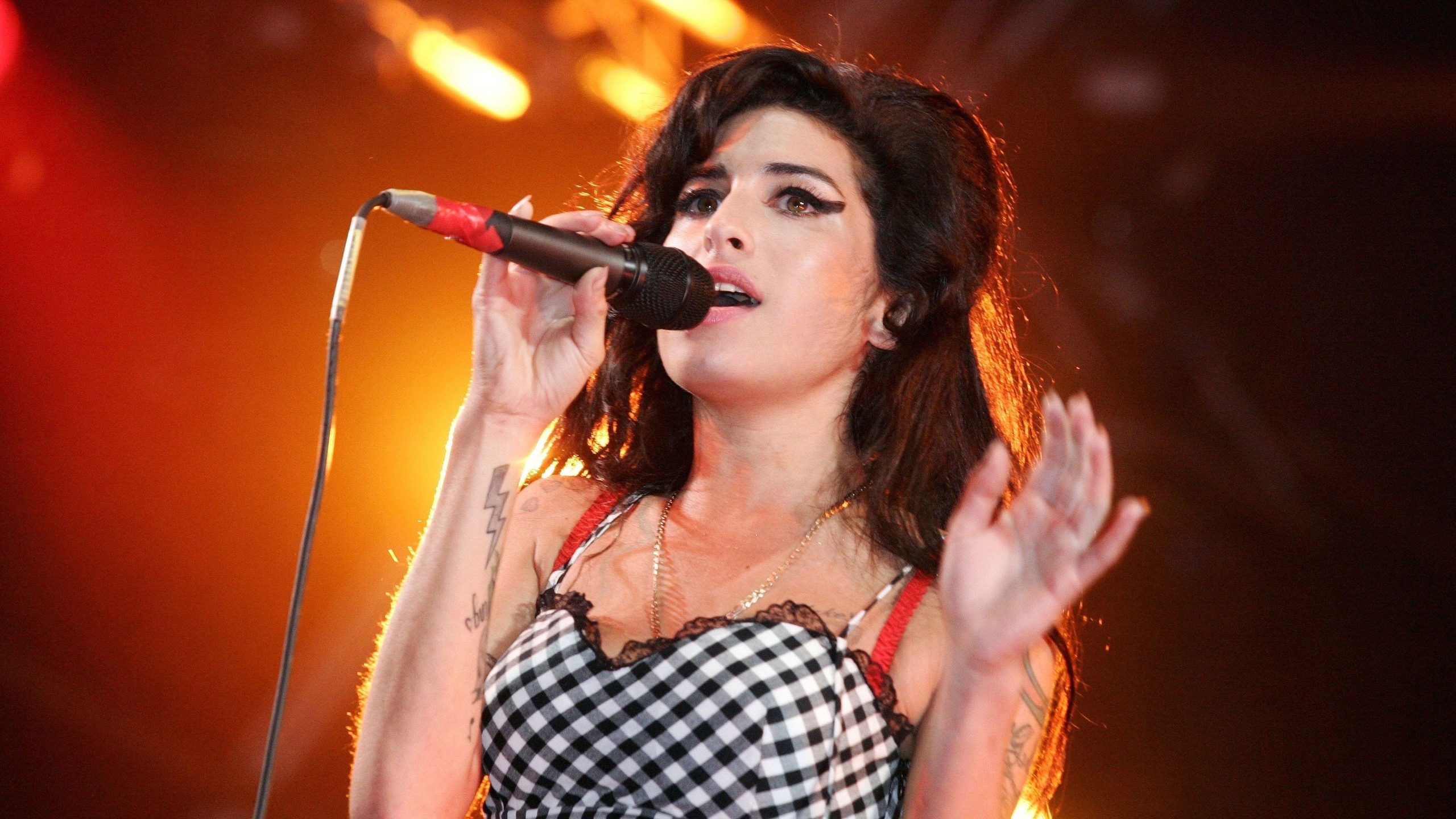
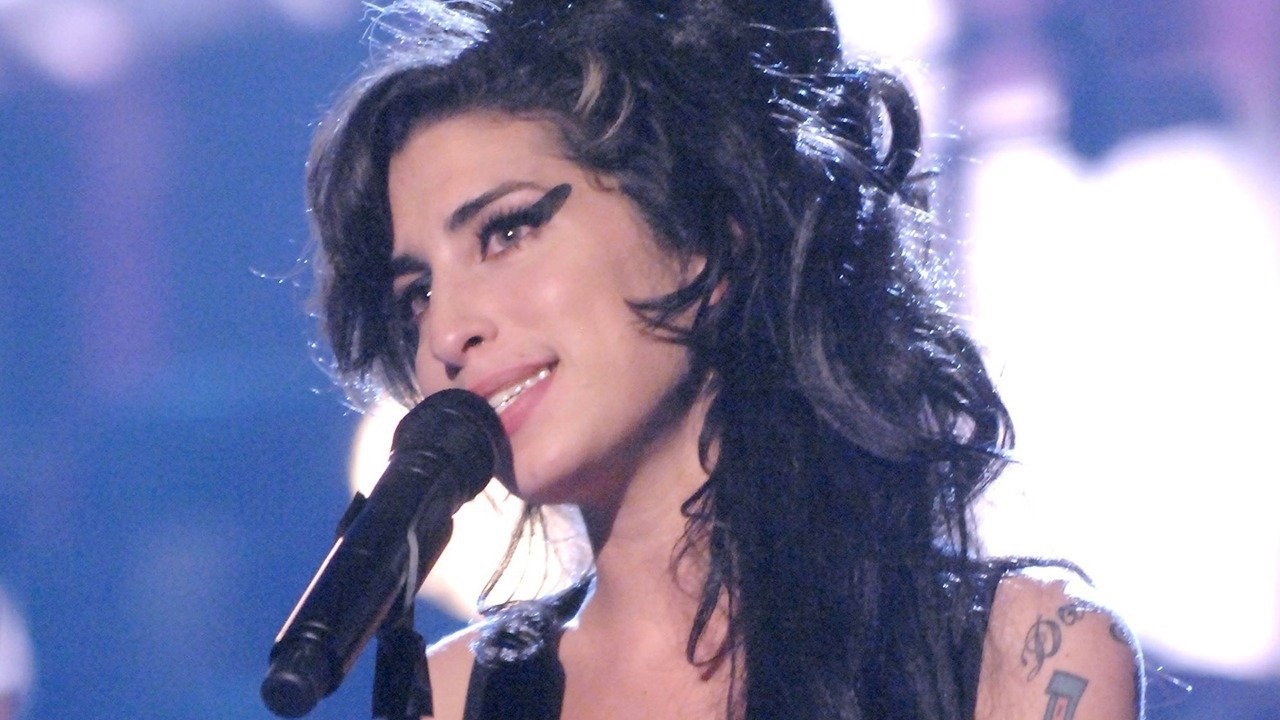
Asif Kapadia gives Amy Winehouse room to be funny and absorbed in music. His documentary is deeply moving, although we wanted more about her work and less about the people watching her.
Amy is a moving, carefully assembled documentary that gives Amy Winehouse room to be funny and musically alert before concern for her takes over. Asif Kapadia wants us to pay attention to the singer as well as the scrutiny surrounding her, and for much of the film he succeeds. The reservation is that the scrutiny eventually gets more attention than the singing. Even so, this is a portrait we recommend, particularly to anyone who knows the public image better than the voice.
The home videos establish how much the public image misses. We were moved by the teenage birthday performance, because the singing is so assured and the occasion so ordinary. Cinematographers Ernesto Herrmann and Jake Clennell are credited, but the most persuasive images here are those private recordings, whose informality lets us notice humour and ease alongside ability. The footage is valuable because it gives her something to do besides illustrate the trouble ahead.
Chris King’s editing brings those recordings together with performances and interviews heard rather than shown. Keeping the contributors off screen means we can listen to their recollections without repeatedly interrupting the archive footage. It is a useful discipline, although an unseen speaker can sound more authoritative than a person we can observe and question. The film flows with considerable confidence, and we occasionally wanted it to leave a little more doubt around someone else’s account.
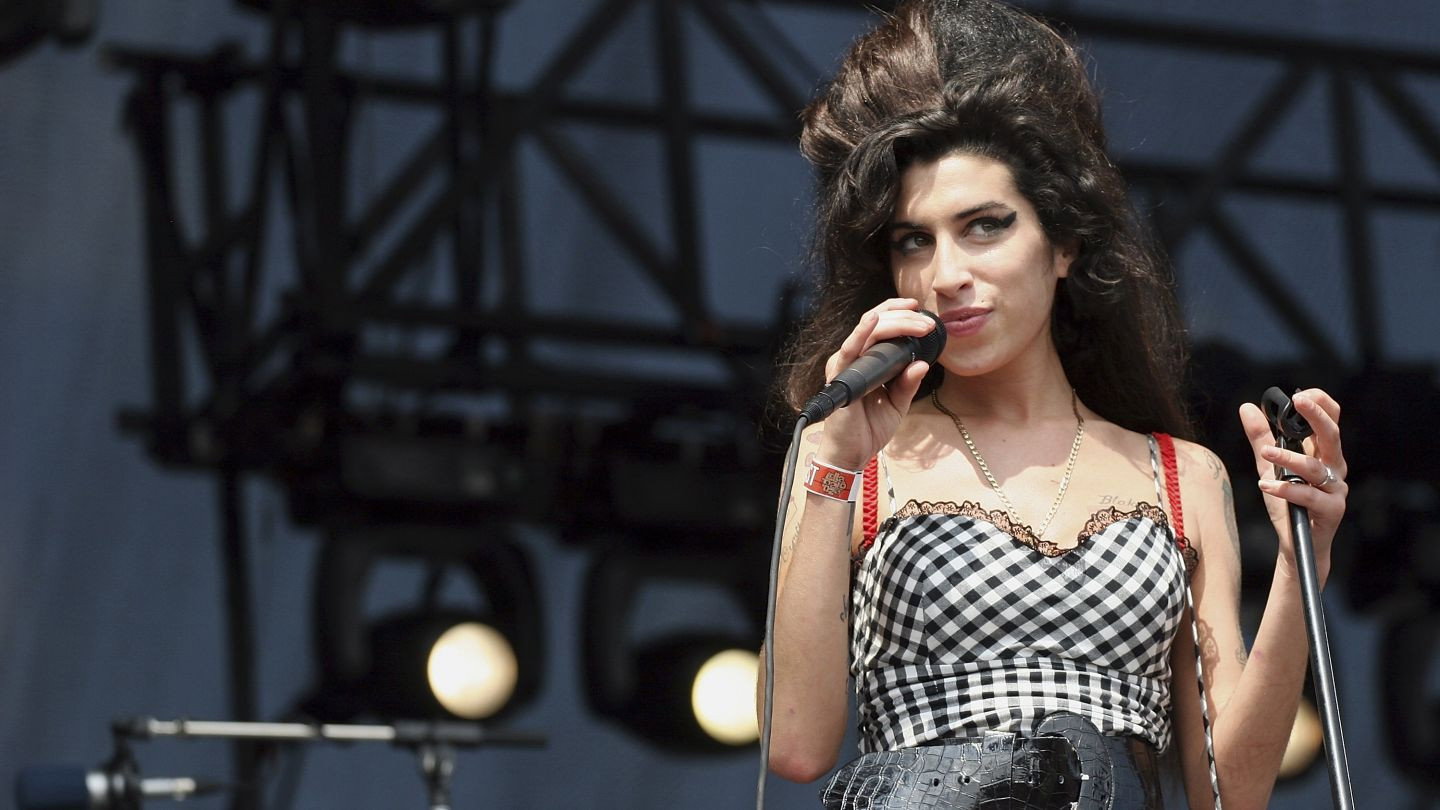
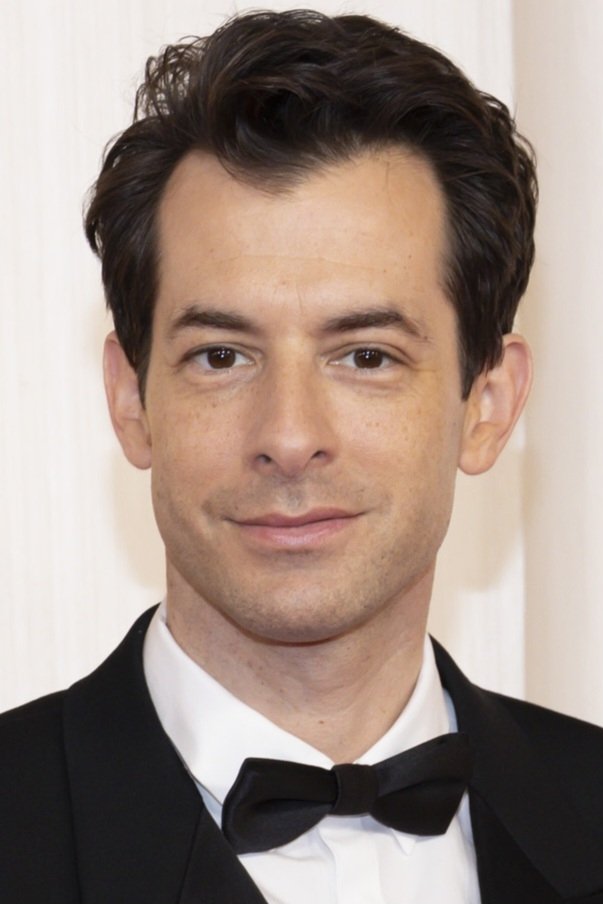
The recording footage with Mark Ronson makes a strong case for spending longer on the work. Watching her perform gives us a clearer sense of musical judgement than any description of talent can, and her own lyrics help keep her words in the film. Antonio Pinto’s score is less useful when it presses towards sadness that the footage has already earned. We wanted more space to listen to her singing without having our response anticipated for us.
That is also the main weakness of the wider structure. As public and media intrusion occupy more of the film, the account of an artist starts to narrow into a study of what other people demand from her. The pressure is important, and the archive makes it difficult to dismiss, but it does not explain how she shapes a performance or turns experience into a song. At 128 minutes, there is room to ask more of those questions.
There is an awkwardness, too, in being given access to so much private material while being asked to think about the damage done by watching. The director cannot entirely settle that by treating his subject more kindly than the coverage he includes. What helps is the early footage, where her wit keeps disrupting the temptation to see her only as vulnerable. It is harder to feel comfortably protective towards someone who is plainly capable of making us laugh.
As a music documentary, Amy is strongest when it trusts a performance to hold our attention without explanation. As a portrait, it has the good sense to preserve the humour as well as the distress, which stops its subject becoming merely someone to feel sorry for. Watch it for the singer, and allow some patience for the film’s greater interest in everyone around her.