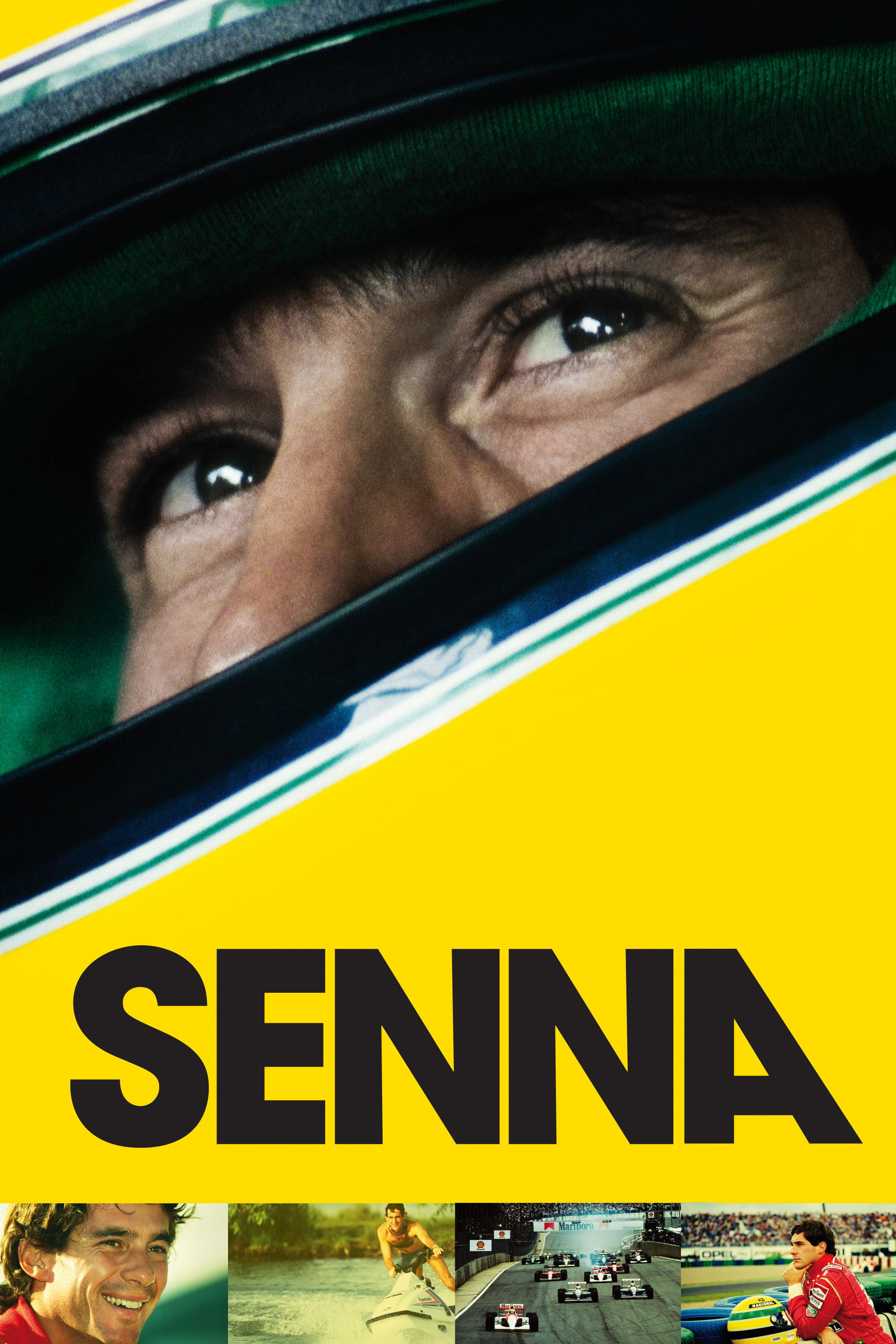
Ayrton Senna is a compelling documentary subject: the on-board footage makes his skill and the danger of racing plain. We recommend Asif Kapadia's portrait, with a reservation about how firmly it takes its subject's side.
Fi1m perspective
The road arrives almost faster than we can read it in Senna (2010). We were frightened by how little time the on-board footage seemed to leave for a decision. The skill becomes understandable without anyone having to explain the finer points of driving, because the images make the danger so immediate. Asif Kapadia makes watching Senna work absorbing even for those with no interest in the finishing order.
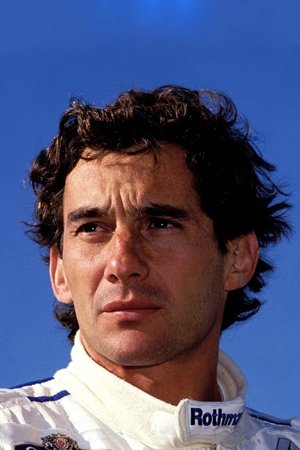
The credited appearance is as himself in archive footage; the choices about what we see belong to the filmmakers. His reputation for exceptional qualifying pace and wet-weather driving gives them plenty to admire. His sometimes over-aggressive approach gives them something to question, too. The pleasure of watching him should not depend on accepting that every expression of his determination was admirable.
The rivalry with Alain Prost is central to Senna, giving the racing a personal consequence beyond a result. Kapadia makes each man's determination easier to understand through their antagonism, but leaves too little room for Prost's side on equal terms. The selection of footage keeps directing our sympathy towards Senna. We would rather have been allowed to consider the rival's case without the film doing quite so much deciding for us.
Jake Polonsky has the cinematography credit, though the archival views from inside the cars are the images that explain Senna's ability most persuasively. The camera removes the comfortable distance of a spectator, and the road gives us little time to study it. Antonio Pinto's music handles the movement between racing and quieter reflection without competing with the footage. Its warmth is effective, even if this is a portrait that could stand to be less fond of its subject.
Williams (2017) uses archive footage of Senna within its account of the team's history, including his brief spell there in 1994. That appearance puts him in a wider team story; Kapadia keeps him at the centre. We recommend Senna as the place to begin, particularly for anyone who thinks a racing documentary requires a working knowledge of the sport. Give the on-board passages a large screen and full attention.