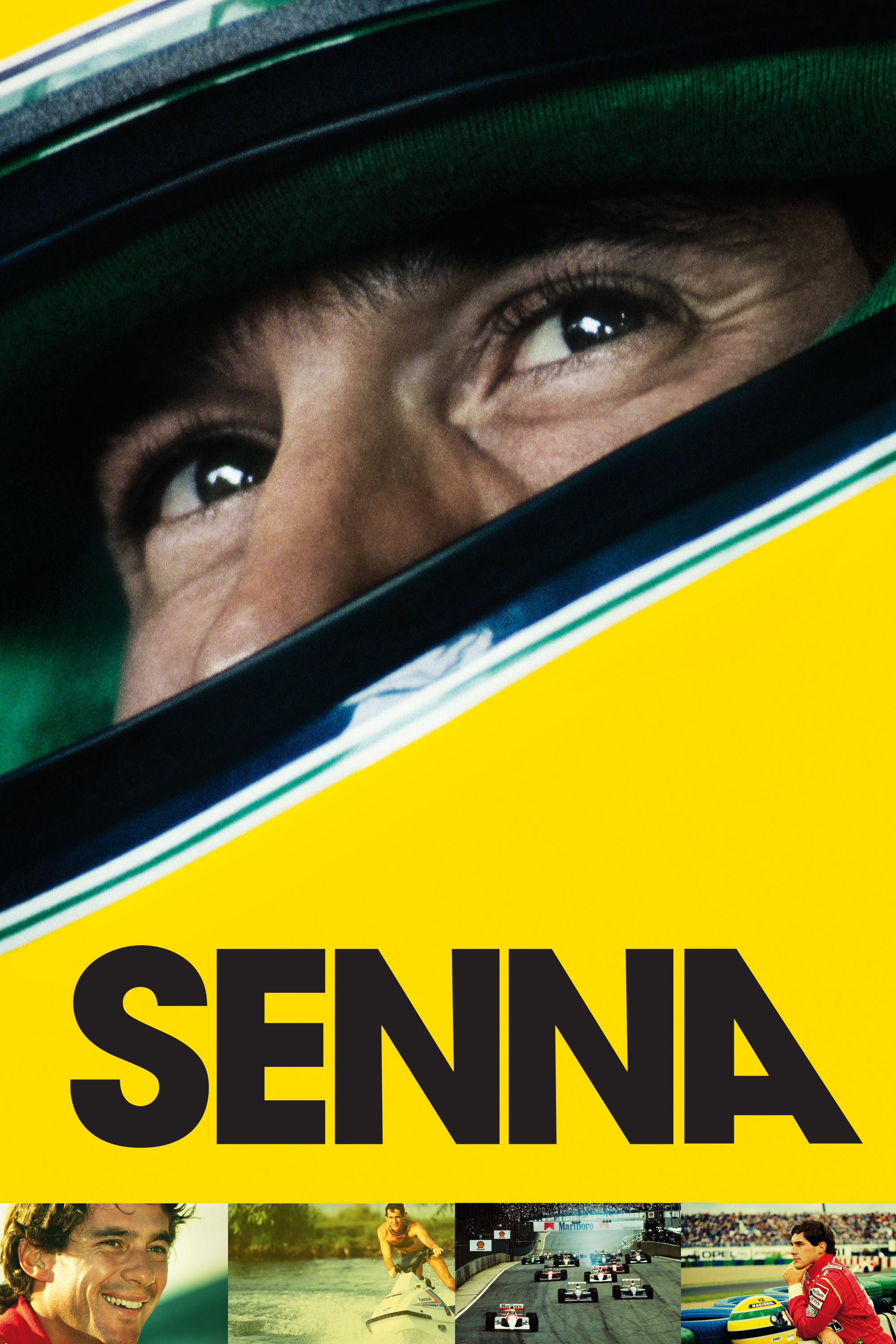
Most critics find Senna absorbing and moving, with praise centred on the editing and the use of archive footage to build a clear, forceful narrative. The cockpit sequences draw particular attention for making the danger and skill of racing tangible, while the rivalry with Alain Prost gives the film dramatic momentum. Several reviews stress that its appeal extends beyond Formula One followers: the footage makes both the sporting stakes and Senna’s intensity accessible without requiring prior knowledge.
The reservations concern how much of the man emerges beyond the driver. Little White Lies finds the portrait too reverential and incomplete, while The Wrap argues that strong racing material cannot compensate for the lack of attention to personal motivations and relationships. The spread is broad, though firmly weighted towards praise. Even less persuaded critics tend to admire the footage; the disagreement is over whether compelling storytelling also provides enough understanding of Senna.
R
Radio Times
★★★★★ · Terry Staunton
100
Calls it powerful and engrossing, a fascinating biography from archive footage.
The critic praises the finely wrought documentary for drawing in audiences regardless of F1 interest through its archival footage approach and portrayal of Senna as both a talented racer and a melancholy figure devoted to his dangerous art.
The review praises this archive-driven documentary as a shattering and hypnotic portrait of Ayrton Senna that stays grounded while following his career race by race. It singles out the previously unseen cockpit footage and the strong narrative of his rivalry with Alain Prost for particular praise.
Kapadia brings a keen sense of drama and narrative drive to cull compelling footage from thousands of hours of archives, aided by key access from Senna’s family and Formula One. The result is a satisfying, unerring portrait of pure racing and its politics.
Kapadia’s documentary is a discreet hagiography of Senna that puts viewers in the driver’s seat with its racing footage while compressing a slice of Formula One history. It excels as an editing feat compiled from thousands of hours of archival material.
The expertly edited archival film has kinetic energy and a tragic arc, maintaining a respectful but less-than-adulatory view of Senna while critiquing Formula One politics. Onboard camera footage thrillingly immerses viewers and includes the fatal accident.
The film focuses on Ayrton Senna's image as a driven racer and leaves his inner motivations enigmatic. It delivers thrilling archival race footage and voiceover but feels like a competent TV sports documentary that doesn't probe deeper.
The review calls Senna a truly remarkable and affecting film that balances epic scope with intimate human drama through vast original footage and voiceover. It singles out the visceral race footage, especially Senna’s wet-weather brilliance, as making the thrill accessible even to non-fans.
The critic praises Kapadia for telling Senna’s story through visuals so that even non-fans can appreciate the legend, summing him up as the Federer of Formula 1. It notes the dextrous use of footage while wishing for more analytical input from experts.
The review finds the film an absorbing account of a great athlete even for non-racing fans, highlighting its effective portrait of Senna despite not converting skeptics to the sport.
The critic notes that Kapadia’s compelling archival-only approach imbues the well-known story with striking intimacy and emotional connection, singling out the first-person racing footage and effective funeral sequence while calling it stirring on a personal level.
The critic calls it an unexpected and very good documentary about Ayrton Senna's life and death, praising the lavish use of archival footage including outstanding in-car racing shots and the focus on his rivalry with Alain Prost.
The review hails the film as a revelation and riveting, intensely moving tragedy shaped entirely from archive footage without a narrator. It singles out the stomach-tightening in-car camera sequences and the Hollywood-like sniping between Senna and Prost for praise.
The review portrays the film as a starstruck eulogy that captures Senna’s obsessive, transcendental lunacy and renders his victories as higher art. It singles out the remarkable images, including in-car footage from seconds before his death and the bitter Prost rivalry, for praise.
The review hails the film as exhilarating and unmissable cinema, noting how Kapadia weaves audio interviews and archive footage into a gripping narrative without any talking heads. They single out the universal themes of rivalry and betrayal, the stirring score, and the powerful emotional impact of the tragic finale for praise.
The critic hails the documentary as an amazing, emotional experience using rare archive footage that captures Senna's full story from karting to his tragic end. It singles out the spot-on score that enhances both comedic and sad moments for particular praise.
The critic is blown away by Kapadia's documentary about Ayrton Senna. He praises the way the director constructs a classic cinematic narrative using only stock footage, an excellent score, and minimal voiceover, creating chills throughout and marking it as one of the best recent documentaries.
The critic describes it as a straightforward but powerful retelling using only archival footage that serves as a model for storytelling and is especially compelling for those new to Senna. It singles out the objective approach and accessibility for non-fans for praise.
The review calls it an engaging, well-paced documentary that makes Formula One accessible and thrilling through Senna's story and rivalry with Prost. It singles out the deft editing and cross-cutting in the climax for praise while noting minor concerns over potential bias from the subject's institute.
The critic calls the film a remarkable documentary that delivers a more compelling narrative than any dramatization could, thanks to its innovative use of archive footage and absence of to-camera interviews. They single out the sensitive handling of Senna's emotional Brazilian Grand Prix victory and the overall dramatic construction for praise.
Kapadia's visual storytelling instincts create a vivid and moving portrait of Senna from an enormous wealth of archive footage, forming an absorbing character study full of triumph, tragedy, and rivalry. The propulsive momentum and the decision to avoid interview segments, along with the handling of the devastating ending, are singled out for praise.
The critic appreciates the fresh outsider perspective on Formula One and Senna's complex character but finds the film does not fully establish him as transcending sport like other icons and lacks depth on personal relationships. It praises the pulse-racing contemporary footage and dramatic tension.
The documentary barely scratches the surface on Ayrton Senna the man despite strong racing footage and explanations of Formula One politics. It fails to explore his personal motivations or relationships in depth.
Ordered by the weight we give each publication, then by score. Scores are normalised to 100; * means inferred from an unrated review. Summaries are ours, not quotations; follow the links for the reviews themselves. How we rate