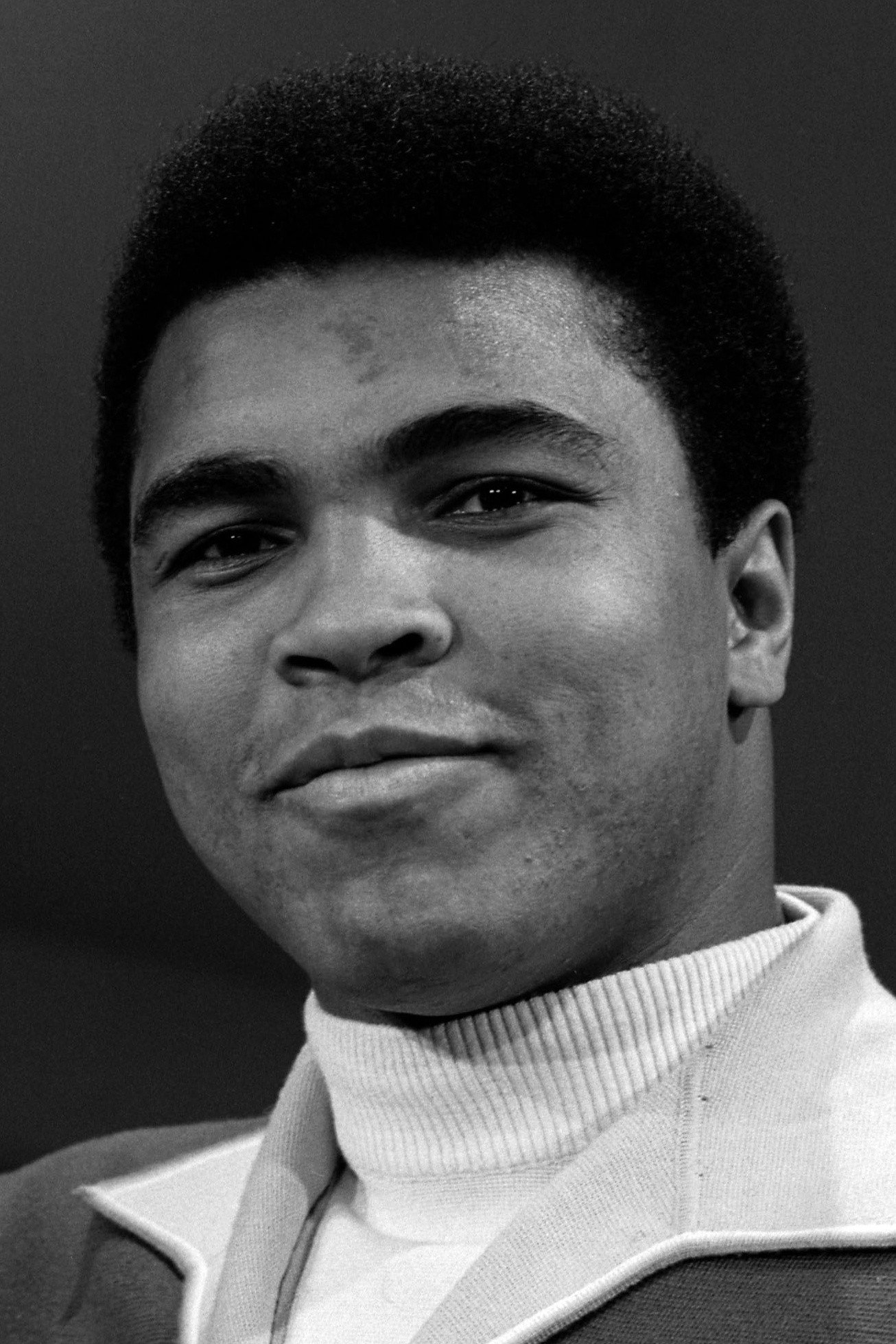
Ali's one great performance was himself, unscripted, in front of a camera that could barely keep up. Hand him lines and he stiffened. Watch him talk in Kinshasa in 1974 and you see why every actor since has struggled to play him.
Fi1m perspective
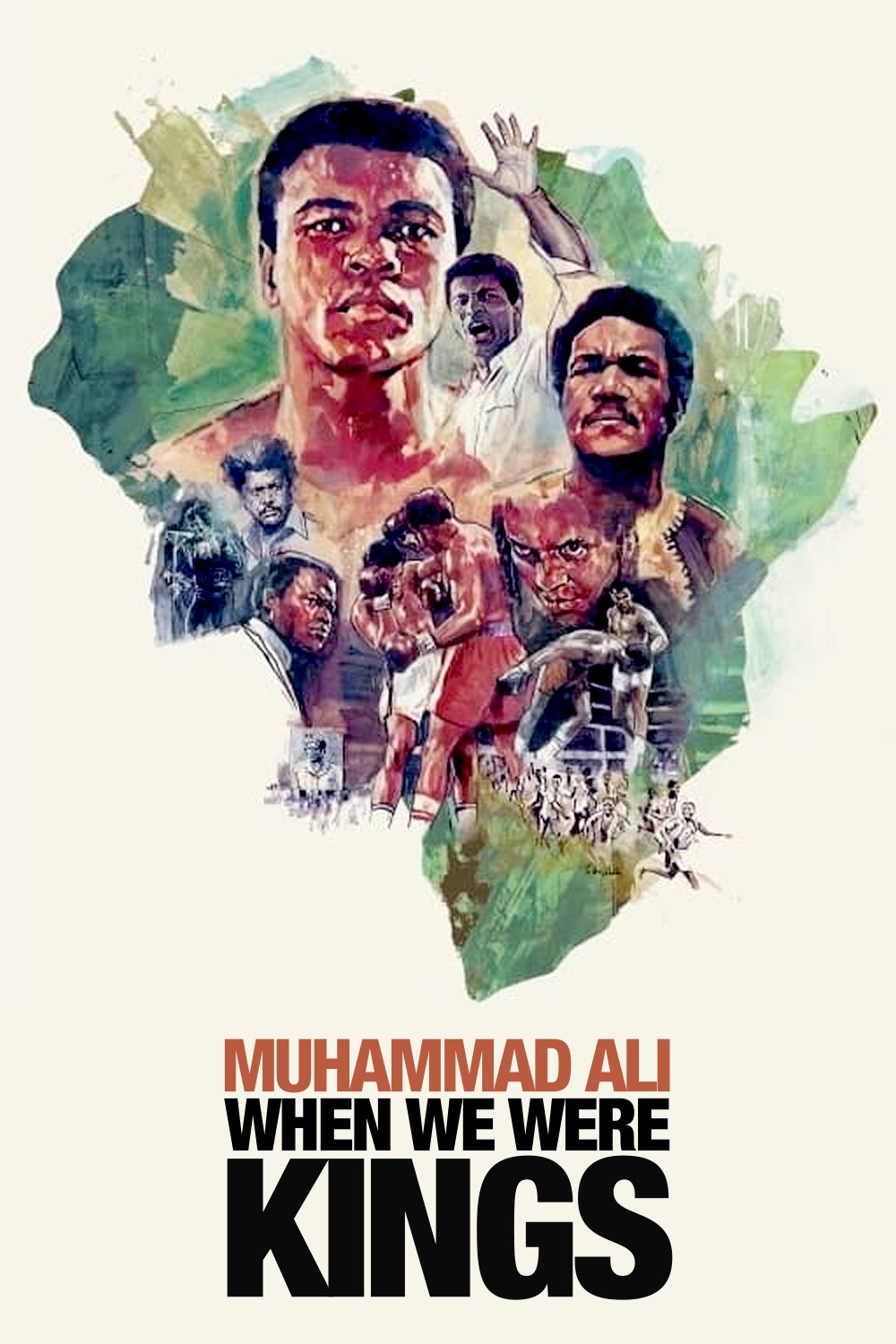
A man in a tracksuit runs along a road outside Kinshasa at first light, and a crowd of children runs with him, chanting a phrase that means kill him. That is Muhammad Ali on screen at his best, in When We Were Kings (1996), and he is not acting. He is being filmed, which for him was a different and better thing. We had seen the photographs of that run; watching it move, the feet on the tarmac and the chant sliding in and out of time, we were moved more than we had expected to be, because a man about to be hurt by a bigger man is being carried along by people who have decided he is theirs.
His screen career runs alongside the boxing and never quite becomes a second one. He turns up as himself in Requiem for a Heavyweight (1962), still billed as Cassius Clay. He plays himself again, at feature length, in The Greatest (1977), his own rise, name change and the winning back of the title. He took one proper dramatic lead, as Gideon Jackson, a freed slave who becomes a politician, in the television film Freedom Road (1979). After that it is documentaries and archive, on into the 2000s. He never trained as an actor.
What works is the talk. Leon Gast built When We Were Kings out of Ali speaking, at press conferences, in the training camp, on the road at dawn, to anyone with a camera, and the film's good sense is to let him. He recites verse at reporters, calls George Foreman a mummy, promises Zaire a miracle, and never seems to be thinking about the fight, which is the frightening part, because Foreman was the champion, younger, unbeaten and in the habit of ending fights early. Five cinematographers, Albert Maysles among them, shot it handheld and close, colours running warm and orange, focus drifting, and the jostle suits him. Nothing is composed and he does not need composing.
What does not work is a script. Handed lines, even lines about his own life in The Greatest, he stiffens, and it is easy to see why. A boast invented in front of a reporter and a boast remembered in front of a crew are not the same performance, and only one of them was ever his.
So the actor Ali is really one film, and it is a good one, though we wished Gast had spent more of it on Foreman, who arrives with a dog, hits the heavy bag until it folds and is treated as a silence rather than a man. Anyone who plays Ali now has to do the talk, and the talk was never written down first. Start with the real one, on the road out of Kinshasa, before the sun is up.
Biography
Muhammad Ali (born Cassius Marcellus Clay Jr.) was an American professional boxer who appeared in documentaries and films, frequently as himself. He is credited as Self in the 1996 documentary When We Were Kings, which centres on the 1974 heavyweight title fight known as the Rumble in the Jungle.
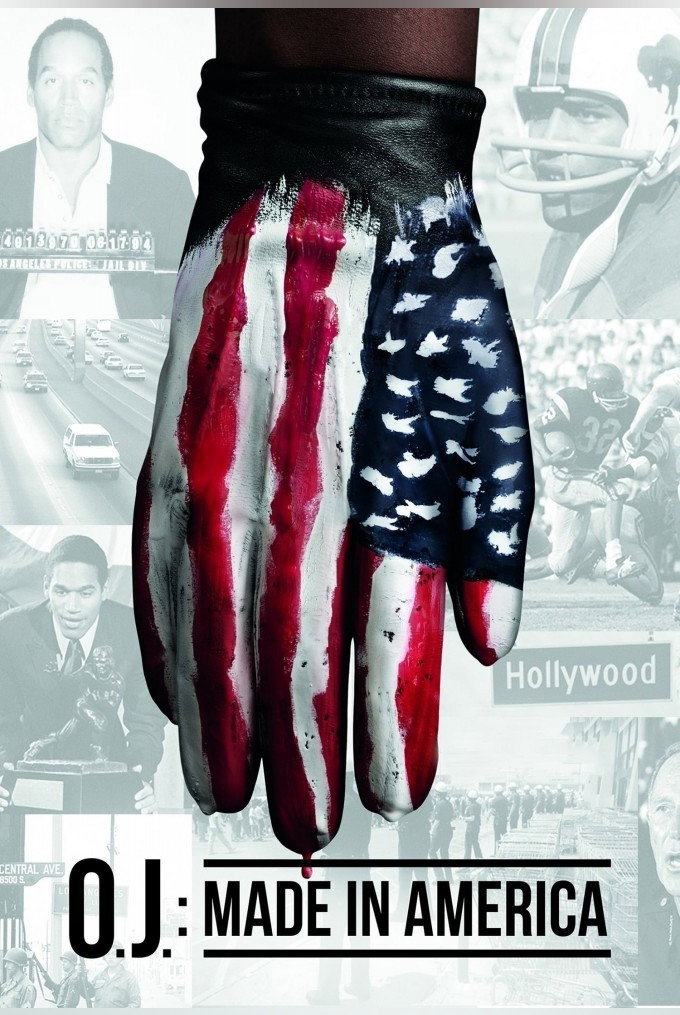
Archive footage of Ali features in numerous later productions, including O.J.: Made in America (2016), Best of Enemies (2015), Gonzo: The Life and Work of Dr. Hunter S. Thompson (2008) and episodes of Explained (2018). He was born in Louisville, Kentucky, in 1942 and died in 2016.