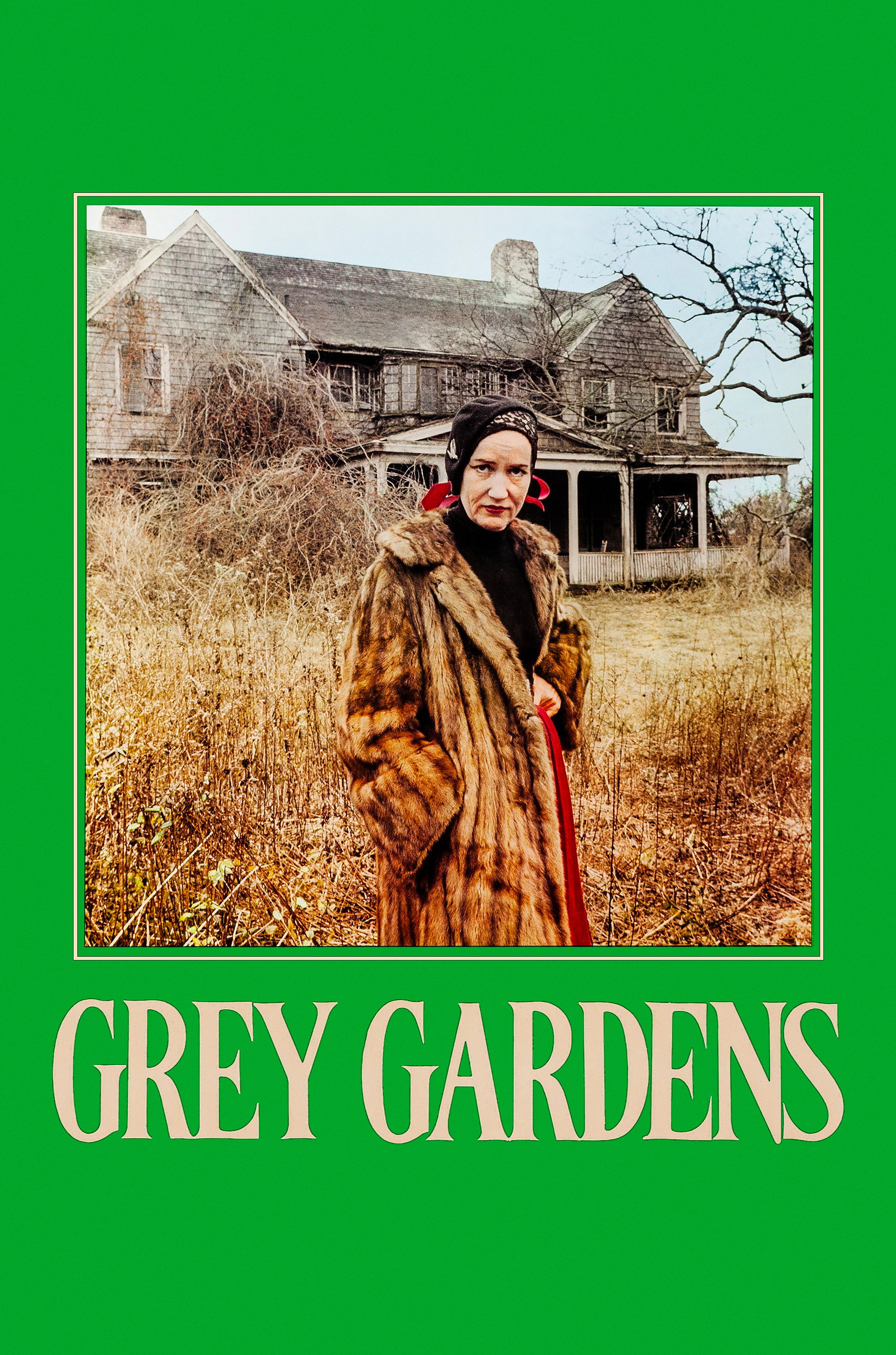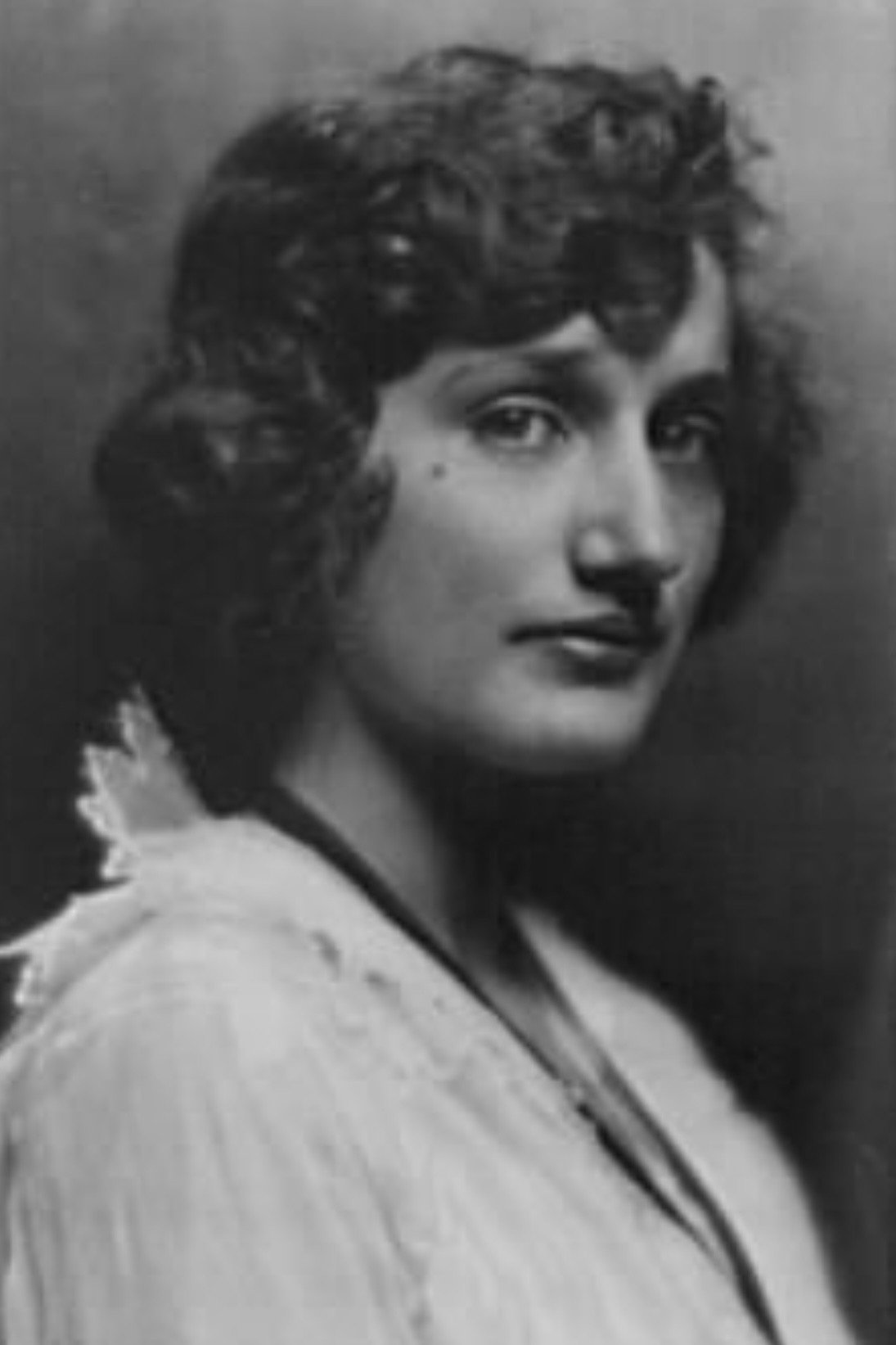
Big Edie appeared in one film, mostly from her bed, and knew precisely what she was doing in it. She addresses the Maysles by name, sings when she pleases and never once looks caught. That is a performance, and a good one.
Fi1m perspective
Edith Ewing Bouvier Beale spends much of Grey Gardens (1976) in bed, half-dressed, in a room that has not been cleaned in years, and at one point she tells the camera crew to keep going. It is the sentence that decides what the film is. She is not being found. She has looked at the two men in her bedroom, worked out what they are for, and given them permission. Everything she does for the rest of the 95 minutes follows from that.
There is no career to describe. She sang at parties and in private, sometimes with accompanists, and never for money. The house in East Hampton was bought in 1923, and by the early 1950s she and her daughter had stopped leaving it, sharing it with the cats and, later, the raccoons. The Maysles brothers came in the summer of 1975 because she was Jacqueline Kennedy Onassis's aunt and the newspapers had already been, after an inspection that nearly had the two women put out of the house. The film opens on those clippings, and then the brothers go inside and stay.
What she does with them is the interesting part. The old charge against the film is that it is voyeuristic, that two vulnerable women were allowed to make fools of themselves, and most critics have never quite let it go. We think the screen says otherwise. Big Edie sings when she wants to, argues with her daughter when she wants to, and talks to Albert and David as though they were guests who had overstayed and might as well be useful. Watching her tell them to carry on, we felt no embarrassment at all, and were slightly ashamed of having expected to. She had decided the film would be hers, and it is.
She is funny, too, and the humour is dry rather than daft. "The cat’s going to the bathroom right in back of my portrait. I’m glad he is. I’m glad somebody’s doing something they want to do." Said in that house, by that woman, it is a whole position on life in three sentences, and the Maysles have the sense to let her finish it.
We cannot tell you whether she could act, because she never tried. What we can tell you is that a camera arrived in her bedroom when she was nearly eighty and she was not once at a loss for what to do with it. Most professionals manage that less often than they would like. Watch it for her, and do not feel sorry for her; she would not have thanked you.
Biography
Edith Ewing Bouvier Beale (1895–1977), known as Big Edie, was an American socialite and singer. She was a sister of John Vernou Bouvier III and an aunt of First Lady Jacqueline Kennedy Onassis and socialite Princess Lee Radziwill.
Her life and relationship with her daughter Edith Bouvier Beale (Little Edie) were the subject of the 1976 documentary film Grey Gardens, in which she appeared as herself.