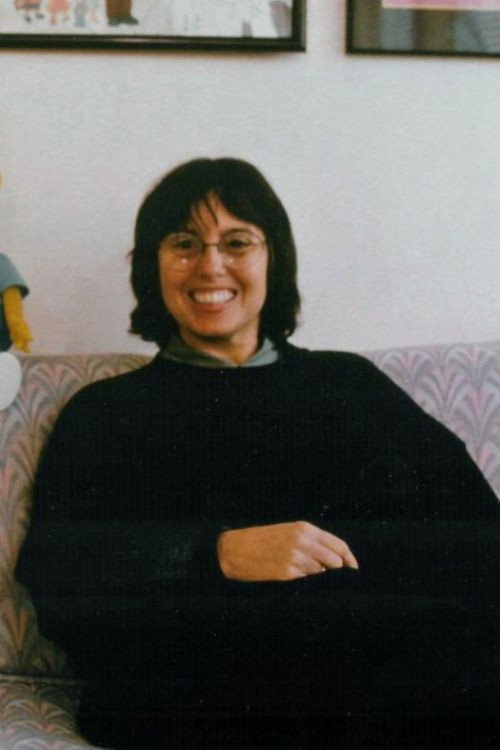
Meyer is an editor who directs. Grey Gardens, the film everybody knows, was shaped in the cutting room, where she and her colleagues let two women argue past the point of comfort. Decades of PBS history followed, built the same way.
Fi1m perspective
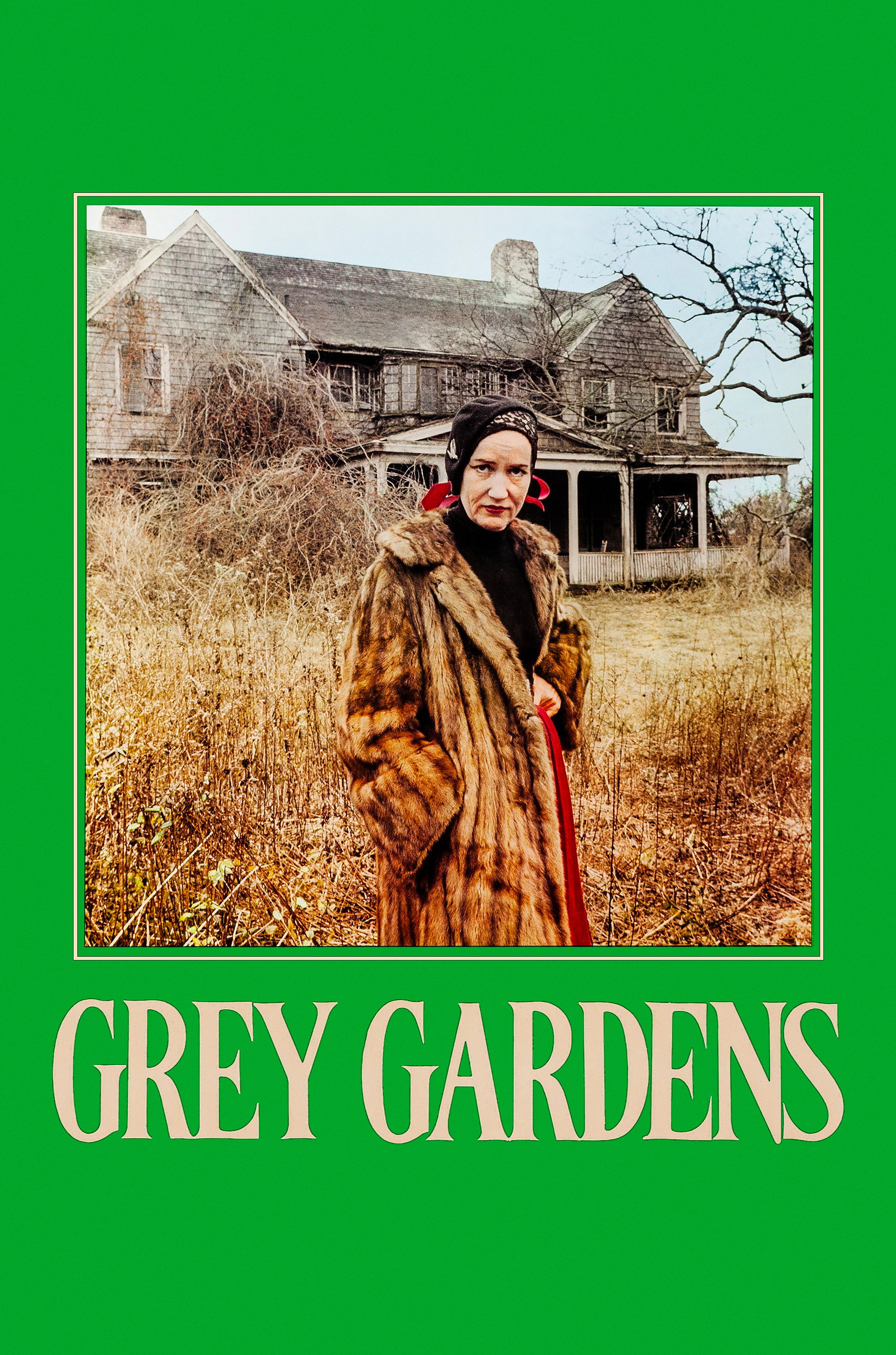
There is a row in Grey Gardens (1976) about who should have married whom, and about whether Little Edie ought to have stayed in New York, and it goes on well past the point where a tidier film would have cut. Both women talk at once. A record plays under them, a cat complains from somewhere, and the cut declines to sort it out. That was the editors' decision, and Muffie Meyer was one of them. It is the plainest statement of what she does: she finds the story in footage where nothing much happens, and then she refuses to trim it into comfort.
She came to the film as an editor. She had been an assistant editor on Woodstock (1970), and she cut features including The Lords of Flatbush (1974) and Gilda Live (1980). On Grey Gardens she co-directed and co-edited with the Maysles brothers and Ellen Hovde, and the film's shape came from the cutting room rather than the shoot. Meyer has said of Little Edie, "It was very clear to Ellen and me right at the beginning that there was no way she was going to leave home." Once you know that, you can see the film built around it. Every plan Edie announces is one the editors already know will come to nothing, and they let her announce it anyway. We found those stretches hard to sit through, and we did not want them shorter, because the length is where the love between the two women shows. Nothing is scored and nobody narrates. The Beales explain themselves.
The film was accused of exploiting its subjects when it came out and has been ever since. Meyer and Hovde expected it; she has said they knew people would call the Beales crazy and that nothing could stop that. Our own view is on record. We found it kind, and we never once saw the Beales forget the camera was there.
In 1978 she and Hovde founded Middlemarch Films, and most of what followed was American history for PBS, often with Ronald Blumer writing and producing: The Crash of 1929 (1990), Liberty, a six-part series on the American Revolution (1997), the three-part Benjamin Franklin (2002). These mix archive with performed scenes, which is a long way from a hand-held summer in East Hampton. There was a fiction feature too, Enormous Changes at the Last Minute (1983), from Grace Paley stories with a script by John Sayles and Ellen Barkin in the cast, and she was still directing documentaries with Making Rounds (2015). We have not reviewed the PBS work and will not pretend to.
It is an odd career on paper: one summer in a rotting house, then decades of founding figures. It makes more sense from the editing bench. Meyer's habit is to let people keep talking until they explain themselves, and she has spent most of her working life applying it to people long dead. Start with Grey Gardens, which is where you will end up anyway.
Biography
Muffie Meyer is an American director, producer and editor. She was born in New York City and raised in Chicago. She graduated from Grinnell College and received an MFA from New York University’s film school. Her early work included assisting on the documentary Woodstock (1970) and editing credits such as The Lords of Flatbush (1974).
Meyer co-directed and co-edited the cinéma vérité documentary Grey Gardens (1975) with Albert and David Maysles and Ellen Hovde. The film was released theatrically in 1976. She later co-founded Middlemarch Films with Hovde and has directed episodes and series for PBS, including NOVA, American Experience, Liberty! The American Revolution (1997) and Benjamin Franklin (2002). Her productions have received Emmy and Peabody awards.