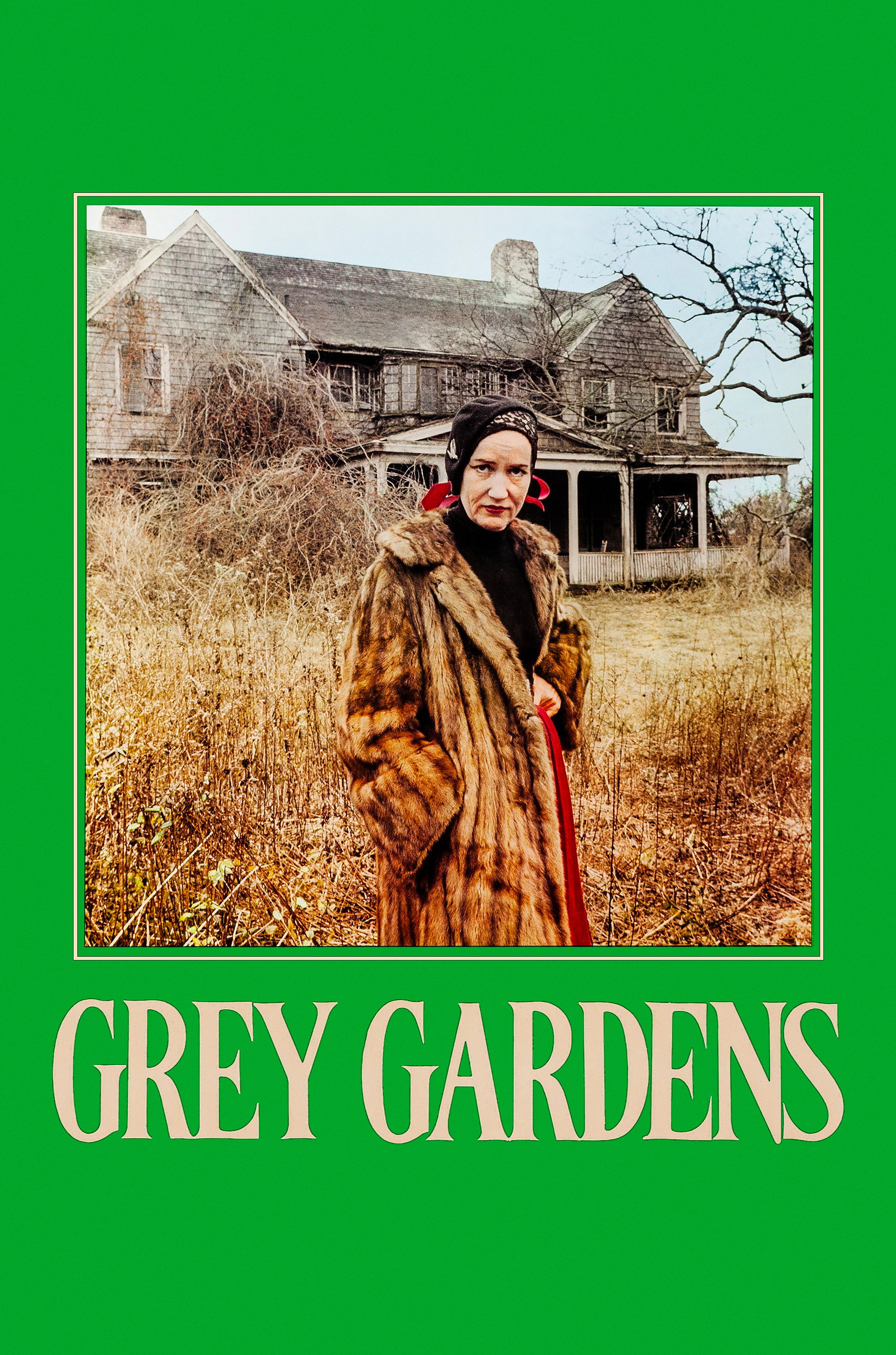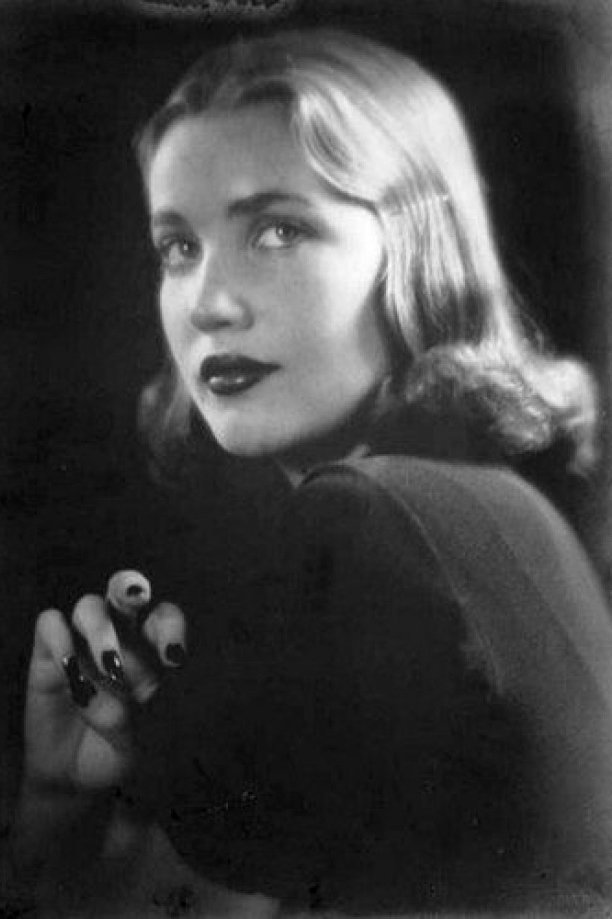
Little Edie Beale has one film, and in it she plays herself as a part. She treats the Maysles brothers' camera as the audience she had been waiting for since the 1930s, and she never once lets it catch her.
Fi1m perspective
She asks whether she is being filmed before she comes in. When the answer is yes, she arrives: headscarf pinned tight, something improvised wrapped round the rest of her, the day's costume, as she calls it, assembled from whatever the house still has. Edith Bouvier Beale, Little Edie to keep her separate from the mother whose name and house she shares, has one film to her name. In it she plays herself, and she plays it as a part.
The career before the film is short to tell. She modelled and chased dancing and performing in New York from the 1930s into the early 1950s, then in 1952 went home to Grey Gardens in East Hampton to look after her mother and stayed. Twenty-three years later Albert and David Maysles came through the door, spent the summer of 1975 there, and released Grey Gardens in 1976. That is the shape of it: a woman who wanted a stage, went home instead, and was found there by two men with a camera.
What she does with them is the reason the film has lasted. She addresses the brothers by name. She sings, she dances, she tells the story of her life and her family with a defiance that leaves no room for pity, and she times her entrances. Her mother, Big Edie, half-dressed in bed, tells the crew to keep going; the daughter never needs telling. We went in expecting to feel sorry for her and found we could not, because when she dances for the Maysles she is not a woman exposed, she is a performer who has at last got the booking, and she knows the difference better than we do.
Since it first appeared critics have called the film exploitative, two vulnerable women let loose in front of a lens. We think the screen says otherwise. The Beales know exactly what a camera is, and the Maysles' respect is in letting them finish every sentence. Little Edie's own verdict, given after the film came out, was that "To my mother and me, Grey Gardens is a breakthrough to something beautiful and precious called life." That is not the sentence of someone who feels she was caught.
Her mother died in 1977. The next year Little Edie, in her sixties, did a short cabaret run in New York; we did not see it and will not pretend to judge it. She sold the house in 1979 and lived in Florida until her death in 2002. One film, then, is the whole of the work, and it is enough. Watch it twice. The first time you will be looking at the house. The second time you will notice she has been looking at you.
Biography
Edith Bouvier Beale, known as Little Edie, was an American socialite, fashion model and cabaret performer. She is best known for appearing as herself, alongside her mother Edith Ewing Bouvier Beale, in the 1975 documentary film Grey Gardens by Albert and David Maysles, which was released in the United States in 1976.
Born in New York City on 7 November 1917, she was a first cousin of Jacqueline Kennedy Onassis and Lee Radziwill. Beale modelled in her youth and later performed in cabaret. She returned to live permanently with her mother at the Grey Gardens estate in East Hampton in 1952.
After her mother's death in 1977, Beale sold the property in 1979 and moved to Florida, where she continued occasional performances. She died on 14 January 2002.