Film review

Crumb

1995 · Directed by Terry Zwigoff · 2h 01m · MPA R

In a sentenceA family portrait in which the well-adjusted one is the man who draws the dirty comics

Documentary

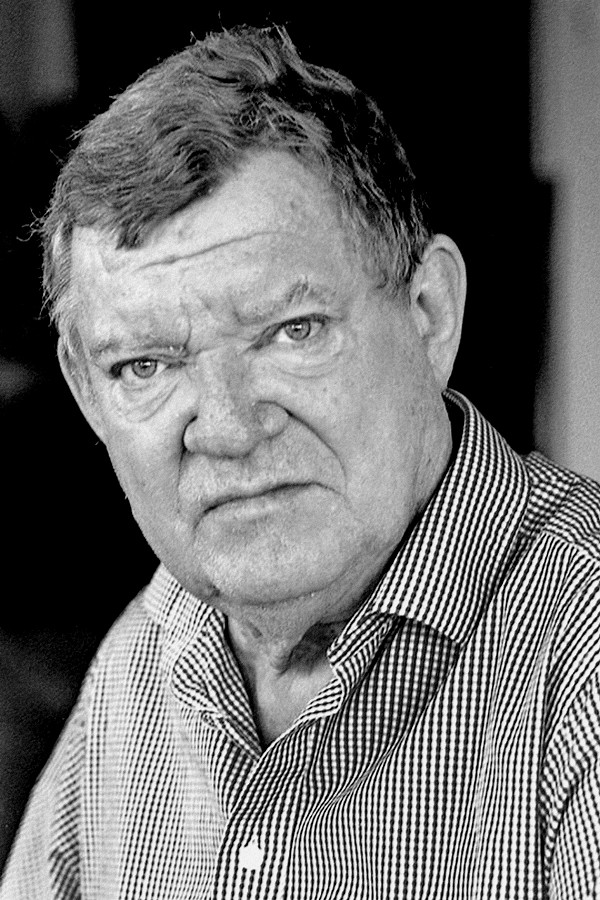
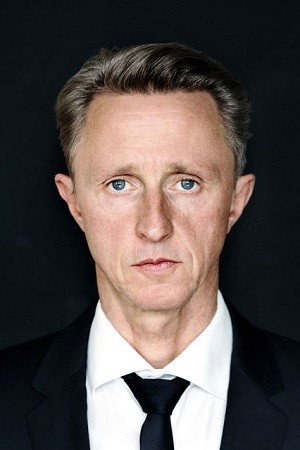
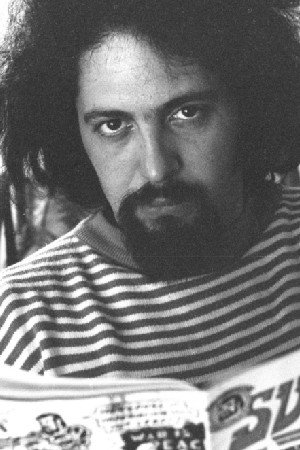
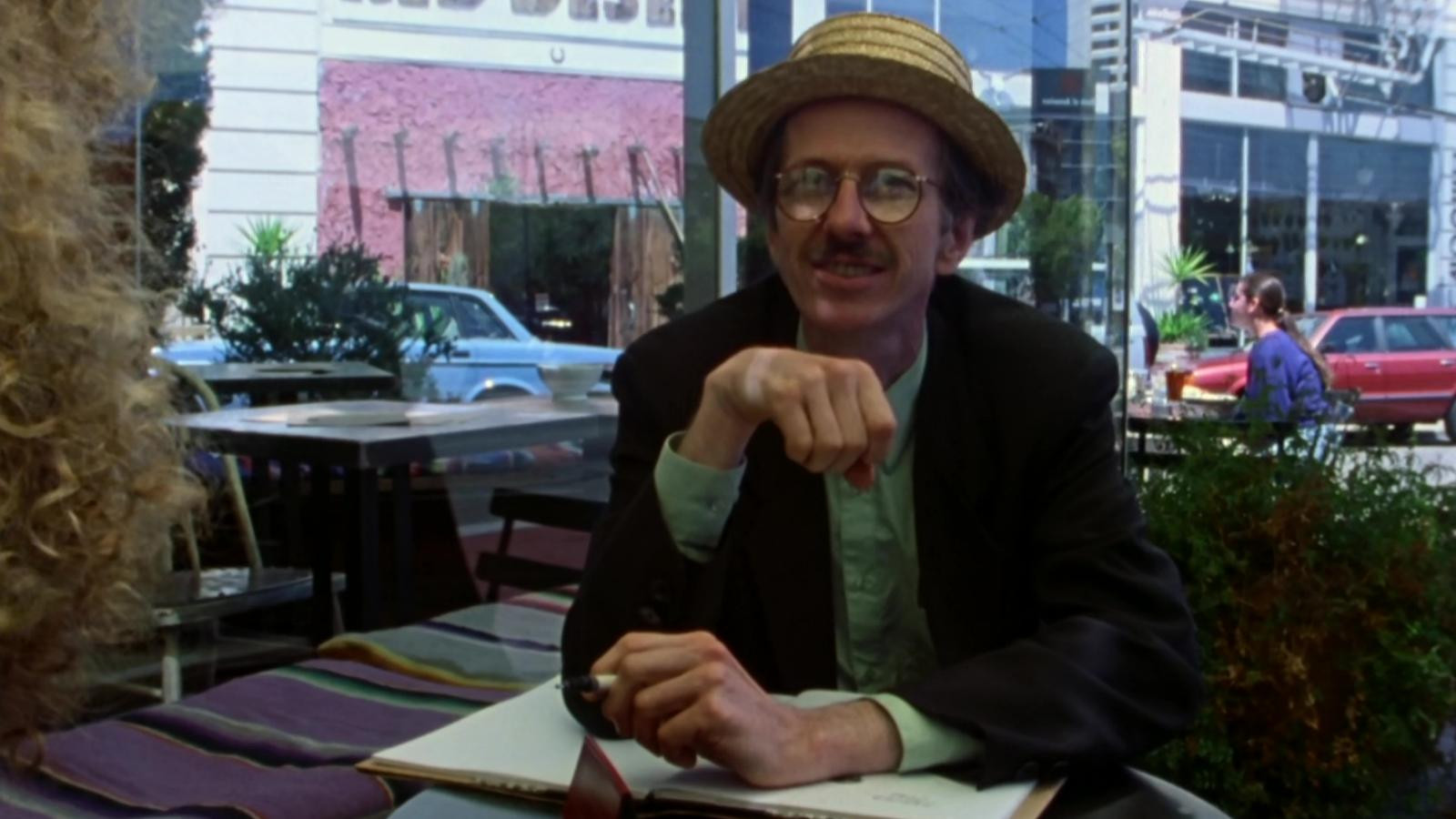
Robert Crumb, the cartoonist who drew Fritz the Cat and Mr. Natural, is preparing to leave America for France. Before he goes, Terry Zwigoff takes him home to Philadelphia, where his elder brother Charles Crumb lives with their mother and has not been out of the house in years, and to a San Francisco hotel room where his younger brother Maxon Crumb sits on a bed of nails. His wife, the cartoonist Aline Kominsky, talks about what it is like to live with him. The art critic Robert Hughes puts the case for the comics; Deirdre English and Trina Robbins put the case against. In between, the camera reads the drawings panel by panel, and the brothers remember a childhood spent making comics together.

Plays from YouTube when you press play; nothing loads from them until then.

Fi1m review

Terry Zwigoff spent years with the cartoonist Robert Crumb and his two brothers, and made one of the saddest and most candid films about an artist we know. It is funny, it does not flinch, and parts of it are hard to sit through.

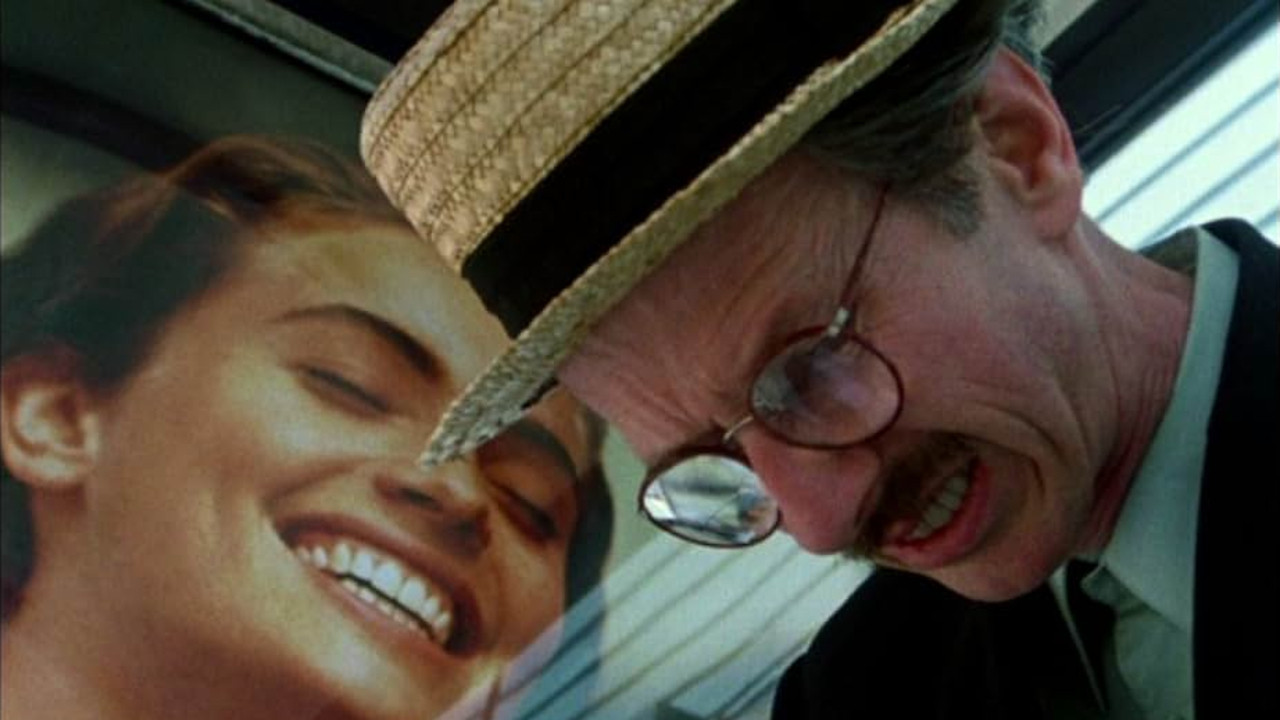
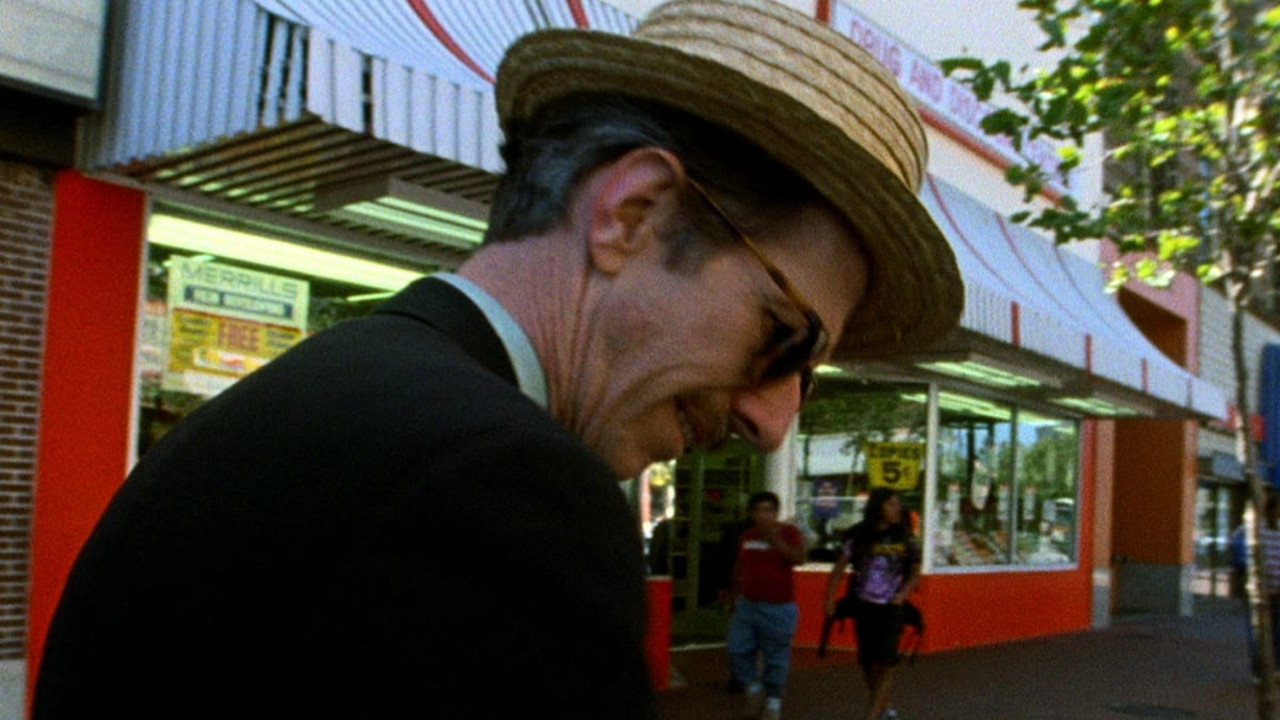
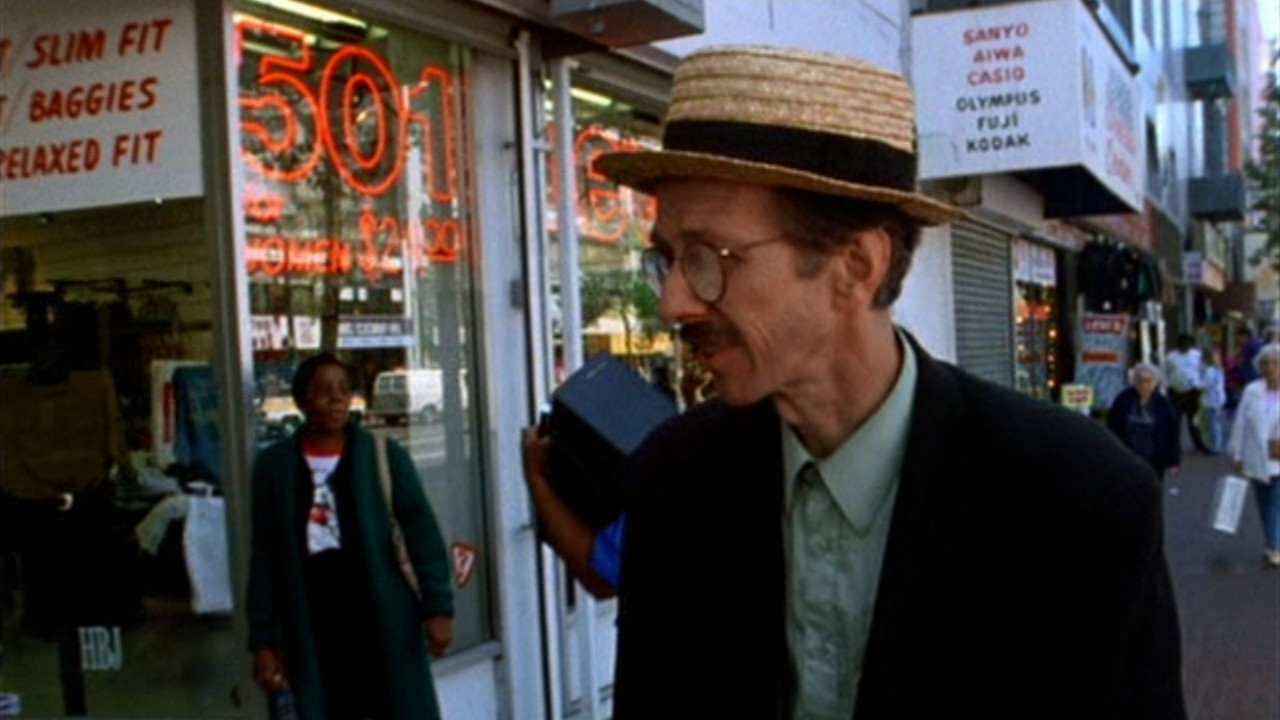
Terry Zwigoff’s documentary about the cartoonist Robert Crumb runs 121 minutes and spends surprisingly few of them on the cartoons. Crumb drew Fritz the Cat and Mr. Natural and the Keep on Truckin’ men who ended up on a million T-shirts, and by the time the film catches up with him he has grown to hate the sixties and most of what has been said about him since. Zwigoff, an old friend, is interested in the work. He is more interested in where it came from, and the answer turns out to be a house in Philadelphia and two brothers. It is a candid, funny and desperately sad film, and among the best we know about an artist and his family.

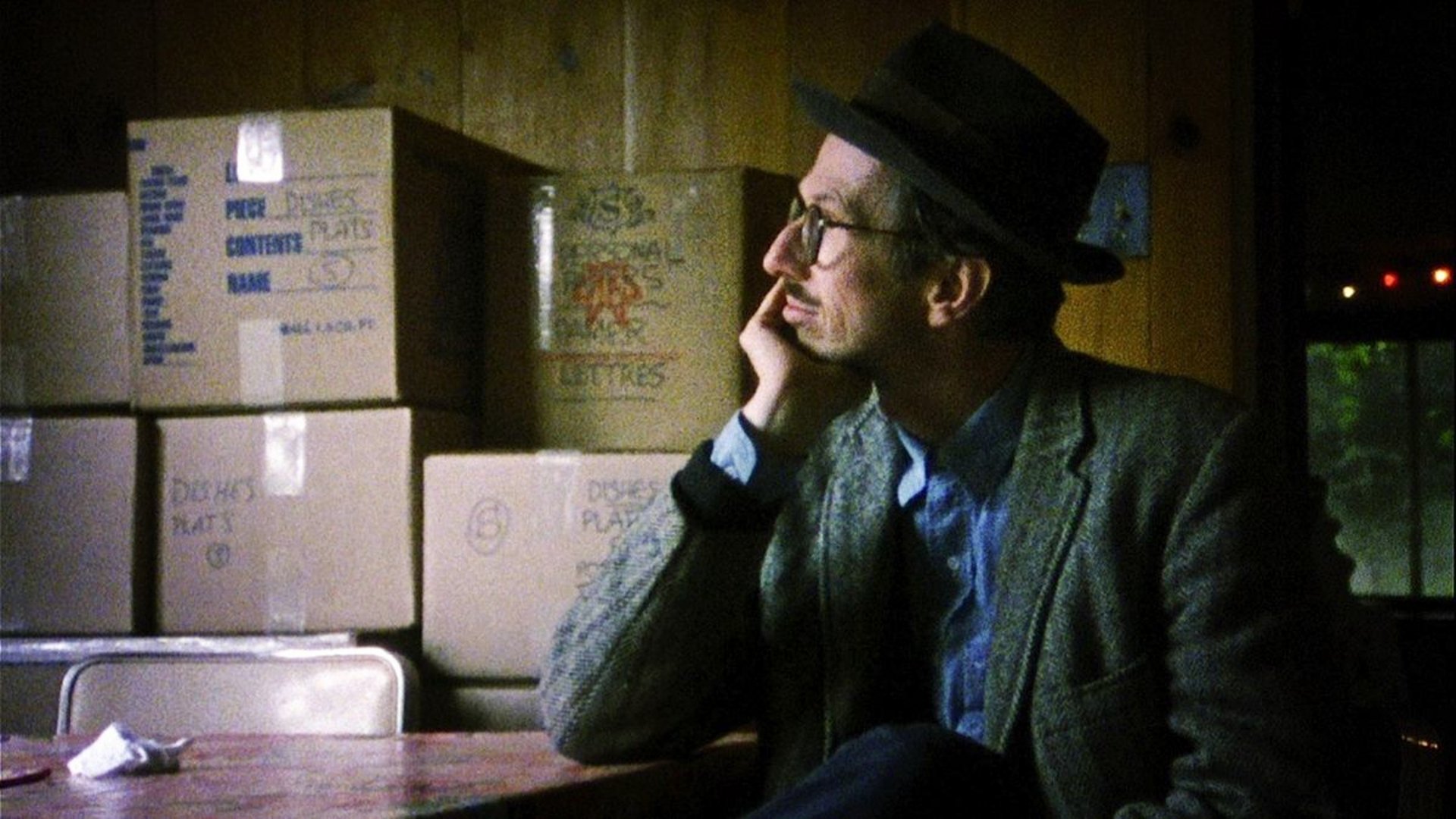
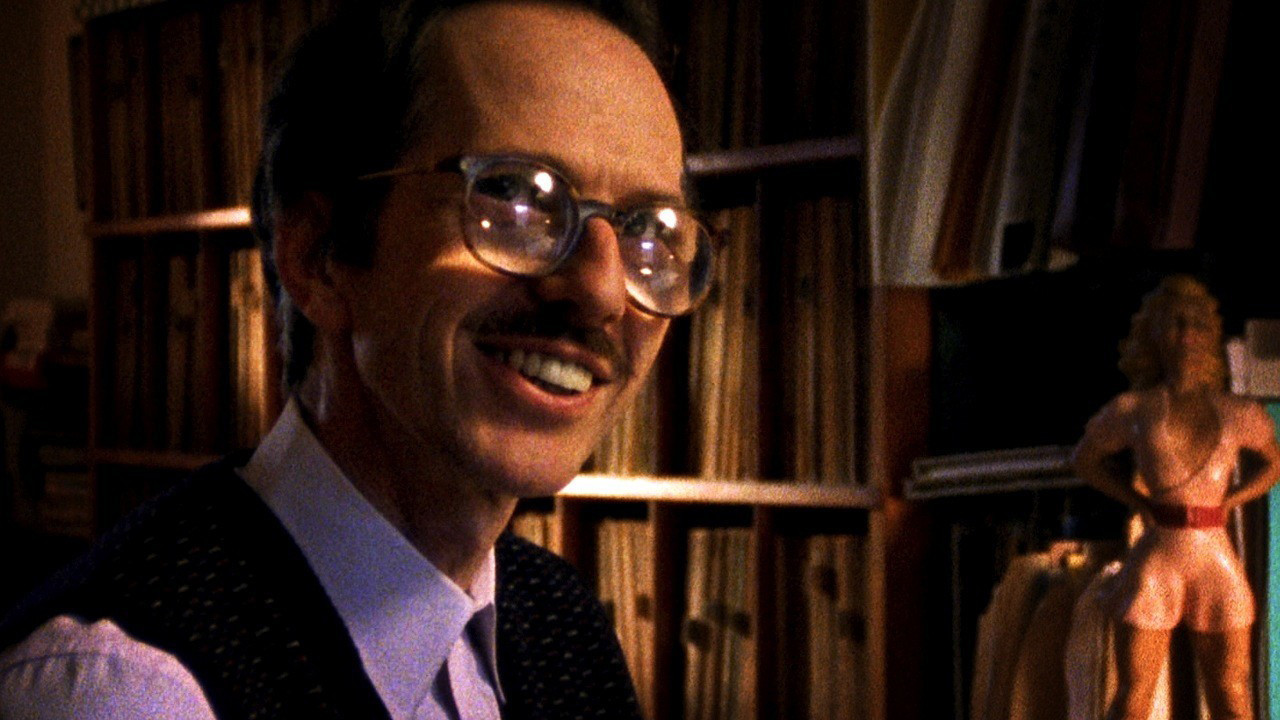
Charles Crumb, the eldest, lives with their mother, takes his medication and has not left the house in years. As a boy he ran the family comic book and made Robert draw for it. Maxon Crumb, the youngest, lives in a San Francisco hotel room, begs on the street and sits on a bed of nails to meditate. Both brothers are clever and both are funnier than they have any right to be. Maryse Alberti films the Philadelphia living room with the curtains drawn and the lamps on, so the two men on the sofa look as if they have been sitting there since about 1958. She stays close and she does not move much. Nobody in this film is lit to look better than they do.

The scene we will not forget comes when Robert and Charles page through the comics Charles drew as a teenager. Over a few years the pictures shrink and the lettering grows, until the panels are nothing but small dense handwriting with no drawings left in them at all. Charles talks it through without self-pity, as though describing the weather. We were not ready for it, and we sat still for some time afterwards. It is the plainest picture of a mind closing that we have seen on a screen, and Victor Livingston’s editing lets it go at the speed of a page being turned.

The comics themselves are read rather than shown. Livingston and Alberti pan across the pages panel by panel, so that you take in the strip at the film’s pace and cannot skip the bits you would rather not see. Robert Hughes, the art critic, argues for them and puts Crumb alongside Brueghel. Deirdre English and Trina Robbins put the case against: the women drawn as bodies, the racial caricatures, the question of whether any of it is satire or simply what he likes. Zwigoff gives them room and does not talk over them, though he does let Crumb have the reply, and Crumb’s reply is always the same: he draws what is in his head and hopes it is not only in his. The best witness is Aline Kominsky, his wife and a cartoonist herself, who knows exactly what he is and has decided to stay.

David Boeddinghaus provides old-time piano, the ragtime and stride of the 1920s records Crumb collects and prefers to anything made since. It plays under the family photographs and the shots of the brothers, and it makes the whole thing feel like old footage even when it is not. Crumb says at one point that he cannot stand the world he lives in. The music agrees with him.

It is not tidy. Zwigoff shot over several years and cut the result together, and there is a stretch in the middle where fellow cartoonists such as Spain Rodriguez and Bill Griffith tell us Crumb is a genius and we learn nothing we did not know. Some of the time with Maxon made us uneasy to be watching; he says things about his past that a friendlier film would have cut, and Zwigoff keeps them in, and we are still not sure that was kind. The certificate is 18 and it is earned; the drawings are shown uncropped.

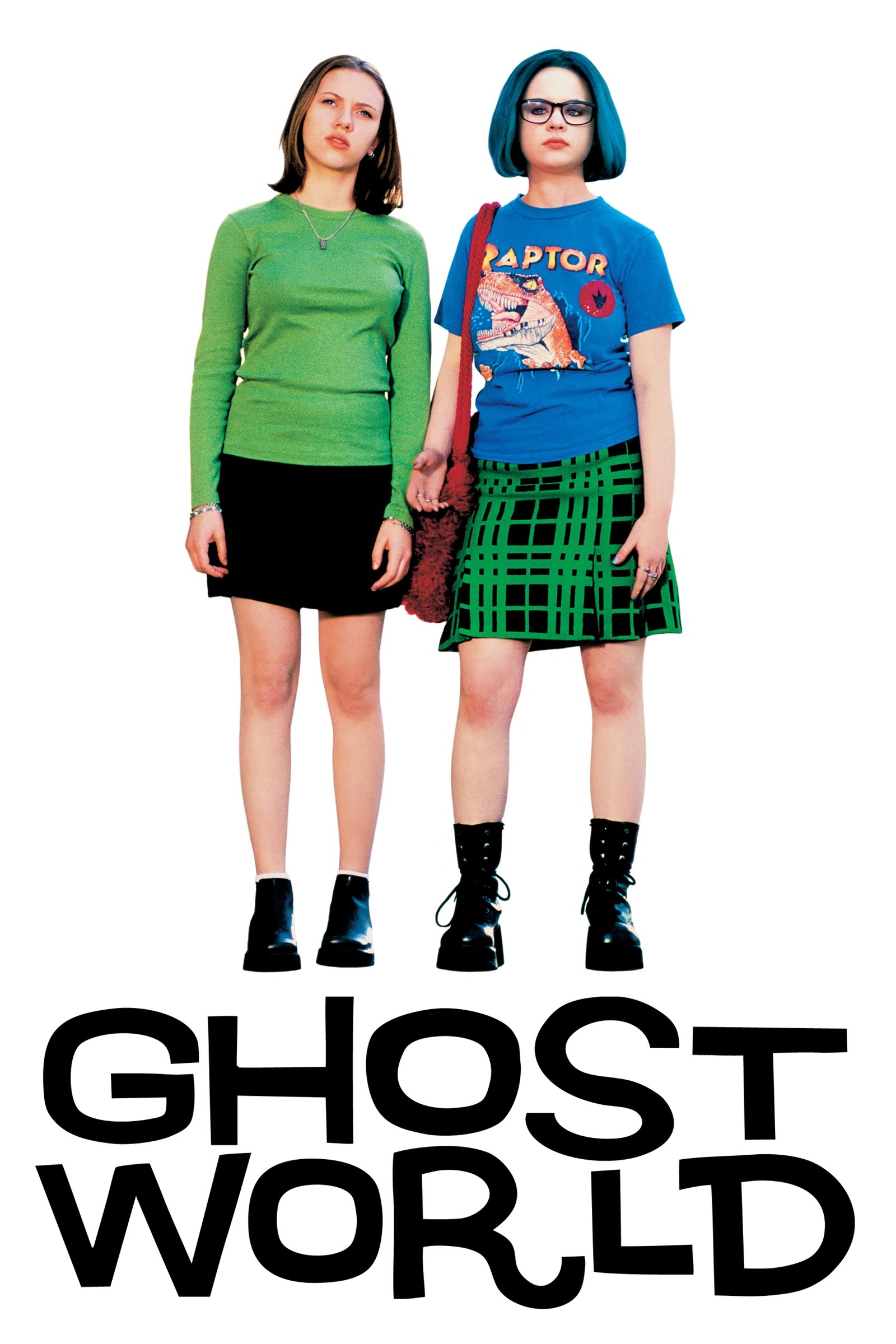
Zwigoff went on to Ghost World (2001), a fiction about two teenage girls who cannot stand anyone either, and it has the same patience with people who do not fit. This is the harder film. Watch it with someone who will not need to talk straight afterwards, and give yourself the evening; you will not want to put anything else on.
Critical consensus AI synthesised

85
Positive
13
Mixed
0
Negative
0

The reviews are uniformly favourable, and they agree on what the film is: a portrait of a badly damaged family, with Robert Crumb as its most functional member. Most critics single out the access Terry Zwigoff secured, above all to Crumb’s brother Charles, and the way the film traces the comics back to the household that produced them. Several praise how it moves between comedy and despair, and between candid footage of the brothers and hard argument about whether the drawings are satire or pornography.

The disagreements are about degree. The spread runs from strong to warm, with nothing mixed or hostile. The Independent finds the film poorly structured and notes what it leaves out. Time Out thinks stretches of the family material tip into a freakshow. The Times credits much of the film’s hold to Crumb’s own laconic charisma rather than to the filmmaking, which is the closest anyone comes to a serious reservation.

Evening Standard
16 July 2020 · Charlotte O'Sullivan
90*

The critic calls the film amazing and in a class of its own as a portrait of a dysfunctional family. Zwigoff's focus on Robert Crumb's brother Charles and use of old-time music are singled out for praise.

Read the full review →
Los Angeles Times
28 April 1995 · Kenneth Turan
90*

Turan finds the film riveting and haunting, like a Diane Arbus photograph, highlighting how horrific family conditions nurtured Crumb's singular artistic sensibility as the most functional member of his troubled clan.

Read the full review →
RogerEbert.com
26 May 1995 · Roger Ebert
90*

Ebert calls it one of the most remarkable and haunting documentaries ever made, centering on how Crumb's art served as a coping mechanism from a deeply dysfunctional family background marked by abuse and his brothers' severe mental struggles.

Read the full review →
Slant Magazine
10 August 2010 · John Lingan
90*

The critic calls it a balanced and insightful portrait of the artist and a wrenching depiction of a tragic family, praising its compositional skill in moving between verité revelations, art criticism, and shifting tones from comedy to despair.

Read the full review →
The AV Club
26 April 2006 · A- · Nathan Rabin
90

The critic highlights the film's queasily intimate access to Crumb's family and psyche, exploring how his art allowed him to escape the despair that defeated his brother while entertaining debates about the work's satirical versus pornographic qualities.

Read the full review →
The New Yorker
24 April 1995 · Terrence Rafferty
90*

Rafferty deems it a brilliant, scary movie—the best American film of the year so far—for its unsparing yet sympathetic examination of Crumb's family trauma and the artist's detached, misanthropic creative process.

Read the full review →

Cast

Awards

Sundance Film Festival Grand Jury Prize for Best Documentary, 1995

Won
Sundance Film Festival Grand Jury Prize for Best Documentary

If you liked this, try…

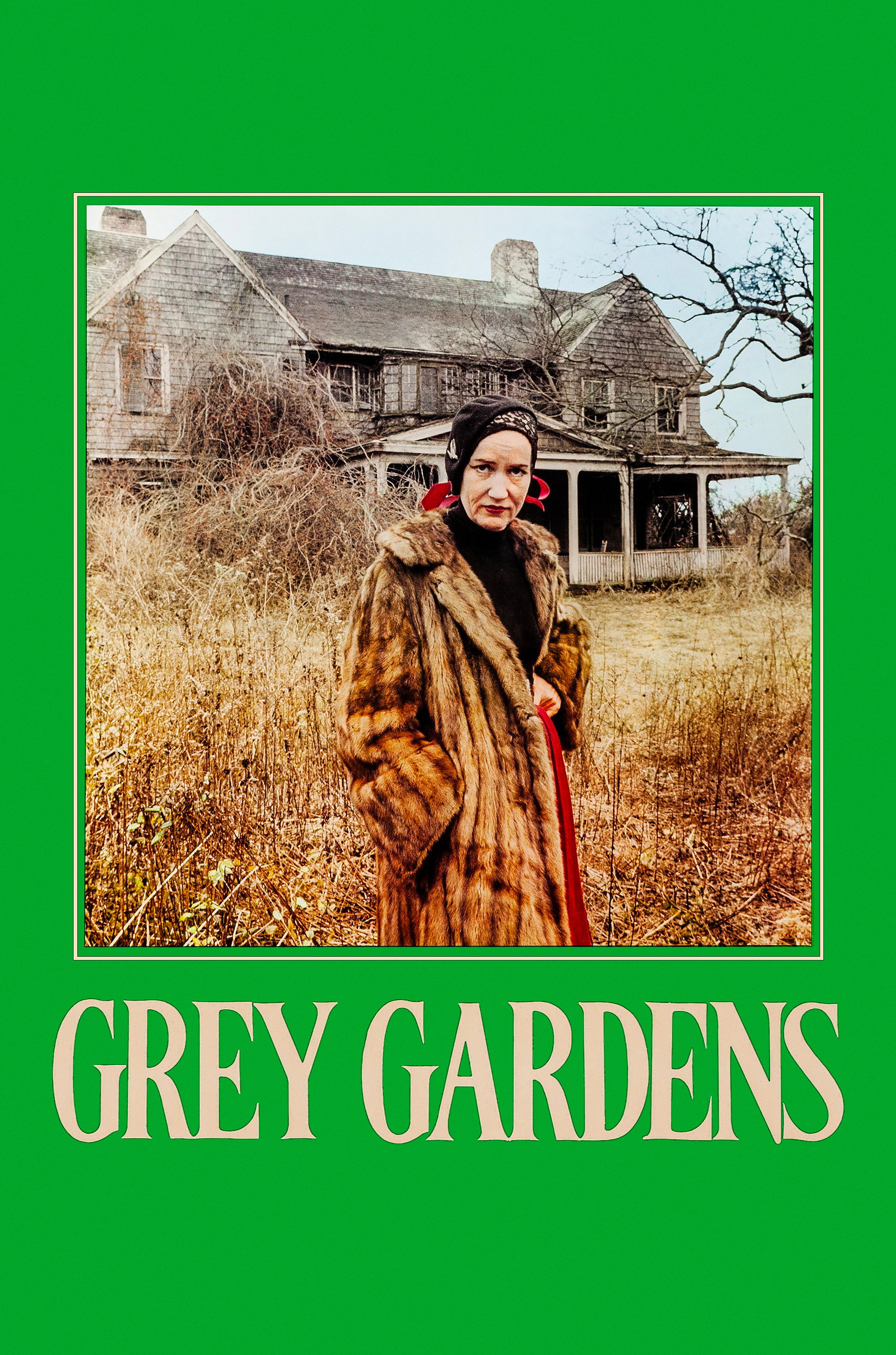
Grey Gardens poster86

Grey Gardens

1975 · Two women, one collapsing house, and cameras that stay long after politeness would leave

Ghost World poster84

Ghost World

2001 · Zwigoff’s fiction debut, from a comic, with the same tenderness for misfits

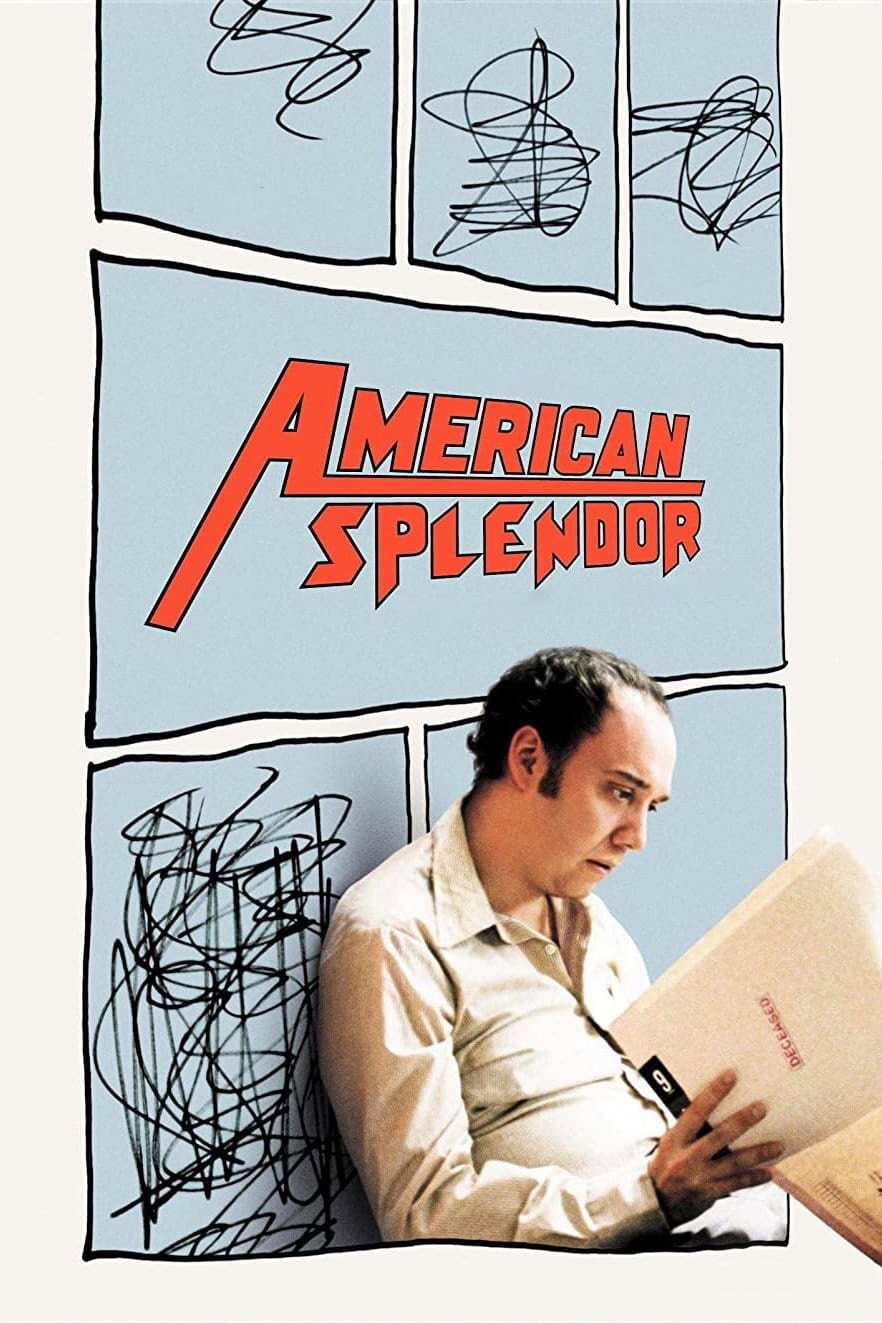
American Splendor poster

American Splendor

2003 · Harvey Pekar, Crumb’s collaborator, played by Paul Giamatti and by himself

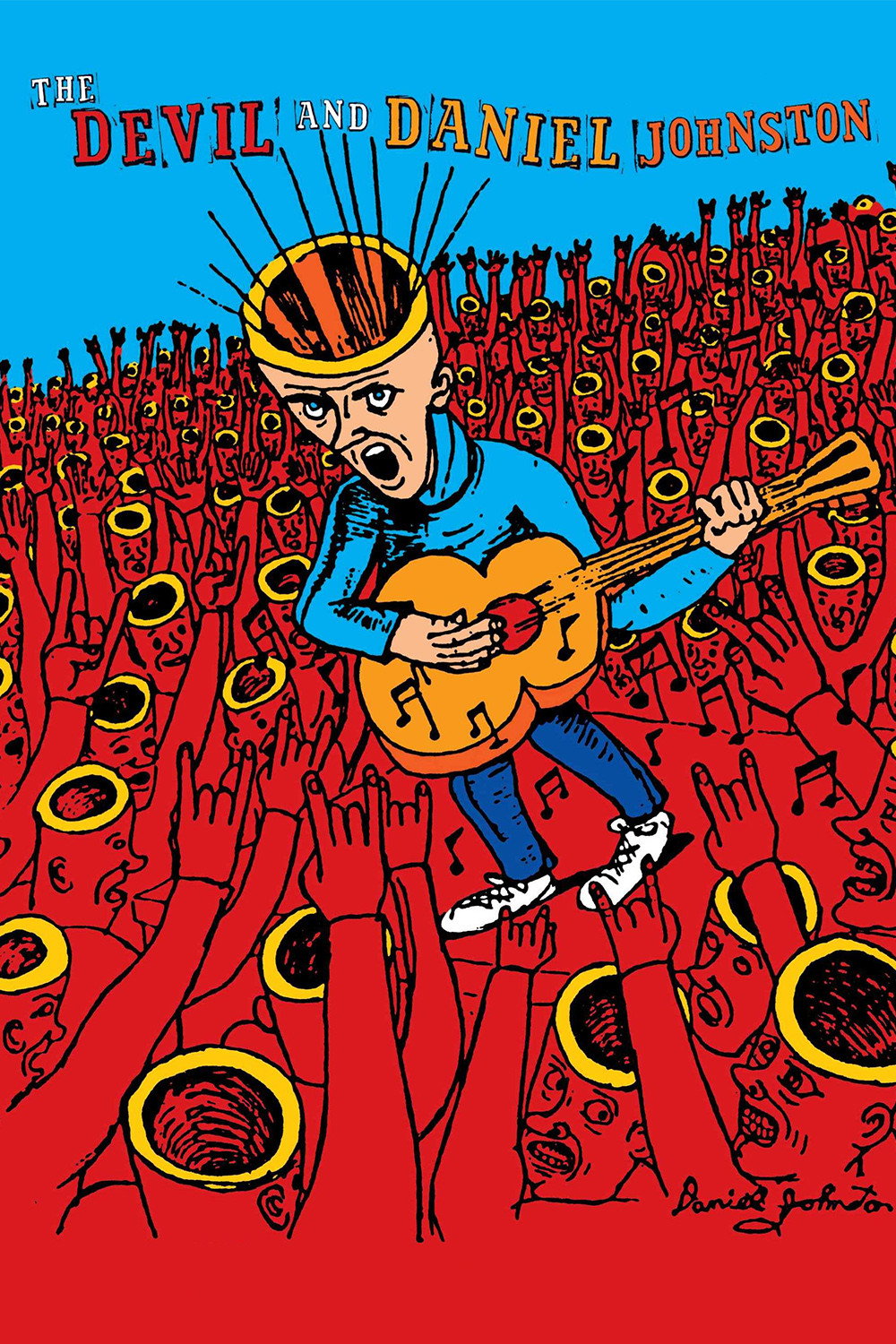
The Devil and Daniel Johnston poster

The Devil and Daniel Johnston

2005 · Another artist whose illness and gift arrived in the same parcel

The Arbor poster

The Arbor

2010 · A Bradford family’s history told by actors lip-syncing the real voices; unsettling and sad