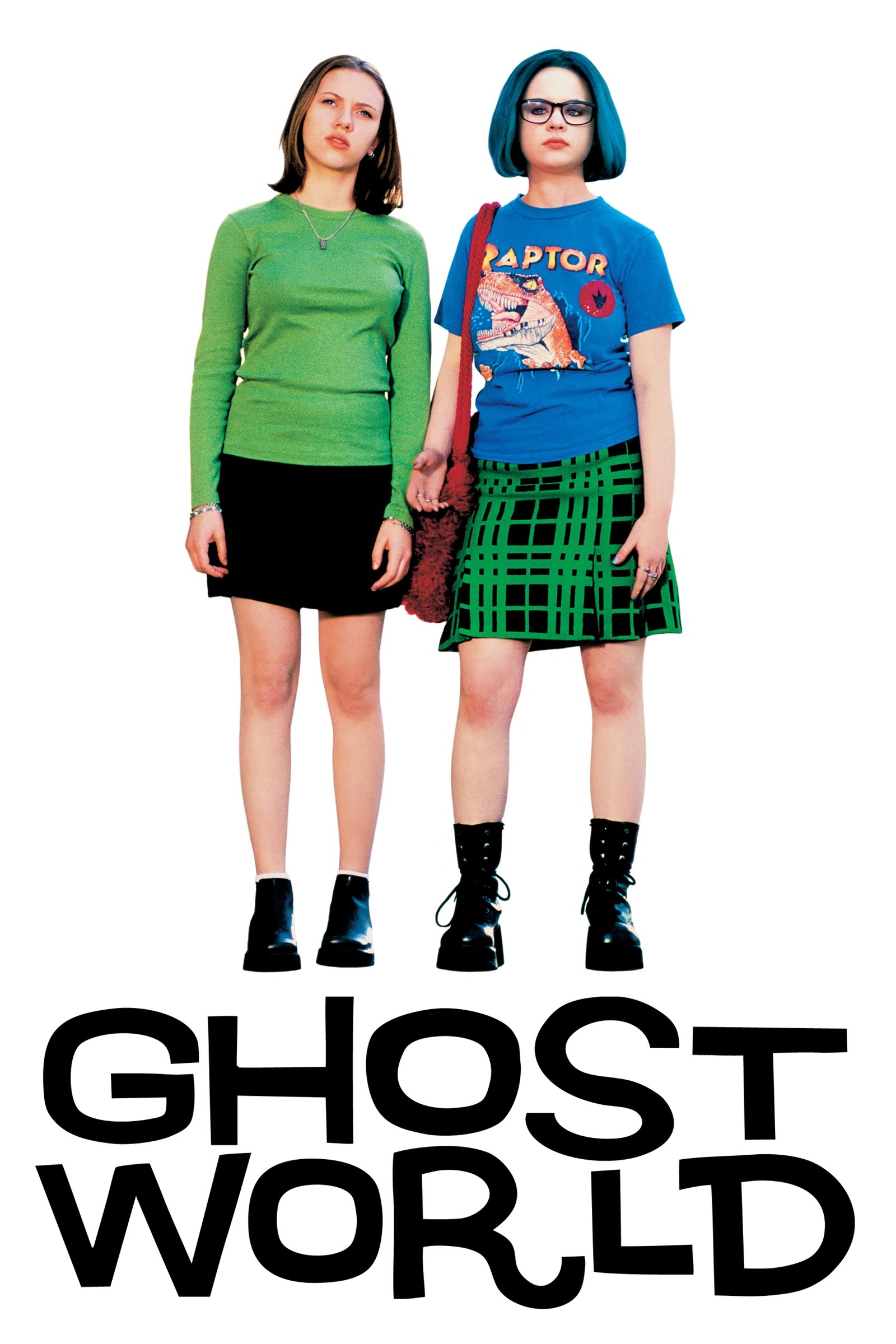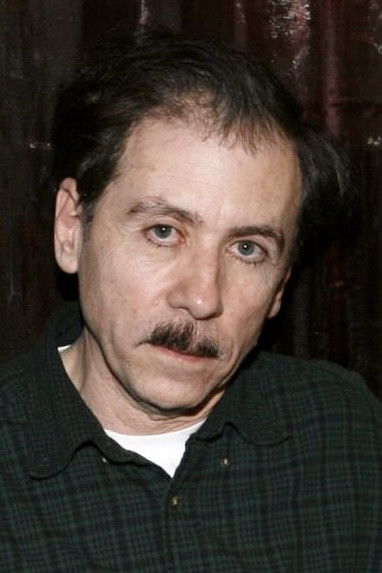
Terry Zwigoff makes difficult people funny without dismissing their loneliness or excusing their cruelty. We value his patient attention to them, though in Ghost World that patience sometimes keeps a scene going after its point is clear.
Fi1m perspective
Thora Birch’s Enid in Ghost World (2001) speaks as though finding everyone else wanting were a useful occupation. Zwigoff allows her contempt to be funny, and allows us to see how much effort goes into maintaining it. We laughed at her certainty, then felt uneasy about how readily we had taken her side: Birch makes the unpleasant judgements sound thoroughly considered. The director’s sympathy matters here because he never asks us to pretend that she is kind.
His first documentary, Louie Bluie (1985), began with the discovery of a rare blues recording. Crumb (1995), made over nine years, continued his attention to outsider artists through Robert Crumb and his family. Those subjects help explain the move into fiction with Ghost World, rather than making it look like a change of interests. Underground comics and pre-war American roots music run through his work; he is interested in the people who care so much about them.
The screenplay Zwigoff wrote with Daniel Clowes gives Enid and Scarlett Johansson’s Rebecca a friendship sustained by shared dislikes. Their small contests over who is right suggest how exhausting the friendship can become, even when the conversation is sharp. Zwigoff lets the performers show that strain rather than reducing the girls to a collection of disagreeable remarks. Birch and Steve Buscemi give the loneliness enough weight to stop the comedy feeling merely superior.
Affonso Beato’s neat photography makes the suburban dreariness harder to escape, while Edward T. McAvoy’s slightly cartoon-like production design makes Enid’s impatience understandable. The surroundings have been carefully chosen, but Zwigoff can spend too long asking us to inspect them. Editors Michael R. Miller and Carole Kravetz Aykanian leave room for embarrassment to settle, sometimes after the actors have already made it clear. David Kitay’s music contributes sadness without making the film oppressive.
Bad Santa (2003) broadened his audience without dropping the misanthropic humour, and Art School Confidential (2006) reunited him with Clowes for an art-world satire. His output slowed after that, with long development periods and resistance to commercial projects. Those gaps tell us little about what works on screen. Start with Ghost World, but allow for a director who sometimes keeps looking after the actors have made the point.
Biography
Terry Zwigoff is an American film director and writer. Born on 18 May 1949 in Appleton, Wisconsin, he was educated at the University of Wisconsin–Madison.
Zwigoff began his career in documentary filmmaking with Louie Bluie (1985), about musician Howard Armstrong. He gained wider recognition with the 1994 documentary Crumb, about cartoonist Robert Crumb, which won the Sundance Grand Jury Prize. His feature films include Ghost World (2001), which he co-wrote with Daniel Clowes and which received an Academy Award nomination for Best Adapted Screenplay, Bad Santa (2003) and Art School Confidential (2006).