Film review

Ghost World

2001 · Directed by Terry Zwigoff · 1h 51m · MPA R

In a sentenceBeing eighteen is exhausting when everyone else’s taste is your responsibility

ComedyDrama

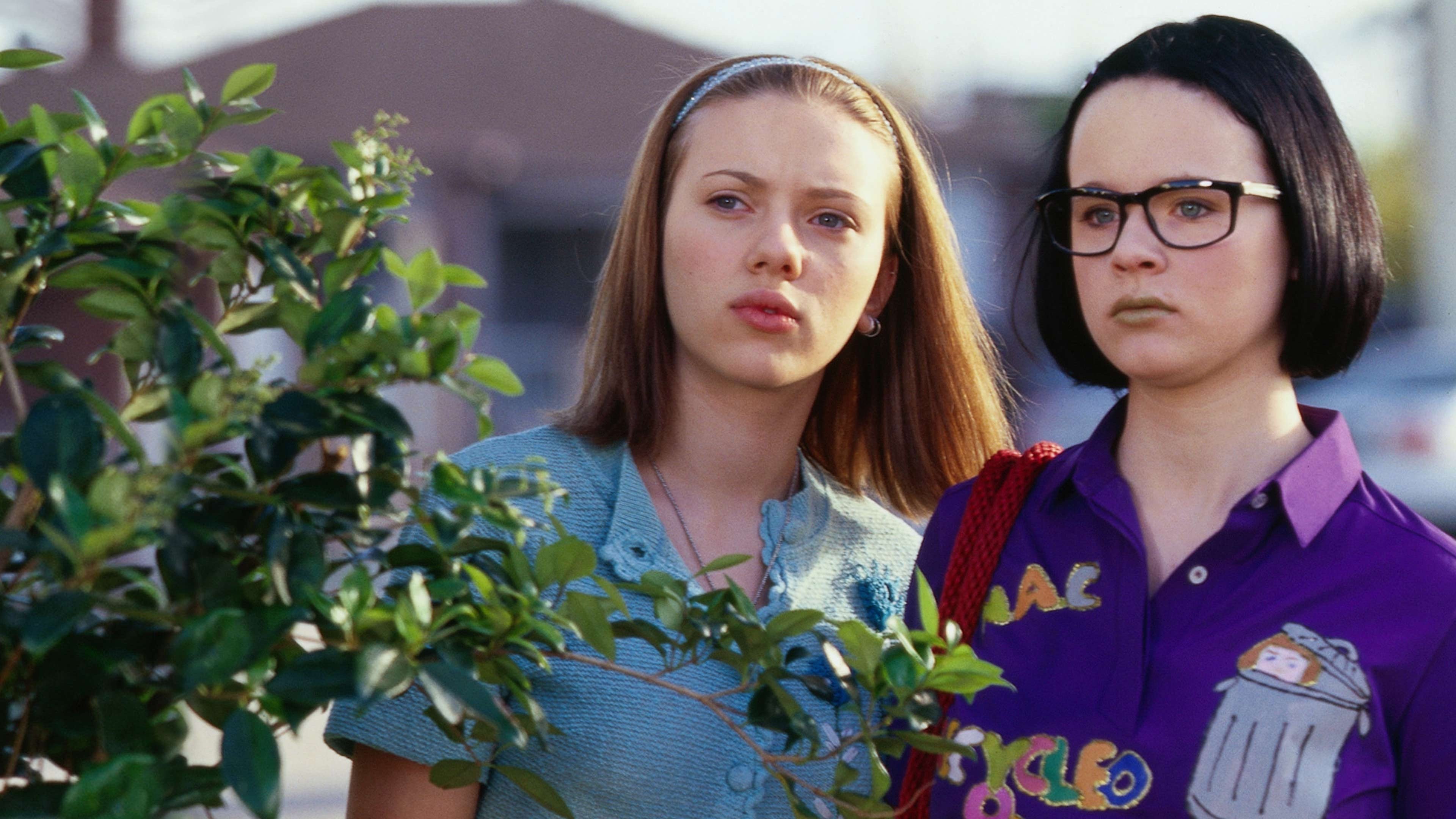
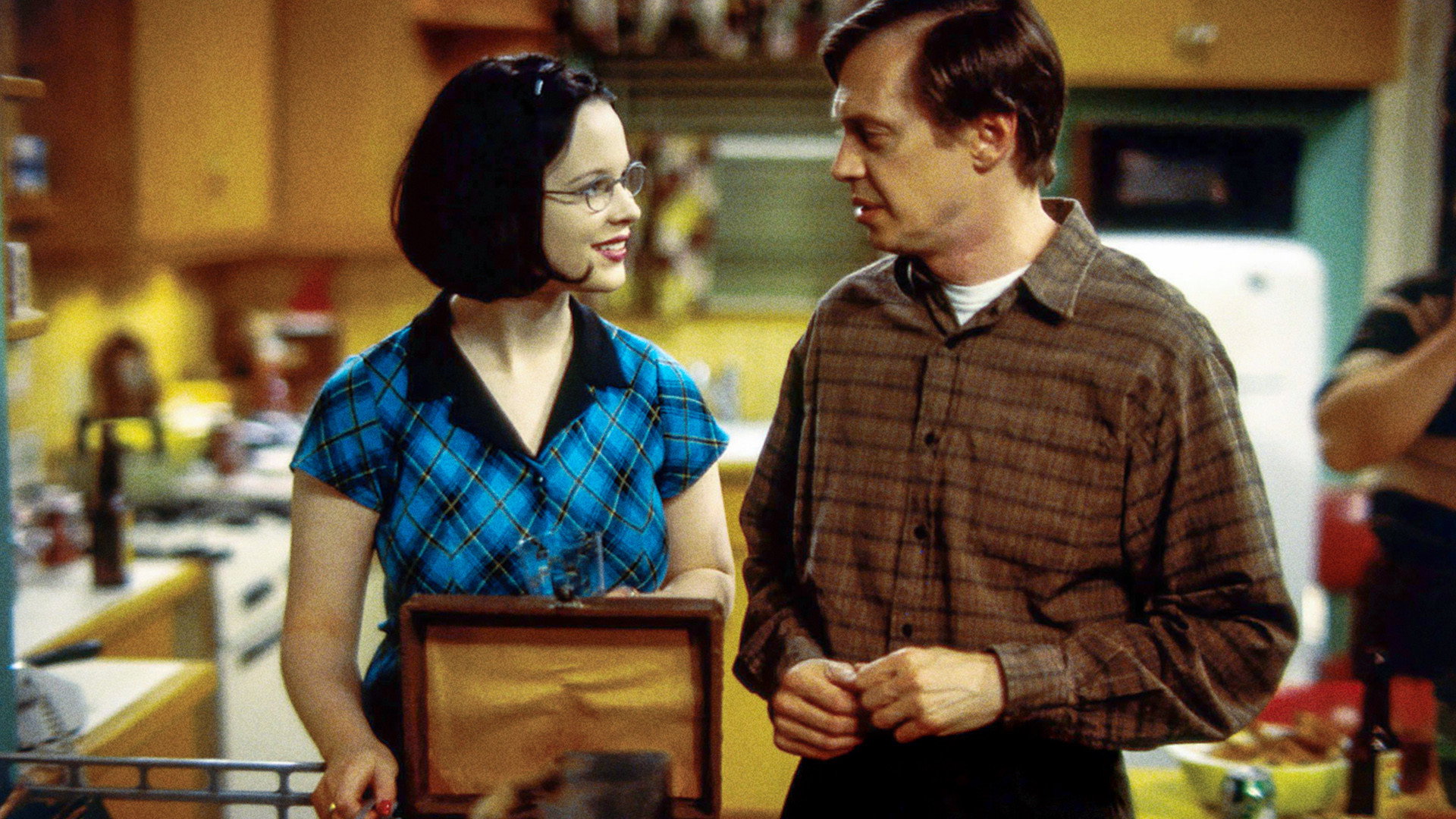
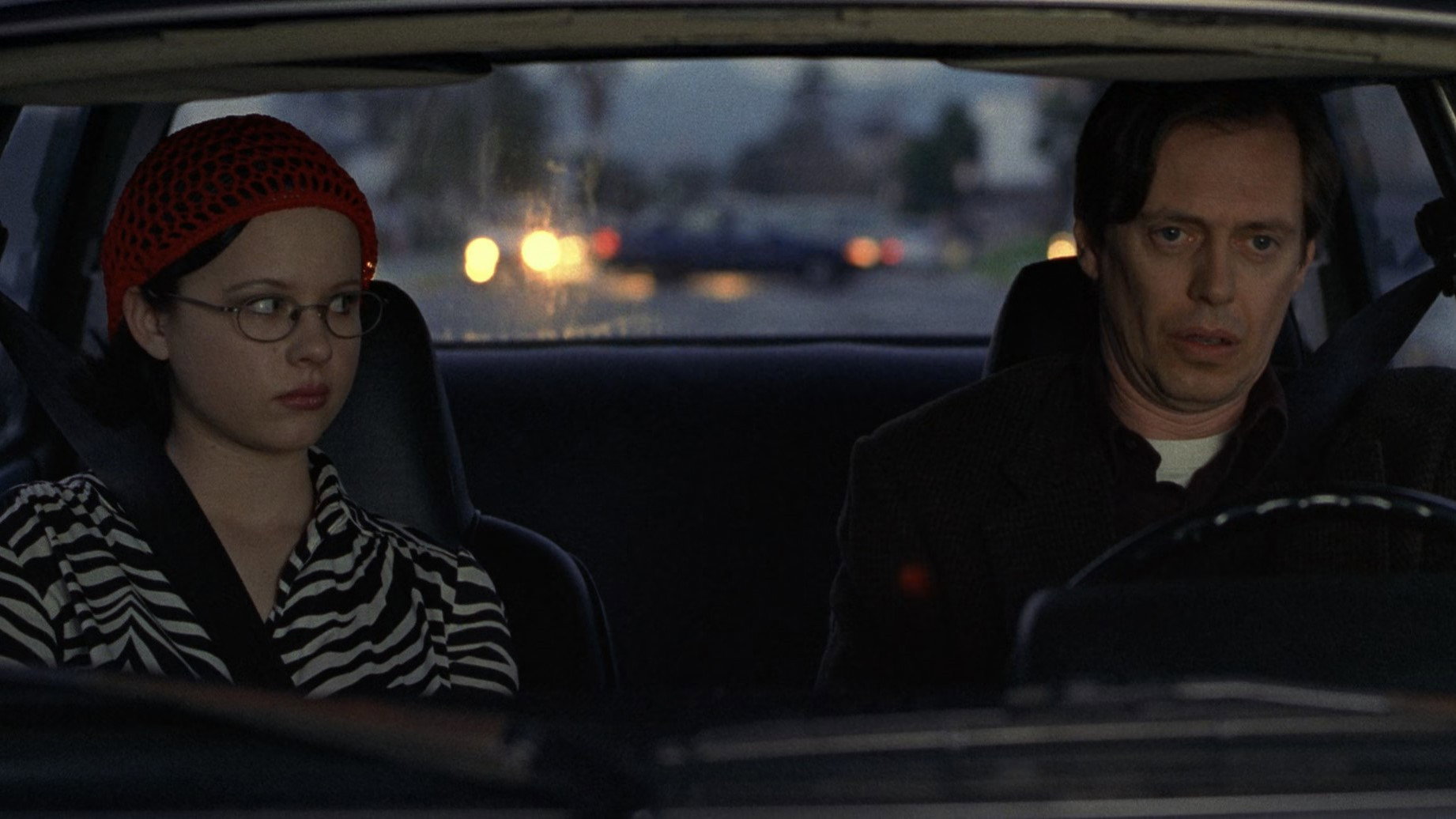
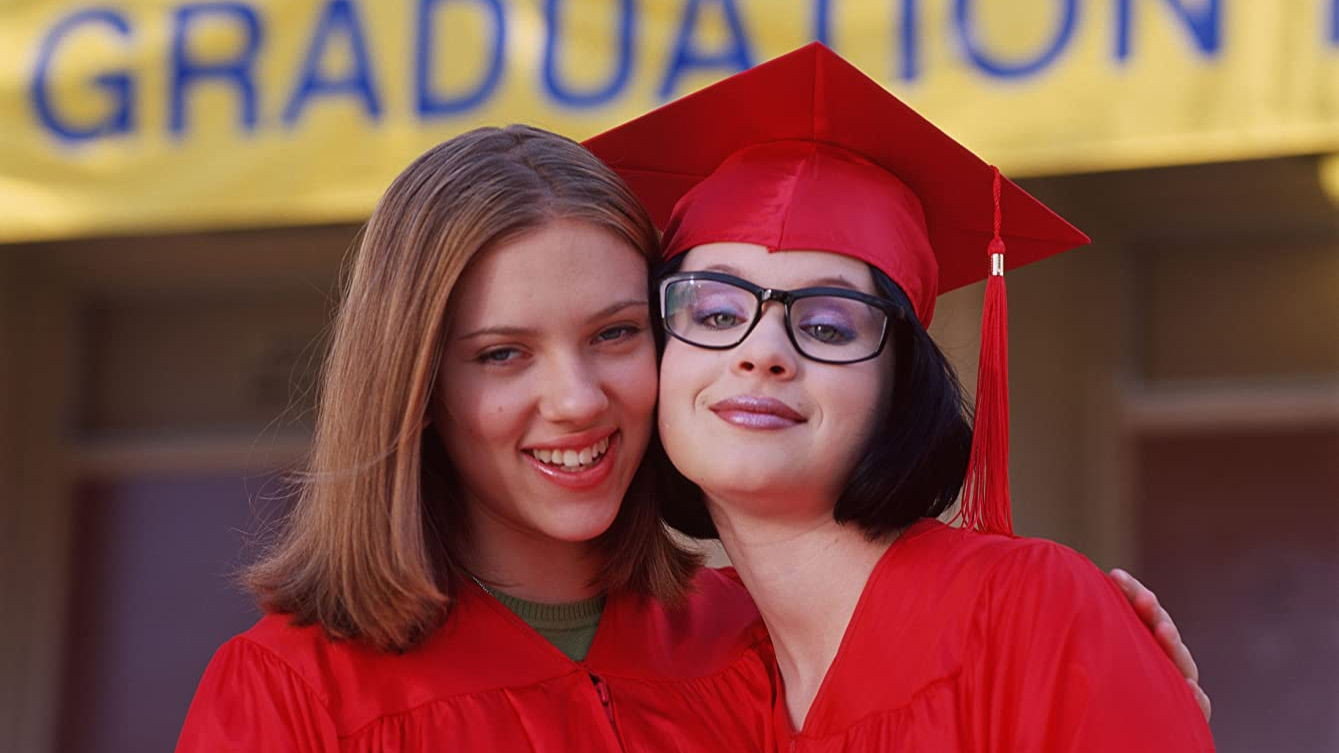
Enid (Thora Birch) and Rebecca (Scarlett Johansson) are teenage friends who share a dismissive view of the suburban life around them. Other people’s tastes, habits and ambitions give them plenty to talk about, and judging them together helps the pair feel less alone. But their friendship also involves questions of loyalty and control, as each faces the prospect of adulthood. Enid’s growing interest in Seymour (Steve Buscemi), an older outsider, adds another complication. Terry Zwigoff’s comedy-drama follows the girls as their impatience with conformity meets people whose lives are harder to dismiss than their appearances.

Fi1m review

Terry Zwigoff’s sharply funny comedy takes teenage discontent seriously without excusing its cruelty. Thora Birch and Steve Buscemi make the loneliness hurt, though the unhurried pace occasionally gives us too much time to appreciate the point.

Ghost World is a funny, uncomfortable film about the pleasure of deciding that everyone else is dreadful. Terry Zwigoff lets us enjoy that pleasure long enough to understand why Enid and Rebecca rely on it, then asks us to look again at the people they dismiss. We recommend it warmly, with a warning that its slow pace sometimes turns a good joke into a prolonged inspection. The girls’ intelligence makes them entertaining company even when their judgements are indefensible.

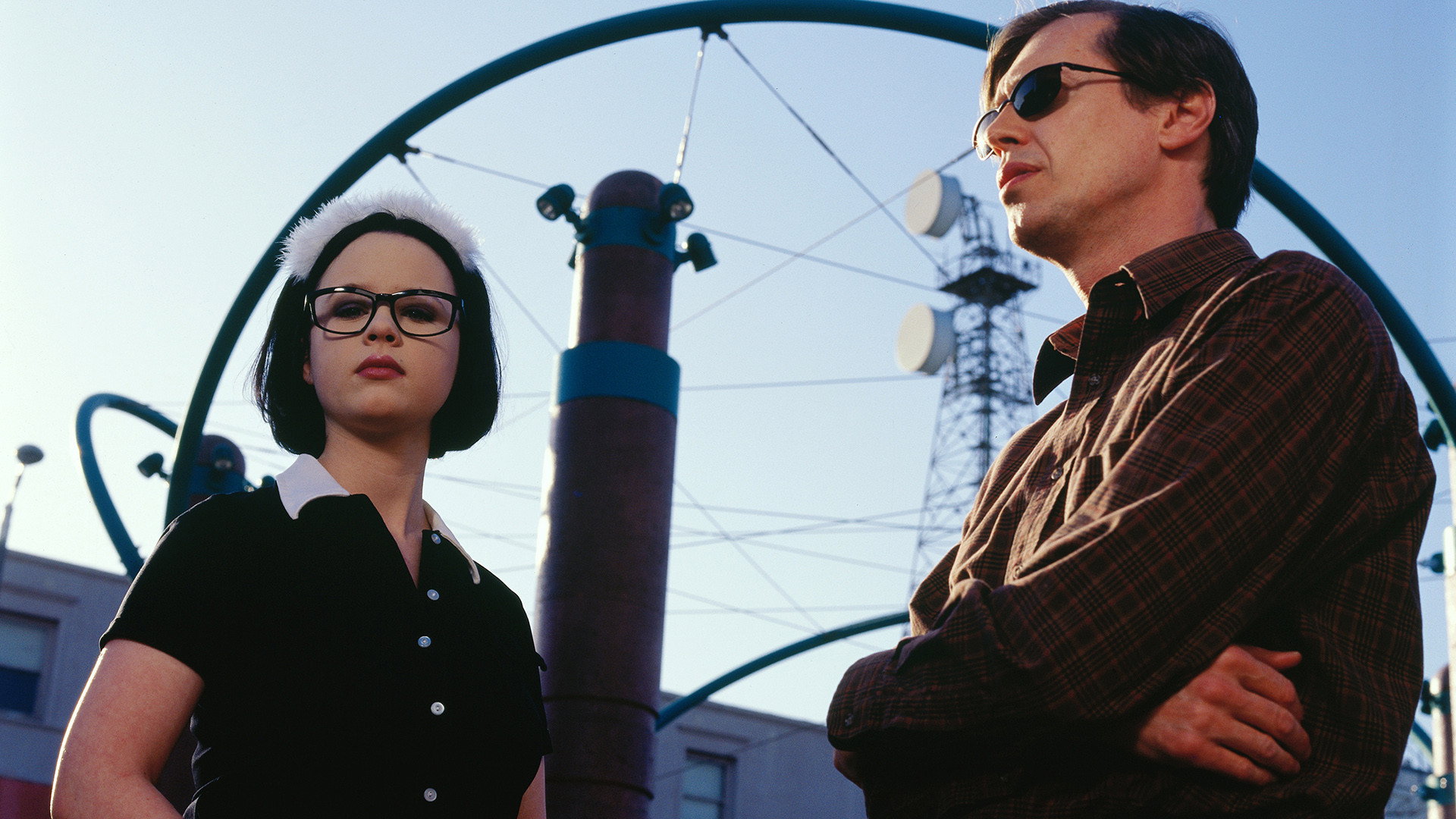
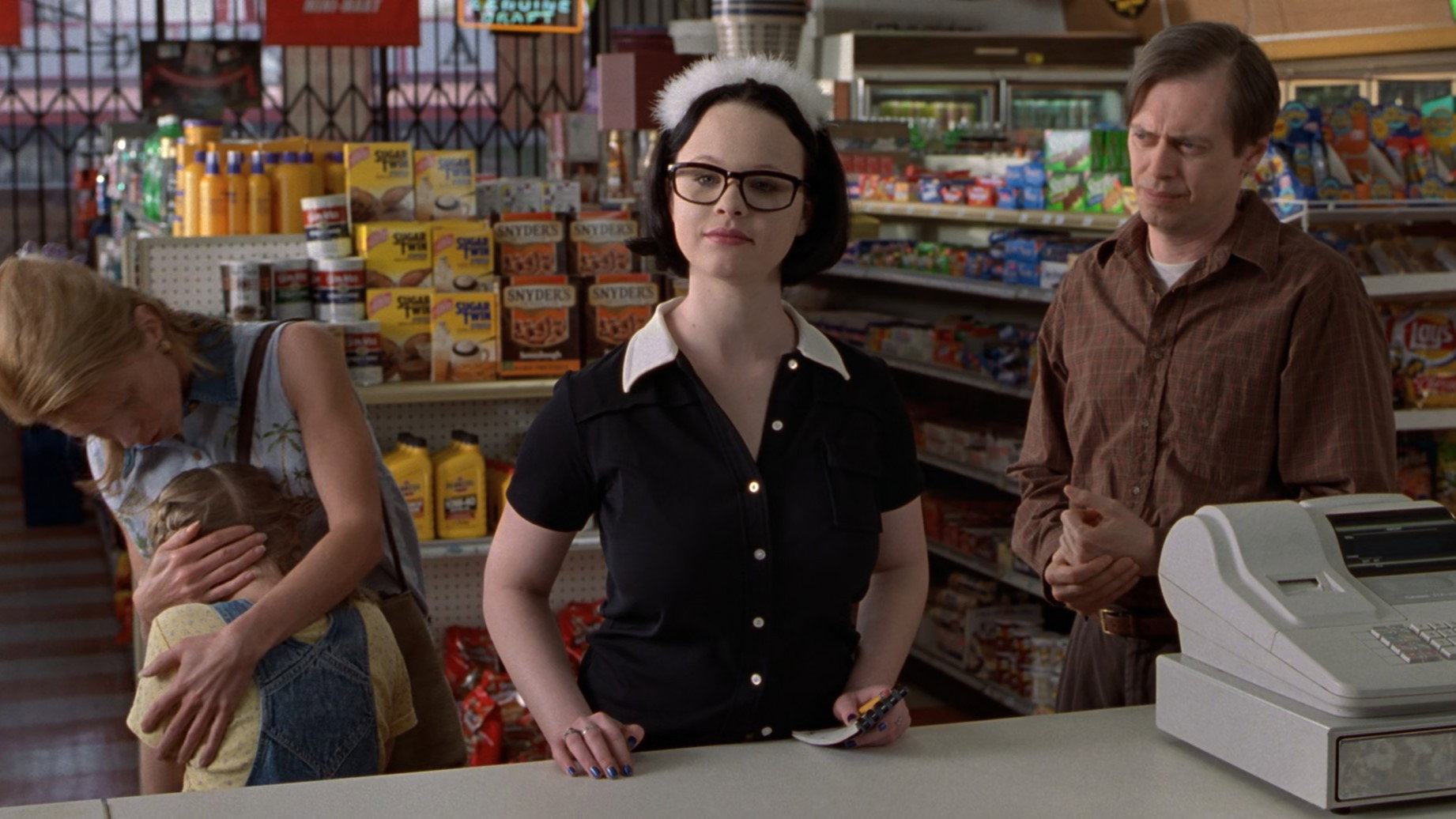
Thora Birch plays Enid as someone who has worked hard at being difficult and would struggle to stop. The contempt is funny because Birch gives it conviction: she never seems to be waiting for permission to say the unpleasant thing. Daniel Clowes and Zwigoff’s screenplay understands how shared dislikes can keep a friendship busy while leaving important questions untouched. With Scarlett Johansson’s Rebecca, the little contests over who gets to be right matter as much as the jokes. The writing lets us sense how tiring such a friendship might become.

Johansson deserves particular credit for making Rebecca more than an audience for Enid. There is a difference in the way the two young women carry their dissatisfaction, and neither performance explains it away for our convenience. When the girls are together, Johansson gives Rebecca enough resistance to keep Birch’s forcefulness from deciding the meaning of every exchange. The film’s attention to this unequal partnership is more persuasive than its broader complaints about suburbia.

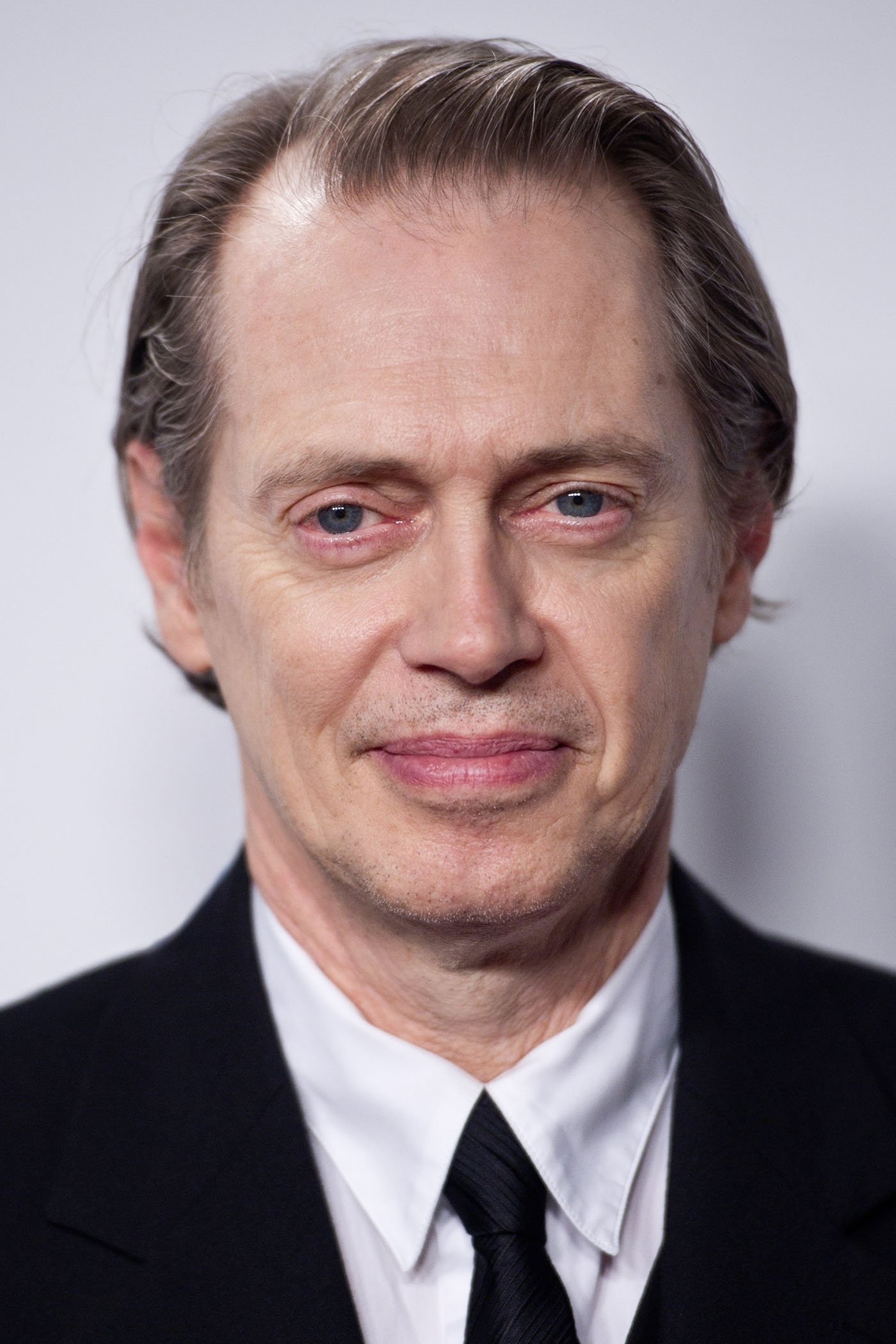
Steve Buscemi’s Seymour complicates Enid’s belief that she can judge people at a glance. He is an older outsider, and Buscemi makes the discomfort of that position matter more than its comic usefulness. We were surprised by how sad we felt for him. His awkwardness looks exhausting to live with, and the performance makes us reluctant to enjoy the jokes at his expense. The connection between him and Enid gives Birch room to show curiosity beneath the practised disapproval.

Affonso Beato photographs the suburban surroundings with a neatness that makes their dreariness worse. Edward T. McAvoy’s production design gives ordinary places a slightly exaggerated, cartoon-like look, well suited to characters who see so much to object to. The care in these images helps us understand Enid’s impatience without requiring us to share every judgement. Zwigoff makes these places interesting to look at even when we can understand why the girls would rather be somewhere else.

The editing by Michael R. Miller and Carole Kravetz Aykanian allows the discomfort time to register, though some scenes keep going after it has registered quite sufficiently. At 111 minutes, the film has stretches where the dry delivery begins to feel too uniform. David Kitay’s music contributes to the sadness without making it oppressive. The larger reservation is Zwigoff’s tendency to linger over the drabness surrounding these people when the performers have already made their dissatisfaction clear.

Coming-of-age comedies often make being an outsider look rather comfortable. Ghost World allows Enid to be funny and perceptive without pretending that either quality makes her good at friendship. Its sympathy extends to people she has not bothered to understand, and that is where it becomes moving. Give it a quiet evening, when Buscemi’s hesitations will not have to compete with a conversation.

Critical consensus AI synthesised

3 of 6
Positive
3
Mixed
0
Negative
0
The Guardian
13 August 2001 · Peter Bradshaw
85*

Peter Bradshaw calls it one of the funniest, most lugubrious and saddest films of the year. He singles out the odd, touching love affair between Enid and the older man Seymour, played by Steve Buscemi, for particular praise.

Read the full review →
Empire
1 January 2000 · Angie Errigo
80*

The critic finds the film a sophisticated and original take on teen angst, praising its sharp humour, subtle observations of consumerism and characters, and strong performances, though noting it's more admirable than immediately appealing.

Read the full review →
Los Angeles Times
20 July 2001 · Kevin Thomas

The critic calls the film a singularly unsettling portrait of a culture in the grip of the mediocre and a disquieting consciousness-raiser about a rapidly disintegrating world. He singles out the way it digs beneath the surface of suburban America to show Enid's acute sense of all that is wrong.

Read the full review →
Screen Daily
23 July 2001 · festival review

Zwigoff makes a rough transition into feature filmmaking with this bland, deliberately paced writer's picture that will likely see only mediocre art-house business. It is well-acted with strong performances from Birch and Johansson but suffers from lack of energy and flat direction.

Read the full review →
Sight and Sound
1 December 2001 · Leslie Felperin

Viewers will delight in the film's deadpan wit, softly layered details and deft portrait of suburban anomie. It adeptly evokes the unbearable dullness of being 18 and the precarious power play of female friendship, though the ending feels pat.

Read the full review →
Slant Magazine
17 July 2001 · Ed Gonzalez

The critic praises the successful adaptation of the graphic novel, noting how it captures adolescent loneliness and the transition to adulthood through Enid and Rebecca's cynical worldview. The open-ended finale is singled out for evoking uncertainty and the ghostly nature of memory and loss.

Read the full review →

Cast

Stills

Awards

Academy Awards, 2002

Nominated
Best Writing, Adapted Screenplay

If you liked this, try…

Welcome to the Dollhouse poster82

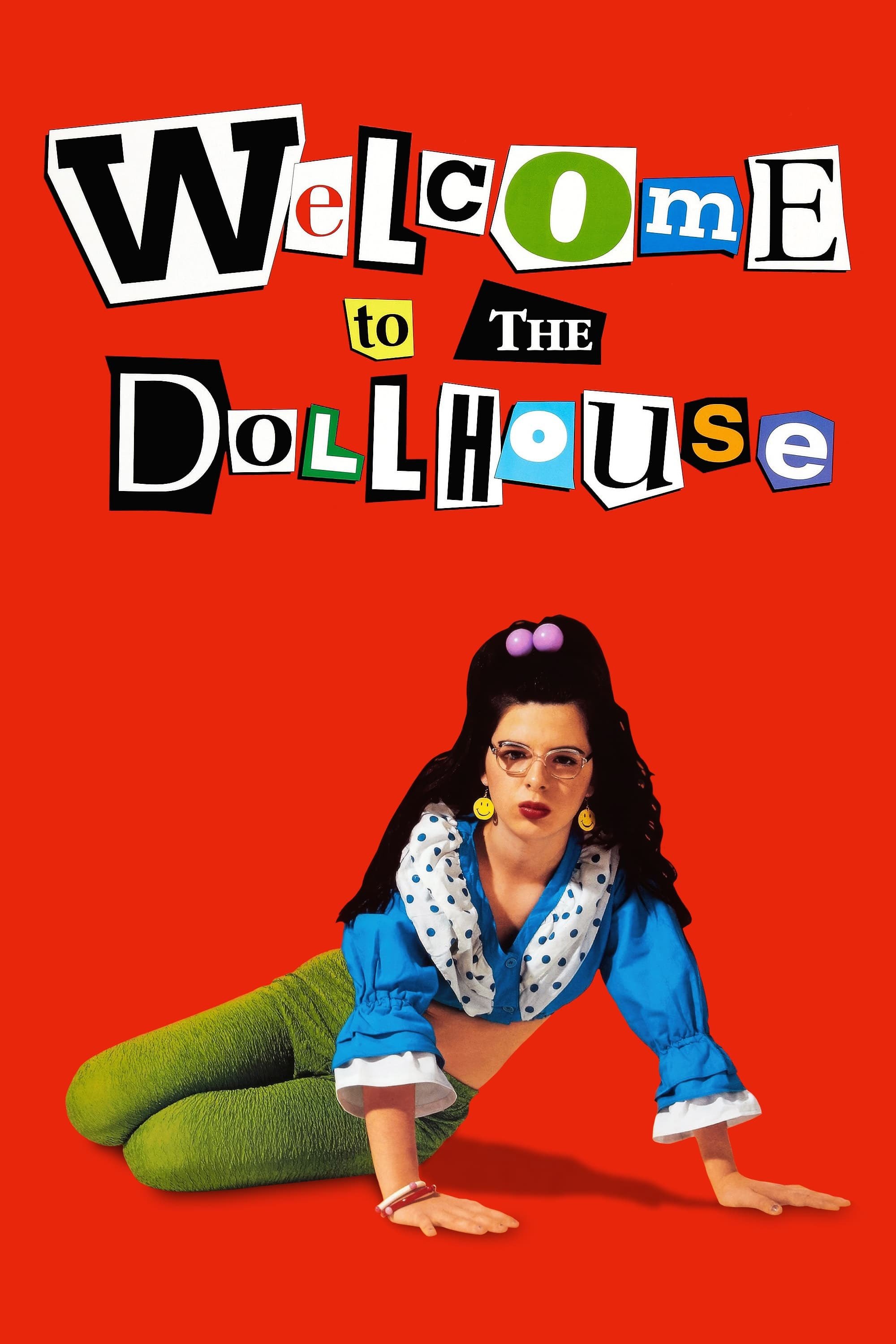
Welcome to the Dollhouse

1995 · For another adolescent whose sharp edges offer little protection from everyday humiliation.

The Green Ray poster

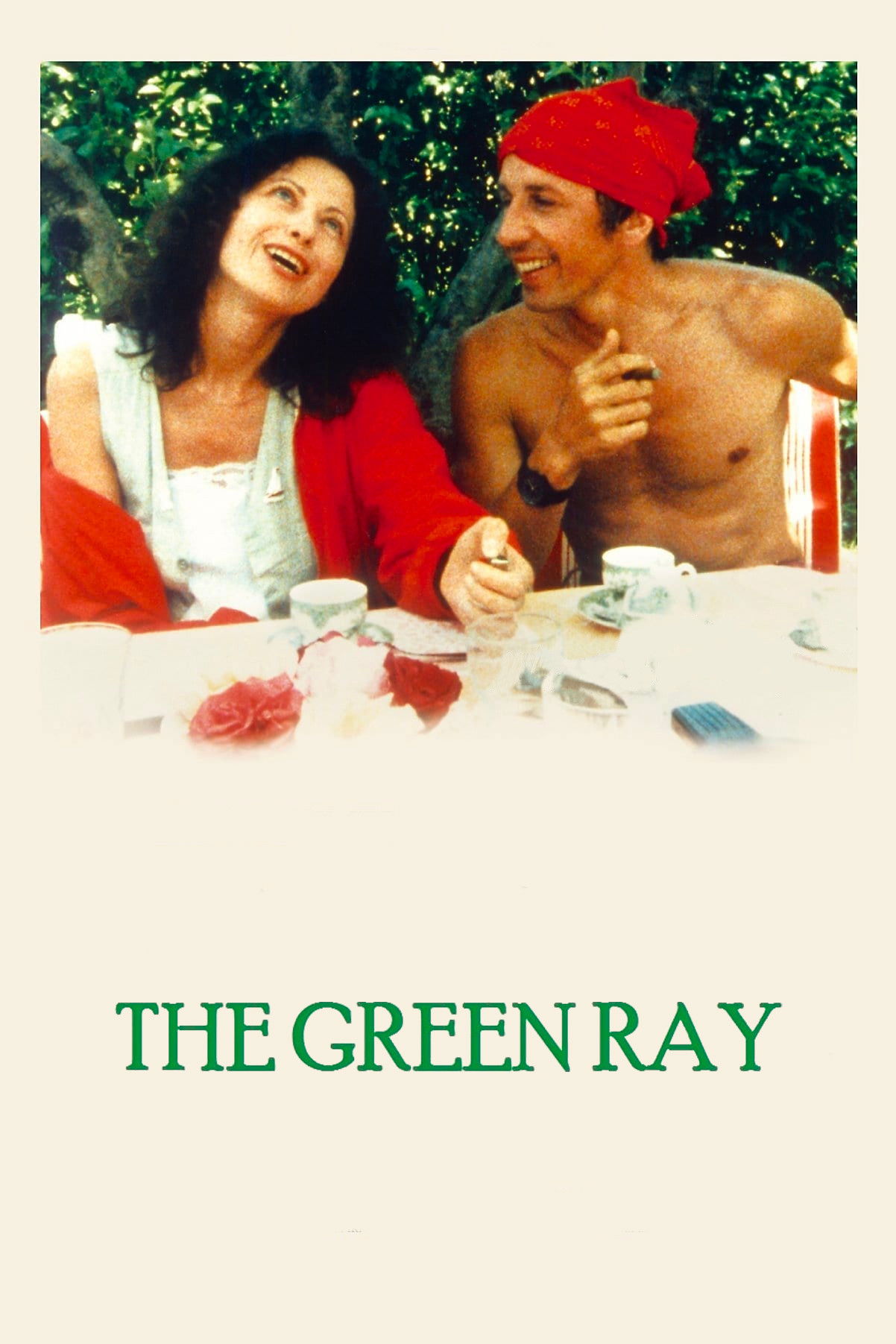
The Green Ray

1986 · A lonely woman’s exacting tastes make companionship difficult in this patient French drama.

Daria poster

Daria

1997 · More deadpan teenage disdain, with a friendship that gives the insults some weight.

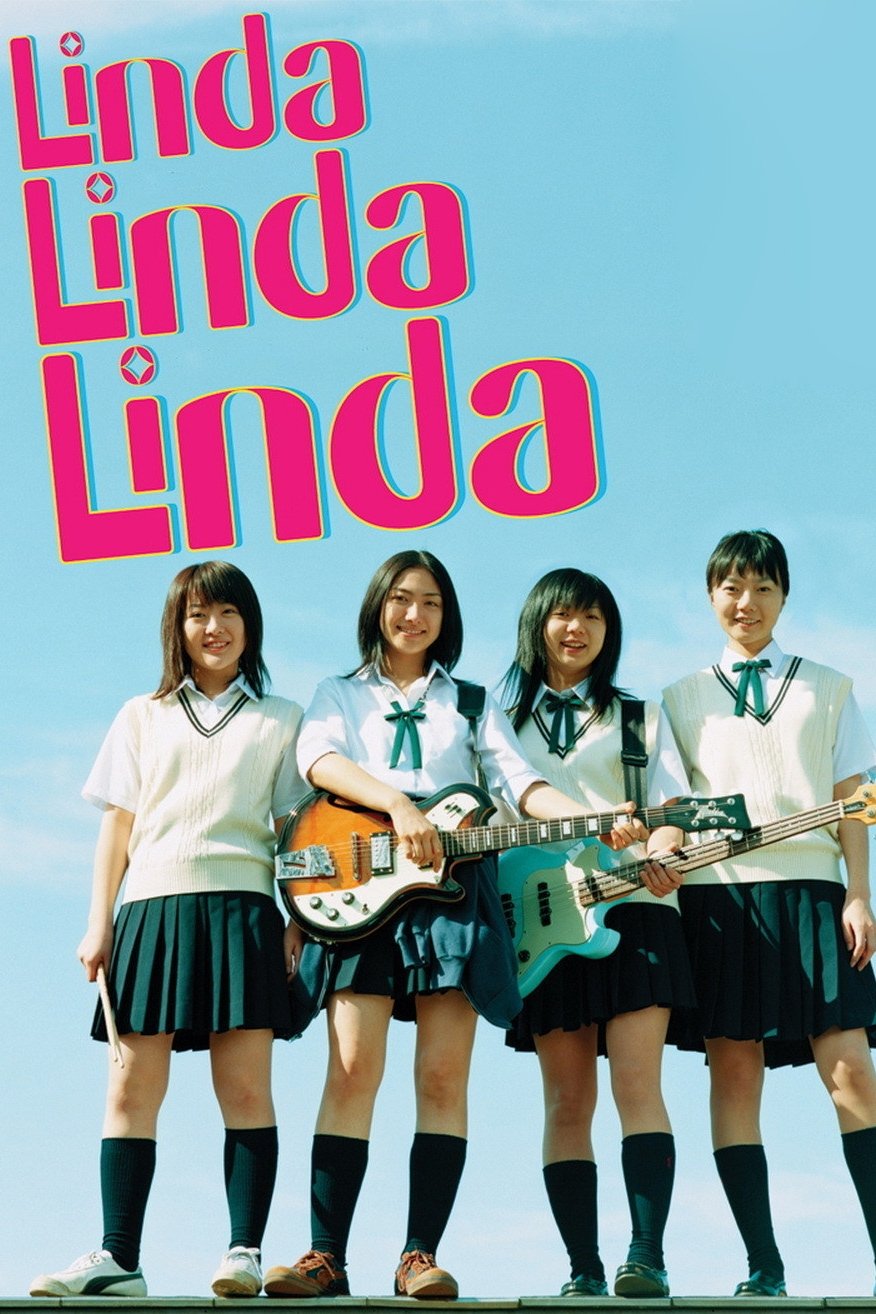
Linda Linda Linda poster

Linda Linda Linda

2005 · Japanese schoolgirls find company through music, with room for awkwardness and unforced humour.

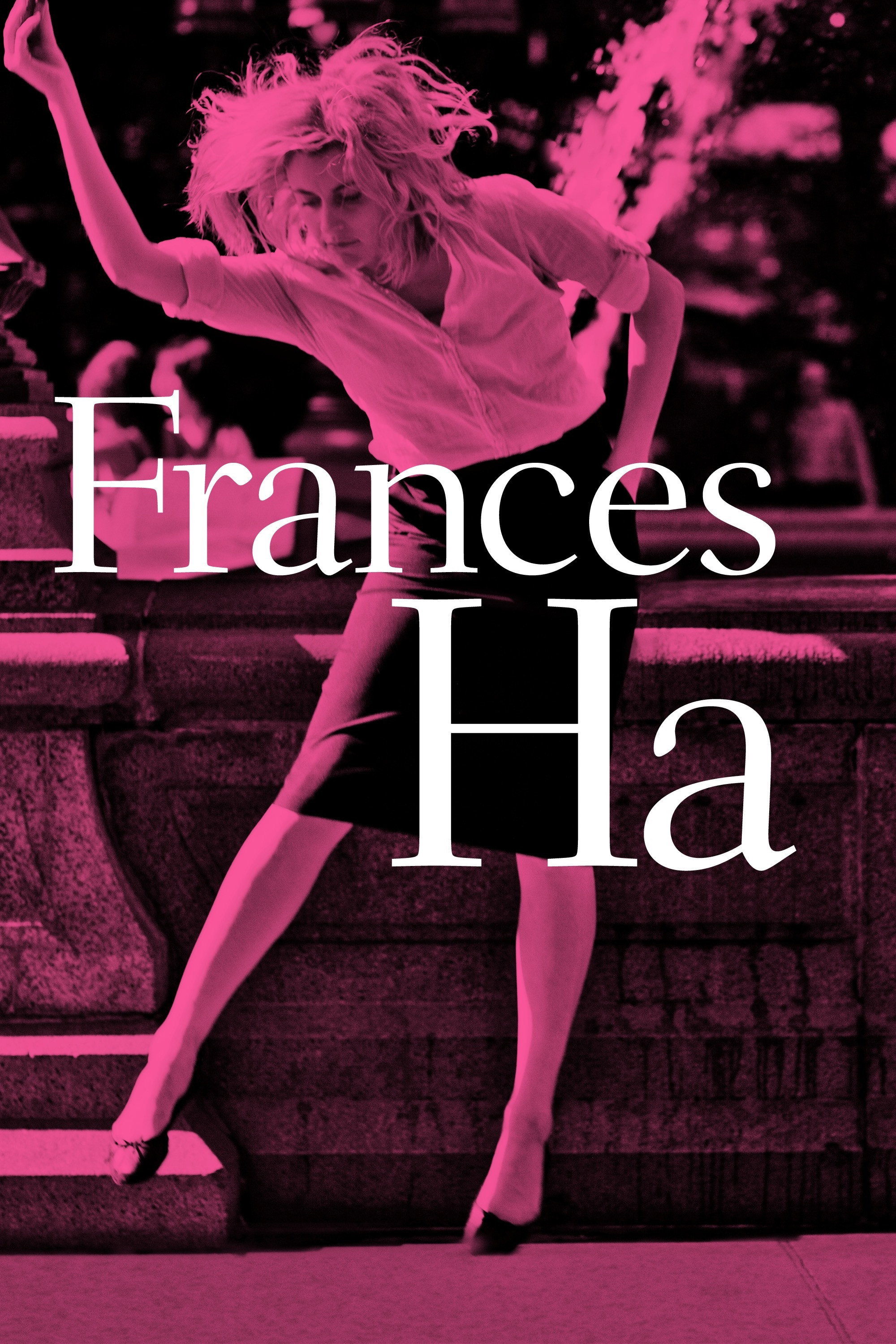
Frances Ha poster

Frances Ha

2012 · For the painful business of discovering that friends can want different adult lives.