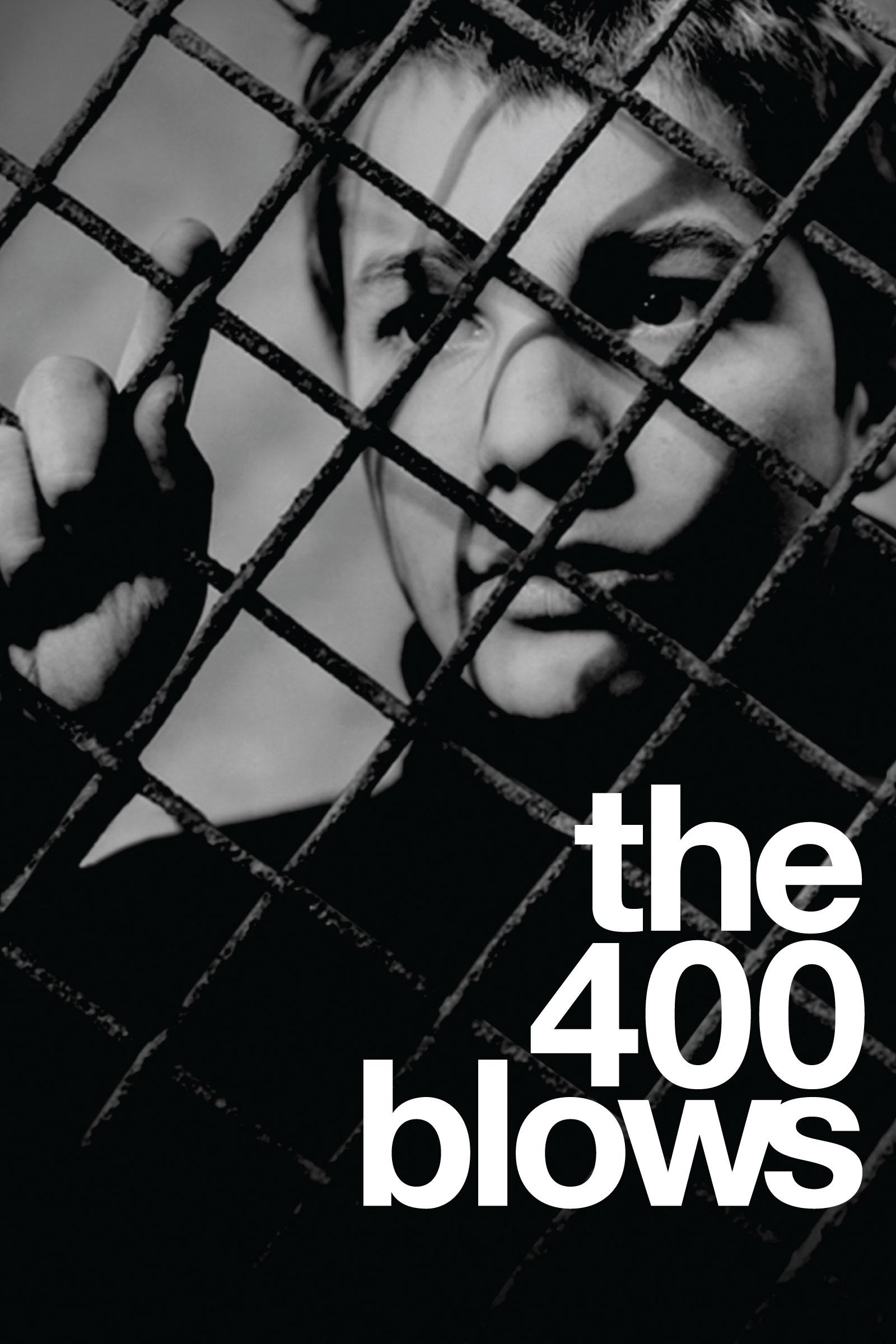
Truffaut's debut spearheaded the French New Wave alongside Godard's Breathless. It is a classic coming-of-age film whose portrait of troubled Parisian adolescence remains vibrant, visually exciting and emotionally resonant.
The film is a landmark autobiographical debut that models countless coming-of-age stories and places the director's personal tastes and identification with the protagonist at the center. It balances sensitivity and ambiguity with a current of bitterness drawn from Truffaut's own experiences.
The 400 Blows remains one of the most vital New Wave films thanks to its symbiosis of real and reel life and its iconic freeze-frame coda that suggests the cinephiliac relationship between movies and experience. Truffaut's soft-hearted sentimentality and focus on the pop potential of personal story make it enduringly potent.
Truffaut's largely autobiographical debut paints a grimly authentic portrait of troubled adolescence, with echoes of Vigo and neorealism. Jean-Pierre Léaud effortlessly conveys mischief and vulnerability as Antoine Doinel, and the audacious freeze-frame finale sent ripples around world cinema.
Ebert calls it one of the most intensely touching stories about a young adolescent, drawn from Truffaut's own life. He singles out the iconic final freeze-frame of the boy on the beach for its emotional power.
Truffaut’s sublime autobiographical debut is a portrait of the artist as an unhappy child receiving the blows of cruelty and humiliation. The critic singles out the heartstopping images of the children’s faces as they watch a Punch and Judy show for particular praise.
McCarten praises Truffaut's skill in showing a boy's confusion in an adult world, likening it to De Sica. He highlights the strong performances, especially the young lead's authority.
Crowther hails it as a small masterpiece for its clarity and honesty in depicting a boy's troubles. He praises the realistic, unsentimental portrayal without false notes.
Truffaut’s new-wave landmark shows young Antoine Doinel raising hell in a quaint way through truancy and petty crime, with a rebellion and restlessness that has influenced generations of film-makers. Jean-Pierre Léaud is full of misunderstood defiance as the neglected alter ego for Truffaut.
Truffaut drew on his own neglected childhood to create a joyous New Wave debut about a delinquent boy who turns to lies and petty crime. The film captures the thrill of books, films and truancy through the eyes of a former critic now holding a camera, with the famous freeze-frame finale perfectly evoking the director's own uncertain but promising future.
Moskowitz finds it an engaging, moving film that gets deep into a boy's disorientation with school and parents. He notes Truffaut emerges as an important new director despite some uneven technical qualities.
The critic praises Truffaut's direction and the performances for making the film a timeless, charming observation of a troubled boy's life rather than a conventional drama. They call it a powerful masterpiece and one of the best films they have ever seen.
Ordered by the weight we give each publication, then by score. Scores are normalised to 100; * means inferred from an unrated review. Summaries are ours, not quotations; follow the links for the reviews themselves. How we rate