Film review

Delicatessen

1991 · Directed by Jean-Pierre Jeunet, Marc Caro · 1h 39m · MPA R

In a sentenceA block of flats where being invited for dinner requires more thought than usual

ComedyScience FictionFantasy

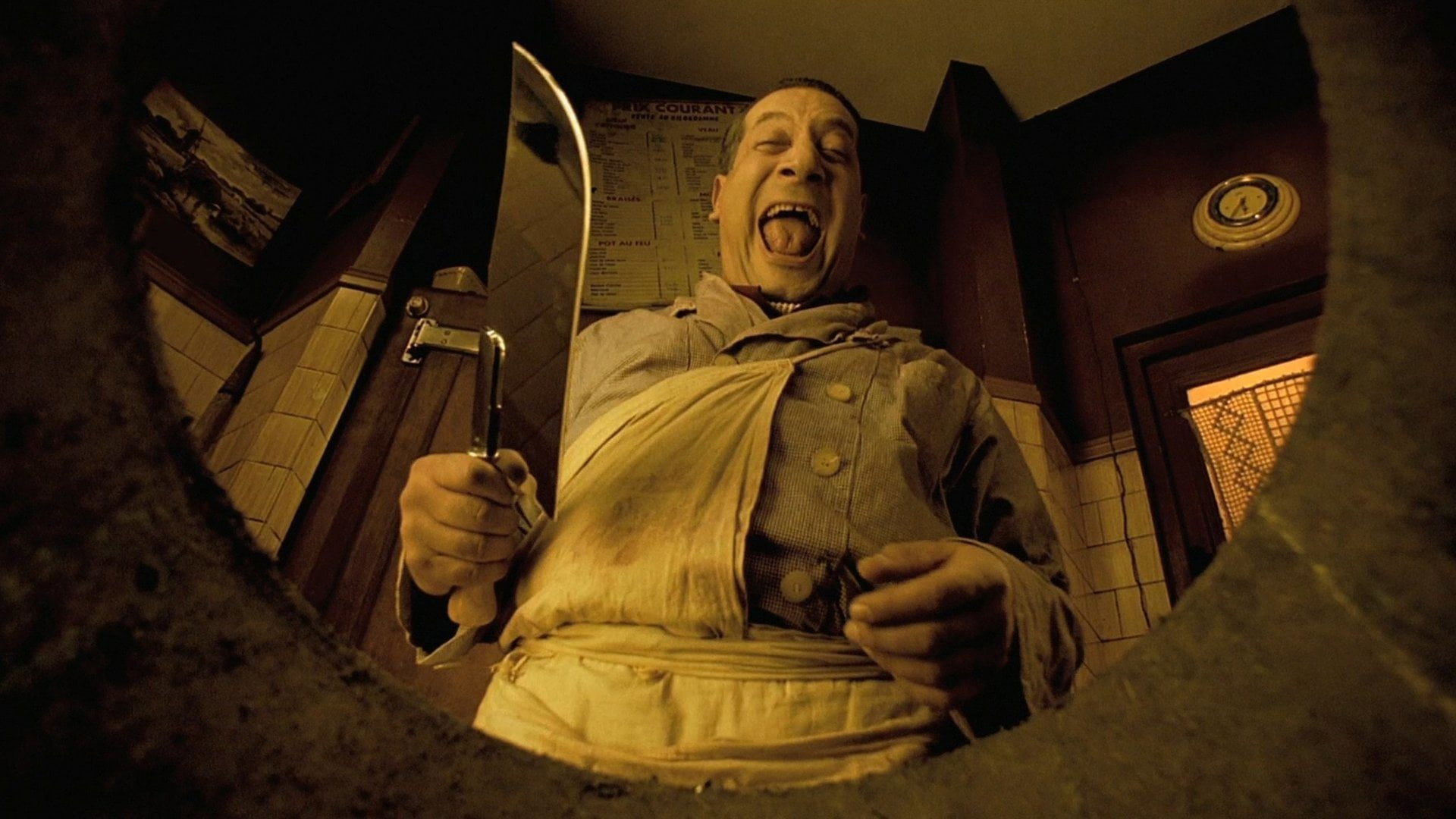
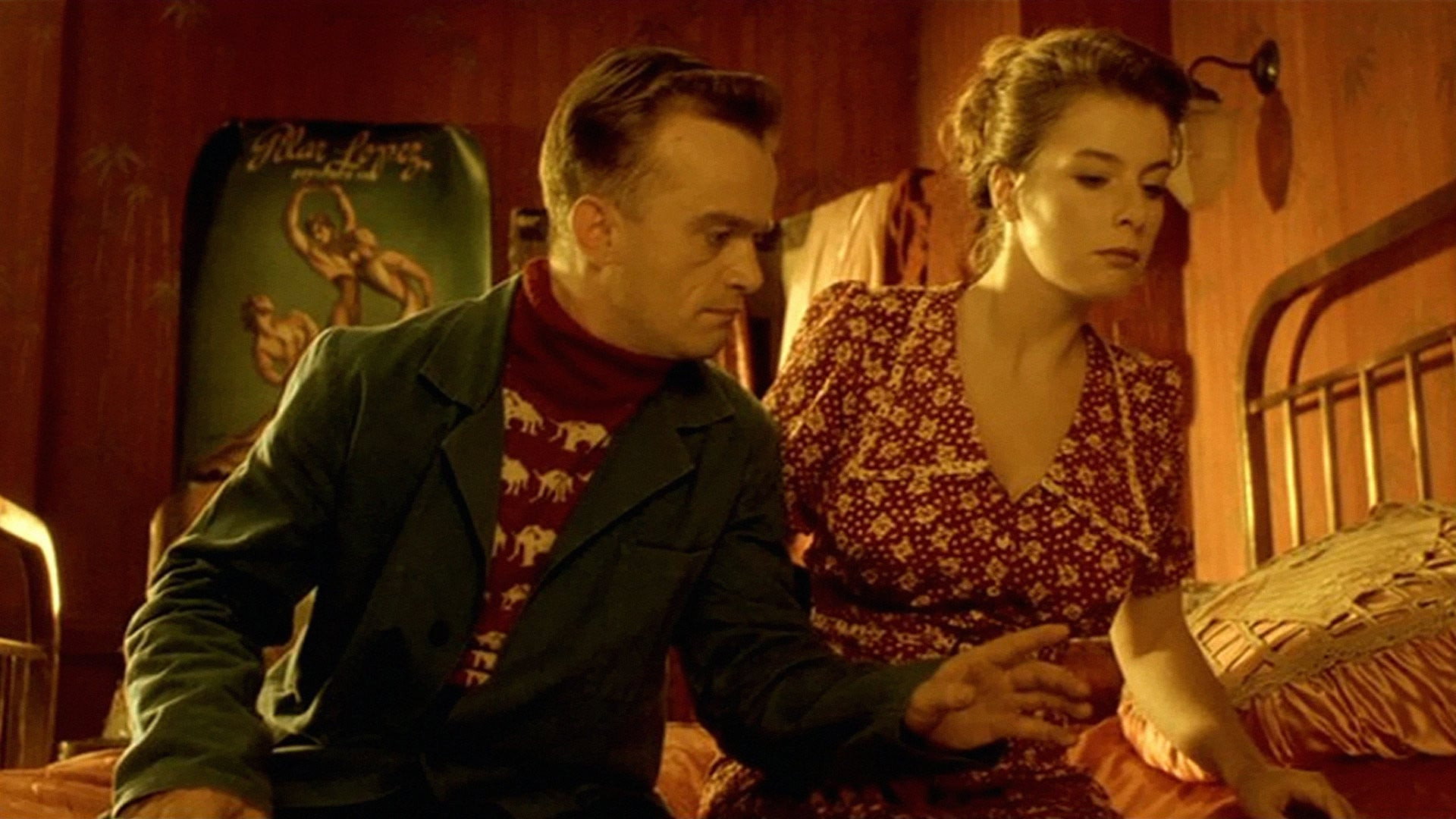
In a post-apocalyptic block of flats, a butcher trades in human flesh, and the residents carry on living alongside a business that makes neighbours a potential food supply. Dominique Pinon plays Louison, Marie-Laure Dougnac plays Julie Clapet and Jean-Claude Dreyfus plays Clapet, among a collection of eccentrics whose daily routines unfold close to the chopping block. Survival brings practical questions about what, and whom, people are prepared to eat. Jean-Pierre Jeunet and Marc Caro’s film combines science fiction, fantasy and black comedy, with slapstick accompanying the ordinary business of getting through another day.

Plays from YouTube when you press play; nothing loads from them until then.

Fi1m review

Jean-Pierre Jeunet and Marc Caro’s macabre comedy is full of deft visual jokes and unsettling domestic detail. The story is thin and the grotesquerie sometimes overworked, but there is plenty here worth laughing at.

Delicatessen makes cannibalism the business of a residential building, then expects us to enjoy the company. Jean-Pierre Jeunet and Marc Caro largely get away with it: this is a funny, macabre fantasy whose crowded images and physical comedy compensate for a slight story. They are interested in how people continue their routines when the unthinkable has become commonplace. The result is worth an evening, provided a butcher dealing in human flesh does not settle the question before the film begins.

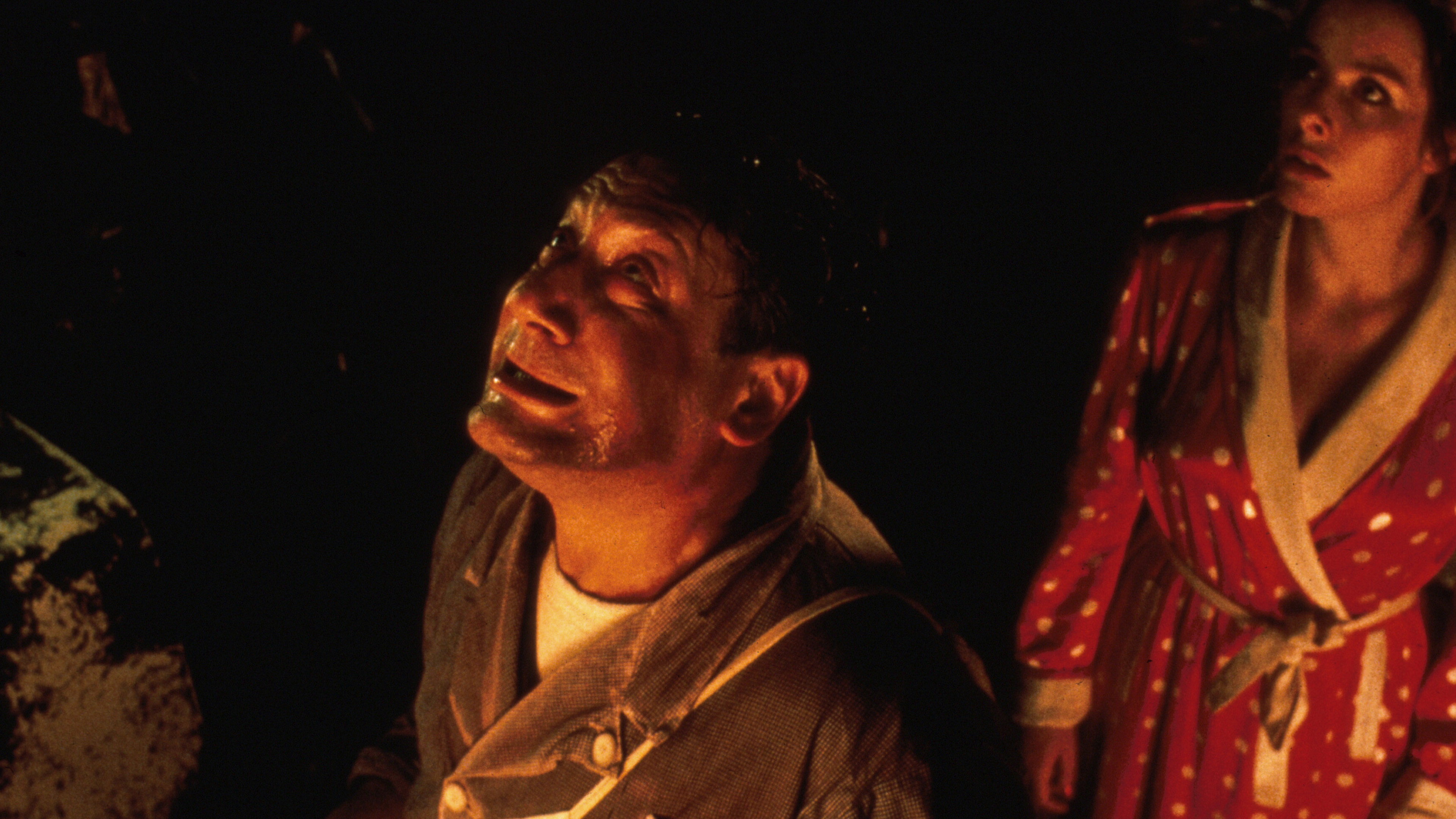
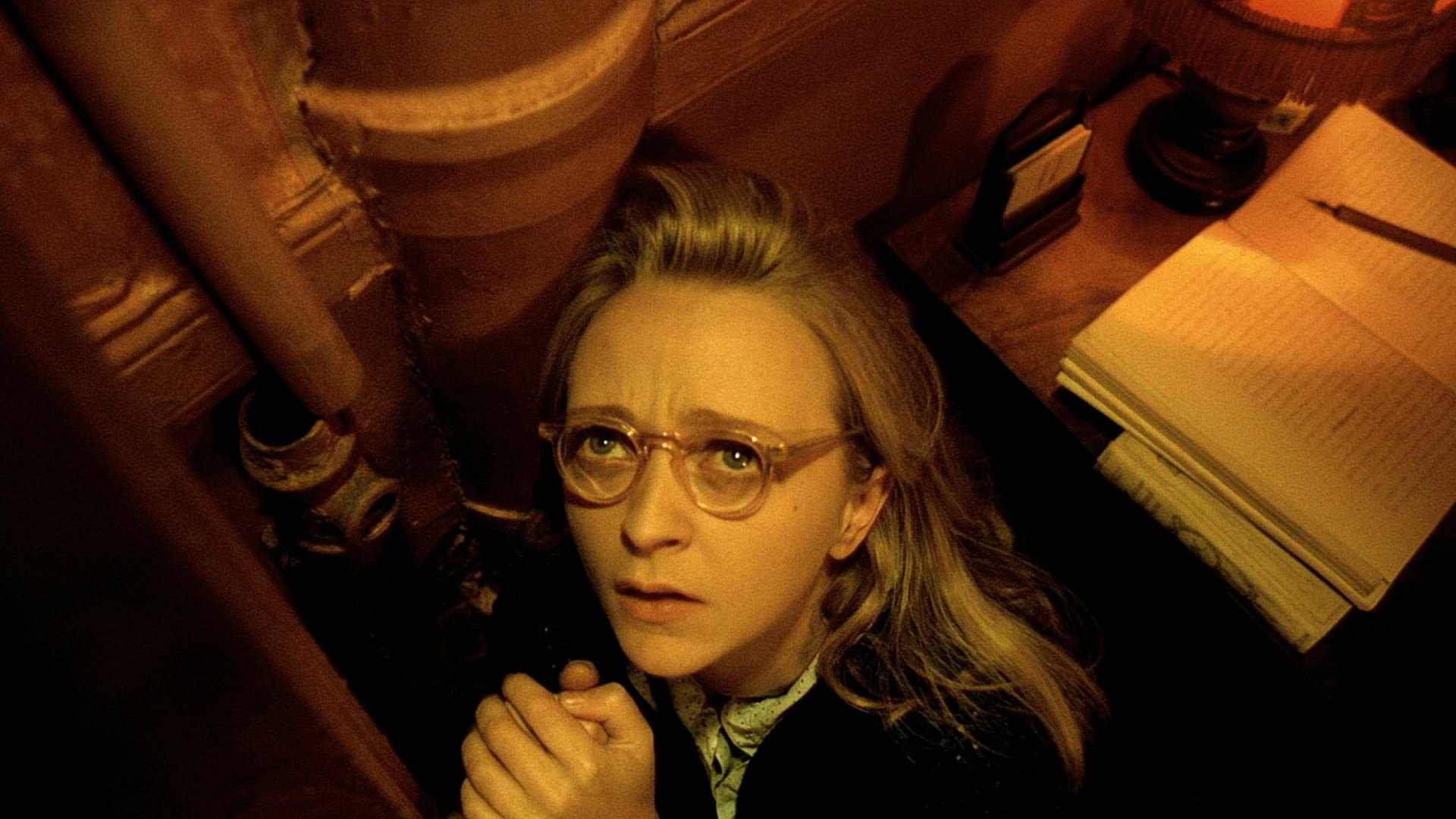
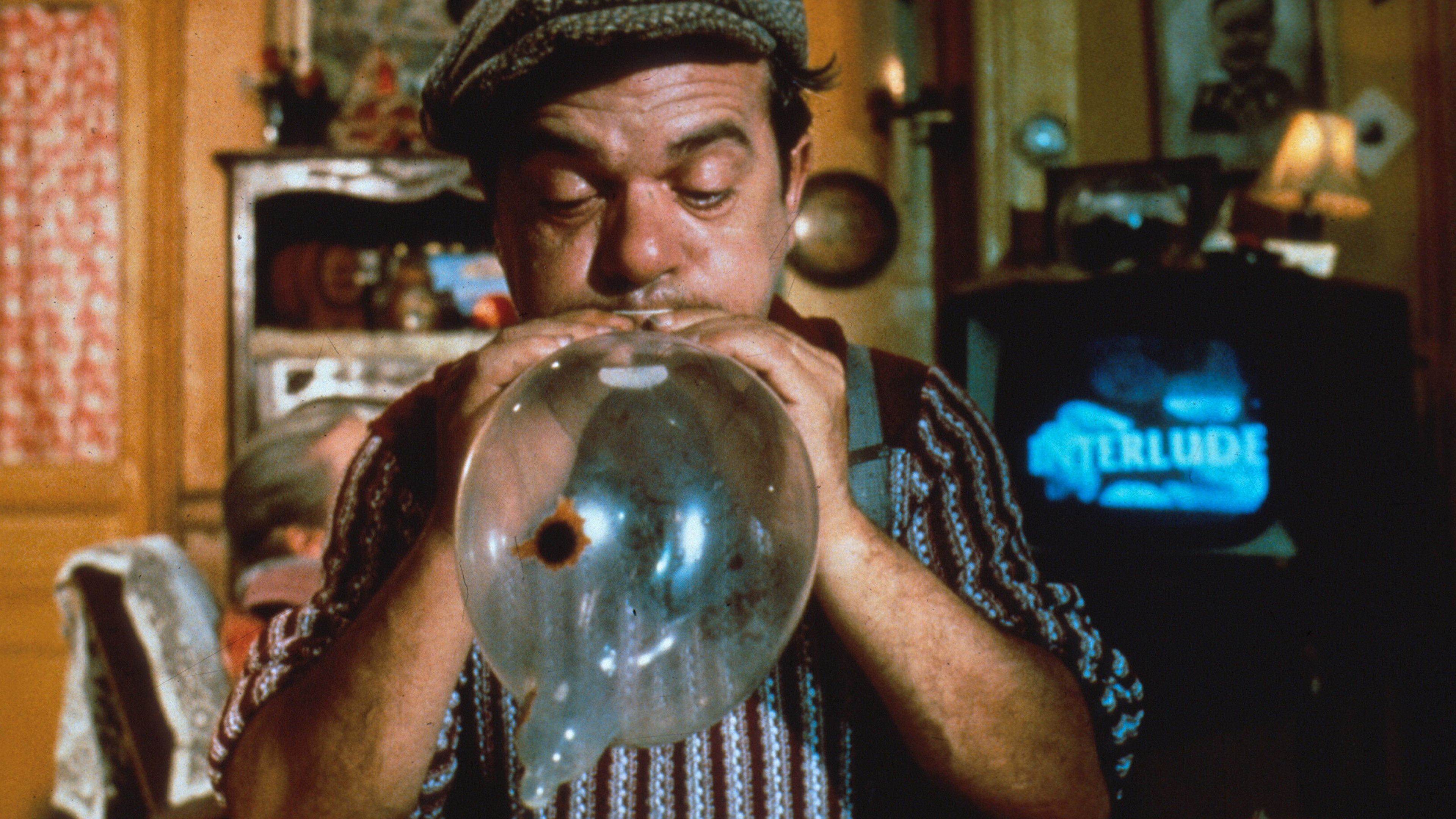
Darius Khondji’s photography gives the block of flats the exaggerated look of a comic strip, with the surroundings pressing themselves on our attention as insistently as the inhabitants. Production designers Miljen ‘Kreka’ Kljaković and Caro fill the building with odd details, giving it a cluttered, oppressive feel. The detail gives the eye something funny or disquieting to find, so looking around remains a pleasure. Even the domestic setting offers little promise of rest.

Hervé Schneid’s editing gives the physical comedy its rhythm, keeping the film moving briskly enough that each fresh absurdity has a chance to surprise us. We laughed and were a little troubled by how readily the laughter came. The butcher’s trade in human flesh is presented alongside domestic routines, and that casual proximity makes the joke both funny and unpleasant. Jeunet and Caro understand that a horrible idea can become funnier when the people living with it have stopped being horrified.

Dominique Pinon makes Louison worth following even when there is so much else competing for attention. His performance helps preserve the film’s childlike pleasure in make-believe, which matters in a comedy this fond of ugliness. Carlos D’Alessio’s score helps sustain the playfulness when the imagery threatens to become overbearing, although the music cannot supply the feeling the writing sometimes lacks. There is enough warmth here to keep the eccentric inhabitants from becoming nothing but targets.

The weakness is the screenplay by Caro, Jeunet and Gilles Adrien, which has more comic business than story to hold it together. As the inventions accumulate, some passages start to feel like an invitation to applaud another clever idea before we have finished enjoying the last one. The increasing grotesquerie also costs the film some of its lighter humour. A little less insistence would have helped. It runs 99 minutes.

Enclosed fantasy comedies often struggle to make their eccentrics matter once we have inspected them, and this one has the same difficulty. Its physical jokes are good enough to keep bringing us back, and the butcher’s business never becomes so oppressive that it stops being funny. The occasional overindulgence is worth tolerating for comedy with this much care in its timing and surroundings. We recommend Delicatessen to anyone happy for slapstick to arrive with something nasty still attached. It is probably wiser to eat first.

Critical consensus AI synthesised

70
Positive
5
Mixed
1
Negative
1

Most critics respond warmly to Delicatessen’s macabre comedy, with praise clustering around its inventive visuals and the playful handling of its post-apocalyptic setting. The sets, photography and rhythmic editing give the film a comic-strip energy, while eccentric characters and busy performances supply much of its humour. The favourable reviews find that its surreal details and slapstick keep the grisly premise entertaining, even when the story itself is slim.

The disagreement is substantial rather than a matter of minor reservations: the same grotesquerie strikes some critics as imaginative and others as exhausting. The New York Times admires the invention but finds the film too slight, while The AV Club praises the setpieces yet sees the narrative slipping into excess. Slant Magazine is the sharpest dissenter, finding the comedy unfunny, the surroundings repetitive and the treatment of the characters lacking in compassion.

Time Out
5 December 2014 · GA
85*

The review praises the film's inventive comic detail layered onto a slim story of a post-apocalyptic butcher dealing in human flesh. It singles out the brash comic-strip vivacity created by the sets, effects, photography, pace and performances.

Read the full review →
The AV Club
24 May 2006 · B · Tasha Robinson
77

The film shows the roots of Jeunet's talent through inventive surrealism and energetic setpieces but remains stylistically sloppy with a narrative that eventually descends into raw grotesquerie and excess.

Read the full review →
The New York Times
3 May 1992
60*

The film is clever and inventive but too slight to live up to its European hype. It blends black comedy, slapstick and surreal elements in a hybrid style reminiscent of several other filmmakers.

Read the full review →
Slant Magazine
21 May 2006
20*

Jeunet and Caro stuff the film with their favorite obsessions, resulting in an unfunny and unappetizing work that lacks compassion for its characters and relies on repetitive, cartoonishly oppressive surroundings reminiscent of but inferior to Terry Gilliam’s Brazil.

Read the full review →
Los Angeles Times
10 April 1992 · Michael Wilmington

Delicatessen is a nightmare comedy with a childlike center, mixing macabre imagery and playful tone in a post-apocalyptic setting. It stands out for its grandiose, garishly witty comic-book images and original sensibility.

Read the full review →
Variety
31 December 1990 · festival review · Variety Staff

Delicatessen is a zany, startling and clever debut that is beautifully textured, cleverly scripted and eerily shot. It features a rich array of eccentrics and hooks viewers with outrageous, rhythmically edited visuals.

Read the full review →

Cast

Stills

Awards

European Film Award for Best Production Designer, 1991

Won
European Film Award for Best Production Designer

Sitges Film Festival Best Actor award, 1991

Won
Sitges Film Festival Best Actor award

Sitges Film Festival Best Director award, 1991

Won
Sitges Film Festival Best Director award

Young European Film of the Year, 1991

Nominated
Young European Film of the Year

If you liked this, try…

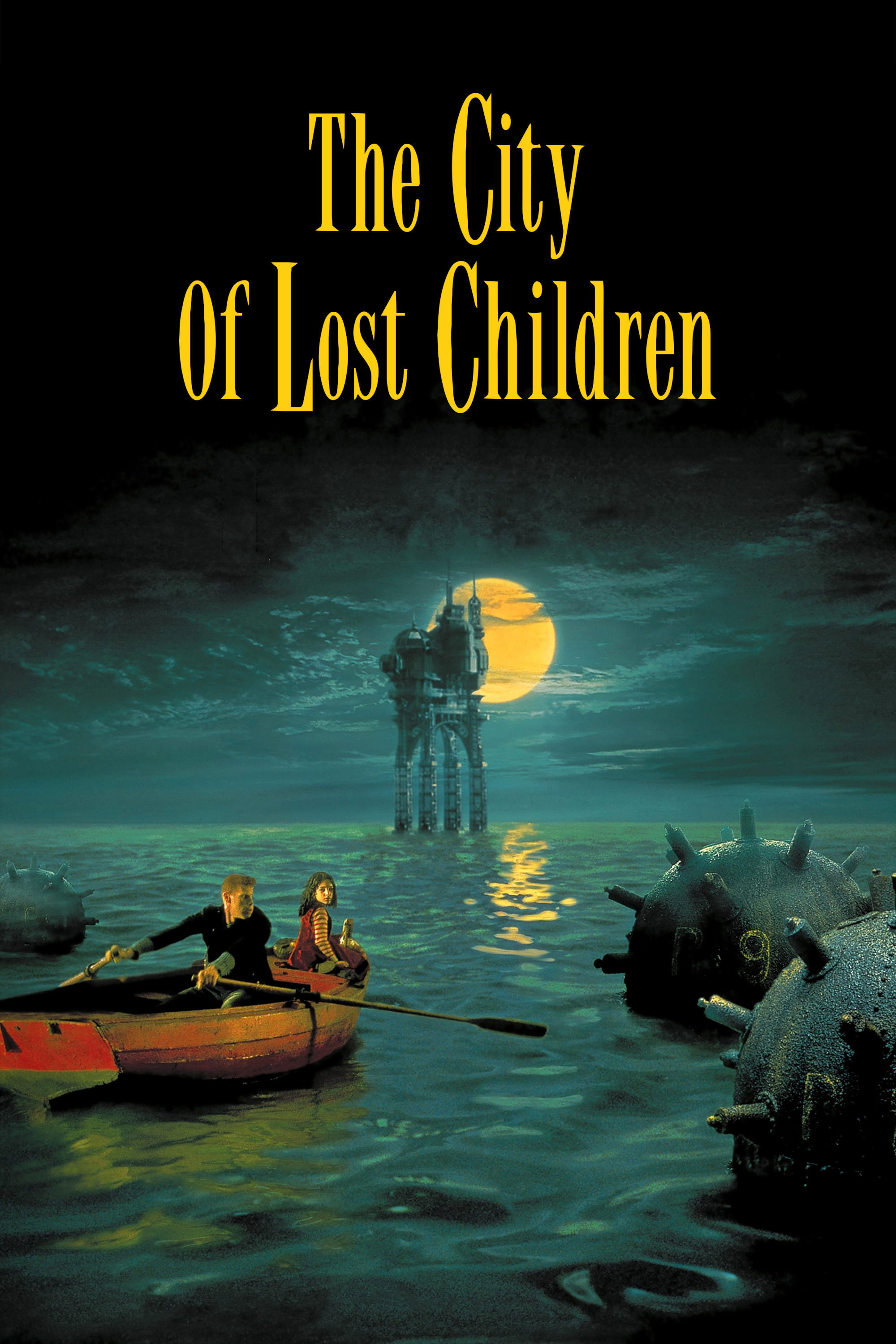
The City of Lost Children poster

The City of Lost Children

1995 · More elaborate machinery and endangered innocents, with the same appetite for grotesque invention

Brazil poster

Brazil

1985 · For cramped, oppressive surroundings and jokes that remain funny after the dread arrives

The Exterminating Angel poster

The Exterminating Angel

1962 · Another household makes social routine look absurd while civilisation becomes increasingly difficult to maintain

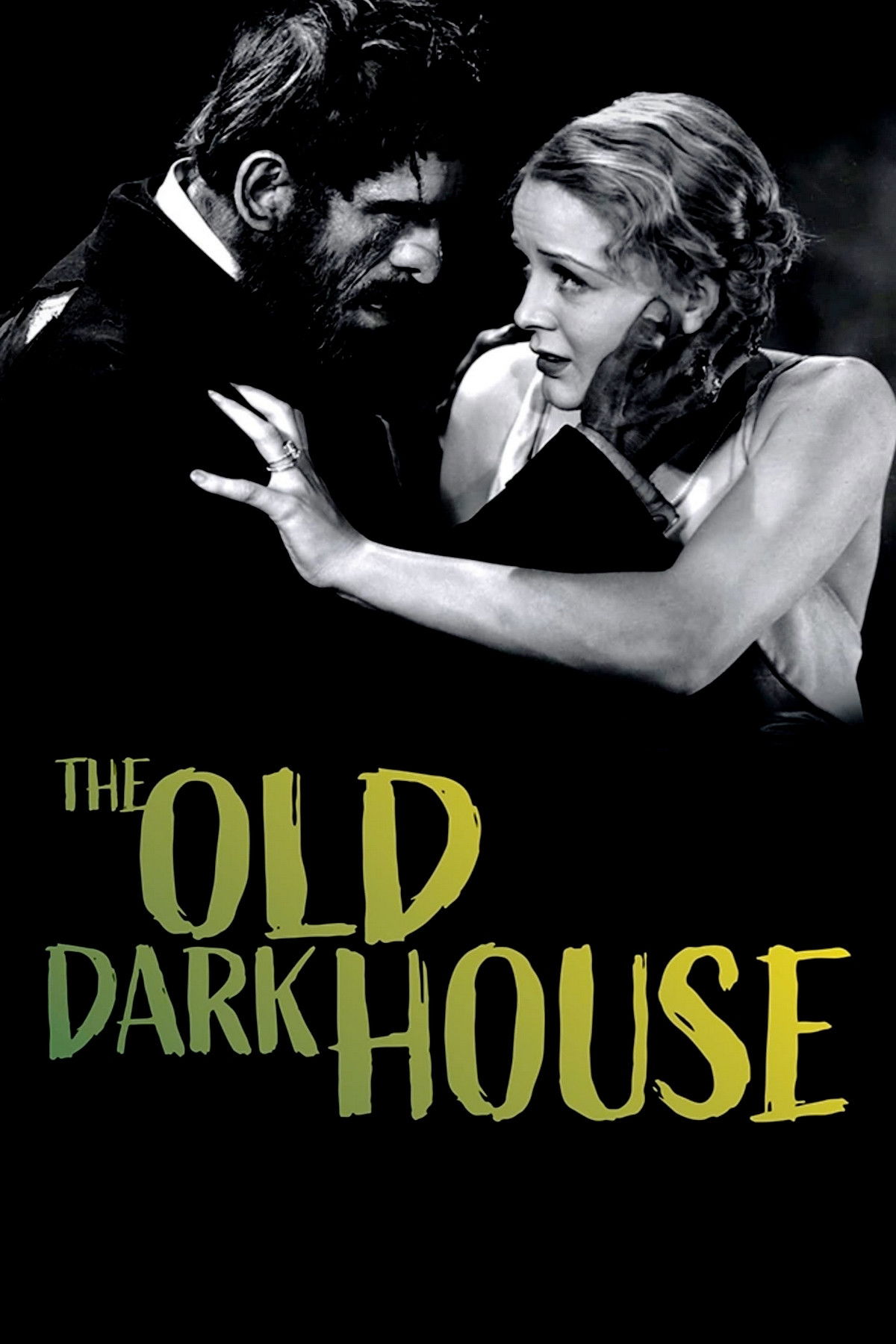
The Old Dark House poster

The Old Dark House

1932 · Eccentric hosts, enclosed rooms and menace that never quite loses its sense of humour

Tampopo poster

Tampopo

1985 · Food commands another ensemble of eccentrics, though dinner is a considerably less alarming prospect