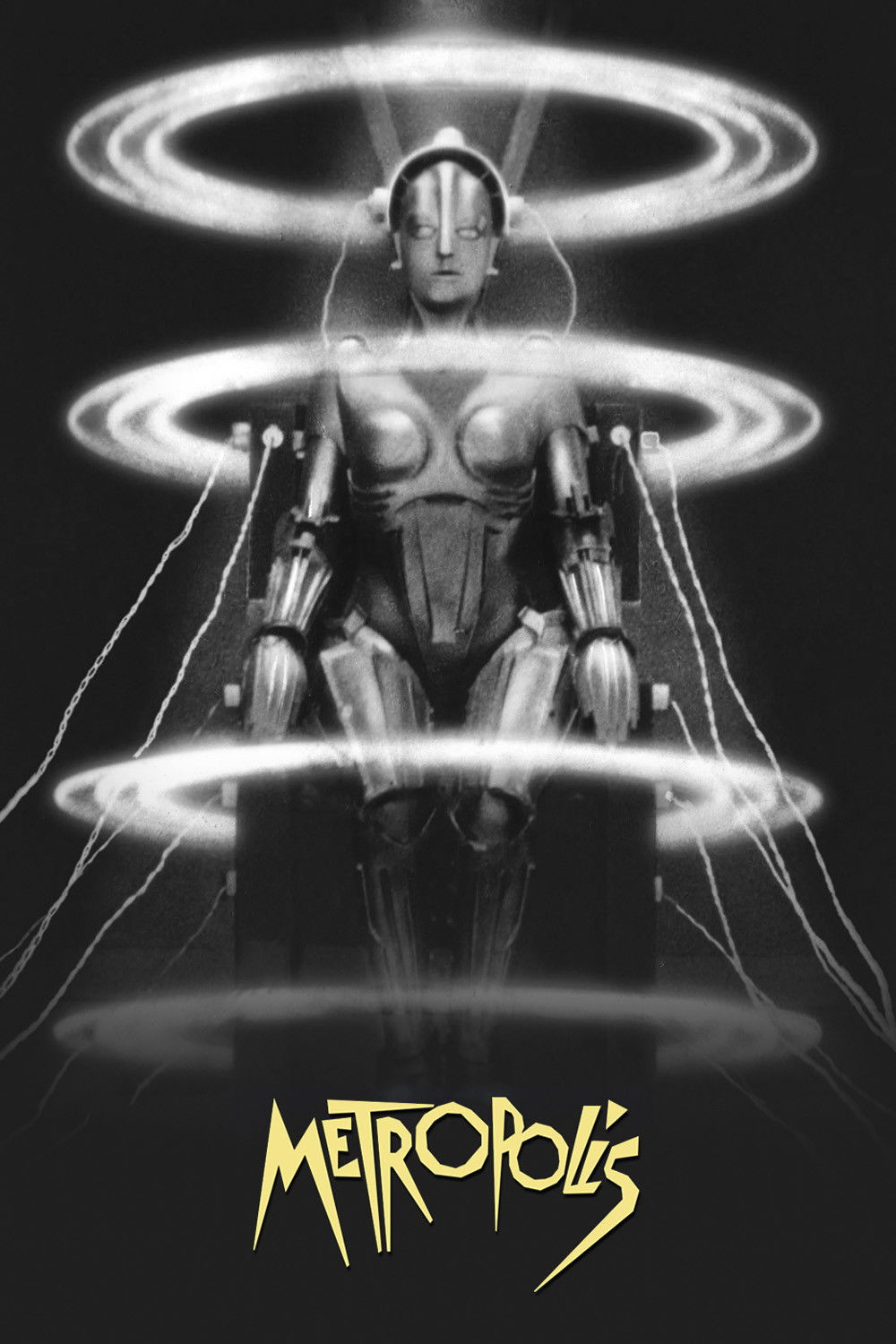
The restored version of Lang’s epic modern fable is a triumph, with added material amplifying its strengths so the narrative finally matches the ambitious idealism, production design and special effects. It fuses modernism and expressionism, art deco and Biblical spectacle in a mammoth marvel.
Twenty-five minutes of lost footage make new sense of Lang’s masterpiece, resulting in a visually inventive, erotic and psychologically subterranean socialist-Christian fable that provides cinema’s definitive take on the future imperfect.
The film is a visually exhilarating nightmare whose plot defies logic but whose torrent of images creates a powerful, hallucinatory experience. Its visionary power fixed the image of a futuristic city as a hell of scientific progress and human despair, influencing countless later films.
The critic celebrates the 2010 restoration of the nearly complete print as finally allowing Lang’s full vision to emerge after decades of mutilation. It praises the added footage for enhancing visual density, clarifying plotlines and character arcs (especially supporting roles), and revealing the film’s ambitious structure and rhythmic power.
The restored version of Fritz Lang's 1927 sci-fi epic is one of the biggest, strangest and maddest films in cinema history. It remains eternally prescient in its depiction of class conflict, technology fetishisation and the search for a mediator between bosses and workers.
The restored version of Fritz Lang’s 1927 sci-fi classic restores plot material that makes the story coherent for the first time in decades and adds exciting action beats. It remains one of cinema’s most visually amazing films.
The restored version stands revealed as a film that is about more than its celebrated science fiction look; it is one of the most propulsive of silent films, powered by a torrent of narrative energy. To see the film as the director intended greatly enhances the reputation of a film already considered one of the icons of the silent era.
Lang’s film is a monumental achievement about monumental egos. The recent discovery of 25 minutes of lost footage expands the scope of the discursive script and further establishes the film’s tendency to paint in the broadest of strokes.
It is a technical marvel with feet of clay, a picture as soulless as the manufactured woman of its story, though its scenes bristle with cinematic imagination and astounding stage settings. The narrative is unconvincing and lacks suspense, but the production stands alone as a remarkable achievement.
The discovery of lost footage clarifies plot points and allows a full recording of the original score, but the film remains a visual masterpiece yoked to a puerile and trite plot.
From a photographic and directorial standpoint it is something entirely original, and the picture looks like the 7 million marks it cost. Too bad that so much really artistic work was wasted on this manufactured story whose scenario gets nowhere.
The critic praises the film's historical impact on cinema, its spectacular sets and enduring watchability, noting that its stories of love, deception and justice remain relevant. She singles out Otto Hunte's magnificent Art Deco set design for the utopian city for particular praise.
Ordered by the weight we give each publication, then by score. Scores are normalised to 100; * means inferred from an unrated review. Summaries are ours, not quotations; follow the links for the reviews themselves. How we rate