Robert Altman’s frontier Western is patient, funny and deeply sad, with Warren Beatty and Julie Christie making business feel painfully personal. Some dialogue gets lost, but we would recommend it to anyone willing to listen closely.
McCabe & Mrs. Miller is a Western we would put in front of someone who thinks they have had enough of Westerns. Robert Altman makes the work of establishing a business, and the awkwardness of depending on another person, absorbing enough to carry a film. There is humour in the gap between John McCabe’s confidence and his competence, but the film never treats him as someone too foolish to deserve our concern. It is patient, humane and, in places, difficult to hear.
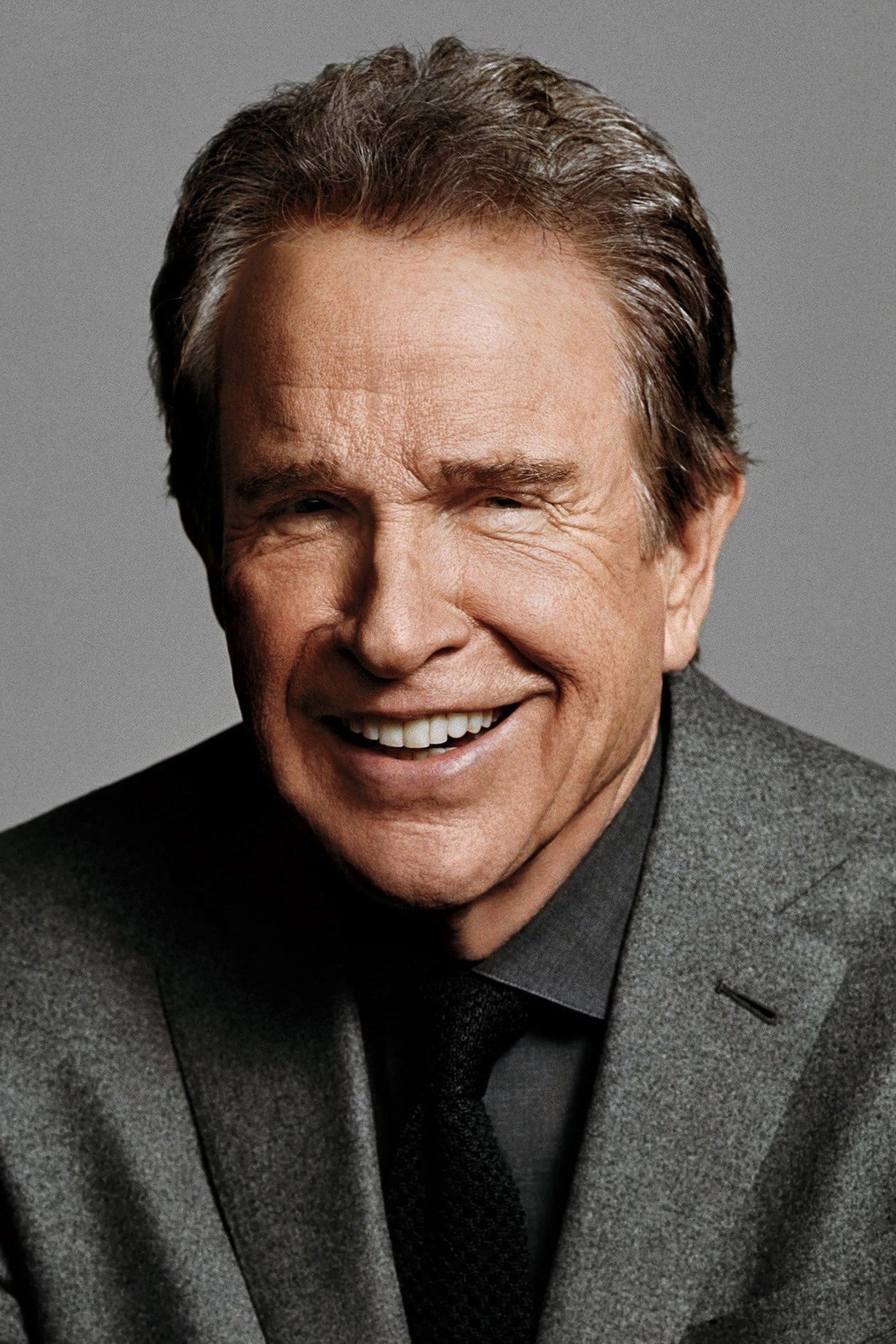
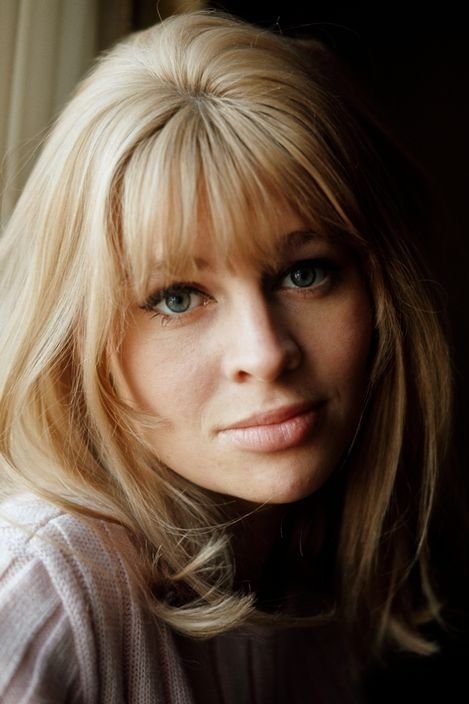
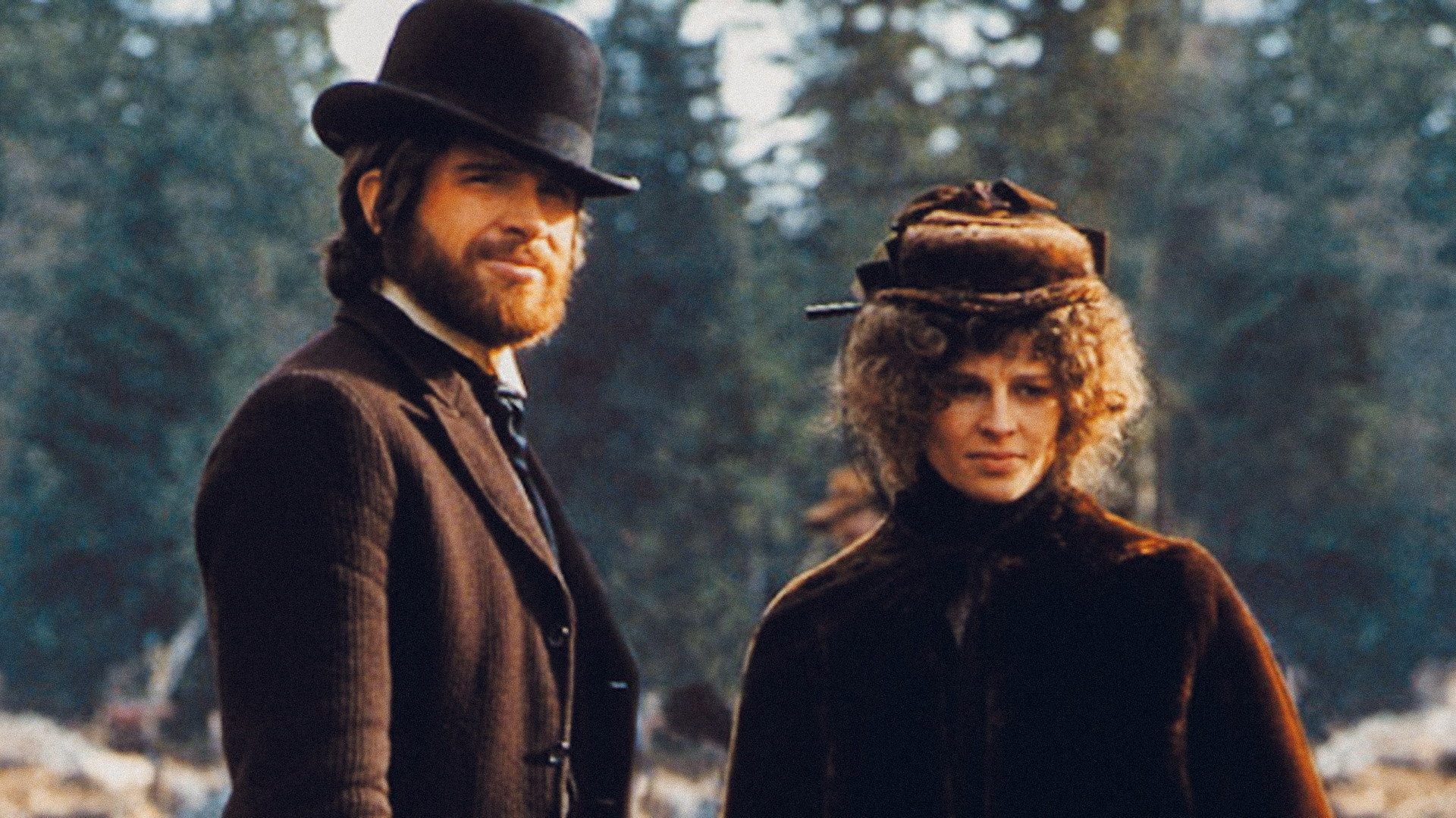
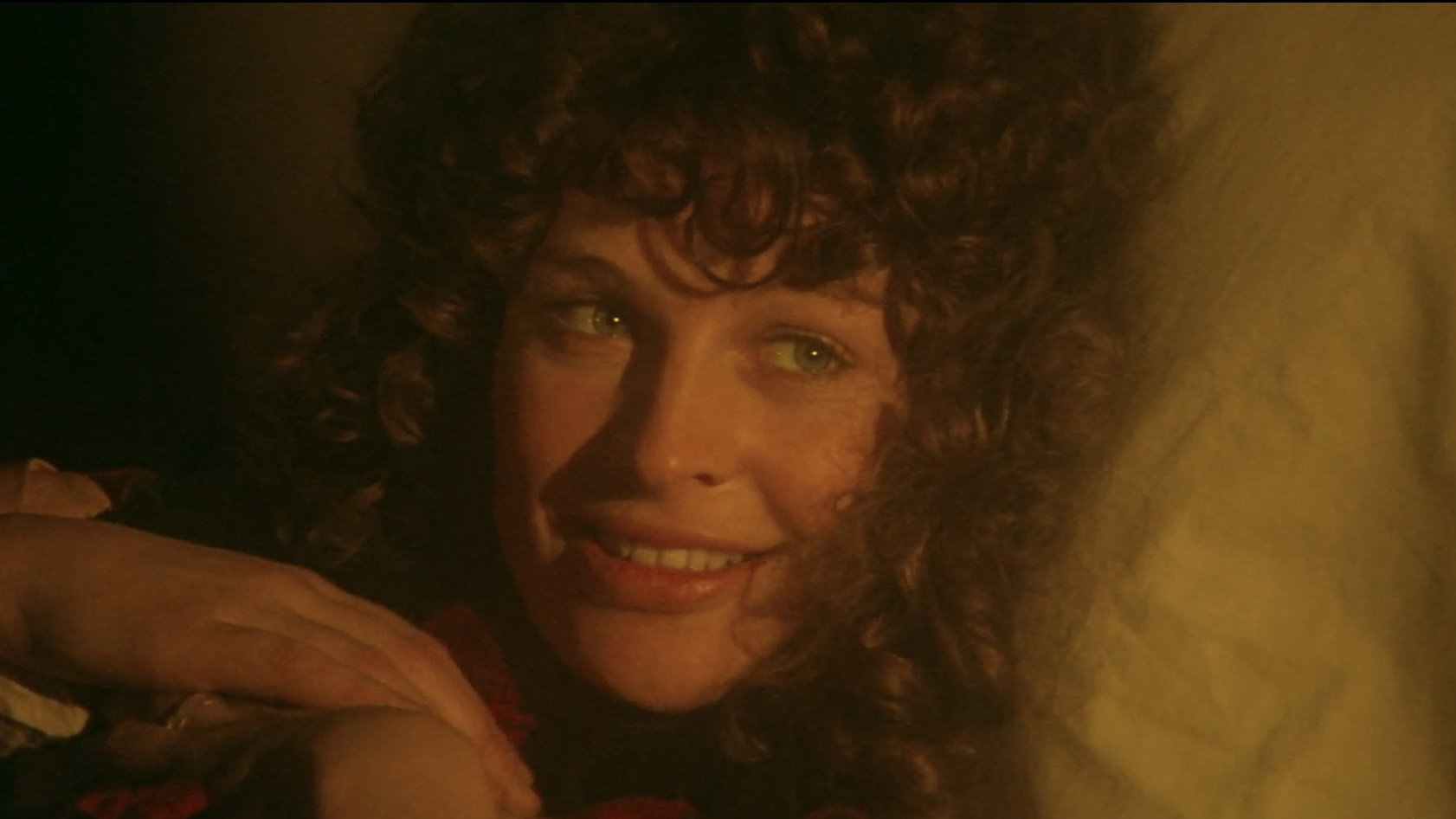
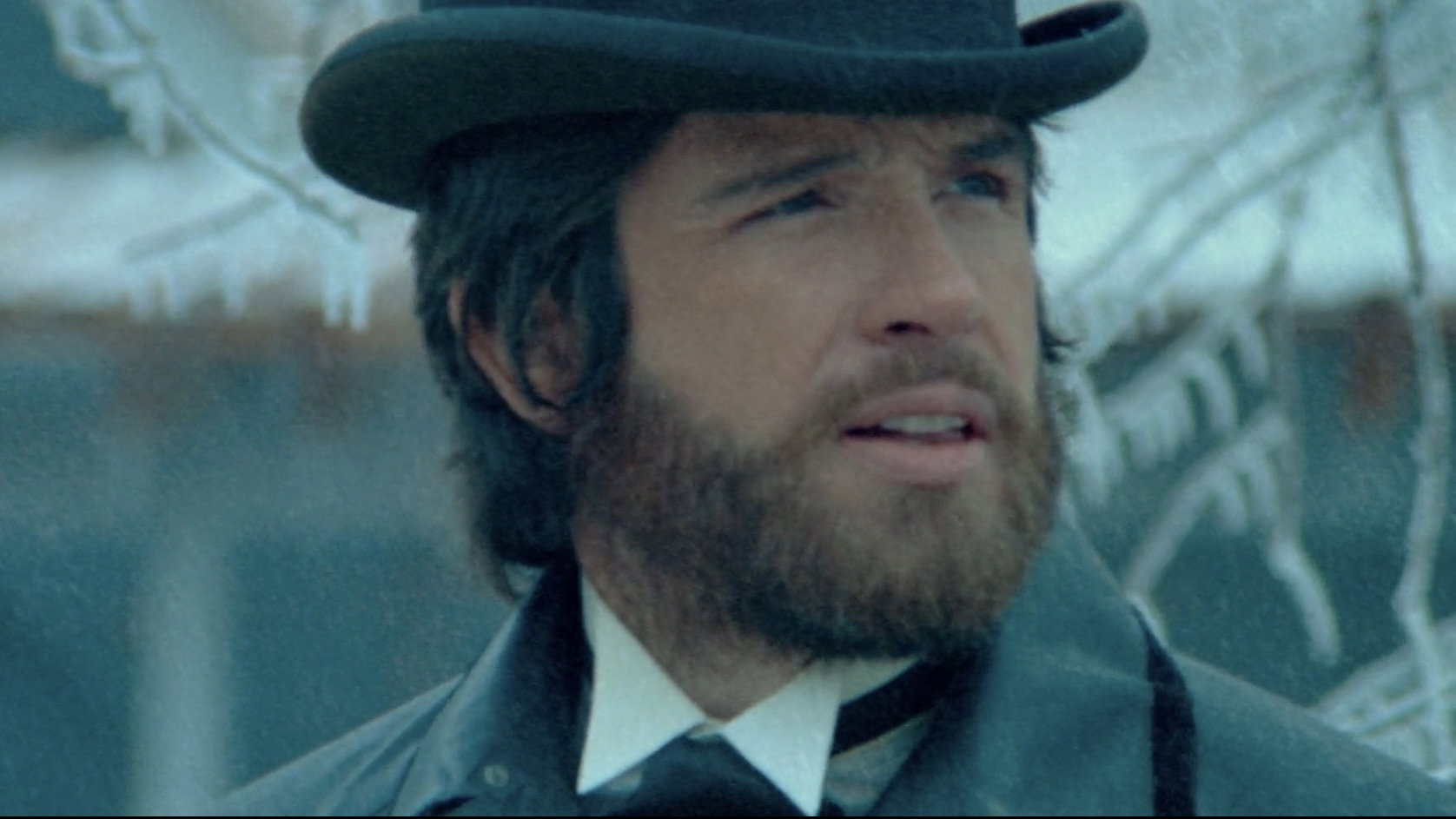
Warren Beatty makes John McCabe’s self-importance funny without making him comfortably ridiculous. We can see why this gambling man would think himself equipped to build an empire, and why someone else might take a different view. Julie Christie gives Constance Miller the practical authority that his confidence cannot supply, but she is too alert an actor to make mere competence the whole attraction. Their dealings have the awkward pull of two people who need one another and do not much enjoy admitting it.
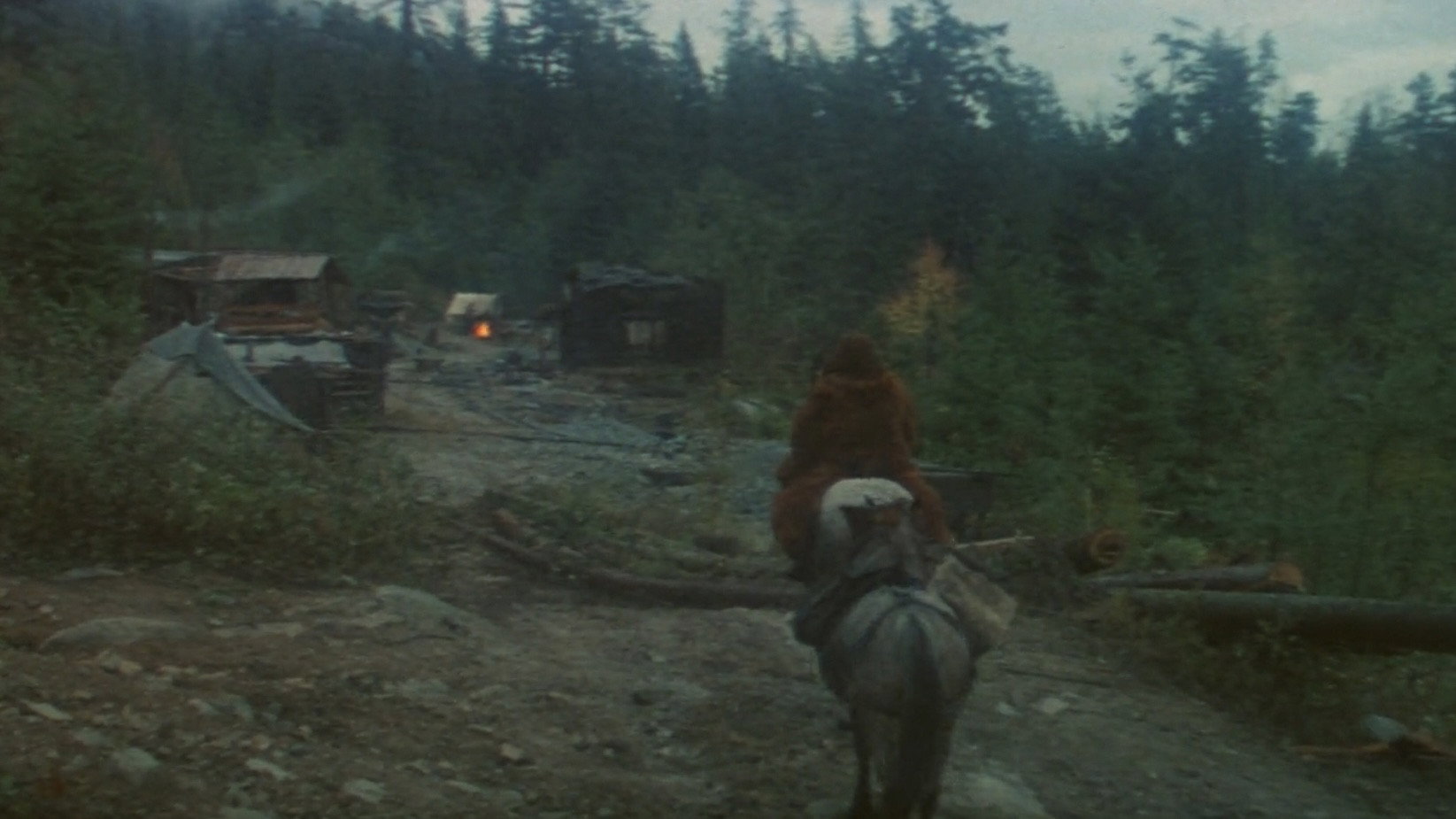
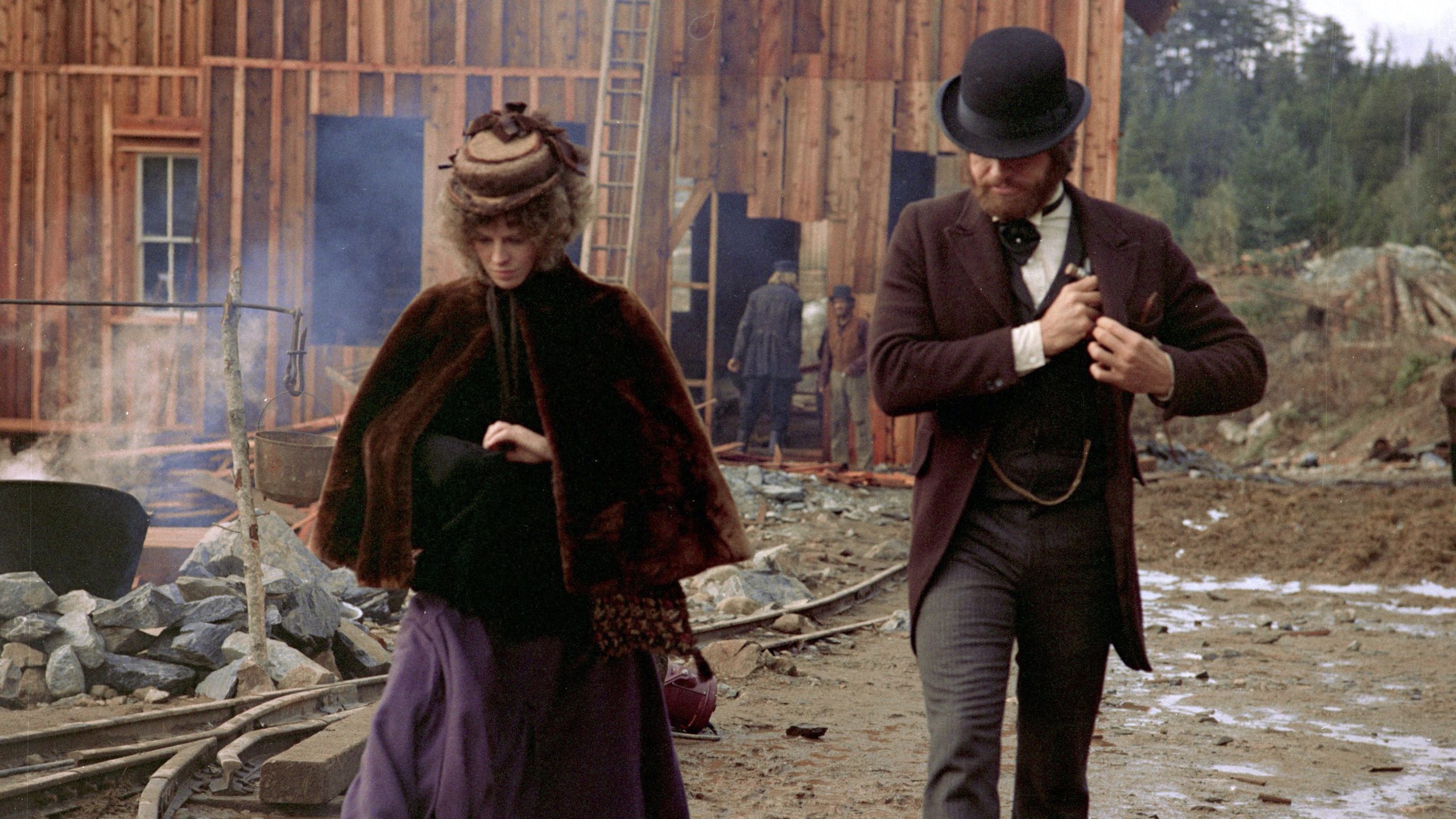
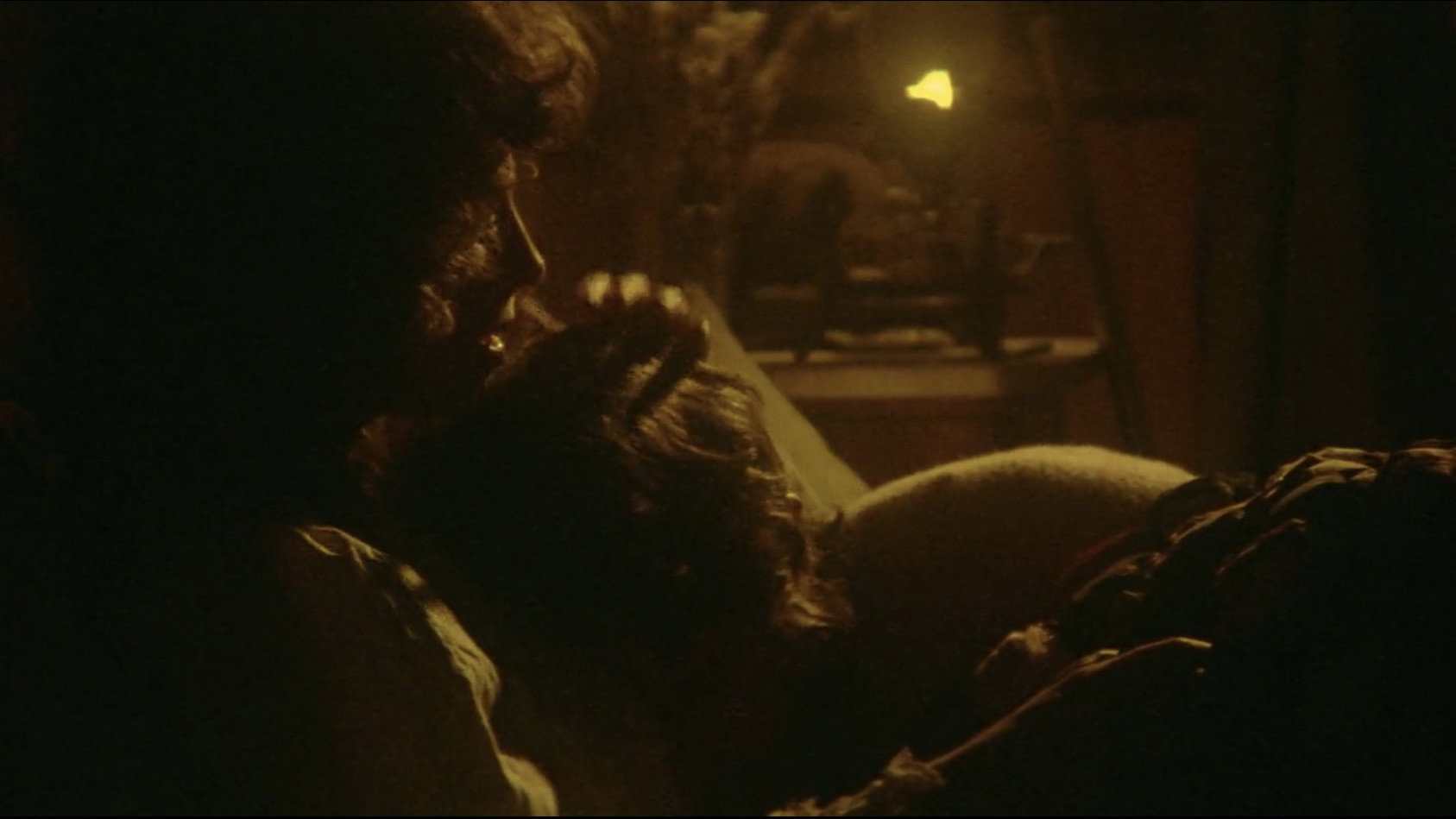
Vilmos Zsigmond’s zooms draw our attention into the town without making every discovery feel like an announcement. His delicate photography keeps the harshness of the place visible, even when the image invites us to linger. Leon Ericksen’s production design gives the settlement a used, untidy look, as though each addition has answered an immediate need. Together they make it possible to look past the principals and believe that the people around them have somewhere to go and something to get done.
The overlapping dialogue makes the settlement seem busy with concerns that have nothing to do with the leading man. Lou Lombardo’s editing gives that bustle room, allowing our attention to wander among the people speaking. We were moved more than we expected by those competing voices, because the townspeople sound as though they have lives beyond their usefulness to John McCabe. The film takes their ordinary struggle to get by seriously, even while allowing them to be funny.
Leonard Cohen’s songs bring a private sadness into the communal noise. They give the film room for longing without requiring John McCabe or Constance Miller to become eloquent about themselves. We hear a tenderness that the business dealings leave little space to express, and the music makes their difficulty speaking to one another affecting. It is a considerable amount of feeling to entrust to songs, but their intimacy suits these people and their awkward relationship.
The sound also creates the film’s clearest problem: some of the mumbling is simply hard to follow. A lively settlement does not require every line to reach us cleanly, but there are stretches when the effort of listening draws attention away from the people speaking. At 120 minutes, the film asks for patience, and its loose handling of the plot will frustrate anyone waiting for each scene to advance the business. We would happily keep the pace and hear a few more of the words.
The Western often gives an ambitious man room to prove himself, and this one is interested in how much help he needs. Its distrust of big business grows out of affection for people trying to make smaller businesses work. Robert Altman keeps that concern human by allowing John McCabe to be vain and Constance Miller to have ambitions of her own. Give it an attentive evening, and do not expect the frontier to reward confidence just because Warren Beatty supplies it.