Stanley Kubrick’s hotel horror remains frightening even when Jack Nicholson makes the danger too obvious. We recommend it for the patient tracking shots, oppressive music and attention to what a troubled family does to itself.
Stanley Kubrick’s The Shining is frightening, carefully made horror with a central performance that sometimes pushes too hard. Kubrick and co-writer Diane Johnson adapt Stephen King’s novel around a family isolated at the Overlook Hotel. The building’s evil history matters, but so does the unhappiness the Torrances bring into it. We spend much of the film watching people occupy rooms they cannot make comfortable.
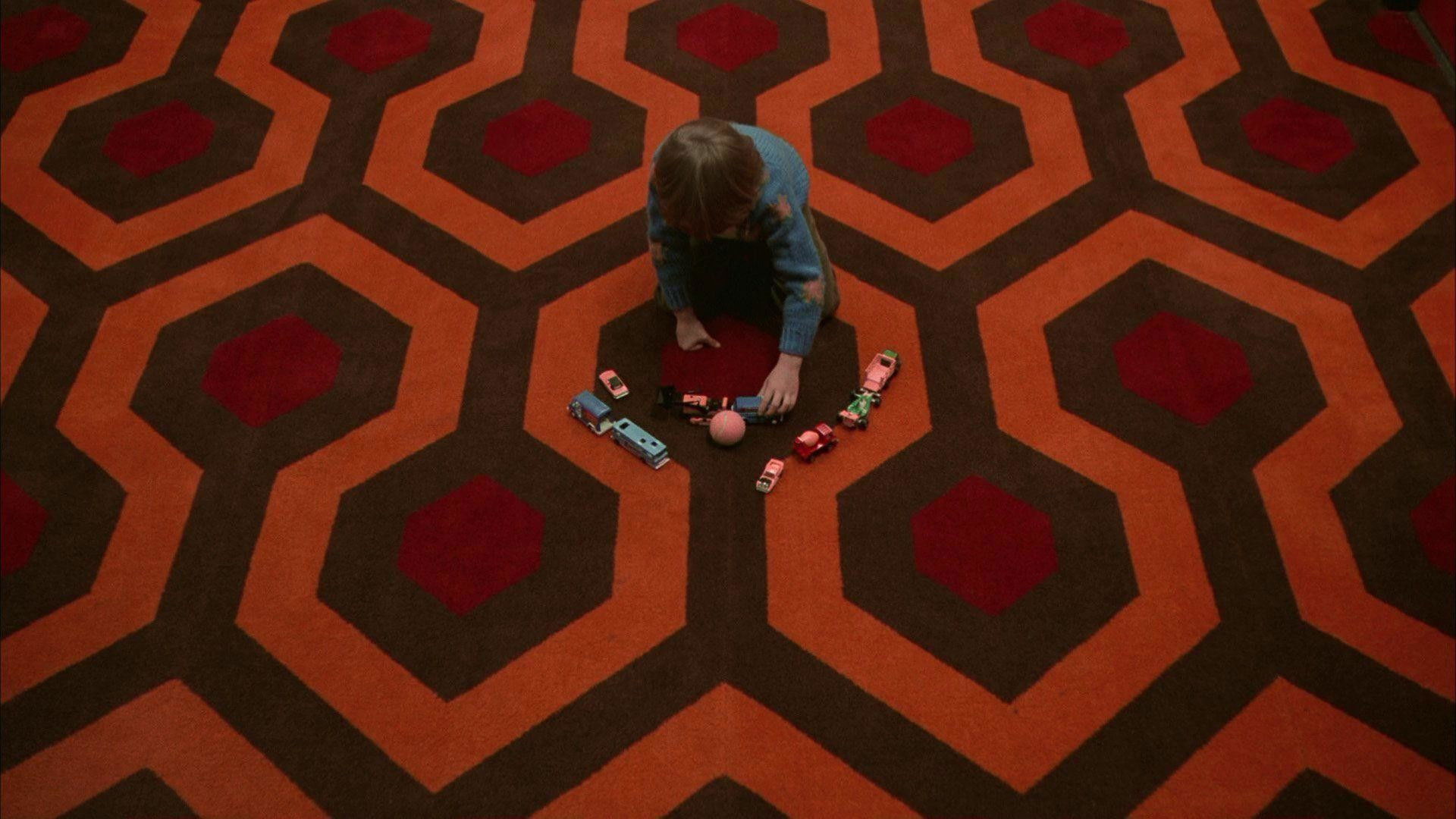
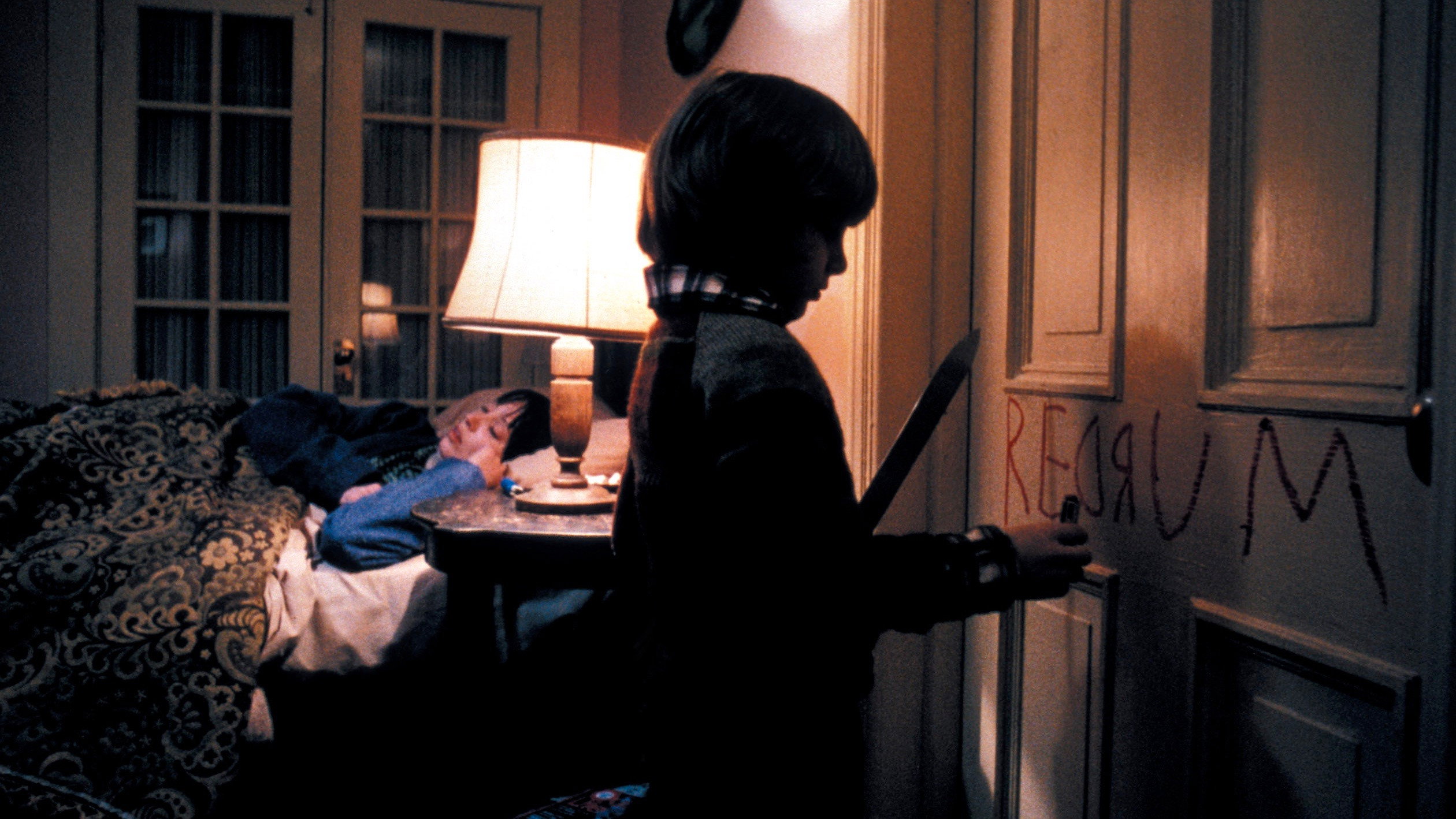
The early tour of the hotel is enough to make us want the family to leave. We felt uneasy before we could point to a single immediate danger. Kubrick’s Steadicam tracking shots give us time to look at the rooms while making it difficult to stop looking ahead, and the measured movement begins to feel threatening in itself. Roy Walker’s production design supplies the geometric spaces that make this work: the family looks exposed even when it is indoors.
John Alcott’s winter cinematography makes the isolation convincing, and the images remain oppressive even when we have time to examine them. There is something disturbing about being able to study a place so carefully and still feel uncomfortable in it. Ray Lovejoy’s editing gives these views time to become unsettling, rather than treating every shot as preparation for a sudden interruption. At 144 minutes, this is a sustained demand on our nerves, although some of the slower passages give us too much time to appreciate the technique.
The music makes those long looks harder to bear. Wendy Carlos and Rachel Elkind share the music credits with Krzysztof Penderecki, György Ligeti and Béla Bartók. The assembled score sustains tension through passages in which the camera gives us ample time to study the hotel. It does not simply wait for a shock and then announce it. We are left watching a room while the sound tells us something is wrong, and waiting becomes uncomfortable even when there is little happening.
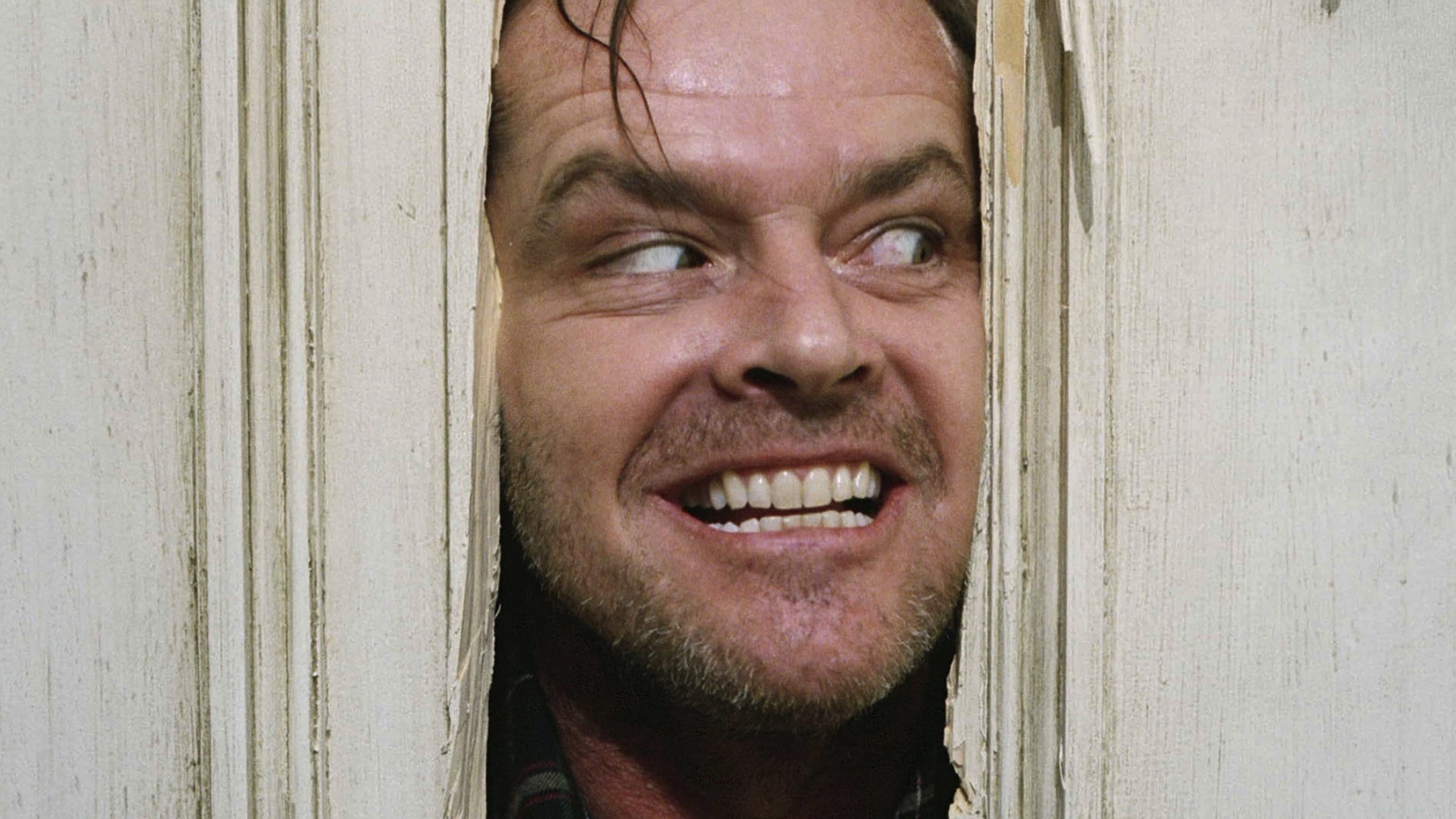
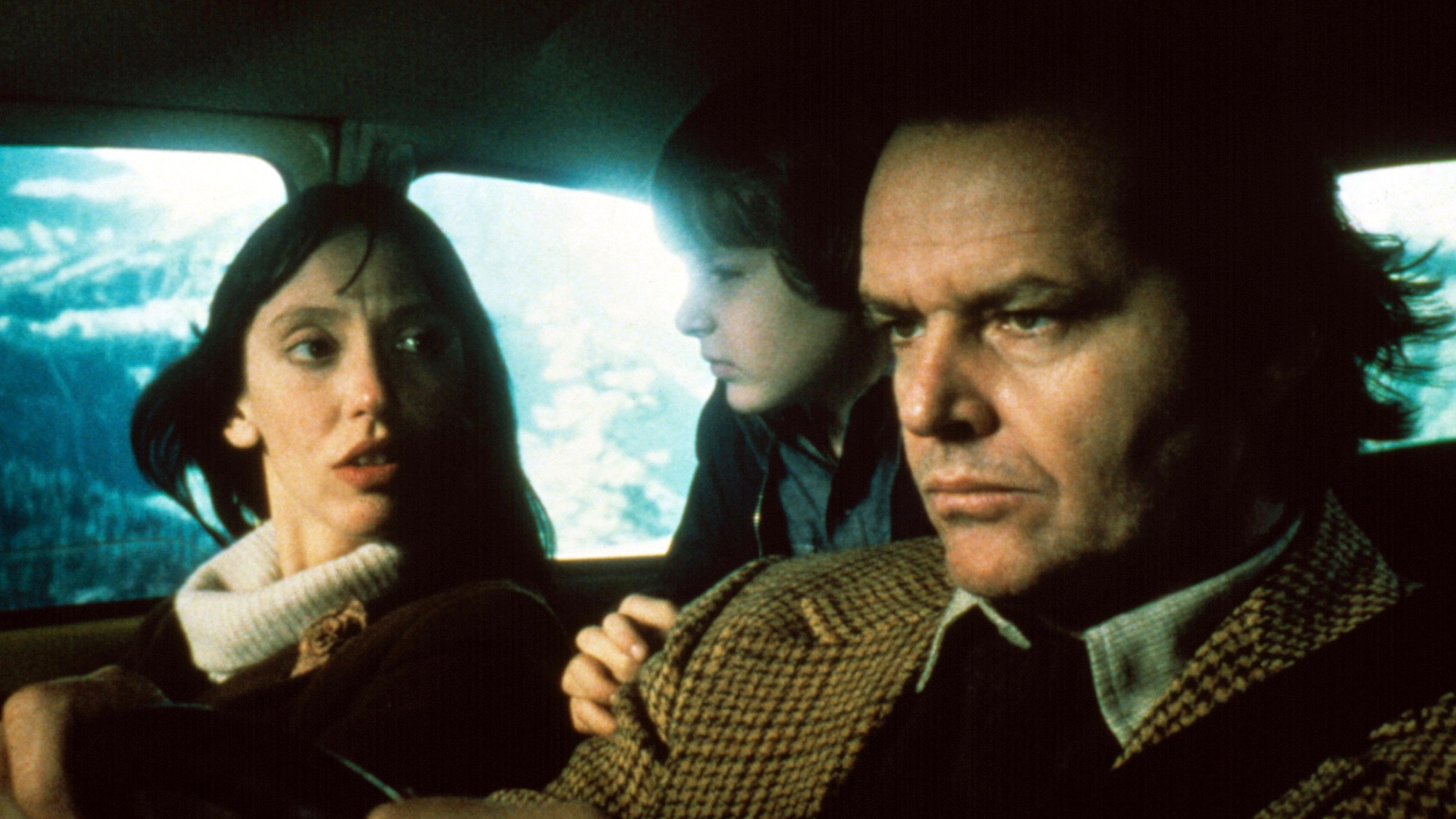
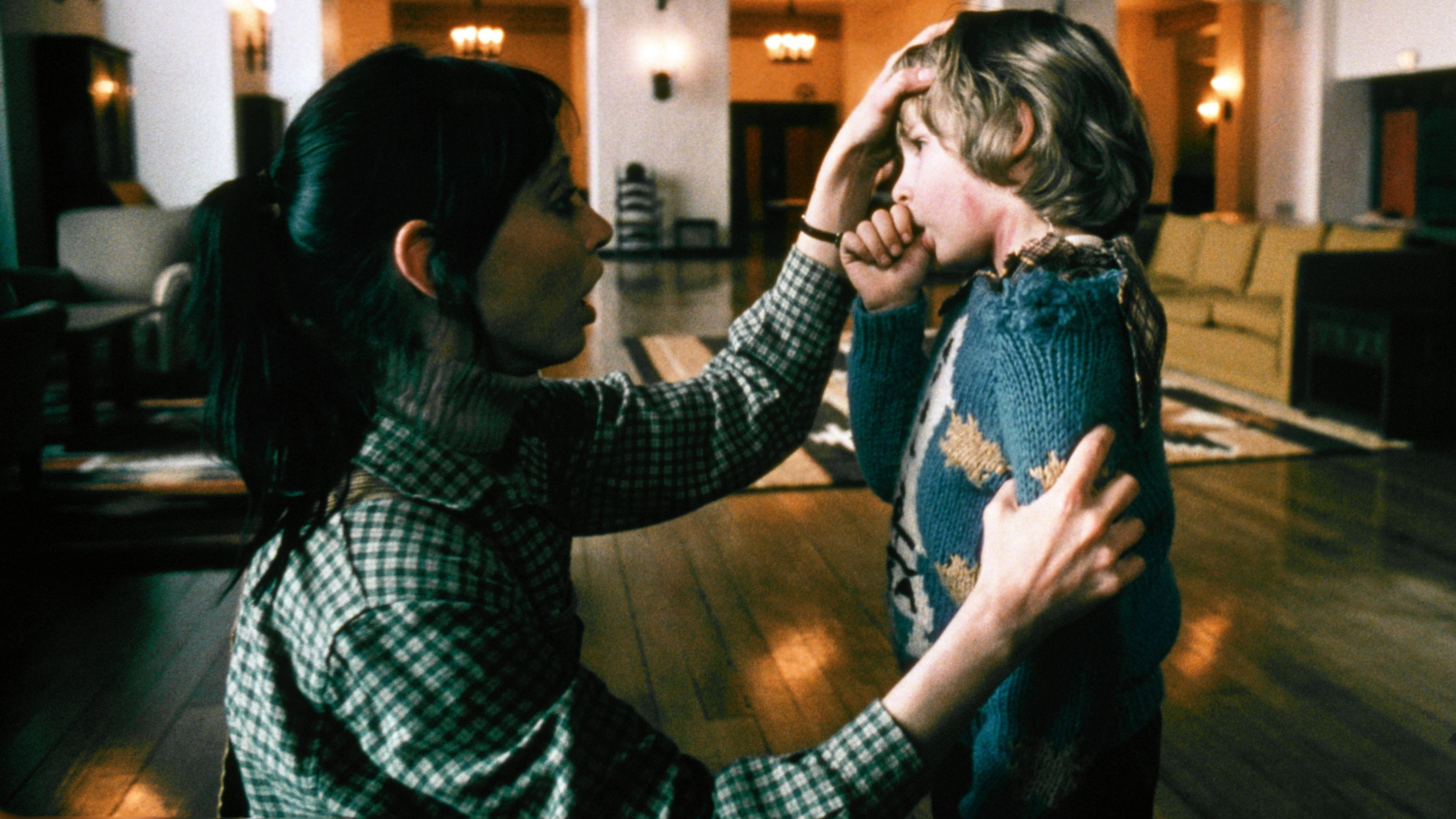
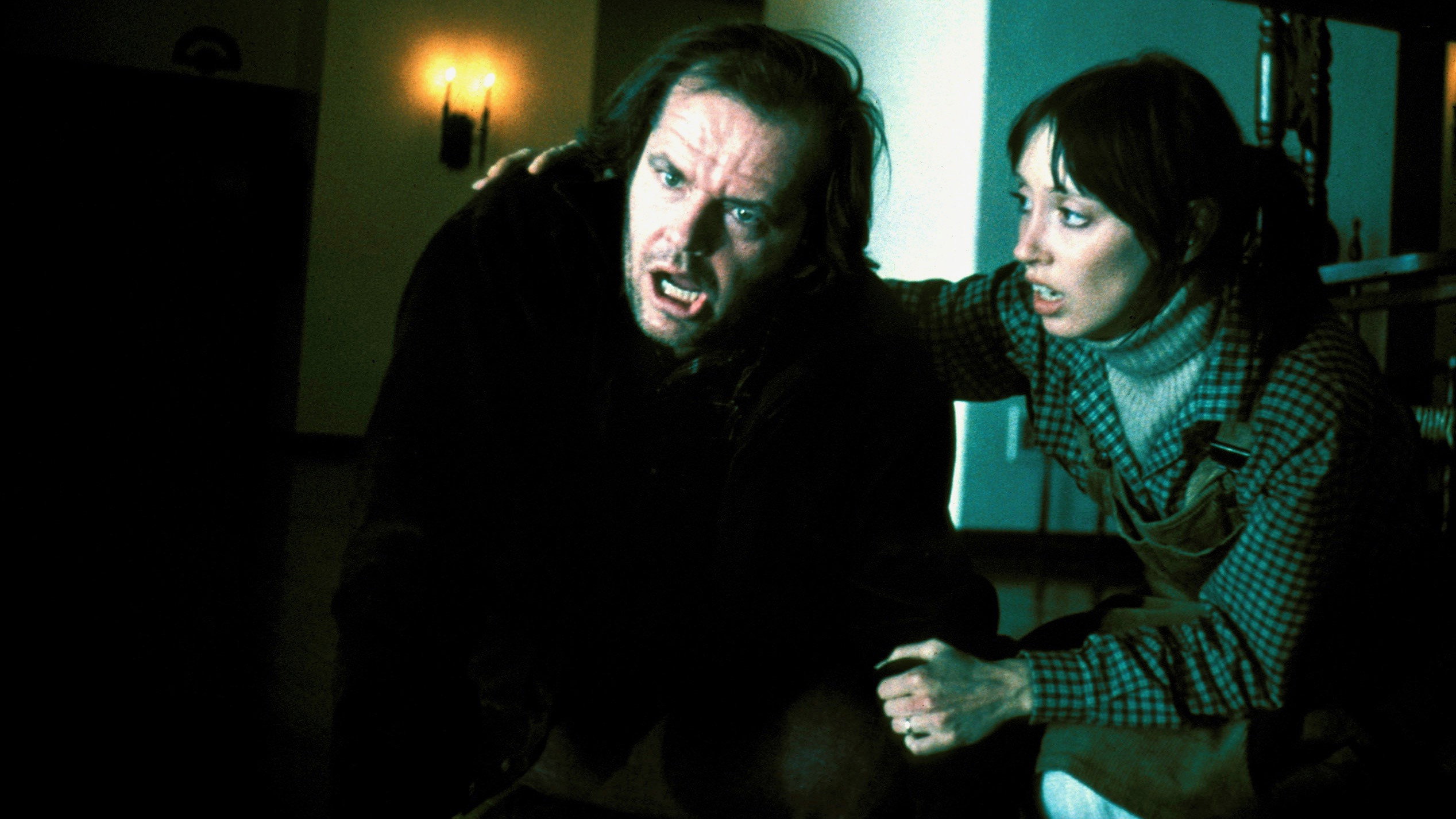
Nicholson is funny as well as frightening, and there are moments when the comedy is a relief we would rather not have been given. His broad performance makes Jack’s instability plain, but it also weakens the sense that the family might ever have managed a tolerable life together. Shelley Duvall’s Wendy and Danny Lloyd’s Danny give the family scenes the vulnerability they need. Duvall, especially, makes the strain of sharing space with Jack feel exhausting, and we find ourselves attending to her rather than waiting for his next display.
Against the usual haunted-building story, the emphasis on family unhappiness is what gives the film its force. The hotel’s history provides menace, but Kubrick keeps returning our attention to the people who must endure one another inside it. He does not explain every uncertainty, and we would not pretend every part of the story is equally convincing. Still, the feeling of being trapped with a person who frightens us needs little explanation, and the performances make that fear difficult to dismiss.
Give it an uninterrupted evening, and resist the temptation to wait only for Nicholson to become alarming. Duvall deserves just as much attention. For all the hotel’s menace, sharing a room with Jack already looks like hard work.