Film review

A.I. Artificial Intelligence

2001 · Directed by Steven Spielberg · 2h 26m · MPA PG-13

In a sentenceSomebody built a child who cannot stop loving and apparently thought the adults could be trusted

DramaScience FictionAdventure

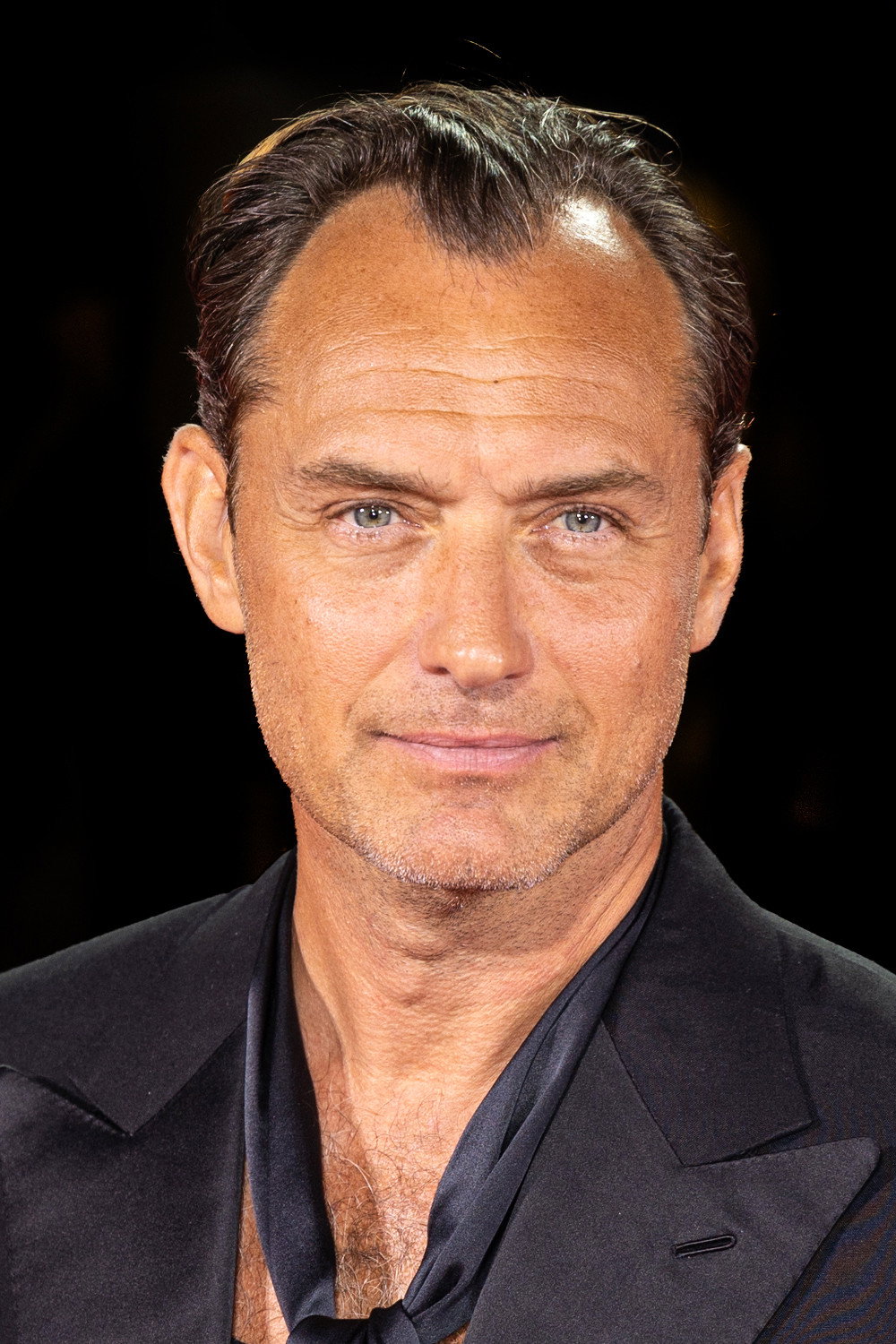
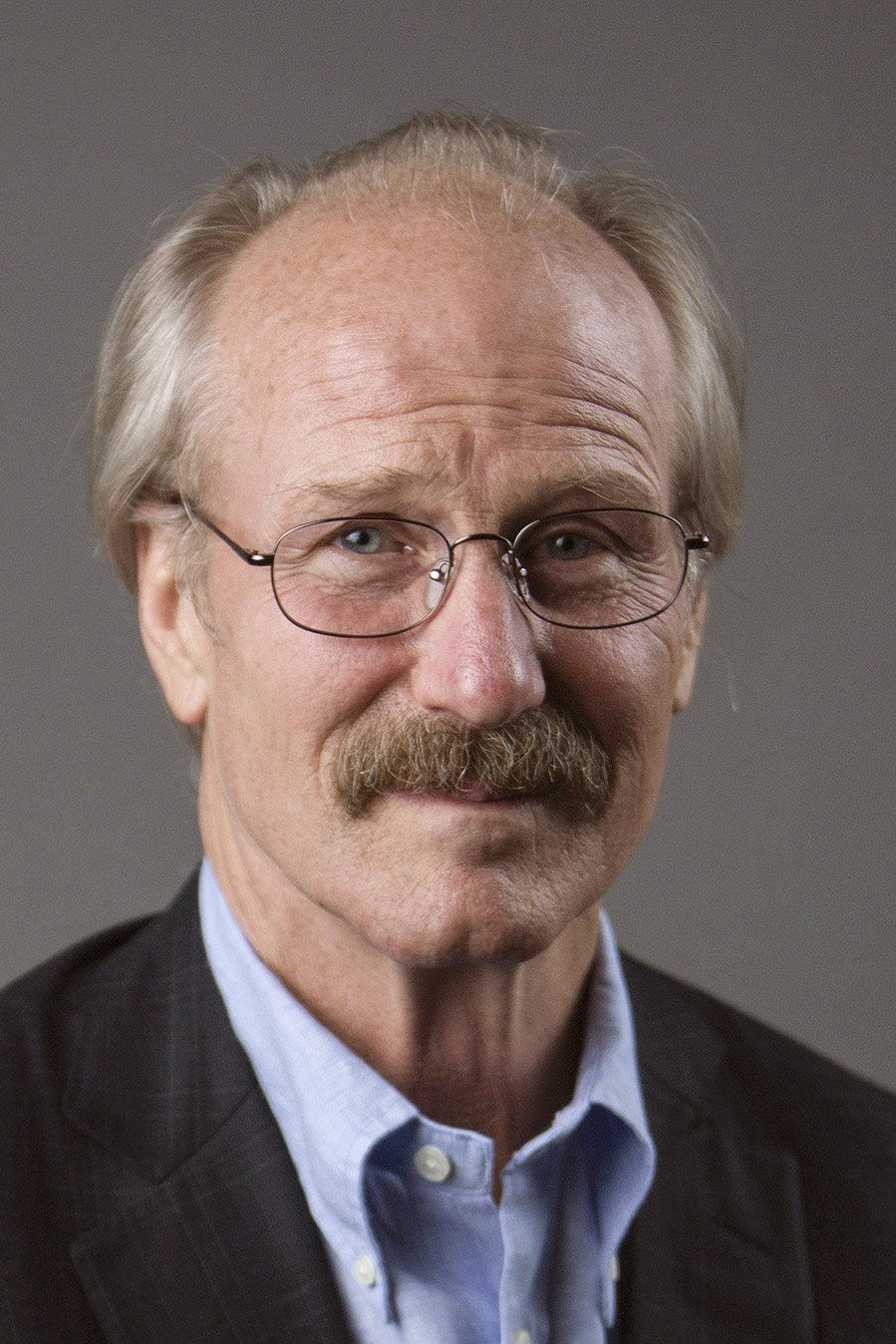
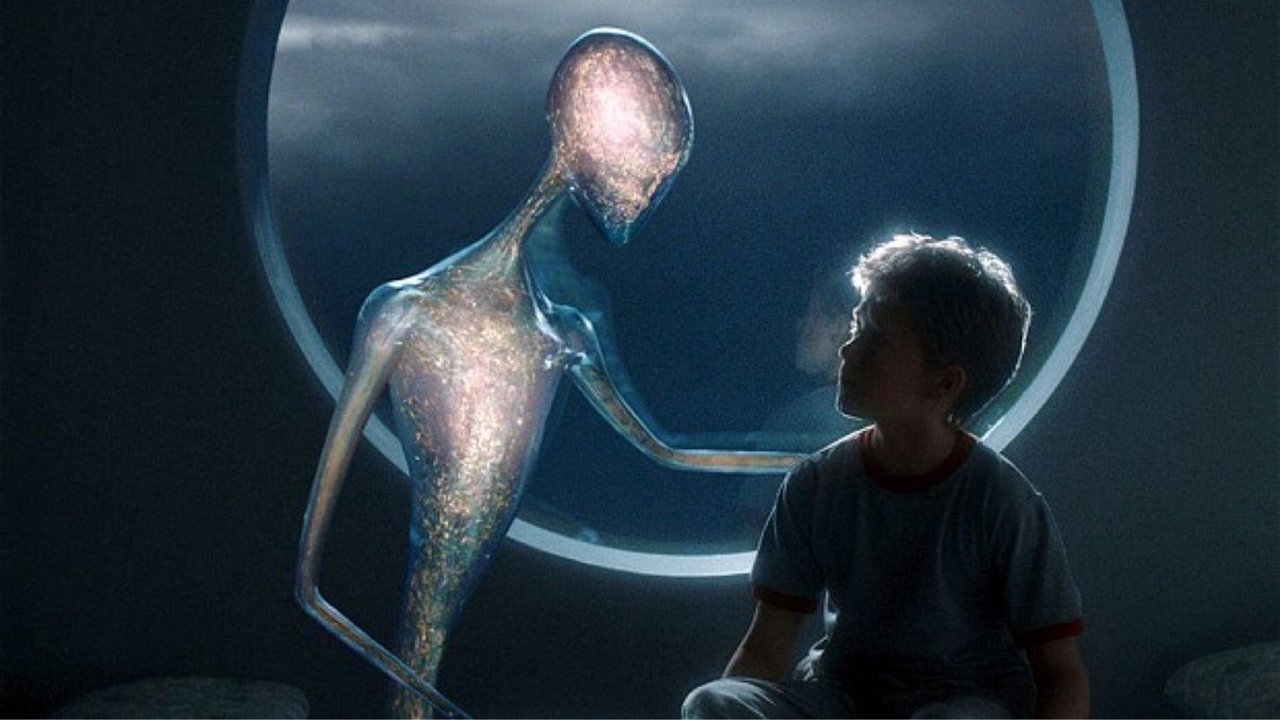
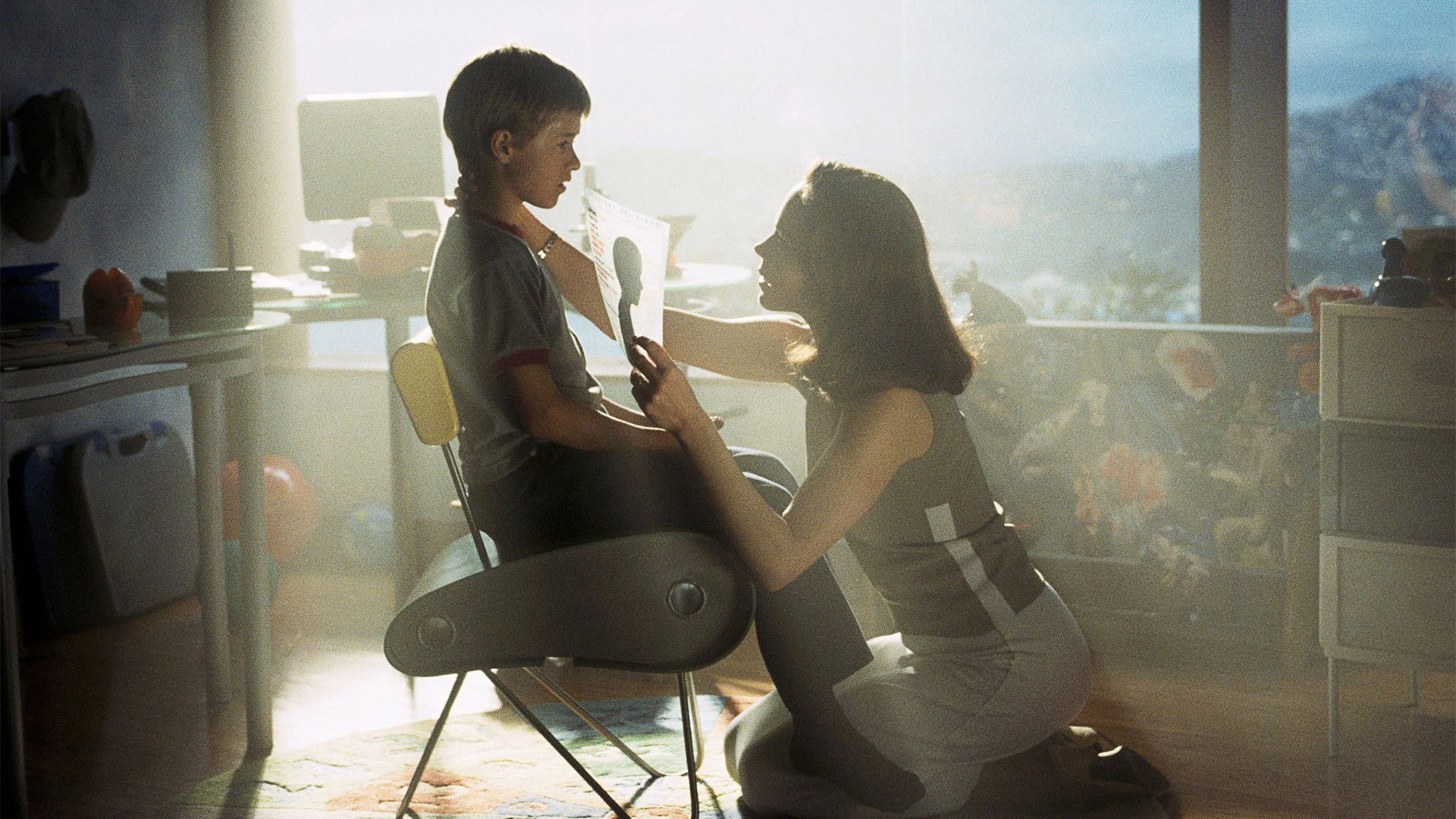
David (Haley Joel Osment) is an artificial boy, built to look eleven and programmed to love. His need for affection brings him into a human world where being made rather than born changes how others see him. Around him are Monica Swinton (Frances O’Connor), Henry Swinton (Sam Robards) and Martin Swinton (Jake Thomas). Jude Law plays Gigolo Joe, while William Hurt plays Professor Hobby. As David confronts rejection and loneliness, he searches for a place among people whose capacity to love is less certain than his own.

Plays from YouTube when you press play; nothing loads from them until then.

Fi1m review

Steven Spielberg’s science-fiction fable is deeply moving, despite its wandering story and over-explanation. Haley Joel Osment makes a manufactured child’s hunger for love painfully convincing.

A.I. Artificial Intelligence is a deeply moving science-fiction film with a story that does not always know when to move on. Steven Spielberg takes a robot boy programmed to love and asks what responsibility that places on anyone receiving his affection. It is an uncomfortable basis for an adventure, and we would not mistake the presence of a child for a promise of reassurance. The film earns our sympathy for David before it asks us to think through the consequences of making him.

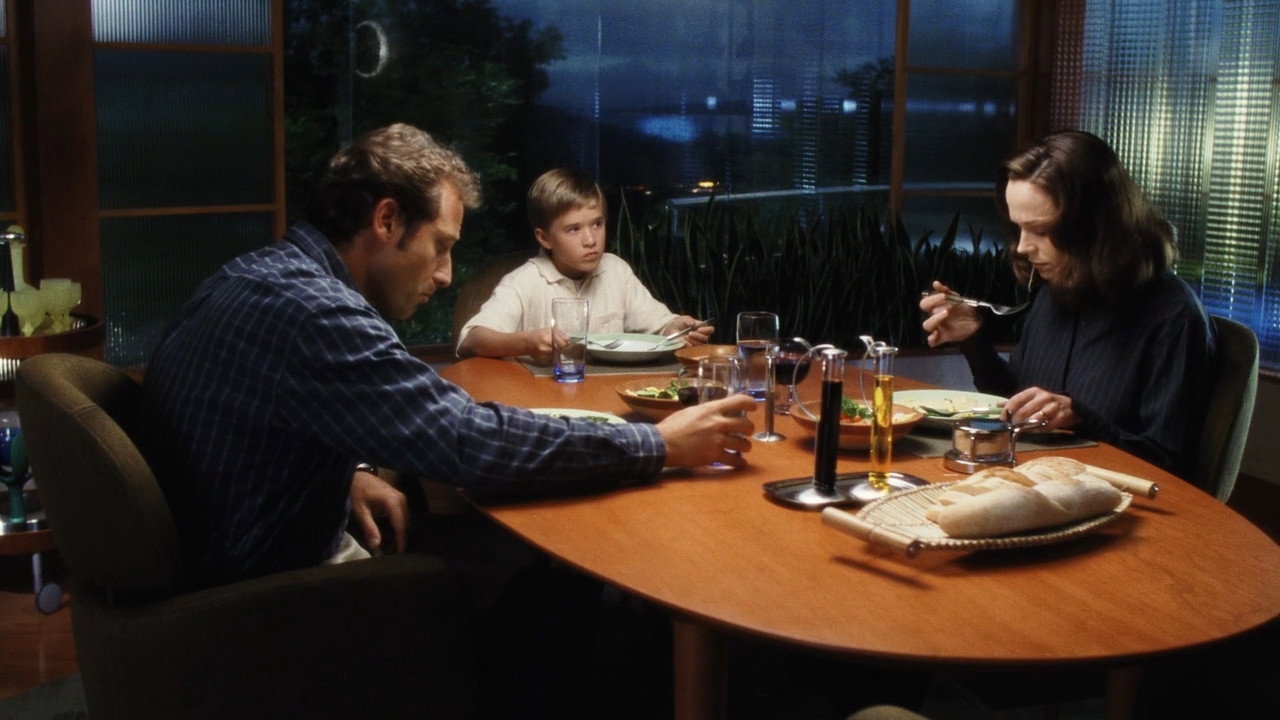
Haley Joel Osment gives David an earnestness that becomes distressing because he seems incapable of protecting himself. We were moved more than we expected by his need for love: knowing that somebody has put it there does nothing to lessen his vulnerability. Osment makes us worry about the child without forgetting that he has been manufactured. There is nothing knowing in the performance to reassure us that David can shrug off rejection.

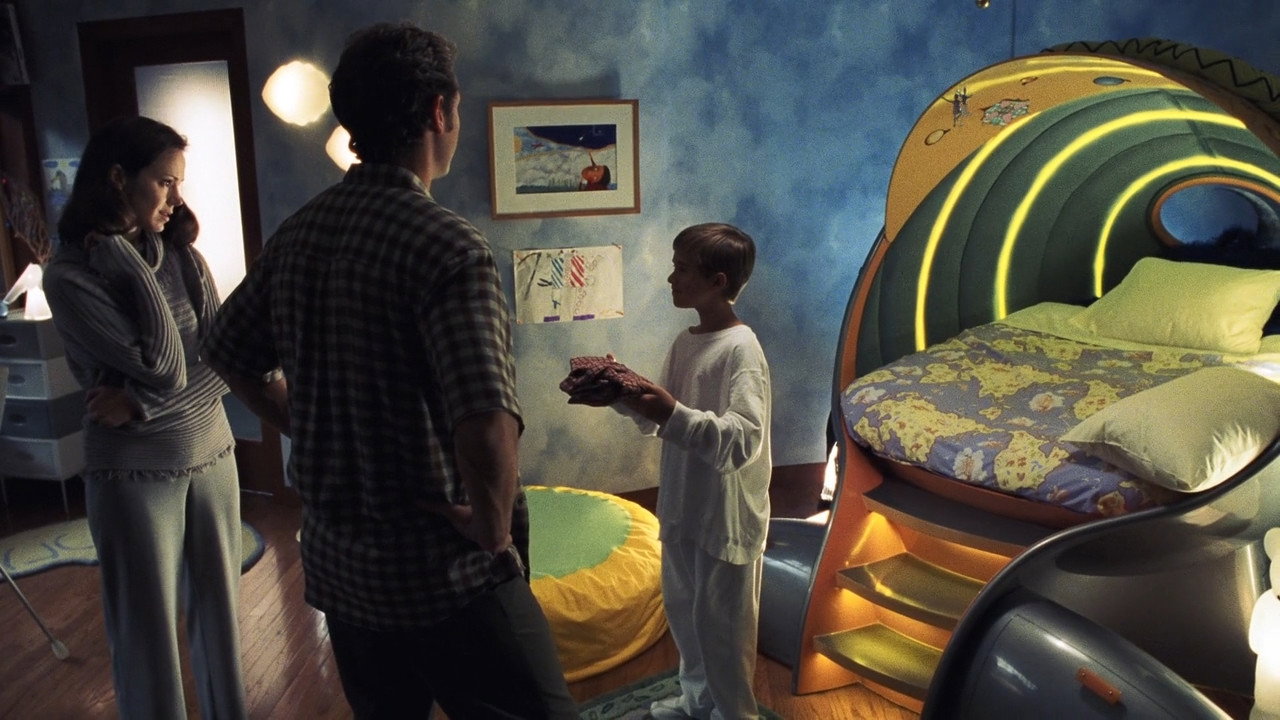
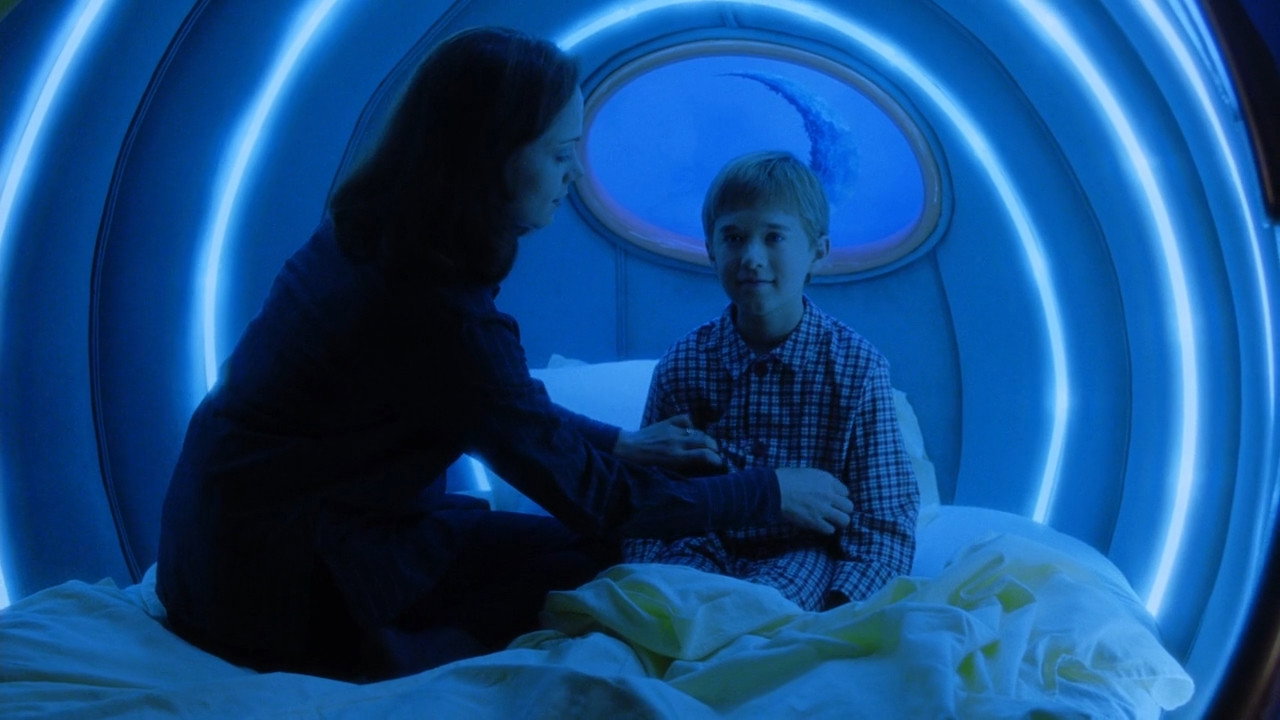
Janusz Kamiński’s photography encourages that uneasy scrutiny, making David look slightly out of place in the world around him. We keep looking at the boy, trying to decide what difference his artificiality should make to our response. Rick Carter’s production design gives the imagined future enough substance for the question to survive outside the dialogue. The scale and intricacy are impressive, but the images are most effective when they leave us feeling that David has no secure place in them. Spielberg makes this invented world inhospitable enough that exploring it becomes a source of anxiety.

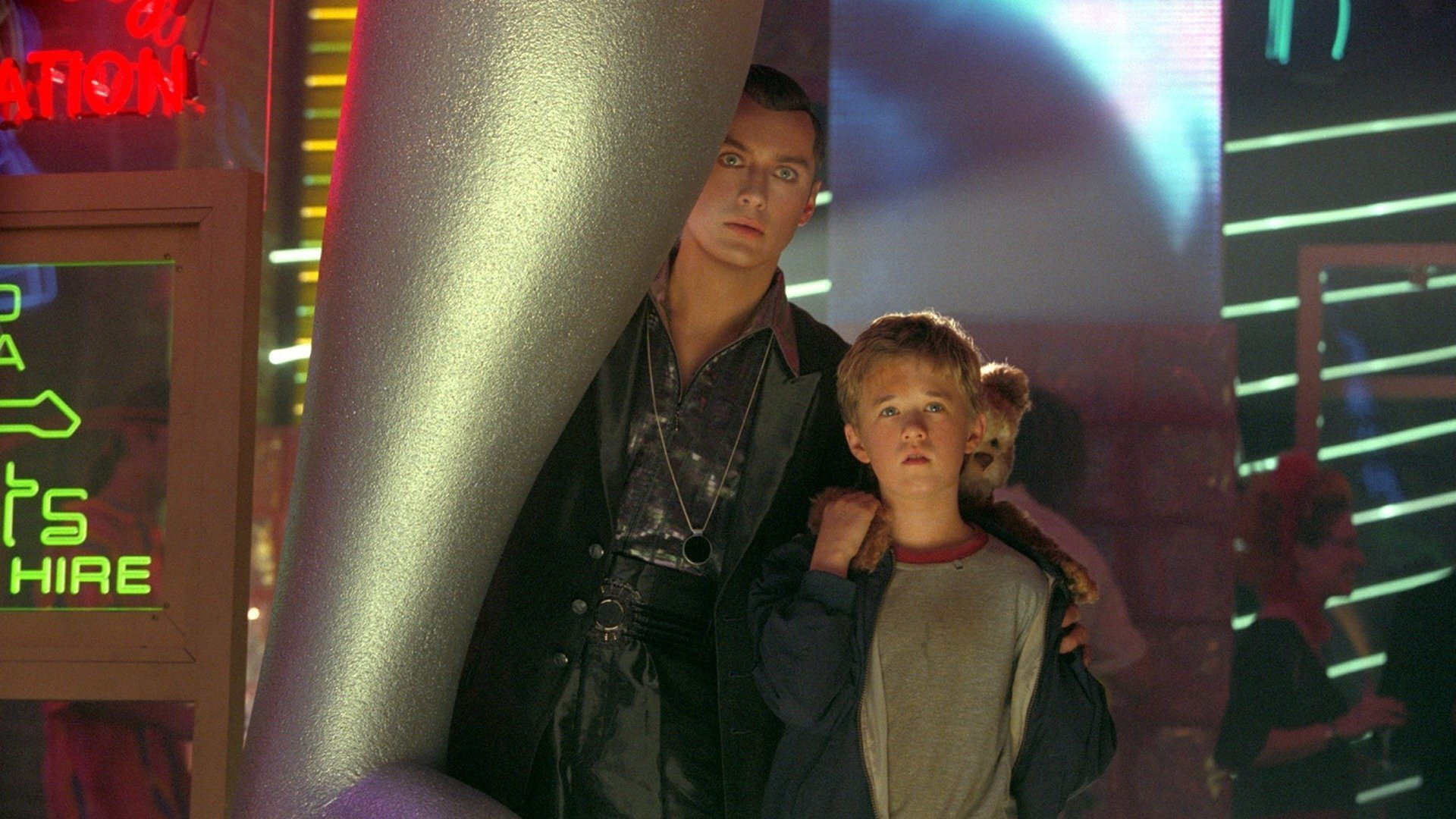
Jude Law’s Gigolo Joe provides a welcome change of energy around that central performance. Law understands the usefulness of charm in a film so preoccupied with need, and his presence keeps the solemnity from becoming uniform. John Williams’s score is less consistently helpful. It gives David’s longing a tenderness we respond to, then sometimes presses the emotion when Osment has already done enough. We wanted more room to sit with the discomfort before the music encouraged us to feel for him.

The larger weakness is the episodic screenplay, also Spielberg’s, which repeatedly makes the film feel as though it is starting again. Michael Kahn’s editing cannot quite make its separate stretches gather force as a single journey. At 146 minutes, the repeated explanations become wearing, especially when the images have already made the emotional situation clear. The narration is an unnecessary reassurance that we have understood. Spielberg seems reluctant to let an unsettling image or a difficult question go unexplained.

The critical consensus is substantially cooler than our judgement, and we think it gives the uneven storytelling too much weight. The objection that a manufactured child cannot deserve such feeling seems particularly unpersuasive. People made him capable of attachment, and that surely increases their obligation to him. As science fiction, the film is at its most disturbing when it asks us to consider that responsibility without allowing us to dismiss David as equipment.

Do not approach this as a comforting adventure simply because its central figure looks eleven. The question of what adults owe a child has a sharpness here that the technical wonders cannot soften. Choose it when neither of you needs cheering up.

Critical consensus AI synthesised

61
Positive
4
Mixed
2
Negative
2

The reviews lean towards admiration, but agreement is stronger on the film’s ambition than on its success. Praise clusters around the visual effects, the unsettling imagery and Osment’s central performance, with several critics finding genuine feeling in the robot boy’s search for love. Supporters see Spielberg’s combination of dark science fiction and fairy tale as a demanding exploration of humanity, abandonment and the need to be loved, rather than a reassuring children’s adventure.

The spread is wide, and the chief dispute concerns whether the emotion is earned. Several reviews find the ending over-sentimental or overextended, while others question how comfortably Spielberg’s sensibility fits with Kubrick’s. RogerEbert.com admires the technical achievement but doubts the invitation to invest in a machine’s simulated love; The Guardian dissents more sharply, rejecting both the futuristic imagery and the child performance. Even some sympathetic accounts find the narration intrusive or the storytelling too explanatory.

Empire
1 January 2000 · Ian Nathan
85*

The critic sees it as a profound and visually astounding work of Spielberg's genius, blending Kubrickian elements with emotional depth into an unusual masterpiece. The film's philosophical questions about love and reality, along with its CGI and performances, are singled out for praise despite a divisive ending.

Read the full review →
Radio Times
★★★★ · Kilmeny Fane-Saunders
80

The critic describes it as an ambitious dark-toned Pinocchio fable with terrific special effects, highlighting Osment's fine performance and noting it is one of Spielberg's bleakest works rather than a feel-good romp.

Read the full review →
The AV Club
29 June 2001 · Keith Phipps
80*

The film is a wild, ambitious inquiry into humanity's origins, nature, and end, delivered through the story of a robot boy programmed to love. Despite intrusive narration and occasional over-explanation, its virtues—strong performances and striking imagery—make it a defining, moving work of its time.

Read the full review →
RogerEbert.com
29 June 2001 · ★★★ · Roger Ebert
75

The film is ambitious and technically masterful with provocative ideas and wondrous sights, but it miscalculates by asking viewers to invest emotionally in a machine character whose 'love' is only simulated.

Read the full review →
Total Film
21 September 2001
65*

The review calls it flawed genius that is bewitching and gripping yet ultimately cold and without emotional pulse due to an over-sentimental finale. Spielberg's daring visual and thematic ambition mixed with Kubrick influences is highlighted as both visionary and frustrating.

Read the full review →
Slant Magazine
18 June 2001 · Ed Gonzalez
45*

Spielberg's film is a strange, muddled mess of multiple episodes that piles on sappy codas and wish-fulfillment after a haunting Kubrickian core. It lingers due to emotional power and visual style but is undermined by distancing artificiality and excess baggage.

Read the full review →

Cast

Stills

Awards

Academy Awards, 2002

Nominated
Best Original Score
Nominated
Best Visual Effects

Saturn Awards, 2002

Won
Best Science Fiction Film

If you liked this, try…

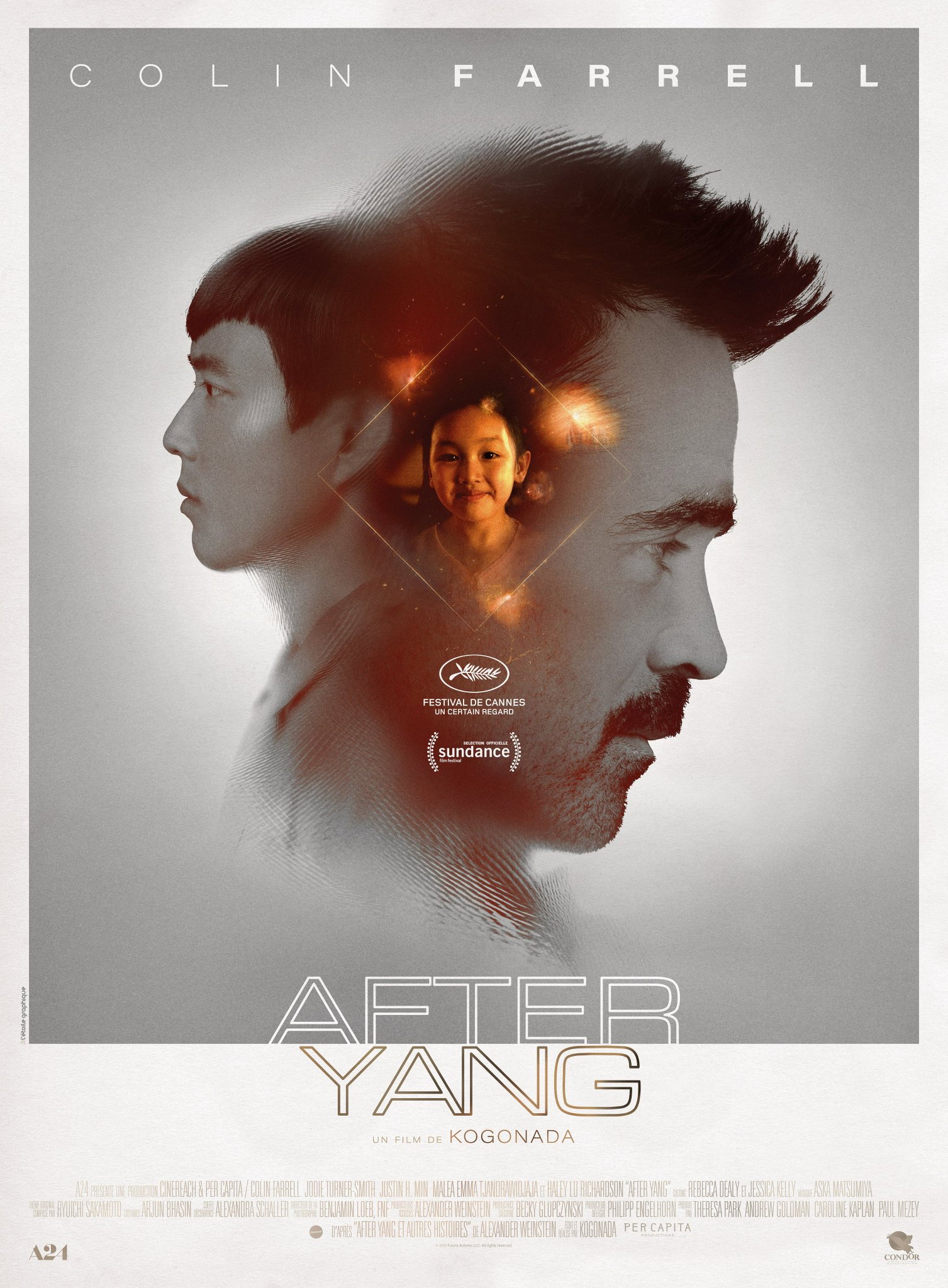
After Yang poster

After Yang

2021 · A quieter account of artificial companionship, grief and the obligations of affection

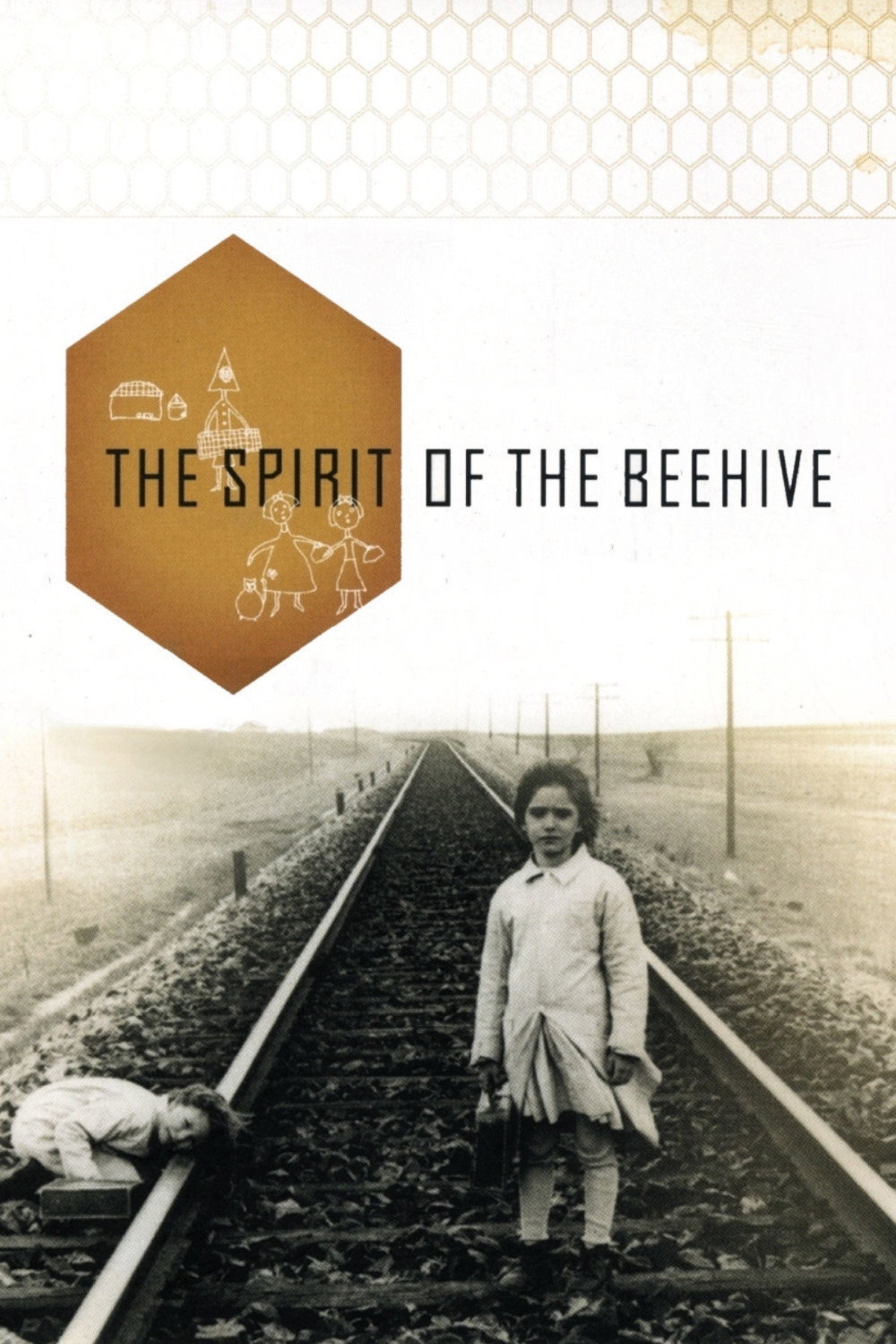
The Spirit of the Beehive poster

The Spirit of the Beehive

1973 · For another child’s view of an adult world that offers little reassurance

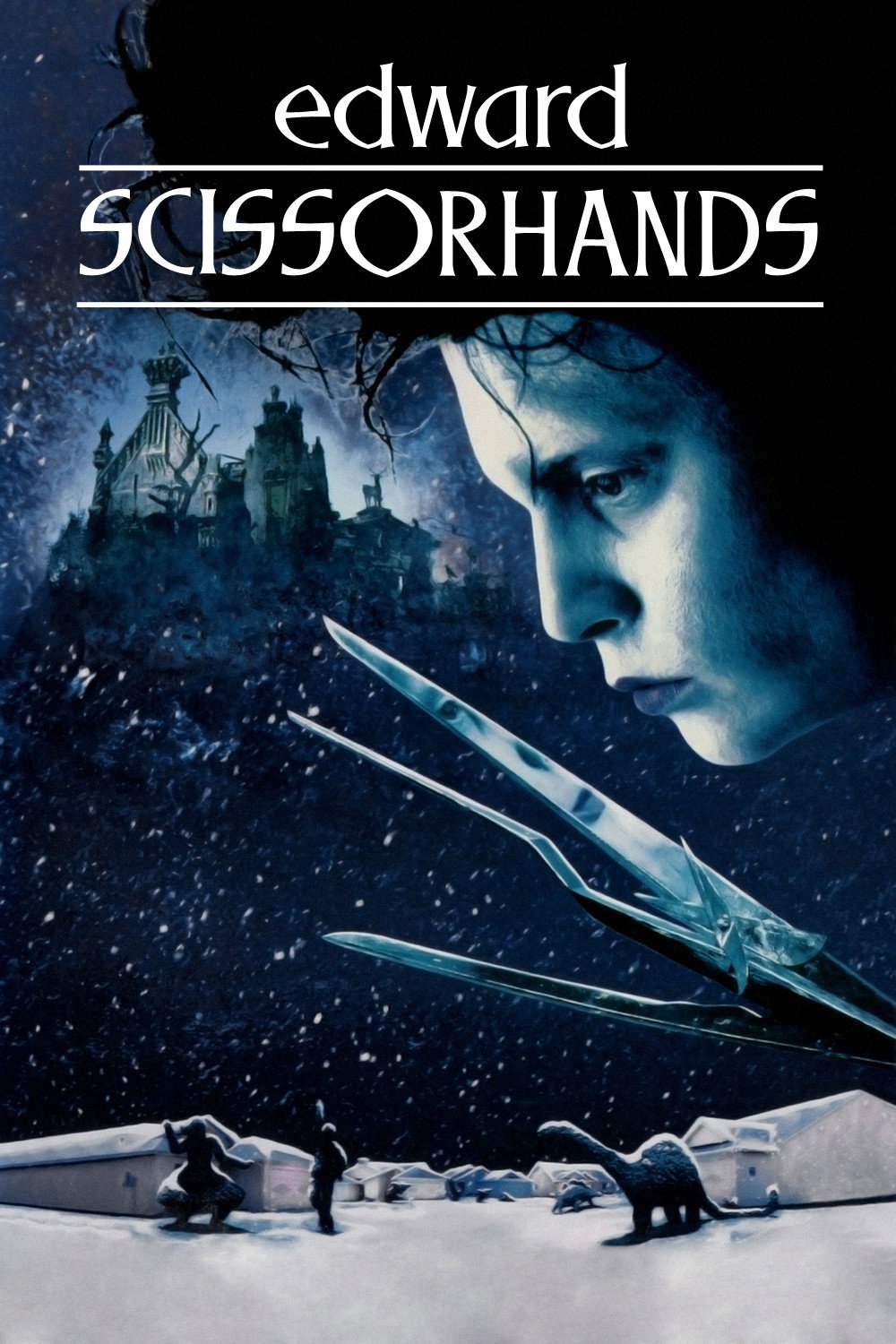
Edward Scissorhands poster83

Edward Scissorhands

1990 · Another manufactured innocent discovers how quickly human affection acquires conditions and limits

The Tale of the Princess Kaguya poster

The Tale of the Princess Kaguya

2013 · For another child whose longing is made painful by the adults around her

Never Let Me Go poster

Never Let Me Go

2010 · Created lives expose the cruelty of deciding whose feelings deserve to count