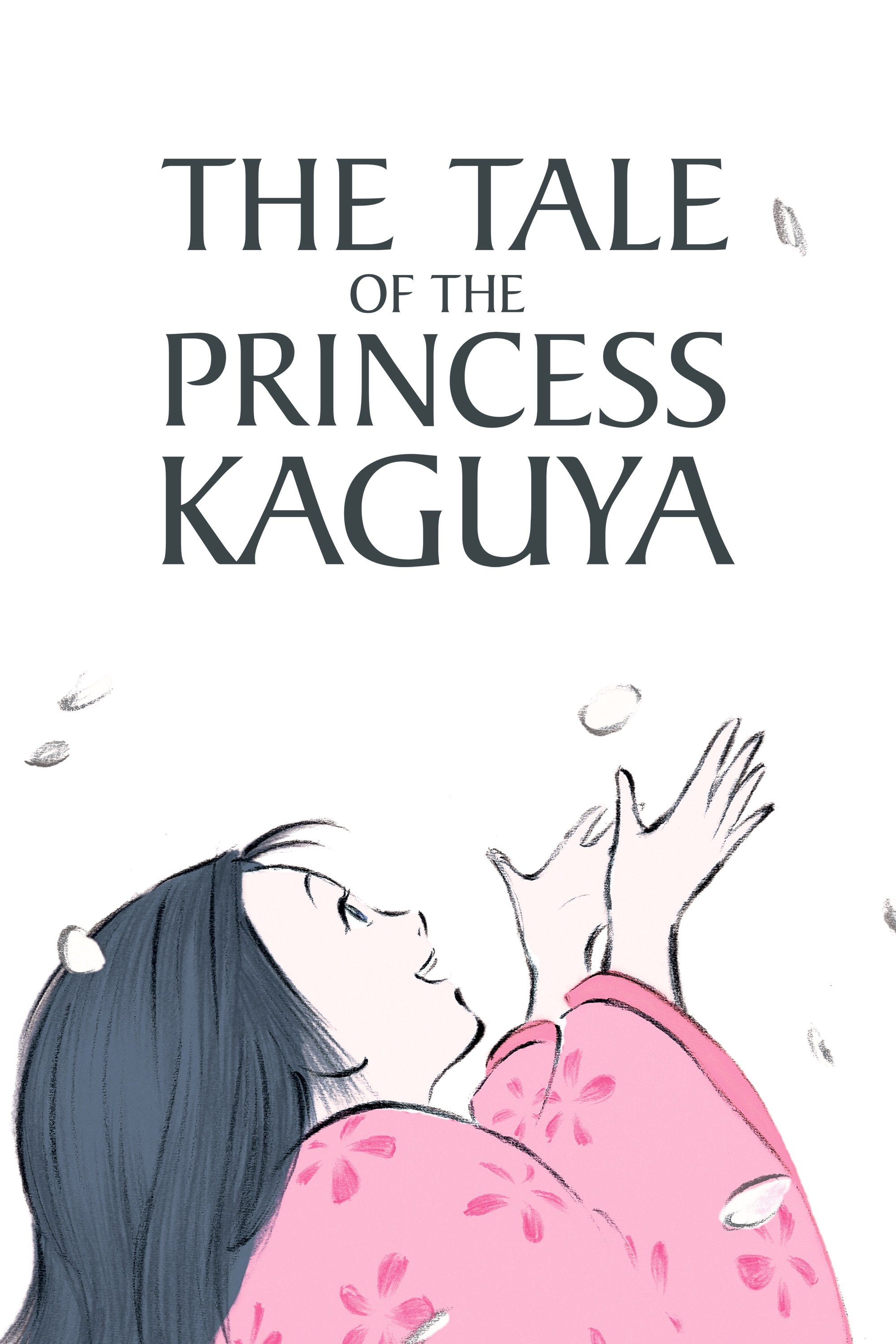
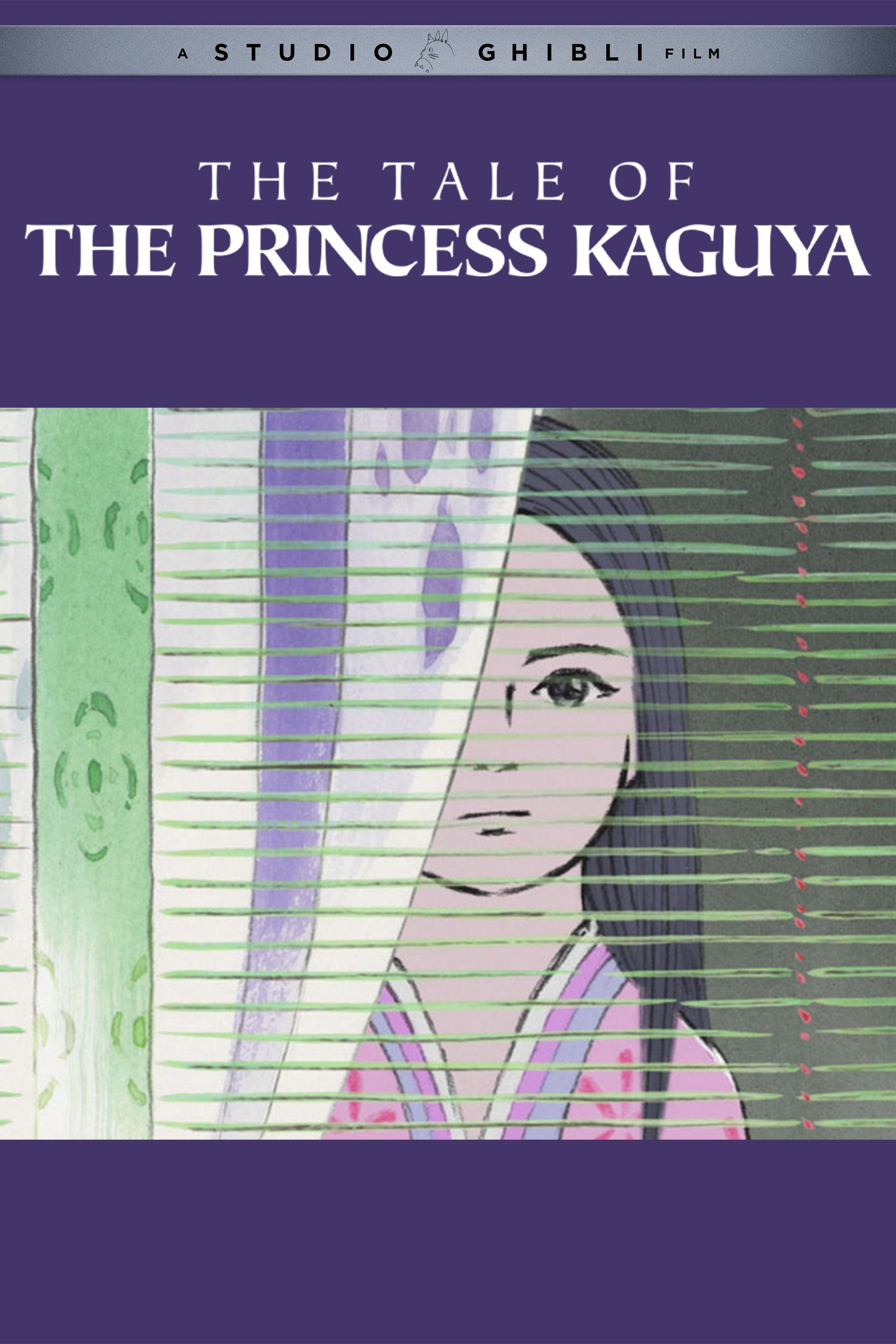
Isao Takahata retells one of Japan’s oldest folk tales in pencil and watercolour, and it looks like nothing else in animation. It is also 137 minutes and feels every one of them in the middle. We recommend it warmly, with that caveat.
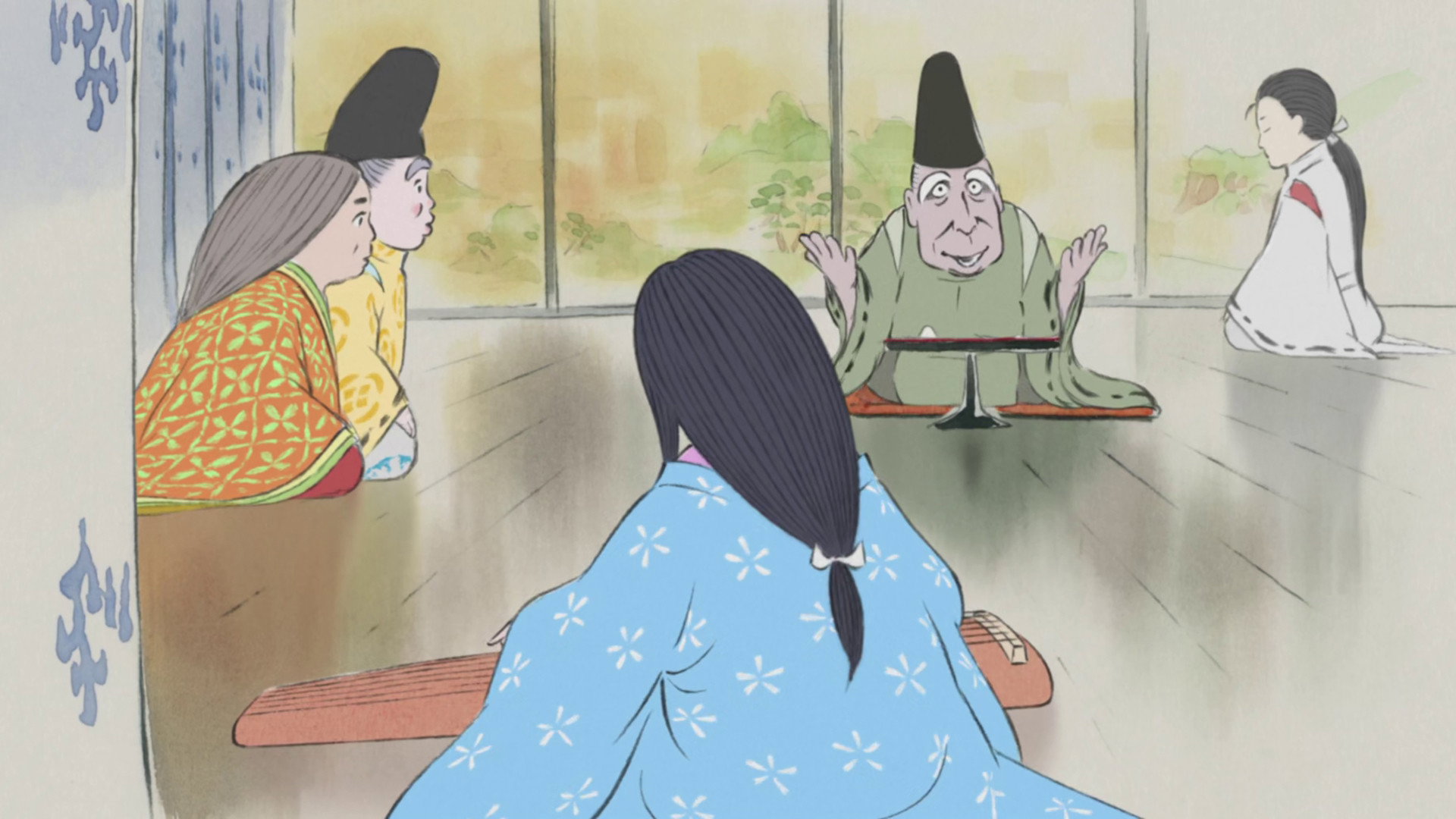
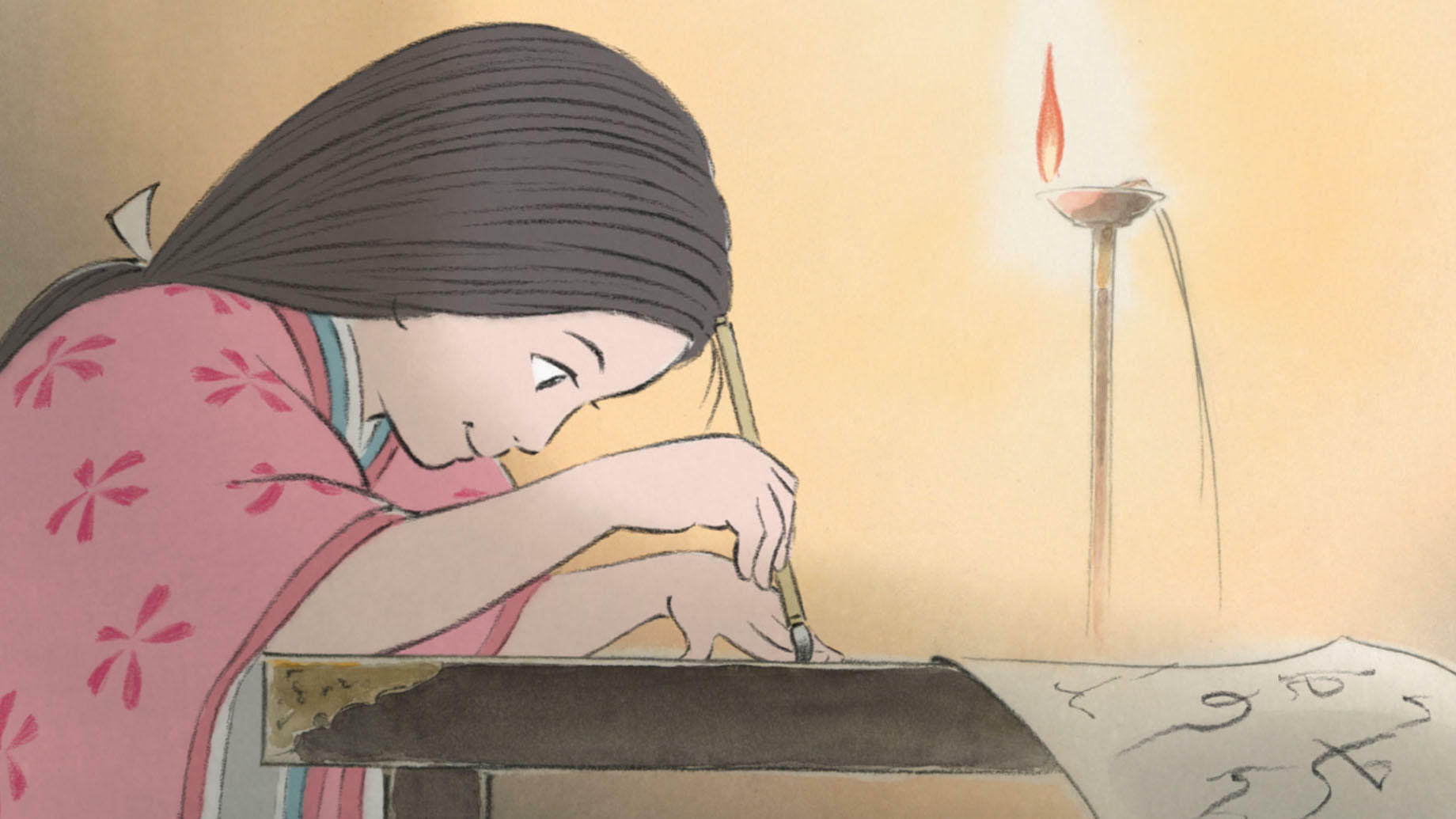
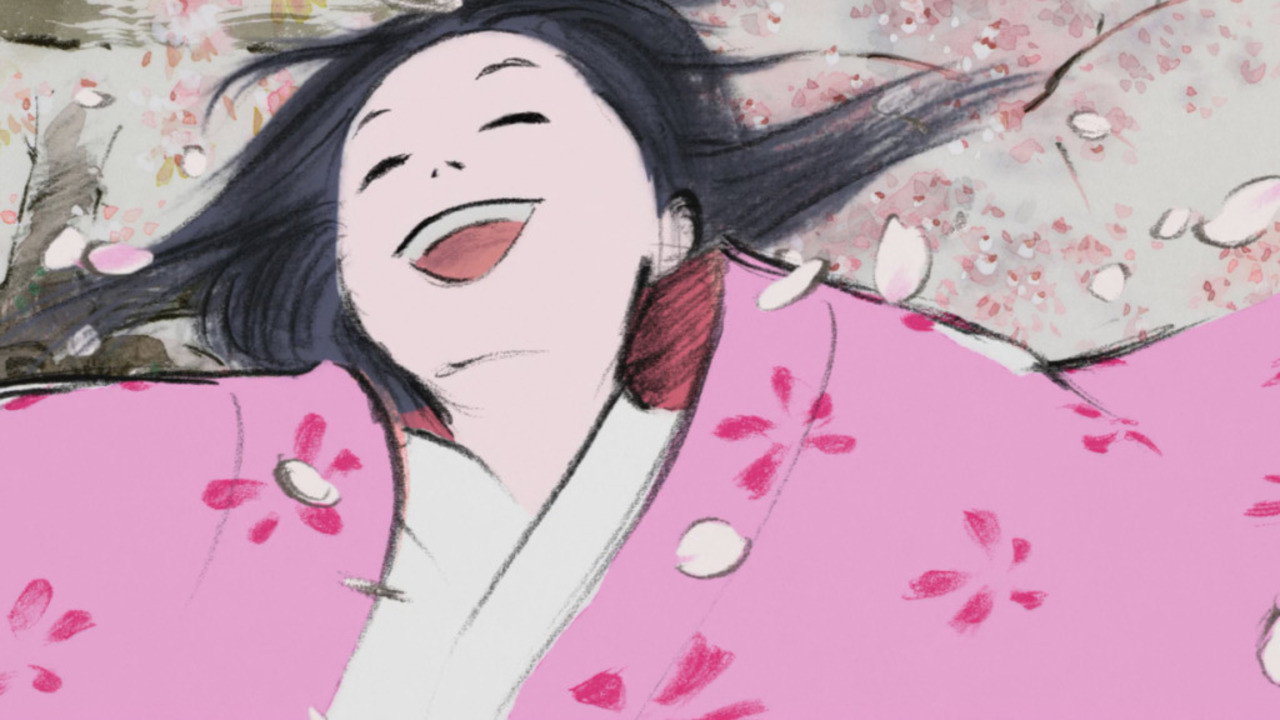
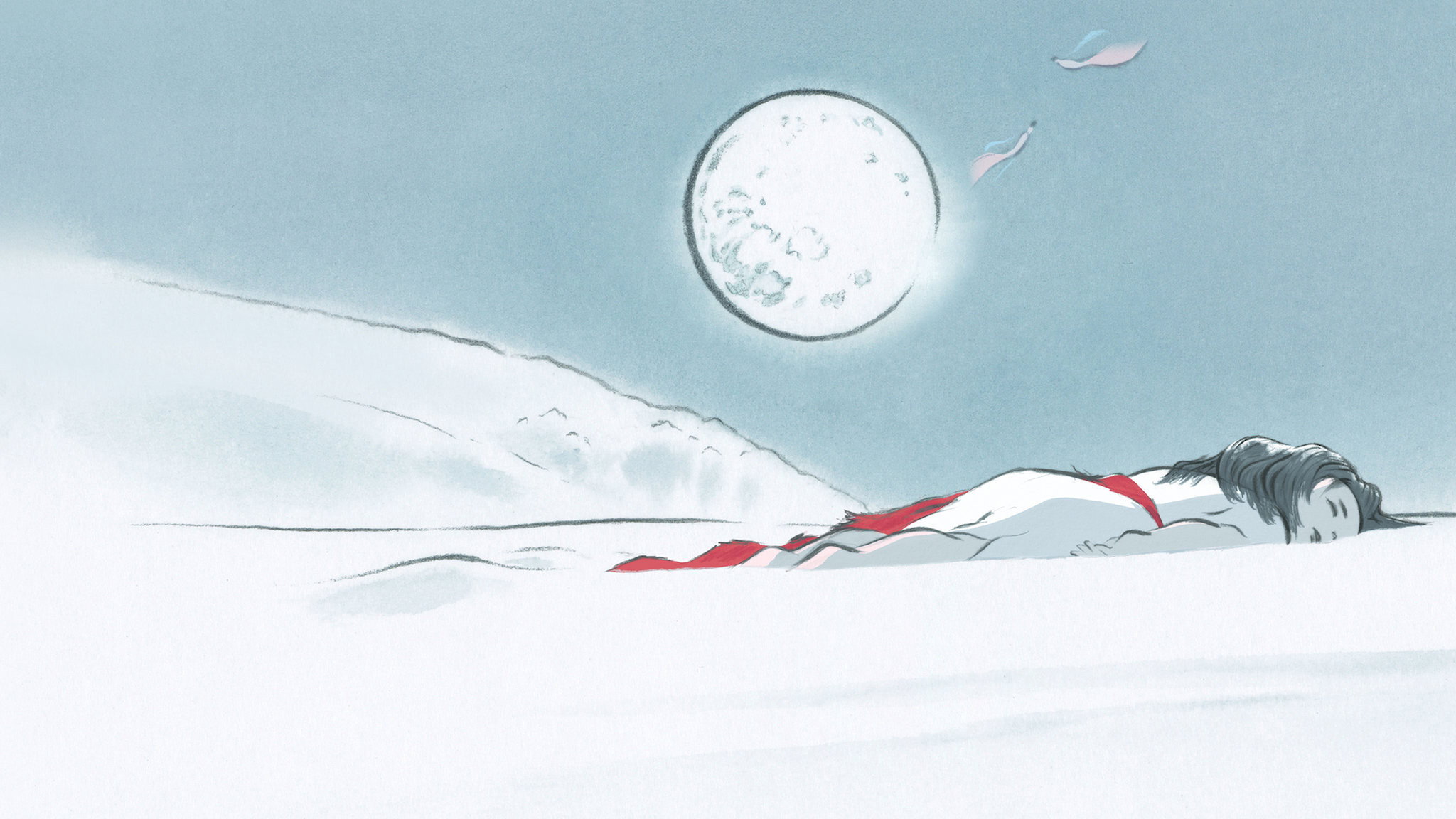
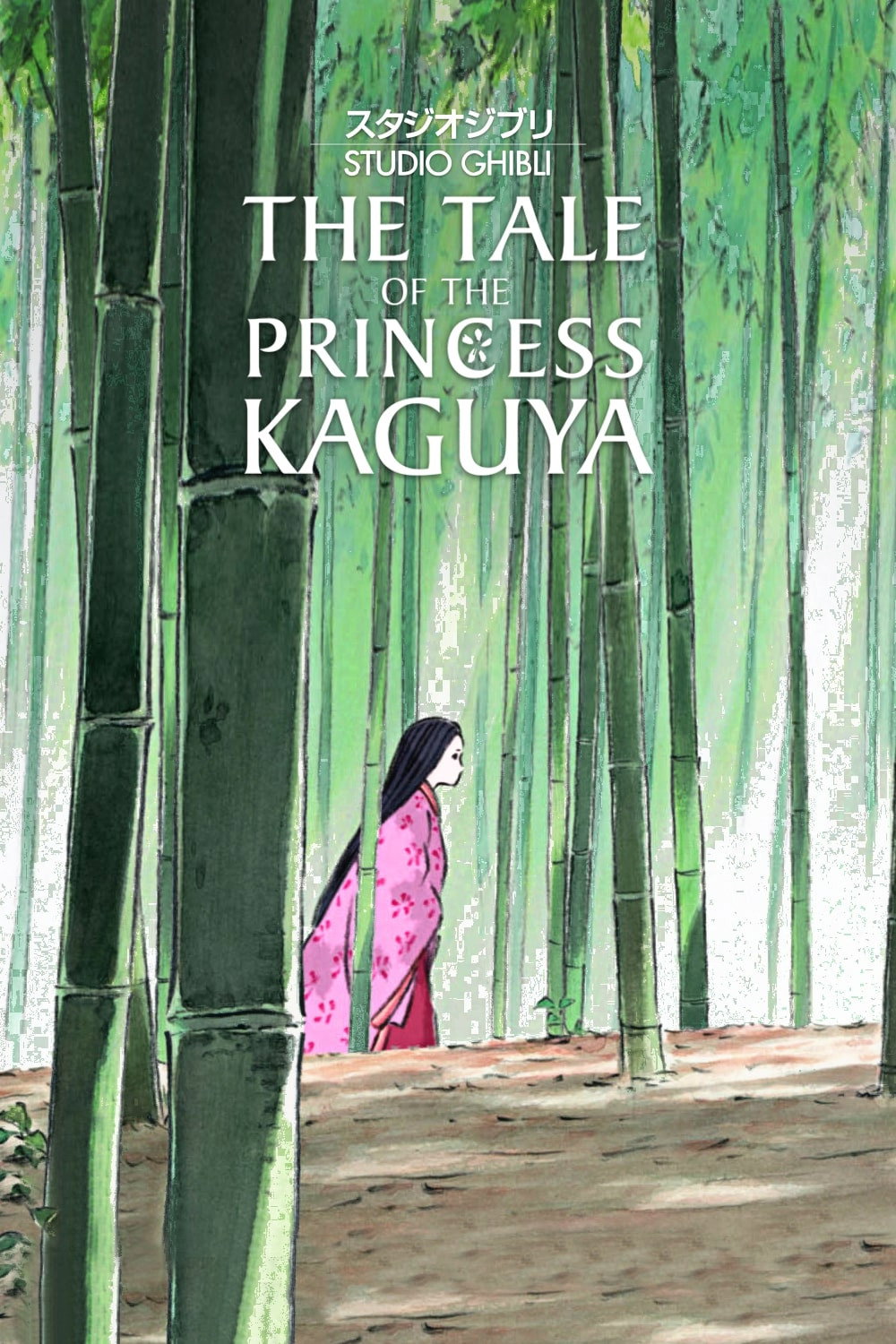
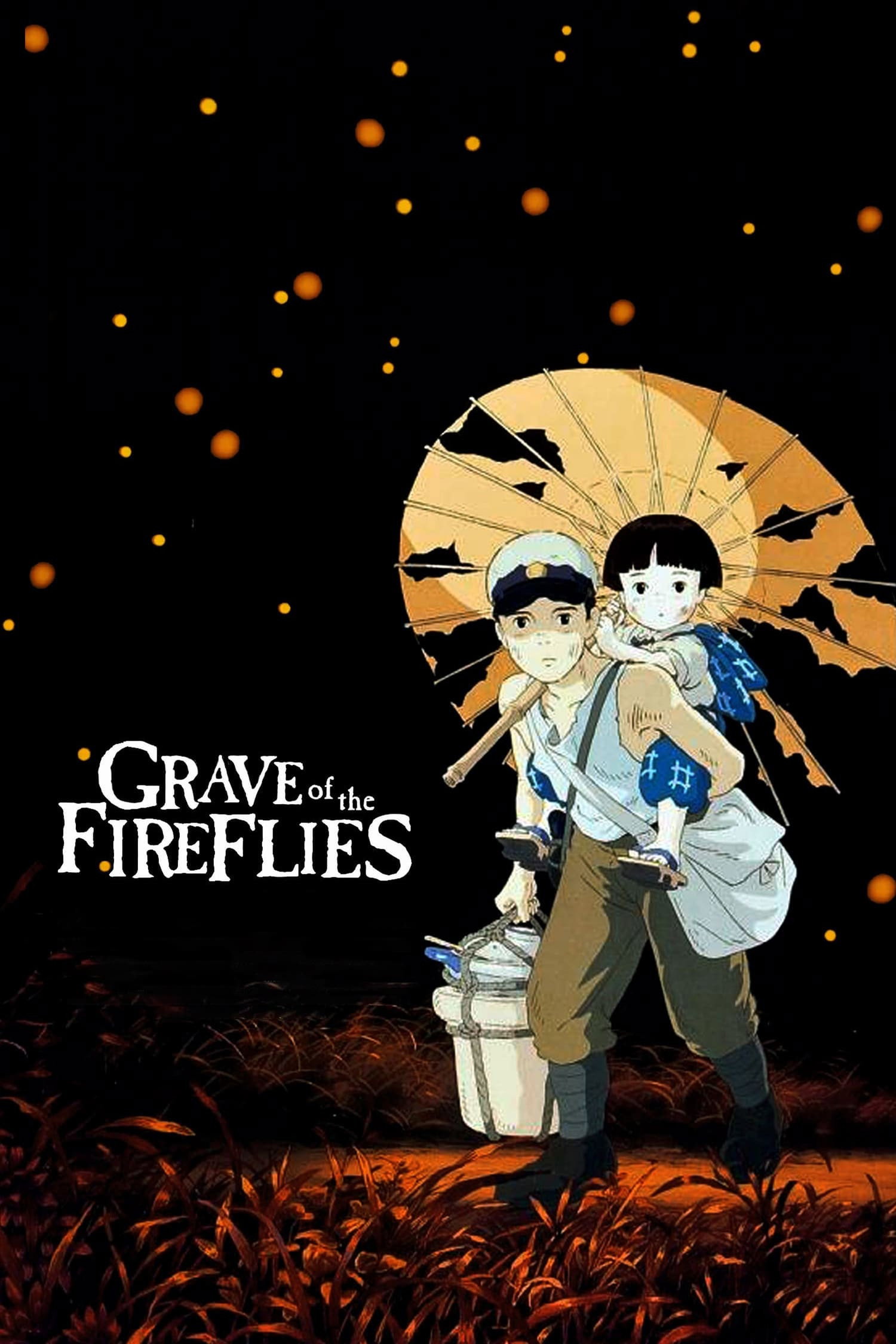
Isao Takahata made Grave of the Fireflies, which is about as sad as animation gets, and My Neighbours the Yamadas, which is drawn like a newspaper strip. The Tale of The Princess Kaguya is where the two meet. It takes one of Japan’s oldest folk tales and draws it as though the artists were working faster than the story: pencil lines left showing, watercolour that stops before the edge of the frame, backgrounds that are plain white paper. It is Takahata’s last film and a fine one, with a slow hour in the middle that we will not pretend away.
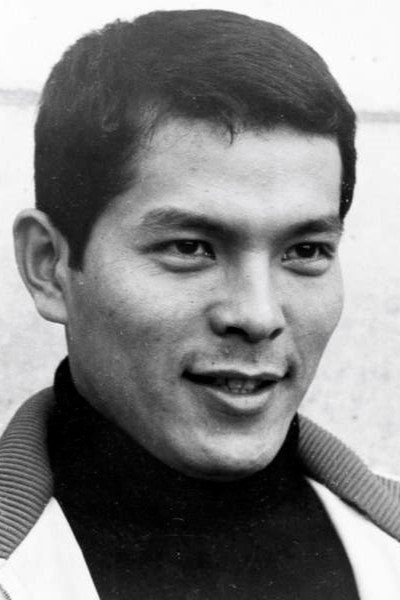
Most animation hides its labour. Takahata puts it on screen. When the baby crawls, the line describing her is loose and slightly wrong, the way a quick sketch of a real baby is, and she moves like one: the lurch, the topple, the look back. We laughed at her first steps and then found we could not swallow, because Takeo Chii’s bamboo cutter is watching too, and the film knows what a parent’s face does at that moment. Joe Hisaishi’s score is spare, a plucked string and a few notes of piano, and it keeps returning to a children’s round about birds, insects, beasts, grass, trees and flowers.
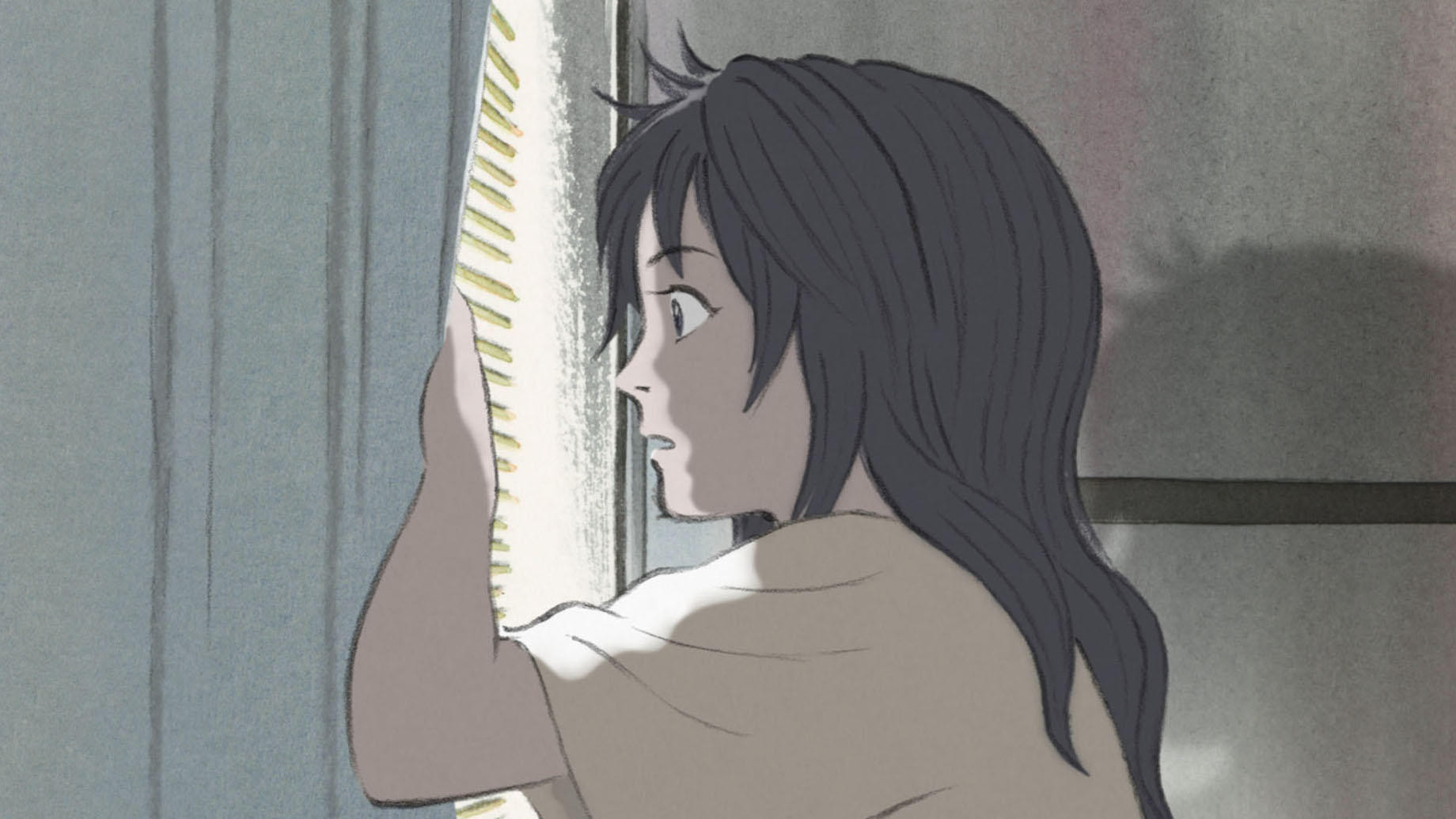
The scene everyone remembers ends the first act. Kaguya, newly named by Shinosuke Tatekawa’s Lord Inbe no Akita and buried in silk, overhears her father’s drunken guests laughing about her, and she runs. Everything the film has been doing quietly with its line turns violent. The kimono falls away in strokes, the pillars of the mansion smear into charcoal, her face becomes four black slashes, and the fields outside are scratched into the paper so hard you expect it to tear. Toshihiko Kojima cuts it against the stillness of the banquet and it lasts perhaps a minute. We did not move. We have not seen drawn movement carry anger like that in any other film.
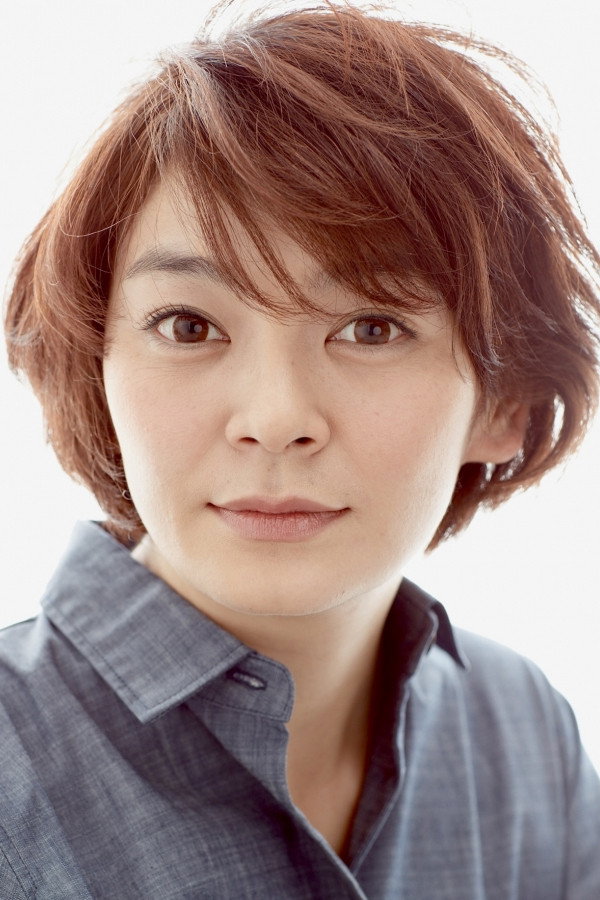
Aki Asakura voices Kaguya from tearaway to lady, and does the lady with the flatness of a girl reciting lines she has been handed, which is the point. Nobuko Miyamoto’s Ōna, who also narrates, is the film’s quiet conscience: she moved to the capital because her husband said so and digs a vegetable patch in a corner of the ornamental garden anyway. Atsuko Takahata’s Lady Sagami is there to teach the girl not to run, not to laugh and to pluck her eyebrows, and loses on all three counts. Kengo Kora’s Sutemaru, the boy from the woods, has perhaps fifteen minutes, and Kaguya’s whole quarrel with the capital is that she would rather be with him.
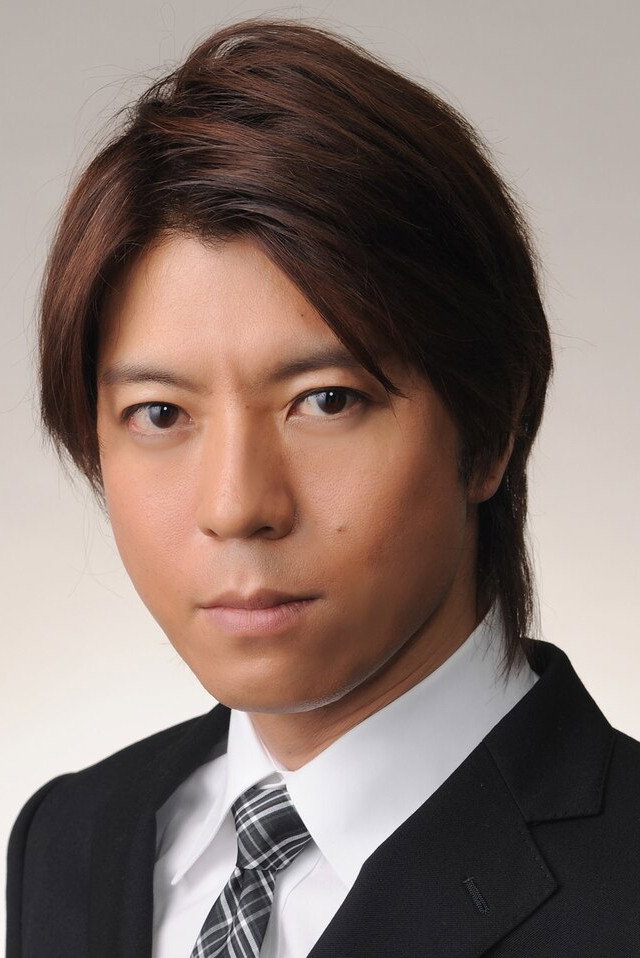
The trouble is the middle. Once the girl is named, the tale requires suitors, five of them, among them Takaya Kamikawa’s Prince Ishitsukuri and Isao Hashizume’s Prince Kuramochi, each of whom compares her to a legendary treasure and is sent away to fetch it. Takahata and his co-writer Riko Sakaguchi give every suitor his own scene, and every scene makes the same point: a man looks at a girl and sees an object. It is a good point and it is made five times. Kojima’s editing, so fierce during the escape, slackens; scenes end after the joke has landed rather than a beat before. Keisuke Nakamura’s camera, which earlier let the drawings breathe, now lingers on rooms where nothing is happening.
Most critics have forgiven this, and the two or three who have not have called the film dull. We would call it long, which is a different complaint. The last movement, which we will not describe, is where the folk tale has always been heading, and Takahata plays it straight, without a line of consolation. It moved us more than we thought a film this unhurried could manage, and the reason is simple: two hours earlier we watched this child take her first steps in six loose lines, and the film has never let us forget her.
Within Studio Ghibli’s output it sits closer to Grave of the Fireflies than to anything with a flying castle in it, and parents should know that the U certificate tells you about content and nothing about mood. Watch it in one sitting, in the dark, and do not look up the runtime first. The middle hour is the price. The first twenty minutes and the last fifteen are the reason.