Takeo Chii spent four decades playing the man beside the hero in Japanese film and television: detectives, loyal friends, fathers. We know him best as the bamboo cutter in The Tale of the Princess Kaguya, and that one voice shows what the rest was for.
Fi1m perspective
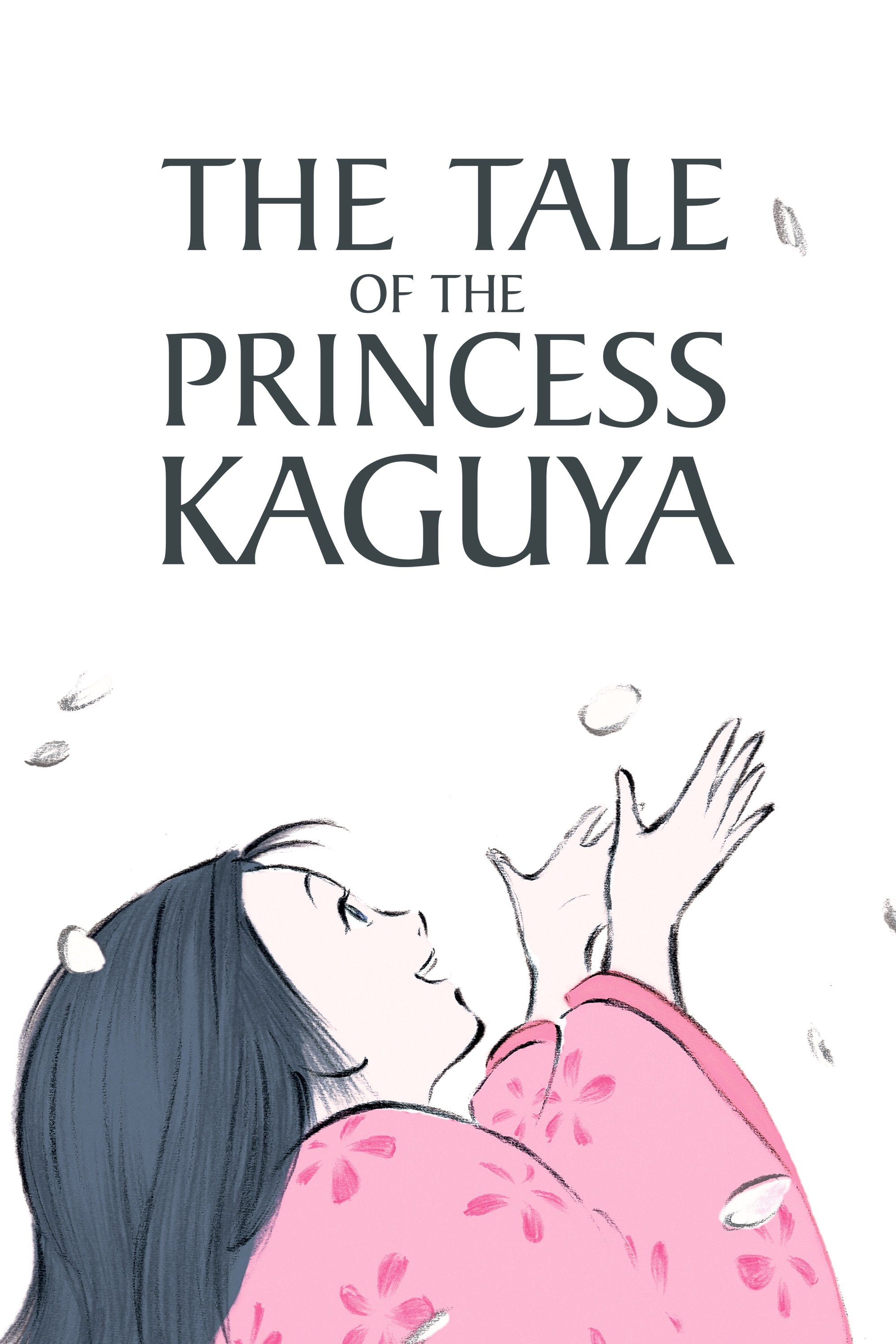
There is a moment early in The Tale of the Princess Kaguya (2013) when a baby, drawn in a few loose pencil lines, lurches to her feet and topples over. We laughed at her first steps and then found we could not swallow, because Takeo Chii's bamboo cutter is watching too. The drawing gives him an old man's face and not much else. His voice does the rest, and what it does is sound like a parent who has just seen something he will remember for the rest of his life.
It was his last performance, released after he died in 2012. By then he had been working for forty-four years. He made his film debut for Kihachi Okamoto in 1968, and through the 1970s he appeared in the yakuza, action and period films of the time: Street Mobster (1972), Lady Snowblood (1973), two pictures with Kinji Fukasaku. He made more than seventy films in all. From the early 1980s he moved to television. He played Kazuo Nakahata in Kita no Kuni kara from 1981 to 2002, twenty-one years in one part, with Kunie Tanaka as a recurring co-star. From 2006 until his death he presented Chii Sanpo, a programme in which he walked and talked to people.
The walking programme is not the departure it looks like. Chii was cast for four decades as detectives, loyal friends, authority figures and tough everymen, and the job of those parts is to make the person next to them seem real by being more ordinary than they are. A man who can do that on a soundstage can do it on a pavement. The fair criticism is that he was never a leading man, and his notices were consistent rather than remarkable. We have not seen the seventy films and will not pretend to judge them. But nobody is hired for forty years by accident. Directors knew he would be there, doing the plain thing well, while the lead did the interesting thing beside him.
Back, then, to Isao Takahata's film, where for once he is not beside anyone. Our review complained, rightly, that it is 137 minutes and feels every one of them in the middle. It does not sag while the cutter is on screen. Joe Hisaishi's spare score, a plucked string and a little piano, leaves room for a voice that is doing almost nothing and meaning all of it. Chii told Takahata the script was "a film that affirms the earth". That is an odd thing to say about a story of a princess from the moon, and having heard him in it, we think he was right.
Start with Kaguya. Go back to the 1970s films if you want to hear where the voice came from, and expect to find him a few feet to the left of whoever the poster is about.
Biography
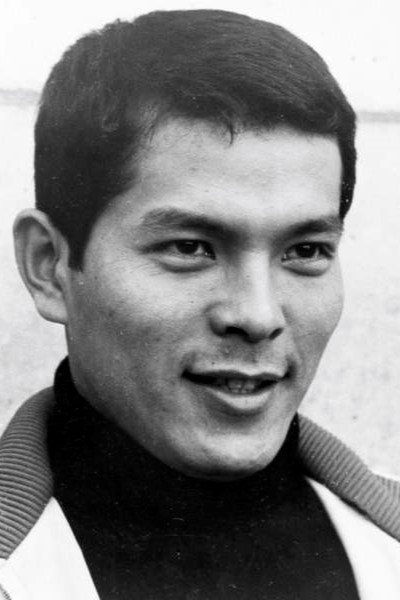
Takeo Chii was a Japanese actor. He was born on 5 May 1942 in Chiba Prefecture and died on 29 June 2012 in Minato-ku, Tokyo.
Chii made his acting debut in 1968 and appeared in more than 70 films. His film debut was in Kihachi Okamoto's Kill! (1968), in which he played Yaheiji Yoshida. He is also known for roles in Street Mobster (1972), Lady Snowblood (1973) and Kill! (1968). His final film role was voicing Sanuki no Miyatsuko (also credited as Okina) in The Tale of The Princess Kaguya (2013).
On television he appeared in long-running series including From the North Country (1981–2002) and Taiyō ni Hoero! (1982–1986). He was married to actress Saori Maki from 1974 until her death in 2001.