Francis Ford Coppola’s Mafia family drama earns its length through patient storytelling and performances that make criminal authority disturbingly attractive. The crowded family politics can take some sorting out, but we would recommend it without hesitation.
The Godfather asks us to spend enough time with the Corleones to understand why people accept their authority. Francis Ford Coppola makes that invitation dangerously easy to accept, and we would recommend the film even to someone who normally avoids gangster stories. At 175 minutes, it has room for the family loyalties to become as absorbing as the criminal business. The screenplay is by Coppola and Mario Puzo, adapting Puzo’s novel.
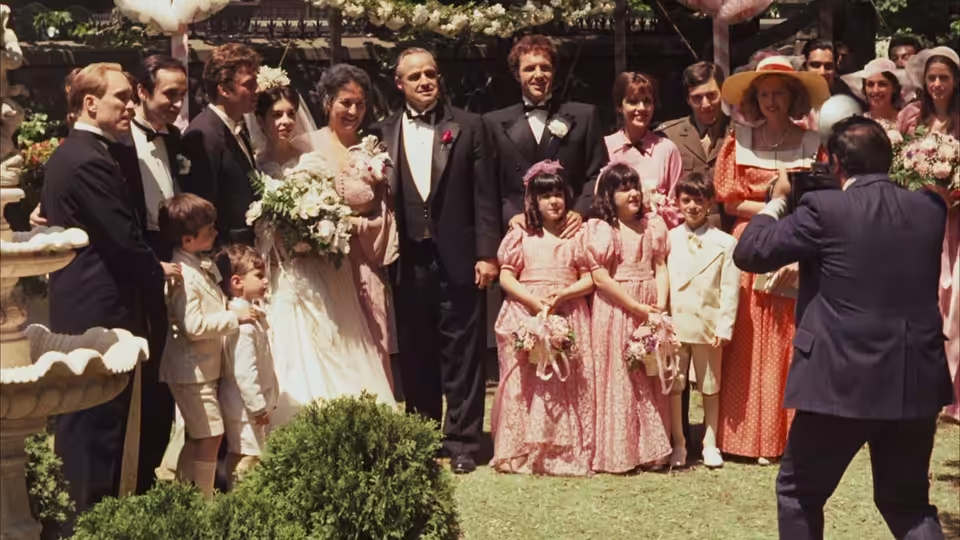
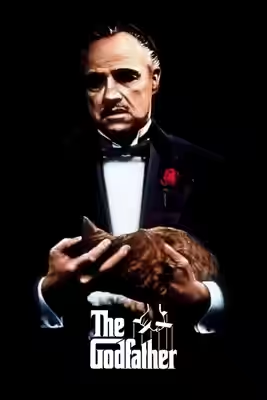
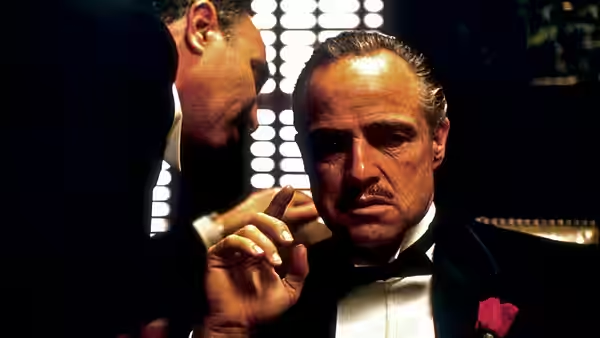
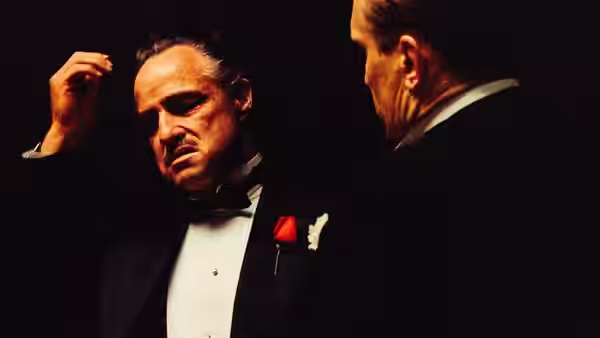
Marlon Brando’s Don Vito Corleone is the chief reason the invitation works. The performance gives authority the reassuring appearance of something earned over a lifetime, so that we begin to accept the Don’s importance without asking what entitles him to it. We were unsettled by how readily we wanted this man to get his way. Brando’s composed bearing did it: he makes command feel like the reasonable work of a family elder. The film gives us time to enjoy his company.
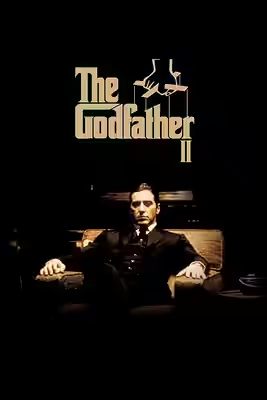
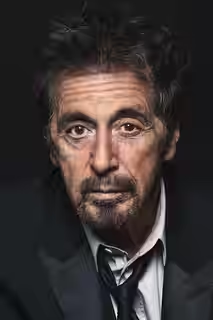
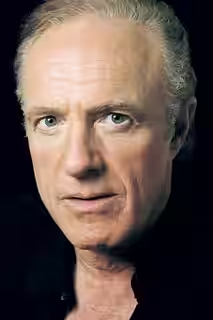
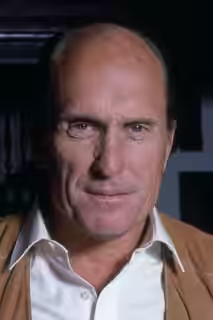
Al Pacino’s Michael Corleone rewards a different kind of attention. Pacino makes us watch for small changes, and the patience of his performance gives the family story much of its pull. James Caan’s Sonny Corleone brings a welcome impatience to the ensemble. His energy prevents all that weighty authority from making the film ponderous, while Robert Duvall’s quieter Tom Hagen gives the exchanges another pace.
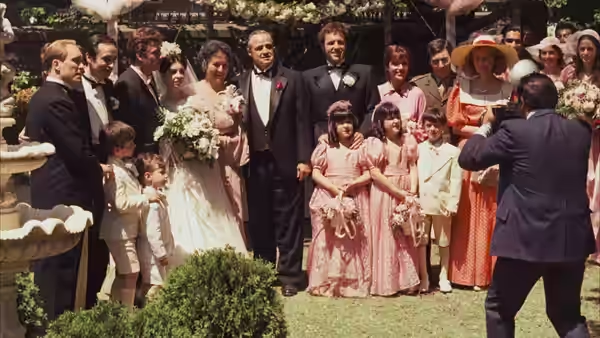
Gordon Willis’s cinematography lets deep blacks occupy much of the image, with autumnal browns supplying a warmth that keeps the darkness from feeling merely forbidding. The effect is welcoming enough to make us forget how little we can see. Dean Tavoularis’s production design gives the Corleones surroundings that feel lived in, and helps make their comfort persuasive. The family looks as if it has been comfortable here for years and expects to remain so.
Editors William Reynolds and Peter Zinner allow time for us to register who carries weight in each exchange. We can follow a scene’s pressure even when we are still sorting out the people in it. Nino Rota’s music encourages affection for the family, and its warmth makes their company harder to dismiss. We might otherwise be able to keep these criminals at a safe distance, admiring the actors while congratulating ourselves on knowing better.
The reservation is clarity. With so many relationships competing for attention, there are passages when keeping track of the family requires more effort than it should. Coppola’s patience usually helps us find our bearings, though he occasionally seems more confident that we know everyone than a first viewing warrants. The long running time allows this uncertainty to linger, and anyone struggling early on should know that the film does ask for sustained concentration.
Within the gangster genre, this is unusually patient about letting us enjoy the ordinary pleasure of being among people who know one another well. That choice makes the brutality harder to shrug off. Coppola gives the violence enough force to disturb the affection he has encouraged, without pretending that affection simply disappears. Set aside an uninterrupted evening, preferably with someone willing to admit which of the Corleones they found themselves making excuses for.