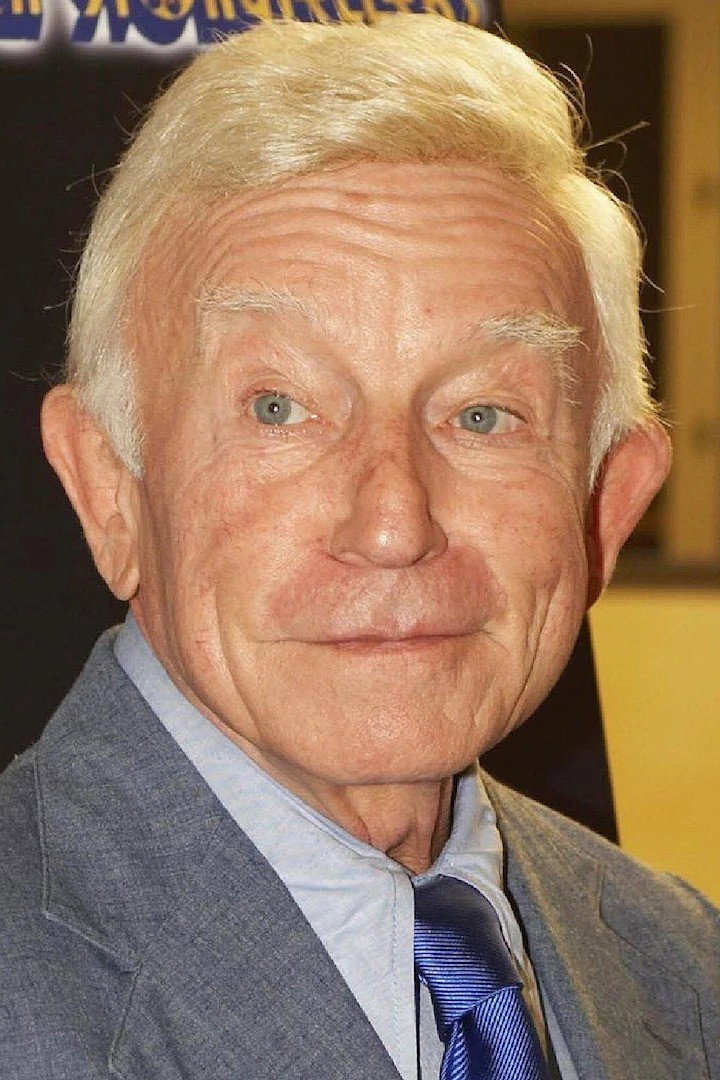
Henry Gibson made domineering men funny without making them harmless. We rate him most highly in Robert Altman’s films, where his restraint gives a bully enough credibility to make us uncomfortable.
Fi1m perspective
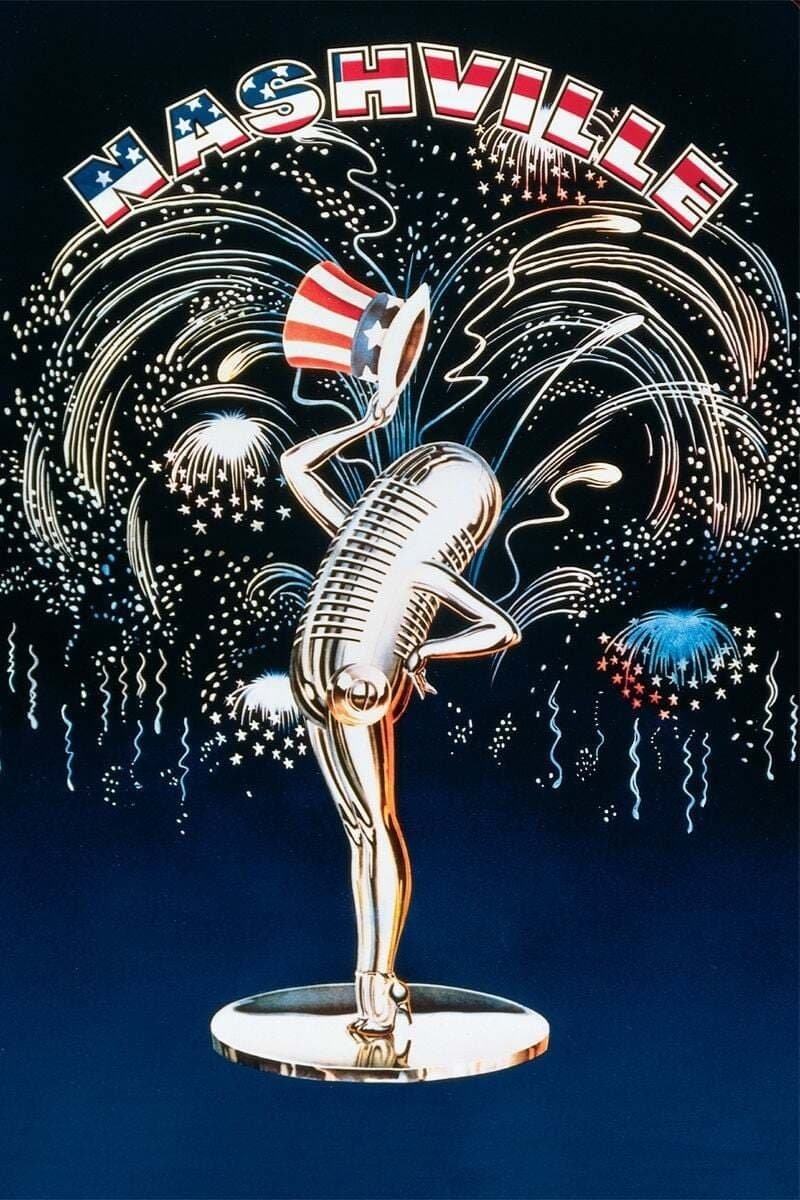
In Nashville (1975), Henry Gibson’s Haven Hamilton expects to be taken seriously, and Gibson gives us good reason to be wary of him. He plays the country-music patriarch with enough conviction that the bullying never feels like an actor asking for a laugh. We found him unsettling because he makes the man’s authority seem ordinary, something everyone else is expected to accommodate. Gibson is at his best here, with enough time to make that behaviour feel habitual rather than merely supply an amusing interruption.
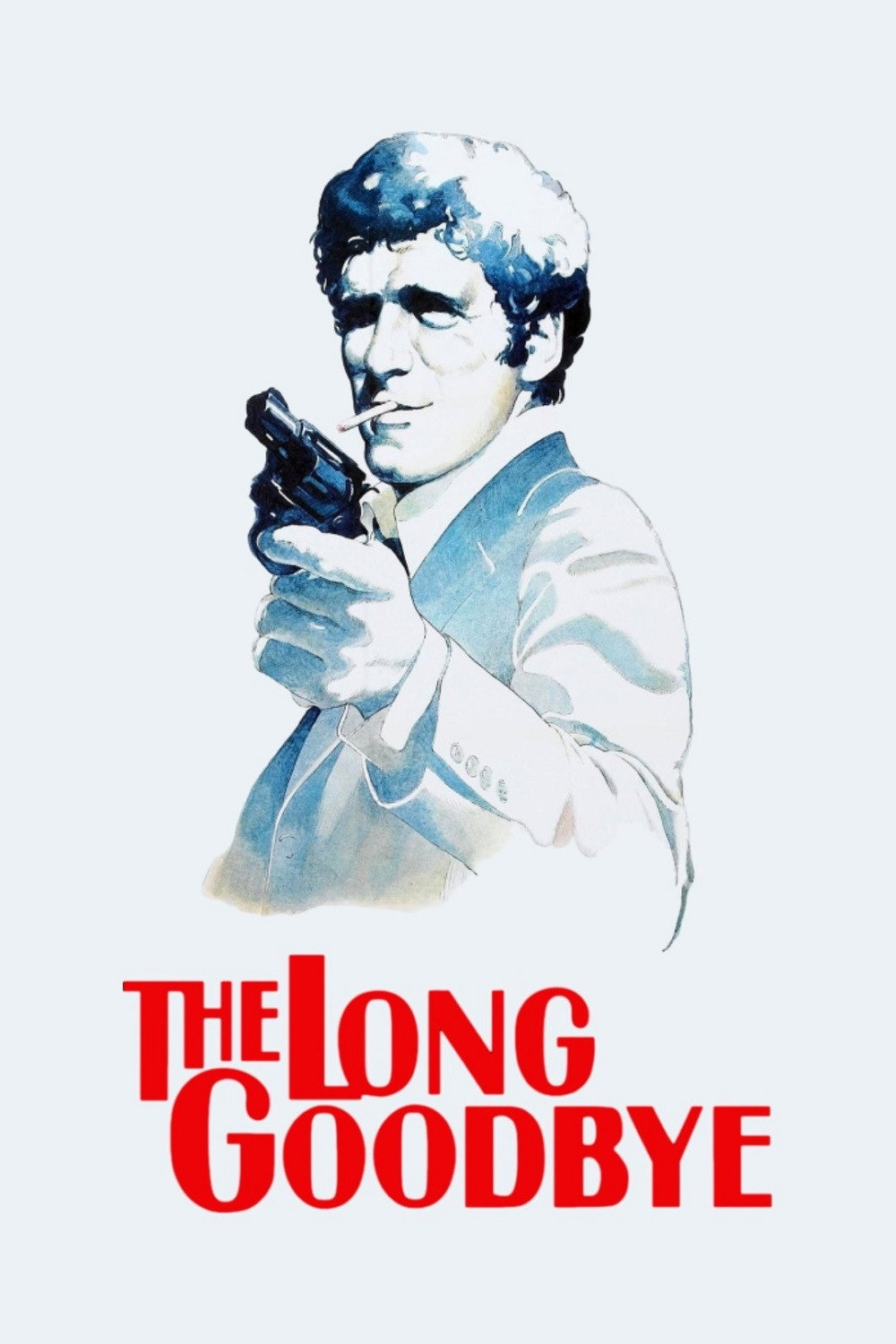
The earlier television act helps explain the method. On Rowan & Martin’s Laugh-In (1968–1971), his Poet recited his own satirical verses in a Southern accent, holding an oversized artificial flower. The delivery was deadpan; the prop did not need help being ridiculous. With The Long Goodbye (1973), his first film for Robert Altman, that restraint became useful for a more troubling character. Dr. Verringer is a small-statured antagonist who need not look imposing to be chilling.
Altman understands how useful that restraint can be in a film full of competing personalities. Nashville sometimes dawdles; The Long Goodbye makes its mystery harder to follow than necessary. Neither failing diminishes Gibson’s contribution, though Nashville gives the fuller sense of what he can do with a domineering character. Altman gets more from him than eccentricity, which is the quality a supporting actor can too easily be asked to repeat.
The later career has fewer substantial parts as memorable as these, and it would be generous to pretend every brief appearance amounts to another Haven Hamilton. In The Blues Brothers (1980), the underplaying holds its own against the comic chaos. Magnolia (1999) gives him a late dramatic part as Thurston Howell, an eccentric barfly. Those appearances are reasons to notice him, but Nashville is the place to give him a full evening.
Biography
Henry Gibson (born James Bateman) was an American actor, comedian and poet. He trained at the Catholic University of America and began his career as a child stage performer before serving as an intelligence officer in the US Air Force. He gained prominence as a regular cast member on the sketch comedy series Rowan & Martin's Laugh-In (1968–1971), where he recited satirical poems in a Southern drawl.
His film roles included the voice of Wilbur in the animated feature Charlotte's Web (1973) and the Illinois Nazi leader in The Blues Brothers (1980). He was particularly noted for his performance as country singer Haven Hamilton in Robert Altman's Nashville (1975), for which he received a Golden Globe nomination and won the National Society of Film Critics Award for Best Supporting Actor. Gibson appeared in several other Altman films and later had recurring roles on television, including as Judge Clark Brown on Boston Legal (2004–2008). He died in 2009.