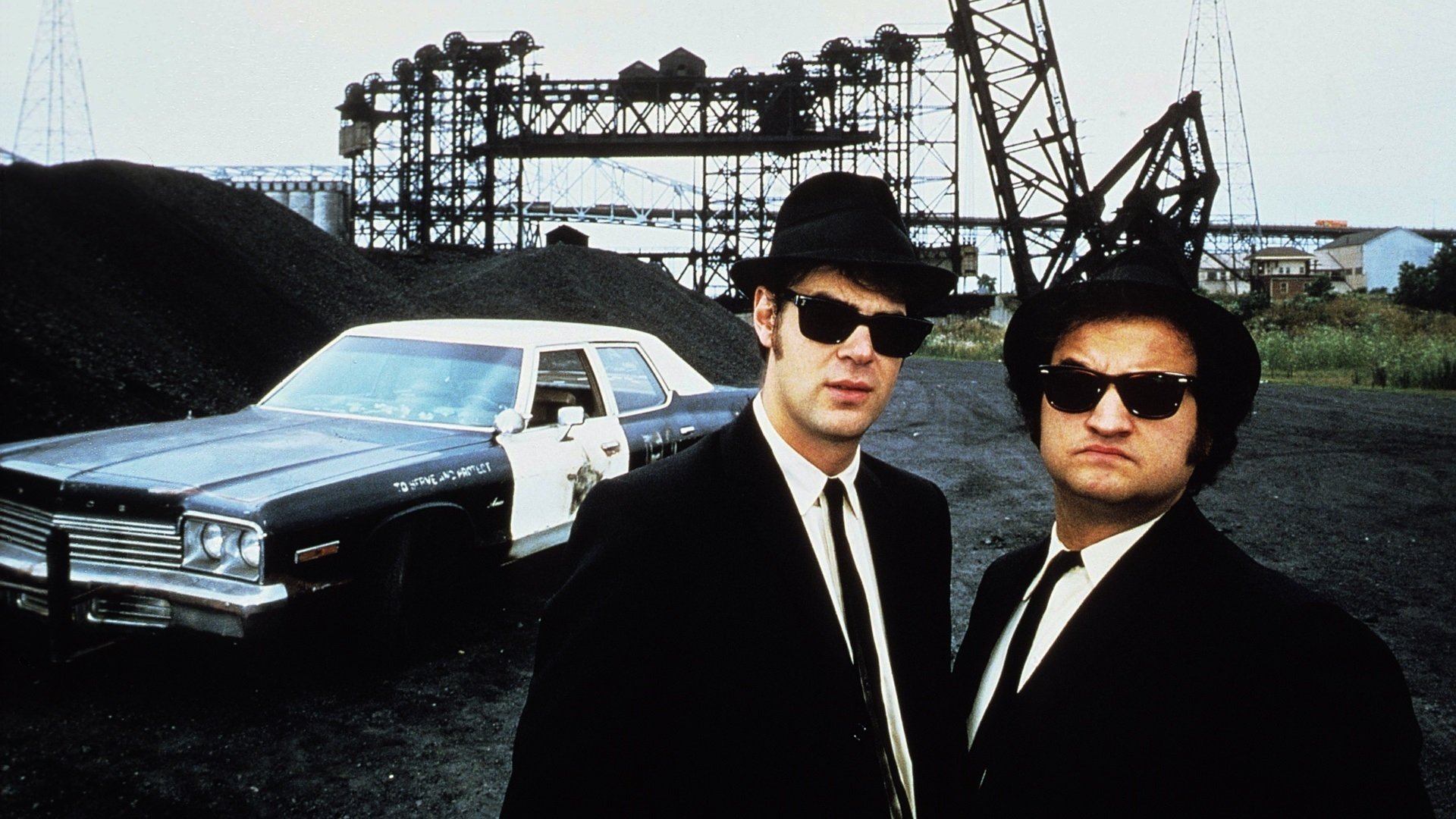
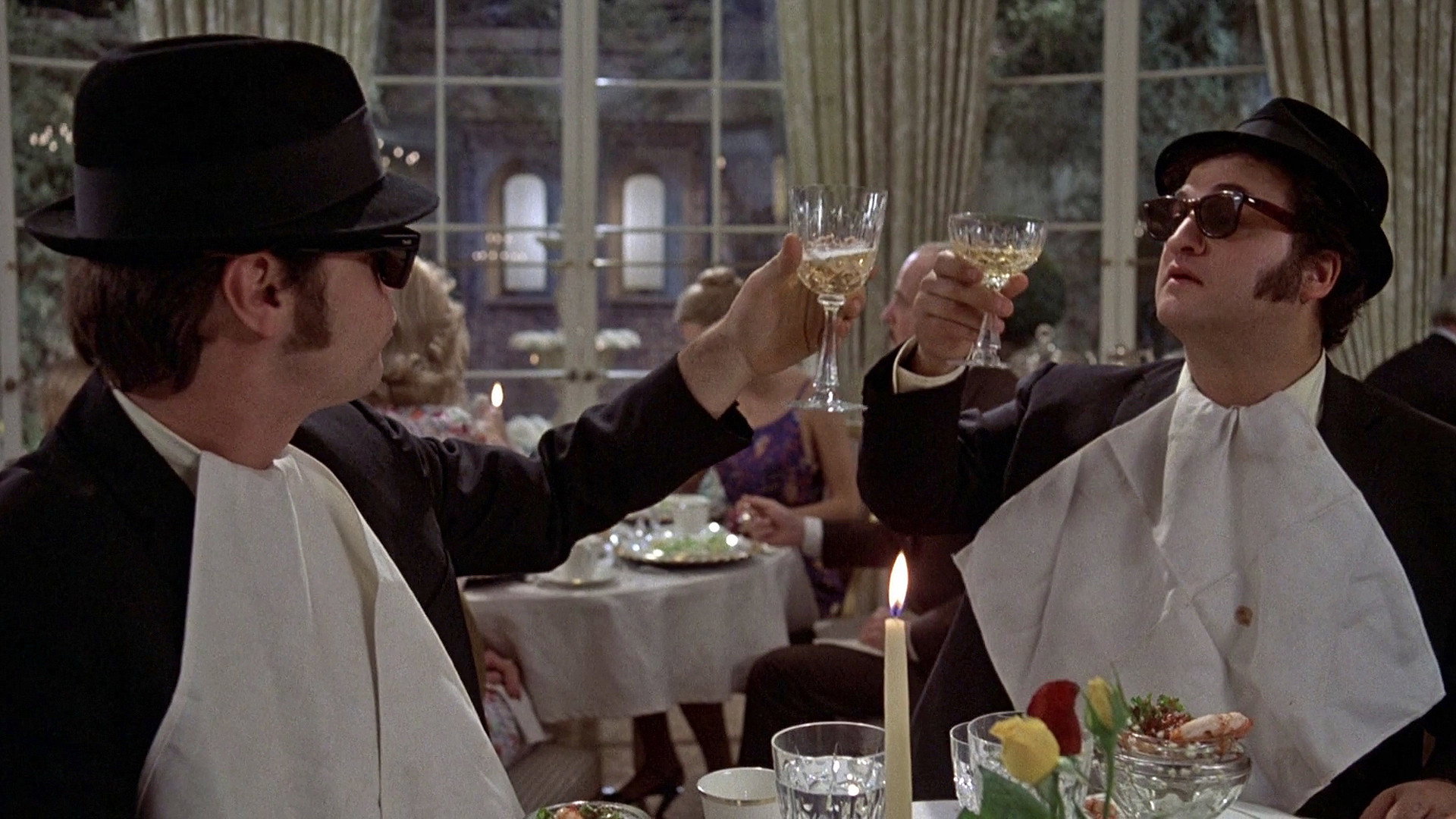
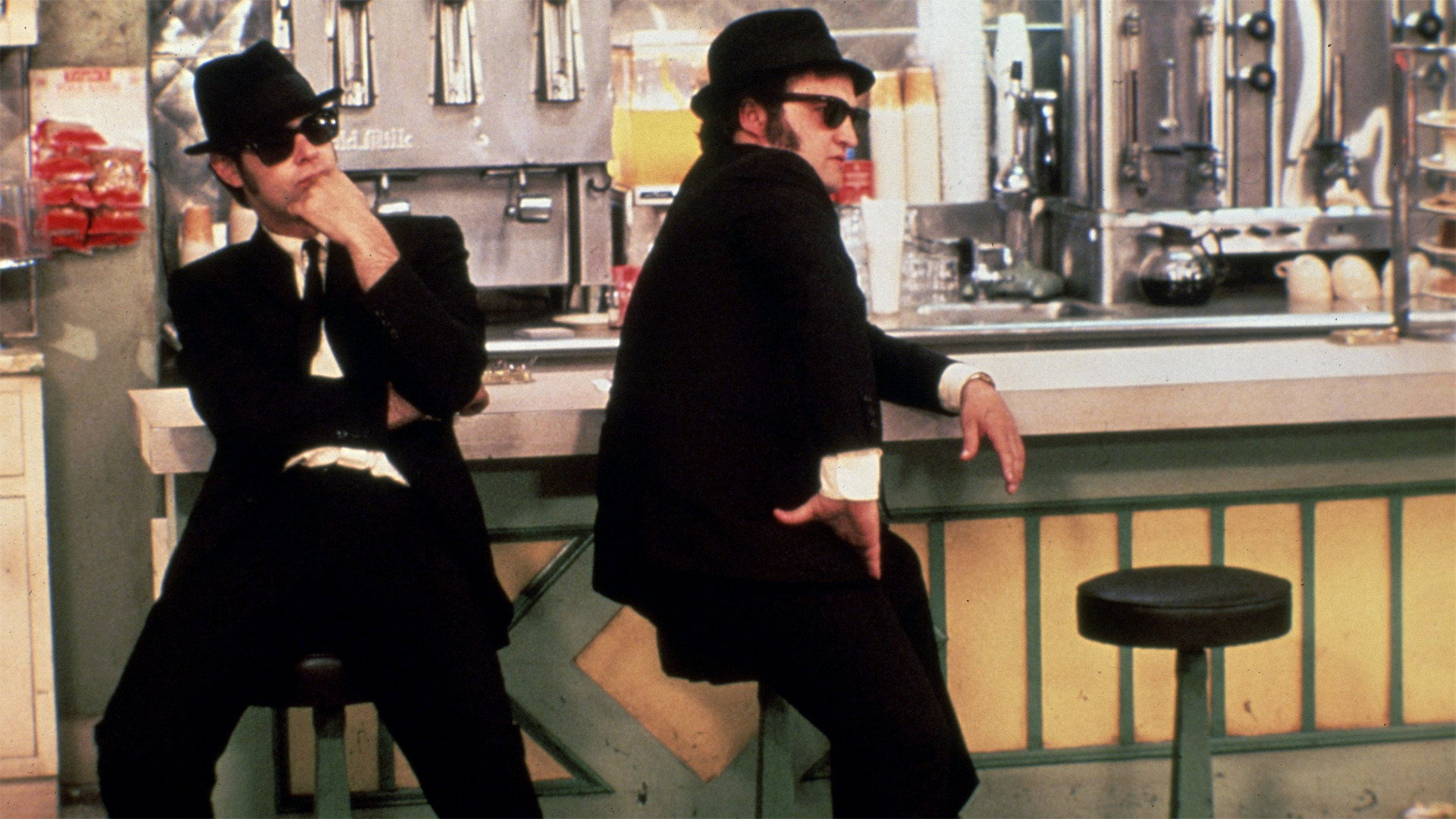
John Landis’s musical comedy earns our affection through its singers and the stubborn composure of John Belushi and Dan Aykroyd. The comic destruction goes on too long, but the music makes the indulgence worth forgiving.
The Blues Brothers is a generous musical comedy that takes too long to finish enjoying itself, and we recommend it with that reservation. John Landis and co-writer Dan Aykroyd give Jake and Elwood a mission from God, a useful excuse for treating their business with unreasonable solemnity. The pleasure is in how confidently the film makes room for musicians. At 133 minutes, it could afford to make a little less room for everything else.
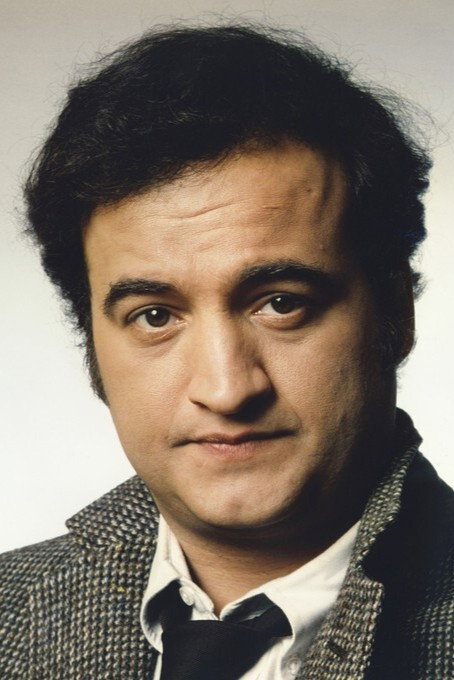
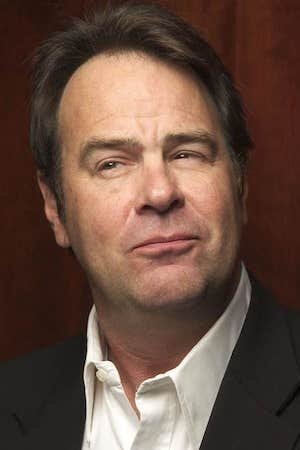
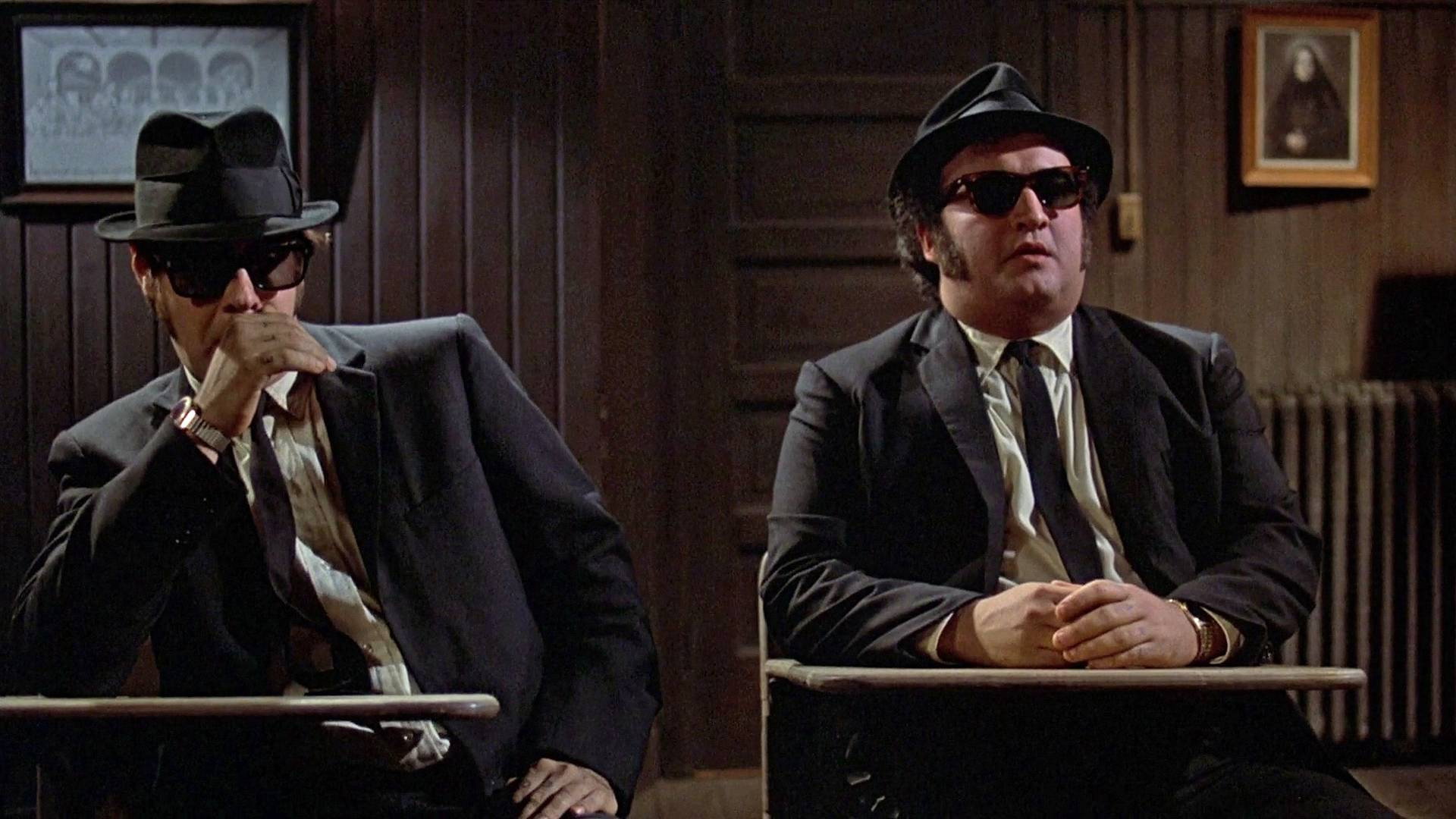
John Belushi’s Jake and Aykroyd’s Elwood are funny because neither seems inclined to acknowledge how ridiculous the undertaking has become. Their straight-faced delivery gives the comedy something steady to work against, and Belushi brings enough personality to keep the joke from becoming mechanical. Aykroyd is an effective partner precisely because he does not keep asking for our attention. The difference between them sustains stretches when the writing gives them little beyond a shared determination to carry on.
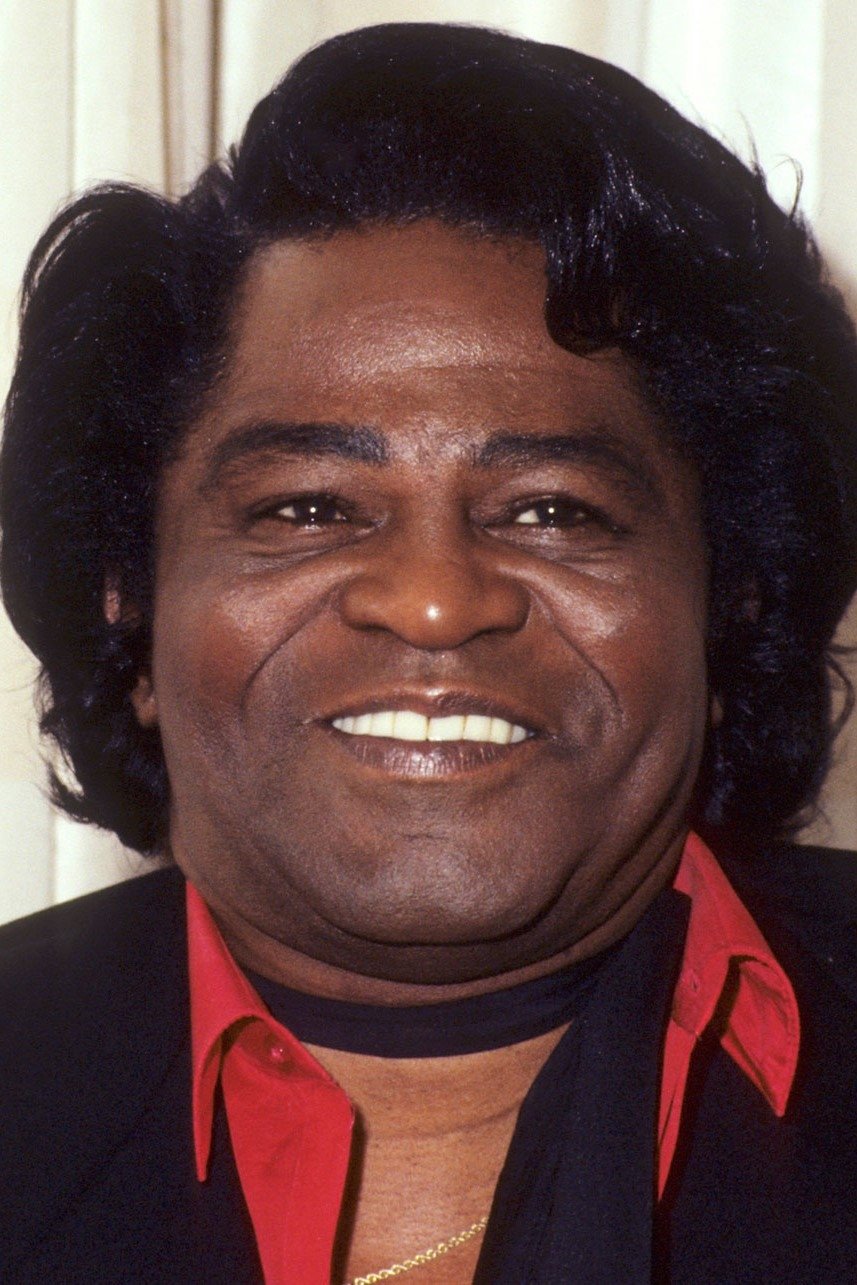
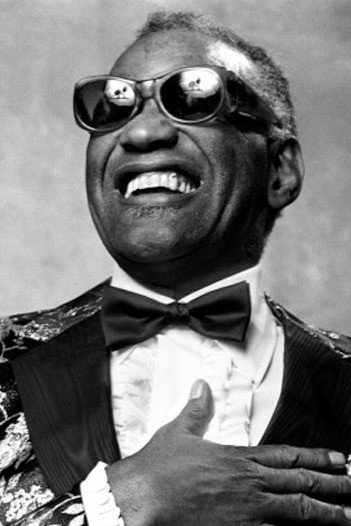
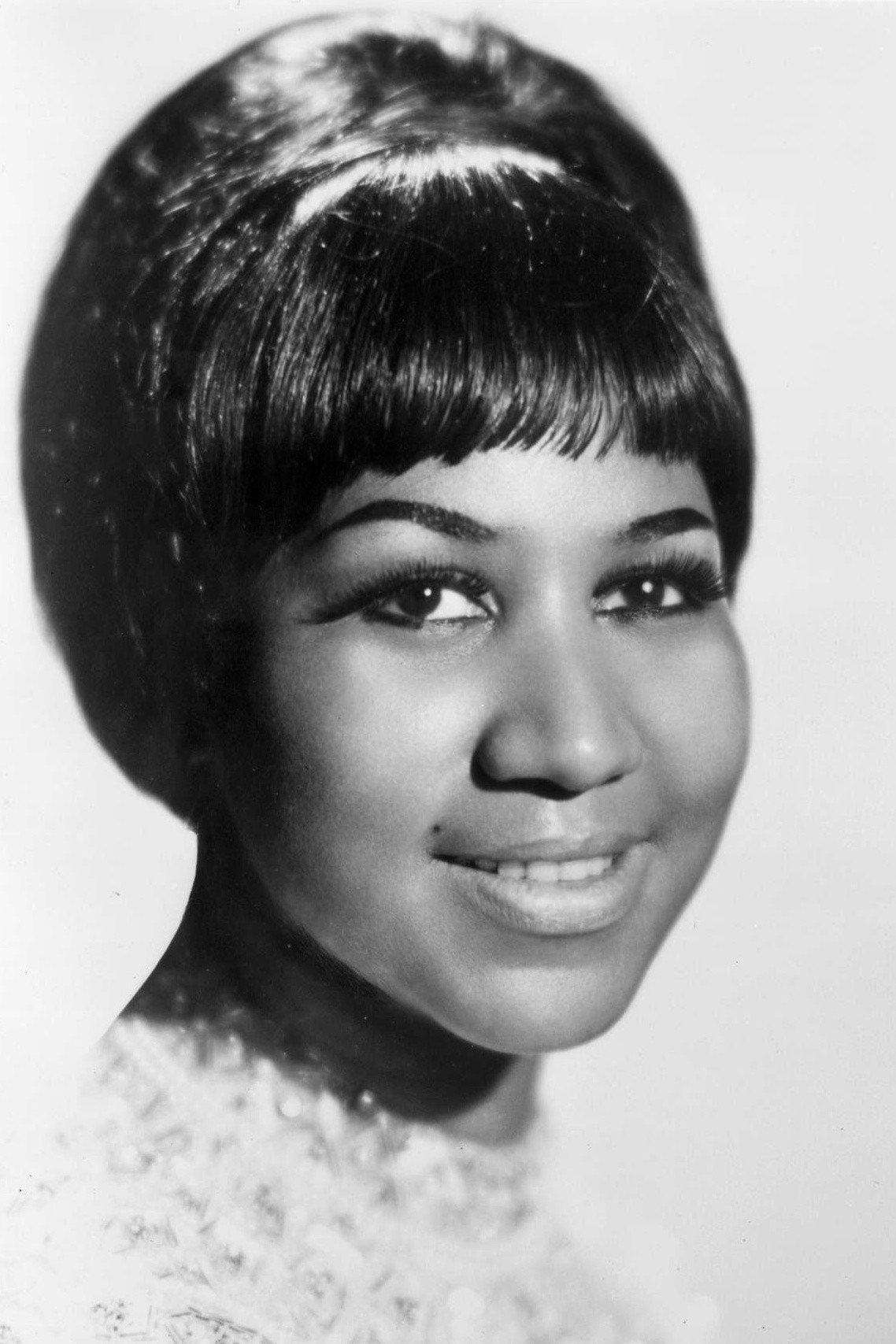
We grinned through Aretha Franklin’s “Think”. Her attack on the words gives Mrs Murphy an impatience that is funny before the surrounding comedy does anything to help. The number has its own momentum, and Landis is sensible enough to let Franklin supply the excitement. James Brown, Cab Calloway and Ray Charles deserve more than respectful introductions, and the film gives its musical performances enough room to justify their presence.
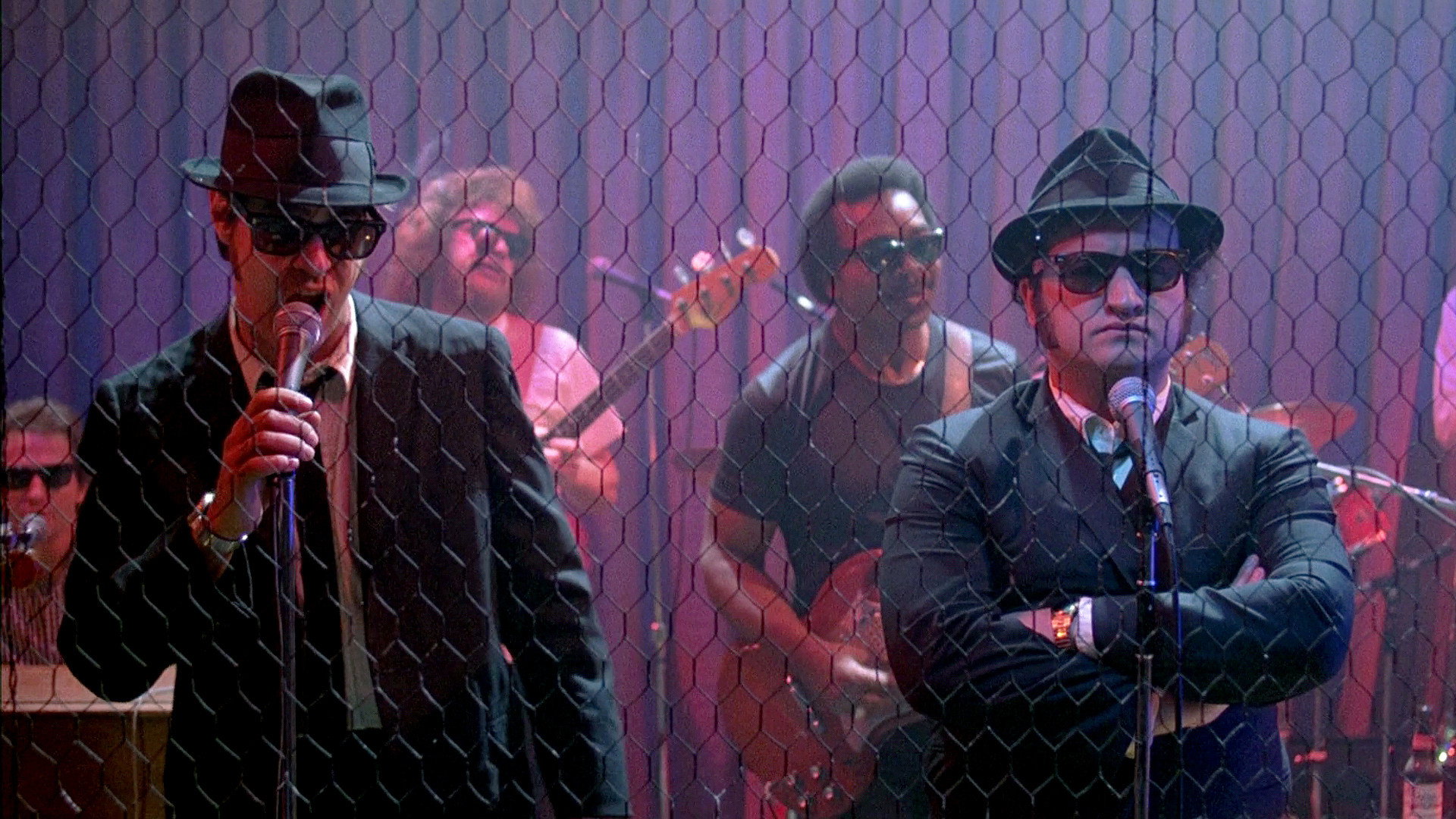
Stephen M. Katz’s photography gives the performers room in the frame, which matters when Franklin is doing so much with her whole bearing. That restraint is valuable in a comedy otherwise so keen to make a commotion. John J. Lloyd’s production design helps the country bar feel like a place whose customers know what they want to hear. The rejection of “Gimme Some Lovin’” is a useful joke about the limits of the band’s appeal, and their confidence benefits from the interruption.
George Folsey Jr.’s editing gives the musical passages their own momentum, allowing the songs to feel like substantial performances. That matters because the film would be a much meaner proposition if its guests were only there to be recognised. Elmer Bernstein’s music supplies capable support, though it is the songs that stay with us. The willingness to spend time on them is one kind of generosity we have no wish to discourage.
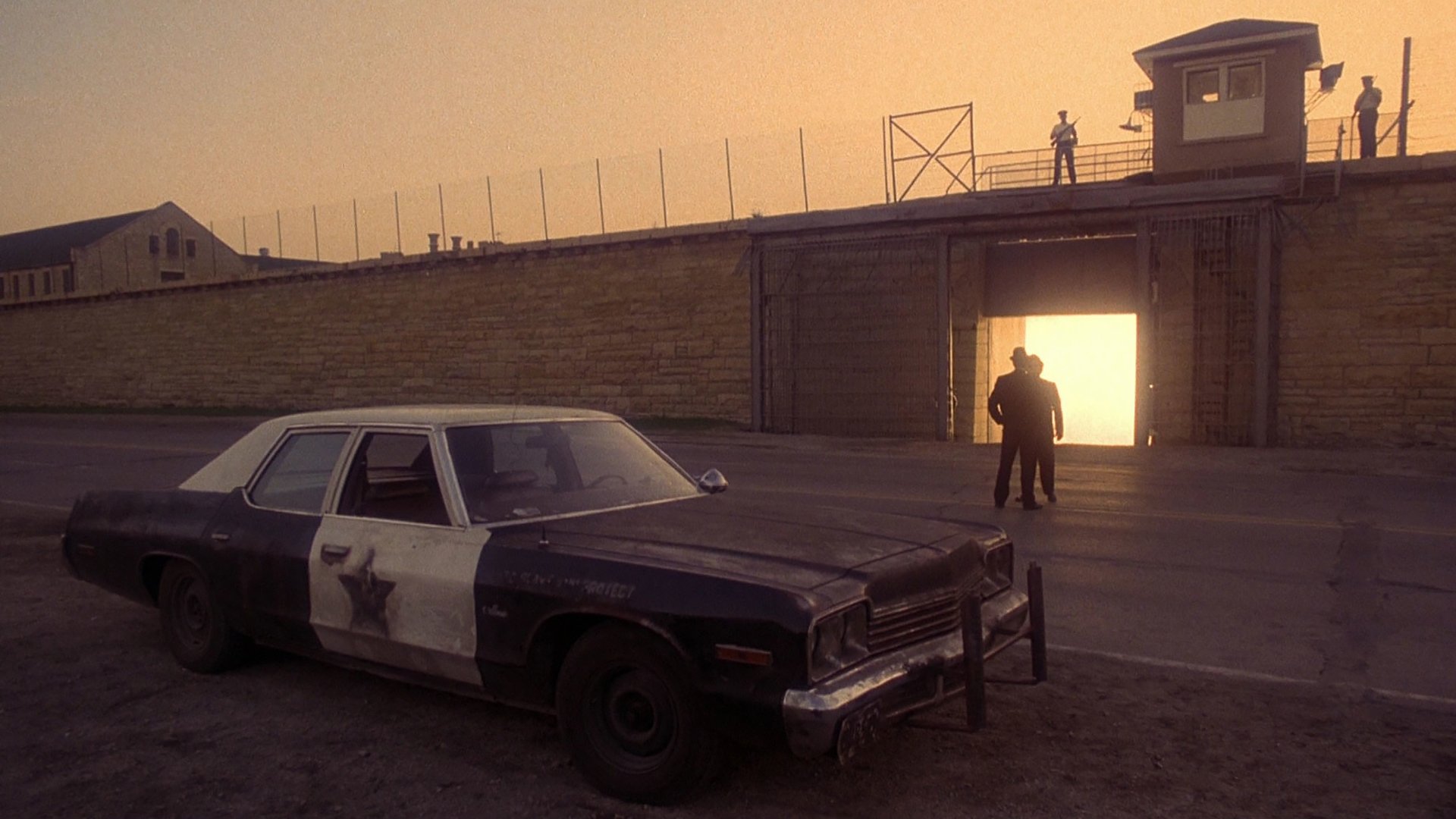
The chases are funny, and Landis gives their excess a scale that suits the brothers’ unreasonable certainty. But the destruction goes on after the joke has registered, and more activity does not always mean more amusement. Folsey’s editing cannot disguise how often the script returns to the same comic method. Musical comedies can survive a thin story; Landis and Aykroyd ask this one to survive too many extended interruptions as well.
The musicians are more compelling than the leads, which is a reasonable objection if the brothers are the main attraction. We are happy to take Belushi and Aykroyd as the hosts, giving these performers a comic setting without demanding to be the most interesting people in every scene. That is a sensible arrangement for a musical comedy, and it survives a considerable amount of untidy storytelling. Allow a long evening, and do not expect the singing to be the part that tests your patience.