Michael Cimino’s Western is moving enough to justify a long evening, though its storytelling drifts. Vilmos Zsigmond’s photography and David Mansfield’s music make the communal scenes worth lingering over; the romance is less consistently involving.
Heaven’s Gate is a good Western that needs more patience than its storytelling always deserves. Michael Cimino sets romance against class conflict, then gives dances, crowds and landscape enough time to compete with both. At 217 minutes, this requires an evening with little else scheduled. We recommend it for the passages in which a community becomes interesting simply through the way its people gather, though there are stretches when some movement in the story feels overdue.
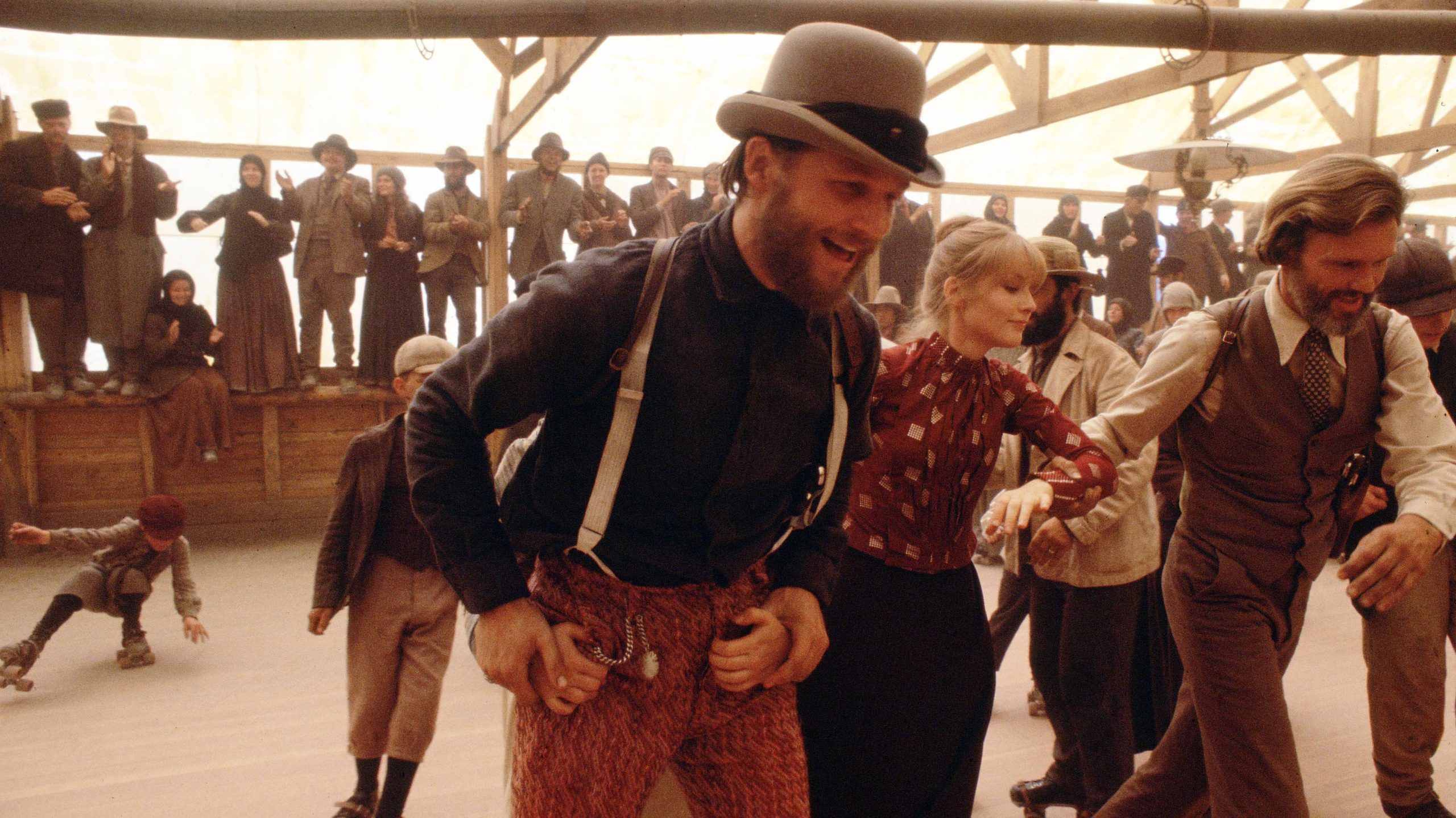
The skating fiddler is the clearest example of why the film’s leisurely pace can work. We were moved more than we expected by this scene, because the pleasure of music and movement makes the threatened community feel worth knowing. David Mansfield’s music gives the dancing a buoyancy that makes the danger elsewhere more troubling. The sequence has time to be enjoyable without immediately explaining its importance, and the film benefits from leaving us alone with that pleasure.
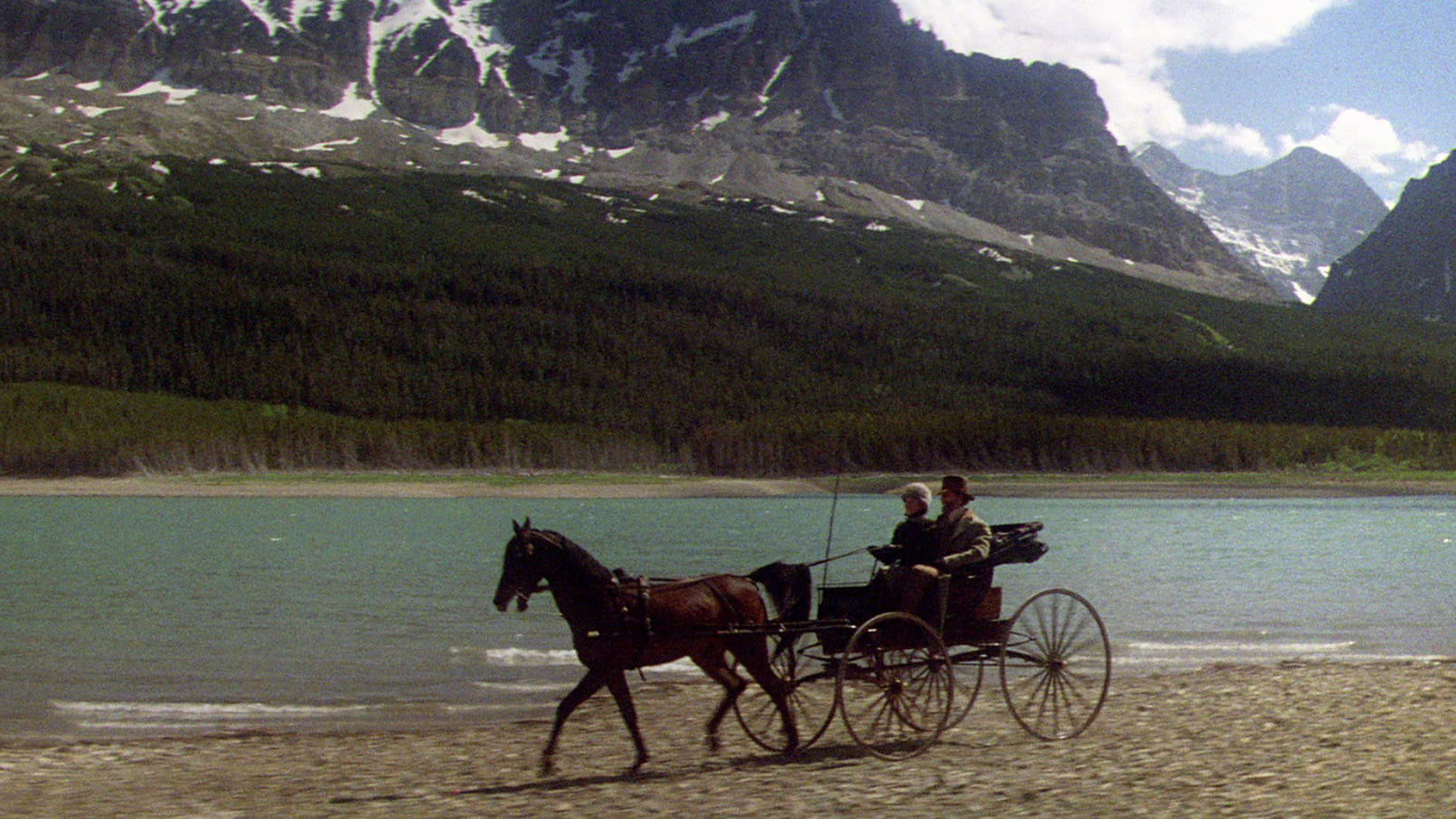
Vilmos Zsigmond’s cinematography makes the wider views worth studying, with crowds that remain interesting beyond the principal faces. The distance lets us look from one person to another instead of being steered towards a single reaction. Tambi Larsen’s production design gives those gatherings a density of period detail that rewards this freedom to look. The risk is that we start studying the surroundings because the drama has briefly stopped holding us, and the film does sometimes cross that line.
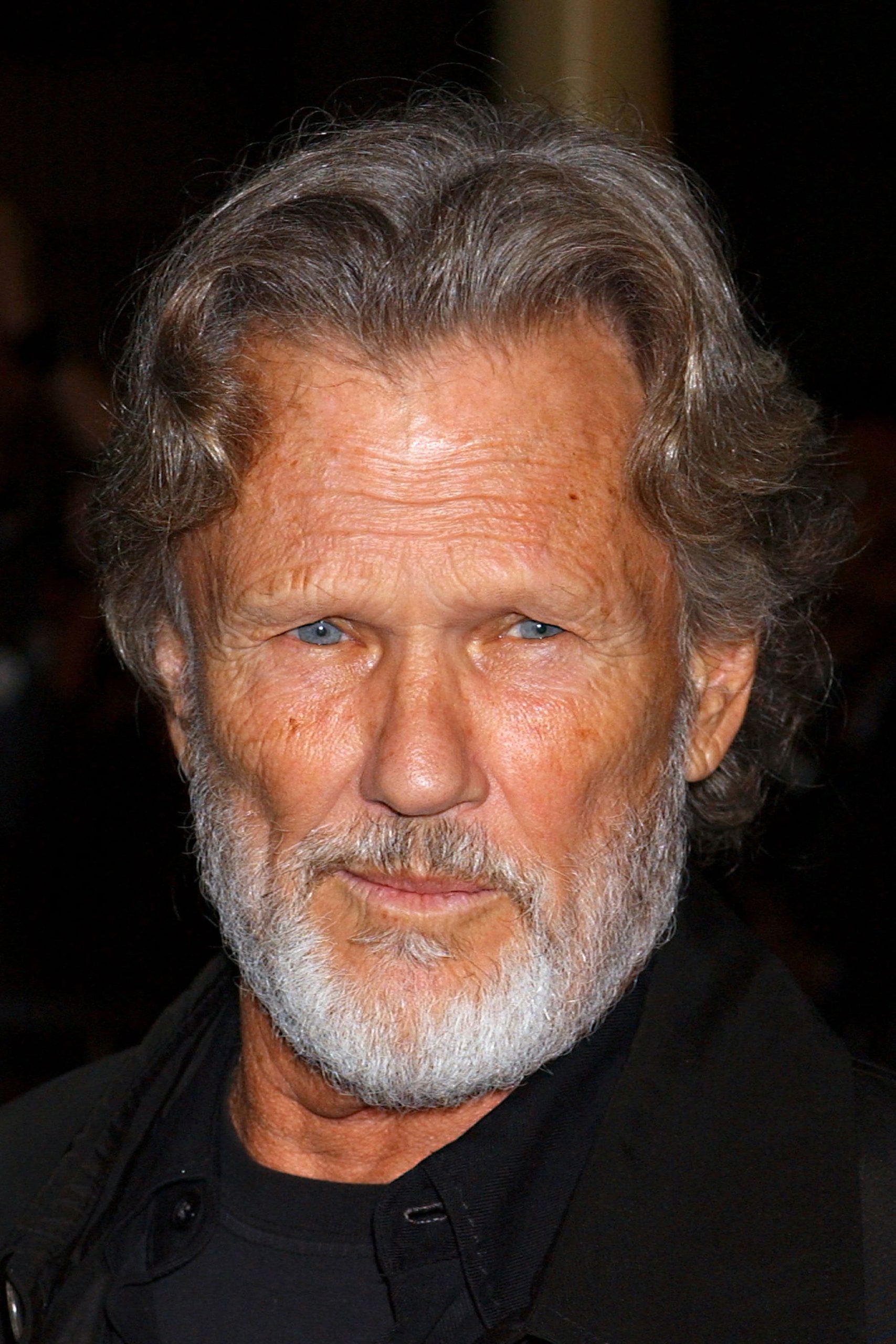
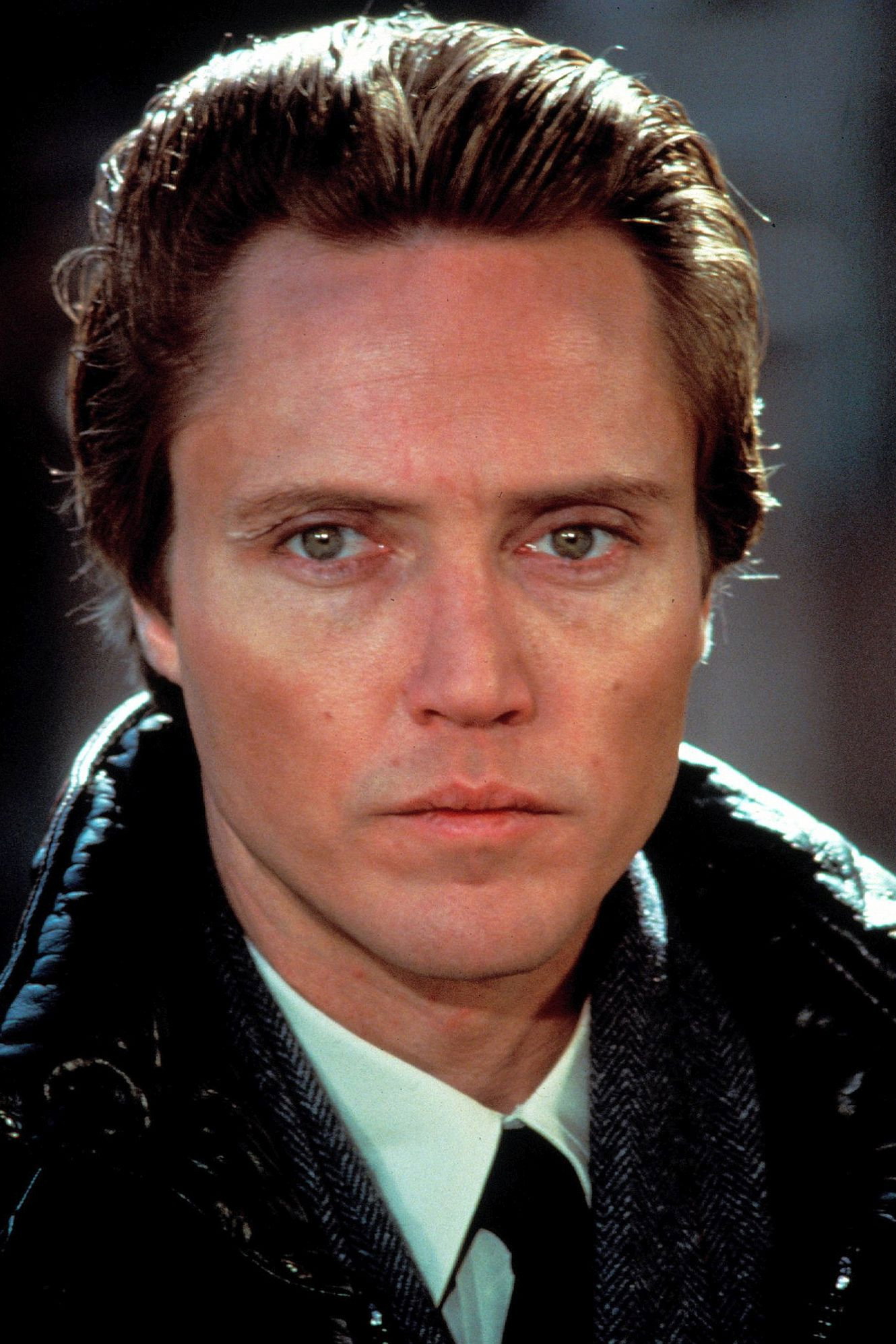
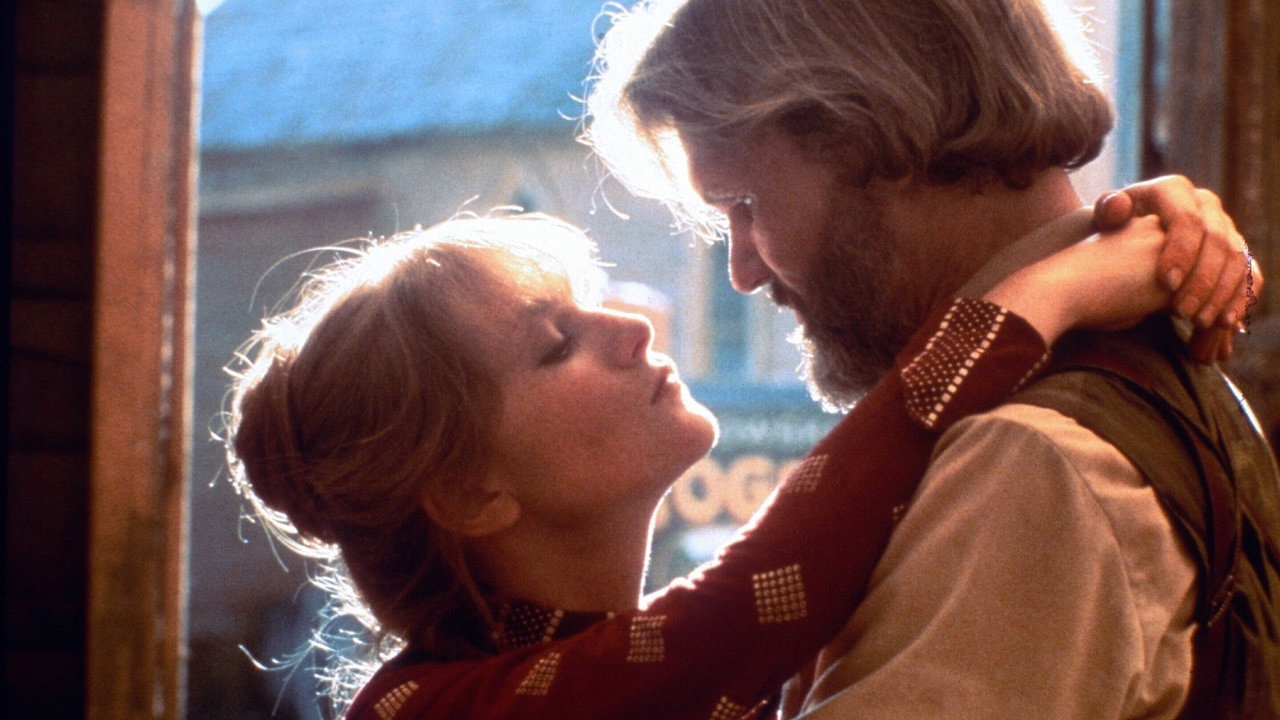
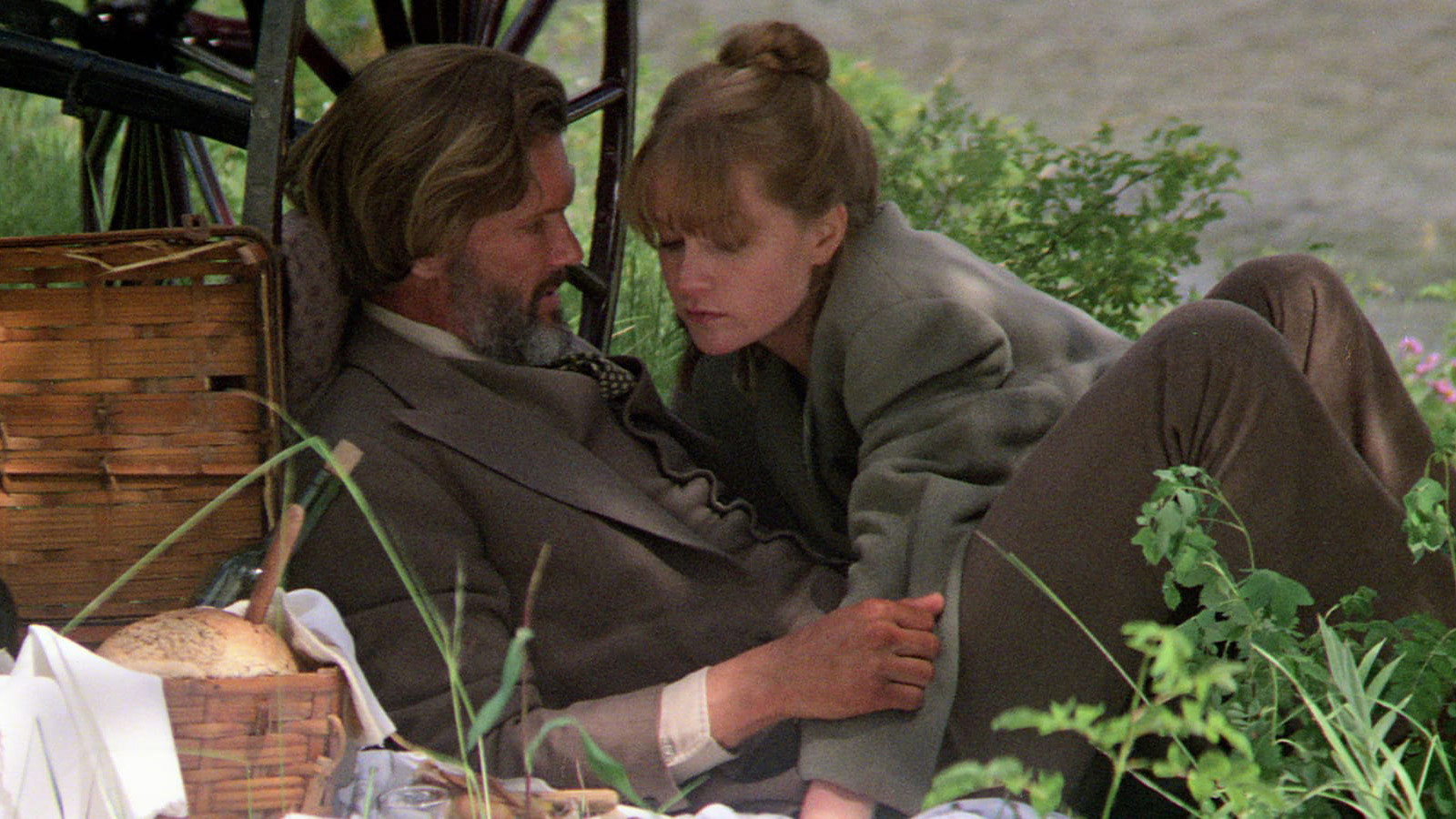
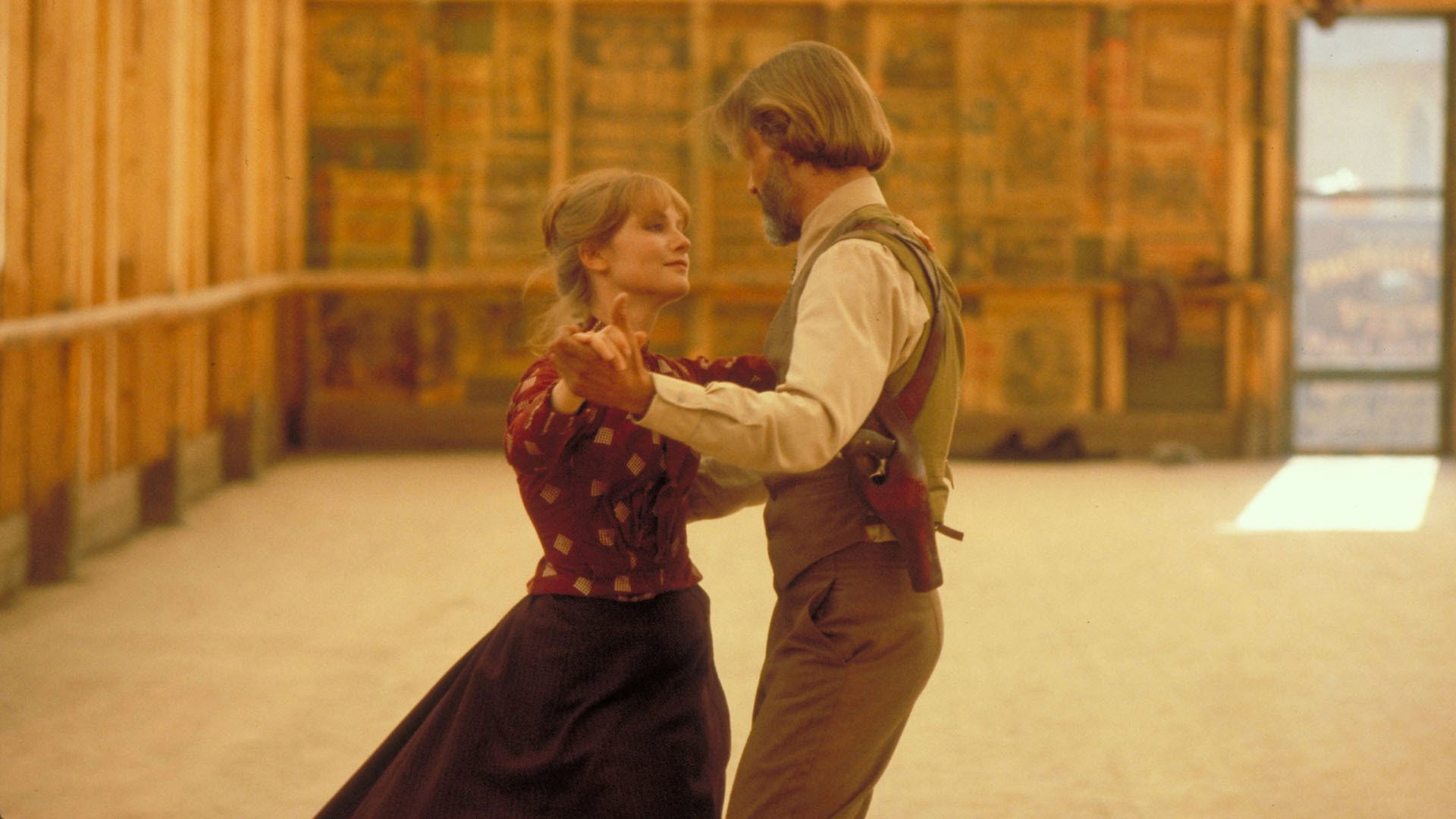
Kris Kristofferson and Isabelle Huppert are most persuasive when the film allows physical closeness to do some of the speaking. Their waltz gives the romance a warmth that the surrounding dialogue does not always sustain. Christopher Walken brings a useful watchfulness to Nathan D. Champion, though the balance between private feeling and the wider conflict remains uneven. The performances hold our attention through passages in which Michael Cimino’s screenplay gives them too little to develop.
The editing, credited to William Reynolds, Gerald B. Greenberg, Lisa Fruchtman and Tom Rolf, is less consistently persuasive. Individual sequences have room for changes of mood, but the movement between them can feel tentative. We are happy to spend time looking until another extended passage adds little to what we already understand about the conflict or the lovers. Some transitions leave the impression that a scene has finished and the film is reluctant to acknowledge it, which makes the running time felt unnecessarily.
The violence against immigrant homesteaders supplies a clear reason for that attention to communal life. These gatherings let us think about what people enjoy before we are asked to consider what threatens them. Michael Cimino sometimes insists on their significance for longer than necessary, and the dialogue can make an already clear point feel laboured. Even so, a Western prepared to spend so much time on collective pleasure offers something worth the wait.
There is no useful way to hurry through this film. Skipping ahead would lose the gatherings that make its people matter, while leaving the thinner stretches of dialogue intact. Choose it for a long evening when a Western need not get straight to the shooting.