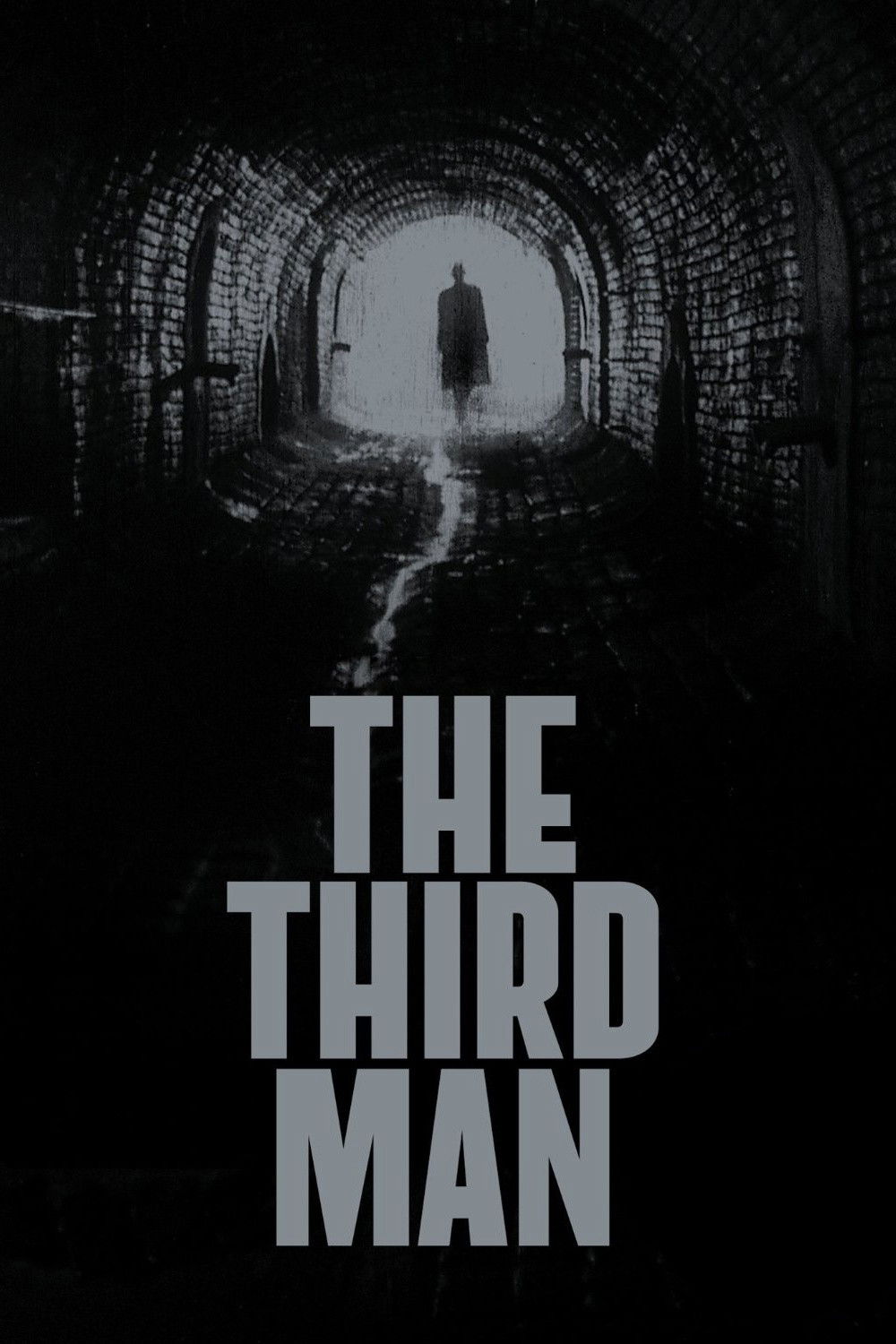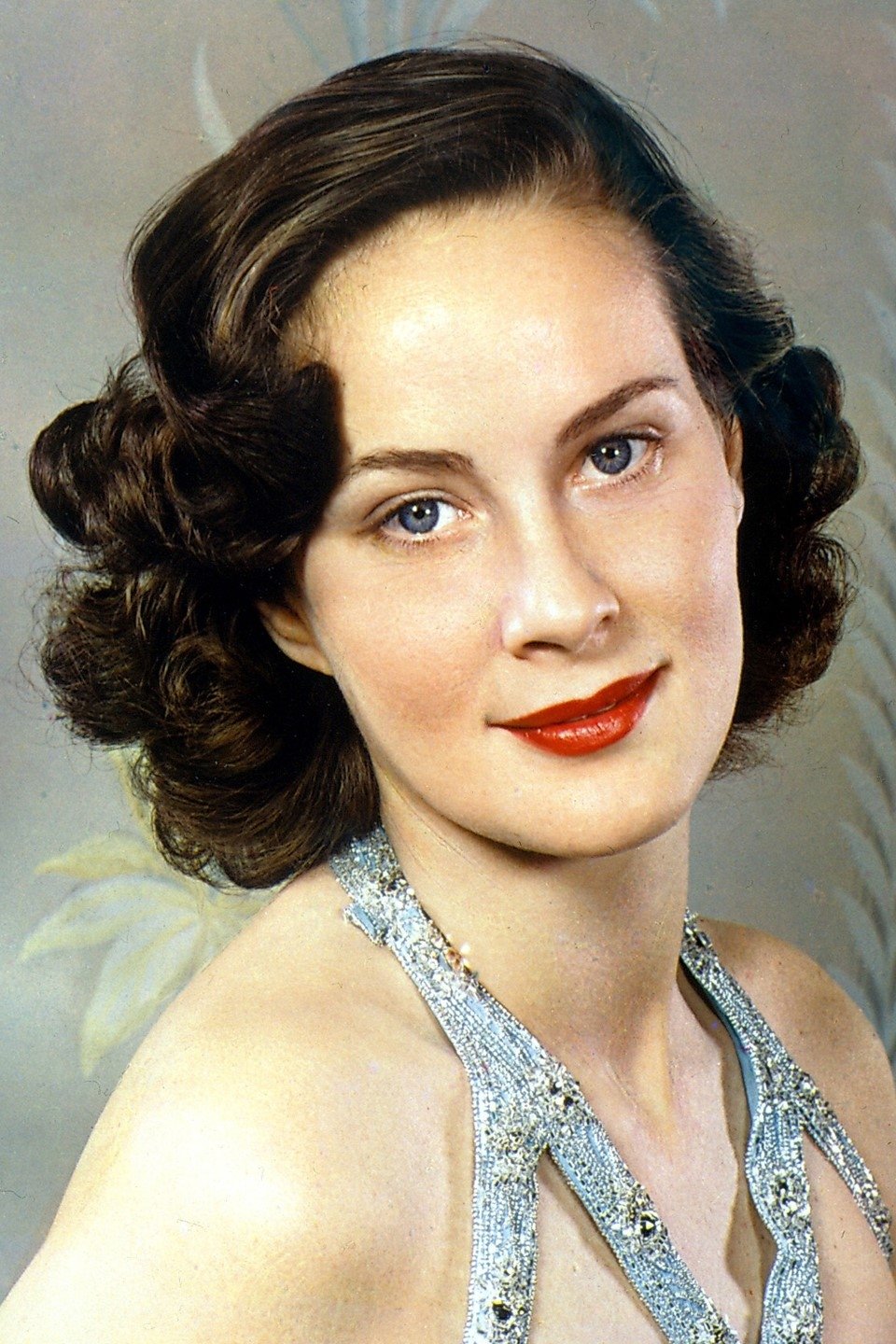
Alida Valli can suggest deep feeling without much outward display. We admire the restraint that makes her so affecting in The Third Man, though even she cannot fill every gap in an underwritten relationship.
Fi1m perspective
In The Third Man (1949), Alida Valli's Anna Schmidt is not there simply to make Joseph Cotten's character matter. Valli gives her relationships weight even when the screenplay tells us little about their history. We were moved by Anna because her feelings remain convincing where the writing is incomplete. Valli does not make those omissions disappear, but she gives us a reason to want the scenes that might have filled them.
Her early Italian stardom included a dramatic role in Piccolo mondo antico (1941). Hollywood brought Hitchcock's The Paradine Case (1947), though some early notices found her overly reserved or wooden. Her return to Europe in the early 1950s led to Luchino Visconti's Senso (1954), with Valli as the countess Livia Serpieri. That leading role offers a useful next step for anyone who knows only Anna. The recurring strength is her ability to suggest turmoil beneath a composed exterior.
From the 1960s, character and supporting parts increasingly made use of that composure. Franju cast her as Louise, a devoted nurse and assistant, in Eyes Without a Face (1960); Dario Argento used her as the strict dance instructor Miss Tanner in Suspiria (1977). The later horror work gives that reserve a less reassuring purpose. It is a sensible use of an actress whose quietness need not imply kindness.
Carol Reed's use of her remains the place to begin. In The Third Man, Trevor Howard's Major Calloway has the firmness that Cotten's uncertainty needs, and Cotten's less showy work is essential. Valli belongs alongside them rather than serving as confirmation of the leading man's importance. The relationships sometimes need more space, and her performance cannot provide all the history the screenplay leaves out. Follow The Third Man with Senso before heading for the horror films.
Biography
Alida Valli was an Italian actress whose career spanned from the mid-1930s to the early 2000s. Born Alida Maria Laura Altenburger von Marckenstein-Frauenberg on 31 May 1921 in Pola, Istria (then Italy, now Pula, Croatia), she trained at the Centro Sperimentale di Cinematografia in Rome and made her film debut as a teenager.
She appeared in more than 100 films, working with directors including Alfred Hitchcock in The Paradine Case (1947), Carol Reed in The Third Man (1949) as Anna Schmidt, Luchino Visconti in Senso (1954), and Dario Argento in Suspiria (1977). She was also known for roles in Eyes Without a Face (1960), 1900 (1976) and Inferno (1980). Valli received the Lifetime Achievement Golden Lion at the Venice Film Festival in 1997.
She was married to composer Oscar de Mejo from 1944 until their divorce in the early 1950s; they had two sons, including actor Carlo De Mejo. Valli died in Rome on 22 April 2006.