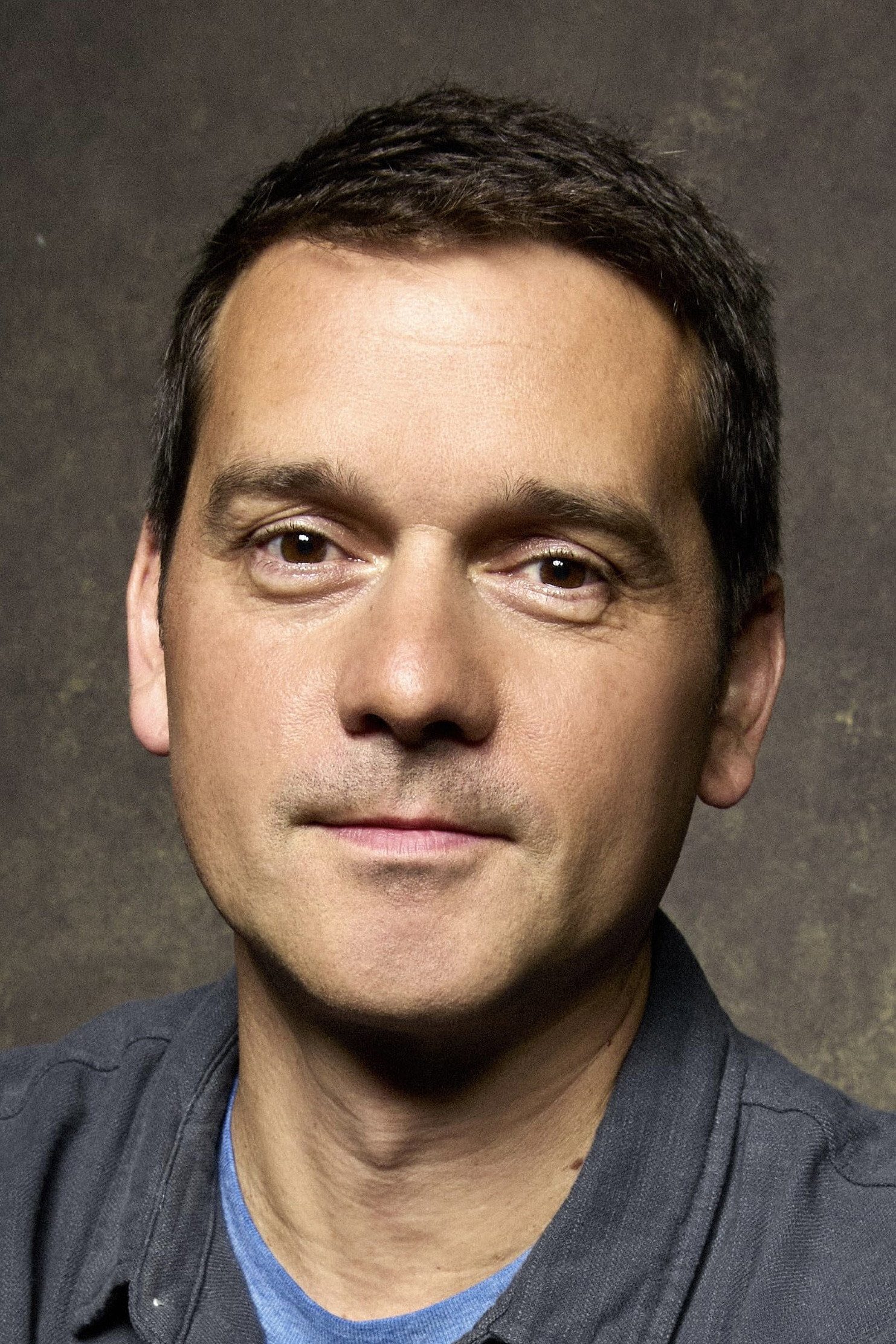
Jeremy Saulnier makes tense thrillers by watching people struggle with the practical business of violence. We rate his precision and his feel for vulnerability, though Blue Ruin also shows how sparse writing can leave the people around his protagonist underdeveloped.
Fi1m perspective
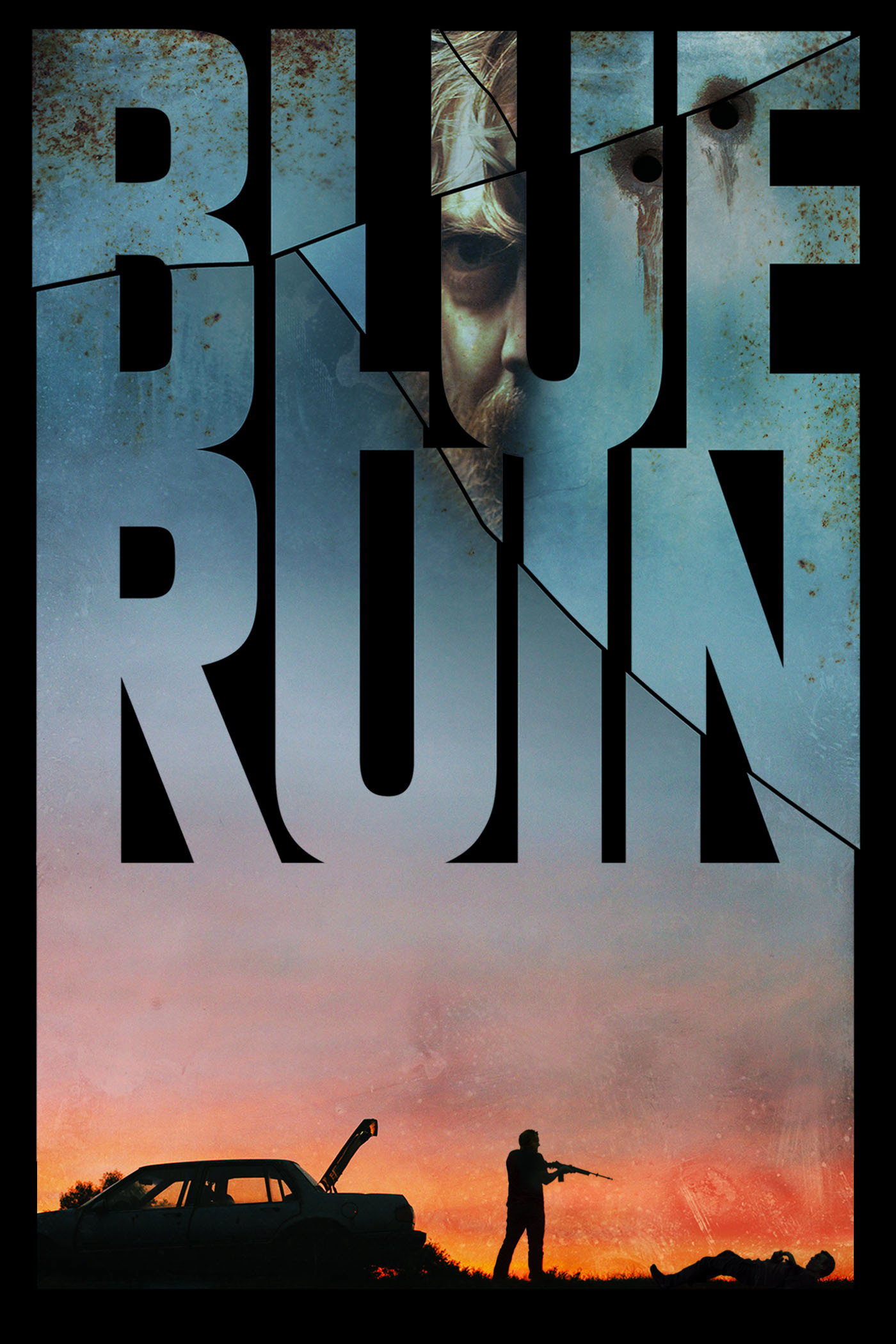
In Blue Ruin (2014), Macon Blair’s Dwight Evans is frightened by the practical demands of revenge. Jeremy Saulnier lets this drifter remain clumsy, scared and dangerously unprepared. We were frightened for Dwight because Blair makes every mistake look capable of getting him hurt. Saulnier is good at making such uncertainty hold our attention without having characters explain themselves. We rate him highly when he keeps that human vulnerability at the centre of his thrillers.
The genre satire of his debut, Murder Party (2007), gave way to the concentrated tension of Blue Ruin, his breakthrough. Green Room (2015) continued the claustrophobic thriller work, while Hold the Dark (2018), with a screenplay by Blair, marked a move towards larger-scale filmmaking. Saulnier later wrote and directed the action thriller Rebel Ridge (2024). His preference for images over explanation gives that progression some consistency: he wants us watching people behave rather than listening to accounts of their past.
His own cinematography in Blue Ruin makes the opening intelligible without a running explanation of who everyone is. We learn to watch Dwight, and to recognise uncertainty as something that could become dangerous. Editor Julia Bloch keeps the awkward business of carrying out violence in view instead of rushing towards the next burst of action. Their economy leaves room for an amateur to make mistakes; the film does not need to give him professional efficiency to keep moving. Saulnier’s wider preference for practical effects suits this concern with what bodies can actually do.
The limitation is just as clear in Blue Ruin: some of the people around Dwight are scarcely developed beyond their usefulness to the feud. Saulnier’s screenplay gives its central character such close attention that the families caught up in the violence receive too little life of their own. The unshowy supporting performances help, but they cannot provide what has not been written. That matters in a film asking us to believe revenge spreads beyond the person pursuing it. Start with Blue Ruin; a taste for revenge thrillers is no guarantee of a comfortable evening.
Biography
Jeremy Saulnier is an American film director, screenwriter and cinematographer. Born on 10 June 1976 in Alexandria, Virginia, he graduated from New York University’s Tisch School of the Arts with a BFA in filmmaking.
Saulnier wrote, directed and photographed his second feature Blue Ruin (2013), which premiered at Cannes. His other directing credits include Murder Party (2007), Green Room (2015), Hold the Dark (2018) and Rebel Ridge (2024). He has also directed episodes of the series True Detective and worked as a cinematographer on several independent films.
He received an Independent Spirit Award nomination for Blue Ruin.