The first season, eight hours of Louisiana, two timelines and McConaughey at his strangest, is about as good as television crime gets. What followed is uneven: one season we would spare you, two we would not. Start at the beginning.
Nic Pizzolatto’s anthology began on 12 January 2014 with eight episodes set in Louisiana, and the reputation of the whole thing still rests on those eight. Every season since has started over, with a new case, a new place and a new cast, and none has matched the first. We would send anyone to that first season without hesitation. We would send them to the rest only with directions about what to skip.
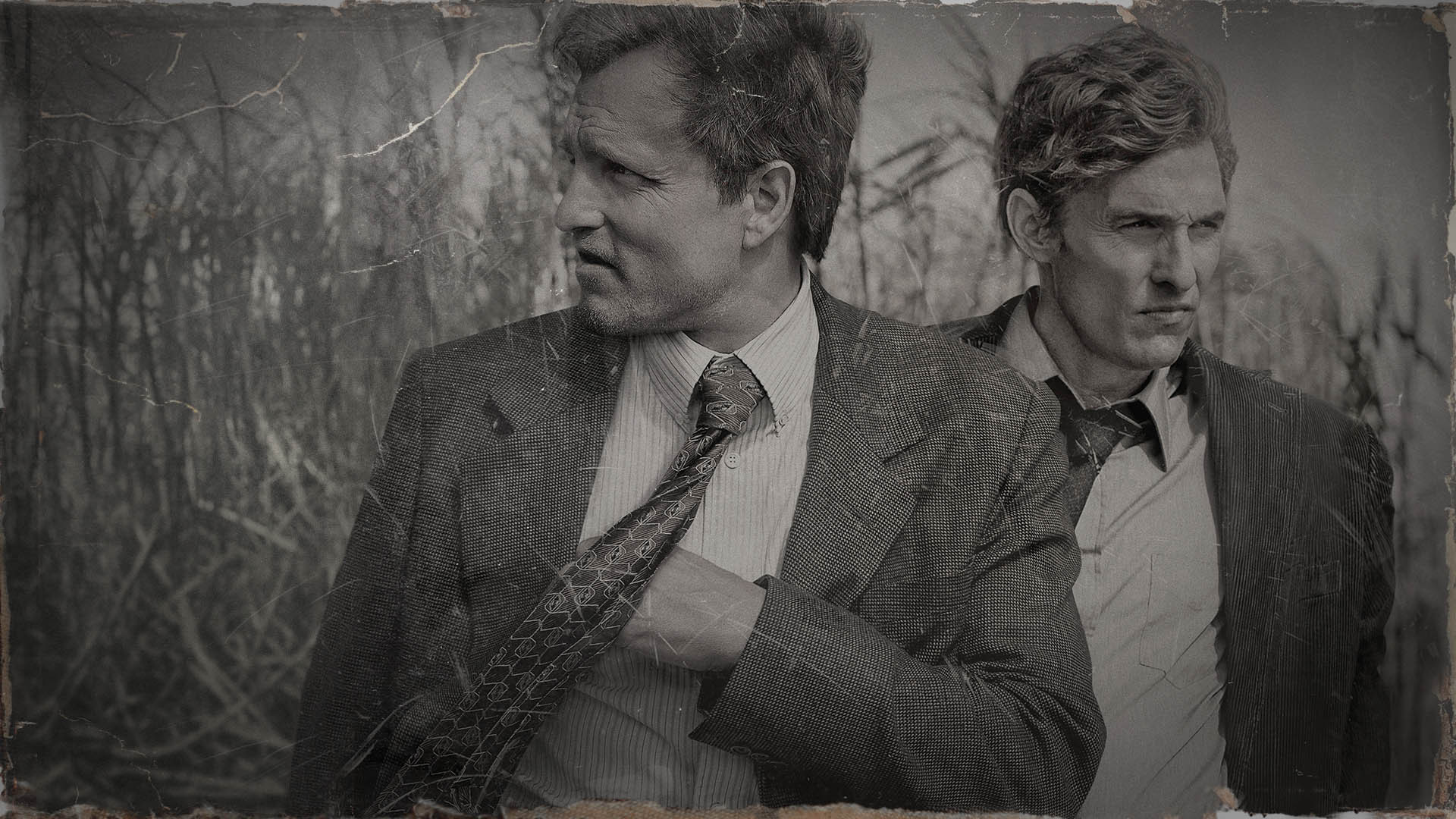
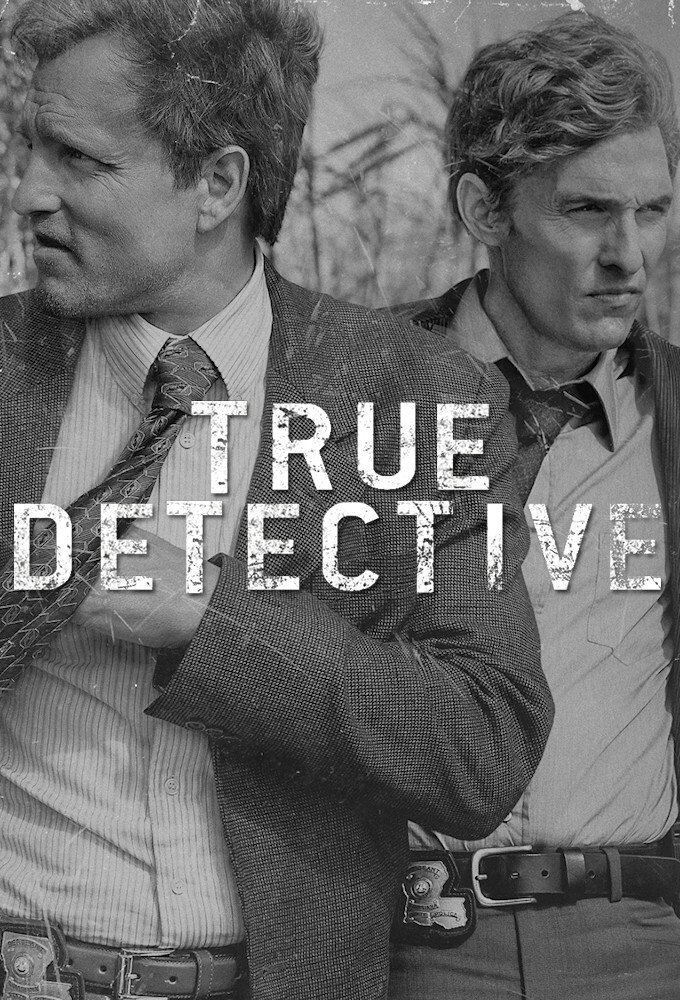
Season one gives us two detectives who cannot stand each other. Rust Cohle (Matthew McConaughey) is a transfer from Texas who sleeps on a mattress in a bare flat and talks about consciousness as a wrong turn in evolution. Martin Hart (Woody Harrelson) is the family man who has stopped going home. In 1995 they catch a murder, a woman posed in a cane field with antlers on her head, and in 2012 two other detectives interview them separately about it. Pizzolatto wrote every episode himself, and the interviews are his best idea: two men telling the same story with different lies in it.
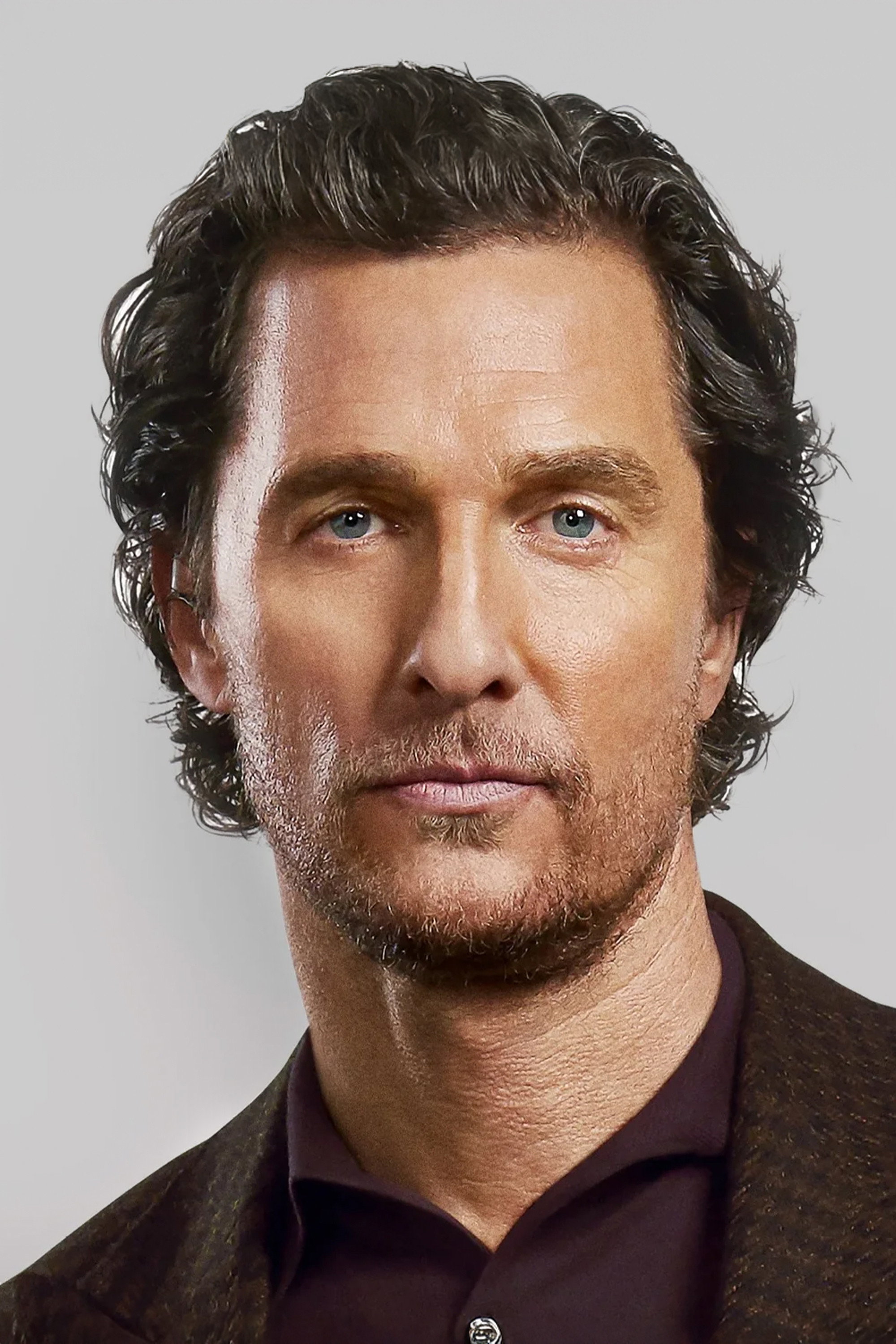
McConaughey has the showier part, and the speeches about time being a flat circle were quoted to death within a month of broadcast. What stayed with us was quieter. The older Cohle sits in the interview room with a six-pack, cutting the empty cans into small figures while he talks, and the camera keeps returning to his hands. We found that harder to watch than the corpses. Harrelson has the harder job, making Hart’s decency and his hypocrisy the same thing, and he is the reason the season works as a story rather than a lecture.
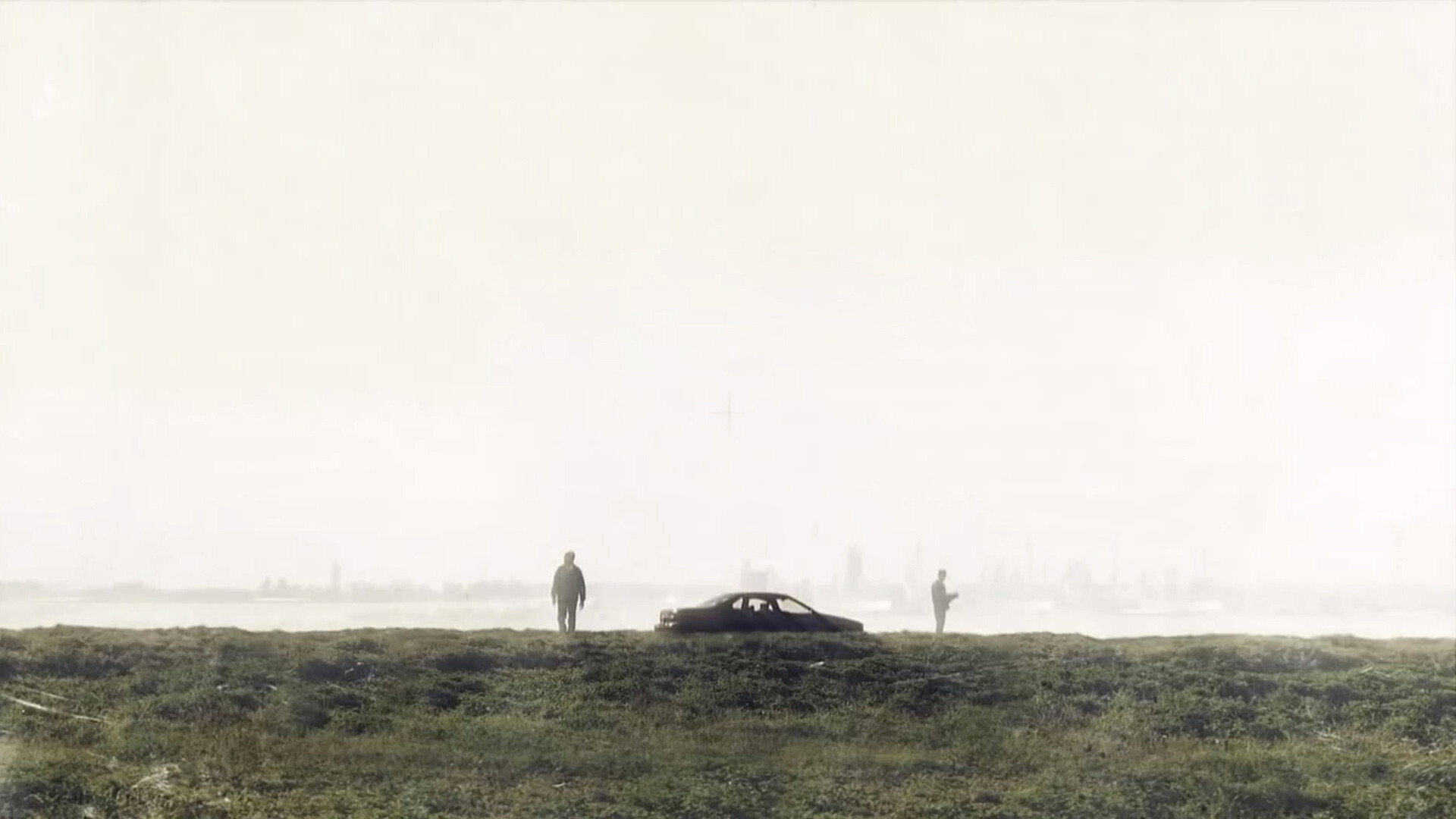
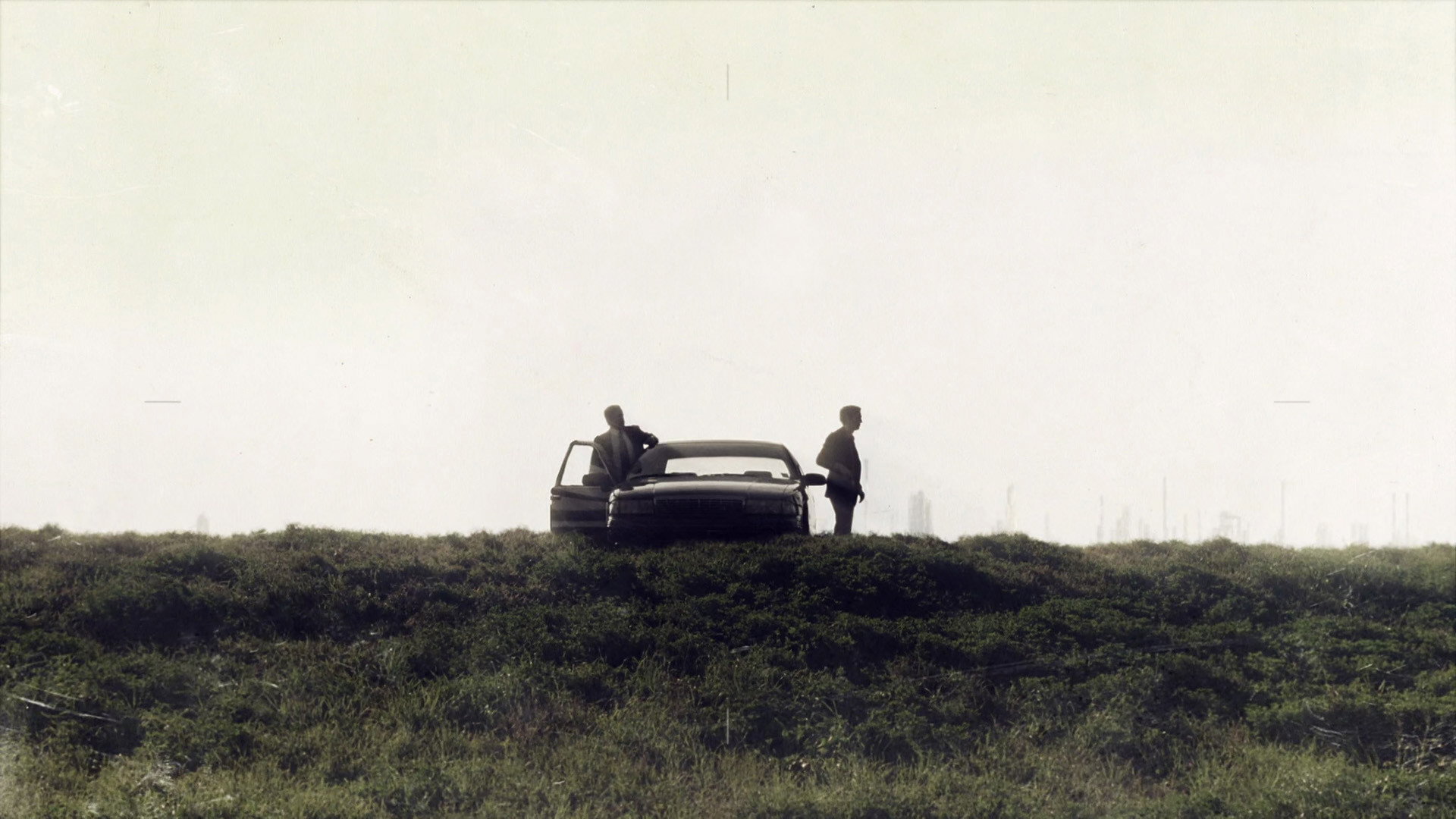
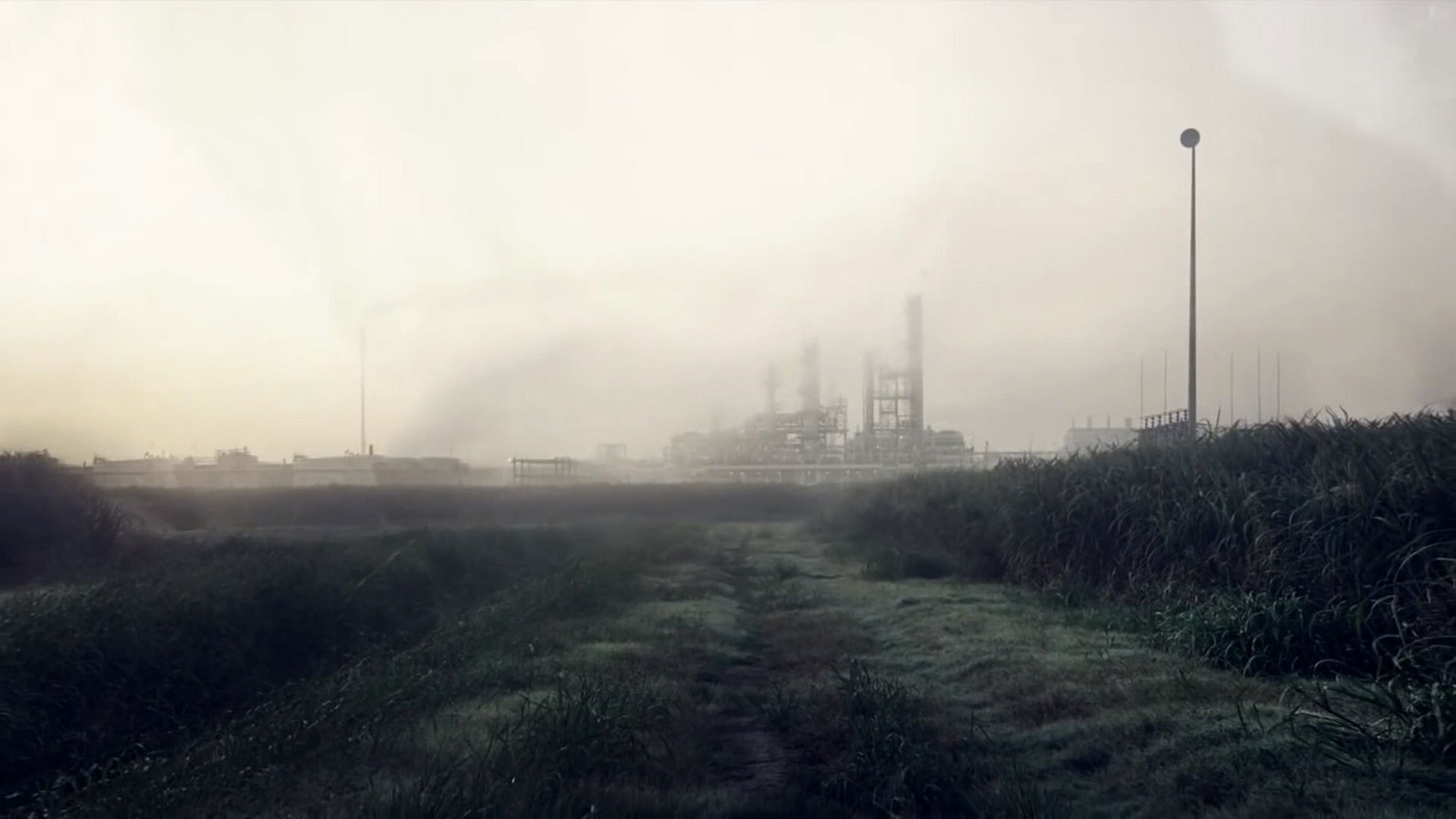
Cary Joji Fukunaga directed all eight episodes, which is rare in television and shows. Adam Arkapaw shoots Louisiana wide and flat, so the refineries and the marsh sit under the same grey-yellow sky, and Alex DiGerlando’s production design gives every interior the look of somewhere abandoned in a hurry. Alex Hall cuts between 1995 and 2012 without once leaving us unsure which year we are in. T Bone Burnett keeps the music low and mostly out of the way. And there is the raid in the fourth episode, one unbroken take of several minutes through a housing estate at night, which we watched holding our breath and which we still think is the best piece of direction the series has produced.
The season’s faults are the ones most critics named at the time. The women are wives, mistresses and victims, and the wives get one good scene each. Cohle’s philosophy is sixth-form Schopenhauer, and Pizzolatto plainly agrees with it more than he should.
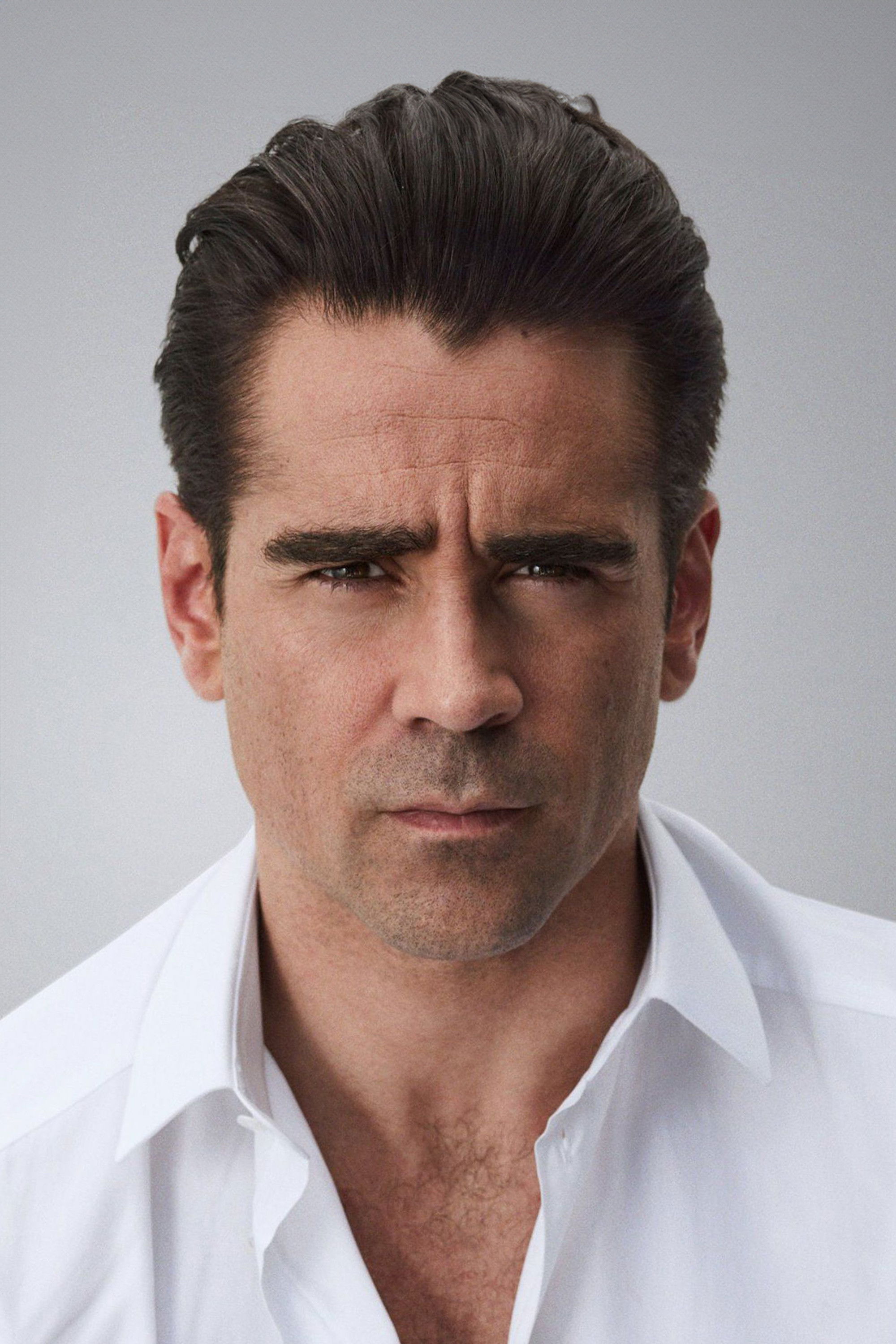
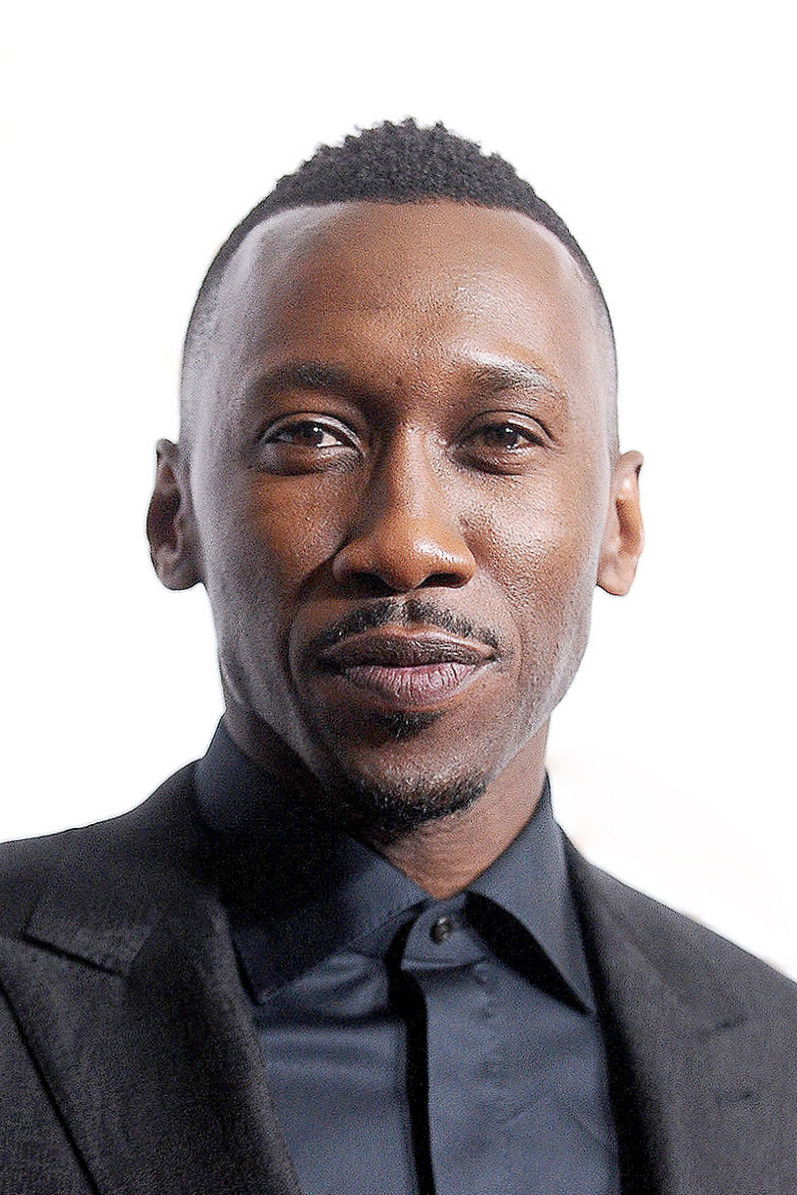
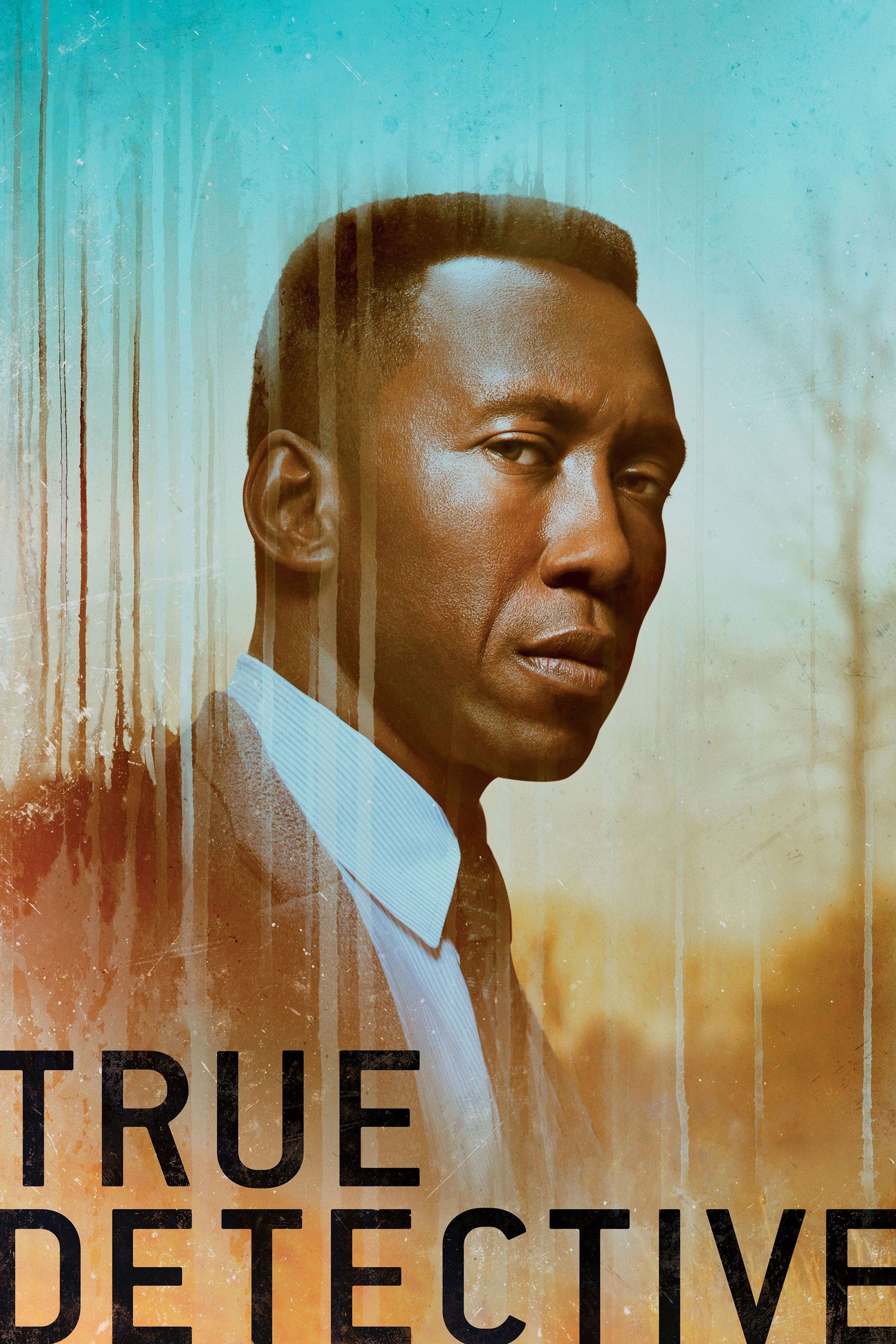
Then season two moved to California, put Colin Farrell, Vince Vaughn and a great deal of freeway under Justin Lin’s camera, and lost its nerve. Vaughn’s Frank Semyon speaks in aphorisms nobody could say aloud without laughing, and we did laugh, and then we were bored, and then we were angry about being bored. Farrell’s Ray Velcoro is the one thing worth keeping. The third season, in the Ozarks, recovers most of the ground. Mahershala Ali plays Wayne Hays across three decades, the oldest of them with a memory that is failing him, and he is the equal of anything McConaughey did. Stephen Dorff, as his partner Roland West, is better than we remembered him being in anything.
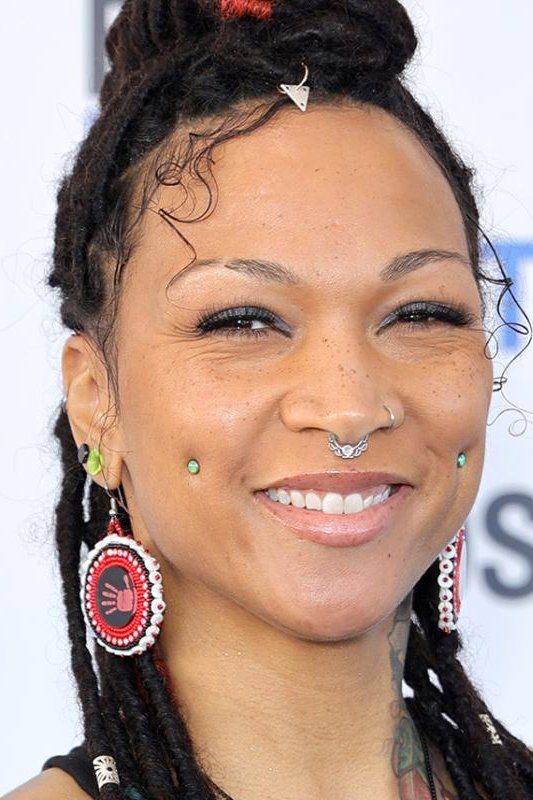
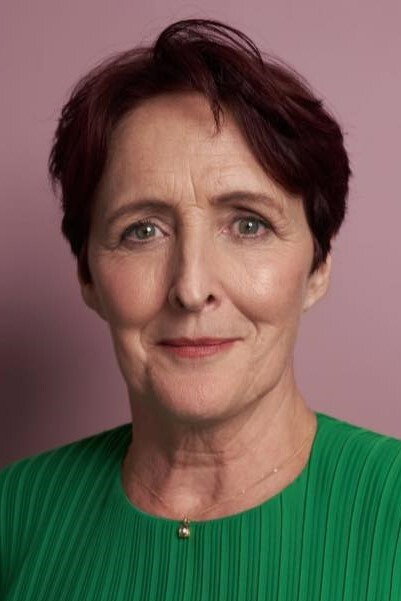
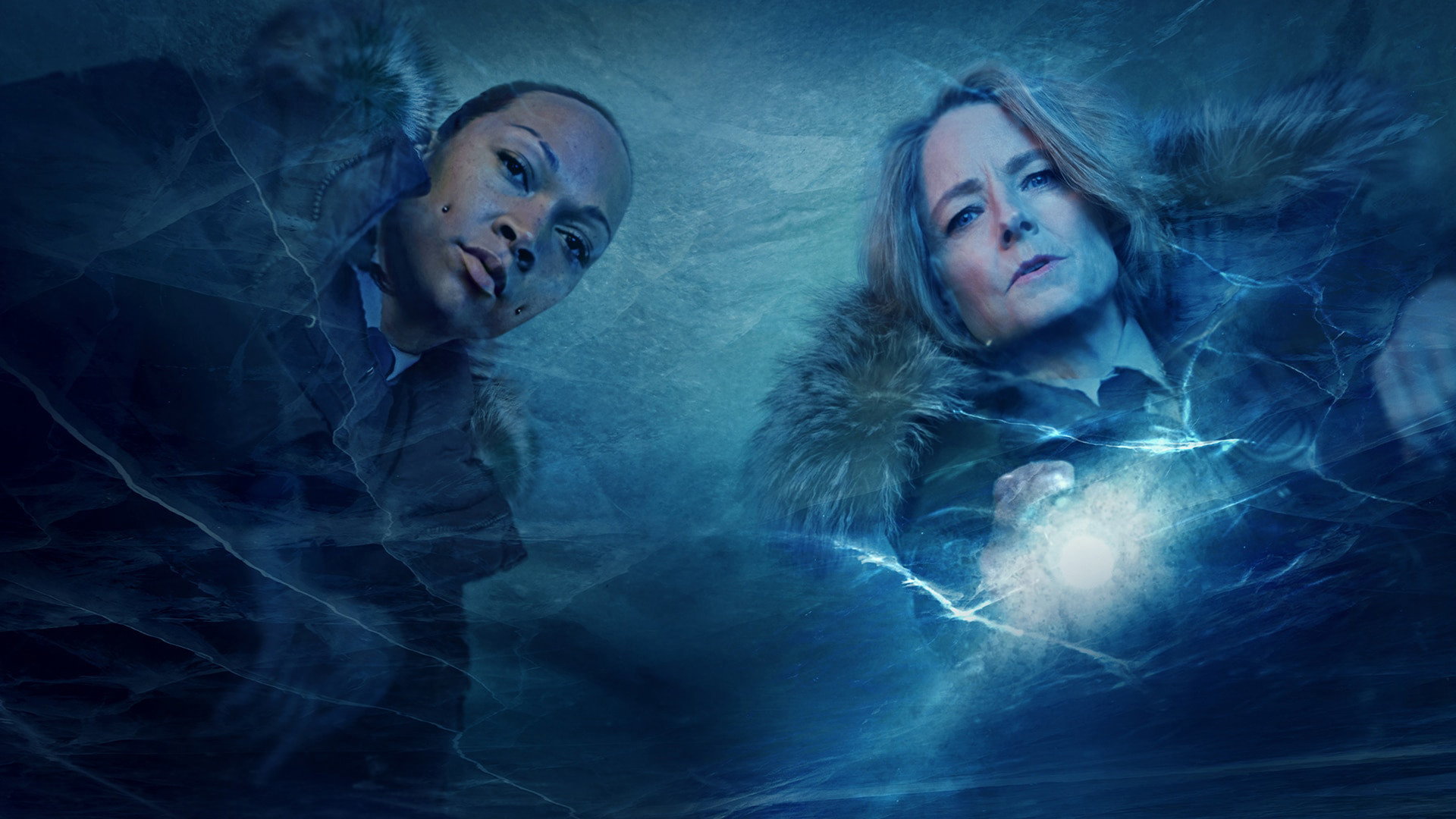
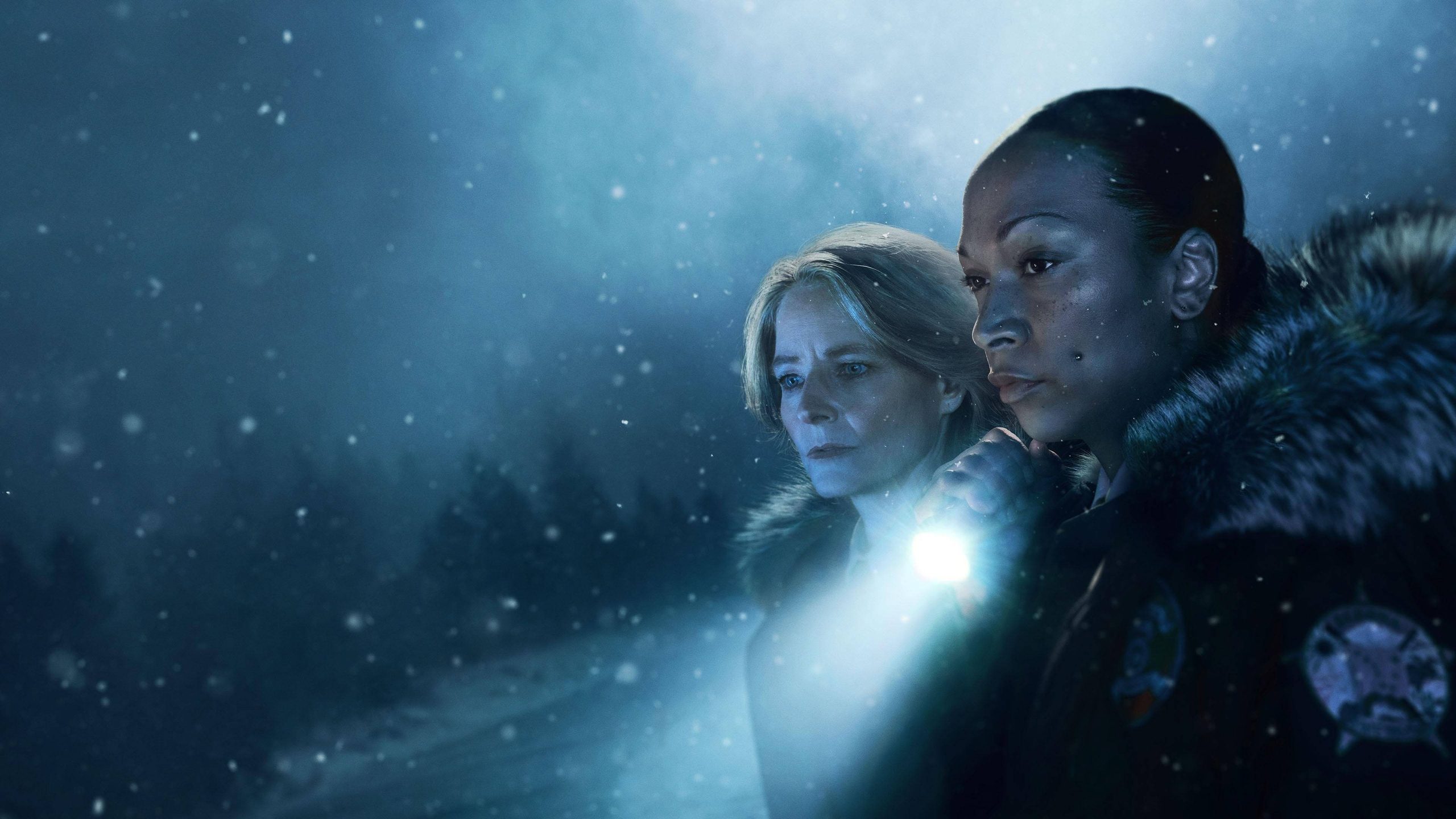
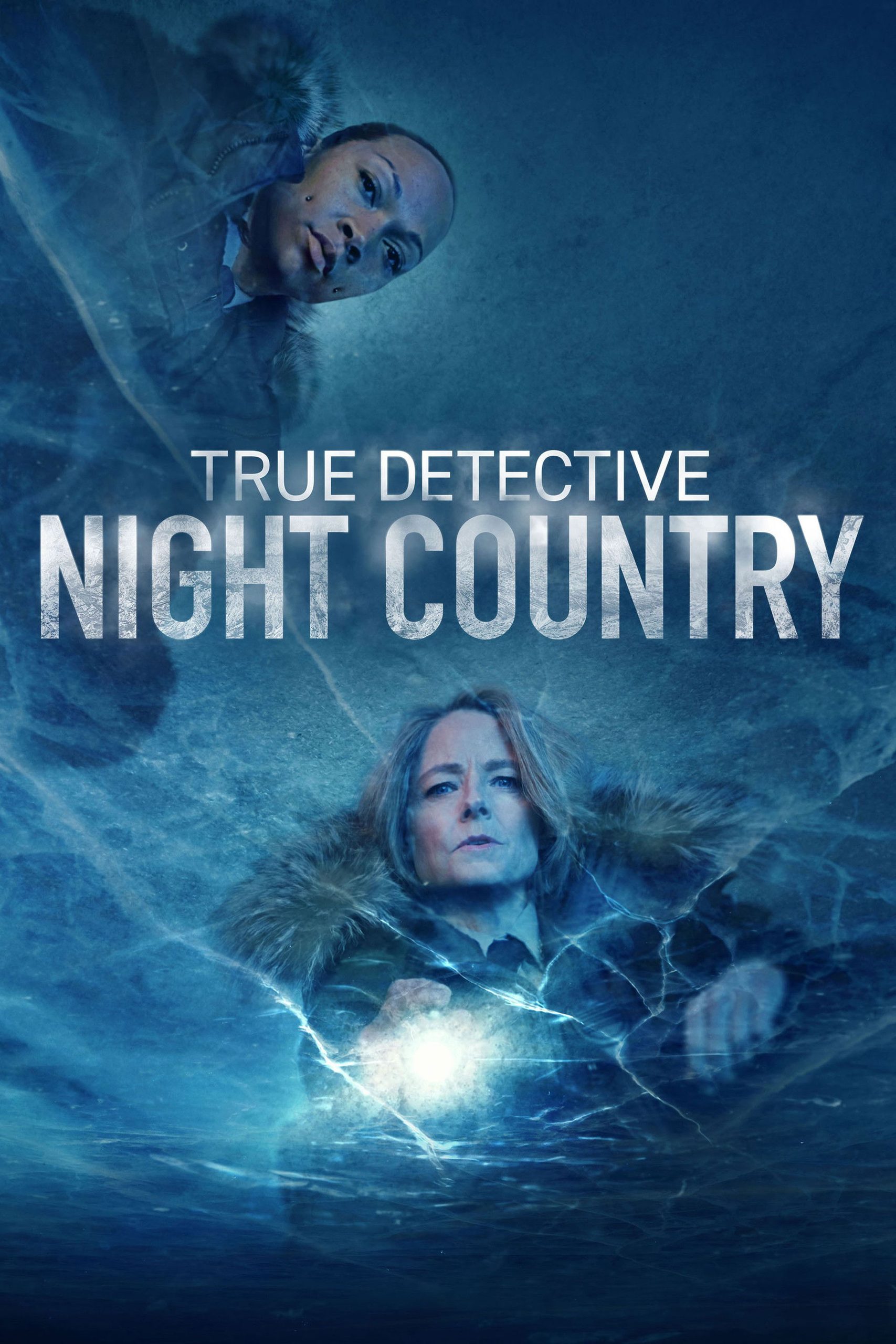
The fourth season, Night Country, belongs to Issa López as creator, writer and director. Jodie Foster plays Liz Danvers, police chief of an Alaskan town where the sun has set for the winter, and Kali Reis is Evangeline Navarro, the trooper who will not let an old case rest. Florian Hoffmeister lights it by sodium lamp and snow, Fiona Shaw and John Hawkes fill out the town, and Foster is as good as she has been in years. We were unsure about the ghosts. López wants ghosts and police procedure in the same scene at once, and for six episodes she nearly manages it.
Start with the first eight hours. If they take, go to the third season, then the fourth. The second is for completists and for people who like watching good actors lose a fight with their dialogue. It carries an 18 certificate throughout, and the first season earns it.