Film review

Green Room

2016 · Directed by Jeremy Saulnier · 1h 35m · MPA R

In a sentencePatrick Stewart makes being trapped with neo-Nazis worse by sounding so reasonable

HorrorCrimeThriller

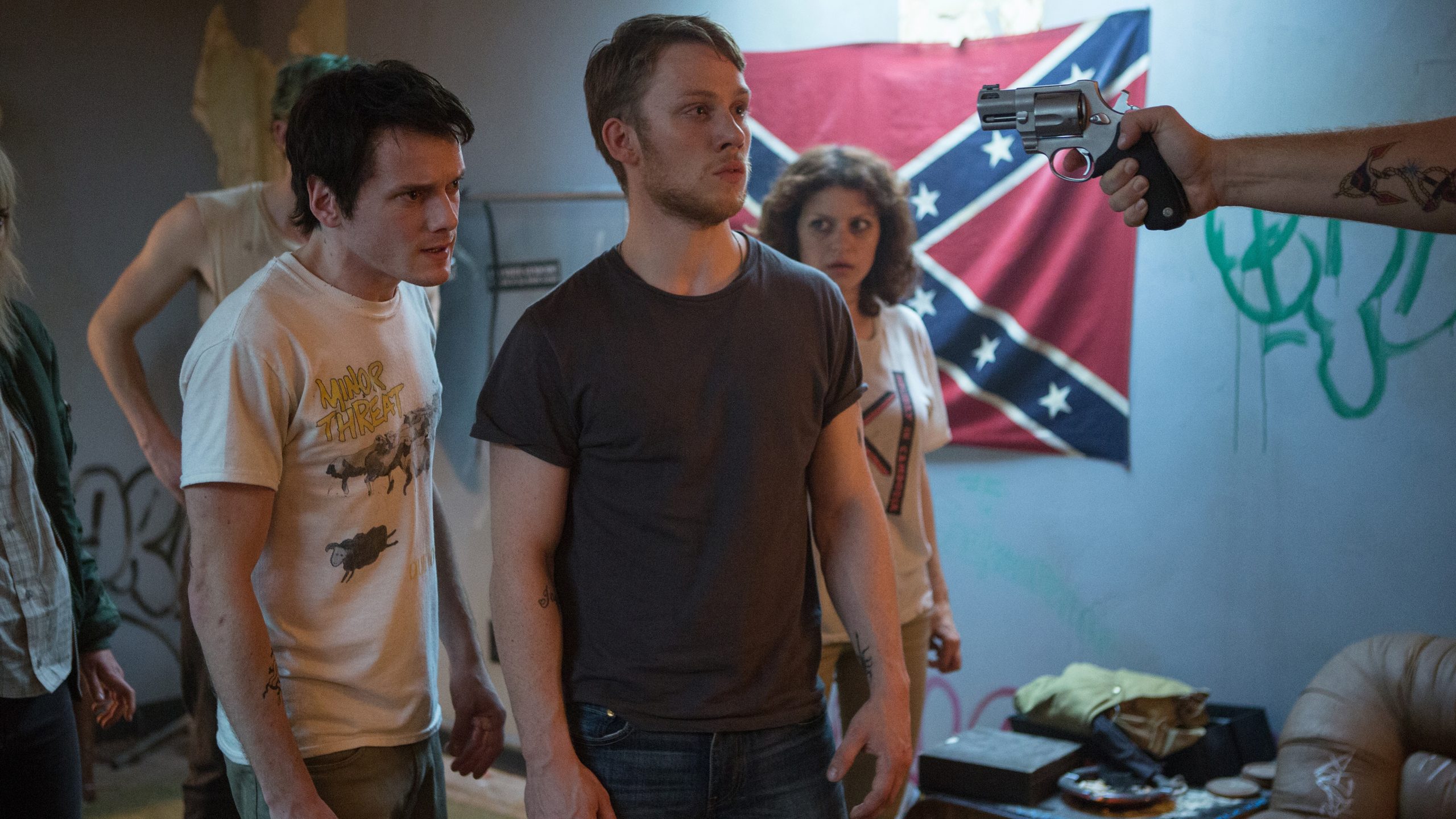
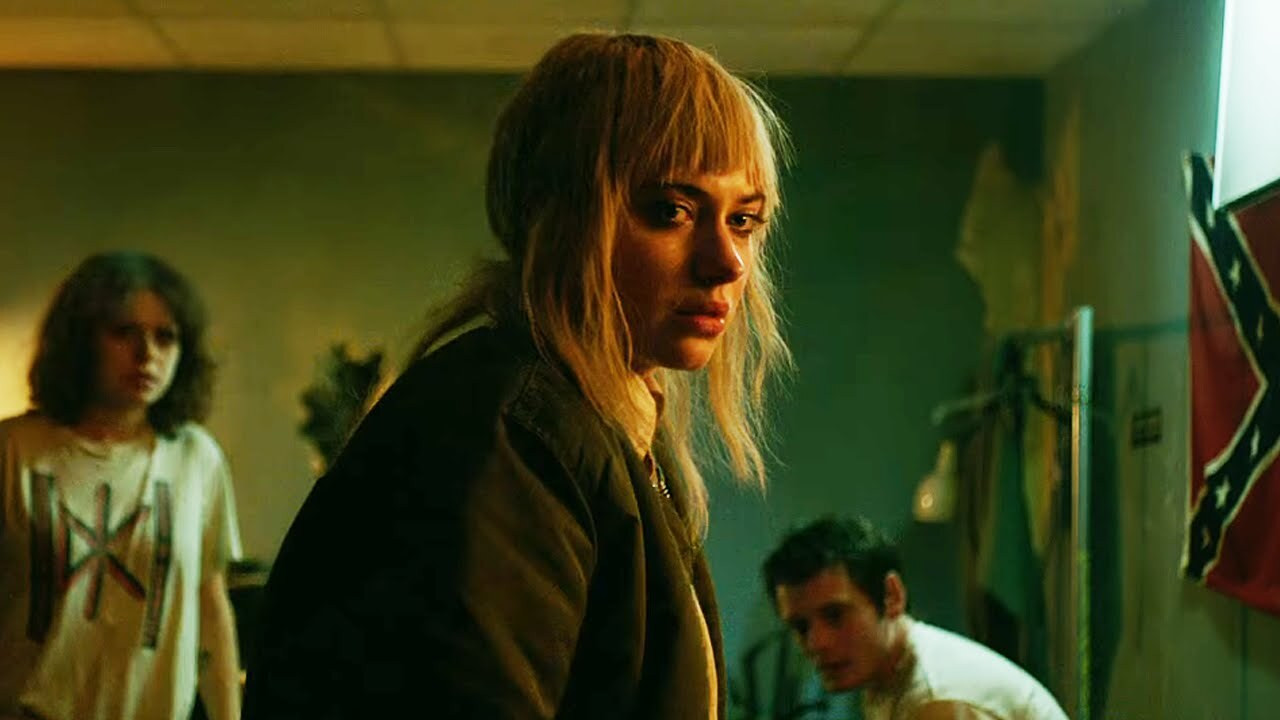
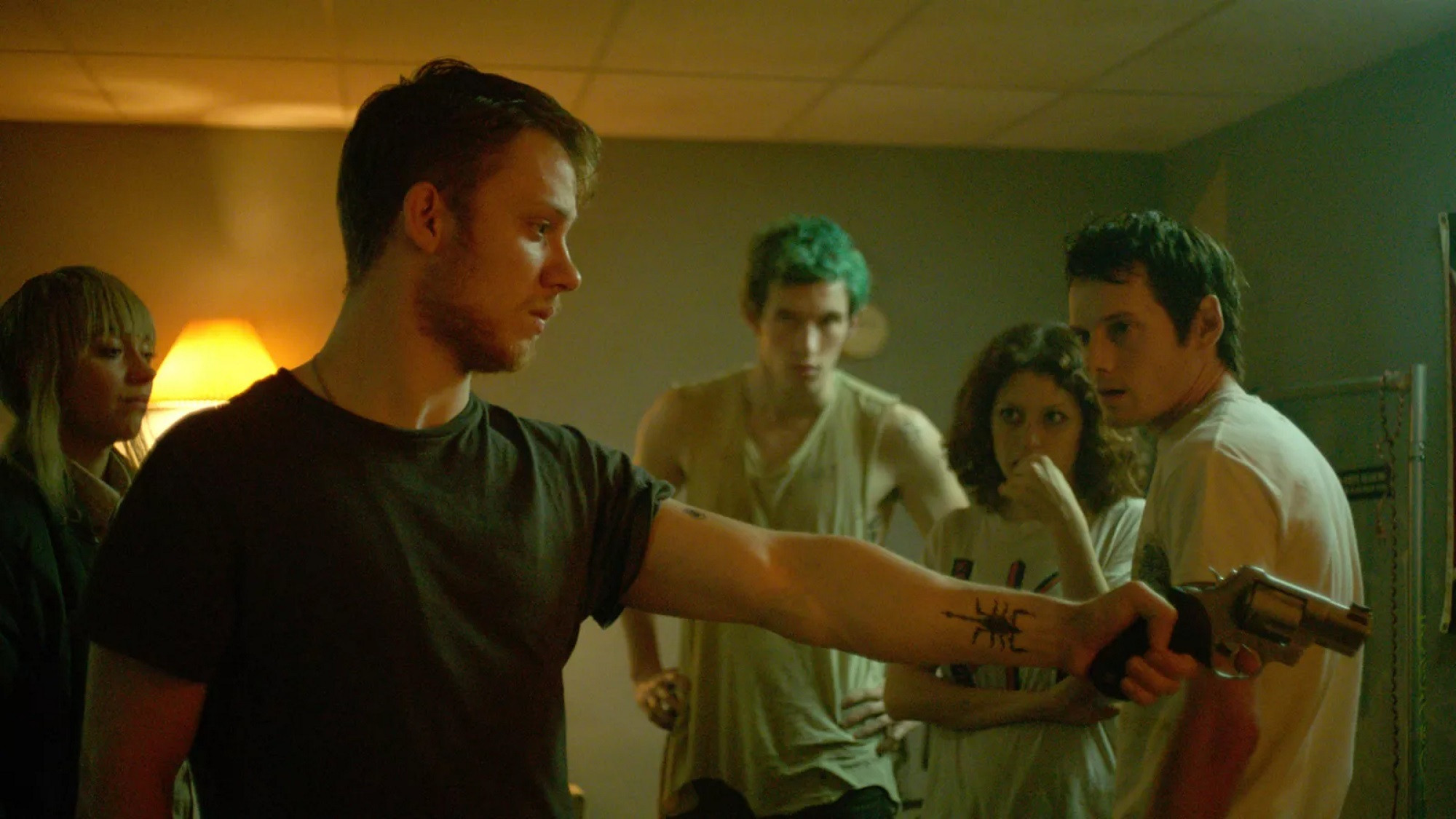
A punk band becomes trapped in a backwoods standoff with neo-Nazis. Pat (Anton Yelchin) and Sam (Alia Shawkat) are among those trying to get out, alongside Amber (Imogen Poots), whose resourcefulness becomes important as the confrontation develops. On the other side, Darcy (Patrick Stewart) directs the neo-Nazis with an organiser’s attention to detail. The people inside have to decide how to respond to a man who gives his instructions calmly and expects them to be followed. Leaving means getting past his men, and every attempt to find a way forward has to account for their willingness to use violence.

Plays from YouTube when you press play; nothing loads from them until then.

Fi1m review

Jeremy Saulnier’s Green Room is a tightly controlled siege thriller with a persuasive sense of panic. Some supporting characters are thin, but the sudden violence hurts and Patrick Stewart’s quiet villainy makes it worse.

Green Room is a gruelling, skilfully made thriller that earns our recommendation, with a firm warning about the gore. Jeremy Saulnier pits a punk band against neo-Nazis in a backwoods siege and keeps his attention on the immediate business of survival. The attraction is watching frightened people try to think while their options narrow. He makes that process absorbing without suggesting there is anything enjoyable about having to take part.

Anton Yelchin gives Pat the uncertainty the film needs. The hesitancy in his performance makes each decision look difficult, even when standing still is plainly no help. Imogen Poots makes Amber’s resourcefulness convincing without turning her into a reassuring guide through the trouble. Their performances let us believe that useful decisions and terrible mistakes could come from the same person, and the small touches of humour do not require anyone to stop being scared.

Patrick Stewart plays Darcy, the neo-Nazi leader, with an unnerving lack of fuss. He sounds capable of listening, which makes it easy to understand why the people confronting him might listen back. The writing gives this villain the habits of an organiser, and the performance makes his low-key authority repellent. The character does not need a complicated history to be effective: the care he brings to managing the confrontation is horrible enough.

Sean Porter’s cinematography keeps the layout clear enough for us to understand the practical problems facing the people inside. That matters when a thriller asks us to follow small tactical decisions under pressure; confusion would be an easy way of faking excitement. Ryan Warren Smith’s grubby production design makes the confined setting feel usable and unwelcoming, with little sense that it has been tidied for the camera. Even gaffer tape matters, because the film keeps us thinking about what these people have available. Julia Bloch’s editing keeps these practical details moving at an economical pace, allowing us to register decisions without making the characters seem unhurried.

The music by Brooke Blair and Will Blair helps maintain the pressure without making the struggle feel grand. More important is the abruptness of the violence, and the ugly physical detail of the gore effects. We recoiled at the wounds: the effects make damaged flesh look horribly ordinary, and the suddenness leaves no comfortable interval in which to prepare. The violence interrupts the tactical thinking, and it is hard to settle back into treating the situation as a puzzle.

That concentration does have a cost. The supporting characters are not all given enough to distinguish them beyond their place in the emergency, and the writing sometimes makes their decisions feel arranged to keep the siege going. We could have used a little more of the scruffy humour that gives the punk setting its human scale. These are real limitations, though the actors supply enough frightened, stubborn behaviour to keep the film from becoming a mechanical exercise.

A siege thriller needs us to understand the danger and believe that the people inside do not know how to handle it. Green Room meets that standard through clear staging and performances that resist looking pleased with their own toughness. Its 95 minutes are enough; we would not want another round of this. If graphic injury is a firm limit, leave this one alone; otherwise, it is worth enduring for the suspense and the cast.
Critical consensus AI synthesised

69
Positive
18
Mixed
4
Negative
4

Most critics favour Green Room as a tightly controlled siege thriller, with praise concentrated on Saulnier’s staging, economical pacing and sudden, graphic violence. The reviews repeatedly note the clear geography of the action, inventive escape tactics and dry humour amid the bloodshed. Strong ensemble work also earns approval, with Patrick Stewart’s quietly menacing neo-Nazi leader drawing particular attention. For its supporters, the practical gore and convincing desperation make the familiar setup feel dangerous.

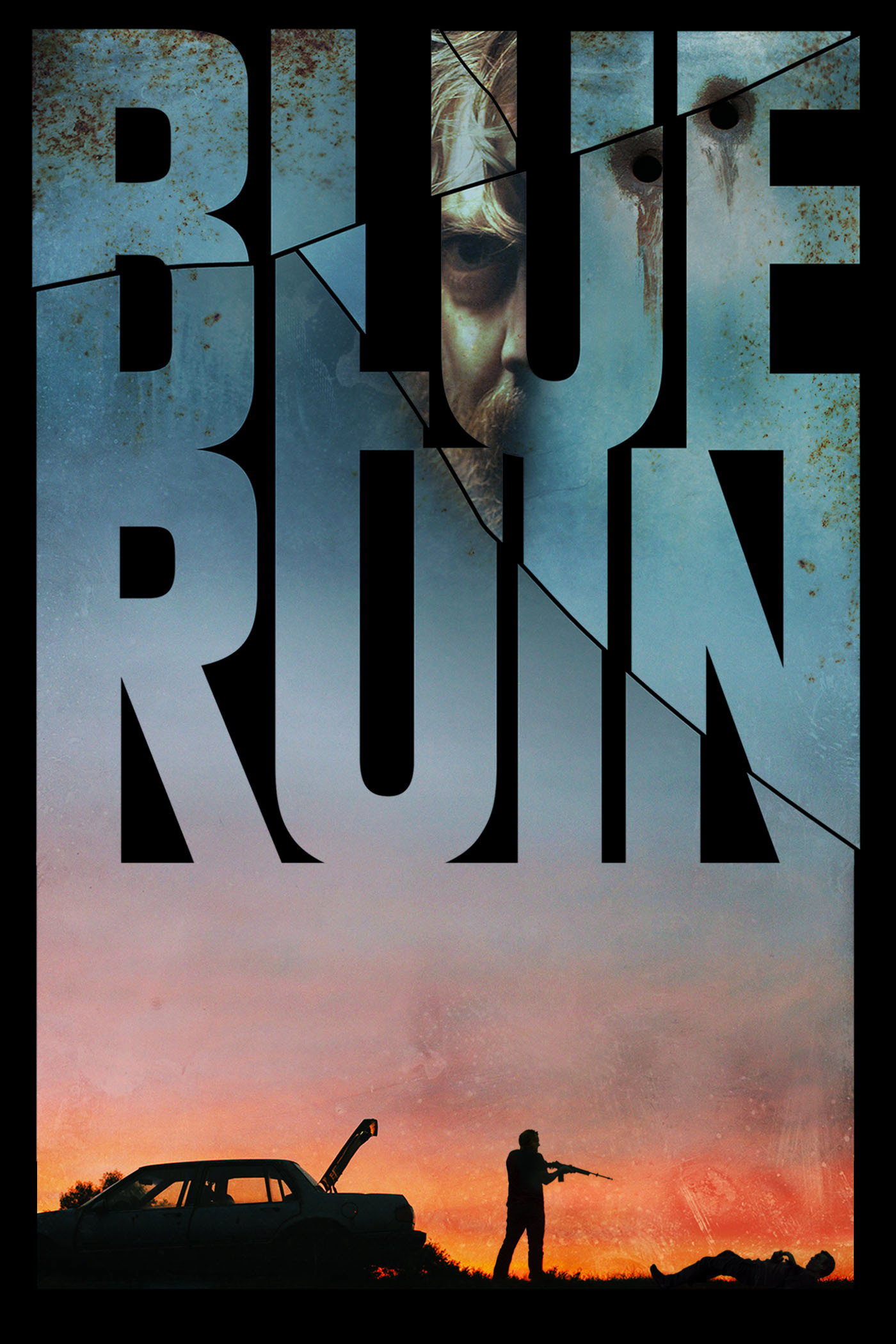
The spread is wide, however, and agreement on technical skill does not extend to character or substance. Several reviews find less depth and originality than in Blue Ruin, while others see unexpected character detail. Variety admires the craft but finds too little humanity or sustained tension; RogerEbert.com argues that the direction leaves the characters trapped in a schematic plot. Even Stewart divides opinion: Screen Daily finds his role uninteresting. The central disagreement is whether the brutality produces fear or merely unpleasantness.

Los Angeles Times
14 April 2016 · Robert Abele
90*

Saulnier delivers a demonically gripping, tense and brutal genre triumph that keeps viewers on edge through clever gambits and atmospheric dread. The film is a gonzo knockout of siege cinema whose meticulous craftsmanship outweighs its sickening violence.

Read the full review →
The AV Club
14 April 2016 · A- · A.A. Dowd
90

The critic praises it as a nasty, punk-as-fuck midnight movie that is even better and bloodier than Blue Ruin, with a strong grasp of characters and desperate situations amid the carnage.

Read the full review →
Slant Magazine
11 April 2016 · ★★★½/4
88

The critic sees the film as an unambiguous endorsement of violent revolt against savagery, with thunderous visceral impact and effective uncertainty, though noting some lapses in logic.

Read the full review →
Empire
9 May 2016 · Kim Newman
85*

Saulnier delivers a powerful suspense picture that meshes spiky suspense and action with blackly comic touches. The film stands out for its inventive siege mechanics and unexpected character depths amid the gore.

Read the full review →
Radio Times
★★★★ · Jeremy Aspinall
80

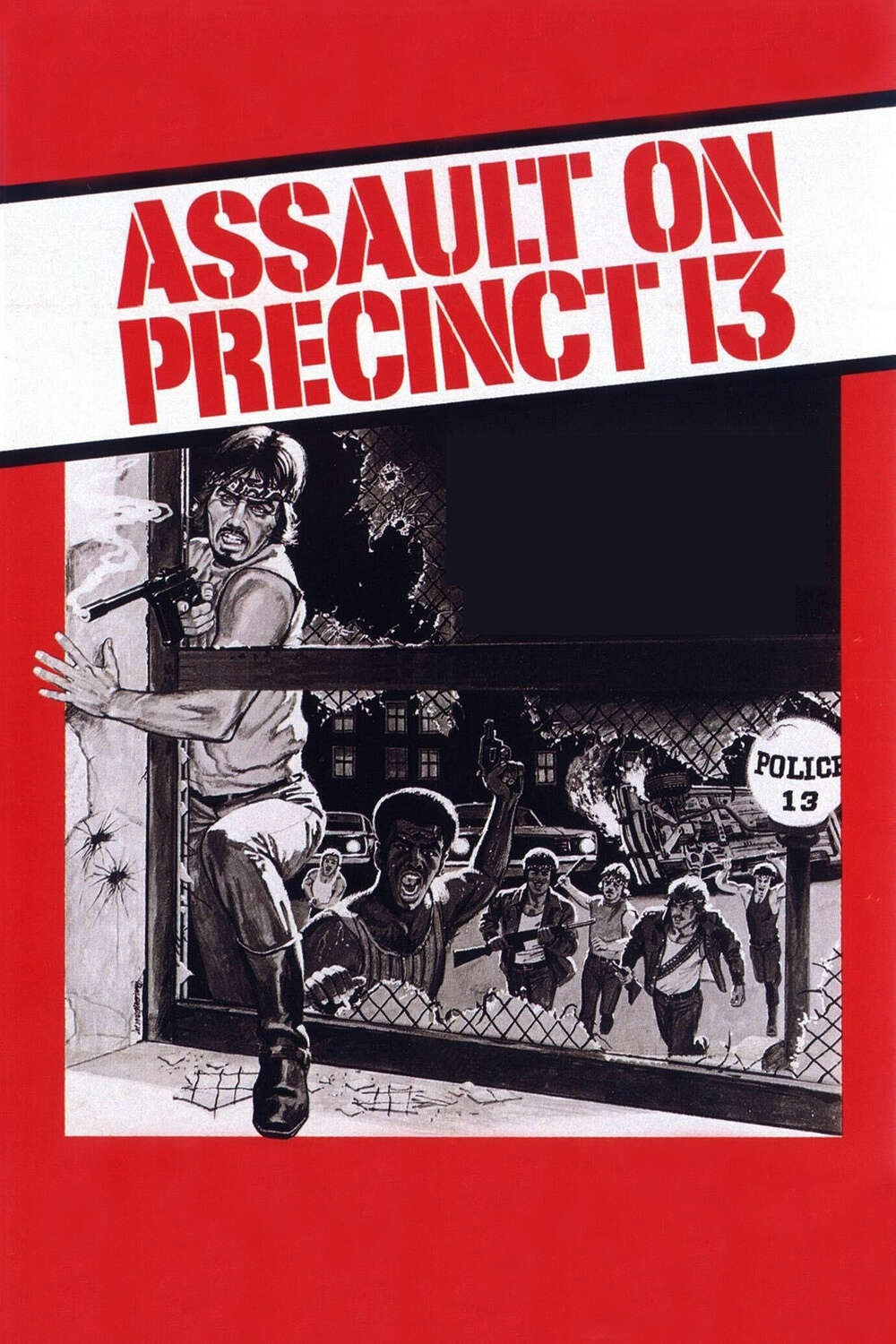
Calls it a pulsating and riveting thriller with breathless tension from the contrast between the pastoral setting and savage violence, comparing it to classic siege films like Assault on Precinct 13 and Straw Dogs.

Read the full review →
The Guardian
15 May 2016 · Mark Kermode
80*

The critic calls it a gruelling, gutsy suspense ride that takes a box cutter to siege/slasher conventions with sudden visceral violence. Patrick Stewart's silver-tongued neo-Nazi leader is singled out for bringing a Shakespearean edge and political dimension to the drama.

Read the full review →

Cast

Awards

IFFR audience award, 2016

Nominated
IFFR audience award

If you liked this, try…