Gareth Evans makes a tightly staged, punishing action film, with Iko Uwais giving the fighting extraordinary speed and clarity. Thin characters and some repetition matter, but not enough to spoil the pleasure.
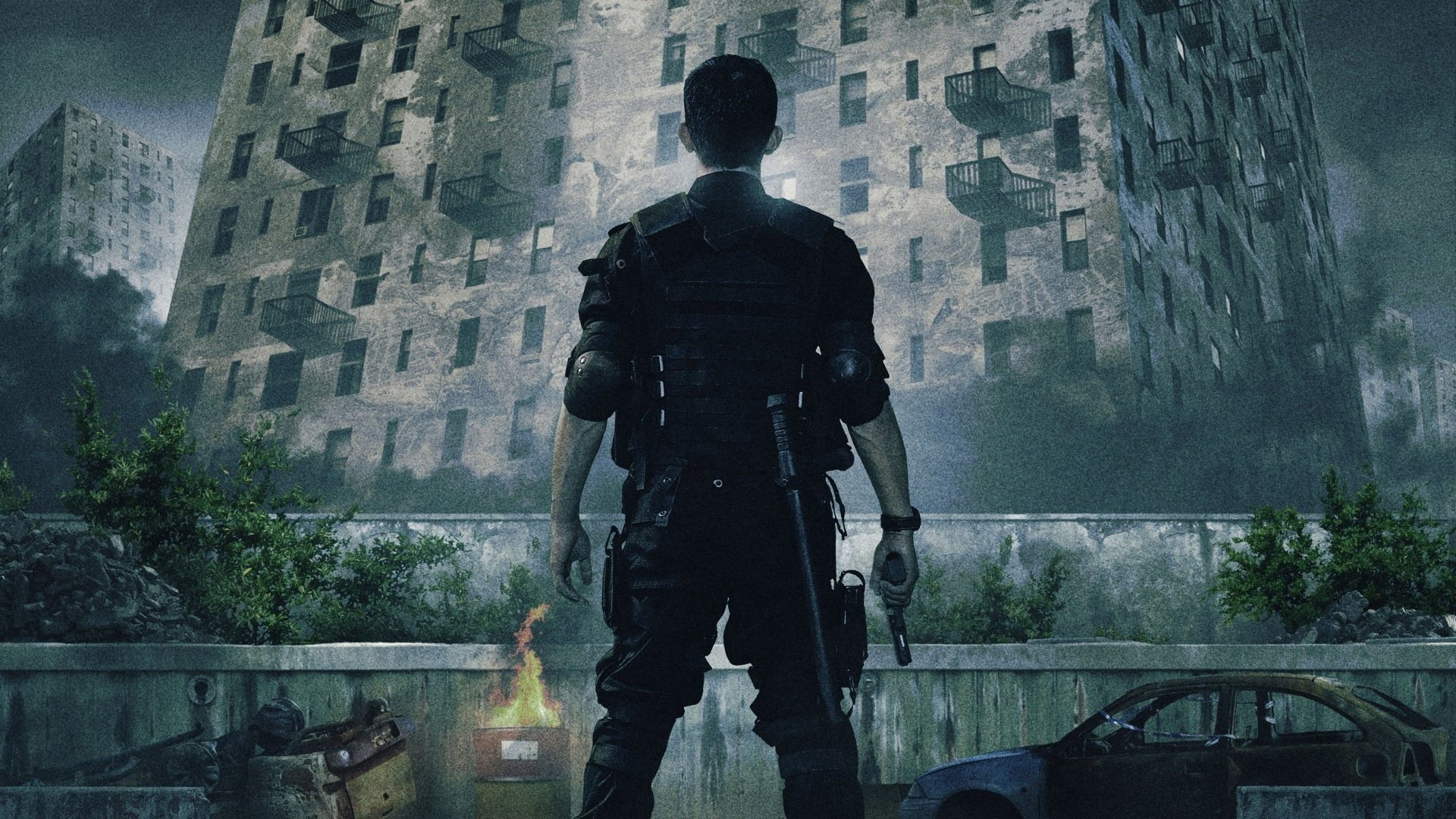
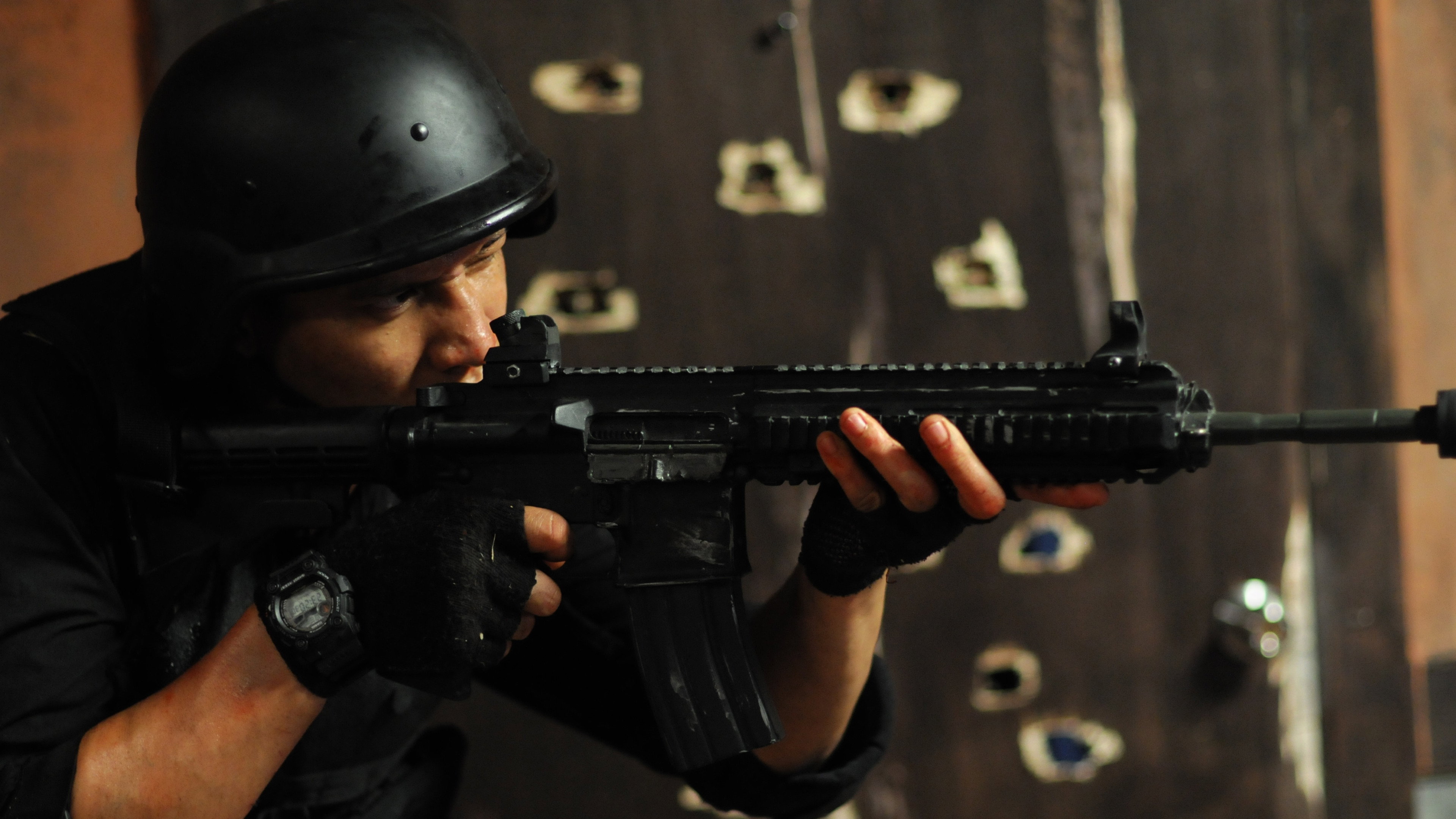
The Raid is an excellent action film with little interest in making its people complicated. Gareth Evans, who writes and directs, puts twenty police officers into a building occupied by criminals and gives the fighting most of the attention. The crime story supplies a reason for them to be there. It does not offer much to think about between blows, and the limited variation eventually tells. For a film so dependent on physical skill, though, Evans has chosen his leading actor well.
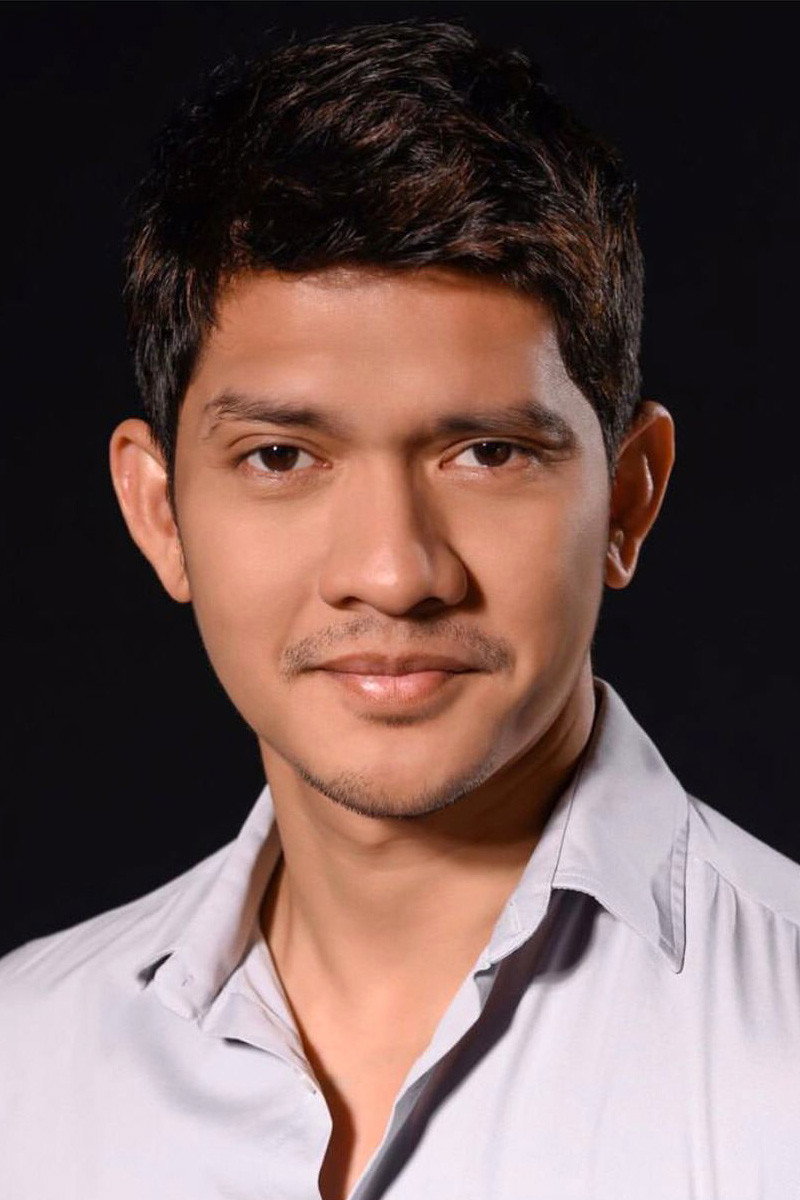
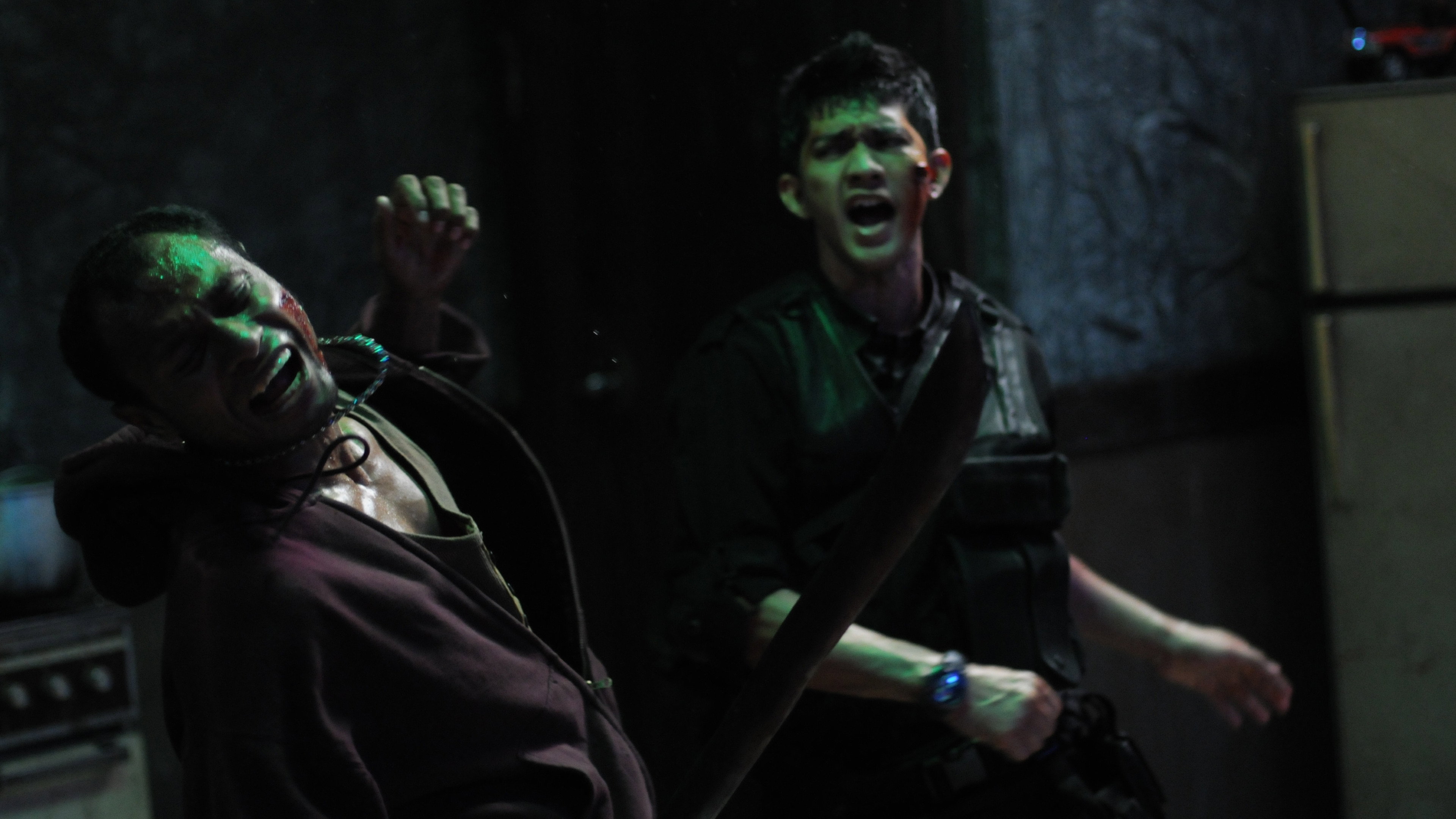
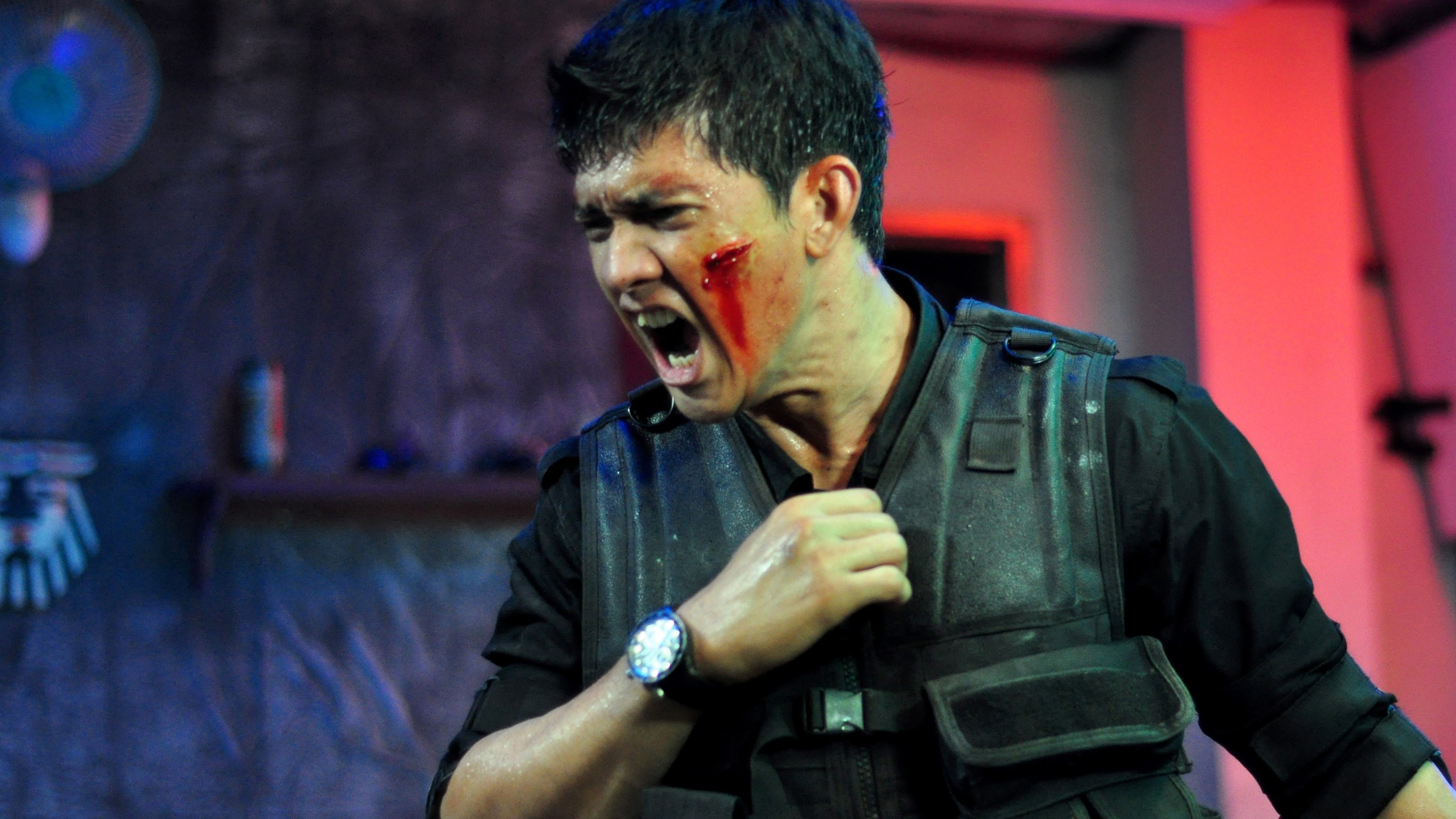
Iko Uwais plays Rama, and his physical control supplies much of the interest that the writing leaves out. The speed is remarkable, especially when the film gives us time to watch a whole exchange. We caught ourselves holding our breath during his fights because the wide shots make the force of the blows so clear. His movements have enough precision to remain readable at that pace.
Matt Flannery and Dimas Imam Subhono’s cinematography makes that possible. The long, wide takes give the performers room, and the camera moves with an agility that matches theirs without making the action incomprehensible. We can follow an exchange of blows, which ought to be a basic requirement of this sort of film. Evans, also the editor, preserves enough movement within the shots for the choreography to register. His cuts keep the exchanges quick and readable.
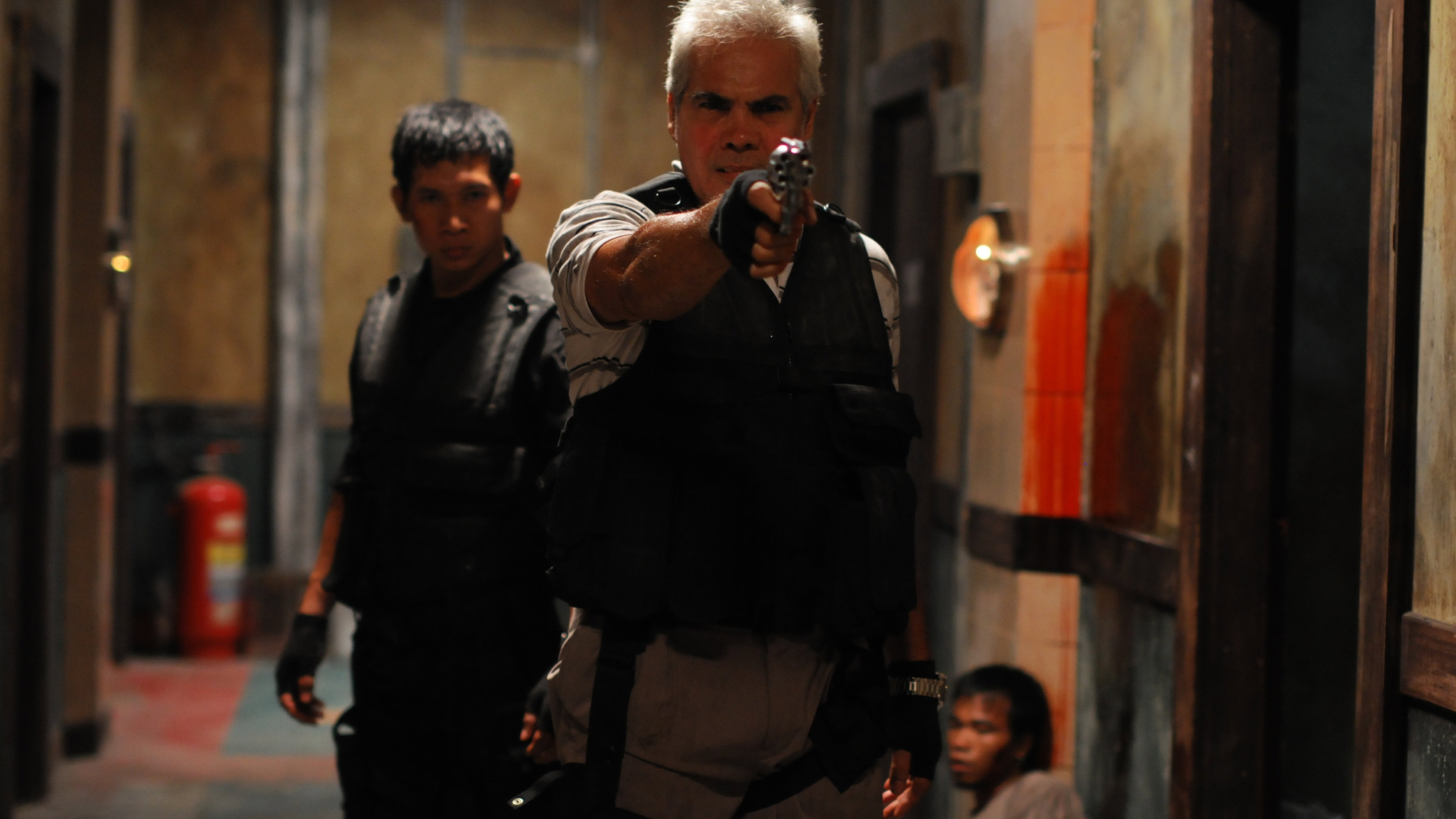
The building does useful work too. Its cramped spaces give the combat a pressure that an open arena would not have, while the progress through its floors provides an uncomplicated structure. Evans keeps finding fresh ways to stage the next confrontation, even when the broad pattern is familiar. There is no need for elaborate explanation: the police are in hostile territory, and the film keeps our attention on the people immediately in their way.
The bass-heavy scoring is well judged for a film this physical. Music is credited to Fajar Yuskemal, Joseph Trapanese, Mike Shinoda and Aria Prayogi, and it keeps pushing the action forward. Its insistence suits the near-continuous fighting. The music gives the fighting weight without becoming the main attraction, which remains the sight of the performers at work.
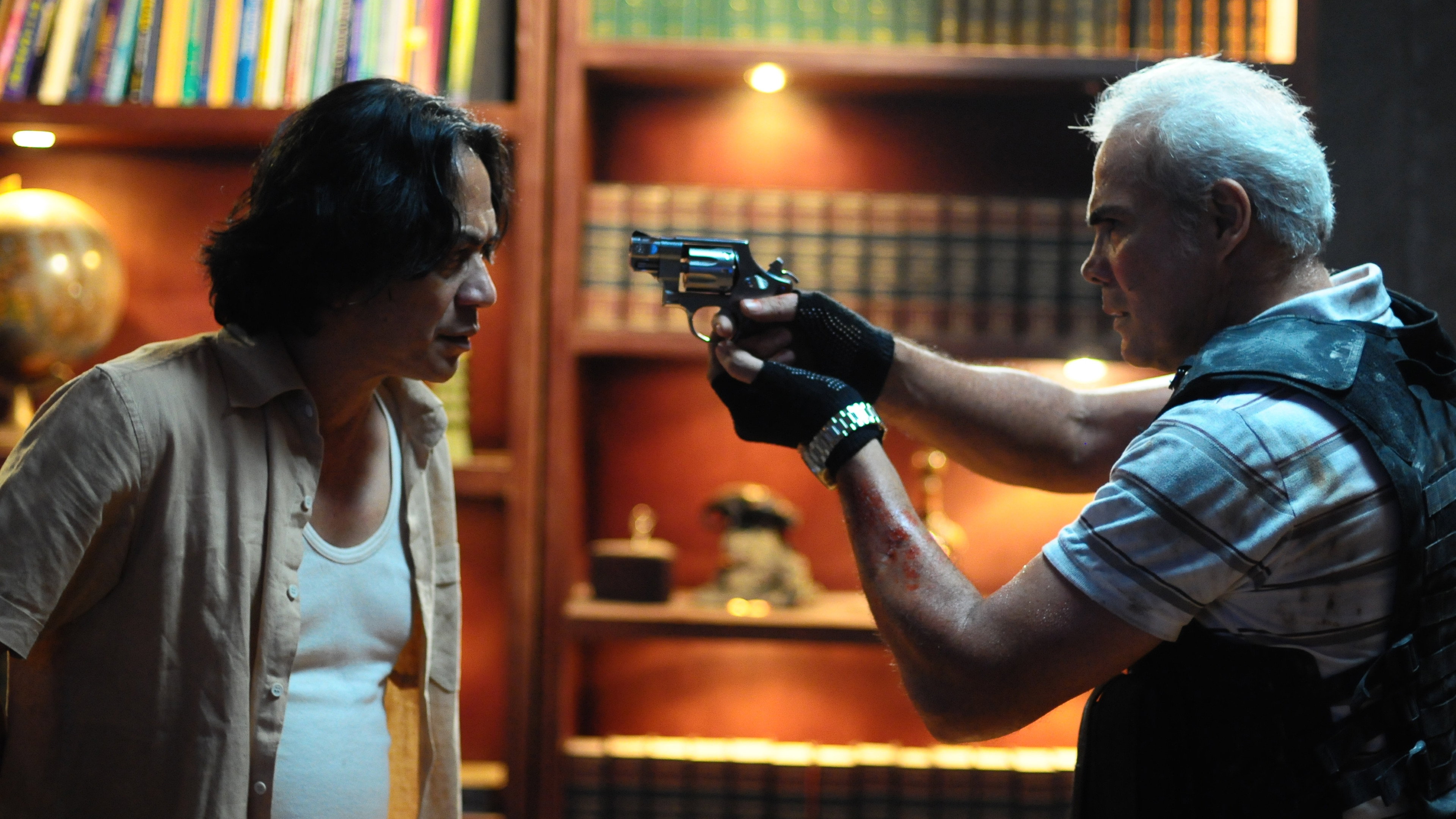
At 101 minutes, the film still has stretches when the fighting becomes routine. Evans keeps changing the choreography, but gives us fewer reasons to feel differently about each confrontation. His writing supplies thin characters and predictable plotting, leaving the performers to carry most of our interest. A little more humour, or simply a longer pause, would make the violence feel sharper again.
For a martial-arts thriller, the important achievement is how clearly it lets us see what these performers can do. The simple story is useful until the film asks us to take its people more seriously than the writing allows. That is a familiar weakness in this kind of film, and the standard of the action earns considerable forgiveness here. Choose it for the precision of the fighting, and leave it alone if screen violence tends to spoil the evening.