Paddy Considine’s harsh drama is worth the discomfort for Peter Mullan and Olivia Colman, who make its damaged people matter. The repeated brutality can feel forced, but the connection between them convinces us.
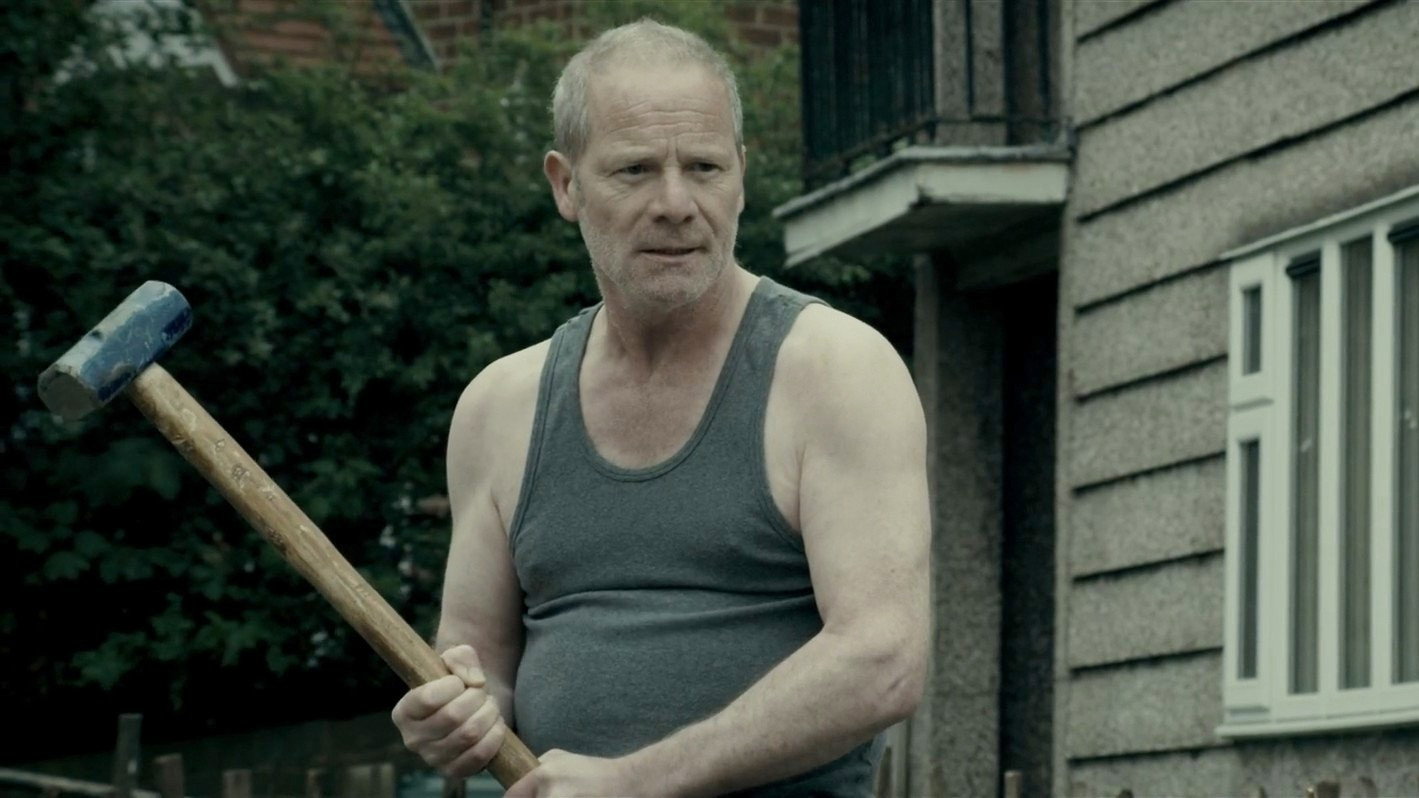
Paddy Considine’s Tyrannosaur is a harsh, moving drama whose actors give us good reason to endure it. Joseph (Peter Mullan) is a man whose anger keeps finding someone to hurt, and Considine does not soften him simply because he is the lead. The film asks us to spend time with someone we would be sensible to avoid. It earns that attention, although the repeated brutality sometimes makes its point too insistently.
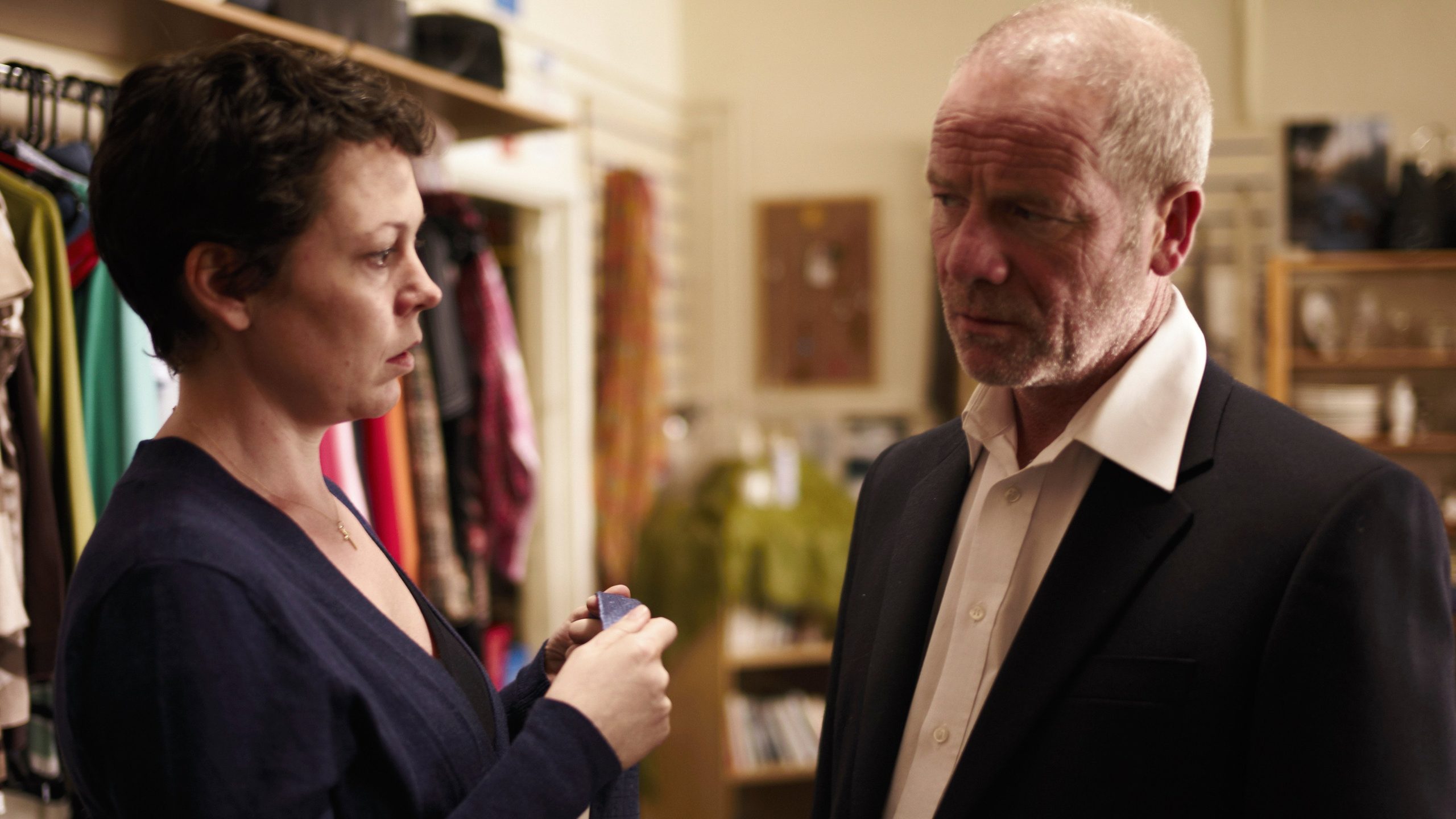
Joseph’s drinking and violence could easily leave Mullan with nothing to do except shout. Instead, he makes the effort of holding back almost as troubling as the loss of control, so that we keep watching for anger even when Joseph is trying to be civil. We were frightened by him in his exchanges with Hannah, because the wish for company never quite removes the possibility of harm. Mullan lets us see how lonely Joseph is without asking us to excuse his behaviour.
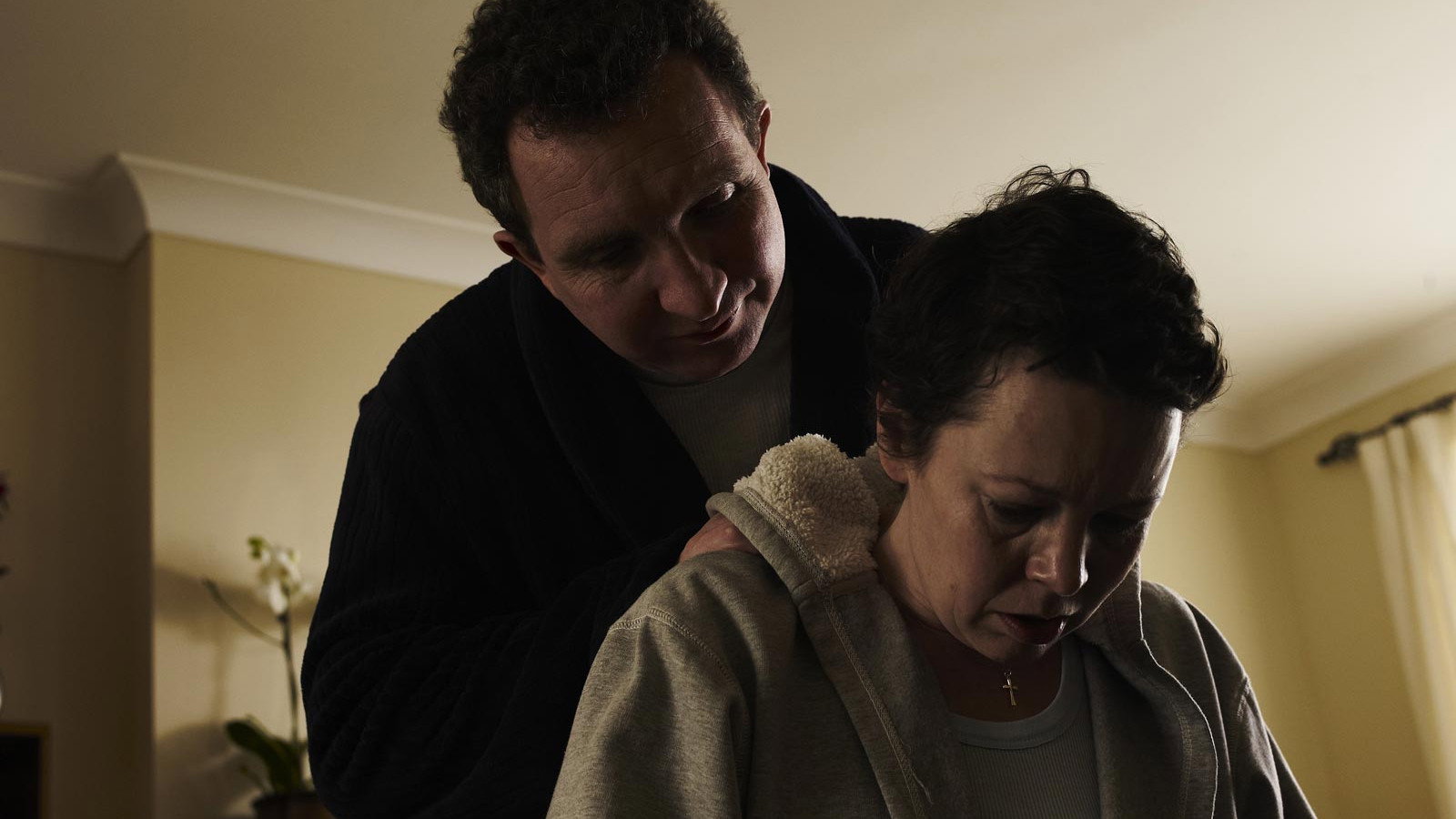
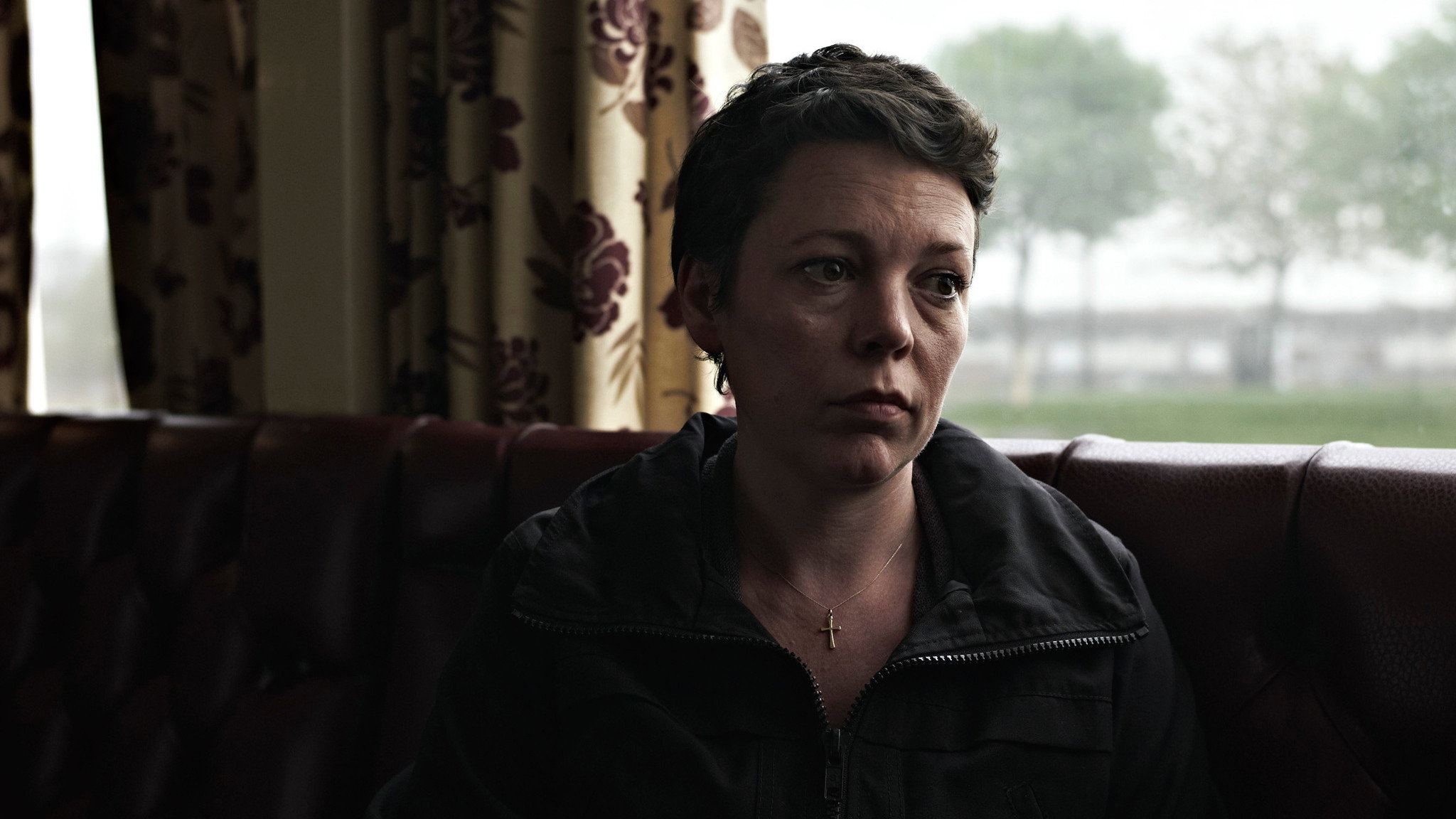
Olivia Colman gives Hannah a kindness that does not make her seem endlessly patient. Her connection with Joseph is convincing because Colman suggests a life beyond the task of helping him, and keeps us interested in what Hannah needs from it. Together, they make the awkward business of accepting another person’s company worth watching. Eddie Marsan gives James an ugliness that is difficult to sit with, though Considine’s writing allows him less breadth than it gives the central pair.
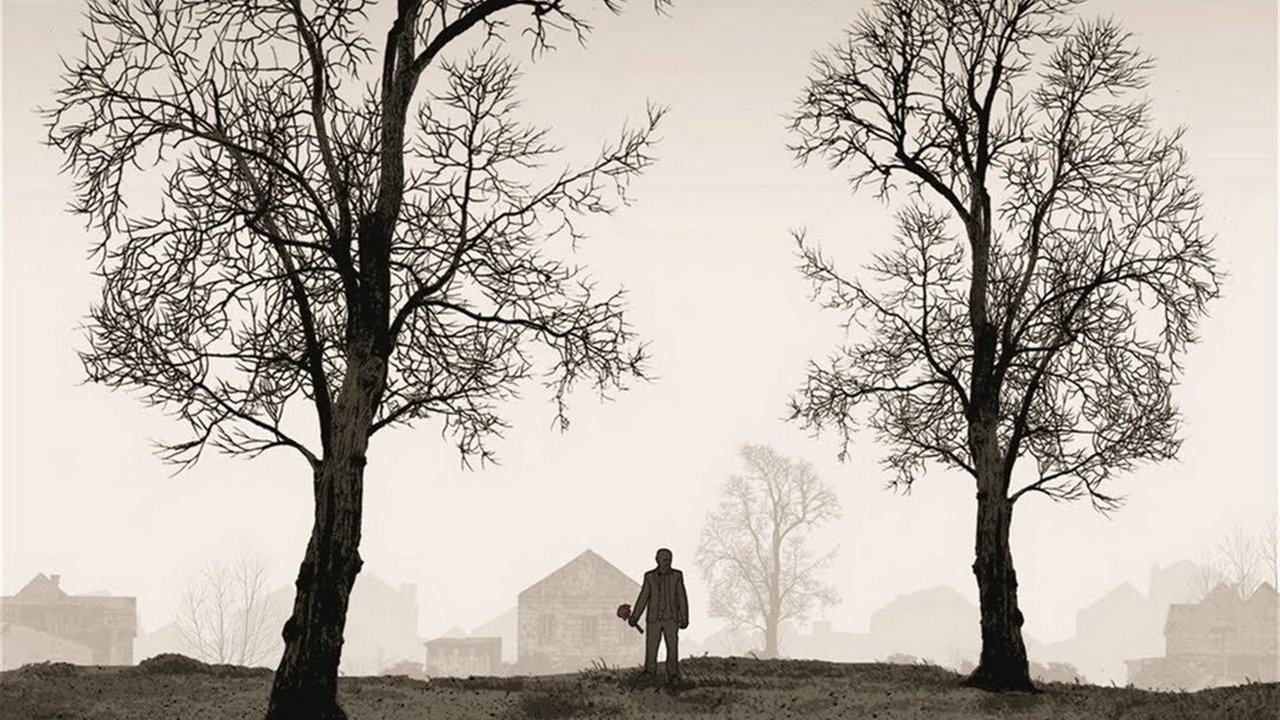
Erik Wilson’s cinematography uses subdued colours and steady framing, giving us time to watch the actors without making every troubled moment look like a crisis. That restraint works: the performances have enough force without the camera competing with them. Simon Rogers’s production design sits comfortably within this plain treatment of the Yorkshire setting. The surroundings feel inhabited, and do not keep asking us to admire how convincingly they have been made to look bleak.
Pia Di Ciaula’s editing gives the performances time to register without making the film’s 87 minutes feel padded. There is enough room for us to become uncomfortable with Joseph rather than simply react to his next outburst. The music by Chris Baldwin and Dan Baker is less persuasive when it presses for tenderness that the actors have already earned. Those nudges are unnecessary in a film where a difficult conversation can hold our attention on its own.
The larger difficulty is Considine’s insistence on adding to the suffering. There are stretches where another humiliation tells us little that we have not understood already, and the writing could afford to let the existing hurt settle. Sometimes the gentleness feels too carefully placed to compensate for the punishment around it. Colman and Mullan keep the people believable, but the film does not always trust them to be enough.
The familiar danger for a British realist drama this bleak is that suffering becomes the main reason we are expected to care. Considine comes close to that, but his actors give us particular people to worry about, rather than simply a succession of injuries. The quieter exchanges are absorbing enough to make us wish he had allowed himself more of them. Choose it for Mullan and Colman, but allow for the violence; the short running time does not promise an easy evening.