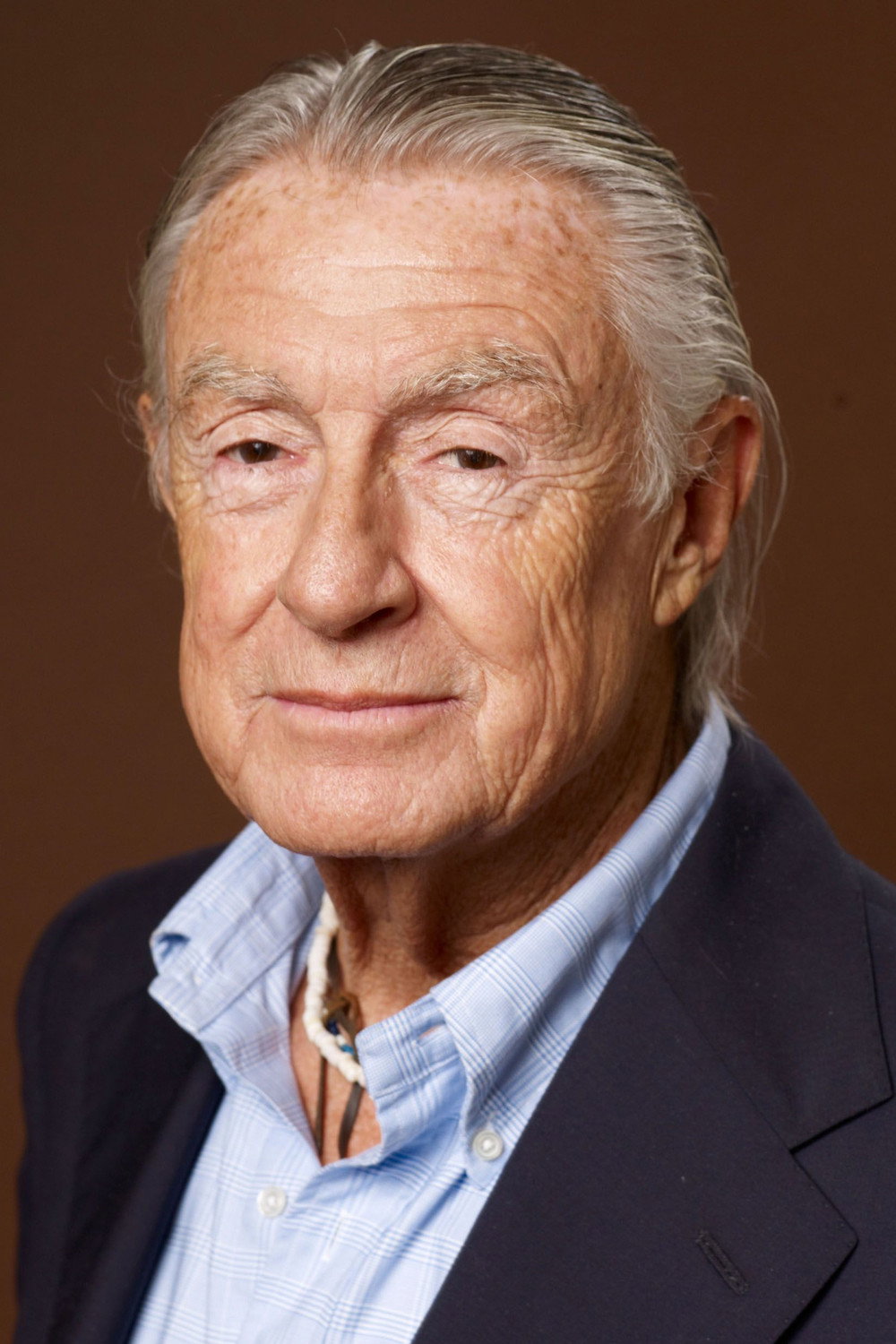
Joel Schumacher knew how to keep a thriller moving and give an actor room to unsettle us. We rate him most when he trusts those skills; the broader statements and lavish excess are harder to defend.
Fi1m perspective
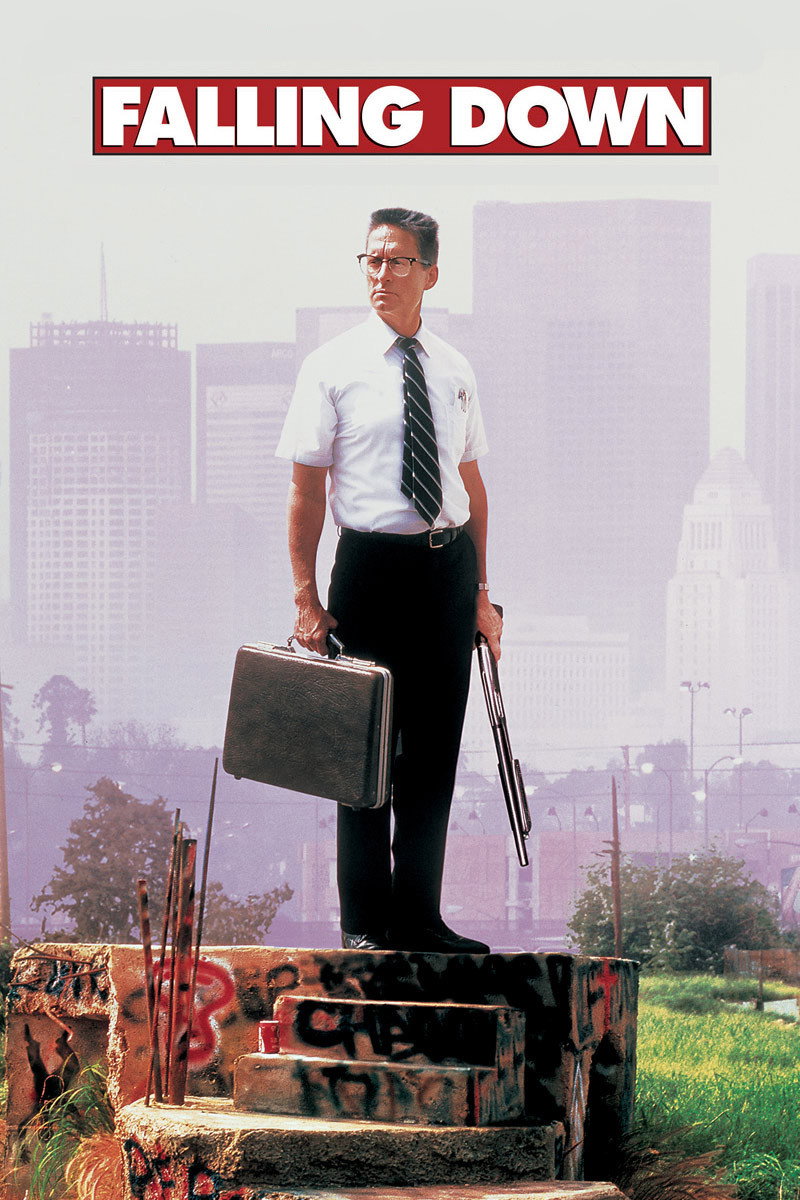
In Falling Down (1993), Robert Duvall’s police officer does not need to dominate an exchange to hold our attention. Schumacher gives him space beside Michael Douglas’s angry D-Fens, whose wounded pride makes even familiar complaints feel threatening. We were unsettled by Douglas because the sadness still visible beneath his anger made it harder to dismiss the man as merely a bully. This is Schumacher worth watching: attentive to actors, good at building tension, less reliable when he tries to explain society.
His early prominence came with St. Elmo’s Fire (1985) and The Lost Boys (1987), with their young ensembles and flashy, pop-promo style. The move to Batman Forever (1995) and Batman & Robin (1997) made the colour brighter and the camp harder to ignore. We find that excess less rewarding than his attention to performers. Kiefer Sutherland and Colin Farrell both benefited from his eye for emerging actors.
The best practical decisions in Falling Down are often the quiet ones. Editor Paul Hirsch cuts between the two men before the urban grievances become a list, while Duvall’s restraint provides relief from Douglas’s force. Ebbe Roe Smith’s screenplay handles these parallel stories more convincingly than the angry encounters. Schumacher understands how much this contrast can do, although the pace slackens towards the end.
He is less careful about what those encounters invite us to enjoy. Smith makes a grievance entertaining, then asks us to disapprove of the man expressing it; Schumacher can seem too pleased with the excitement to make that disapproval convincing. We do not need D-Fens made agreeable, but we do need closer scrutiny of what he believes. The broad social satire cannot supply it, and the film asks its actors to make up for some clumsy writing.
Later, Phone Booth (2003) offered a change of scale, a contained thriller from a director associated with excess. It is worth remembering that smaller film when the Batman reputation threatens to account for his entire career. Our starting point would still be Falling Down, for its two leading performances. Stay sceptical when the shouting starts to sound persuasive.
Biography
Joel Schumacher (29 August 1939 – 22 June 2020) was an American film director, screenwriter and producer. Born in New York City, he began his career in fashion design after studying at Parsons School of Design, later working as a costume and production designer on films including Woody Allen’s Sleeper (1973). He wrote screenplays for Car Wash (1976) and Sparkle (1976) before making his directorial debut with The Incredible Shrinking Woman (1981).
Schumacher achieved prominence with St. Elmo’s Fire (1985) and The Lost Boys (1987). His 1990s films included the action drama Falling Down (1993), the John Grisham adaptations The Client (1994) and A Time to Kill (1996), and the Batman entries Batman Forever (1995) and Batman & Robin (1997). Later works encompassed 8mm (1999), Phone Booth (2003), The Phantom of the Opera (2004) and episodes of the television series House of Cards (2013).