Film review

The Untouchables

1987 · Directed by Brian De Palma · 1h 59m · MPA R

In a sentenceSean Connery offers the sort of police mentoring that ought to come with a solicitor

CrimeHistoryThriller

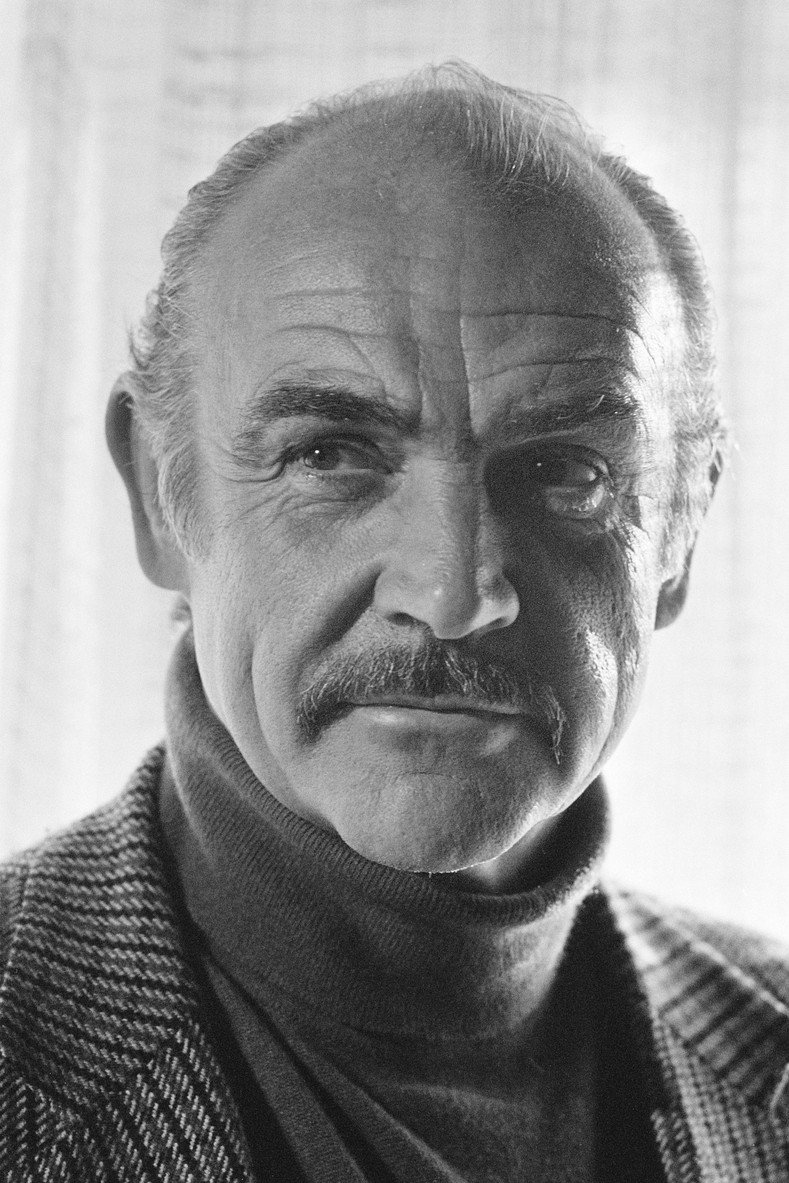
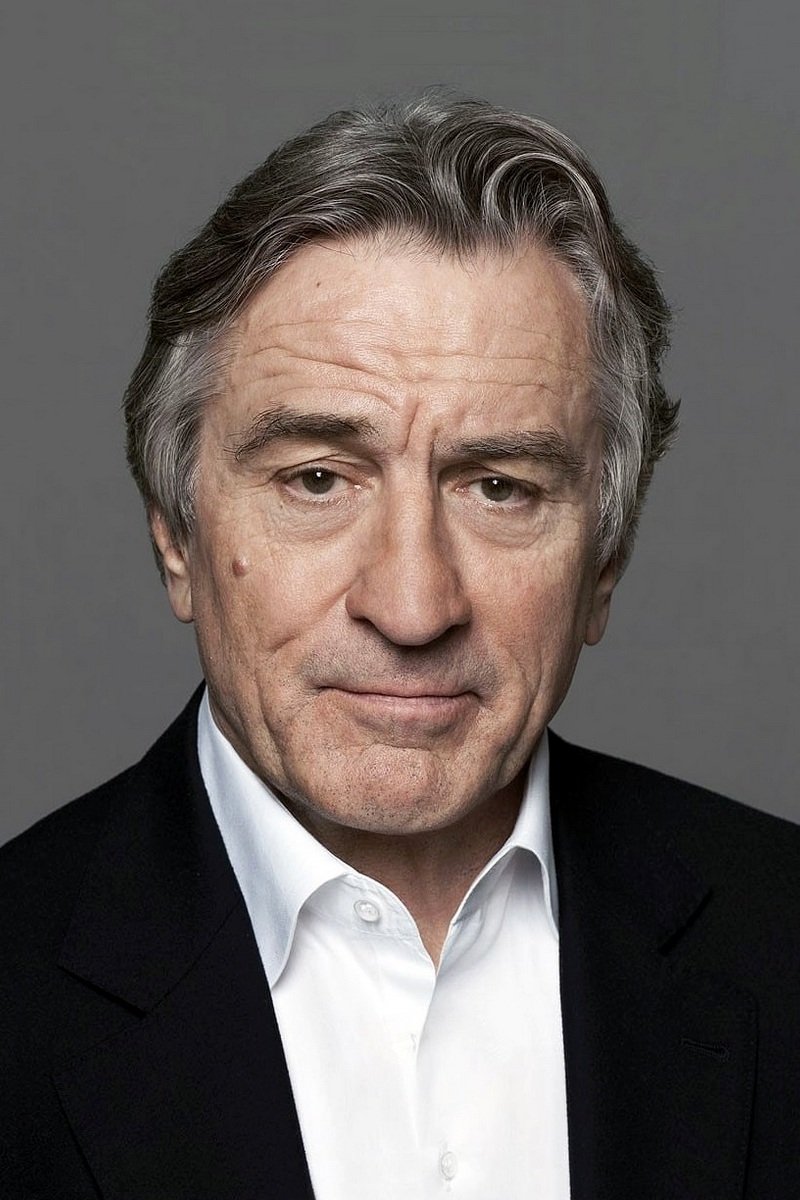
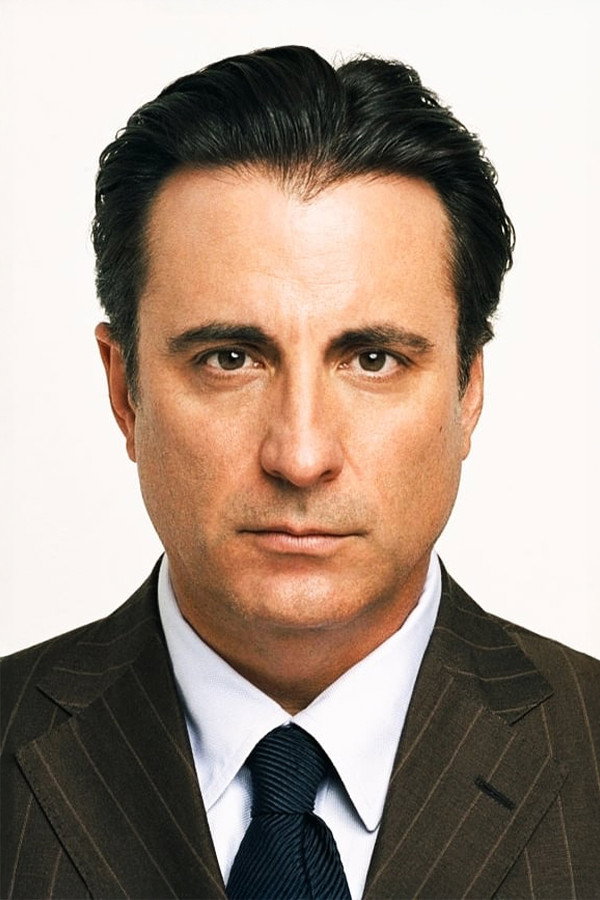
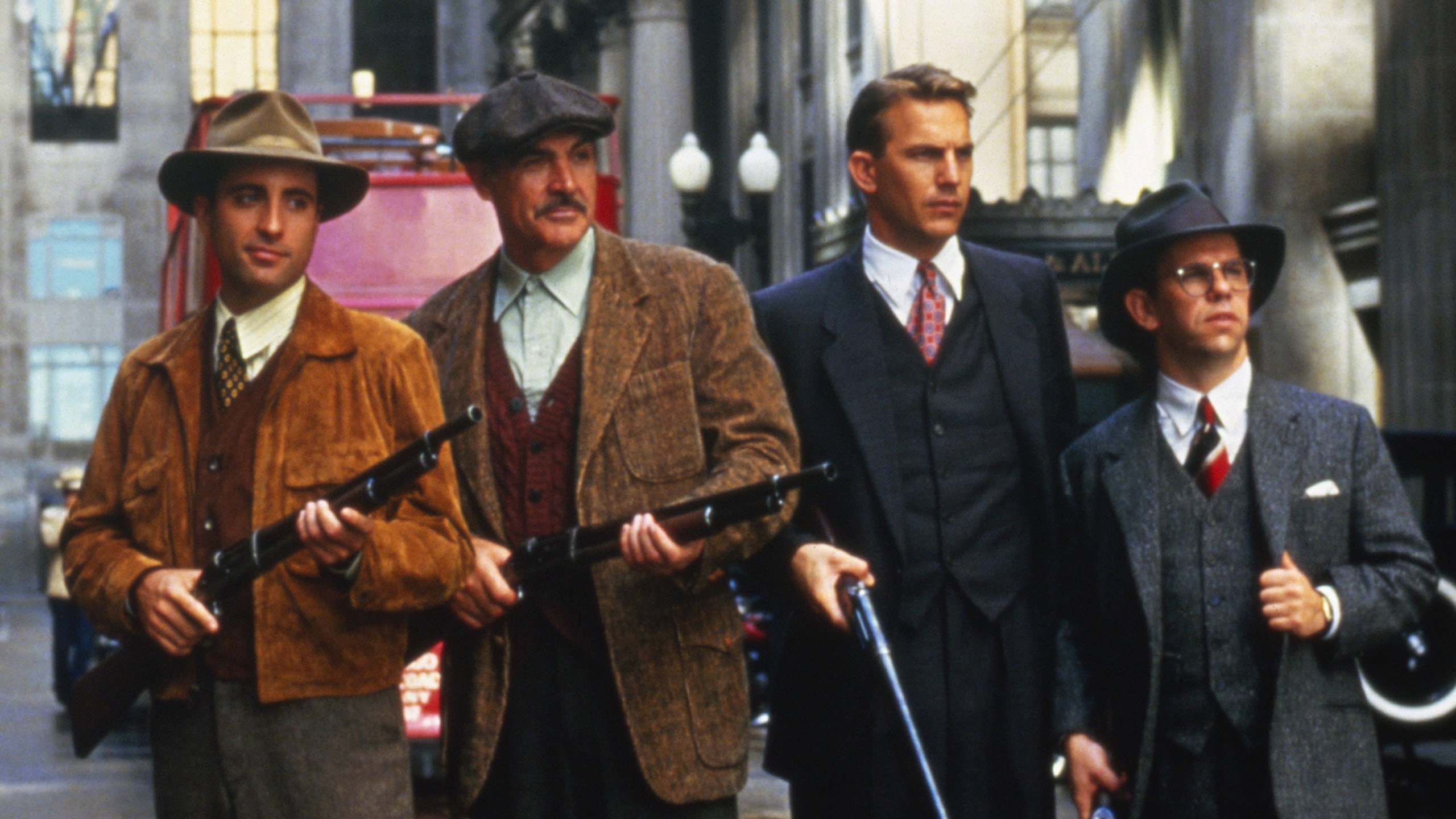
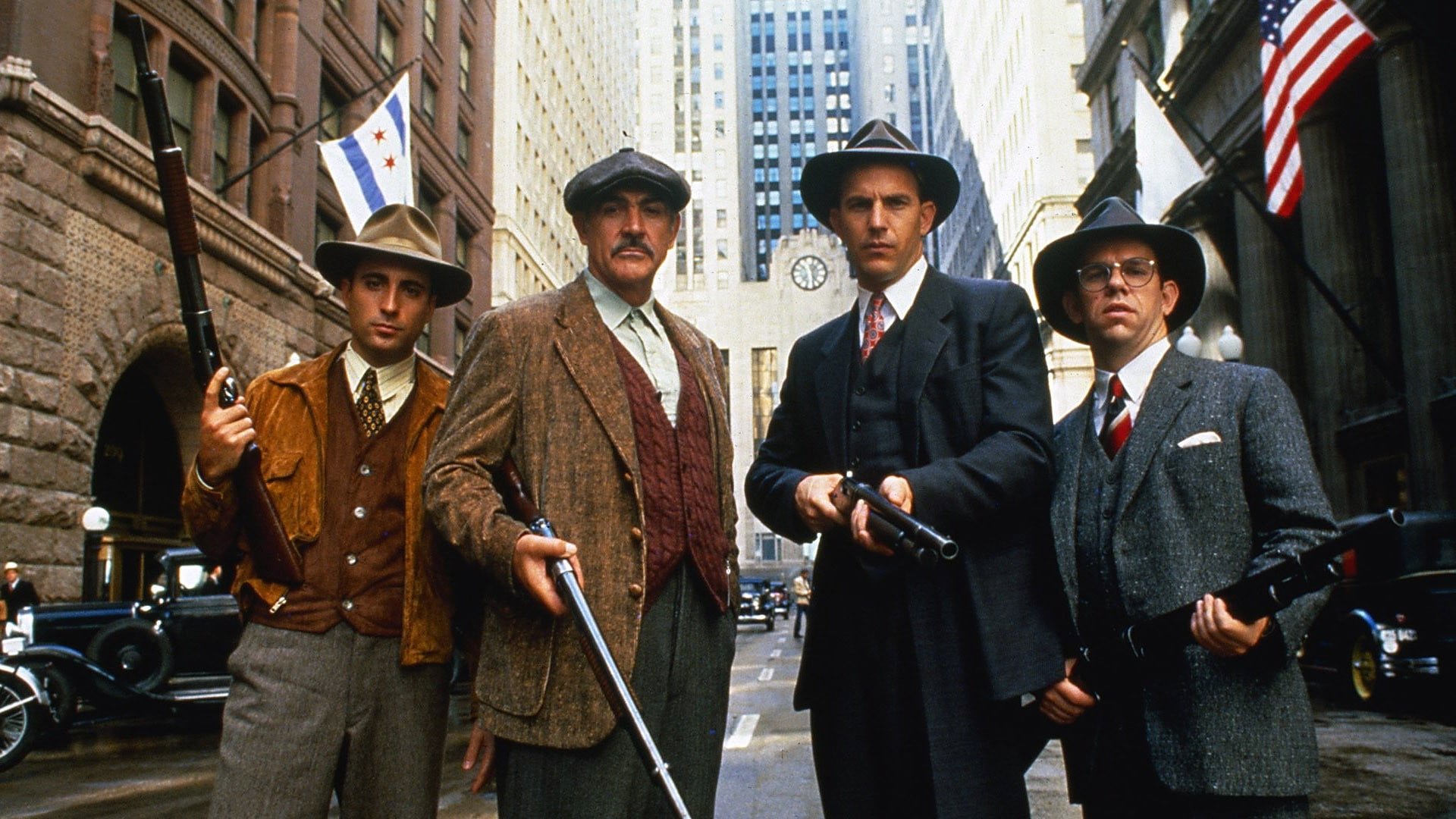
In Prohibition-era Chicago, Eliot Ness (Kevin Costner) takes on Al Capone (Robert De Niro). Alongside Ness is Jim Malone (Sean Connery), a veteran policeman whose pragmatic approach to the job challenges Ness’s principles. Their fight against organised crime raises a question about the methods available to the men enforcing the law, and how far they can go without becoming corrupt themselves. Brian De Palma directs from a screenplay by David Mamet. The cast also includes Andy Garcia as George Stone, Charles Martin Smith as Oscar Wallace and Patricia Clarkson as Catherine Ness.

Plays from YouTube when you press play; nothing loads from them until then.

Fi1m review

Brian De Palma’s gangster thriller is rousing entertainment, with Sean Connery giving its moral debates some welcome impatience. Its enthusiasm for rough justice goes largely unchallenged, but the performances and the action make it worth that reservation.

The Untouchables is a thoroughly enjoyable gangster film with a rather easy conscience, and we recommend it with that reservation. Brian De Palma directs David Mamet’s screenplay as a contest in which the attraction of taking on a powerful criminal is never in doubt. The setting is Prohibition-era Chicago, and Eliot Ness is up against Al Capone. De Palma makes that fight exciting enough to carry the film. Mamet also asks how much the law should permit the men enforcing it.

Kevin Costner’s Ness gives the film a necessary steadiness, even when the role risks making goodness look dull. Robert De Niro’s Capone is much broader, a performance whose appetite for attention is entirely appropriate here. De Niro gives the criminal enough force to make Ness’s opposition matter, and Costner has the sense not to compete on the same terms. The contrast is easy to grasp and entertaining to watch. Neither role offers much uncertainty about which side we are meant to take.

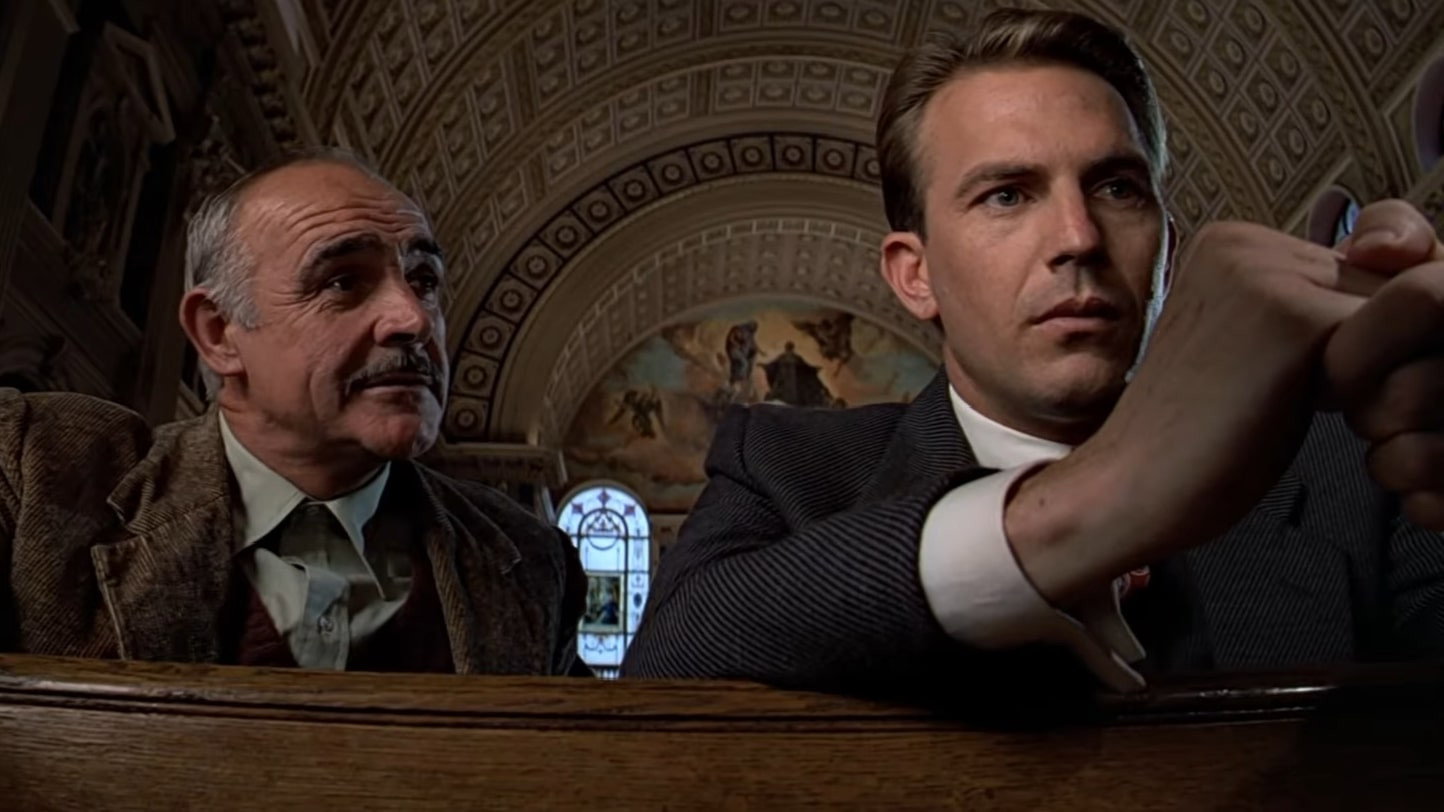
Connery’s Jim Malone is the veteran policeman who gives the film its most persuasive human presence. We warmed to him because Connery makes Malone’s practical advice sound impatient, funny and worth listening to. He can put weight behind Mamet’s forceful dialogue without making every line sound prepared for a poster. Beside Costner’s upright Ness, his pragmatism also gives the actors something useful to disagree about. The film gains much of its energy from Malone’s conviction that he knows how the job ought to be done.

Stephen H. Burum’s cinematography gives the Prohibition setting a richness that makes the violence seem uglier. That polished look suits De Palma’s approach, giving the actors’ emphatic performances surroundings large enough to accommodate them. We would not ask for a drabber Chicago, even if the lavishness sometimes draws attention away from the people. Ennio Morricone’s score pushes the action hard, and its insistence suits a film that wants us thoroughly invested in its heroes. The music supplies much of the excitement, and De Palma is right to give it such prominence.

De Palma is a skilful organiser of violent action, although his pleasure in prolonging it can become ours only up to a point. Editors Gerald B. Greenberg and Bill Pankow help give the set pieces their force, but the extended suspense sometimes feels overworked. We start noticing how long a situation is being held and stop worrying quite so much about what happens next. These stretches need a firmer cut, even allowing for the director’s enjoyment of making us wait.

The more substantial reservation concerns Mamet’s treatment of the men carrying badges. A gangster thriller can choose its heroes plainly and still ask difficult questions about their behaviour. Here, the appeal of toughness repeatedly gets in the way of that questioning. Malone’s advice is compelling, but we would have liked someone to challenge it as persuasively as Connery delivers it. The script gives him considerably stronger material than it gives the objections to his methods.

At 119 minutes, the film has time to indulge its actors, and that is usually time well spent. Connery and De Niro make the familiar division between policemen and gangsters worth another evening, while De Palma provides enough force and confidence to make the broad storytelling work. See it for the actors and the action; expect to supply some of the objections yourself.
Critical consensus AI synthesised

79
Positive
7
Mixed
0
Negative
1

Most critics find The Untouchables forceful, well-crafted entertainment, with praise clustering around Brian De Palma’s action sequences and the performances of Sean Connery and Robert De Niro. Connery’s pragmatic policeman is repeatedly singled out as the film’s human anchor. David Mamet’s dialogue and Ennio Morricone’s score also draw approval, while the broadly drawn struggle between good and evil generally works for reviewers who welcome its straightforward approach to gangster mythology.

The reservations concern originality, excess and how much substance sits beneath the violence. The Guardian finds solid entertainment but little originality beside The Godfather, while The Times considers the railway station sequence overlong and laboured. Slant Magazine supplies the sharpest dissent, seeing badge-sanctioned machismo and finding the set pieces less engaging than most critics do. The spread is therefore wide, though the disagreement comes chiefly from an isolated negative assessment rather than an evenly divided consensus.

Radio Times
★★★★★ · Adrian Turner
100

This riveting take on the TV show features Costner's star-making turn as Ness and De Palma's bloody set pieces, including a railway station climax nodding to Potemkin. Mamet's dialogue, Morricone's score and Connery's Oscar-winning role as the veteran cop stand out as highlights.

Read the full review →
Empire
1 January 2000 · Ian Nathan
90*

The critic calls it De Palma's most completely satisfying movie, praising the tight Mamet script, strong performances from De Niro, Connery and others, and the bold, entertaining direction and Morricone score.

Read the full review →
The New York Times
3 June 1987 · Vincent Canby
90*

The film is a smashing, vulgar, violent, funny and sometimes breathtakingly beautiful work that redeems Hollywood's reputation for profligacy. It stands out for its distinctive personality, rich performances (especially De Niro as Capone) and Mamet's screenplay directed with daring by De Palma.

Read the full review →
Time Out
25 February 2015 · BC
80*

The film delivers time-honoured mayhem in Chicago through De Palma and Mamet's embrace of enduring myth, which works effectively. Connery's pragmatic cop steals the show as the human anchor between Costner and De Niro, with strong set pieces and performances highlighted.

Read the full review →
Variety
31 December 1986 · Variety Staff
80*

The Untouchables is a beautifully crafted portrait of Prohibition-era Chicago with De Palma's skilled hand and standout performances, especially Connery as Malone. It gains momentum from the street cop character and features an intense signature baby carriage scene.

Read the full review →
Los Angeles Times
3 June 1987 · Sheila Benson
70*

De Palma serves up a moral dilemma about battling evil without corruption in an overripe Prohibition era. The film shines with great look, action set-pieces, and standout performances by Connery and De Niro, though it leans toward the lurid side.

Read the full review →

Cast

Stills

Awards

Academy Awards, 1988

Nominated
Best Costume Design
Nominated
Best Original Score
Nominated
Best Production Design
Won
Best Supporting Actor

BAFTA Film Awards, 1988

Nominated
Best Actor in a Supporting Role
Won
Best Original Music

César Award for Best Foreign Film, 1988

Nominated
César Award for Best Foreign Film

Japan Academy Prize for Outstanding Foreign Language Film, 1988

Nominated
Japan Academy Prize for Outstanding Foreign Language Film

Writers Guild of America Award for Best Adapted Screenplay, 1988

Nominated
Writers Guild of America Award for Best Adapted Screenplay

American Society of Cinematographers Award for Outstanding Achievement in Cinematography in Theatrical Releases, 1987

Nominated
American Society of Cinematographers Award for Outstanding Achievement in Cinematography in Theatrical Releases

Golden Globes, 1987

Nominated
Best Original Score
Won
Best Supporting Actor – Motion Picture

Kansas City Film Critics Circle Award for Best Supporting Actor, 1987

Won
Kansas City Film Critics Circle Award for Best Supporting Actor

London Film Critics Circle Award for Actor of the Year, 1987

Won
London Film Critics Circle Award for Actor of the Year

National Board of Review Award for Best Supporting Actor, 1987

Won
National Board of Review Award for Best Supporting Actor

National Society of Film Critics Award for Best Supporting Actor, 1987

Nominated
National Society of Film Critics Award for Best Supporting Actor

If you liked this, try…

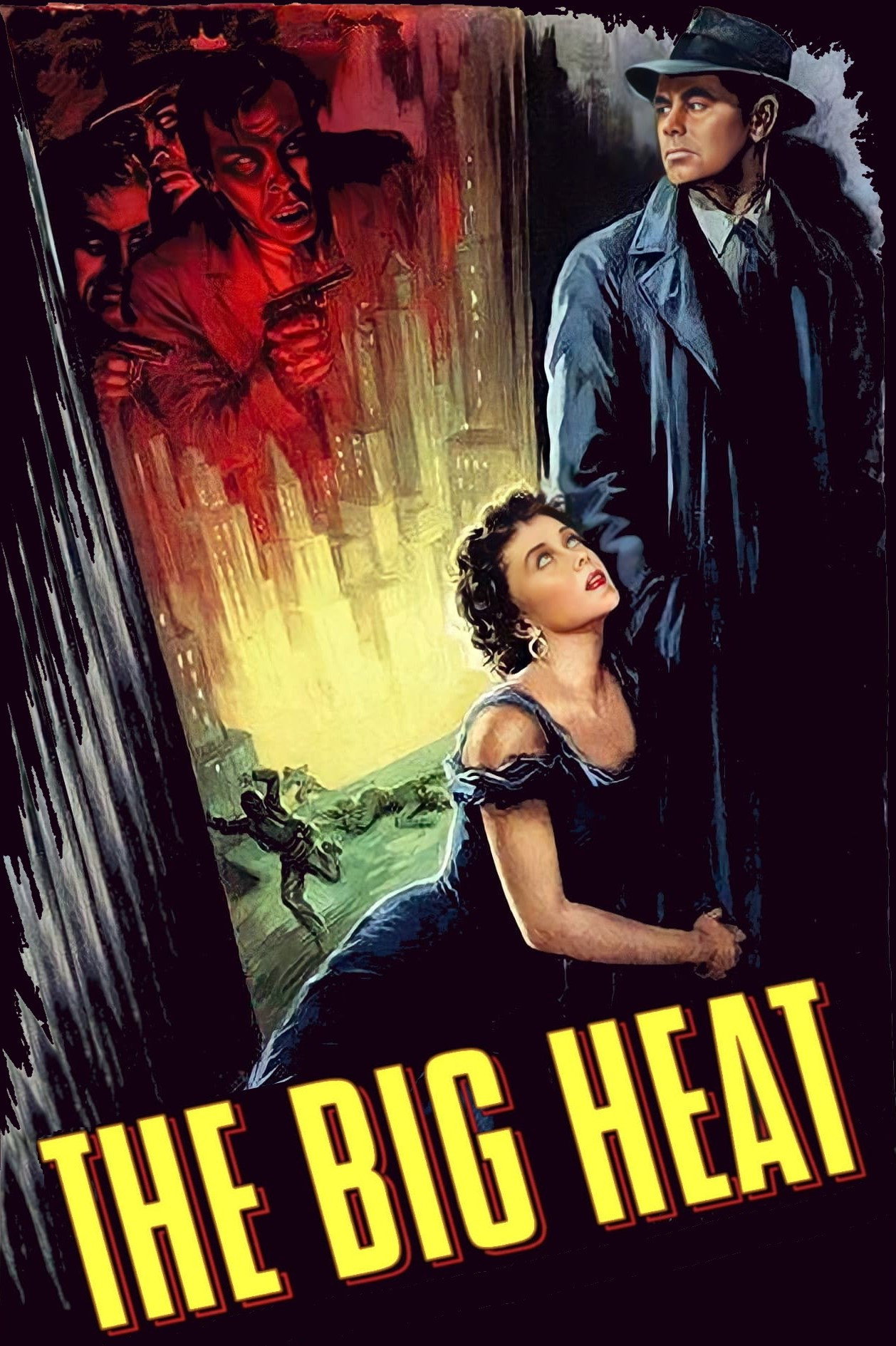
The Big Heat poster

The Big Heat

1953 · A tougher look at police anger, with less reassurance about where it leads

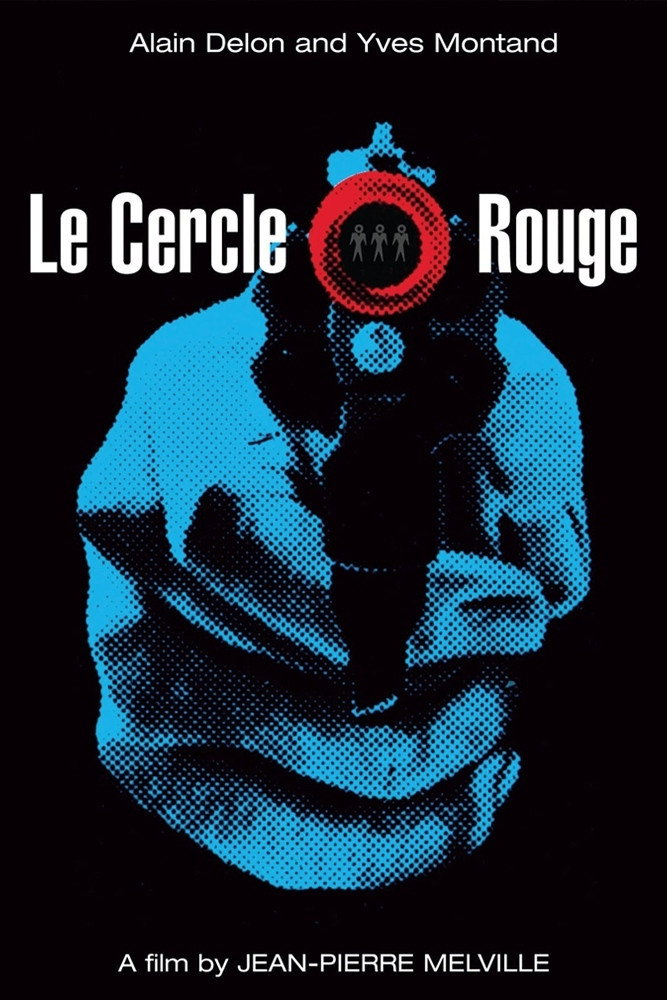
Le Cercle Rouge poster

Le Cercle Rouge

1970 · For the pleasure of watching professionals work, with considerably less talking

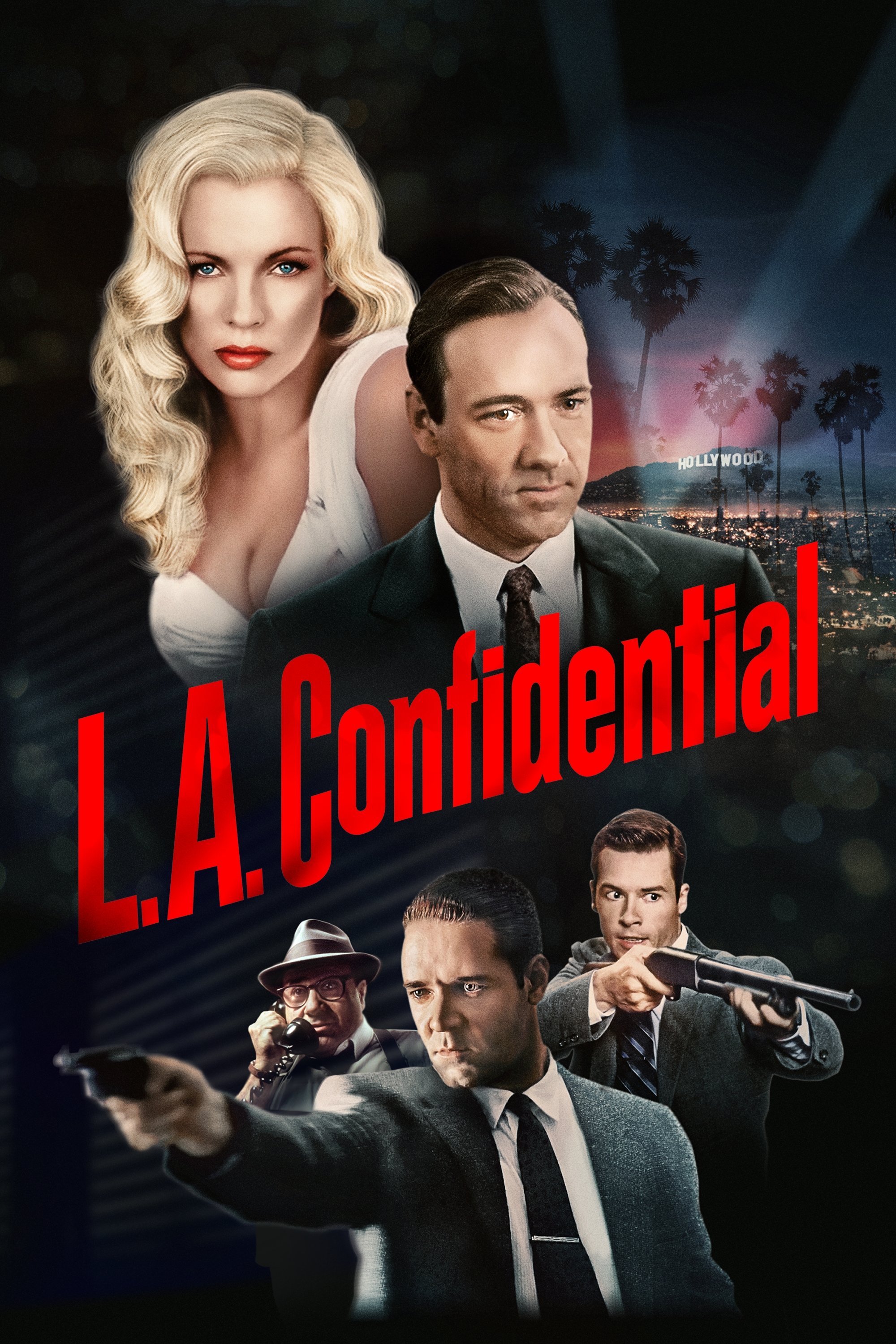
L.A. Confidential poster88

L.A. Confidential

1997 · Period crime, strong supporting performances and harder questions about the men carrying badges

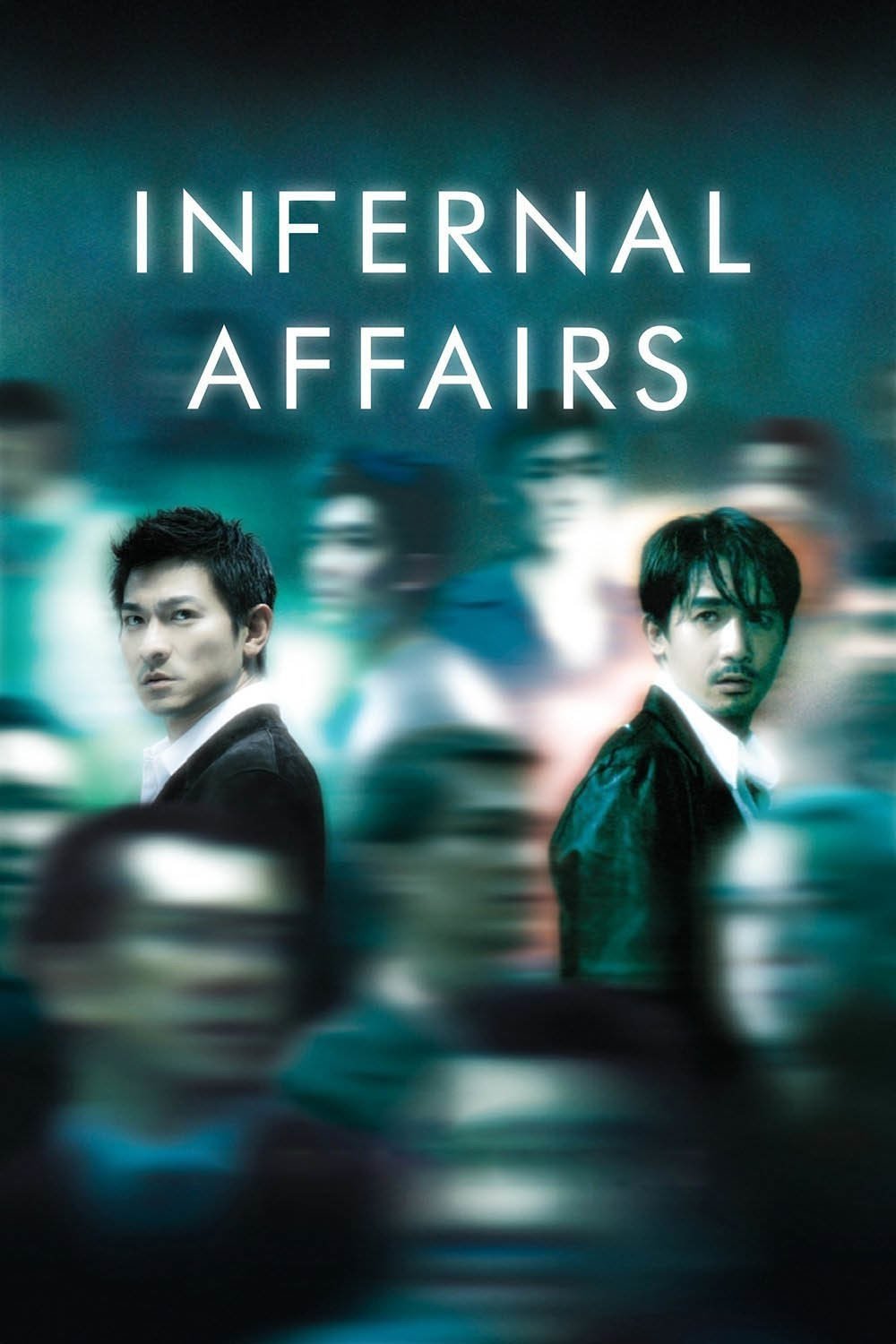
Infernal Affairs poster87

Infernal Affairs

2002 · Another tense police thriller in which choosing a side solves little

The Taking of Pelham One Two Three poster

The Taking of Pelham One Two Three

1974 · Professionals under pressure, sharp dialogue and a welcome shortage of heroic posing