Film review

L.A. Confidential

1997 · Directed by Curtis Hanson · 2h 18m · MPA R

In a sentenceA police thriller that makes calling the police seem an optimistic response

CrimeMysteryThriller

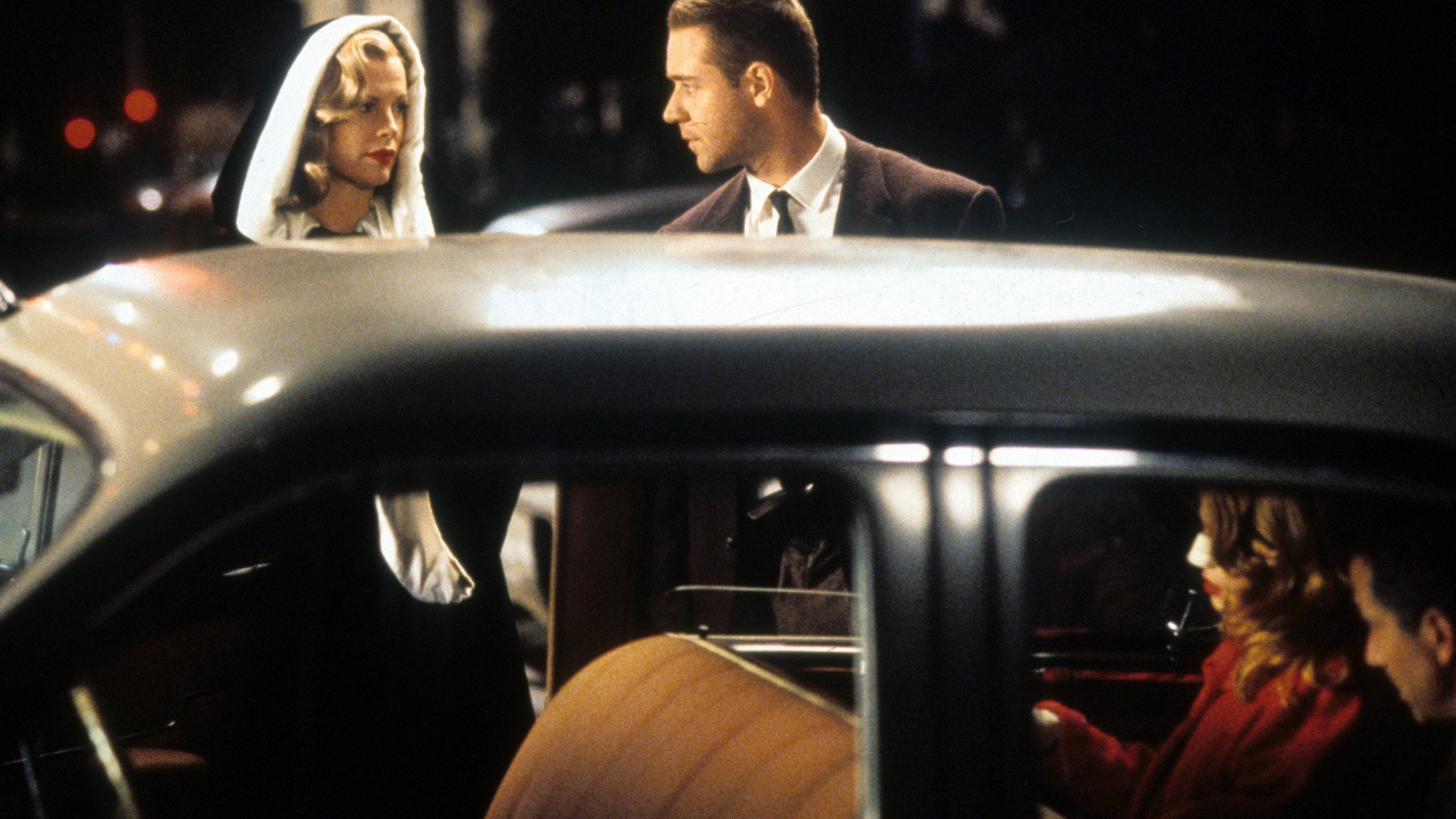
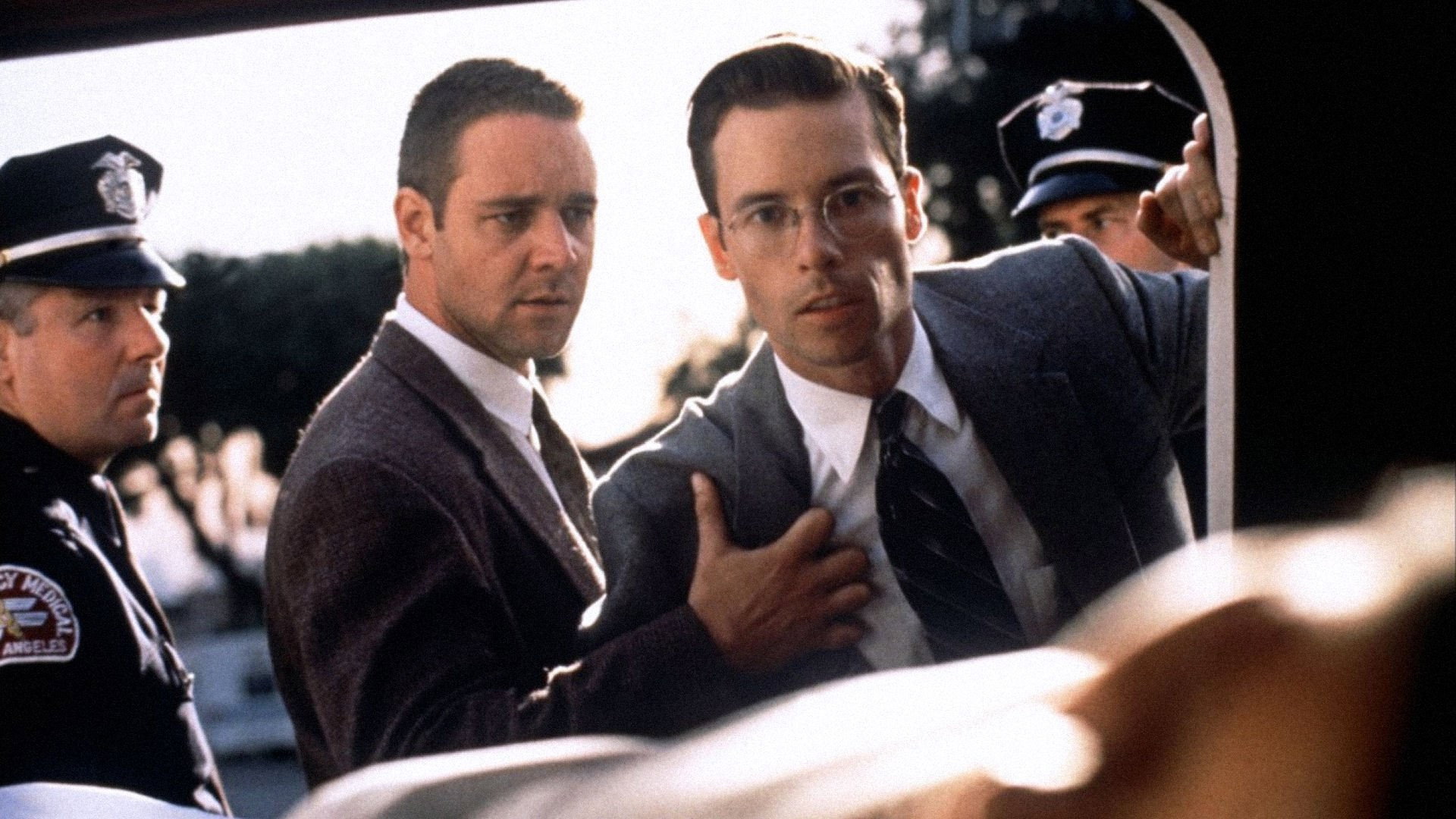
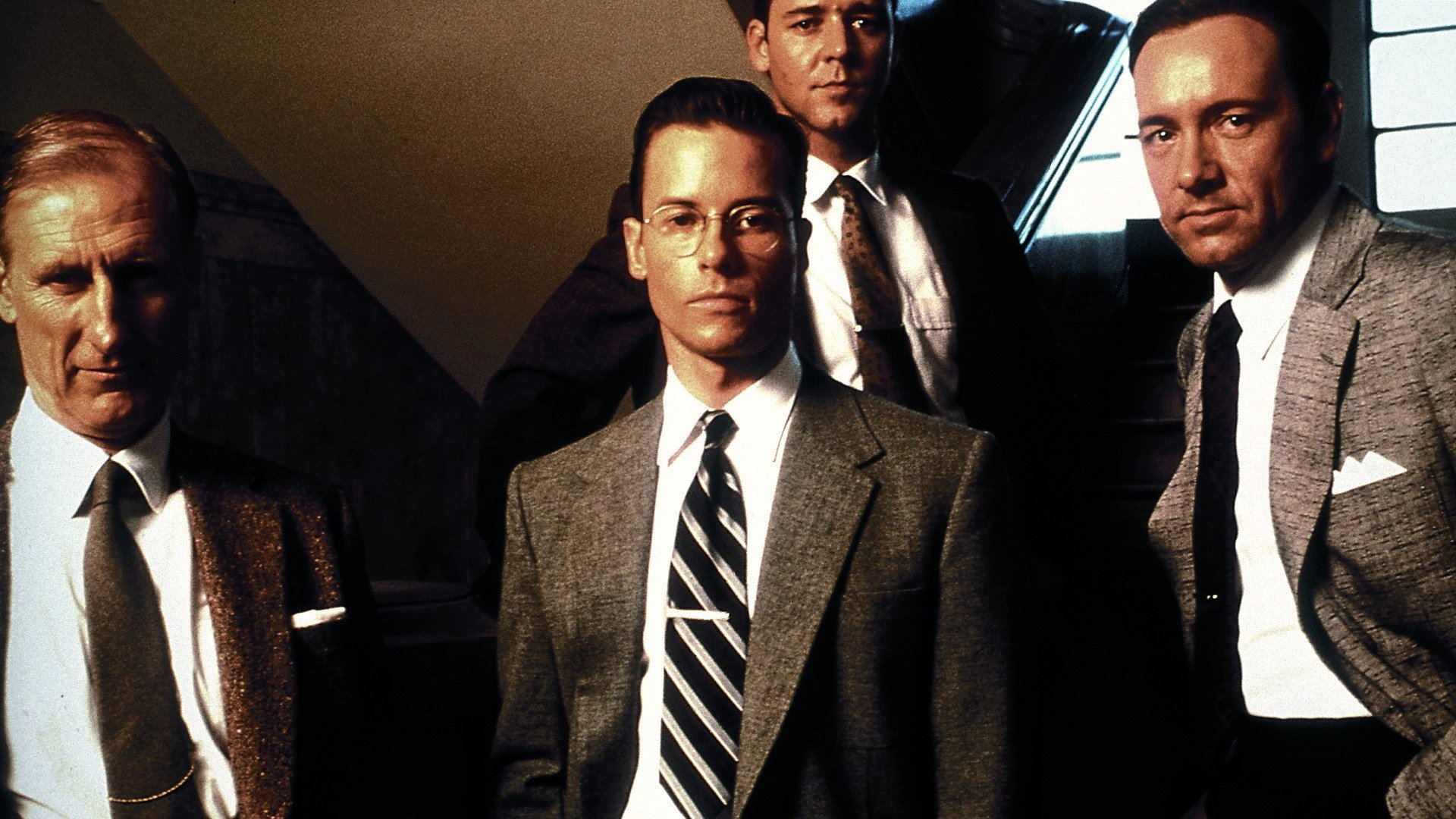
In 1950s Los Angeles, policing, organised crime and the scandal press overlap. Jack Vincennes (Kevin Spacey), Bud White (Russell Crowe) and Ed Exley (Guy Pearce) are three officers working in a city where corruption complicates the distinction between the investigators and the people they investigate. Lynn Bracken (Kim Basinger) and Sid Hudgens (Danny DeVito) also figure in the mystery. Adapted from James Ellroy’s novel by Curtis Hanson and Brian Helgeland, the film follows the policemen through a case shaped by violence, reputation and the connections between people on both sides of the law.

Plays from YouTube when you press play; nothing loads from them until then.

Fi1m review

Curtis Hanson’s crime thriller makes a complicated mystery gripping through the people trying to solve it. The ensemble is persuasive throughout, though the women receive less of the writers’ attention than the men.

L.A. Confidential takes us into a city where the police, organised crime and the press are dangerously close. Curtis Hanson’s adaptation of James Ellroy’s novel is an absorbing, forceful crime thriller, and we recommend it with one reservation: its fascination with hard men sometimes limits its curiosity about everybody else. The screenplay, by Hanson and Brian Helgeland, makes a crowded mystery intelligible without making it feel simple. It expects us to pay attention to people as closely as we follow the case.

That matters because the corruption in this 1950s Los Angeles depends on personal weaknesses as much as criminal schemes. The script gives us enough reason to understand the attraction of influence, protection and publicity, then makes us consider who pays for them. There is plenty to keep track of, but the story seldom feels like an examination we might fail. Hanson’s control of the ensemble lets a change in someone’s manner matter as much as another piece of information.

Russell Crowe’s Bud White is the most immediate reason to keep watching. Crowe makes physical force look useful and almost comforting, which makes the performance troubling. We felt uneasy about how readily we warmed to him; his physical assurance makes it tempting to excuse the violence. Guy Pearce’s Ed Exley provides a less comfortable kind of authority, tight and watchful enough to make principle look like hard work. Their differences keep the film tense even when the plot has paused to explain itself.

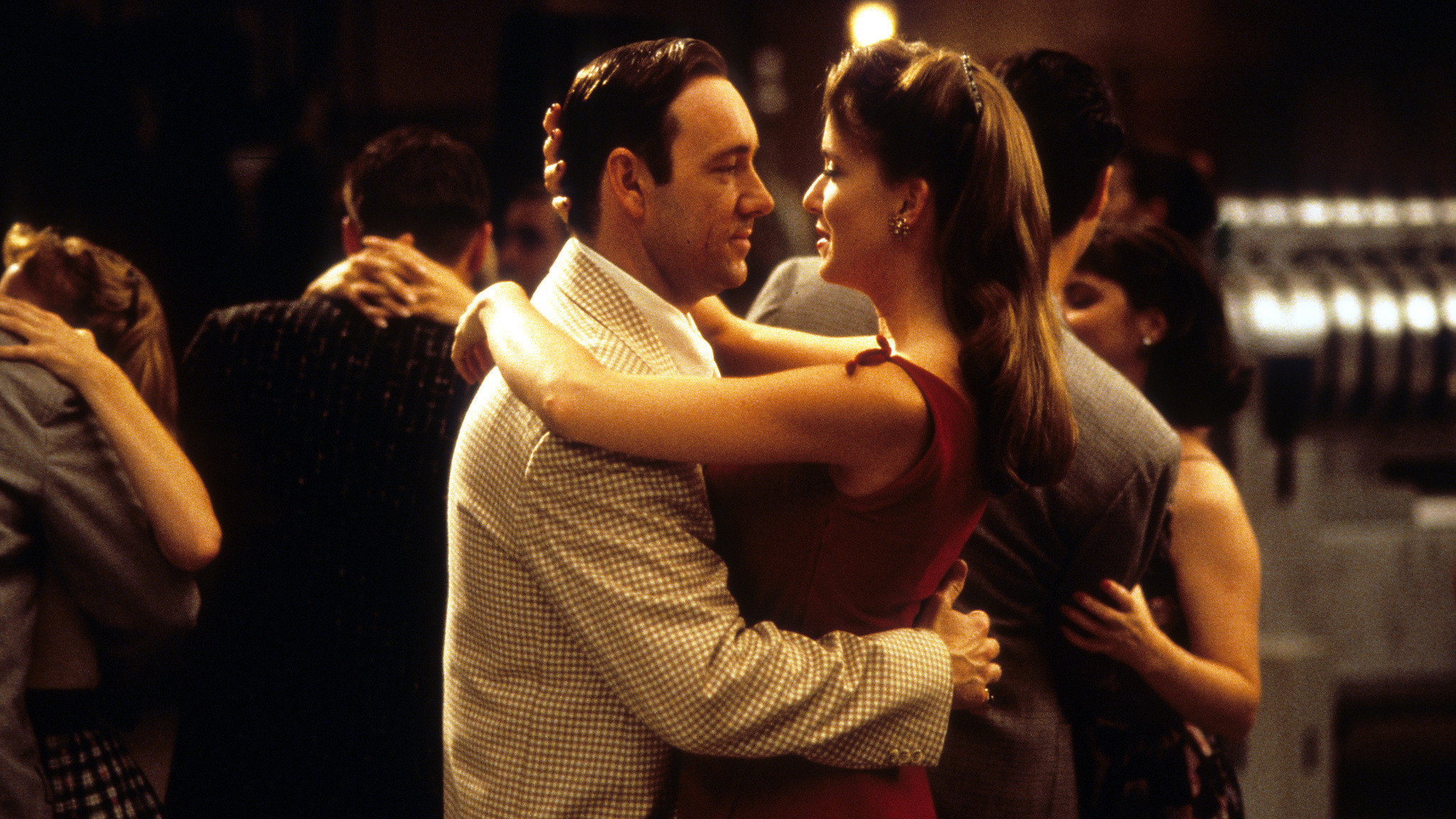
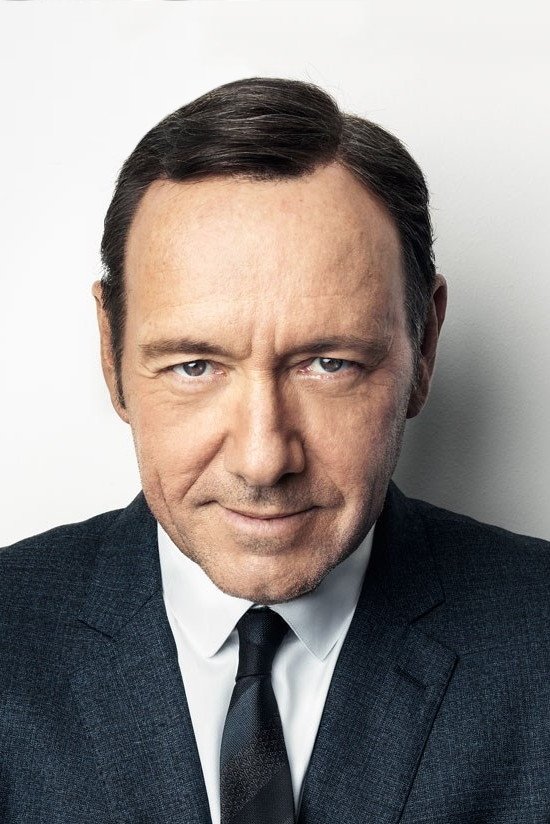
Kevin Spacey’s Jack Vincennes brings a different pleasure: the sense of a man who knows how to hold an audience. Spacey’s ease keeps the ensemble from becoming a competition in clenched jaws, while Danny DeVito’s Sid Hudgens adds a welcome, grubby humour. Kim Basinger’s Lynn Bracken has the harder task of making a person visible through the film’s interest in her appearance. She succeeds, but Hanson and Helgeland give the men more scope to be contradictory. That imbalance is the film’s clearest limitation.

Dante Spinotti’s cinematography makes the period setting inviting enough for the violence to disturb its good looks. There is no need to keep the whole city in darkness to persuade us that something is wrong with it. Jeannine Oppewall’s production design gives the period a solidity that helps the actors inhabit it without seeming put on display. The surroundings make this Los Angeles credible, and Hanson is sensible enough to keep the actors in charge of our attention.

Peter Honess’s editing keeps the separate strands moving at a pace that allows suspicion to build without losing the thread. At 138 minutes, the film has room to complicate our first impressions, and it mostly uses that room well. Jerry Goldsmith’s score supplies tension without doing the actors’ worrying for them. Together, the cutting and music sustain the pleasure of a densely plotted thriller, though there are passages when the amount of information briefly outweighs the people delivering it.

Crime thrillers can become pleased with themselves for noticing that respectable institutions harbour criminals. Hanson avoids much of that smugness by making the people inside those institutions worth watching, even when their behaviour repels us. We share the critics’ admiration for the storytelling, with a little less patience for how narrowly the film distributes its sympathy. Give it an uninterrupted evening, and resist deciding too quickly which officer deserves your confidence.
Critical consensus AI synthesised

3 of 6
Positive
3
Mixed
0
Negative
0
Total Film
8 October 1997
95*

The critic hails it as a magnificent, certified classic and one of the most intelligent thrillers ever made, superior to Chinatown in richness and dynamism. It singles out the brilliant adaptation of Ellroy's novel, the intensely committed ensemble performances (especially Crowe and Pearce), and the perfect blend of moral analysis with thrilling entertainment.

Read the full review →
Time Out
10 September 2012 · TCh
90*

Hanson's adaptation of Ellroy's complex novel is a towering achievement and probably the finest mystery thriller since Chinatown. It excels as a subtle, shocking, compelling and immensely assured exposé of corruption, violence and scandal in 1950s LA.

Read the full review →
Empire
· Bob McCabe
85*

The critic praises Hanson's complex dive into Ellroy's world and the fine ensemble performances, particularly from Crowe, Pearce, Spacey, Basinger, and DeVito, along with the evocative 1950s LA cinematography and score. Some changes from the book are noted but accepted as the film delivers inspired storytelling overall.

Read the full review →
Los Angeles Times
14 May 1997 · festival review · Kenneth Turan

The critic describes the film as a compelling, dark, dangerous and intoxicating tale of trouble in paradise that contrasts sunny perceptions with brutal corruption. He notes the director's authentic approach to the source material and period setting while focusing on character and plot.

Read the full review →
The Independent
14 November 1998 · HHHH

The critic calls it a classic film noir. The review highlights the complex plot involving three LA cops and a classy hooker amid blurred lines between press, mobsters, and police, with strong performances from Pearce and Crowe.

Read the full review →
The New York Times
19 September 1997 · Critic's Pick · Janet Maslin

The critic praises the film as a tough, gorgeous, vastly entertaining throwback to classic Hollywood filmmaking that breaks modern studio rules. She highlights its brilliant adaptation of the novel, surprising mystery plot, and strong performances from an ensemble including Russell Crowe, Guy Pearce, and Kevin Spacey.

Read the full review →

Cast

Stills

Awards

Academy Awards, 1998

Nominated
Best Cinematography
Nominated
Best Director
Nominated
Best Film Editing
Nominated
Best Original Dramatic Score
Nominated
Best Picture
Nominated
Best Production Design
Nominated
Best Sound
Won
Best Supporting Actress
Won
Best Writing, Adapted Screenplay

Silver nugget for the best foreign film, 1998

Won
Silver nugget for the best foreign film

Dallas-Fort Worth Film Critics Association Award for Best Film, 1997

Won
Dallas-Fort Worth Film Critics Association Award for Best Film

If you liked this, try…

The Big Heat poster

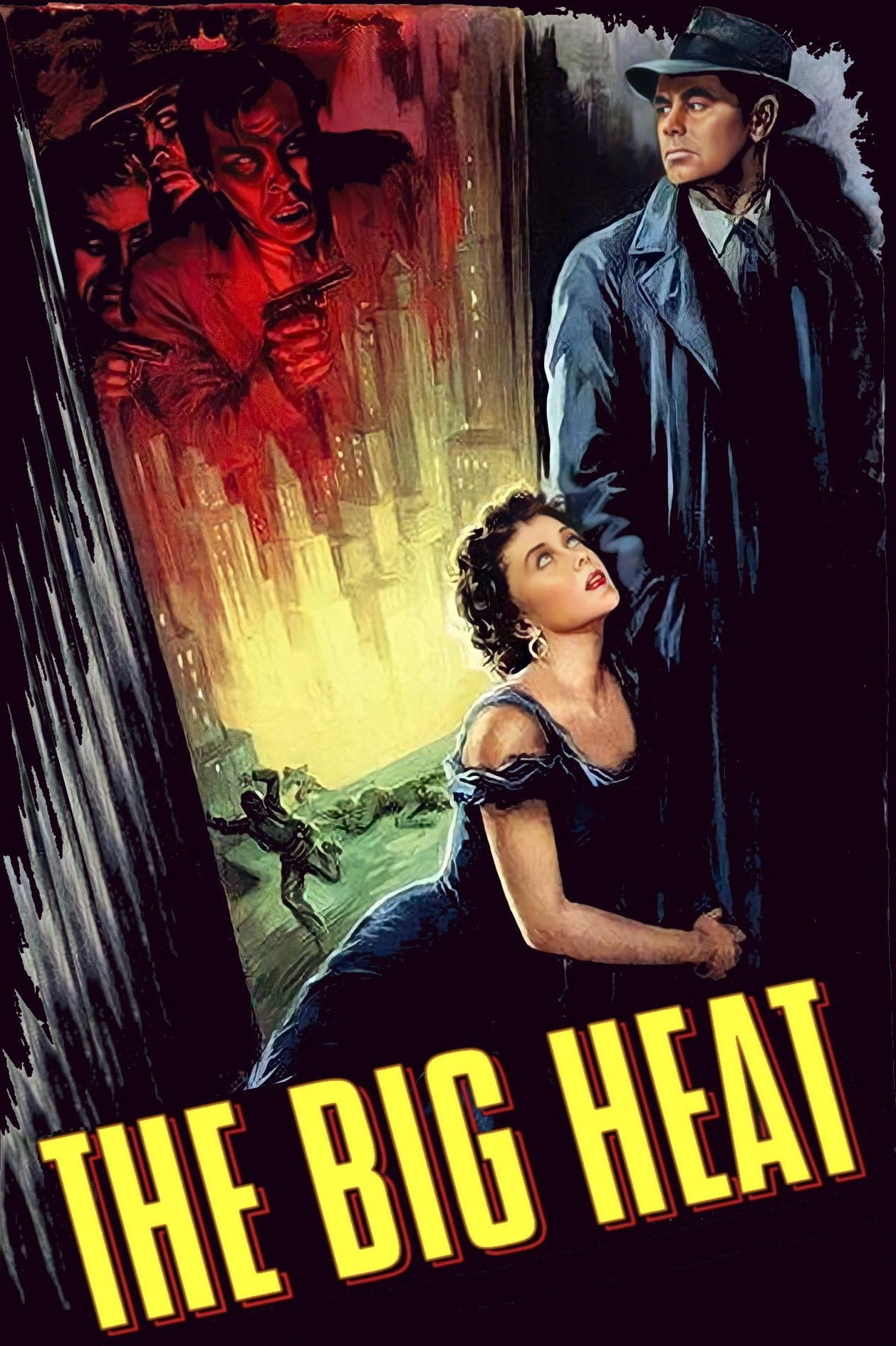
The Big Heat

1953 · For another hard look at police violence and the comforts of revenge

High and Low poster

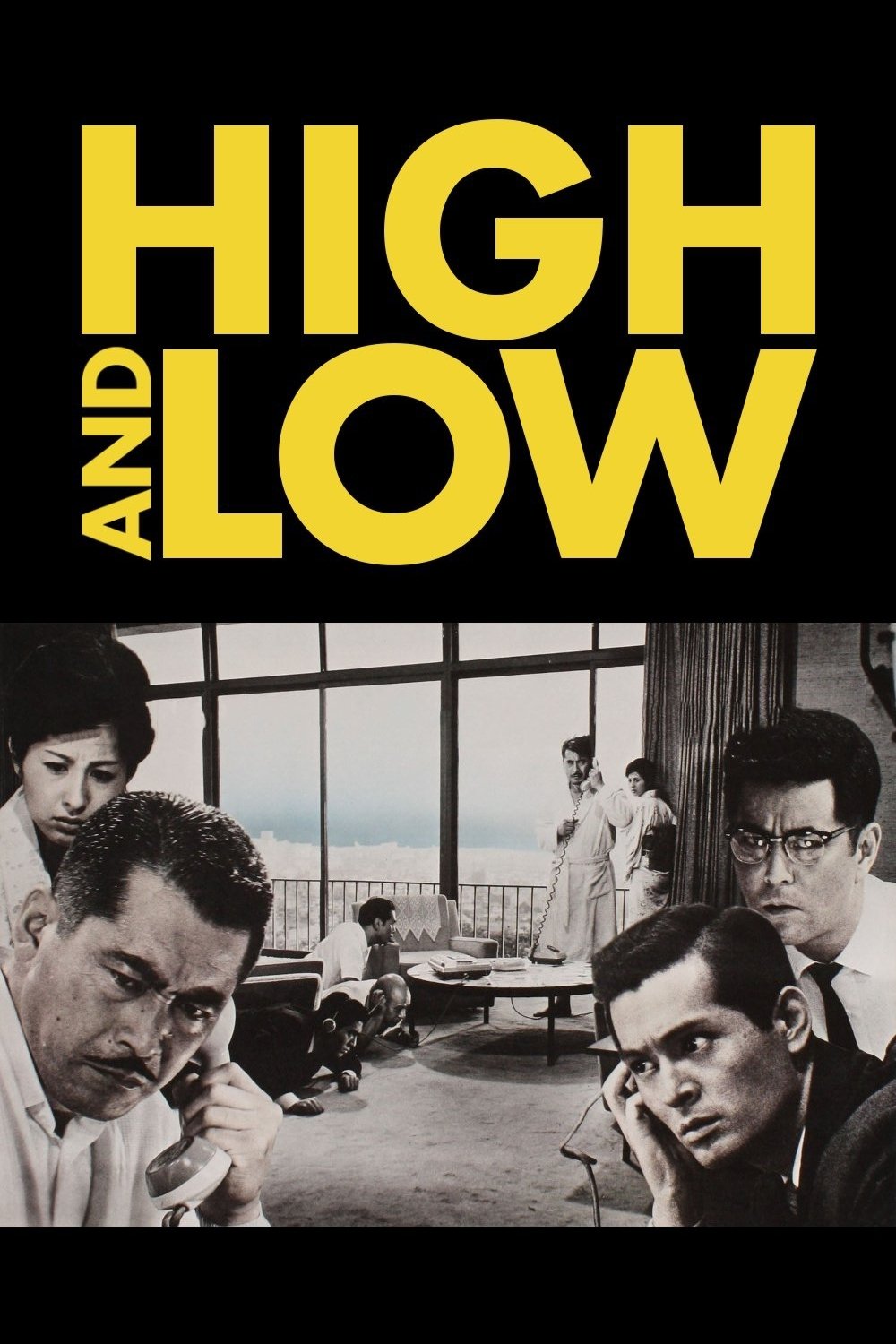
High and Low

1963 · For a patient investigation that makes money and social standing matter

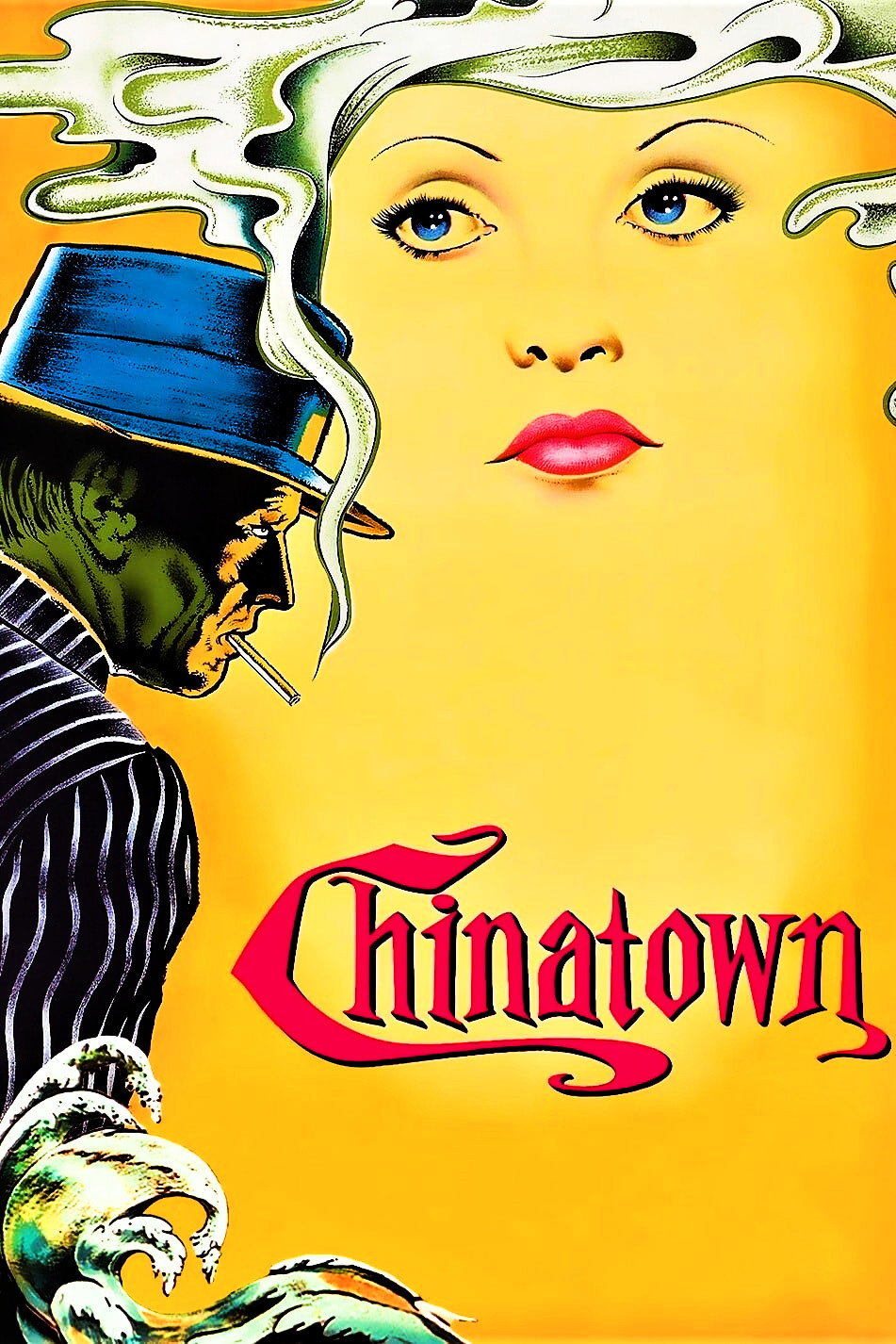
Chinatown poster93

Chinatown

1974 · For another Los Angeles mystery where influence determines who gets hurt

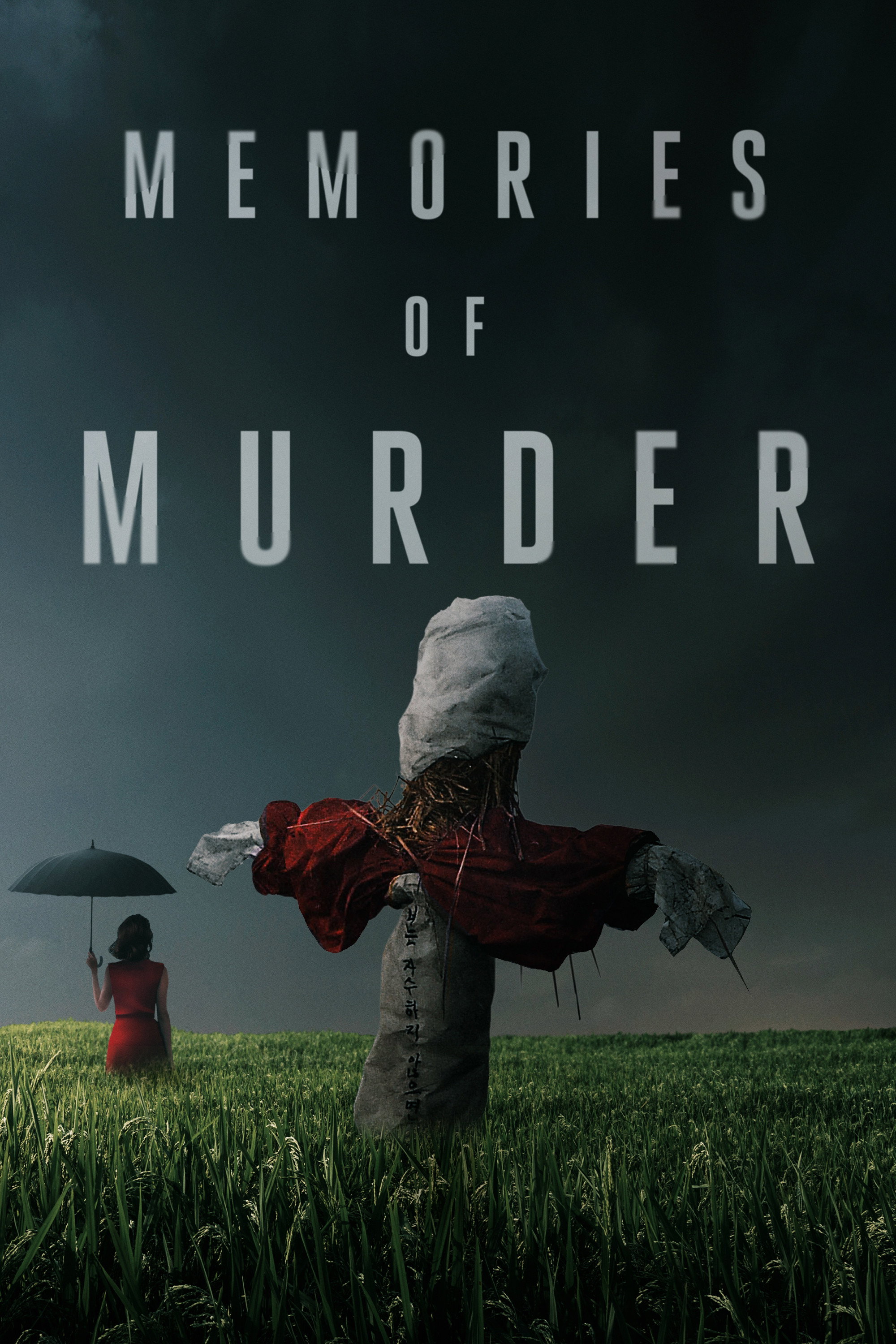
Memories of Murder poster

Memories of Murder

2003 · For detectives whose certainty is considerably more dangerous than their ignorance

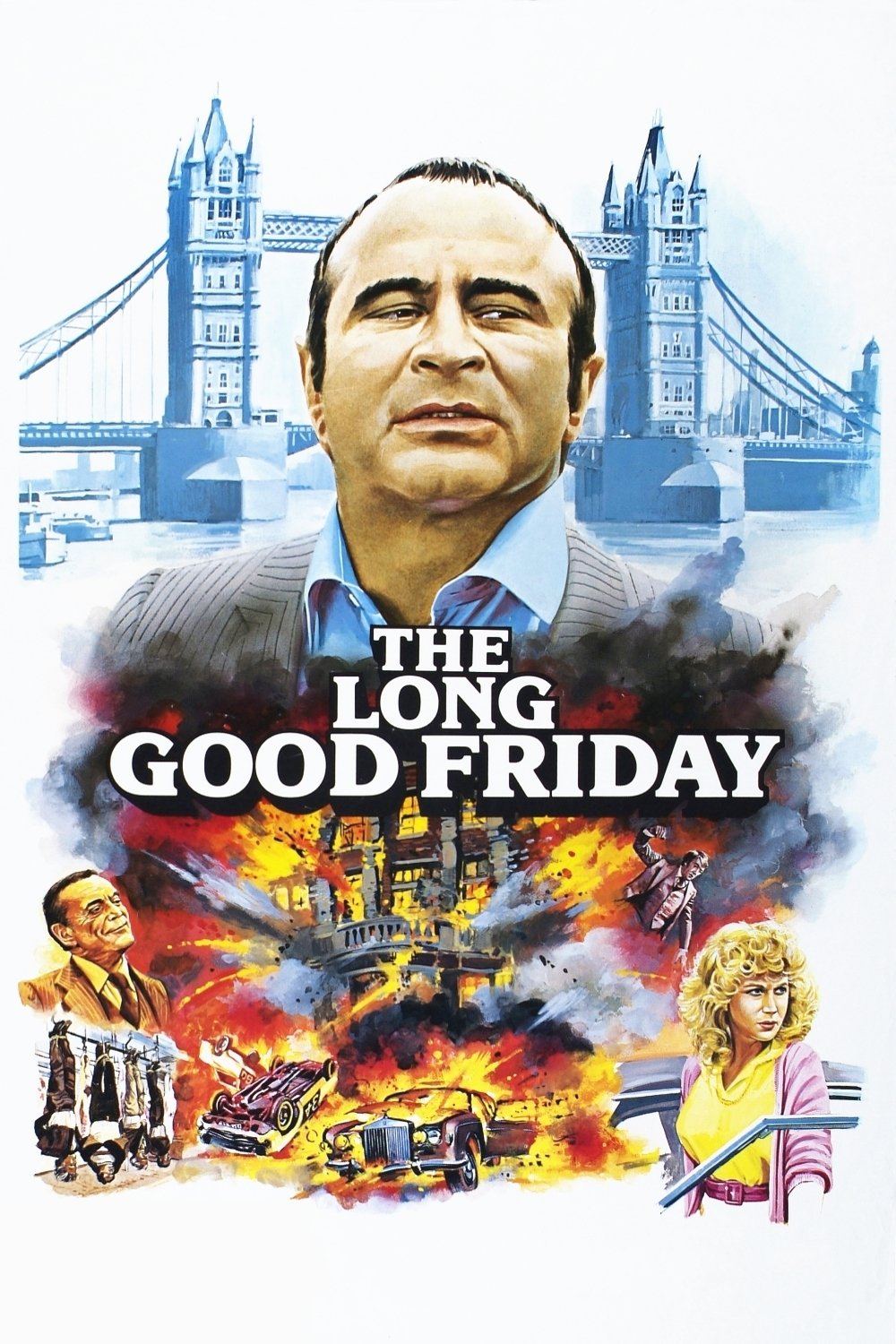
The Long Good Friday poster88

The Long Good Friday

1980 · For criminal authority made fascinating by a man struggling to retain it