Brian De Palma makes a familiar gangster redemption story unusually affecting, with Al Pacino giving its suspense someone worth worrying about. The pace slackens, but the set-pieces and the romance justify the patience.
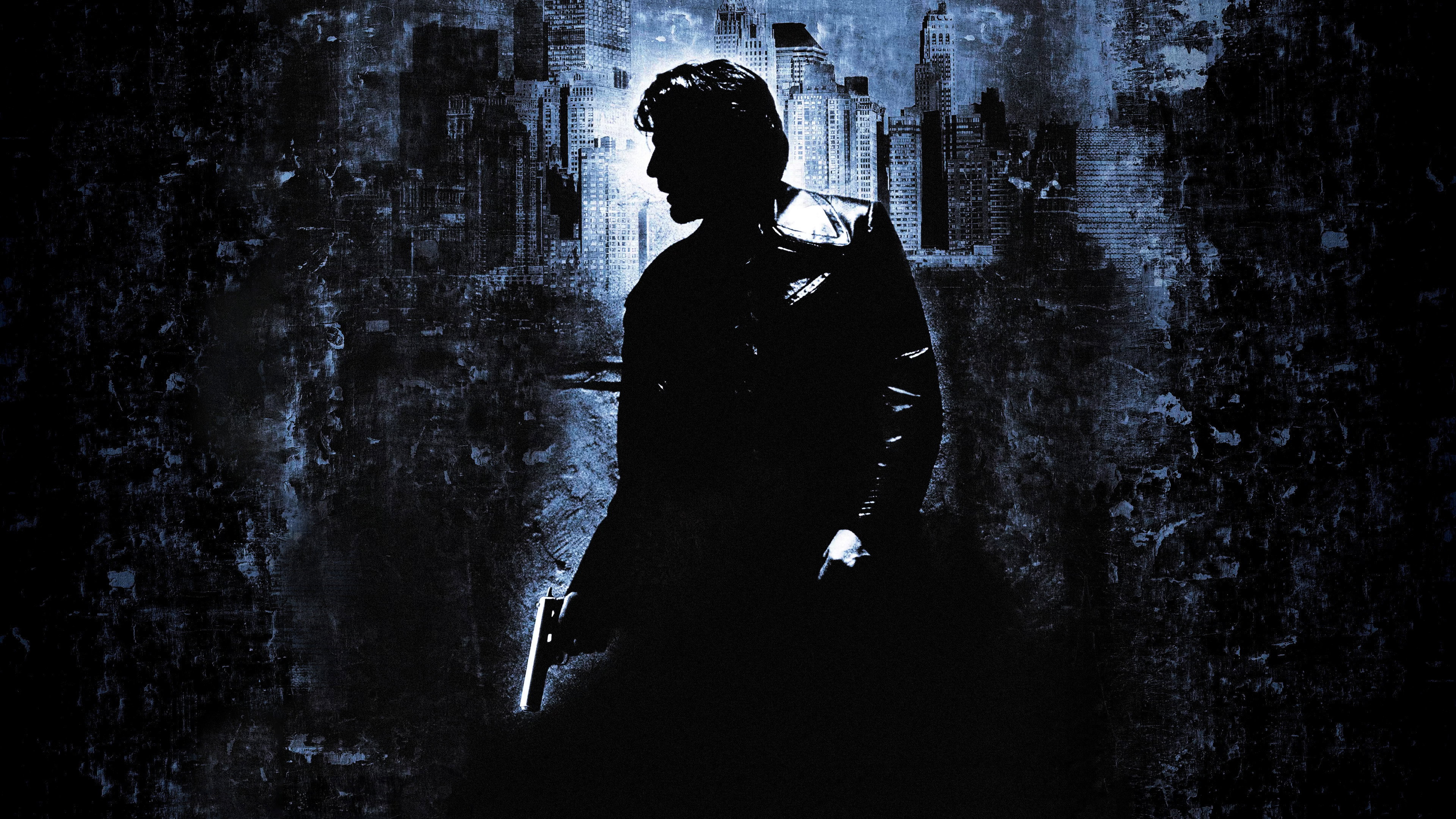
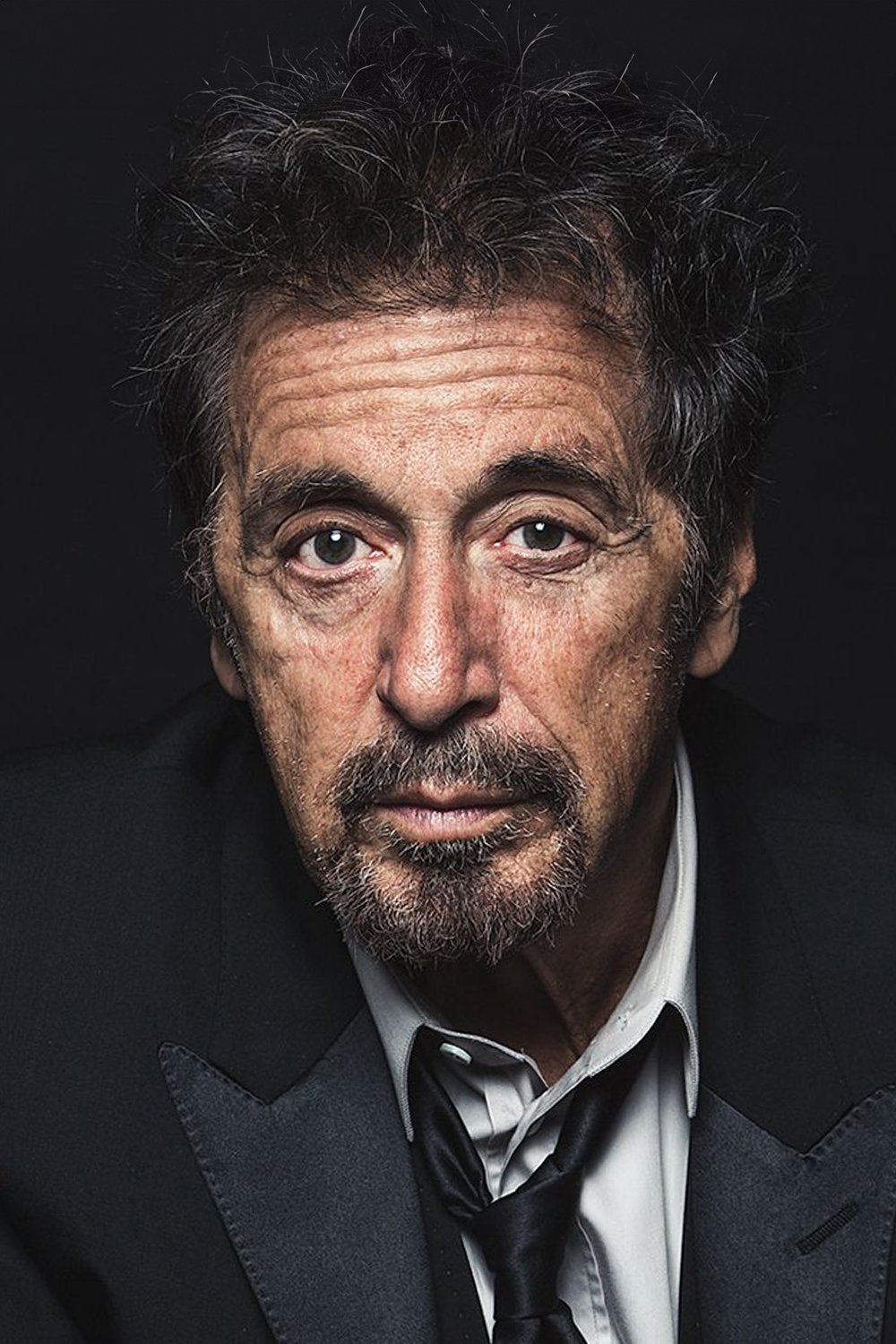
Brian De Palma’s Carlito’s Way is a gangster film in which we care whether the gangster manages to stop. That gives a familiar story enough purpose to sustain most of its 144 minutes, and makes the suspense count for something beyond the next demonstration of technique. Al Pacino plays Carlito Brigante as a man whose experience has begun to show in his face and in his restraint. We believe he wants a different life. We also believe that wanting one may not be enough to get him out of trouble.
Sean Penn’s David Kleinfeld is a particularly good reason to worry. The lawyer belongs among the people pulling Carlito back towards trouble, and Penn makes him absorbing enough that we understand why the film keeps returning to him. His performance is much more demonstrative than Pacino’s, but De Palma keeps the difference useful. Carlito’s restraint gives us something to measure the lawyer against, while Penn supplies a nervous energy that prevents their scenes from settling. David Koepp’s screenplay is strongest when the difficulty of going straight comes from dealing with another person, rather than from explaining Carlito’s intentions.
Penelope Ann Miller’s Gail is just as important to the film, for quieter reasons. The romantic scenes give Carlito something to want beyond surviving the next encounter, and Miller helps make that wish feel neither foolish nor conveniently noble. We were moved by the tenderness between them, because Pacino lets Carlito seem less defended with Gail than he does among his criminal associates. Their scenes make the prospect of an ordinary life seem worth all the effort he is putting into getting one.
Stephen H. Burum’s cinematography gives De Palma’s suspense space to develop. In the pool hall, our interest is in the space around Carlito as much as in Carlito himself, and the prospect of violence makes us examine the pool hall more closely. Richard Sylbert’s production design gives the pool hall the convincing everyday character that this sort of suspense needs. We were tense before the shooting began. De Palma makes the waiting uncomfortable, so that the gunfire arrives in a scene that has already got to us.
Editors Kristina Boden and Bill Pankow are equally important to the subway chase. The cutting lets us follow the pursuit closely enough to anticipate trouble, while never allowing that understanding to become reassurance. De Palma’s pleasure in staging a sequence becomes infectious here: we can enjoy the skill and still worry about the man. Patrick Doyle’s music is less restrained than Pacino, and occasionally presses for sympathy the performance has already earned. It suits the film’s seriousness, though a little less encouragement would sometimes have helped.
The patience is not always rewarded. The film spends too long restating how hard it is for Carlito to leave his old life, and the slower passages are not all deepened by reflection. Koepp gives us a compelling predicament without making every step through it equally interesting. Against the gangster genre’s familiar pleasures of confidence and command, however, Pacino’s weariness is welcome. De Palma gives us enough time with Carlito to make the danger matter, even if we could spare some of that time.
We would recommend it to anyone who wants a crime film to make room for affection, and who can forgive a stretch of waiting between its set-pieces. Penn gives the more conspicuous performance, but Pacino gives us the reason to stay. Give it an uninterrupted evening, and resist treating the romance as a pause between the dangerous bits.