Denis Villeneuve makes an unnerving thriller about an FBI agent kept dangerously uninformed. Emily Blunt gives it someone worth worrying about, though the drug-war politics are thinner than the film’s solemnity suggests.
Denis Villeneuve keeps us poorly informed and thoroughly alarmed in Sicario. He follows an FBI agent into a drug-war operation on the US–Mexico border, restricting our understanding to hers. This is a forceful thriller, worth watching for its performances and its careful preparation of violence, though its treatment of the drug war is frustratingly narrow. The uncertainty matters because the agent is meant to enforce rules that the operation seems willing to ignore.
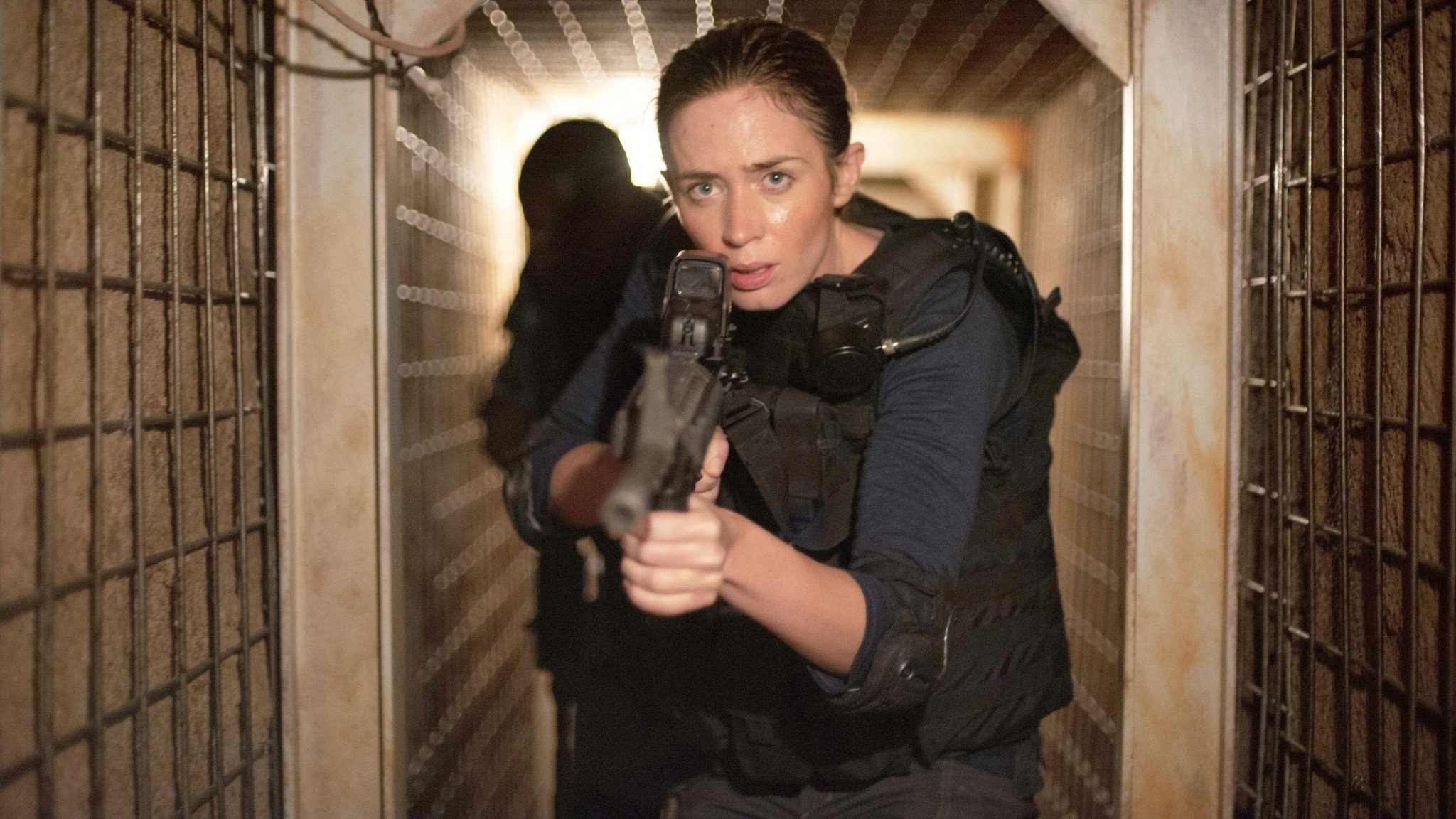
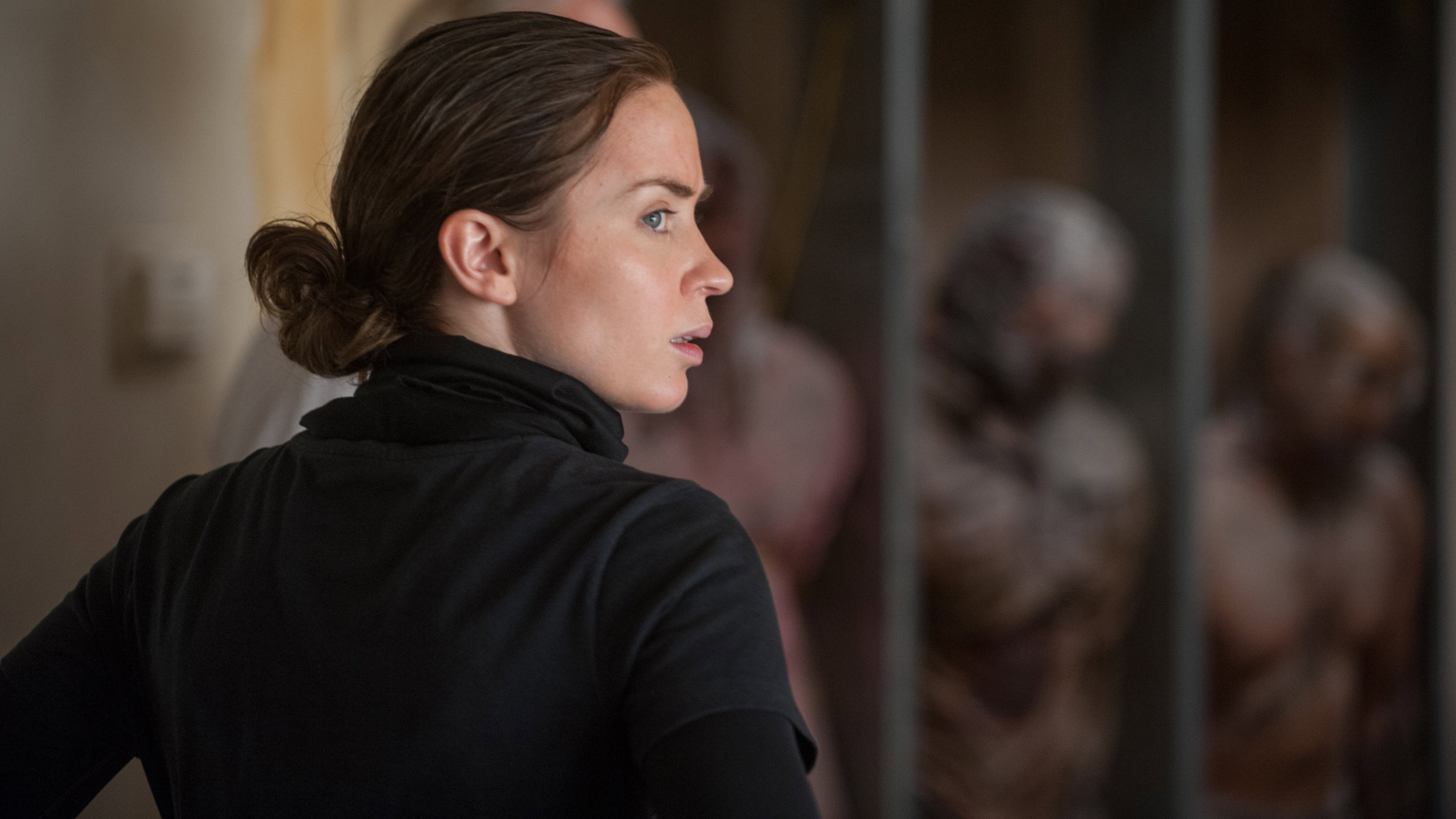
Emily Blunt makes Kate Macer’s resistance credible even when Taylor Sheridan’s screenplay pushes her towards implausible innocence. She reacts to the danger without making the character merely helpless, and she continues to seem capable of doing her job. We care because her questions are sensible, even when asking them makes her look out of place. The writing leans too often on her surprise at the conduct of people she works with; the performance gives those reactions enough weight to keep the device working.
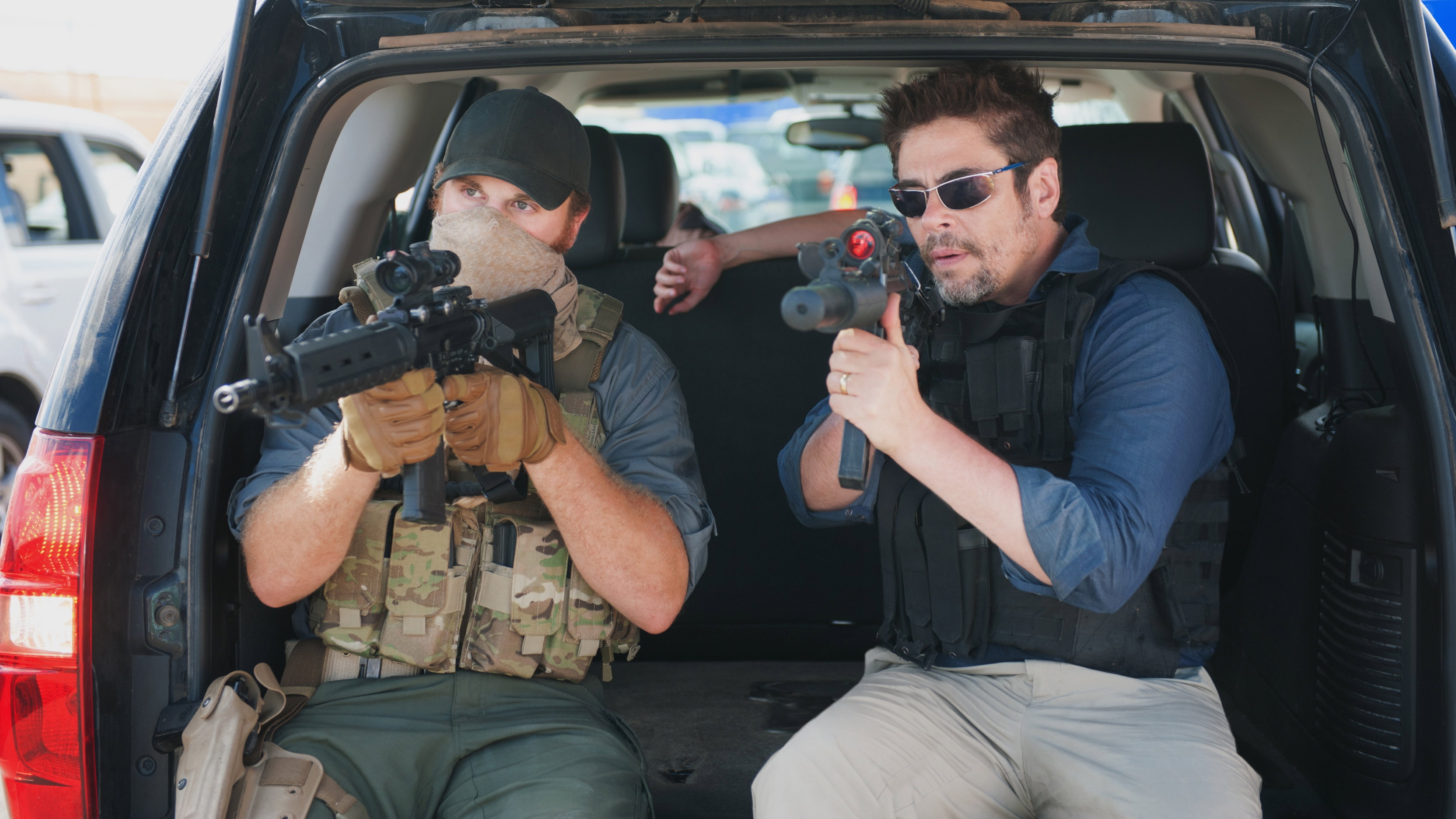
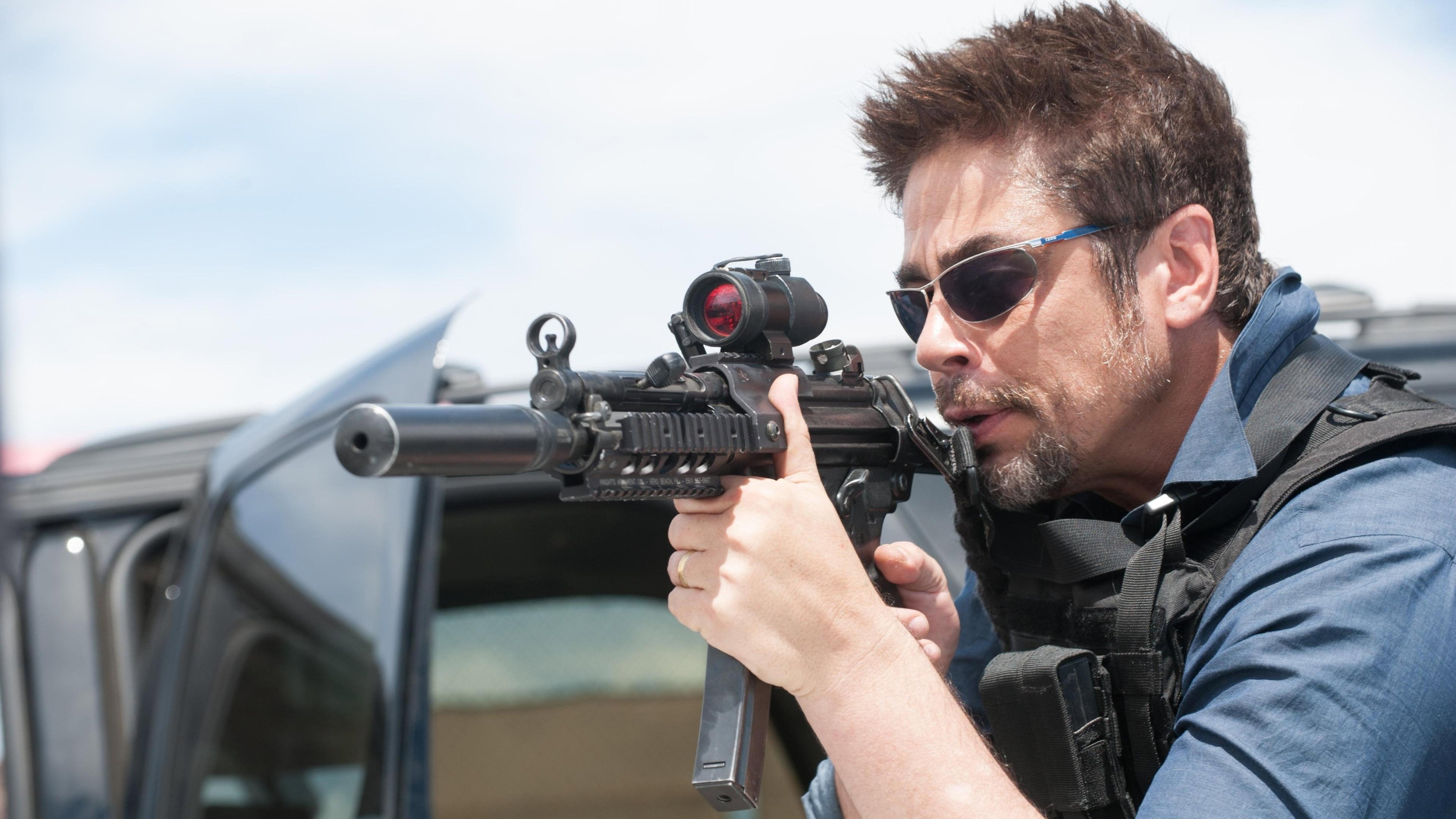
Josh Brolin’s Matt Graver is disconcertingly at ease, which makes Emily Blunt’s unease more persuasive. Benicio del Toro gives Alejandro Gillick a reserve that feels threatening without constantly advertising the threat. We want to know what these men know, partly because the agent does, partly because their confidence is so unsettling. The actors hold our attention through exchanges that the script might otherwise reduce to one person asking and another declining to answer.
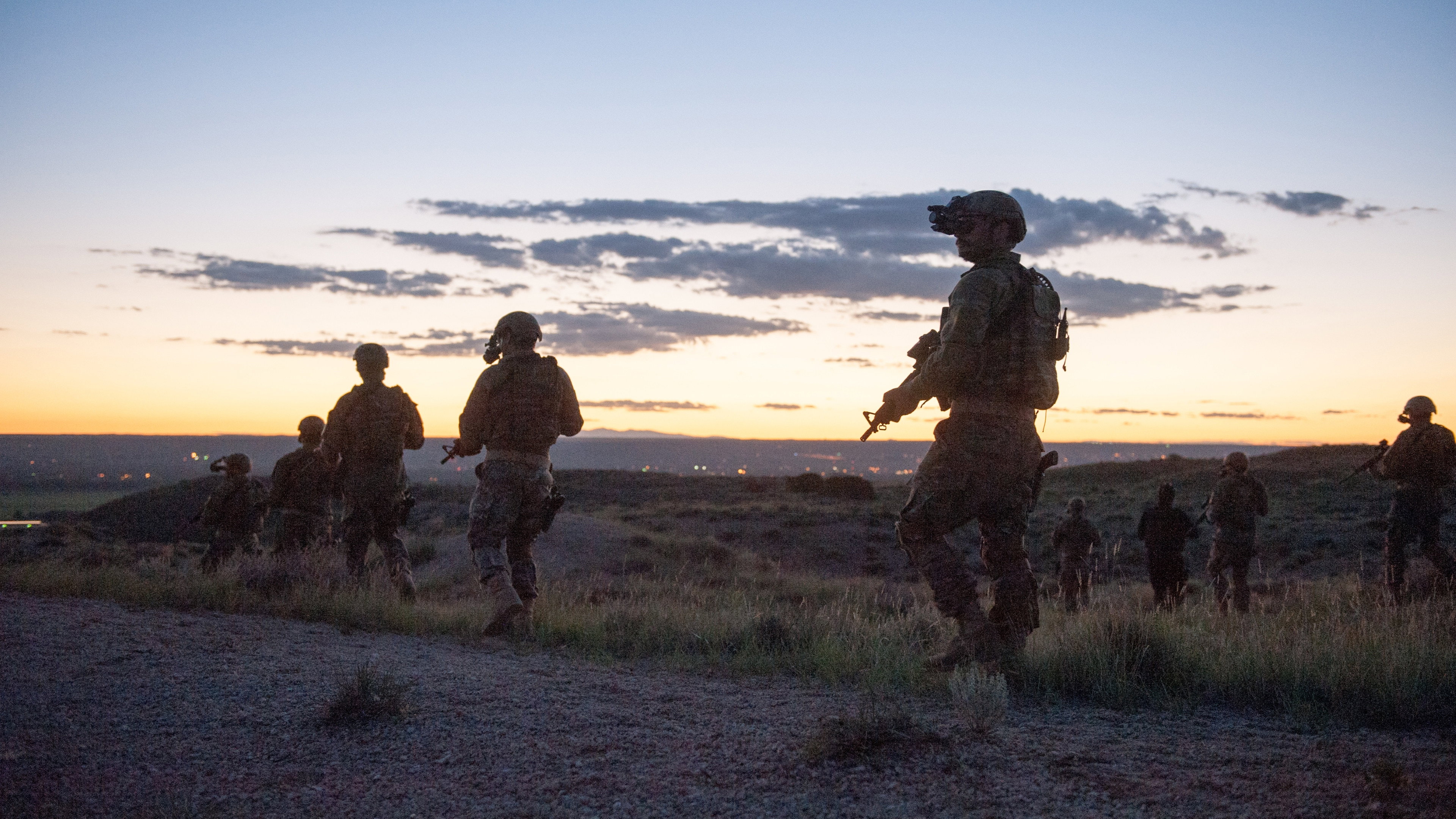
Roger Deakins’ dusk photography makes us work to pick out possible threats in the half-light. We were anxious before the shooting started, because that effort made the waiting feel dangerous. Denis Villeneuve lets the apprehension build, then stages the violence clearly enough for us to follow what people are doing. The night-vision images change what we can see without providing much relief from the tension.
Editors Mary Lukasiewicz and Joe Walker preserve those stretches of anticipation instead of hurrying towards the gunfire. Jóhann Jóhannsson’s booming score presses hard on the nerves, and its insistence works during the tense operations. It can overstate the dread when the actors have already established it, however, and a little more silence would help. Patrice Vermette’s production design keeps the surroundings functional and unshowy, leaving the actors to make these places frightening.
The weakness is how often Taylor Sheridan lets moral alarm stand in for an account of what sustains the drug war. There is plenty of wrongdoing to recognise, but little context with which to test the film’s bleak assumptions about power. That becomes more frustrating across 122 minutes, particularly when the film expects its account of compromised law enforcement to carry weight. We are invited to recoil from the methods, with too little help understanding the system that rewards them.
As a crime thriller, Sicario is unusually good at making the approach to violence disturbing in its own right. Its command of pace, light and performance keeps familiar questions about compromised law enforcement from becoming routine, even when the answers are thin. We recommend it with that reservation, and with some admiration for how much suspense it extracts from an unanswered question. Watch it with someone who will want to talk afterwards.