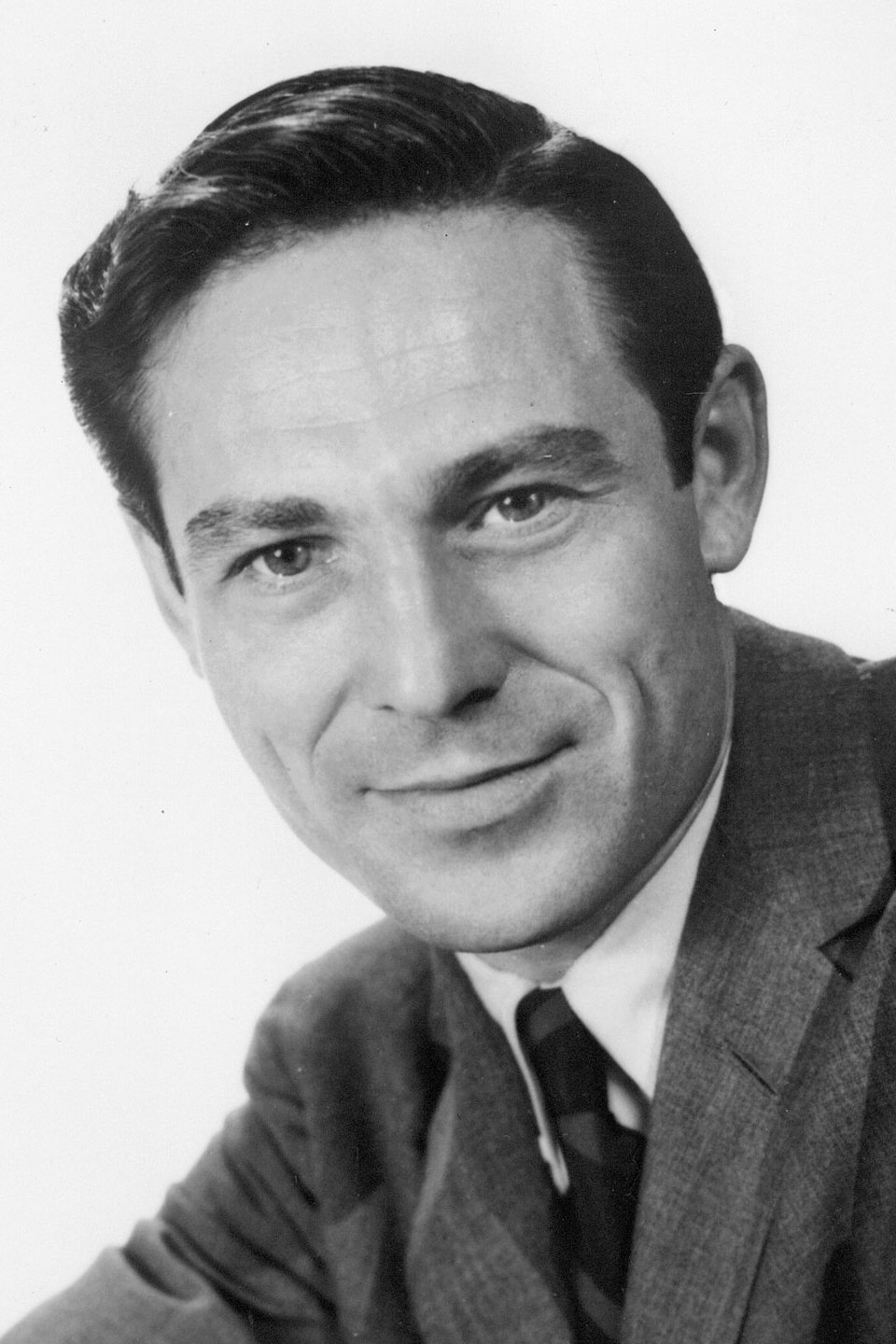
A stage actor with a reputation for unsettling audiences from across a theatre, Joseph Wiseman is remembered for one late, quiet entrance in metal hands. The stillness that made Dr. No work was his whole method, and the screen found too few uses for it.
Fi1m perspective
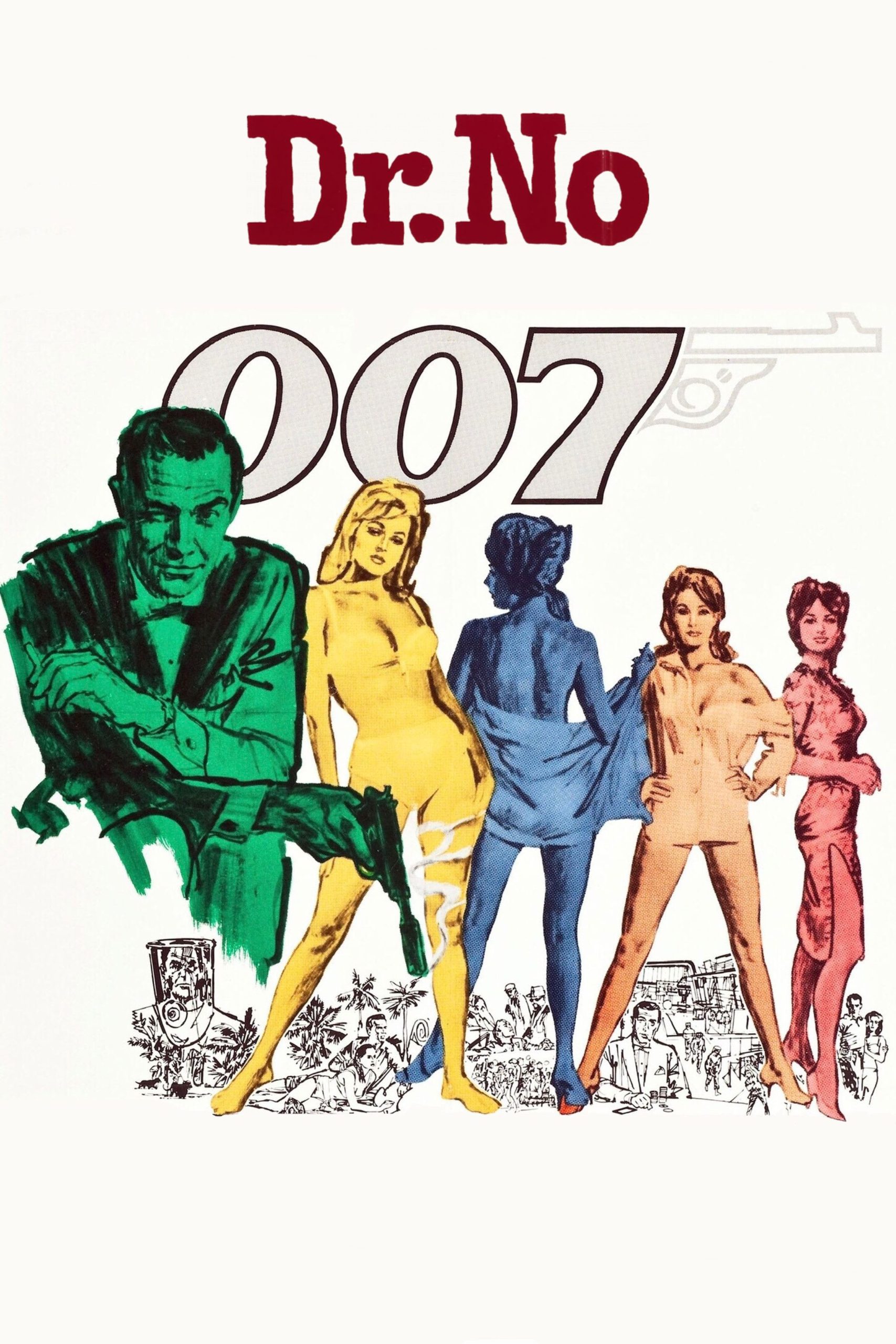
Dr. No does not shout. He arrives late in the film that carries his name, sits Bond down to dinner, and talks to him the way a tutor talks to a clever student who has been careless. The hands are metal, the jacket is white, and the voice never rises. In a series that would come to enjoy villains who bellow, Wiseman gave the first one almost nothing to do with his face and let the quiet carry it. We said in our review of Dr. No (1962) that he was the better for keeping his voice down, and that holds.
He came from the stage and preferred it there. He made his Broadway debut in 1938 in Abe Lincoln in Illinois and stayed in the theatre through the 1940s and 1950s, until William Wyler filmed Detective Story in 1951 and had him repeat his stage part, Charley Gennini, a highly strung criminal. Fernando, the betrayer in Elia Kazan's Viva Zapata (1952), followed, opposite Marlon Brando, and then Abe Kelsey, the one-eyed evangelist in John Huston's The Unforgiven (1960). It was Detective Story that got him the Bond part. By 1969 he was back on stage as J. Robert Oppenheimer, and he went on working in film and television into the 1990s.
The pattern is plain. He was cast again and again as men who were intense, off-beat or plainly unwell, and he played them cold, in a level voice, with as little movement as he could get away with. He had a reputation as the most unsettling actor on the American stage, and you can see why in the dinner scene of Dr. No. On our most recent viewing we were more disturbed by his good manners at that table than by anything the henchmen do, because Wiseman plays a man who has already decided how the evening ends and sees no reason to raise his voice about it. Later Bond villains learned the monotone from him. Few learned the patience.
The role's problem was never his acting. A white actor in make-up as a half-Chinese villain was something the film did without a thought, and we noticed; it sits over the performance now and will not lift. Wiseman himself was unsure about the whole thing, took it believing it "might be just another Grade-B Charlie Chan mystery", and then spent the rest of his life being asked about it instead of about the theatre he cared for. The cinema never found him a second part of that size. That is its loss more than his.
Biography
Joseph Wiseman (15 May 1918 – 19 October 2009) was a Canadian-born American actor of stage and screen. Born in Montreal, he moved to New York as a child and began performing in summer stock at the age of 16. He made his Broadway debut in 1938 in Abe Lincoln in Illinois and appeared in numerous productions over the following decades, including Detective Story, Antony and Cleopatra, Incident at Vichy and In the Matter of J. Robert Oppenheimer.
Wiseman's film roles included Detective Story (1951), Viva Zapata! (1952) and The Unforgiven (1960). He is best known for playing the title character in the first James Bond film, Dr. No (1962). His television credits include a recurring role as Manny Weisbord in Crime Story (1986–1988) and guest appearances in series such as The Twilight Zone, MacGyver and Law & Order. His final Broadway appearance was in Judgment at Nuremberg in 2001.